Echo Prices for Screening a Great Dane
It's a heartbreaking reality for many Great Dane owners: the anxiety that comes with knowing our gentle giants are prone to serious health conditions, especially heart disease. When your vet recommends an echocardiogram, it's natural for your mind to immediately jump to concerns about your beloved Dane's health, but also, let's be honest, to the significant financial implications. This guide will walk you through what an echocardiogram entails for your Great Dane, the various factors that influence its cost, and how you can prepare for this essential diagnostic procedure without feeling overwhelmed.
Why Great Danes Need Cardiac Screening: The Shadow of DCM
Our Great Danes are magnificent, but their sheer size and genetics make them uniquely susceptible to certain health challenges that smaller breeds might not face with the same intensity. One of the most devastating, and unfortunately common, is Dilated Cardiomyopathy (DCM), a condition where the heart muscle becomes thin and weak, making it less effective at pumping blood. This isn't just a minor issue; it's a serious, often progressive disease that can dramatically shorten their already too-brief lives.
The Real Risk: Dilated Cardiomyopathy in Great Danes
DCM is a silent killer, frequently showing no outward symptoms until it's already quite advanced. Imagine your vibrant, playful Dane suddenly seeming a little tired after a short walk, or perhaps having a cough that you initially brush off as kennel cough or allergies. These subtle signs can actually be early indicators that their heart is struggling. Because Great Danes are so stoic, they often mask discomfort until it becomes truly severe, leaving us, their devoted owners, caught off guard. This is why understanding The Heart Muscle Disease Great Danes Are Prone To is so crucial for every Dane parent.
The sad truth is that DCM progresses, and without intervention, it can lead to heart failure. The large size of a Great Dane's heart, while impressive, means there's more muscle to weaken and more demand on that muscle, exacerbating the condition. Regular screenings, particularly echocardiograms, become a critical tool in catching this disease when it's still in its earlier stages, offering the best chance for management and extending your Dane's quality of life.
The Importance of Early Detection
Early detection isn't just a buzzword; it's genuinely life-saving for a Great Dane with DCM. When the condition is found before clinical signs become overt, veterinarians often have more options for managing the disease through medication and lifestyle adjustments. This can significantly slow its progression and improve your dog's comfort and longevity. Think of it like catching a small leak in a pipe before it bursts and floods your house – much easier, and less costly, to fix!
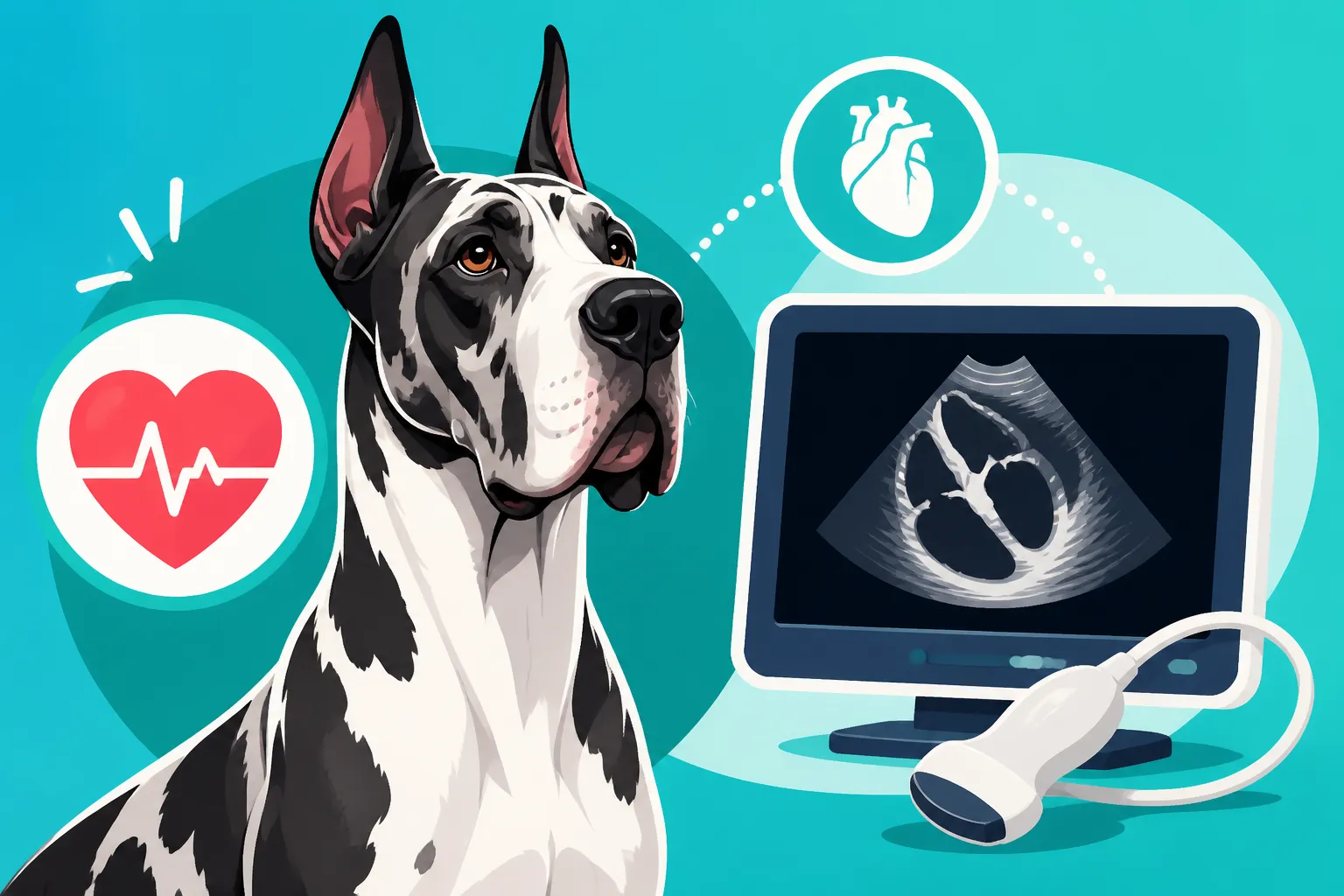
Without an echocardiogram, diagnosing DCM can be incredibly difficult. A regular stethoscope check might pick up a murmur, but it can't tell you the chamber sizes or the contractility of the heart muscle – vital information only an ultrasound of the heart can provide. This proactive approach, including regular screenings, is part of being a responsible Great Dane owner, allowing us to give them the best possible chance against this formidable disease. It's a key part of understanding Yearly Cardiology Costs for a Great Dane and preparing for the financial commitments involved in their care.
Deconstructing the Cost: What Influences an Echocardiogram's Price
When your vet suggests an echocardiogram, the first question, after "Is my dog okay?", is often "How much will this cost?" The truth is, there isn't one flat fee for an echo, and the price can vary quite a bit depending on several factors. It's a complex diagnostic procedure that requires specialized equipment and expertise, which naturally contributes to its cost.
The Veterinarian's Expertise and Location
The most significant factor influencing the price of an echocardiogram is often who performs it and where.
- General Practitioner vs. Board-Certified Cardiologist: Your regular family vet might be able to perform a basic echocardiogram, especially if they have invested in the necessary equipment and received additional training. However, for the most accurate and comprehensive assessment, particularly when diagnosing or staging DCM, a board-certified veterinary cardiologist is almost always recommended. These specialists have undergone extensive additional training, residencies, and rigorous examinations specifically in heart diseases. Their expertise comes at a premium, but it also ensures the most precise diagnosis and treatment plan. This level of specialization means they are better equipped to interpret subtle findings and provide the most informed recommendations for Medication for a Great Dane With DCM or other interventions.
- Geographic Location: Just like human medical costs, veterinary services are influenced by the cost of living and operating a business in a particular area. A veterinary cardiologist in a major metropolitan area, like Los Angeles or New York, will likely charge more than one in a rural town. This isn't just about rent; it's about staff salaries, equipment maintenance, and overall overhead.
- Type of Facility: A large, multi-specialty veterinary hospital or a university veterinary teaching hospital often has state-of-the-art equipment and a team of specialists, but their prices might be higher than a smaller, private specialty clinic. However, they may also offer more comprehensive follow-up care and cutting-edge treatments.
Factors Beyond the Scan Itself
An echocardiogram isn't just the few minutes the ultrasound probe is on your Dane's chest. There are several other components that factor into the total bill:
- Sedation: Many Great Danes, being large and sometimes a bit anxious in new situations, might require light sedation to ensure they lie still enough for a clear, diagnostic image. This isn't always necessary for all Danes, but for a wriggly or stressed dog, it can make all the difference in getting accurate results. The cost of the sedative and the time for monitoring during and after sedation will be added to your bill. Because Great Danes are so big, even light sedation involves careful dosing and monitoring.
- Consultation and Interpretation: The cardiologist's time isn't just spent performing the scan. They also spend considerable time reviewing the images, measurements, and generating a detailed report, which is then communicated to you and your primary vet. This interpretative expertise is a significant part of the value you're receiving. Understanding What a Cardiologist Measures in a Great Dane Heart helps appreciate this aspect.
- Additional Diagnostic Tests: Sometimes, an echo is just one piece of the puzzle. Your vet or cardiologist might recommend other tests to get a full picture of your Dane's heart health, such as:
- Electrocardiogram (ECG/EKG): To assess the electrical activity of the heart and detect arrhythmias.
- X-rays: To look at the size and shape of the heart and check for fluid in the lungs (an indicator of congestive heart failure).
- Blood tests: To check general organ function, thyroid levels (which can influence heart health), and specific cardiac biomarkers.
- Holter monitoring: A 24-hour ECG that your Dane wears at home to detect intermittent arrhythmias that might not show up during a short in-clinic ECG. This is particularly useful for Great Danes. Holter Monitoring for a Great Dane Heart can add another layer of cost but also invaluable data.
These additional tests, while crucial, will add to the overall expense, so it’s important to discuss the full diagnostic plan with your vet upfront.
Comparing Echocardiogram Options
To give you a clearer idea of the different levels of service and what they might entail financially, here's a general comparison:
| Feature | General Vet Echo (Basic Screening) | Board-Certified Cardiologist Echo (Comprehensive) |
|---|---|---|
| Purpose | Screening, initial assessment | Diagnosis, staging, treatment planning, follow-up |
| Provider | General veterinarian | Board-certified veterinary cardiologist |
| Equipment | Good quality veterinary ultrasound | State-of-the-art cardiac ultrasound equipment |
| Detail of Report | Basic measurements, general findings | Detailed measurements, advanced interpretation, prognosis, treatment recommendations |
| Sedation | Often required, can be included | Often required, can be separate charge |
| Additional Tests | May be recommended by GP | Almost always part of a full workup |
| Typical Cost Range | Lower-mid range | Mid-upper range |
| Follow-up Care | Managed by GP | Often co-managed with GP, cardiologist leads heart care |
This table illustrates that while a general vet might offer a more budget-friendly initial scan, the comprehensive expertise of a cardiologist is often indispensable for a Great Dane’s specific cardiac needs. You really want someone who specializes in What a Cardiologist Measures in a Great Dane Heart.
Financial Strategies for Great Dane Heart Health
The potential costs of an echocardiogram and subsequent cardiac care can feel daunting. However, there are proactive steps you can take to manage these expenses and ensure your Great Dane receives the best possible care without breaking the bank.
Understanding the Financial Spectrum of an Echo
While I can't provide exact figures, it's realistic to expect an echocardiogram for a Great Dane to fall within a significant range, often correlating with the expertise of the clinician and the comprehensiveness of the procedure. A basic screening echo by a general practitioner might be on the lower end, whereas a full cardiac workup performed by a board-certified cardiologist in a specialty clinic, including sedation, consultation, and other diagnostics like X-rays or ECG, will naturally be on the higher end.
Remember, this isn't just about the initial scan. If DCM is diagnosed, there will be ongoing costs for medications, follow-up echocardiograms, and potentially other treatments. Preparing for Monthly Medications Dosed at Great Dane Weight is essential, as these often come with a substantial price tag for a dog of our Danes' stature. It's truly eye-opening to consider The Short Expensive Life of a Great Dane and realize how quickly these costs can add up.
Pet Insurance and Dedicated Savings
This is where planning ahead truly pays off for Great Dane owners.
- Pet Insurance: Investing in a good pet insurance policy, especially for a breed prone to significant health issues like heart disease and bloat, is almost non-negotiable. Policies like those offered by Healthy Paws can provide immense relief when those unexpected, high-cost veterinary bills arrive. The key is to enroll your Great Dane before any signs of heart disease are noted, as most policies will consider pre-existing conditions if they are diagnosed before coverage begins. Reading up on Enrolling a Great Dane Before Anything Happens or Whether Pet Insurance Is Essential for a Great Dane is a vital first step for any new Dane owner. Be sure to check what their policies cover regarding specialist visits and diagnostics like echocardiograms.
- Emergency Savings Fund: Even with pet insurance, many policies have deductibles or co-pays, and some services might not be fully covered. Building a dedicated "Great Dane Emergency Fund" is a smart financial strategy. This fund can cover those out-of-pocket expenses or act as a buffer for unexpected costs not covered by insurance. Just imagine having that peace of mind knowing you can cover the initial The Night a Great Dane Bloats and What It Costs or an emergency cardiology visit without added financial stress.
- Payment Plans and Financing: If you find yourself facing an unexpected bill without sufficient savings or insurance, don't despair. Many veterinary clinics and specialty hospitals offer payment plans or work with third-party financing options like CareCredit. Always ask about these possibilities if you're concerned about upfront costs.
Taking these steps to prepare financially can make a world of difference when your Great Dane needs critical cardiac care.
Beyond the Bill: Prioritizing Your Great Dane's Lifespan
While the cost of an echocardiogram and subsequent care for a Great Dane's heart can be substantial, it's essential to remember the ultimate goal: preserving their health and maximizing their quality of life. These majestic dogs deserve every chance we can give them to live comfortably and happily for as long as possible.
The Long-Term Value of Proactive Care
Considering that Why a Great Dane Only Lives Seven to Ten Years due to a host of health issues, including DCM, proactive screening isn't just an expense; it's an investment in their precious, albeit shorter, lives. Detecting heart disease early can mean the difference between managing it effectively for several years and facing a rapid, devastating decline. Think about When a Great Dane Should Have Its First Echo – often around 2-3 years of age, and then yearly – these screenings become a routine, invaluable part of their overall health regimen.
By understanding what Early Heart Signs in a Great Dane might look like and acting quickly to get diagnostics, you're giving your vet the best opportunity to intervene. This proactive approach not only benefits your Dane but also brings you peace of mind, knowing you're doing everything possible. The cost of an echocardiogram, when viewed through this lens, becomes a small price to pay for more time with your beloved companion and a better quality of life for them.
Continuing Care After a Diagnosis
If an echocardiogram reveals a heart condition like DCM, the journey doesn't end there. It's the beginning of a new phase of care that often involves regular medication, dietary adjustments, and ongoing monitoring. Your board-certified cardiologist will work with your primary vet to create a comprehensive plan. This might include:
- Regular Medications: As mentioned, these can be costly, but they are vital for managing the disease and improving your Dane's comfort.
- Follow-up Echos and ECGs: These are usually recommended every 6-12 months to monitor the progression of the disease and adjust medication dosages as needed. This helps track how the disease is progressing and how effective the current treatment is, ensuring you avoid complications like How a Great Dane Heart Enlarges unchecked.
- Lifestyle Adjustments: This could mean restricting strenuous exercise or making changes to their diet to support heart health. Your vet might discuss specific nutrients or even recommend specialized cardiac diets.
Ultimately, the goal is to keep your Great Dane as comfortable and active as possible, for as long as possible. The initial cost of an echocardiogram is just the beginning, but it's the critical first step in uncovering and managing a condition that can have such a profound impact on their well-being. By being prepared, informed, and proactive, you can ensure your gentle giant receives the loving, dedicated care they deserve.
Disclaimer
This article is for general informational purposes only and does not constitute professional advice. Laws, prices and regulations vary by location and change over time. Consult a qualified professional for guidance on your specific situation.