Fitting a Great Dane Into a Car
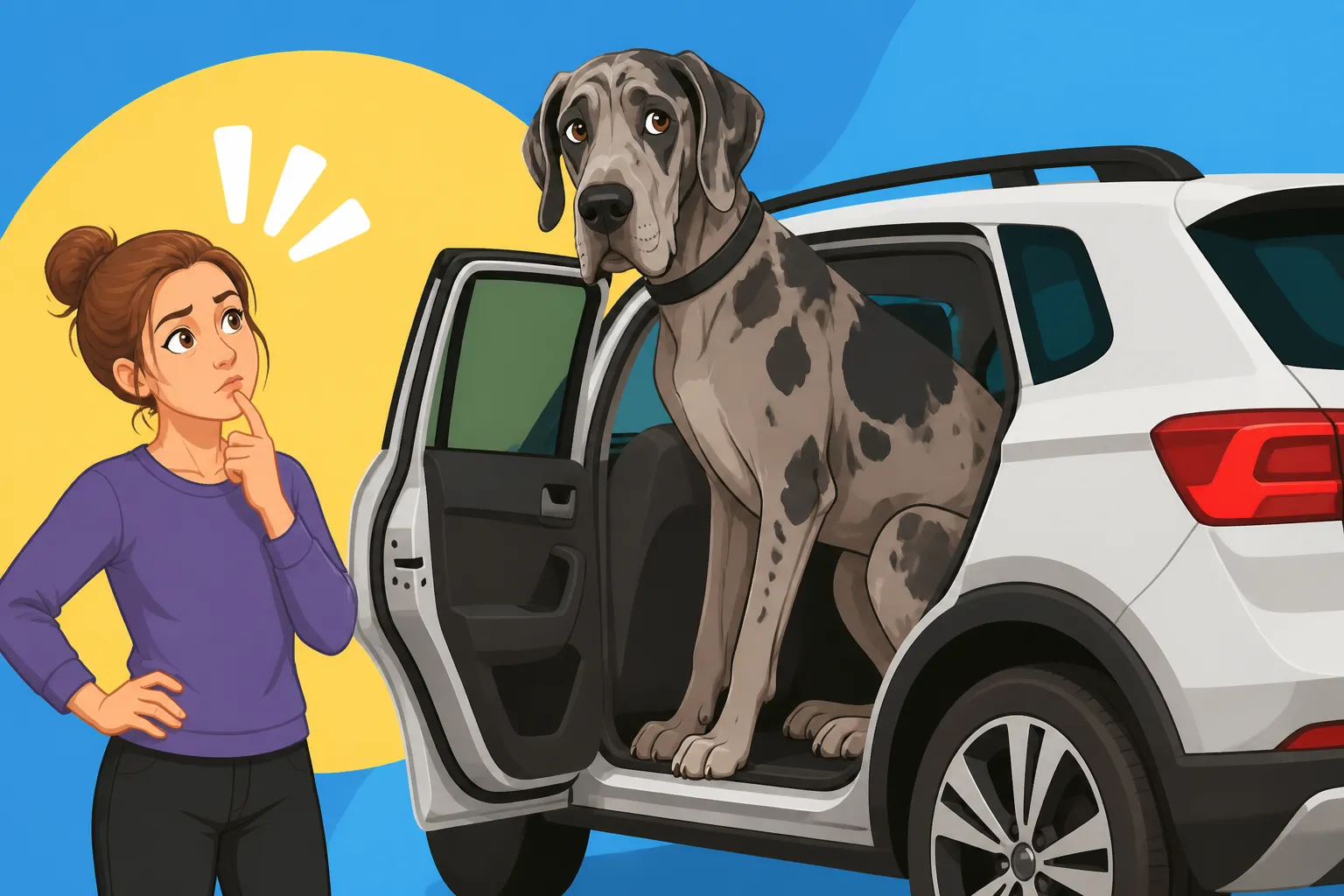
If you're a Great Dane parent, you know the struggle is real when it comes to getting your magnificent companion from point A to point B. Whether it's a routine vet visit, a road trip adventure, or just a quick run to the park, the sheer size of these gentle giants can turn car travel into a logistical puzzle. This guide is here to walk you through the practicalities of fitting a Great Dane into a car, ensuring both their safety and your peace of mind.
Understanding the Spatial Challenge of a Great Dane
Let's be honest, fitting a Great Dane into a standard vehicle isn't like transporting a terrier. Their size impacts everything from the type of vehicle you need to the accessories you'll use and even the training required. It's a unique challenge that demands thoughtful consideration.
The Sheer Size of an Adult Dane
An adult Great Dane typically stands anywhere from 28 to 32 inches tall at the shoulder, with males often weighing in at a substantial 120 to 175 pounds, and females usually between 100 to 130 pounds. When you consider these dimensions, it’s not just about their weight, but their volume. They take up a lot of space, even when curled up, and their long legs and substantial body mean they need ample room to stand, turn around, and lie down comfortably. Trying to squeeze a dog of this magnitude into a cramped space isn't just uncomfortable for them; it can be dangerous. They could injure themselves trying to navigate too small an opening or get stuck in an awkward position during a sudden stop.
Moreover, their size means lifting them in and out of a car becomes incredibly difficult, if not impossible, for most people, especially as they get older or if they're injured. Imagine trying to hoist a dog heavier than many adult humans into the back of an SUV multiple times a day. This physical reality quickly highlights why special considerations are necessary, not just for regular travel but for unexpected emergencies where a quick, safe transfer might be critical.
Puppy Growth: The Rapid Expansion
While a Great Dane puppy starts out deceptively small, they grow at an astonishing rate. What fits comfortably in the back seat at 12 weeks old will be bursting at the seams just a few months later. They can gain several pounds a week and shoot up in height, often reaching half their adult weight by six months old. This means that any car travel solution you invest in for a puppy needs to have longevity or be easily upgradeable as they mature. You don't want to buy a crate that's perfect for a four-month-old only to find it too small by seven months.
This rapid growth also has implications for their developing joints. Why a Great Dane Puppy Should Grow Slowly is a topic often discussed by breeders, and the same principle applies to how they enter and exit a vehicle. Repeated jumping in and out of a tall car can put undue stress on their still-forming hips and elbows, potentially contributing to long-term orthopedic issues. Planning for their eventual adult size, even when they're still tiny, is crucial for their overall health and well-being.
Vehicle Types That Can Accommodate a Great Dane
When you have a Great Dane, your vehicle isn't just transport; it's practically a mobile extension of your home. You need space, accessibility, and safety. Not all cars are created equal when it comes to hauling these big beautiful beasts.
SUVs and Minivans: The Go-To Choices
For many Great Dane owners, a large SUV or a minivan becomes the obvious choice, and for good reason. Vehicles like a Chevrolet Tahoe, Ford Expedition, or a Honda Odyssey typically offer ample cargo space, especially when the rear seats are folded down or removed. This provides a much-needed cavernous area for a large crate or a comfortable, open space for your Dane to stretch out on a cozy dog bed. The higher roofline is a significant advantage, as it means your Dane can stand and turn without hitting their head, which is a common problem in smaller vehicles.
The rear hatch opening in these vehicles is also generally wide and low enough to accommodate a ramp, which is a game-changer for protecting your Dane's joints and making entry and exit easier. When looking at specific models, pay attention to the exact cargo dimensions, not just the cubic feet. You'll want to measure the height, width, and depth to ensure it truly fits the size of crate you need for a full-grown Great Dane. Some models, like the Chrysler Pacifica with its Stow 'n Go seating, even offer truly flat loading floors, which is ideal for a stable base for a crate or dog bed.
Station Wagons and Larger Sedans: Surprising Possibilities
While not the first thought for most, some larger station wagons and certain full-size sedans can actually work for a Great Dane, especially if you prioritize length over height in your setup. Think of vehicles like a Subaru Outback, a Volvo V60/V90, or even an older Ford Crown Victoria or Chevrolet Caprice (if you're into classic cruisers with huge trunks). The key here is the depth of the cargo area or trunk. With the back seats folded down, some wagons can provide a surprisingly long, flat area for a dog to lie down, though vertical space might be more restrictive.
For a sedan, the trunk, while separate from the main cabin, can sometimes be large enough for a custom bed or a very large dog mattress, but only if the dog is exceptionally calm and doesn't get anxious in an enclosed, unventilated space. This is generally not recommended for regular travel due to ventilation and temperature control issues, but for an emergency or a very short, specific trip, it could technically offer space. However, the high lip and smaller opening of most sedan trunks make entry and exit challenging and risky for a Dane, making a ramp virtually impossible to use effectively. Ultimately, while possible in rare cases, these options often require more compromises in comfort and safety compared to SUVs or minivans.
Pickup Trucks: Considerations and Safety
Pickup trucks offer enormous cargo capacity, but using the bed for dog transport comes with a crucial caveat: safety. It is generally unsafe to have your Great Dane loose in the open bed of a pickup truck. They can easily jump out, be thrown out in an accident, or suffer from extreme weather exposure, flying debris, or exhaust fumes. If you do transport your Great Dane in a truck bed, it must be within a securely tied-down, impact-tested crate. Look for crates designed for truck use, often made of heavy-duty aluminum or reinforced plastic.
Even with a secure crate, consider adding a truck cap or topper to protect your Dane from the elements. This also provides a more enclosed, den-like space that some dogs find more comforting. Ensure proper ventilation, especially in warm weather, as truck beds can heat up quickly. You might need to add battery-operated fans for air circulation. The main advantages are the sheer size of the space and the ability to keep muddy paws or shedding fur out of your main cabin. However, the journey into the truck bed is often a significant leap, necessitating a robust ramp. Choosing the right ramp and teaching your dog how to use it safely is essential.
Here’s a quick overview of vehicle types and their suitability for Great Danes:
| Vehicle Type | Pros for Great Danes | Cons for Great Danes | Ideal Use Case |
|---|---|---|---|
| Large SUV | Ample cargo space, good head room, wide hatch, robust. | Higher entry point for some Danes, fuel economy. | Regular family vehicle, short & long trips. |
| Minivan | Excellent cargo volume, low floor, easy ramp access. | Less "rugged" image for some, can feel less secure for very large crates. | Family adventures, easy loading, frequent transport. |
| Station Wagon | Long cargo floor with seats down, better fuel economy. | Limited head room, smaller hatch opening than SUV/minivan. | Calm Danes who prefer to lie down, less frequent travel. |
| Pickup Truck | Huge cargo capacity (bed), keeps cabin clean. | Requires heavy-duty crate, cap, and extreme safety measures for bed. | Working dogs, frequent outdoor activities, dirty Danes. |
| Large Sedan | None, generally. | Extremely limited space, poor access, ventilation issues in trunk. | Not recommended for Great Danes. |
Essential Gear for Safe Great Dane Car Travel
Once you've got your vehicle sorted, the next step is outfitting it with the right gear. This isn't just about comfort; it's primarily about safety for both your dog and everyone else on the road. Without proper containment, a Great Dane can become a projectile in a collision, endangering all occupants.
Crates and Kennels: Secure and Spacious
For many Great Dane owners, a high-quality, crash-tested crate is the gold standard for car safety. Crates, when properly secured, prevent your dog from distracting the driver and offer significant protection in the event of an accident. When selecting a crate, remember the rule: it needs to be large enough for your Great Dane to stand up, turn around, and lie down comfortably. Anything smaller is not only uncomfortable but can be dangerous. This means you'll be looking for truly enormous crates, often labeled as "XL" or "Giant." Brands like Ruffland Kennels and Gunner Kennels are often recommended for their durability and crash-test ratings, though they come with a significant price tag. For a more budget-friendly option, look for sturdy wire or plastic crates, ensuring they are well-ventilated and have secure latches. Crates and Gates Sized for a Great Dane provides more details on choosing the right dimensions.
You'll need to measure your vehicle's cargo area carefully before purchasing a crate, as many of these giant crates simply won't fit in standard SUVs. Remember to measure not just the width and depth, but also the height, accounting for any sloped rear windows or internal protrusions. Once you have your crate, ensure it's securely anchored to your vehicle. Many cargo areas have tie-down points for this purpose. Even a stationary crate can shift in an emergency stop if not properly secured, potentially injuring your dog or damaging your vehicle. For longer trips, make sure to include comfortable bedding to prevent pressure sores, which can be an issue for these big dogs.
Safety Harnesses and Seatbelt Attachments: For Smaller Vehicles or Front Seat
If a crate isn't feasible due to vehicle size or other constraints, a crash-tested safety harness paired with a seatbelt attachment is the next best option. This gear is designed to keep your Great Dane restrained, preventing them from roaming the car and acting as a barrier in a sudden stop. It’s crucial to choose a harness that has actually been crash-tested for large breeds, as many on the market offer little protection in a real impact. Look for certifications from organizations like the Center for Pet Safety (CPS). Brands such as Sleepypod and Kurgo offer harnesses that have undergone rigorous testing.
While these harnesses are a good step for safety, they do have limitations, especially for Great Danes. Even a crash-tested harness won't offer the same level of containment or protection as a sturdy, secured crate. A large, unrestrained Dane in the back of a car is a serious hazard, capable of causing significant injury to themselves or passengers. Additionally, ensure the seatbelt attachment allows enough slack for your Dane to sit or lie down comfortably without getting tangled, but not so much that they can launch themselves too far forward in an impact. For more insights, consider reading Whether a Great Dane Should Be Crated in a Vehicle.
Ramps and Steps: Protecting Joints
As we've touched on, getting a Great Dane in and out of a car often requires assistance. Ramps are incredibly beneficial for preserving your Dane's joint health, especially their hips and elbows, which are prone to conditions like hip and elbow dysplasia. Investing in a good quality ramp is a proactive measure that can save you significant vet bills down the line and extend your dog's comfortable mobility. Look for ramps that are wide enough for your Dane to feel secure, have a non-slip surface for traction, and are long enough to provide a gentle incline rather than a steep angle. The weight capacity is also critical; it needs to safely support your full-grown Great Dane without flexing or breaking. You can find robust ramps on sites like Chewy that are specifically designed for large breeds.
There are different types of ramps: telescoping, folding, and tri-fold. Telescoping ramps slide into themselves for compact storage, while folding ramps fold in half or thirds. Consider your vehicle's height and your storage space when choosing. Training your Great Dane to use a ramp might take patience and positive reinforcement, linking to Ramp Training a Great Dane for the Car. Start by laying the ramp flat on the ground and encouraging them to walk over it with treats. Gradually introduce the incline, always making it a positive experience. For dogs hesitant about ramps, a sturdy step system might be an alternative if your car isn't too high, though ramps are generally preferred for distributing weight and reducing impact on joints.
Strategies for Stress-Free Car Rides
Even with the right vehicle and gear, some Great Danes find car travel stressful. Overcoming this requires patience, positive reinforcement, and sometimes, a little help from your vet.
Acclimating Your Dane to the Car
Introducing your Great Dane to car travel should be a gradual, positive experience, ideally starting when they're a puppy. Don't let the first car ride be to the vet for a dreaded shot! Start by simply letting them explore the parked car, sniff around, and get comfortable with the sounds and smells. Toss some high-value treats into the cargo area or crate, making it a rewarding space. Once they're comfortable with the stationary car, move on to short trips. Start by just backing out of the driveway and pulling back in. Then, progress to a quick spin around the block.
Always end on a positive note, with praise and treats. Never force your Dane into the car; this can create a negative association. For nervous dogs, consistent, calm exposure is key. Pair the car with positive things: a favorite toy, a beloved treat, or a short walk at a fun destination. It can be a slow process, but building a positive foundation for car travel will pay dividends in the long run. If your Dane exhibits signs of fear or anxiety, such as excessive drooling, panting, or whining, take a step back and revisit earlier stages. You might also find tips in Teaching a Great Dane to Get Into a Car helpful.
Managing Motion Sickness and Anxiety
Motion sickness and anxiety can turn car trips into a nightmare for both you and your Great Dane. Signs of motion sickness include excessive drooling, lip licking, vomiting, and lethargy during or after travel. Car anxiety might manifest as whining, pacing, barking, destructive behavior, or even refusal to get into the car. For motion sickness, sometimes a simple tactic like keeping the car cool, opening a window slightly for fresh air, and avoiding feeding them a large meal right before a trip can help. Some dogs do better looking forward, while others prefer to face backward.
If these simple measures aren't enough, talk to your vet. They can prescribe anti-nausea medications like Cerenia or anti-anxiety medications that can make car travel much more tolerable. For anxiety, training, counter-conditioning, and desensitization play a huge role. Creating a cozy, secure "den" in the car (like a properly sized crate covered with a blanket) can offer a sense of security. Pheromone sprays (like Adaptil) or calming supplements might also provide some relief. Remember, addressing anxiety is about building confidence, not punishing fear. If your Dane is truly struggling, this could be a sign of A Great Dane That Is Anxious Rather Than Gentle, requiring a professional trainer's input.
Road Trip Essentials: Water, Breaks, and Comfort
Long car trips require extra planning when you have a Great Dane. Just like humans, they need regular breaks for potty, stretching, and hydration. Plan to stop every 2-3 hours. During these breaks, offer fresh water in a portable bowl. Products like collapsible silicone bowls or water bottles with built-in dispensers are invaluable. Ensure your Dane is always on a leash during stops, as a new environment can be distracting, and you don't want a runaway giant.
Pack plenty of their regular food (if it's not a fresh food like Ollie, which you might need to coordinate for delivery or pack with ice), familiar treats, and a favorite toy to keep them comfortable and entertained. For bedding, use something washable and absorbent, especially if your Dane tends to drool or has an accident. A quality orthopedic bed can make a huge difference in comfort on long journeys, protecting their joints. Make sure the car's temperature is comfortable, avoiding extreme heat or cold. During summer, never leave your Great Dane unattended in a parked car, even with windows cracked, as temperatures can rise to dangerous levels very quickly. Conversely, in winter, ensure they aren't getting too cold, especially if they have a thin coat.
Common Challenges and Solutions
Even with the best preparation, Great Danes present unique challenges in car travel. Knowing how to tackle them proactively can make all the difference.
Excessive Drool and Hair: Keeping the Car Clean
Ah, the joys of Great Dane ownership! Drool and hair are simply part of the package, and they become even more apparent in the confines of a car. Great Danes can produce an impressive amount of drool, especially after drinking or if they're excited or anxious. This can coat windows, seats, and any unfortunate passengers. To combat this, keep a stack of old towels or dedicated "drool rags" in the car. Wiping their jowls after they drink can help immensely. Car seat covers made from waterproof, durable materials are a lifesaver for protecting upholstery. Look for covers specifically designed for large dogs, often with side flaps to protect door panels.
As for hair, Great Danes might have short coats, but they shed – a lot. Regular brushing at home, using a de-shedding tool, can help minimize the amount of hair that ends up in your car. In the car itself, a sticky lint roller or a dedicated pet hair vacuum can become your best friend. For persistent hair, rubber gloves can be surprisingly effective at gathering it from carpet and upholstery. Investing in a good quality cargo liner that covers the floor and side walls of your cargo area will also protect your vehicle's interior and make cleanup much easier.
Temperature Control: Keeping Your Dane Cool or Warm
Great Danes, with their large body mass, can be susceptible to overheating in warm weather. Conversely, their relatively short, thin coats mean they can get chilly in cold climates. Maintaining a comfortable temperature in the car is paramount. In summer, always ensure adequate airflow. If your Dane is in the cargo area, make sure air conditioning vents are directed toward them. Consider adding battery-operated fans if airflow is limited. Dark-colored crates can absorb more heat, so a lighter-colored crate or one with reflective properties might be beneficial. Parking in the shade and using sun shades on windows can also help keep the interior cooler.
In colder months, if your Great Dane is prone to getting cold, especially older Danes or those with health conditions, a warm blanket or a dog coat could be helpful for shorter trips. For very long drives in frigid temperatures, ensure the car's heating system effectively reaches the cargo area. If your dog is in a metal crate, consider placing a non-slip mat or insulating material beneath it to prevent cold from seeping up from the car's floor. Never leave your dog in extreme temperatures, hot or cold, unattended in a vehicle.
Navigating Vet Visits and Emergencies
Car travel is a necessity for routine vet visits, but it becomes especially critical during an emergency. Imagine the stress of Driving a Bloating Great Dane to the Emergency Vet when you're not prepared for car transport. Having a routine for car travel, as discussed, makes these urgent situations less chaotic. Keep your vet's emergency number, as well as the number for a few 24-hour emergency veterinary clinics, saved in your phone and readily accessible. It's also wise to have a basic pet first-aid kit in your car for minor incidents that might occur on the road.
For emergencies, it's essential to have a plan for how you will quickly and safely get your Great Dane into the car, especially if they are injured or incapacitated. This is where a well-practiced ramp routine really pays off. If your dog cannot use a ramp, a large, sturdy blanket or a specialized pet stretcher can be used to carefully carry them to the vehicle. Knowing the cargo area is clear, clean, and ready for your Dane can reduce critical minutes during an emergency. And don't forget the importance of pet insurance, like Healthy Paws, to help cover unexpected emergency vet bills, which can be astronomically high for a Great Dane.
Final Thoughts on Dane Travel
Transporting a Great Dane is a significant aspect of responsible ownership. It’s about more than just fitting them in; it’s about their safety, comfort, and overall well-being.
Prioritizing Comfort and Safety
At the end of the day, your Great Dane's comfort and safety should always be your top priorities when it comes to car travel. This means choosing the right vehicle, investing in appropriate, crash-tested gear, and taking the time to properly acclimate and train your dog. A well-secured Great Dane is a safe Great Dane, protecting not only them but also you and other passengers. Think about how Great Dane Hips, Elbows and Growing Joints are impacted by repeated jumping or awkward positions, and how an orthopedic bed in the car can make a difference.
Remember, every Great Dane is an individual. What works for one might not work for another. Be observant of your dog's reactions to car travel, and be prepared to adjust your approach as needed. Sometimes, this might mean a more expensive crate or a different type of ramp, but the investment in their health and safety is always worth it.
Planning Ahead for Future Adventures
With the right setup and preparation, car travel with your Great Dane can transform from a daunting task into an enjoyable part of your shared adventures. Whether you're heading to a dog-friendly hiking trail, visiting family across the state, or simply going on an outing to the local pet store (perhaps to pick up some tasty treats sized for a Great Dane from Chewy), knowing your gentle giant is safe and comfortable in the car opens up a world of possibilities.
Think proactively about your dog's needs as they age. An older Great Dane might develop arthritis or mobility issues, making a ramp even more indispensable. Caring for a Great Dane Past Six often involves more careful planning for their physical needs. By planning ahead and consistently reinforcing positive associations with car travel, you can ensure many happy and stress-free miles with your beloved Great Dane by your side.
Disclaimer
Please note that the information provided in this article is for general informational purposes only and does not constitute veterinary advice. Always consult with a qualified veterinarian for any health concerns or before making any decisions about your pet's medical care or diet. Travel safety recommendations may vary based on your specific vehicle, your dog's individual needs, and local regulations.