What Fostering a Great Dane Asks of You
Thinking about bringing a Great Dane into your home, even temporarily, is a generous act, but it's completely understandable to feel a bit overwhelmed by the sheer scale of the commitment. These gentle giants, with their loving hearts and significant physical presence, come with unique needs that can be quite different from fostering a smaller dog. This guide is here to walk you through exactly what fostering a Great Dane asks of you, from the emotional investment to the practical considerations, helping you decide if this incredibly rewarding experience is the right fit for your family and lifestyle.
The Heart of Fostering: What Great Dane Rescue Truly Asks
Fostering isn't just about providing a roof over a dog's head; it's about opening your heart and home to a creature that often arrives with a history of confusion, neglect, or abandonment. For a Great Dane, their size amplifies every challenge, making a stable, loving foster environment even more critical. You're not just a temporary caregiver; you're a bridge to a forever home, offering comfort, consistency, and a safe space for healing.
The Emotional Investment Required
When a Great Dane comes into your home, they might be scared, confused, or even shut down. Many have been Taking On a Great Dane Someone Gave Up and are trying to process immense change. This means you'll need a huge reserve of patience, empathy, and understanding. You'll spend time helping them decompress, learn to trust again, and often, overcome past traumas. This isn't always easy; there will be moments of frustration, sadness, and even heartbreak as you witness their struggles. However, seeing a Dane blossom under your care, their personality emerging from beneath layers of fear or uncertainty, is an unparalleled joy. The emotional bond you form can be incredibly deep, and while saying goodbye when they find their forever home is tough, knowing you were instrumental in their journey makes it worth every tear.
The Time Commitment and Daily Routine
Great Danes, like all dogs, thrive on routine and consistent interaction, but their sheer size often means their needs are magnified. A foster Great Dane will need regular feeding times, multiple potty breaks throughout the day, and dedicated exercise sessions. They also need mental stimulation, whether that's through puzzle toys, training sessions, or simply quiet companionship. You might find yourself carving out more time than you initially expected for walks, cuddle sessions, and just being present. Remember, these aren't dogs you can easily ignore; their size and affectionate nature mean they'll often be right by your side, leaning into you for comfort or nudging you for attention. If you have a busy, unpredictable schedule, a Great Dane foster might not be the best fit unless you have a strong support system to help with their daily care.
Setting Up Your Home for a Gentle Giant Foster
Bringing a dog the size of a small pony into your home requires some forethought and preparation. It's not just about making space; it's about ensuring safety, comfort, and functionality for both your family and your new, colossal houseguest.
Space and Containment Considerations
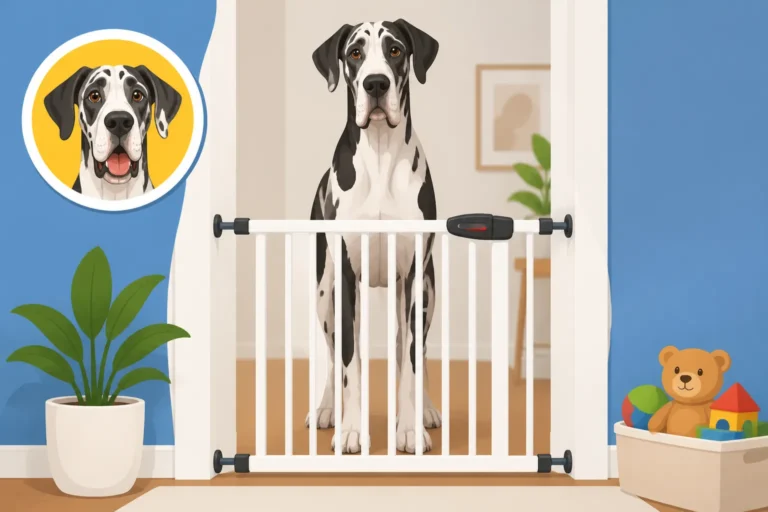
Great Danes are big, there’s no getting around it. Even though they’re often described as "lap dogs" who prefer to be close, they still need space to stretch out, turn around, and navigate your home without knocking everything over. Consider areas where your foster Dane will sleep, eat, and relax. A large, comfortable bed is essential, not just for their comfort, but to protect their joints and prevent issues like Bedding That Prevents Great Dane Hygromas. You'll want to ensure you have enough floor space for them to sprawl out. For containment, especially initially or if you need to leave them unsupervised, a crate is often recommended. However, finding Crates and Gates Sized for a Great Dane that can actually hold a full-grown Great Dane is no small feat. Standard crates just won't cut it, and you'll likely need an extra-large, heavy-duty model. Baby gates might also need to be industrial strength or extra tall to deter a curious Dane.
Essential Supplies and Dog-Proofing
Before your foster Great Dane arrives, having the right supplies on hand is crucial. This includes appropriately sized food and water bowls, a sturdy leash and collar or harness (check out options on Chewy for heavy-duty gear), and toys that are durable enough to withstand a giant breed's chewing power without becoming a choking hazard. You'll also need a good quality large-breed dog food, as their dietary needs are specific, and if the rescue doesn't provide it, this can add up quickly (we'll touch more on costs later). Don't forget grooming supplies like a sturdy brush and large nail clippers.
Beyond supplies, dog-proofing your home takes on new meaning with a Great Dane. What a smaller dog might just sniff, a Great Dane can easily reach, pull down, or even ingest. Think about securing trash cans, putting away anything valuable or fragile that sits on counters or low shelves, and ensuring any toxic plants or chemicals are completely out of reach. Remember, these dogs are counter-surfers extraordinaire, so everything from human food to medications on your kitchen island can become an accessible temptation. Being mindful of Damage a Great Dane Reaches That Smaller Dogs Cannot is key to a smooth fostering experience.
Everyday Life with a Foster Great Dane: Care, Training, and Socialization
Fostering a Great Dane means stepping into the role of a temporary parent, guiding them through daily life, teaching them manners, and helping them become well-adjusted members of a family. This often involves more than just basic care; it's about building their confidence and refining their social skills.
Establishing Routines and Basic Training
Consistency is king when it comes to fostering, especially for dogs who may have had inconsistent lives. Establishing a clear daily routine for feeding, potty breaks, walks, and rest helps a Great Dane feel secure and understand expectations. Basic obedience training is also paramount, not just for manners, but for safety. Teaching commands like "sit," "stay," "come," and "leave it" can make a huge difference in managing such a powerful animal. Imagine a Great Dane jumping up on visitors or pulling on the leash during a walk – these are issues that can quickly become unmanageable if not addressed through consistent training. Many foster Danes, even adults, benefit from learning The Manners a Great Dane Needs Before It Grows or simply brushing up on them. Positive reinforcement methods work wonderfully with these intelligent dogs, helping them build confidence and a stronger bond with you.
Socialization and Behavioral Support
Many rescue Great Danes haven't had adequate socialization or might have developed anxieties due to their past experiences. Your role as a foster parent involves gently exposing them to new sights, sounds, people, and other animals in a controlled and positive way. This might mean slow introductions to other dogs, supervised interactions with children (always with extreme caution, and understanding Whether a Great Dane Is Safe With a Baby requires careful planning and observation), and positive experiences with strangers. If your foster Dane is shy or fearful, you'll be instrumental in Building Confidence in a Nervous Great Dane, celebrating every small victory as they learn the world isn't so scary. For a truly gentle giant, understanding The Gentle Great Dane Temperament and Its Limits will help you guide them through various social situations. Some rescues even provide professional training support or resources, which can be invaluable for addressing specific behavioral challenges.
Health and Nutrition Management
Great Danes have particular health and nutritional needs, largely due to their rapid growth and giant stature. Foster rescues typically provide specific food, often a large-breed formula to support their joints and maintain a healthy weight. You'll be responsible for ensuring they eat appropriate portions – monitoring Monthly Food Spending on a Great Dane can give you an idea of the commitment. Sometimes, a foster dog arrives with digestive issues, and the rescue might ask you to try a specific diet, perhaps even a fresh-food option like Ollie, to help them settle.
You'll also need to administer any medications, report changes in appetite or behavior, and often transport them to vet appointments. Great Danes are unfortunately prone to certain health conditions like bloat, heart issues, and joint problems, so being observant of any changes in their health is critical. Rescues will cover the veterinary care, but your vigilance can be life-saving.
Understanding the Financial and Logistical Support for Foster Parents
While fostering is an immensely rewarding personal contribution, it’s rarely a financial burden on the foster parent. Reputable Great Dane rescues understand the significant costs associated with a giant breed and typically provide extensive support.
What the Rescue Typically Covers
One of the biggest concerns for potential foster parents is the financial aspect. Rest assured, most Great Dane rescue organizations cover the majority of the costs associated with fostering. This usually includes:
- Veterinary Care: From routine check-ups and vaccinations to emergency treatments and surgeries, the rescue typically handles all vet bills. This is crucial for a breed like the Great Dane, where health issues can be expensive, as seen in Great Dane Vet Costs Year by Year. They often have established relationships with veterinary clinics, and you'll simply follow their protocol for appointments and emergencies. While the rescue typically covers veterinary expenses, it's good to understand the scope, especially for a giant breed. They often work with vets or have policies with providers like Healthy Paws for emergencies.
- Food and Supplies: Many rescues provide food, although some might ask foster parents to purchase food and then reimburse them. They may also supply crates, beds, leashes, collars, and sometimes even toys. It’s always best to clarify what is provided upfront.
- Medications: Any prescribed medications for existing health conditions or preventative care will be covered by the rescue.
- Behavioral Support: If professional training or behavioral intervention is needed, the rescue will often arrange and cover the costs for this.
Transport, Adoption Events, and Communication
Your role as a foster parent often extends beyond just home care. You might be asked to transport your foster Dane to and from vet appointments, adoption events, or even to meet potential adopters. This requires flexibility and access to a vehicle that can safely accommodate a large dog. Communication with the rescue organization is also paramount. You'll be expected to provide regular updates on your foster's progress, personality, and any challenges you're facing. This feedback is vital for the rescue to find the perfect forever home, as you'll know your foster dog best. Being proactive and honest in your communication helps the adoption coordinator paint an accurate picture for interested families.
Transitioning to a Forever Home
The ultimate goal of fostering is to help your Great Dane find their permanent, loving family. This transition can be bittersweet. You've poured your heart and soul into their care, witnessed their growth, and developed a deep bond. It's perfectly normal to feel a pang of sadness when they leave. However, the immense satisfaction of knowing you gave them a second chance, preparing them for a life of happiness, truly outweighs the temporary heartache. Many rescues facilitate meet-and-greets with potential adopters and ensure the match is a good one, often relying on your insights into the dog's temperament and needs. While you might be tempted to keep them (it's called "foster failing" for a reason!), remember that every successful adoption opens up a spot for another Great Dane in need.
Foster Parent Responsibilities vs. Rescue Support
To give you a clearer picture, here’s a breakdown of common responsibilities:
| Responsibility Area | Foster Parent Role | Rescue Organization Support |
|---|---|---|
| Daily Care | Providing food, water, shelter, exercise, and basic hygiene. Administering meds. | Often provides food and basic supplies (leash, collar, crate). Covers medication costs. |
| Veterinary Needs | Transporting to appointments. Observing and reporting health changes. | Covers all veterinary expenses (check-ups, vaccinations, emergency care). Coordinates appointments with preferred vets. |
| Training & Behavior | Reinforcing good manners, house-training, basic commands. Providing socialization. | Offers guidance, resources, and sometimes covers the cost of professional trainers if needed. Provides advice for Building Confidence in a Nervous Great Dane. |
| Adoption Process | Providing updates and photos. Discussing foster dog's personality with potential adopters. Attending meet-and-greets. | Screens potential adopters. Facilitates adoption events. Manages all adoption paperwork and fees. |
| Logistics | Transporting dog to vet, adoption events. Communicating regularly with rescue. | Arranges and covers transport for complex cases. Provides a point of contact for questions/issues. |
| Financial | Your time and home. May pay for some supplies/food with reimbursement. | Covers major expenses like vet bills, significant food costs, and specialized equipment. Offers reimbursement for approved purchases. |
Fostering a Great Dane is a significant undertaking, but it’s a direct way to make an enormous difference in the life of an animal who truly needs it. If you have the space, time, and heart for a gentle giant, it could be one of the most rewarding experiences you’ll ever have.
Disclaimer
This article is for general informational purposes only and does not constitute professional advice. Laws, prices and regulations vary by location and change over time. Consult a qualified professional for guidance on your specific situation.