Paying to Train a Great Dane Early
Bringing a Great Dane puppy home is an exciting, overwhelming, and utterly joyous experience. But let's be real, those adorable, gangly paws and clumsy jumps quickly turn into significant forces as they grow, and if you haven't laid a solid foundation of manners, you'll soon find yourself struggling with a colossal canine that literally outweighs you and everyone else in the house. This guide is all about why investing in early training for your Great Dane isn't just a good idea, but an absolute necessity, and what that commitment truly entails financially and practically.
The Undeniable Need for Early Great Dane Training
The sheer size of a Great Dane is both its most striking feature and its biggest training challenge. What's cute and manageable in a 30-pound puppy becomes a monumental problem in a 150-pound adult. Failing to instill good habits from the get-go means you could end up with a dog that's not only difficult to manage but potentially dangerous, even if their intentions are the sweetest.
Why Size Demands Immediate Action
Imagine a tiny Chihuahua jumping on guests; annoying, maybe. Now picture a full-grown Great Dane doing the same thing. Suddenly, you've got a potential injury on your hands, especially for children or elderly visitors. Their incredible growth rate means they go from a small pup to a giant adolescent in what feels like the blink of an eye. This rapid development leaves a narrow window of opportunity for foundational training. You simply cannot afford to wait until your Great Dane is grown before tackling behaviors like jumping or pulling on the leash. What might seem like a minor behavioral quirk in a smaller breed can become a significant safety concern with a Great Dane. They need to understand boundaries and control long before they reach their adult weight.
The physical strength of a Great Dane is another critical factor. A Great Dane that pulls you off your feet isn't just inconvenient; it’s a genuine risk. Even with the best intentions, an excited Great Dane can easily knock over an adult, let alone a child. Teaching them early to walk on a loose leash and to greet people politely is paramount. This isn't just about obedience; it's about making your dog a safe and enjoyable companion in all situations, ensuring they can be a polite member of society rather than a well-meaning wrecking ball.
Establishing Foundational Manners from Puppyhood
From the moment you bring your Great Dane puppy home, they are learning. Every interaction, every boundary (or lack thereof), shapes the adult dog they will become. This means starting with basic obedience commands like "sit," "stay," "come," and "down" as early as possible. These aren't just parlor tricks; they are crucial safety cues. A reliable "come" can be a lifesaver if your Dane slips off-leash, and a solid "stay" can prevent them from bolting out an open door. These lessons must be reinforced consistently, daily, and patiently.
Beyond basic commands, early socialization is non-negotiable. Exposing your Great Dane puppy to a wide variety of sights, sounds, people, and other well-behaved dogs during their critical developmental period (roughly 3-16 weeks) helps them grow into a confident, well-adjusted adult. Without proper socialization, they can become fearful or reactive, which, combined with their size, can be a recipe for disaster. Think about enrolling your Great Dane puppy in classes as soon as they've had their initial vaccinations. Many places offer specialized puppy classes where they can interact safely and learn crucial social cues. Remember, the goal is for them to become a "gentle giant," and that gentleness is cultivated through early, positive experiences. It's a proactive approach to prevent problems down the line, ensuring your large companion is as well-mannered as they are magnificent.
Understanding the Investment: What Early Great Dane Training Costs
Let's talk brass tacks: training a Great Dane, especially when they're young, is an investment. It's not just about the money, though that's a significant part, but also about the time, effort, and consistency you'll need to commit. The costs can vary wildly depending on your location, the type of training you choose, and the specific needs of your dog.
Breaking Down the Price Tag of Puppy Classes and Basic Obedience
Puppy classes are often the first step for new Great Dane owners, and for good reason. They provide a structured environment for socialization and introduce basic cues. These group classes are generally the most budget-friendly option. You can typically expect to pay anywhere from $120 to $250 for a 4-8 week course. This might seem like a decent chunk of change upfront, but consider what you're getting: expert guidance, a controlled environment for your puppy to interact with others, and a solid foundation for future training.
Once your Great Dane has mastered the basics, you might move on to more advanced obedience classes or even specialized workshops. These can range from $150 to $300 or more per course, depending on the focus (e.g., Canine Good Citizen prep, advanced leash skills, specific behavioral issues). The key is to keep building on that early foundation. Think of it as investing in your dog's education – the more solid their early schooling, the better equipped they'll be for life. Many trainers will also offer packages that combine different levels of obedience, which can sometimes provide a small discount. Always inquire about these options.
The Higher Cost of Private Sessions and Board & Train Programs
Sometimes, group classes aren't enough, or perhaps your Great Dane has specific behavioral quirks that require more individualized attention. This is where private training sessions come in. A private trainer will work with you and your dog one-on-one, either at your home or their facility, tailoring the training to your specific needs. This personalized approach is incredibly effective but comes with a higher price tag. Individual sessions can cost anywhere from $75 to $200 per hour, and most trainers recommend a series of sessions, often 3-6 or more, to see lasting results. Packages can sometimes bring the per-session cost down slightly. While more expensive, the focused attention can accelerate learning and address complex issues more efficiently. If you find yourself needing to correct things like a Great Dane that pushes through doorways or struggles with leash reactivity, a private trainer who is comfortable with a large breed can be invaluable.
For owners with very challenging behavioral issues, or those who simply don't have the time to dedicate to daily training, "board and train" programs might be considered. In these programs, your Great Dane lives with the trainer for an extended period, typically 2-4 weeks, receiving intensive training. While highly effective, these programs are by far the most expensive option, often ranging from $1,500 to $4,000 or even more, depending on the trainer's reputation and the program's length and scope. It's a significant investment, but for some, it's the only way to achieve the desired behavioral changes, especially if issues have become deeply ingrained. Before committing to a board and train, thoroughly vet the facility and trainer, ensuring they use positive reinforcement methods and have extensive experience with giant breeds.
Exploring Different Training Avenues
Choosing the right training path for your Great Dane can feel like navigating a maze. There are so many options available, each with its own benefits and drawbacks. Understanding what each avenue offers will help you make an informed decision that suits both your budget and your Great Dane's personality.
Group Classes: Community and Cost-Effectiveness
Group classes are a fantastic starting point for many Great Dane owners. Not only are they more affordable than private training, but they also offer a vital component for a young Great Dane: socialization. Your puppy will learn to focus on you amidst the distractions of other dogs and people, which is a crucial skill for a giant breed. Imagine your Great Dane out in public – they'll need to be able to remain calm and attentive even when there's a lot going on around them. Group classes help build that resilience.
These classes typically run for several weeks, with one session per week, and cover basic obedience commands like sit, stay, come, and leash manners. The structured environment, led by an experienced instructor, provides guidance and helps you troubleshoot common puppy behaviors. It's also a great opportunity to connect with other dog owners, share experiences, and realize you're not alone in the challenges of raising a giant breed. Just make sure the class size isn't too large, allowing for individual attention, and that the trainers are comfortable working with large, fast-growing puppies. Look for classes that specifically welcome large breeds or even have separate large-breed puppy sessions. This can make all the difference in ensuring a positive experience for your big pup.
Private Trainers: Tailored Solutions for Specific Needs
Sometimes, a one-size-fits-all group class just doesn't cut it, especially when you're dealing with the unique needs and rapid growth of a Great Dane. Private training offers a tailored approach, with a trainer coming to your home or working with you in a controlled environment to address specific issues. This can be incredibly beneficial for things like house-training regressions, excessive jumping, or even fear-based behaviors that might be overwhelming in a group setting. A private trainer can observe your Great Dane in their natural environment and offer strategies that directly apply to your daily routine, such as how to prevent your Great Dane from taking dinner off the table or how to handle their powerful enthusiasm when guests arrive.
The cost is higher, as discussed, but the individualized attention can lead to faster progress and more lasting results. This might be the best option if your Great Dane is easily distracted, has certain anxieties, or if you yourself feel overwhelmed by the prospect of training a giant breed in a group setting. A good private trainer will also teach you, the owner, how to continue the training effectively, empowering you to maintain consistency long after their sessions are over. When looking for a private trainer, always ask about their experience with large breeds like Great Danes and their training philosophy. You'll want someone who uses positive, reward-based methods.
Online Courses and Self-Guided Training: Budget-Friendly Flexibility
For those on a tighter budget or with unconventional schedules, online courses and self-guided training resources can be a fantastic supplement or even a primary training method. Platforms like YouTube, online dog training academies, and apps offer a wealth of information, tutorials, and step-by-step guides. Many reputable trainers offer paid online courses that provide structured lessons, videos, and sometimes even a community forum for support. This allows you to learn at your own pace, in your own home, which can be particularly useful for managing a Great Dane puppy that might not yet be fully vaccinated for outdoor classes or for working around a busy household.
The obvious benefit here is cost-effectiveness. Many online resources are free or significantly cheaper than in-person classes. However, the trade-off is the lack of immediate, personalized feedback from a professional. You become the primary observer and corrector, which requires a good eye, patience, and the ability to honestly assess your own progress and your dog's understanding. While you won't get the same level of hands-on correction as a professional, if you're dedicated and consistent, you can achieve excellent results. Companies like Chewy even offer subscription boxes with training treats and toys, which can be useful when you're stocking up for your self-guided journey. Just be sure to seek out resources from certified professional dog trainers (CPDT-KA or KPA CTP are good credentials to look for) to ensure you're getting sound, humane advice.
Making the Most of Your Training Budget
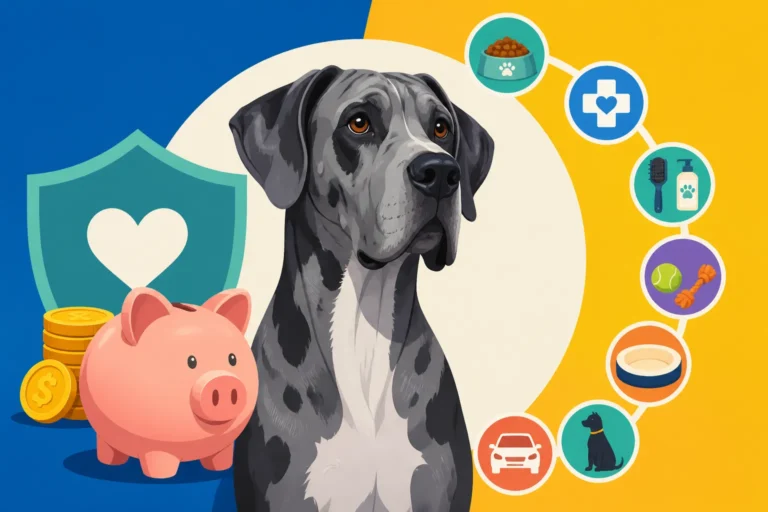
Raising a Great Dane is a significant financial commitment, and training is just one piece of that pie. You're already budgeting for massive food bills (a Great Dane that eats ten cups a day is not uncommon!), vet visits, and maybe even pet insurance from companies like Healthy Paws to cover those unexpected giants-sized emergencies. Making the most of your training budget means being strategic and thinking long-term.
Combining Approaches for Maximum Impact
You don't have to stick to just one training method. In fact, a blended approach often yields the best results and can be surprisingly budget-friendly in the long run. Start with an in-person puppy class for crucial socialization and foundational manners like The Cues a Great Dane Needs Before Six Months. This gives you direct access to a trainer for initial questions and helps your pup learn to focus amidst distractions. Once you've got the basics down, you might switch to online resources or books for continued learning and to tackle specific behaviors at home.
For instance, after a few group classes, if you're struggling with a particular issue like your Great Dane jumping on visitors, you could invest in a single private session with a trainer to get targeted advice, rather than committing to an entire private package. This "hybrid" model allows you to leverage the benefits of different approaches without breaking the bank. It also empowers you as an owner, giving you the tools and confidence to continue training independently. Think of it as empowering yourself to become your Great Dane's best trainer, with professional support when you need it most.
DIY Training: Resources and Mindset
Embracing DIY training can save a lot of money, but it requires dedication and a particular mindset. First and foremost, you need to be committed to consistency. Dogs, especially intelligent breeds like Great Danes, thrive on routine and clear expectations. If you're only training sporadically, you're unlikely to see significant progress. Utilize the vast array of free and low-cost resources available: library books on dog training, reputable YouTube channels, and articles from certified trainers.
Invest in good training tools, like a comfortable, well-fitting harness (a front-clip harness can be excellent for managing a pulling Great Dane), high-value treats, and a clicker if you choose to use one. Companies like Chewy offer a wide selection of these products, often at competitive prices, making it easier to stock up on essentials. Remember, effective DIY training isn't about being cheap; it's about being resourceful and committed. It's about being proactive from the very beginning, understanding that Why Waiting Until a Great Dane Is Grown Is Too Late for many crucial lessons. A Great Dane that knows its manners is a joy to live with, and that joy is invaluable.
Here's a quick comparison of popular training options:
| Training Type | Average Cost (Estimate) | Key Benefits | Ideal For | Considerations |
|---|---|---|---|---|
| Group Puppy Classes | $120 – $250 (4-8 weeks) | Socialization, basic obedience, expert guidance, community | New puppies, first-time owners, general manners | Less individualized, fixed schedule, potential for distraction |
| Private Sessions | $75 – $200 (per hour) | Tailored curriculum, one-on-one attention, in-home training | Specific behavioral issues, anxious dogs, owners needing flexible schedule | Higher cost per session |
| Board & Train | $1,500 – $4,000+ (2-4 weeks) | Intensive training, rapid progress, professional handling | Complex issues, owners with limited time, advanced obedience | Very expensive, dog away from home, ensure positive reinforcement methods |
| Online Courses | $0 – $150+ (per course) | Flexible schedule, self-paced, budget-friendly | Supplementing, self-motivated owners, specific skill learning | No direct feedback, requires owner discipline, less socialization |
Beyond the Basics: Advanced Training and Specialized Needs
Once your Great Dane has a solid foundation of basic obedience and good manners, you might find yourself eager to continue their education. For a dog of their intelligence and desire to please, advanced training can be incredibly rewarding for both of you, strengthening your bond and providing mental stimulation.
Addressing Specific Behavioral Challenges
Despite the best early efforts, sometimes specific behavioral challenges crop up as your Great Dane matures. These might include reactivity on leash, resource guarding, or separation anxiety. These issues often require a more specialized approach than basic obedience classes offer. This is where a qualified behaviorist or a trainer with expertise in specific problem behaviors can make a huge difference. They can help you understand the root cause of the behavior and develop a targeted modification plan using positive reinforcement techniques.
For example, if your Great Dane develops a tendency to lunge at other dogs on walks, a behaviorist can work with you on counter-conditioning and desensitization exercises, helping your dog learn to associate other dogs with positive experiences instead of fear or over-excitement. This kind of specialized training is often delivered through private sessions, which, while an added expense, is invaluable for resolving issues that could otherwise severely impact your Great Dane's quality of life and your ability to enjoy them in public. Remember, addressing these issues proactively is always better than letting them fester, as ingrained habits are much harder to break later on.
The Value of Ongoing Education and Enrichment
Training isn't a one-and-done deal, especially with a Great Dane who retains their puppy energy and curiosity for a longer period than smaller breeds. Continuing education and enrichment are vital for keeping your Great Dane mentally stimulated and engaged throughout their lives. This can take many forms:
- Advanced Obedience: Building on basic commands, advanced classes teach more complex behaviors and greater precision. This might include off-leash reliability, advanced heeling, or distance commands.
- Canine Sports: Activities like scent work, rally obedience, or even some forms of agility (modified for giant breeds to protect their joints) can be excellent outlets for their intelligence and energy. Just be mindful of their growth plates and consult your vet before engaging in high-impact activities.
- Therapy Dog Training: With their naturally gentle demeanor, many Great Danes excel as therapy dogs. Training for this involves honing their calm temperament, social skills, and obedience in various environments, allowing them to bring comfort and joy to others.
Investing in these ongoing activities isn't just about showing off your dog's skills; it's about providing a rich, fulfilling life for your Great Dane. Mental stimulation can be just as tiring, if not more so, than physical exercise, helping to prevent boredom-induced destructive behaviors (like your Great Dane deciding to redecorate with your sofa cushions). It also continues to strengthen the bond between you and your magnificent companion, making every day an opportunity for connection and growth.
The Unexpected Costs of NOT Training Early
It's tempting to think of training as an optional expense, something you'll get around to eventually, especially when facing the overall cost of a Great Dane, from their initial purchase (check out Great Dane Puppy Prices in 2026 for a real eye-opener) to their massive food bills. But I'm here to tell you that skimping on early training is a false economy. The costs, both financial and emotional, of a poorly trained Great Dane can quickly outweigh any savings you thought you were making.
Property Damage and Veterinary Bills
A large, untrained dog can cause an astounding amount of damage. A Great Dane left alone with insufficient mental stimulation and no understanding of boundaries can chew through furniture, scratch doors, and generally wreak havoc. Imagine the cost of replacing a chewed-up sofa or repairing a door frame – those can quickly add up to hundreds, if not thousands, of dollars. It's often cheaper to pay for a few training sessions than to continually replace damaged household items. What Damage a Great Dane Reaches That Smaller Dogs Cannot will astound you, they can even reach counters to steal food or medications, potentially leading to emergency vet visits.
Speaking of vet bills, an untrained Great Dane is also more prone to accidents. A dog that bolts out the front door without a reliable recall can get hit by a car. A dog that pulls uncontrollably on the leash can cause you to fall, leading to injuries for both of you. And, as we know, emergency vet care for a giant breed is astronomically expensive. Healthy Paws and other pet insurance providers are crucial for mitigating these costs, but preventing the incidents in the first place through good training is always the best approach. An early investment in training is essentially an investment in preventing future, more expensive problems.
Behavioral Issues and Quality of Life
Beyond the tangible financial costs, there are the profound emotional and social costs of an untrained Great Dane. A dog with severe behavioral issues might be impossible to take to public places, severely limiting your ability to enjoy walks, visits to friends, or even just a trip to the pet store. This isolation can be heartbreaking for both the dog and the owner. A Great Dane that lunges at other dogs or jumps on every person they meet becomes a source of anxiety rather than joy.
Untrained Great Danes can also develop serious anxiety or aggression issues due to a lack of understanding or improper socialization. These issues can severely impact their quality of life, leading to chronic stress, fear, and even pain if their behavior results in injury. In extreme cases, behavioral problems can become so unmanageable that owners are faced with the heartbreaking decision of rehoming their beloved Dane or, in the absolute worst scenarios, euthanasia. This is a tragedy that, in many cases, could have been avoided with consistent, positive early training. Investing the time and money in training isn't just about obedience; it's about nurturing a happy, confident, and well-adjusted companion who can truly be a cherished member of your family and community.
Disclaimer
The information provided in this article is for general informational purposes only and is not intended as a substitute for professional veterinary advice, diagnosis, or treatment. Always seek the advice of your veterinarian or other qualified health provider with any questions you may have regarding a medical condition or training program for your Great Dane.