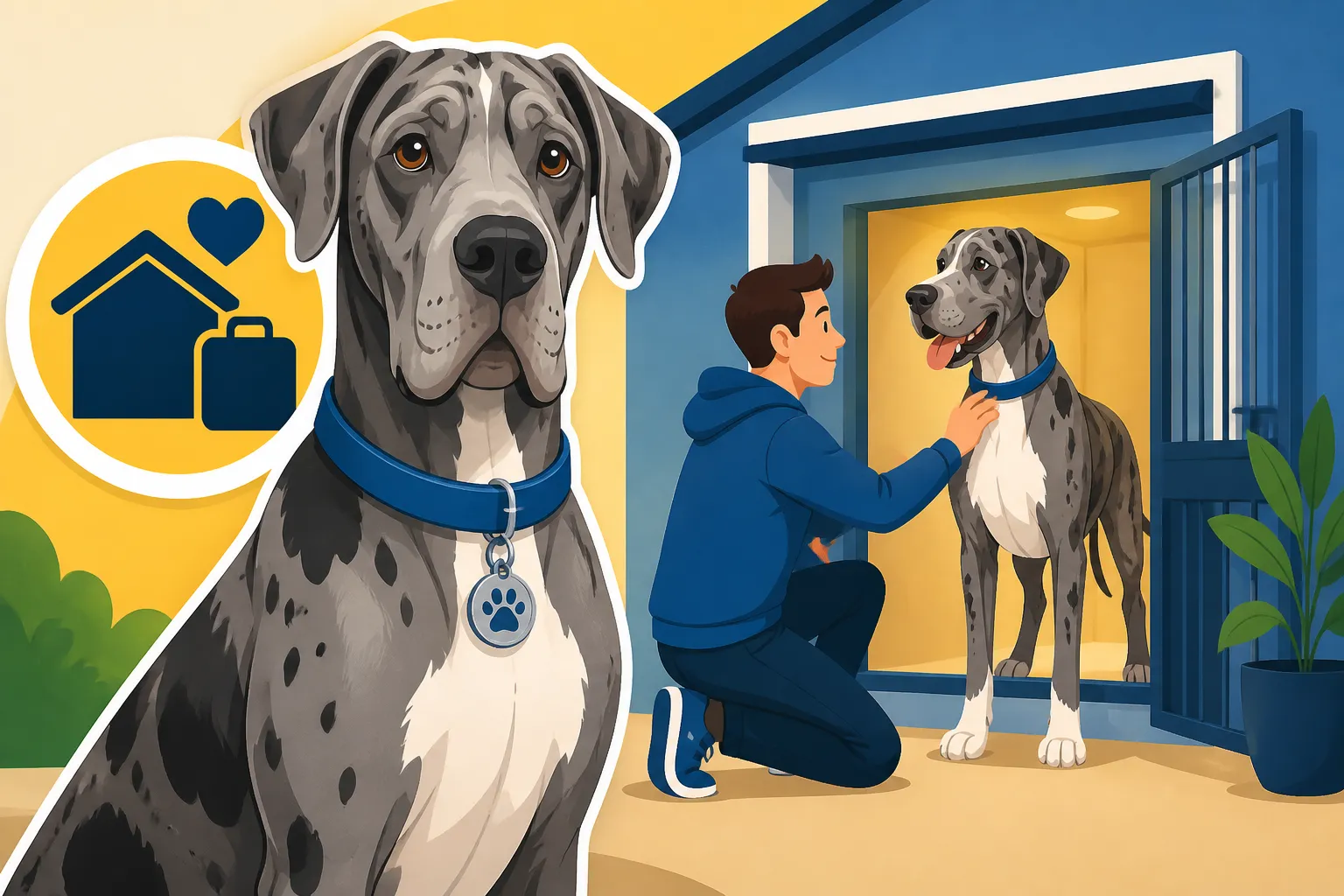
Boarding a Great Dane
Finding suitable care for your colossal companion when you need to be away can feel like an insurmountable challenge. The sheer size, specific health needs, and often profound attachment Great Danes have to their families mean that traditional boarding options rarely cut it. This guide is here to walk you through everything you need to know about successfully boarding a Great Dane, from understanding their unique needs to finding the perfect fit and preparing them for a comfortable, stress-free stay.
Understanding the Great Dane Boarding Predicament
Let's face it, Great Danes aren't just big dogs; they're massive dogs with equally enormous hearts and personalities. This combination, while endearing, presents a host of unique hurdles when it comes to temporary care away from home. Owners often feel a deep sense of guilt or anxiety about leaving their gentle giants, knowing that not every facility or caregiver is equipped to handle their special requirements.
The Sheer Logistics of Their Size
Anyone who lives with a Great Dane knows their size dictates almost every aspect of daily life. From the size of their bed to the dimensions of your car, everything has to accommodate their impressive stature. When it comes to boarding, this translates into a demand for truly spacious accommodations. A standard kennel run that might be perfectly fine for a Labrador will feel like a tiny prison cell for a Great Dane. They need room to stretch out, stand up comfortably, turn around without hitting walls, and generally exist without feeling cramped.
Beyond just the physical space of their "room," consider their mobility. A Great Dane needs ample space for exercise, not just a small outdoor run. They need room to stride, play, and burn off energy, even if they are often calm indoors. Many facilities simply aren't designed with a dog of this scale in mind, leading to potential discomfort, stress, or even physical strain on their joints from being confined in too small an area. This is especially true for older Danes who might have joint issues like those discussed in Arthritis in a Six-Year-Old Great Dane.
Then there's the practical handling. Great Danes, even the most well-behaved, are powerful animals. A kennel worker must be physically capable of managing a dog that can easily outweigh them, especially if the dog is excited, anxious, or, heaven forbid, needs emergency medical attention. It’s not just about strength; it’s about understanding their gait, their balance, and how to safely guide such a large animal.
Managing Separation Anxiety and Sensitivity
Great Danes are renowned for their affectionate nature and deep bonds with their human families. This makes them particularly susceptible to separation anxiety or stress when left in an unfamiliar environment with unfamiliar people. They're often described as "Velcro dogs" for a reason; they thrive on companionship and can become genuinely distressed when deprived of it.
Signs of stress can range from refusal to eat, excessive barking or howling, destructive behaviors, or even becoming withdrawn and lethargic. A good boarding facility needs to understand this sensitivity and have strategies in place to help alleviate anxiety. This isn't just about providing a safe space; it's about providing emotional reassurance and consistent, calm interaction. They need staff who are willing to spend one-on-one time, offer gentle praise, and understand that sometimes a Great Dane just needs to lean on someone for comfort.
Moreover, Great Danes are often quite sensitive to changes in routine. A sudden shift in feeding times, exercise schedules, or even the type of human interaction they receive can throw them off. Facilities that maintain a flexible yet consistent routine, mirroring as much as possible what your Dane experiences at home, will go a long way in minimizing their emotional distress.
Addressing Specific Health and Comfort Needs
Great Danes, unfortunately, come with their own set of potential health predispositions that require careful consideration, especially during a boarding stay. Bloat, also known as Gastric Dilatation-Volvulus (GDV), is a life-threatening condition that all Great Dane owners fear. Facilities must be acutely aware of The Lifetime Bloat Risk in a Great Dane and implement appropriate preventative feeding practices, such as feeding smaller meals multiple times a day and restricting exercise around meal times.
Beyond bloat, their large joints are prone to issues like hip and elbow dysplasia. Comfortable, orthopedic bedding isn't a luxury; it's a necessity to prevent pressure sores, alleviate joint pain, and ensure restful sleep. Hard concrete floors or thin blankets simply won't cut it. This ties directly into topics like What a Bed Big Enough for a Great Dane Costs, highlighting the importance of proper sleeping arrangements.
Furthermore, many Great Danes require specific medications or dietary supplements. Whether it's daily joint support or heart medication for conditions like Dilated Cardiomyopathy (DCM), the boarding staff must be diligent and experienced in administering these precisely. A simple oversight could have serious consequences. Ensuring clear, written instructions and having a facility that confidently handles complex medical needs is paramount.
Exploring Boarding Options for Your Giant
When it comes to leaving your Great Dane, the traditional image of a kennel isn't the only option. In fact, for a giant breed, exploring a variety of care settings is often the best approach to find one that truly meets their substantial needs.
Traditional Kennels Designed for Large Breeds
While many kennels are ill-equipped for Great Danes, some specialized facilities truly excel. These aren't your average "cages and runs" operations. Instead, they often feature oversized runs or private "suites" that are designed with giant breeds in mind. Look for places that explicitly state they cater to large or giant breeds. These facilities typically have taller, stronger enclosures, larger sleeping areas, and often private outdoor spaces attached to each suite, allowing your Dane to stretch and relieve themselves without constantly being let out by staff.
The key differentiator here is the philosophy of care. A good specialized kennel will understand that a Great Dane needs more than just space. They often have specific protocols for feeding (multiple smaller meals, raised bowls if you use them, and no exercise immediately before or after meals to mitigate bloat risk), enrichment activities, and one-on-one human interaction. They should also have robust cleaning procedures to maintain hygiene in such large spaces. Think of it less as a kennel and more as a luxury pet hotel that specifically welcomes and understands giant dog breeds. When researching, directly ask about Boarding Kennels With Runs a Great Dane Fits and how they manage exercise for such big dogs.
In-Home Pet Sitters and House Sitters
For many Great Dane owners, an in-home pet sitter or house sitter is the gold standard of care. This option allows your dog to stay in the comfort and familiarity of their own home, maintaining their routine, surroundings, and even their favorite couch spot. This significantly reduces stress and anxiety, especially for Danes prone to these issues.
An in-home pet sitter comes to your house one or more times a day to feed, walk, play with, and medicate your dog. A house sitter, on the other hand, actually lives in your home while you're away, providing continuous companionship and supervision. For a Great Dane, a house sitter often provides the closest experience to you being home, offering constant presence, overnight snuggles, and the security of someone always being there. This is especially beneficial if your Dane suffers from separation anxiety or is used to a lot of human interaction throughout the day. When searching, look for Pet Sitters Who Can Handle a Great Dane, specifically those with experience with giant breeds.
The benefits here are immense: reduced stress, continuity of routine, and personalized attention. The downside is often the cost, which can be higher than traditional boarding, especially for house sitters. However, for a breed as special and sensitive as a Great Dane, many owners find this investment well worth it for their dog's well-being.
Private Boarding Homes
A hybrid option gaining popularity is private boarding in a sitter's home. This is distinct from a traditional kennel because it's usually a small-scale operation, often run by an individual or family who takes in a limited number of dogs at a time. Your Great Dane would essentially become a temporary member of their household, living alongside their own pets and family.
The appeal of a private boarding home lies in its less institutional feel. Your Dane gets a home environment, often with more one-on-one attention and fewer other dogs, meaning less noise and chaos than a large kennel. This can be a fantastic option for a Dane who enjoys the company of other calm dogs but might struggle in a high-traffic kennel setting. The key is finding a sitter whose home is adequately sized, secure, and where their own pets are compatible with a giant breed.
Always ensure the private home has sufficient space both indoors and outdoors for your Great Dane to comfortably move around. Inquire about their routine, how they handle feeding, exercise, and any special needs. Just like with any other option, thorough vetting of the caregiver and their environment is crucial to ensure it’s a safe and happy temporary home for your beloved giant.
Key Features to Prioritize in a Boarding Service
When you're entrusting the care of your enormous family member to someone else, you can't be too careful. Great Danes have specific needs, and the right boarding service will not just accommodate them but truly understand them. Knowing what to look for can make all the difference in ensuring a comfortable and safe stay.
Spacious Accommodations and Outdoor Access
This cannot be stressed enough: space is paramount for a Great Dane. When evaluating facilities, look past the fancy brochures and demand to see the actual boarding areas. Your Great Dane needs an enclosure that allows them to stand, stretch out fully, and turn around without feeling constricted. For a male Great Dane that might stand 32 inches at the shoulder, this means the height of the kennel walls or suite must be substantial, and the floor space generous. Anything less will cause discomfort and stress.
Ideally, look for facilities that offer "suites" rather than traditional runs, which often provide more square footage. Bonus points if these suites have direct, private access to an outdoor area. This allows your Dane to relieve themselves and get fresh air on their own schedule, reducing stress from waiting to be let out. If private outdoor runs aren't available, ensure the facility has large, secure, and regularly accessible outdoor play yards where your Dane can genuinely stretch their legs, trot, and play. A small patch of grass is not enough for a dog bred for The Boar Hunts the Great Dane Was Built For.
Equally important is comfortable, clean bedding. Concrete floors, even if clean, are unacceptable for a Great Dane's sensitive joints. The facility should provide thick, orthopedic beds or allow you to bring your own approved, washable bedding. This ensures they can rest comfortably and helps prevent pressure sores or exacerbate existing joint issues.
Experienced Staff and Specialized Care
The people caring for your Great Dane are just as important, if not more important, than the physical facility itself. You need staff who aren't just dog lovers, but who are experienced with giant breeds. They should understand the Great Dane temperament, recognizing their gentle nature but also their immense strength. Ask specific questions about their experience:
- How many Great Danes or other giant breeds have they boarded?
- Are they familiar with breed-specific health concerns like bloat or DCM? (Knowing The Heart Muscle Disease Great Danes Are Prone To is vital.)
- How do they handle feeding schedules to mitigate bloat risk?
- What is their protocol for administering medications, and how do they ensure accuracy for large doses?
- How do they manage socialization and exercise for a dog of this size and power?
Beyond technical experience, observe the staff's demeanor. Are they calm, confident, and empathetic? Do they interact gently but firmly with the dogs? For a sensitive Great Dane, a loud, chaotic, or overly boisterous environment can be incredibly stressful. You want caregivers who can provide consistent, reassuring human interaction and understand the subtle cues of a giant dog feeling anxious or uncomfortable. Don't hesitate to ask for references from other giant breed owners.
Emergency Protocols and Medical Provisions
This is a non-negotiable area. Given the Great Dane's predisposition to serious, fast-acting conditions like bloat, robust emergency protocols are absolutely critical. Ask the facility, point-blank:
- What is their emergency plan if a dog bloats? This should include immediate contact attempts with you, your emergency contacts, and direct transport to a designated veterinary emergency clinic. They should know How Many Minutes a Bloating Great Dane Has to get to the vet.
- Do they have a veterinarian on call or preferred emergency vet clinic they work with?
- What are their procedures for other medical emergencies or injuries?
- Do staff members have pet first-aid and CPR training?
Beyond emergencies, inquire about their general medical provisions. Do they have a dedicated area for administering medications? How do they track doses and times? What are their procedures for handling dogs that become ill during their stay (e.g., diarrhea, vomiting)? A professional facility will have clear, well-documented protocols for all these scenarios. Knowing that they are prepared for the worst will give you immense peace of mind. Facilities that don't have clear, confident answers to these questions are not suitable for your Great Dane.
Getting Your Great Dane Ready for Their Stay
Leaving your Great Dane can be tough on both of you, but careful preparation can smooth the transition immensely. It's not just about packing a bag; it's about setting your dog up for emotional and physical success.
The Importance of Trial Stays and Acclimation
Sending a Great Dane directly into an unfamiliar environment for a week or more can be a recipe for stress and anxiety. This is where trial stays become invaluable. Start with a short daycare visit, then move to an overnight stay, and gradually increase the duration. This allows your Dane to become familiar with the facility, the staff, and the routine in bite-sized, manageable chunks.
During these trial stays, the staff can get to know your dog's unique personality, quirks, and needs. They can observe how your Dane interacts with other dogs, how they eat in a new environment, and how they cope with being left alone. For your part, you'll gain confidence in the facility and the caregivers. It's a fantastic way to gauge if the boarding environment truly aligns with your Great Dane's temperament and comfort level. Think of it as slowly introducing them to a new school – you wouldn't just drop a child off for a full week on the first day, would you? The same goes for your giant companion.
Packing Essentials for a Comfortable Trip
While most reputable boarding facilities provide bowls and blankets, bringing a few items from home can offer immense comfort and continuity for your Great Dane. Consider packing the following:
- Familiar Food: Stick to your Great Dane's regular diet to avoid stomach upset. Pack enough for the entire stay, plus a little extra, in clearly labeled, portioned bags. If your Dane eats specialized fresh food like that from
Ollie, ensure the facility can store and prepare it appropriately. This also connects to What to Buy Before a Great Dane Arrives, emphasizing the importance of food in their comfort. - Medications & Supplements: Crucial for Danes with health needs. Pack all medications in their original prescription bottles with clear instructions, dosage, and administration times. Double-check that the facility is comfortable with the regimen.
- Favorite Bed/Blanket: A familiar scent and comfortable resting spot can significantly reduce anxiety. Make sure it's washable.
- Favorite Toys: One or two beloved toys can provide comfort and entertainment. Choose durable toys that won't be easily destroyed or swallowed.
- Proof of Vaccinations/Health Records: Most facilities require up-to-date vaccination records (Rabies, Distemper/Parvo, Bordetella) and might ask for proof of a recent fecal exam or a clean bill of health from your vet.
- Emergency Contact Info: A laminated card with your vet's number, your emergency contact, and any critical medical notes.
A clearly labeled tote or bag for all these items will help the staff keep everything organized. A little preparation in this area goes a long way in making their stay feel less like an alien experience and more like an extension of home.
Comprehensive Health and Behavior Information
Beyond packing their belongings, packing comprehensive information about your Great Dane is equally vital. Don't assume the staff will remember everything you said during your initial tour or phone calls. Provide a detailed written document that includes:
- Daily Routine: Outline their typical feeding times, exercise schedule, potty breaks, and bedtime. Consistency is key for a Great Dane.
- Dietary Instructions: Reiterate meal portions, specific brands, and any dietary restrictions or allergies. Explain how to prepare their food (e.g., adding water, slow feeder bowls).
- Medication Schedule: Clear, step-by-step instructions for all medications, including dosage, frequency, and any specific administration methods (e.g., with food, pill pockets).
- Behavioral Notes: Is your Dane shy with strangers? Does he get overly excited around small dogs? Does she bark at squirrels? Does he lean on people for comfort? Any anxiety triggers? Knowing A Great Dane That Is Anxious Rather Than Gentle can help staff adjust their approach.
- Exercise Preferences: Do they prefer walks, fetch, or just lounging? What are their energy limits, especially if they are growing or older? This connects with Exercise Limits While a Great Dane Is Still Growing.
- Emergency Contacts: Your primary number, a secondary number, and your veterinarian's contact information.
- Comfort Cues: Do they have a specific word for "bedtime" or a favorite scratch spot? Little details can help staff bond with your dog.
The more information you provide, the better equipped the staff will be to offer truly personalized and stress-free care. Think of it as writing a detailed owner's manual for your beloved Great Dane – leaving no stone unturned to ensure their well-being.
Deciphering the Cost of Great Dane Boarding
There's no sugarcoating it: owning a Great Dane is an investment, and boarding them is no exception. Due to their unique requirements, you can expect to pay a premium compared to boarding a smaller, less demanding breed. Understanding why and what factors contribute to the final bill can help you budget appropriately.
Why Giant Breed Boarding Comes at a Premium
The reasons for higher boarding costs for Great Danes are quite straightforward and directly related to their size and needs.
Firstly, space. As we've discussed, a Great Dane requires significantly more square footage in their enclosure or suite. This means facilities have fewer "rooms" for giant breeds in the same footprint, reducing their overall capacity and thus increasing the per-dog cost to maintain their overhead. The construction and maintenance of these larger, more robust enclosures also come at a higher price.
Secondly, labor and specialized care. Handling and caring for a 120-180+ pound dog requires staff with specific training, strength, and experience. More staff time is often dedicated to these dogs for exercise, feeding, and one-on-one attention. Medications are often larger doses and take longer to administer accurately. And the expertise required to monitor for breed-specific issues like bloat is a valuable skill that justifies a higher rate. This ties into Why Every Great Dane Bill Is Bigger across the board, not just for boarding.
Finally, higher operational costs. Everything from the amount of cleaning supplies needed for a larger space to the volume of food (if provided by the facility) or special bedding adds to the operational burden. Even utilities like heating and cooling a larger space cost more. These factors combine to push the daily boarding rate higher than what you might expect for a smaller dog.
Factors Influencing the Final Bill
The actual price you pay for boarding your Great Dane will vary widely based on several factors:
- Type of Facility: A luxury suite at a specialized giant breed facility will naturally cost more than a standard run at a general kennel (if they even accept Great Danes). In-home pet sitters and house sitters also have varying rates based on their experience, services offered, and your location.
- Location: Boarding costs, like most services, are higher in urban or affluent areas compared to rural regions.
- Duration of Stay: Some facilities offer a slight discount for extended stays, while others charge a flat daily rate regardless.
- Seasonality: Peak travel times (holidays, summer vacations) often come with higher rates and require booking well in advance.
- Additional Services: Many facilities offer add-ons like extra play sessions, "cuddle time," grooming, training refreshers, or administering complex medications. These can quickly increase the overall cost.
- Special Needs: Dogs requiring intensive medical care, specific dietary preparations, or extensive one-on-one behavioral support will likely incur additional charges.
It's always best to get a detailed, itemized quote upfront, understanding exactly what is included in the base rate and what services cost extra. Don't be shy about comparing prices, but always balance cost with quality of care. Sometimes, paying a little more ensures peace of mind and a healthier, happier Great Dane.
Pet Insurance and Budgeting for Boarding
While pet insurance typically doesn't cover routine boarding fees, it can be an invaluable safety net for unexpected medical emergencies that might arise during a boarding stay. Imagine your Great Dane developing bloat or another serious condition while you're away – the vet bills for an emergency like The Overnight Bill When a Great Dane Bloats can be astronomical. Having pet insurance, especially a comprehensive policy from a provider like Healthy Paws, can soften the financial blow, allowing the boarding facility to get your dog the immediate care they need without you worrying about the upfront cost from afar. This highlights Whether Pet Insurance Is Essential for a Great Dane.
When budgeting for Great Dane boarding, it's wise to:
- Research Averages: Call several facilities in your area that cater to large breeds to get a baseline understanding of costs.
- Factor in Extras: Don't just budget for the daily rate. Account for potential add-ons, peak season surcharges, and the cost of any specialized food or medications you'll need to send.
- Create a "Great Dane Emergency Fund": Even with insurance, many policies have deductibles or co-pays. Having a dedicated fund for unexpected pet expenses is always a smart move for Great Dane owners, as mentioned in The Great Dane Bills Nobody Mentions.
- Consider Package Deals: If you travel frequently, ask if facilities offer packages or loyalty discounts for regular boarders.
A Great Dane owner must be prepared for the financial realities of their magnificent breed. Planning for boarding costs, alongside all other expenses, is just another part of responsible ownership.
| Boarding Option | Typical Cost Range (per day) | Level of Supervision | Environment | Ideal For |
|---|---|---|---|---|
| Traditional Kennel (Specialized) | $60 – $120+ | Moderate to High | Structured, often social | Danes comfortable in a facility setting, some interaction |
| In-Home Pet Sitter | $40 – $80 (per visit) | Moderate (drop-in visits) | Familiar home | Danes who do best in their own environment, limited alone time |
| House Sitter | $75 – $150+ | High (continuous) | Familiar home | Danes with separation anxiety, high need for companionship |
| Private Boarding Home | $50 – $100+ | High | Home-like, limited dogs | Danes who enjoy other dogs but prefer a quieter setting |
Note: Costs are estimates and vary significantly by location, services, and time of year.
Creative Alternatives When Traditional Boarding Falls Short
Sometimes, even the best traditional boarding facilities just don't feel right for your particular Great Dane, or perhaps they're fully booked during your travel dates. Thankfully, there are several creative and often highly personalized alternatives to consider, especially for a breed as unique as a Great Dane.
Daycare with Extended Stays
Many doggy daycares, particularly those designed with ample space and a focus on enrichment, offer "extended stays" or overnight options that function differently from a typical kennel. Instead of spending most of their time in a run, dogs at these facilities often spend their days in supervised playgroups and then retreat to private, comfortable sleeping quarters at night.
For a Great Dane, a well-run daycare that offers overnight care can be a fantastic solution. It provides consistent socialization, plenty of exercise, and constant human interaction during the day. This helps tire them out physically and mentally, often leading to a more restful night. Before committing, ensure the daycare has separate play areas for different sizes and temperaments, and that their staff are experienced in managing large, powerful dogs in a group setting. Ask about Daycares With Space for a Great Dane and how they manage feeding and quiet time to prevent bloat risks.
This option works best for Great Danes who are confident, well-socialized, and genuinely enjoy the company of other dogs. It’s crucial to observe how your Dane behaves in a daycare setting during trial visits. If your dog is stressed or overwhelmed by constant group play, this might not be the best fit. However, for an outgoing Dane, it can be a stimulating and enjoyable alternative to isolated kennel runs.
Trusted Friends, Family, or Pet Swaps
The most economical and often most comforting option is leveraging your personal network. If you have friends or family members who love dogs and are familiar with your Great Dane's needs and size, asking them to care for your dog (either in your home or theirs) can be ideal. Your Dane gets to stay with familiar faces, in a familiar environment, and often receives the same level of personalized attention they're used to.
Before asking, be completely honest about the commitment involved. A Great Dane isn't a small responsibility. Ensure your friend or family member is comfortable with their size, strength, and any specific health or behavioral needs. Offer to provide all necessary supplies, instructions, and even financial compensation to show your appreciation and cover their costs.
Another interesting option is a "pet swap" with another trusted Great Dane owner. If you both travel at different times, you can care for each other's Danes. This offers the ultimate understanding of the breed's needs and the comfort of a fellow enthusiast. This approach requires a high level of trust and compatibility between both owners and their dogs, but when it works, it can be incredibly beneficial and cost-effective.
Mobile Pet Sitters for Drop-in Visits
While not a full boarding alternative, mobile pet sitters offering drop-in visits can be a lifesaver for shorter trips or for Danes who truly cannot handle being away from home, even with a house sitter. These sitters visit your home multiple times a day to feed, provide potty breaks, administer medication, and offer some companionship.
This option allows your Great Dane to remain in their own territory, which greatly reduces stress. It's particularly useful for dogs who are very independent, or who simply need minimal human interaction but thrive on routine and familiarity. For senior Great Danes or those with severe anxiety, staying home, even with periodic visits, can be far less disruptive than moving to a new location.
The downside is the lack of constant supervision. If your Great Dane is prone to destructive behavior when left alone, has complex medical needs requiring continuous monitoring, or simply craves constant companionship, drop-in visits might not be sufficient. However, for short weekend trips, and with a reliable, experienced sitter, it can be a fantastic way to ensure your giant stays safe and comfortable without leaving home. Make sure the sitter is comfortable managing a Great Dane on walks and during feeding, and that you've stocked up on food from places like Chewy to ensure a continuous supply.
Disclaimer
This article is for general informational purposes only and does not constitute professional advice. Laws, prices and regulations vary by location and change over time. Consult a qualified professional for guidance on your specific situation.