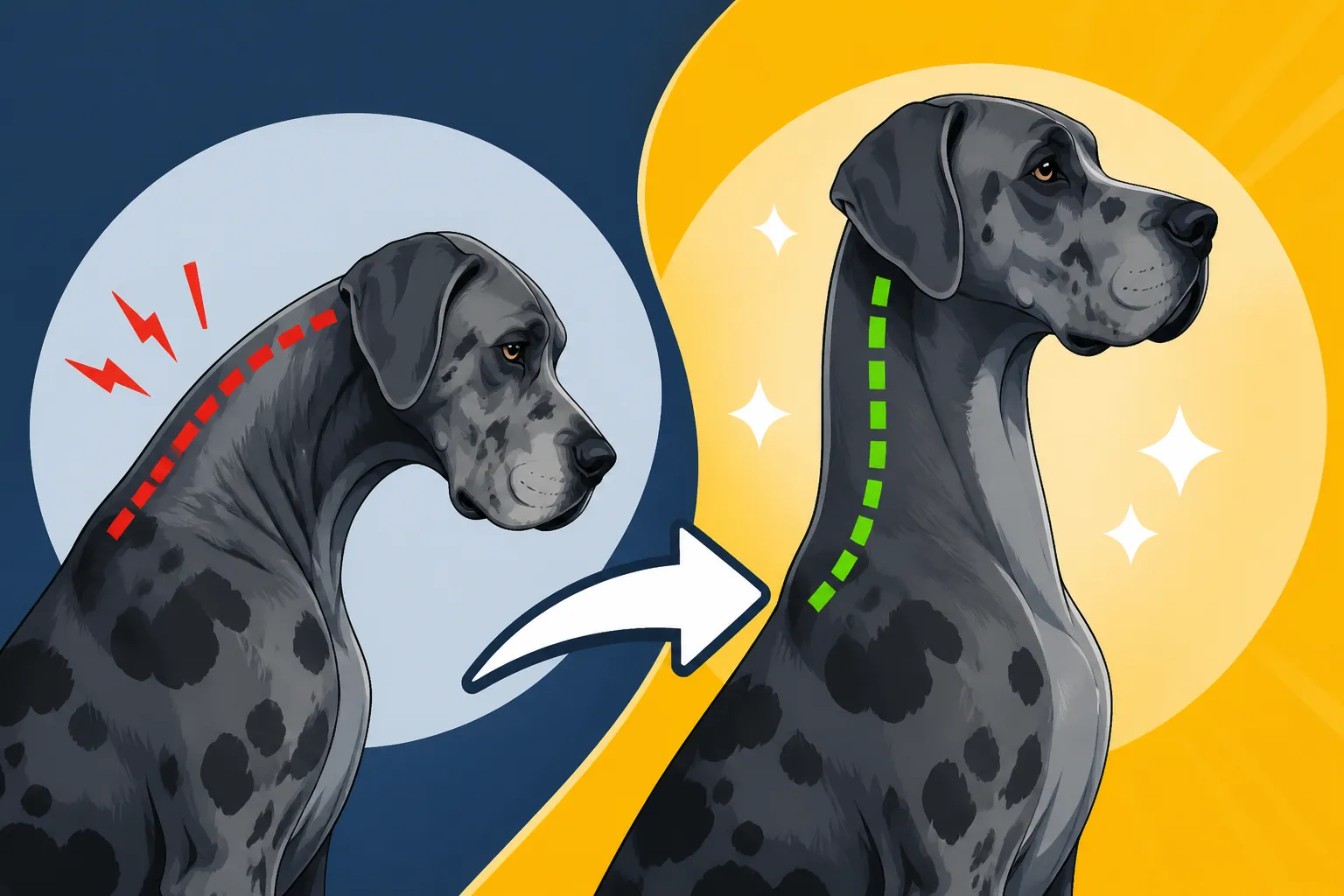
What Decompressing a Great Dane Neck Runs
The moment your beloved Great Dane starts stumbling, dragging their back paws, or showing any signs of weakness in their rear legs, a cold dread can creep in. You know, deep down, that with a giant breed, even a seemingly small issue can quickly escalate into something significant, and the thought of complex medical procedures for their massive bodies is enough to send shivers down any owner's spine. When a vet mentions "neck decompression" for a Great Dane, it instantly raises a huge question mark over both their future comfort and your financial readiness. This guide is here to unravel the complex and often daunting costs associated with decompressing a Great Dane's neck, walking you through every step from diagnosis to long-term recovery.
Understanding the Need for Neck Decompression in Great Danes
Before we dive into the financials, it's crucial to understand what "neck decompression" actually means for a Great Dane. We're primarily talking about a condition known as cervical spondylomyelopathy, more commonly referred to as Wobbler Syndrome. This isn't just a minor tweak; it's a serious neurological disorder that impacts the spinal cord in the neck, leading to instability, compression, and ultimately, coordination problems. Your Great Dane might start exhibiting a peculiar, wobbly gait, often described as a "drunken sailor" walk, especially in their hind legs. The reality of A Great Dane That Stumbles on Its Back Legs is heartbreaking to witness.
The compression happens when the spinal cord or nerve roots in the cervical (neck) region are pinched, either by malformed vertebrae, thickened ligaments, or disc herniation. Imagine a garden hose with water trying to flow through it, but someone is constantly pinching it in several places. The water pressure drops, and the flow becomes erratic. That's essentially what's happening to the nerve signals in your Dane's spine, disrupting the communication between their brain and their limbs. This isn't a problem that typically resolves itself; left untreated, it almost always progresses, causing more pain and neurological deficits. This is a critical point that emphasizes why diagnosis and treatment, while costly, are often unavoidable for your Dane's quality of life.
What is Wobbler Syndrome?
Wobbler Syndrome is distressingly common in large and giant breeds like Great Danes, Doberman Pinschers, and Irish Wolfhounds. It's often linked to rapid growth and genetic predispositions, leading to a malformation or instability of the vertebrae in the neck. The spinal cord is incredibly delicate, and any pressure on it can lead to a range of symptoms, from mild incoordination to severe paralysis. The age at which signs typically begin varies, but many Great Danes start showing symptoms in their middle years, though it can appear earlier or later. It's a progressive disease, meaning the symptoms usually worsen over time without intervention.
The pain associated with Wobbler Syndrome can be profound. Dogs might express it through reluctance to move their head or neck, crying out when handled, or even a general lethargy. The neurological impact isn't just about walking funny; it can also affect their bladder and bowel control in severe cases. As an owner, watching your normally majestic Great Dane struggle with basic movements is incredibly tough. You want to ease their suffering, and often, surgery is presented as the most definitive path to improvement.
Why Surgical Decompression is Considered
Surgical decompression aims to alleviate the pressure on the spinal cord and stabilize the cervical vertebrae. The goal is to stop the progression of the disease, reduce pain, and ideally, improve neurological function. There isn't one single surgical technique; instead, there are several approaches, each chosen based on the specific location and nature of the compression, as identified through advanced imaging. These procedures are complex, require a board-certified veterinary neurologist or surgeon, and carry their own set of risks, as any major surgery would.
For some Great Danes, especially those with severe or rapidly progressing signs, surgery offers the best chance at a meaningful recovery and improved quality of life. It’s a decision that’s never taken lightly, involving extensive consultation with veterinary specialists and a thorough understanding of the prognosis with and without surgery. When faced with the stark reality of your Great Dane's declining mobility, the hope that surgery offers can feel like a lifeline, despite the significant financial implications. The alternative, managing the condition medically, often only provides temporary relief and doesn't address the underlying compression.
The Diagnostic Journey: Initial Costs Leading to Surgery
The path to neck decompression surgery is a lengthy and expensive one, largely because diagnosing Wobbler Syndrome accurately in a Great Dane isn't a simple matter of a quick X-ray. Their sheer size, the complexity of their spine, and the neurological nature of the condition demand advanced imaging and specialist consultations. Each step along this diagnostic journey adds to the overall bill, building up a significant financial commitment long before surgery is even considered. This is often where the initial shock for owners sets in, as the "paying for a Great Dane Wobbler workup" can be surprisingly high.
When your Great Dane first starts showing those tell-tale wobbles or struggles, your regular veterinarian will be your first stop. They'll perform a general physical exam and a basic neurological assessment. From there, if Wobbler Syndrome is suspected, they'll likely recommend a referral to a veterinary neurologist for a more in-depth evaluation. This specialist visit alone, with their highly trained eye and specialized equipment, will incur a consultation fee that is considerably higher than a routine vet check.
Specialist Consultations and Neurological Exams
A board-certified veterinary neurologist is essential for accurately diagnosing Wobbler Syndrome. These specialists have dedicated years to understanding the intricacies of the nervous system in animals, and their expertise is invaluable when dealing with such a complex condition. Their initial consultation will involve a thorough neurological exam, which is far more detailed than what your general vet performs. They'll test reflexes, observe gait, assess muscle tone, and pinpoint exactly which areas of the spine are likely affected.
This initial specialist visit sets the stage. They'll discuss the potential diagnoses, the severity of your Great Dane's symptoms, and the various diagnostic steps needed to confirm Wobbler Syndrome and plan treatment. This isn't just a brief chat; it's a comprehensive review of your dog's history, current symptoms, and a realistic discussion of the road ahead. Be prepared for this initial consultation to be a significant cost in itself, easily running into hundreds of dollars just for the initial assessment. It's the cost of specialized expertise, which is a necessity when dealing with neurological conditions in giant breeds.
Advanced Imaging: MRI or CT Scans
Once a neurologist suspects Wobbler Syndrome, the next crucial step is advanced imaging. Standard X-rays simply aren't enough to visualize the soft tissues of the spinal cord or the subtle bony compressions that cause Wobbler Syndrome. Instead, your Great Dane will need either a Magnetic Resonance Imaging (MRI) scan or a Computed Tomography (CT) scan. These imaging modalities provide detailed cross-sectional views of the spine, allowing the neurologist to precisely identify the location, type, and severity of the spinal cord compression. You can imagine What Shows Up on a Great Dane Spinal Scan is crucial for surgical planning.
Both MRI and CT scans are expensive procedures. They require specialized equipment, highly trained technicians, and a veterinary radiologist to interpret the images. Furthermore, because a Great Dane needs to remain absolutely still for these scans, they will require general anesthesia. This adds another layer of cost, including the anesthesia itself, monitoring by a dedicated technician, and pre-anesthetic bloodwork to ensure your Dane is healthy enough to undergo sedation. The total cost for these scans can easily be several thousand dollars, making it one of the largest diagnostic expenses. This is non-negotiable; without these images, a surgeon cannot safely and effectively plan a decompression surgery.
Cerebrospinal Fluid Analysis
In some cases, especially if there's any suspicion of inflammation, infection, or other concurrent neurological issues, the neurologist might recommend a cerebrospinal fluid (CSF) tap. This procedure involves collecting a small sample of the fluid that surrounds the brain and spinal cord for analysis. Like advanced imaging, a CSF tap requires general anesthesia to perform safely and accurately in a Great Dane.
The analysis of the CSF can help rule out other conditions that might mimic Wobbler Syndrome symptoms or identify additional factors complicating your Dane's condition. While not always necessary for every Wobbler case, it's another potential diagnostic expense that can add hundreds to over a thousand dollars to your preliminary bill, depending on the complexity of the lab work required. Each diagnostic test is a piece of the puzzle, crucial for ensuring the correct diagnosis and the most appropriate treatment plan.
The Decompression Surgery Itself: Main Event Costs
The actual decompression surgery for a Great Dane's neck is the most significant financial component of treating Wobbler Syndrome. This isn't a quick or simple procedure; it's a highly specialized and delicate operation that requires the expertise of a board-certified veterinary surgeon or neurologist. When you're facing the question of Surgery Against Management for a Wobbler Dane, the costs are usually a major part of the consideration. The complexity of working on the spinal cord, combined with the sheer size and physiological characteristics of a Great Dane, drives the costs sky-high.
Think about it: a surgical team needs to be prepared for a giant breed. This means larger doses of anesthetic agents, more staff for positioning and monitoring, specialized instruments, and a longer surgical time. Every aspect scales up when you're dealing with a dog the size of a small pony.
Surgical Fees and Anesthesia
The core cost of the surgery itself includes the surgeon's fees, the use of the operating room, and all the necessary equipment. Spinal surgery is particularly intricate, demanding precision and a deep understanding of neuroanatomy. The surgeon's experience and reputation will also factor into their fees. These aren't operations performed by every general practice vet; they're the domain of highly specialized professionals.
Then there's the anesthesia. As mentioned earlier, Why Great Dane Anesthesia Is Billed Higher is a critical point for any Great Dane surgery. They require larger volumes of anesthetic drugs, more intensive monitoring during the procedure (often involving a dedicated anesthetist), and specialized equipment to maintain their vital signs throughout. The risk of complications during anesthesia is also a concern for giant breeds, which means even more precautions and resources are deployed. The combination of surgeon's skill and high-level anesthesia care means the surgical component alone can easily be in the tens of thousands of dollars.
Hospitalization and Post-Operative Care
Following neck decompression surgery, your Great Dane will require a significant period of hospitalization for intensive post-operative care. This isn't a day surgery; expect your Dane to stay at the specialty hospital for several days, sometimes even a week or more, depending on their recovery progress and any immediate complications. During this time, they'll receive round-the-clock monitoring by veterinary nurses and technicians.
Post-operative care includes pain management with a carefully controlled regimen of medications, intravenous fluids to maintain hydration, and possibly antibiotics to prevent infection. Their neurological status will be regularly assessed, and staff will assist with mobility, turning them to prevent bedsores, and ensuring they can comfortably urinate and defecate. The cost of this intensive care, including staff salaries, medication, and facility overhead, accrues daily and adds substantially to the total bill. This phase is crucial for preventing complications and setting the stage for successful long-term recovery.
Implants and Materials
Depending on the specific surgical technique used, decompression surgery may involve the use of specialized implants to stabilize the vertebrae after the spinal cord has been decompressed. These can include bone plates, screws, or specialized fusion devices. These implants are made from biocompatible materials and are designed to withstand the immense forces exerted on a Great Dane's neck.
The cost of these high-tech implants is built into the surgical fee structure. They are custom-fitted or selected based on your Dane's specific anatomy and the surgical plan. Just like in human medicine, specialized surgical hardware comes at a premium, reflecting the research, development, and manufacturing precision required for devices that will literally hold your dog's spine together. It’s an unavoidable cost when stabilization is part of the surgical solution.
Table: Estimated Cost Components for Great Dane Neck Decompression
Here's a generalized breakdown of the types of costs you can expect when considering neck decompression surgery for your Great Dane. Remember, these are qualitative descriptions, as actual figures vary wildly by location, specialist, and the specifics of your Dane's condition.
| Cost Component | Description | Cost Impact (Qualitative) |
|---|---|---|
| Initial Vet Consult | General practitioner visit, basic exam, initial suspicion of Wobbler Syndrome. | Moderate |
| Specialist Neurology Consult | Thorough neurological exam, discussion of findings, treatment plan proposal. | High |
| Advanced Imaging (MRI/CT) | Detailed scans of the neck, requires anesthesia, radiologist interpretation. Critical for diagnosis. | Very High |
| Anesthesia for Imaging | Dedicated anesthetist, monitoring, medications. Included with imaging cost. | High |
| CSF Tap (if needed) | Collection and analysis of spinal fluid, requires anesthesia. | Moderate to High |
| Surgical Fees (Surgeon) | Professional fees for the board-certified surgeon. | Very High |
| Anesthesia for Surgery | Dedicated anesthetist, extensive monitoring, medications for several hours. | Very High |
| Operating Room & Equipment | Use of specialized surgical facilities, instruments, and sterile supplies. | High |
| Surgical Implants/Hardware | Plates, screws, fusion devices used for spinal stabilization (if applicable). | Very High |
| Hospitalization (Post-Op) | Multiple days of inpatient care, monitoring, pain management, IV fluids, wound care. | Very High (daily rate) |
| Medications (Post-Op) | Pain relief, anti-inflammatories, muscle relaxants, antibiotics. | Moderate |
| Follow-up Vet Visits | Incision checks, staple removal, neurological re-evaluations. | Moderate (per visit) |
| Rehabilitation Therapy | Physical therapy, hydrotherapy, laser therapy, home exercise plan, long-term commitment. | High to Very High (ongoing) |
| Diagnostic Re-checks | X-rays or scans to confirm healing/stability (months after surgery). | Moderate to High |
| Mobility Aids | Slings, harnesses, ramps for recovery. | Moderate |
| Special Bedding | Orthopedic beds to prevent pressure sores. | Moderate |
Long-Term Recovery and Ongoing Expenses
The costs associated with decompressing a Great Dane's neck don't end the day they leave the hospital. In fact, the long-term recovery and ongoing management can add up to a substantial sum over months, and sometimes even years, post-surgery. This phase is absolutely critical for maximizing the surgical outcome and ensuring your Great Dane maintains the best possible quality of life. Owners often underestimate the financial commitment required for this period, focusing only on the surgical bill itself.
Imagine your Dane coming home from the hospital – they won't be bounding around immediately. They'll be recovering from a major spinal surgery, requiring careful handling, restricted activity, and a dedicated rehabilitation program. This is where your commitment truly shines, both emotionally and financially. Neglecting this phase can compromise the entire investment made in the surgery.
Physical Rehabilitation Therapy
One of the most important components of post-operative care for a Great Dane with Wobbler Syndrome is physical rehabilitation. Just like in humans, surgery is only part of the solution; regaining strength, coordination, and proprioception (awareness of body position) requires targeted exercises and therapies. A certified veterinary rehabilitation therapist will design a customized program for your Great Dane.
This program might include:
- Hydrotherapy: Often performed in an underwater treadmill, this allows your Dane to exercise with reduced weight-bearing stress on their joints and spine, helping to rebuild muscle and improve gait.
- Therapeutic Exercises: Specific stretches, balance exercises, and core strengthening activities performed with a therapist.
- Laser Therapy: Used to reduce pain and inflammation and promote tissue healing around the surgical site.
- Massage and Manual Therapies: To alleviate muscle stiffness and promote circulation.
Each rehabilitation session can be a significant cost, and a Great Dane will typically need multiple sessions per week initially, gradually decreasing in frequency over several months. Over the course of their recovery, these costs can easily add up to thousands of dollars. Finding a facility equipped to handle a dog of Great Dane size, with specialized pools or treadmills, can also influence the price. You might also want to look into Rehabilitation Costs After Great Dane Surgery for a deeper dive.
Medications and Supplements
Your Great Dane will likely be on a regimen of medications for pain management and to control inflammation for some time after surgery. This could include non-steroidal anti-inflammatory drugs (NSAIDs), gabapentin for nerve pain, and muscle relaxants. These prescriptions, especially at Great Dane doses, can be quite costly on an ongoing basis. As your Great Dane ages, they might also require long-term pain management for secondary arthritis or residual neurological deficits.
Beyond prescription medications, many owners choose to supplement their Dane's diet with joint support formulas (e.g., glucosamine, chondroitin, MSM) or other nutraceuticals aimed at supporting spinal health. While supplements are generally less expensive than prescription drugs, they represent an ongoing monthly expense that adds to the total cost of care. When considering vendors like Chewy for prescription foods or supplements, these costs can become a regular part of your budget.
Mobility Aids and Environmental Modifications
For many Great Danes recovering from neck decompression, temporary or even long-term mobility aids become essential. This could include specialized harnesses that allow you to support their hindquarters, ramps to help them get into vehicles or up a few steps, or even a doggie wheelchair for more severe or persistent deficits. Mobility Aids for a Failing Great Dane are crucial for their comfort and safety.
Furthermore, you might need to make modifications around your home. This includes ensuring your Great Dane has orthopedic bedding that provides excellent support and prevents pressure sores, especially if they are less mobile. Eliminating slippery floors with runners or rugs can prevent falls and further injury. You might also consider gates or barriers to restrict access to stairs or certain areas during their recovery. Each of these items, while seemingly small, adds to the cumulative cost of creating a safe and supportive environment for your recovering Great Dane.
Follow-up Diagnostics and Monitoring
Even after seemingly successful surgery and rehabilitation, regular follow-up appointments with your veterinary neurologist or surgeon will be necessary to monitor your Great Dane's progress. These visits might include repeat neurological exams, and sometimes, even repeat imaging (X-rays, or in some cases, even another MRI) to assess the stability of the surgical site and ensure no new compressions are developing.
While hopefully less frequent and less intensive than the initial diagnostics, these follow-up checks are vital for catching any potential issues early. Each specialist appointment and any further imaging will, of course, incur additional costs. It’s an investment in ensuring the longevity of the surgical repair and your Great Dane’s continued comfort.
Financial Planning and Support for Great Dane Owners
The financial burden of neck decompression surgery for a Great Dane can be overwhelming, easily running into the tens of thousands of dollars. It's a sobering reality that many owners face, and it highlights the importance of proactive financial planning when you share your life with a giant breed. Great Danes, while magnificent, are prone to several expensive health conditions, making financial preparedness not just wise, but often essential. Considering The Short Expensive Life of a Great Dane underscores this need.
When faced with such a daunting bill, it's easy to feel hopeless. However, there are resources and strategies that can help mitigate the financial impact, allowing you to focus on your Great Dane's recovery rather than just the dollar signs.
The Role of Pet Insurance
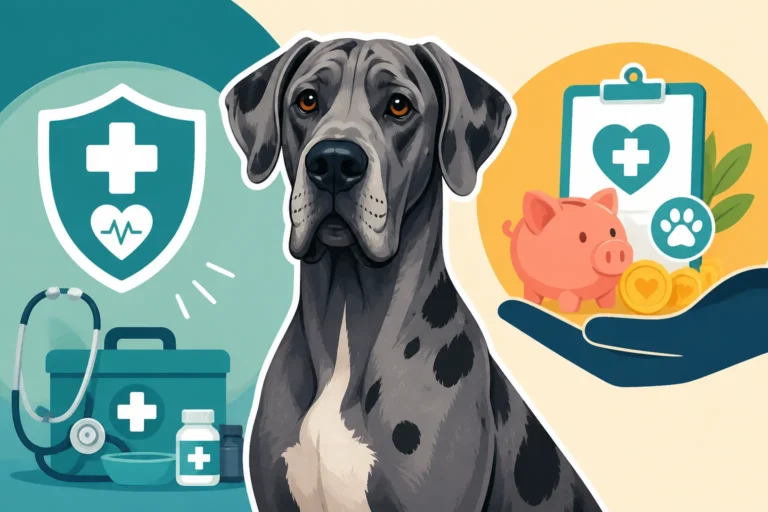
Pet insurance is arguably the most critical financial safety net for Great Dane owners. Given the breed's predispositions to conditions like Wobbler Syndrome, bloat, and heart disease, comprehensive pet insurance can literally be a lifesaver. Ideally, pet insurance should be acquired when your Great Dane is a puppy, before any signs of illness appear, as pre-existing conditions are typically not covered.
When considering a policy, look for one with high annual limits, as a single event like neck decompression surgery can easily exhaust lower limits. Companies like Healthy Paws are known for their comprehensive coverage, but it's crucial to compare different providers, deductibles, reimbursement percentages, and annual limits to find the best fit for your budget and your Great Dane's needs. While you'll still pay upfront and then be reimbursed, having that safety net can make the difference between being able to afford life-saving surgery and facing an impossible choice. Understanding Whether Pet Insurance Is Essential for a Great Dane is crucial for any owner of this breed.
Veterinary Payment Plans and Financing
Many veterinary specialty hospitals understand the immense cost of procedures like neck decompression and offer various payment options. These can include:
- In-house payment plans: Some clinics might allow you to pay off a portion of the bill over a set period, though this is often reserved for a smaller percentage of the total.
- Third-party medical credit cards: Services specifically designed for veterinary expenses allow you to finance the costs, often with deferred interest options if paid within a certain timeframe. Be sure to understand the terms and interest rates before committing.
- Personal loans: While not specific to vet care, a personal loan from a bank or credit union can provide the necessary funds, allowing you to manage the repayments over a longer term.
It's always worth discussing financing options with the veterinary hospital's administrative staff. They are often experienced in guiding owners through these difficult financial conversations and can help you explore available avenues.
Fundraising and Assistance Programs
When financial resources are stretched, don't underestimate the power of community and charitable organizations. There are several avenues you can explore:
- Crowdfunding: Platforms allow you to share your Great Dane's story and raise funds from friends, family, and compassionate strangers.
- Breed-specific rescues and foundations: Many Great Dane rescues and breed-specific foundations have emergency funds or grant programs to assist owners with significant veterinary expenses. They understand the unique challenges and costs associated with the breed.
- National veterinary aid organizations: Various non-profit organizations exist to provide financial assistance to pet owners facing extraordinary veterinary bills. Eligibility requirements vary, but it's always worth researching and applying.
Asking for help can be difficult, but when your beloved Great Dane's health is on the line, exploring every possible resource is a testament to your dedication as an owner. The love for these gentle giants often inspires immense generosity, and you might be surprised by the support you receive.
Budgeting for the Unexpected
Ultimately, owning a Great Dane means preparing for the unexpected, especially regarding their health. Building an emergency fund specifically for your dog's veterinary care is one of the most proactive steps you can take. Setting aside even a small amount each month can accumulate into a substantial buffer over time, helping to cover deductibles, co-pays, or even a portion of a major surgery like neck decompression.
Remember, the true cost of decompressing a Great Dane's neck isn't just the surgical bill; it's the sum of diagnostics, surgery, hospitalization, rehabilitation, medications, and ongoing care. Being realistic about these potential expenses from the outset, and planning for them, can alleviate a tremendous amount of stress should the day come when your gentle giant needs such extensive intervention. The love and companionship they offer are immeasurable, but their care certainly comes with a measurable price tag.
Disclaimer
This article is for general informational purposes only and does not constitute professional advice. Laws, prices and regulations vary by location and change over time. Consult a qualified professional for guidance on your specific situation.