Renters Insurance and Great Dane Weight Limits
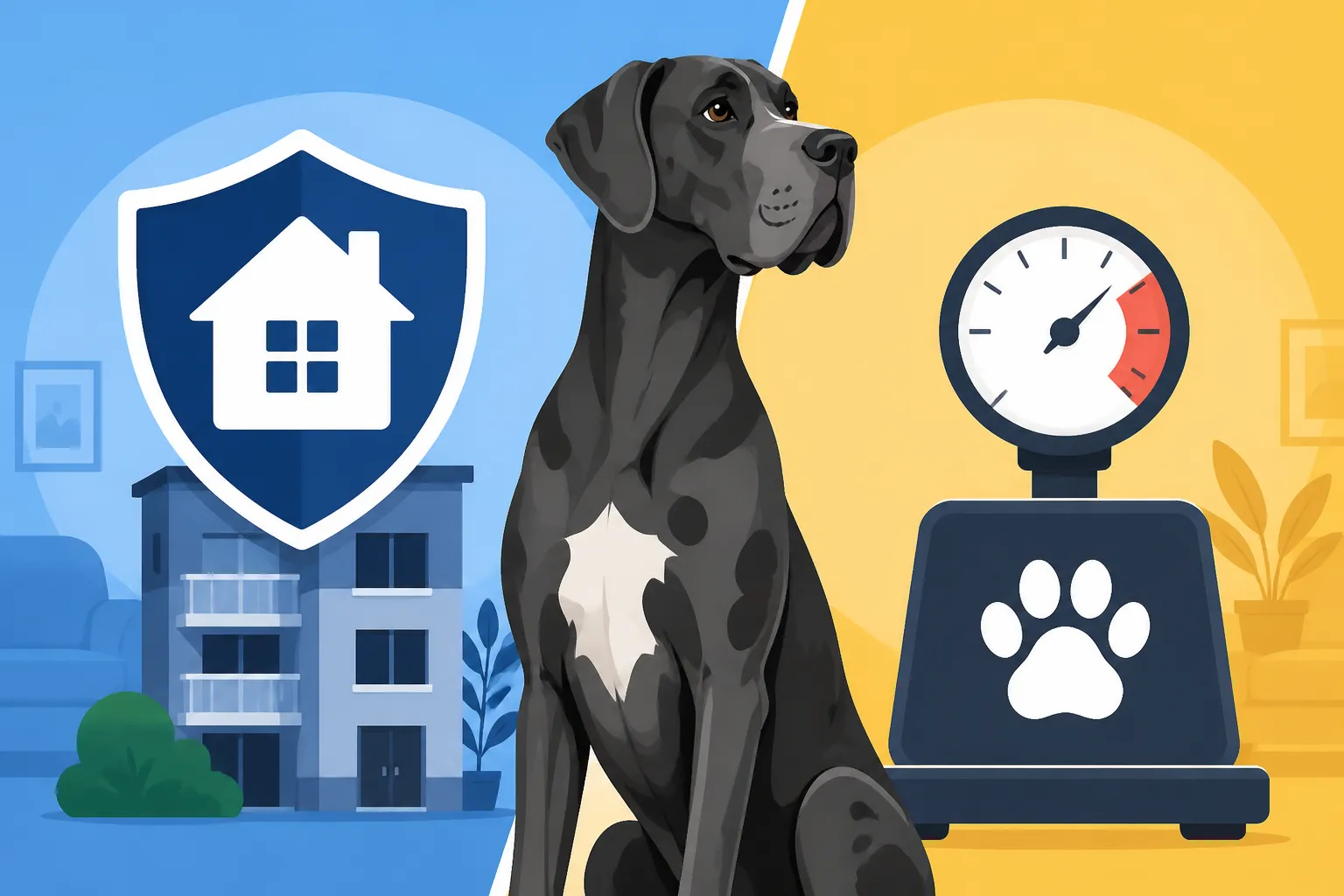
Finding a pet-friendly rental property can feel like navigating a minefield, and for us Great Dane owners, it often feels like we're trying to sneak an elephant into a teacup. The biggest, often unspoken, hurdle isn't just a landlord's general "no pets" rule, but the specific and often arbitrary weight limits imposed by their renters insurance policies. This guide is here to help you understand these frustrating limitations and arm you with strategies to keep your gentle giant by your side.
The Frustration of Pet Weight Limits in Rental Properties
It’s a common scenario: you find what looks like the perfect rental, it even says "pets considered," but then you dig a little deeper and discover a blanket policy: "no dogs over 50 pounds." For a Great Dane owner, this is less a limit and more of an immediate disqualification. It’s disheartening, to say the least, to have your wonderful companion judged solely on their magnificent size.
Why Landlords Impose Weight Restrictions
Landlords aren't usually trying to be difficult or discriminate against large dog breeds for the sake of it. Their decisions are often rooted in very real concerns about risk and liability. Imagine the difference in potential property damage from a small terrier versus a curious, tail-wagging Great Dane. A small scratch on the floor from a tiny paw pad is a world away from the kind of damage a happy Great Dane Drool and What to Do About It or an enthusiastic zoomie session from a giant breed might accidentally cause.
Beyond physical damage to the property, liability concerns are paramount. If a dog bites someone on the property, or even accidentally knocks a guest over, the landlord could be held partially responsible. Their own insurance carriers often dictate terms based on perceived risk, and a larger dog, regardless of temperament, is often categorized as a higher risk. This isn't necessarily fair, but it's a reality they face.
Ultimately, these restrictions are a way for landlords to manage their own financial exposure. It's often not about the individual dog or breed directly, but the actuarial tables and risk assessments their insurance companies rely on. The sheer presence and potential force of a large animal, even a well-behaved one, is a factor in these calculations.
The Specific Challenge for Great Dane Owners
For Great Dane owners, these weight limits are particularly cruel. Our beloved Danes are often referred to as "gentle giants" for a reason – they are renowned for their sweet, affectionate, and relatively calm indoor demeanor. However, their sheer scale means they inevitably trigger those "giant breed" alarms for landlords and their insurance companies. A Great Dane standing on their hind legs can easily reach the top of a refrigerator, and their tail can clear a coffee table in a single wag.
Even the most well-behaved Great Dane needs an environment that can withstand their size. While they might be couch potatoes most of the time, their weight means that any accidental bumping into furniture, knocking over Bowls and Stands Sized for a Great Dane, or even just getting up and lying down can have a greater impact than a smaller dog. This isn't a knock on their behavior, but a simple fact of physics.
The most frustrating part for us is that a typical "pet-friendly" weight limit of 40-50 pounds is utterly unachievable for a Great Dane. A Great Dane puppy can easily hit that weight before they're even six months old! An adult male can easily be The Hundred and Forty Pound Great Dane Male or more, completely dwarfing most standard weight allowances. This means that a significant portion of the rental market is simply closed off to us before we even begin to look, making the search for appropriate housing incredibly stressful.
Understanding Renters Insurance and Large Breed Policies
Renters insurance is more than just protecting your personal belongings; it’s a critical safety net, especially when you have a large dog. Understanding how it works and how your Great Dane fits into the picture is key to securing a place to live.
What Renters Insurance Covers
First, let's clarify what renters insurance actually does. It typically provides coverage in a few key areas:
- Personal Property Coverage: This is what most people think of – it protects your belongings (furniture, electronics, clothing, etc.) from perils like fire, theft, vandalism, and certain weather events. If your apartment building has a fire, this coverage helps you replace your lost items.
- Liability Coverage: This is arguably the most important part for pet owners. If someone is injured in your home, or if you or your pet accidentally cause damage to someone else's property or an injury to another person, this coverage can help pay for legal fees, medical expenses, and potential settlements. Imagine if your Great Dane, in a moment of clumsy exuberance, knocked over a visitor and they broke their arm – your liability coverage would kick in.
- Medical Payments to Guests: Separate from general liability, this often covers minor medical expenses for guests injured on your property, regardless of who was at fault. It can be a quick way to handle small incidents without going through a full liability claim.
- Additional Living Expenses: If your rental unit becomes uninhabitable due to a covered loss (like a fire or extensive water damage), this portion of your policy can help cover the cost of temporary housing, food, and other necessities while repairs are made.
For Great Dane owners, the liability portion is the real concern when it comes to landlord requirements. Landlords want assurance that if your dog causes harm, there's an insurance policy to mitigate the financial fallout.
How Great Danes Impact Your Policy
When you have a Great Dane, your risk profile as an insured individual changes significantly from the perspective of an insurance company. Their size, while not making them inherently aggressive, does mean there's a higher potential for greater impact if an incident occurs. This isn't just about bites; it's about accidental injury too, like a large dog getting spooked and dashing through a screen door or colliding with someone.
Some insurance companies maintain explicit "dangerous breed" lists, and while Great Danes aren't universally included (and certainly shouldn't be, given their temperament), their sheer size and strength can put them into a de facto higher-risk category. This can result in higher premiums or even outright refusal of coverage from certain providers. It’s a frustrating reality for responsible owners.
It is absolutely crucial that you declare your Great Dane when applying for renters insurance. Withholding information about your dog could lead to your policy being voided if you ever need to make a claim, leaving you completely exposed to devastating legal and medical costs. It's always better to be upfront and diligent in finding a policy that fully covers you and your big buddy, rather than facing potentially crippling bills down the line. Whether Pet Insurance Is Essential for a Great Dane is a question many owners ask, and while pet health insurance is for vet bills, a robust renters policy protects you from liability.
Insurance Companies and Their Stance on Large Breeds
The landscape of renters insurance is not monolithic; different companies have vastly different policies regarding pets, especially large or "restricted" breeds. What one company considers an unacceptable risk, another might be willing to cover with a bit of extra premium or a specific rider. You'll likely need to do some serious shopping around.
Large national insurance carriers often have very broad, non-negotiable policies that are difficult to bypass. Their algorithms and risk assessments might automatically flag Great Danes due to weight or general "giant breed" classification. However, some smaller, more localized insurers, or independent agents, might have more flexibility. They might be willing to look at your individual dog's history and temperament rather than just relying on generic breed statistics. It’s worth sitting down with an agent and having a frank conversation about your specific situation.
In some cases, insurers may offer specific endorsements or riders that can be added to your policy to cover liability for large dogs. This typically comes with an additional fee, but it can be an invaluable solution, allowing you to secure necessary coverage that might otherwise be unavailable. Always ask detailed questions about any breed or weight exclusions when getting quotes. For your Great Dane's health, reputable companies like Healthy Paws offer comprehensive pet health insurance, but remember to keep your renters liability separate in your mind!
Navigating Rental Agreements and Insurance with Your Great Dane
Finding a rental with a Great Dane requires proactive effort, open communication, and a strategic approach. It's about demonstrating that you are a responsible owner who has taken steps to mitigate any potential risks.
Communicating with Landlords
Transparency is your most powerful tool. When you first inquire about a rental, be completely honest about your Great Dane. Trying to hide their size or breed will inevitably lead to problems. If a landlord discovers you've been less than forthcoming, they will be far less likely to be understanding or flexible, and it could even be grounds for eviction.
Instead, come prepared with a "dog resume." This isn't as silly as it sounds! Include adorable photos of your well-behaved Dane, a brief description of their personality, and references from previous landlords, trainers, or even your veterinarian. Highlighting their calm nature and any obedience training they've received, such as The Manners a Great Dane Needs Before It Grows, can make a significant impact. Show them that your dog is an exemplary canine citizen.
Where possible, offer to meet the landlord (or property manager) with your Great Dane. Allowing them to see your dog's gentle, calm personality in person can often dispel misconceptions based purely on breed stereotypes or fear of large dogs. Emphasize their The Gentle Great Dane Temperament and Its Limits and how well they integrate into a quiet home life. This personal connection can often be the deciding factor.
Seeking Out Pet-Friendly Rentals
Don't settle for just "pet-friendly" listings. Those often come with those prohibitive weight limits we've discussed. Instead, specifically search for properties advertised as "large dog friendly" or even "giant breed friendly." Many online rental platforms allow you to filter by pet policies, so use those tools to your advantage to save time and frustration.
Consider focusing your search on individual landlords rather than large corporate property management companies. Individual owners often have more leeway and personal discretion. They might be willing to consider your specific situation, especially if you present a strong case for your Great Dane, rather than adhering to rigid, corporate-mandated policies. You might even find success through local community groups or veterinary clinics that keep lists of pet-friendly rentals.
Additionally, leverage local Great Dane rescue organizations or breed clubs. These groups often have extensive networks within the community and may know of landlords who are known to be accommodating to large breeds, or even specific properties that have successfully housed Great Danes in the past. They can be an invaluable resource in your search.
Exploring Different Insurance Options
If your current renters insurance provider is unwilling to cover your Great Dane, or if your landlord requires more liability coverage than your standard policy offers, don't despair. There are usually other avenues to explore.
Reach out to several different insurance companies. As mentioned, policies vary widely. An independent insurance agent can be a great asset here, as they can shop around with multiple carriers on your behalf to find the best fit for you and your Great Dane. Some companies might specialize in, or be more accustomed to, insuring homes with larger or "higher risk" breeds.
Another strong option to consider is an umbrella liability policy. This type of policy provides an additional layer of liability coverage that goes above and beyond the limits of your primary renters (or homeowners) insurance. It acts as a safety net, kicking in if your underlying policy's limits are exhausted. For a Great Dane owner, this extra protection can be incredibly reassuring, offering peace of mind against unforeseen circumstances.
Finally, while less common, some specialized insurers offer specific "animal liability" or "dog liability" policies that can stand alone or supplement your existing coverage. These policies are designed specifically to cover incidents caused by your pet, irrespective of your general renters insurance. While an additional expense, it can be a way to bridge gaps in coverage or satisfy a landlord's specific requirements.
Mitigating Risk and Demonstrating Responsible Great Dane Ownership
Being a Great Dane owner means being an ambassador for the breed. By actively mitigating risks and showcasing your responsibility, you can improve your chances of securing both a rental and appropriate insurance.
Training and Socialization
A well-trained Great Dane is your most powerful argument. Early and consistent obedience training is absolutely non-negotiable for a giant breed. Enroll in puppy classes as soon as possible, and continue with advanced obedience training throughout their adolescence. A dog that reliably responds to commands like "sit," "stay," "come," and "leave it" is inherently a lower risk to landlords and insurers. When a Great Dane shuts down when scolded, positive reinforcement training is even more important.
Equally crucial is thorough socialization from a young age. Expose your Great Dane puppy to a wide variety of people, environments, sounds, and other friendly dogs in a controlled, positive manner. A dog that is confident and comfortable in different situations is much less likely to react fearfully or aggressively, reducing potential liability concerns. Socializing a Great Dane Puppy Early will set them up for success.
Document all your training efforts. Keep certificates from any obedience classes, letters or notes from your trainer, and even videos of your dog demonstrating excellent manners. This tangible proof of your commitment to their training can be incredibly persuasive when presenting your case to a landlord or an insurance agent. The more evidence you have of a well-behaved dog, the better.
Documenting Your Dog's Temperament
Beyond formal training, gathering evidence of your Great Dane's gentle temperament can be extremely helpful. Ask your veterinarian for a letter stating that your dog has no history of aggression and is a well-mannered patient. Your vet sees your dog in various states and can attest to their general disposition.
Gather testimonials from trusted individuals who know your Great Dane well. Neighbors, friends, dog walkers, or even your groomer can write short letters vouching for your dog's calm and friendly nature. These personal anecdotes paint a picture of your individual dog that counters any generalized breed stereotypes.
Consider pursuing a Canine Good Citizen (CGC) certification through the American Kennel Club (AKC). This is a nationally recognized standard for dog behavior and good manners in public. Achieving this certification provides official, third-party proof that your Great Dane is well-behaved and under control, which can be a very strong selling point for landlords and insurance companies alike. Paying to Train a Great Dane Early can help achieve this.
The Role of Pet Health Insurance
While pet health insurance, such as policies from Healthy Paws, is different from the liability coverage discussed in renters insurance, it plays a vital role in being a responsible Great Dane owner. Giant breeds, unfortunately, are predisposed to a number of serious health conditions, including Bloat in a Great Dane and the One in Three Odds and The Heart Muscle Disease Great Danes Are Prone To. These conditions can lead to incredibly expensive veterinary bills.
Having a robust pet health insurance plan helps ensure that you can afford the best possible care for your Great Dane without facing financial hardship. This means your dog receives necessary treatments, surgeries, and medications promptly, which contributes to their overall well-being and longevity. Insuring a Great Dane Against Bloat and Heart Bills is not just a good idea, it's almost a necessity for these dogs.
Demonstrating that you are a comprehensive, responsible pet owner who plans for all aspects of your dog's care – from daily feeding with quality food like Ollie or supplies from Chewy, to excellent training, to health insurance – can subtly contribute to a positive impression with landlords. It shows you're invested in your dog's well-being and are prepared for the commitment of owning such a magnificent animal.
| Factor | Landlord/Insurer Concerns (General) | Specific Impact for Great Dane Owners | Strategies to Address & Mitigate |
|---|---|---|---|
| Property Damage | Scratches, chewing, indoor accidents | Greater potential for damage due to size and strength | Provide references, showcase training, secure environment, offer pet deposit |
| Liability Risk | Bites, accidental injury, falling | Higher perceived risk due to imposing size, even if gentle | Canine Good Citizen (CGC) certification, vet letter, specialized liability insurance, umbrella policy |
| Weight Restrictions | Insurance exclusions, perceived damage/risk | Almost always exceed standard "pet-friendly" weight limits | Target "large dog friendly" rentals, direct communication, offer proof of good temperament |
| Noise & Disturbance | Excessive barking, heavy footfalls | Deeper barks carry further, heavy gait can be noticeable downstairs | Document training for quiet indoors, ensure adequate mental and physical exercise, offer to meet neighbors |
| Cleanliness & Maintenance | Shedding, odors, drool, outdoor waste | Significant shedding, more drool, larger waste volume | Commitment to regular grooming, prompt clean-up, professional cleaning clause in lease |
Disclaimer
This article is for general informational purposes only and does not constitute professional advice. Laws, prices and regulations vary by location and change over time. Consult a qualified professional for guidance on your specific situation.