Whether Landlords Refuse Great Danes on Size
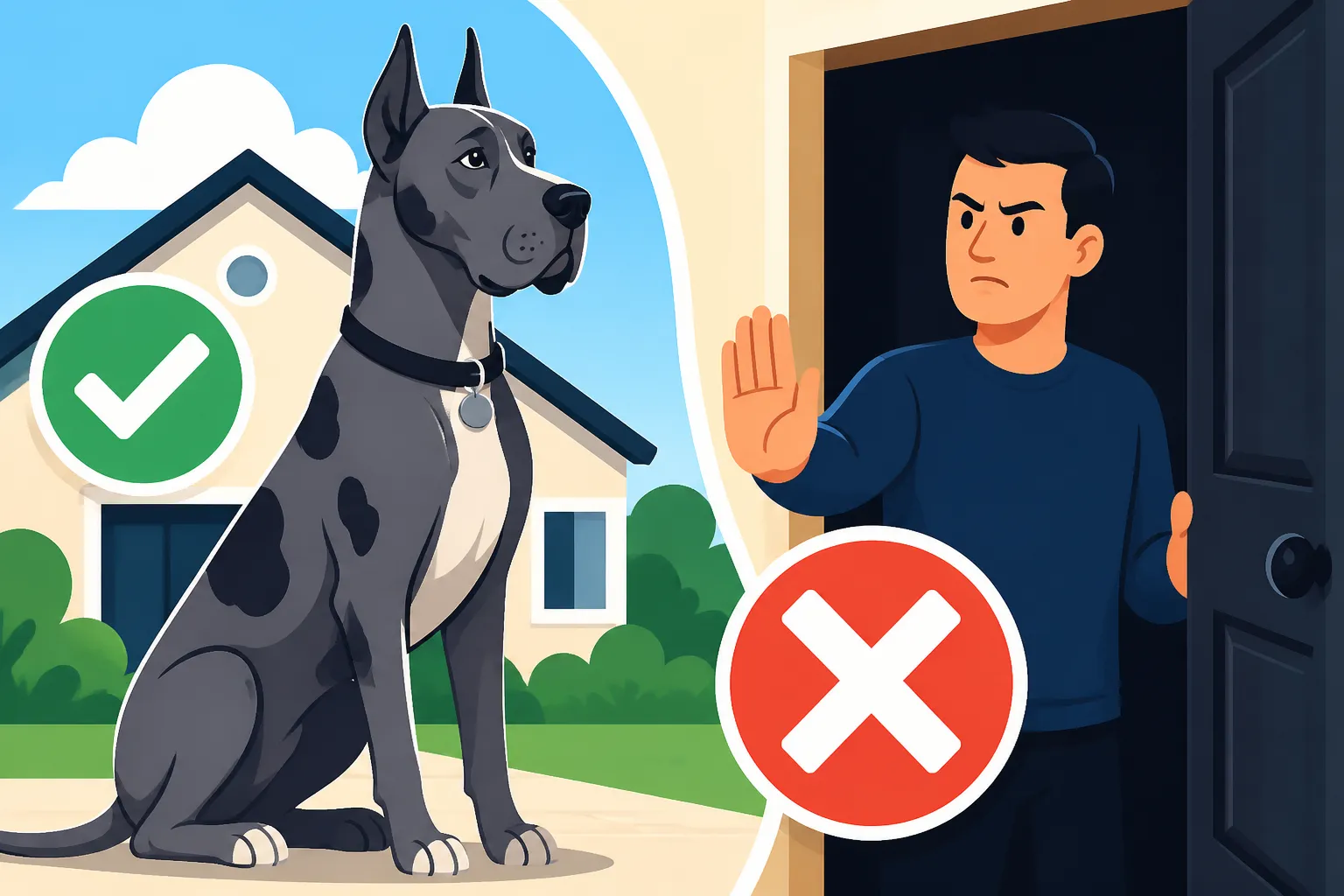
The struggle to find a decent place to live when you share your life with a magnificent Great Dane is a frustration all too familiar for many of us. It’s a heartbreaking reality when apartment hunting means sifting through countless listings, only to hit the immediate roadblock of "no dogs over X pounds" or "breed restrictions apply." This guide is here to walk you through the reasons landlords often hesitate with giant breeds and, more importantly, to arm you with practical strategies to find a welcoming home for you and your beloved Great Dane.
The Reality of "No Large Dogs" Policies: Why Landlords Hesitate
Let’s be honest, from a landlord’s perspective, a Great Dane isn't just a dog; it's a presence. Their sheer size, while endearing to us, can conjure up a whole host of anxieties for property owners. It's not always personal, but often stems from very real concerns they've encountered or heard about. Understanding these anxieties is the first step to addressing them effectively.
Property Damage Concerns and Wear and Tear
One of the biggest worries for landlords, especially those managing carpeted units or smaller spaces, is the potential for property damage. A Great Dane, even the most well-behaved one, is simply a large creature. Their weight can put extra strain on flooring, especially if they enjoy a good zoomie session indoors. Think about those beautiful hardwood floors – a hundred-plus pounds of dog with nails, even trimmed ones, can leave their mark over time. Then there’s the sheer scale of their "accidents" if house-training isn’t perfect, or if an older Dane develops incontinence. A tiny puddle from a chihuahua is vastly different from one left by a Great Dane. They might also unintentionally bump into things, knock over lamps, or test the durability of screen doors just by leaning against them. It’s less about malice and more about the simple physics of a large animal in a human-scaled dwelling. Replacing What a Great Dane Knocks Over is a real consideration.
Beyond accidental damage, there's the general wear and tear that comes with a large dog. More hair, more dander, more dirt tracked in from outside – all of which can require more intensive cleaning between tenants. Some landlords worry about the lifespan of their appliances, their walls, and even door frames, fearing that a giant breed will simply wear things out faster. This perception, while sometimes exaggerated, makes them wary of taking on a potential "liability" in the form of a large pet. It’s why some require special clauses in the lease, or even insist on specific types of flooring or outdoor access for bigger breeds.
Noise Complaints and Neighbor Relations
Another significant concern for property managers is noise. While Great Danes are often described as "gentle giants" and aren't typically known for excessive barking, their bark is certainly substantial when it does occur. A deep, resonant bark can carry much further and sound much more intimidating than a yappy small dog, potentially leading to complaints from neighbors. Imagine living in an apartment building where you hear a booming "WOOF!" every time someone walks past the door – it can be unsettling for others, especially those with young children or those who value peace and quiet.
Landlords also worry about the general presence of a large dog impacting the living experience of other tenants. Some people are genuinely afraid of large dogs, regardless of temperament. The sight of a Great Dane in the hallway or elevator, no matter how calm, can trigger anxiety in others, leading to complaints to the management. While unfair to your well-socialized Dane, this human element is something landlords have to consider. They aim to create a harmonious environment, and the perceived threat or inconvenience of a giant breed can disrupt that balance. A Great Dane That Barks at the Door can be a real issue in close quarters, and managing that is key.
Insurance Liabilities and Breed-Specific Restrictions
This is often the silent killer for Great Dane owners seeking rentals. Many landlord insurance policies have breed-specific restrictions or weight limits that exclude certain dogs from coverage. Great Danes, due to their size and perceived strength (even though they are generally very mellow), can sometimes fall into these categories, similar to breeds often mislabeled as "aggressive." If a landlord's insurance won't cover potential damages or liability claims related to a Great Dane, they simply cannot risk having one on their property. This isn't personal; it's a business decision driven by insurance policy terms.
Even if there isn't an outright breed ban, many policies have weight limits. A Great Dane easily exceeds the typical 50-75 pound limit often seen in apartment complexes. This means that even if a landlord wants to be accommodating, their hands might be tied by their insurance provider. It’s a frustrating Catch-22 for owners, as it removes the decision-making power from the individual landlord and places it with a faceless insurance company. This is why discussing Renters Insurance and Great Dane Weight Limits with your potential landlord is so crucial – sometimes, having your own robust pet liability coverage can ease their minds.
Strategies for Finding a Great Dane-Friendly Rental
So, if the odds feel stacked against you, how do you find that needle in the haystack – the perfect home where your gentle giant is not just tolerated but genuinely welcomed? It takes a proactive, strategic approach, and a willingness to go above and beyond to prove your responsibility as a Great Dane owner.
Targeted Search: Beyond the Standard Filters
Don’t just rely on general rental websites. Start your search by looking for properties that explicitly state "large dogs welcome" or "all breeds considered." This immediately filters out many of the frustrating dead ends. Be prepared to think outside the box:
- Private Landlords vs. Corporate Complexes: Often, individual homeowners renting out a house or a duplex are more flexible than large corporate apartment complexes with strict, standardized policies. They can make decisions on a case-by-case basis.
- Specialized Pet-Friendly Listings: Look for local pet-friendly housing groups on social media, or dedicated websites that cater to renters with pets. Sometimes, real estate agents specialize in pet-friendly rentals too.
- Drive Around and Look for Signs: Sometimes the best leads aren't online. Take a drive through neighborhoods you like and look for "for rent" signs. Call the number and ask directly about their pet policy, specifically mentioning your Great Dane.
- Network: Talk to other Great Dane owners in your area. Where do they live? Word-of-mouth recommendations can be golden.
- Consider Location: Suburbs or rural areas often have more pet-friendly options, especially houses with yards, than dense urban centers where space is at a premium. Whether a Great Dane Fits in a Small Home is a valid concern for both you and a landlord.
When you do find a potential listing, always confirm the pet policy directly. Don't assume. A quick, polite phone call explaining your situation upfront will save you time and emotional energy.
The Power of a Pet Resume and Reference Letters
This might sound a little over-the-top, but trust me, it can make all the difference. A "pet resume" isn't about bragging; it’s about presenting clear evidence that your Great Dane is a responsible, well-behaved member of the family.
What to include:
- Basic Info: Name, breed, age, weight, photos (especially cute, calm ones).
- Temperament Description: Emphasize the "gentle giant" nature of Great Danes. Mention how calm they are indoors, their socialization with people and other animals, and their lack of aggression. The Great Dane's Reputation as the Apollo of Dogs can be a great starting point here.
- Training & Behavior: List any training classes attended and certifications earned (e.g., Canine Good Citizen). Detail their house-training status, leash manners (Great Dane Leash Manners at a Hundred and Fifty Pounds), and reliability with commands like "sit," "stay," and "leave it." Mention that Paying to Train a Great Dane Early was a priority for you.
- Vet Records: Proof of up-to-date vaccinations, spay/neuter status, and regular preventative care. This shows you're a responsible pet owner who invests in their pet's health.
- References: This is HUGE. Include contact information for previous landlords (if positive), veterinarians, and even a dog walker or trainer who can vouch for your Dane's excellent behavior.
- Daily Routine: Describe their typical day – how often they’re walked, how much time they spend alone, and how they occupy themselves (e.g., chewing on appropriate toys from Chewy, not the furniture!).
Presenting this package demonstrates your thoughtfulness and commitment. It helps landlords see your Great Dane as an individual, not just a generic "large dog" that might cause problems.
Meeting the Landlord: Showcasing Your Well-Behaved Dane
Once you've piqued a landlord's interest, ask if they'd be willing to meet your Great Dane in person (if appropriate for the property type). This is your chance to shine!
- First Impressions Matter: Ensure your Dane is clean, well-groomed, and on its best behavior. Practice their basic commands just before the meeting.
- Leash Manners: Demonstrate how well your Dane walks on a loose leash and greets people politely without jumping. This addresses potential concerns about them knocking people over or pulling you around.
- Calm Demeanor: Highlight their calm nature. Great Danes are often quite mellow indoors, which is a massive selling point for apartment living. Let them see your Dane relaxing quietly.
- Open Communication: Be upfront about any challenges (e.g., "He can be a bit slobbery after drinking water, but we keep a drool rag by the bowl!"). This builds trust and shows you're realistic and prepared.
- Discuss Prevention: Talk about how you manage potential issues. For example, mention using durable toys to prevent destructive chewing, having comfortable Orthopedic Beds a Great Dane Needs to protect floors and joints, and how you’ve ensured their house-training is solid.
Remember, you're not just renting a property; you're building a relationship based on trust. The more effort you put into showing your responsibility, the better your chances.
Understanding Lease Terms: Pet Fees, Deposits, and Pet Rent
Even if a landlord is open to a Great Dane, there will almost certainly be specific clauses in the lease agreement related to your pet. It's vital to understand these financial and behavioral commitments before you sign on the dotted line.
Differentiating Between Pet Fees, Deposits, and Pet Rent
These three terms are often confused, but they have distinct meanings and implications:
- Pet Fee: This is a one-time, non-refundable payment. It's essentially a charge for the privilege of having a pet on the property. Landlords often use this to cover the estimated cost of deep cleaning after a pet moves out, regardless of whether there was any visible damage. Think of it as a premium for allowing a pet.
- Pet Deposit: Unlike a fee, a pet deposit is usually refundable, much like your security deposit. It’s held by the landlord to cover any actual damage caused by your pet beyond normal wear and tear. If your Great Dane is a perfect tenant and leaves no claw marks or chewed trim, you should get this back. Ensure the lease clearly states what conditions must be met for its return.
- Pet Rent: This is a recurring monthly charge added to your regular rent. It's becoming increasingly common, especially for larger breeds, and covers the ongoing "cost" of having a pet – from increased wear and tear on common areas to general liability. Pet Rent Charged for a Great Dane can add a significant amount to your monthly housing budget, so factor this in carefully.
It’s not uncommon for landlords to charge all three, especially for a large dog like a Great Dane. Don't be shy about asking for clarification on each charge and what it covers. Get everything in writing to avoid future disputes.
The Financial Impact of a Giant Dog
Having a Great Dane isn't cheap, and the financial implications extend beyond their food bowl. When it comes to housing, those pet-related charges can quickly add up. A monthly pet rent of, say, $50-100, combined with a non-refundable pet fee and a refundable pet deposit, can mean a substantial upfront cost just to move in.
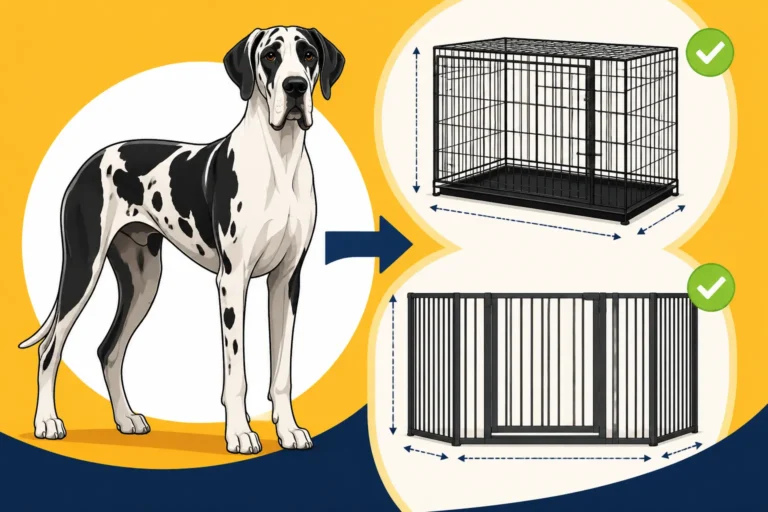
Beyond the explicit pet charges, consider other potential costs. Your renters insurance might increase due to your Great Dane’s size, even if they aren't on a restricted breed list. You might need to invest in more durable, large-dog-specific items like extra-large Crates and Gates Sized for a Great Dane or specific cleaning supplies for slobber or accidents. How Much Cash a Great Dane Owner Should Keep Ready really comes into play when you factor in these housing-related expenses alongside their general care. Companies like Healthy Paws can offer pet insurance that might cover unexpected vet bills, but they don't cover pet rent or deposits. Similarly, services like Chewy and Ollie can help manage food costs, but the housing costs are a separate beast. Always budget realistically for all the costs associated with housing a giant breed.
Navigating Special Circumstances and Legal Protections
Sometimes, even with all the best intentions and preparations, you might face outright refusal. It's important to know if there are any legal avenues or special circumstances that might offer you protection or an exemption from standard pet policies.
Service Animals, ESAs, and Fair Housing Laws
This is a critical area where the "no pets" rule, or "size restrictions," may not apply. Under the Fair Housing Act and the Americans with Disabilities Act (ADA), service animals and emotional support animals (ESAs) are generally not considered pets. This means landlords typically cannot refuse them, charge pet fees/deposits/rent for them, or impose breed/weight restrictions.
- Service Animals: These are dogs (or miniature horses) specifically trained to perform tasks for an individual with a disability. They are not merely companions.
- Emotional Support Animals (ESAs): These animals provide therapeutic benefits to an individual with a disability (which can include mental health conditions like anxiety or depression). They do not require specific task training.
If your Great Dane qualifies as either a service animal or an ESA, you generally have legal protection. However, it's crucial to follow the proper procedures:
- Documentation: You'll need legitimate documentation from a qualified medical or mental health professional that states your need for the animal. Be wary of online "certifications" that don't involve a real patient-provider relationship, as these are often scams and not legally recognized.
- Reasonable Accommodation Request: You'll need to formally request a "reasonable accommodation" from the landlord. This means asking them to make an exception to their usual pet policy to allow your service animal or ESA.
It’s important to understand that misrepresenting a pet as a service animal or ESA is illegal and unethical, and can undermine the legitimate needs of those who truly rely on these animals. Always ensure you meet the legal criteria and have proper documentation.
Advocacy and Communication with Property Owners
Even without legal protections, sometimes clear, persistent, and respectful communication can make a difference. If you've been refused, don't immediately give up.
- Ask for Specific Reasons: Politely ask the landlord or property manager for the specific reason for the refusal. Is it insurance? Past bad experiences? General policy? Knowing the exact reason allows you to address it directly.
- Offer Solutions: If it's an insurance issue, offer to provide your own robust pet liability insurance policy (many renters insurance policies offer this, or you can find stand-alone options). If they're worried about damage, offer a higher pet deposit or suggest a walkthrough before and after move-in. If they're concerned about noise, emphasize your Dane's quiet nature and your commitment to training. You could even offer to have your Dane meet any skeptical neighbors.
- Highlight the Positives: Reiterate that Great Danes are generally calm, gentle, and often prefer to be indoors with their people, making them good apartment dwellers despite their size. Mention their low exercise needs relative to their size compared to some other breeds. The Great Dane's Reputation as the Apollo of Dogs is a huge asset here.
- Be Persistent, Not Pushy: Follow up politely. Sometimes, it takes a few conversations for a landlord to truly consider an exception. Leave them with your pet resume and references.
Finding a place to live with a Great Dane can be tough, but it's far from impossible. With preparation, persistence, and a clear understanding of both landlord concerns and your rights, you can find a wonderful home for your big, beautiful companion.
Disclaimer
This article is for general informational purposes only and does not constitute professional advice. Laws, prices and regulations vary by location and change over time. Consult a qualified professional for guidance on your specific situation.