How Much Cash a Great Dane Owner Should Keep Ready
Let's be real for a moment: bringing a Great Dane into your life is an incredible joy, but it's also a significant financial undertaking that most people drastically underestimate. The sheer scale of these magnificent dogs means every single expense, from a bag of kibble to an emergency surgery, is magnified, leaving many owners feeling blindsided when the bills start rolling in. This guide is all about giving you a realistic picture of the financial preparation you'll need, helping you understand just how much cash a Great Dane owner should realistically keep ready to ensure their giant companion lives a happy, healthy life without breaking the bank.
The Non-Negotiable Emergency Fund for Your Great Dane
One of the biggest lessons I've learned in my years with Great Danes is that you simply must have an emergency fund. It’s not a luxury; it’s a necessity that can literally be the difference between life and death for your beloved companion. These big dogs are unfortunately prone to several serious health conditions that can strike suddenly and demand immediate, expensive veterinary intervention. Thinking you can just "wing it" when a crisis hits is a recipe for heartbreak and impossible choices.
Why Great Danes Require a Larger Safety Net
Great Danes are prone to certain health issues that are often dramatic and require intensive care, and their size naturally inflates every cost. Take bloat, or Gastric Dilatation-Volvulus (GDV), for example. This is a terrifying condition where their stomach fills with gas and can twist, cutting off blood supply. It's an immediate, life-threatening emergency that requires surgery, often in the middle of the night, and time is of the essence. Bloat in a Great Dane and the One in Three Odds explains just how prevalent this risk is. Then there's Dilated Cardiomyopathy (DCM), a heart muscle disease they are particularly prone to, which can lead to complex and ongoing veterinary care. The Heart Muscle Disease Great Danes Are Prone To is another common concern. Beyond these, joint issues, certain cancers like osteosarcoma, and even routine anesthesia for any procedure are more complex and costly for a giant breed. Everything from the amount of sedative needed to the surgical supplies and the length of hospital stay is simply greater due to their imposing size.
Imagine waking up at 2 AM to your Dane pacing, retching unsuccessfully, and looking visibly distressed. You know immediately it could be bloat. You rush them to the emergency vet, hearts pounding. The immediate diagnostics, X-rays, IV fluids, and then the urgent surgery to untwist the stomach and potentially perform a gastropexy (stomach tacking) will easily run into thousands of dollars. Without a ready fund, or at least a strong credit line, you might be forced into agonizing decisions under immense pressure. This isn't fear-mongering; it's the harsh reality that many Great Dane owners face.
Calculating a Realistic Emergency Figure
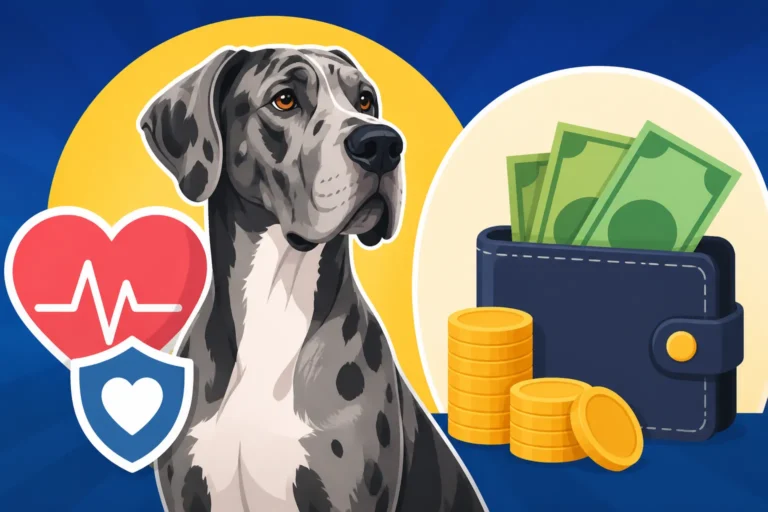
So, what's a realistic figure to have on hand? For a Great Dane, I genuinely believe you need to aim for a minimum of several thousand dollars. A single bloat surgery, particularly if there are complications or a lengthy recovery, can easily hit the higher end of that spectrum, or even exceed it. Consider the comprehensive guide on The Night a Great Dane Bloats and What It Costs – it's an eye-opener. A broken leg, a sudden neurological issue requiring advanced imaging like an MRI (think Imaging a Great Dane Neck for Wobblers), or even a severe allergic reaction requiring an overnight stay, will all generate substantial bills.
It's not just the cost of the procedure itself, but the associated fees: emergency examination fees, diagnostics, medications, post-operative care, follow-up visits, and potentially rehabilitation. For a breed that often only lives The Seven to Ten Year Great Dane Lifespan, every year counts, and a healthy lifespan often means proactive care and the ability to address emergencies when they arise. Starting with a goal of saving at least $5,000 to $10,000 specifically for your Great Dane's potential emergencies is not an exaggeration; it’s a prudent measure. This might sound daunting, but even saving $100-$200 a month for a few years can build a substantial buffer.
The Role of Pet Insurance in Your Financial Planning
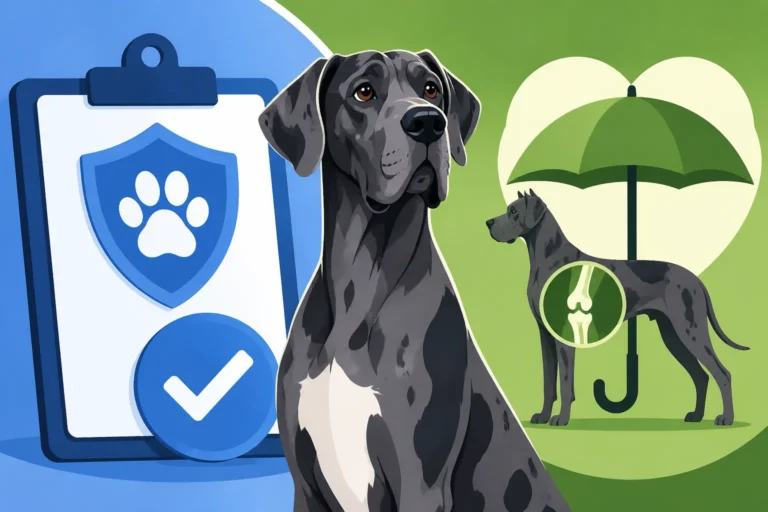
Pet insurance isn't a silver bullet, but it's a powerful tool that can work in tandem with your emergency fund. It doesn't replace the need for savings entirely, as you'll still have a deductible to meet and potentially a co-payment, but it can significantly cushion the blow of major medical events. Many owners find themselves asking Whether Pet Insurance Is Essential for a Great Dane – and my answer is a resounding yes. Given the Great Dane's propensity for costly conditions, robust pet insurance coverage is highly recommended.
When choosing a policy, look carefully at what's covered for giant breeds. Some providers might have specific exclusions or higher premiums due to the breed's known health risks. Companies like Healthy Paws are popular choices, but always read the fine print regarding hereditary conditions, waiting periods, and annual limits. It's crucial to enroll your Dane while they are young and healthy, before any conditions arise, to avoid them being considered pre-existing and therefore excluded from coverage. This foresight can be invaluable years down the line when the inevitable health challenges surface.
Common Financial Surprises Beyond Medical Emergencies
Beyond those scary emergency bills, owning a Great Dane comes with a whole host of "normal" expenses that are significantly higher than for smaller breeds. It's not just the vet; it's everything from their daily meals to their beds.
Everyday Supplies at "Giant Breed" Prices
Let’s talk about daily life. Your Great Dane is going to eat. A lot. An adult Dane can easily consume six to ten cups of high-quality kibble every single day. Feeding an Adult Great Dane Six to Ten Cups is not an exaggeration. This translates into much larger and more frequent purchases of dog food. You might find yourself buying the biggest bags available from retailers like Chewy just to keep up, and even then, they don't last as long as you'd hope.
| Item Type | Small Dog (Estimate) | Great Dane (Estimate) | Notes |
|---|---|---|---|
| Dog Food (Monthly) | $30 – $60 | $80 – $150+ | High-quality large breed formulas, often bought in bulk. |
| Treats (Monthly) | $10 – $20 | $25 – $50 | Treats need to be large and durable to avoid choking hazards. |
| Chew Toys (Annual) | $20 – $50 | $100 – $300+ | Requires extra-large, tough toys that aren't easily destroyed or swallowed. |
| Dog Bed (Replac.) | $40 – $100 | $150 – $400+ | Orthopedic support is critical; needs frequent replacement due to wear. |
| Crate (One-time) | $50 – $150 | $200 – $500+ | Must be heavy-duty and large enough for them to stand and turn comfortably. |
| Harness/Leash | $20 – $40 | $40 – $80+ | Needs to be exceptionally strong and well-fitting. |
| Monthly Meds (HW/Flea) | $10 – $25 | $30 – $60+ | Dosed by weight, so larger dogs cost more. |
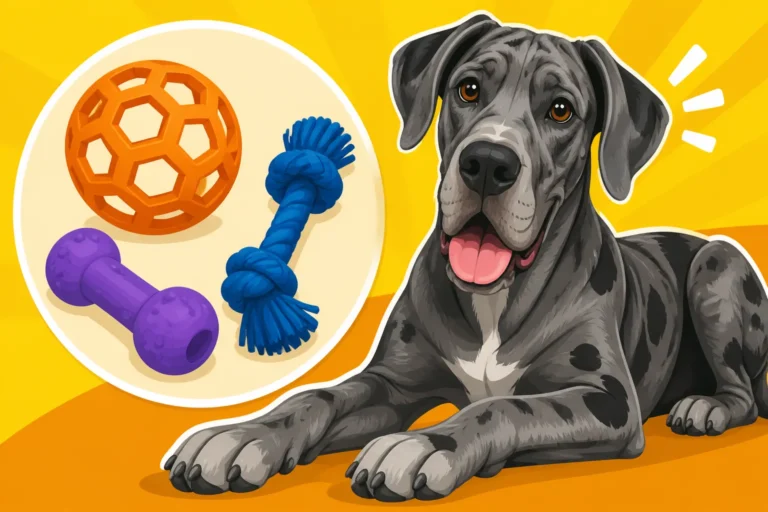
Then there are their beds. A tiny chihuahua can sleep on a $20 cushion from the grocery store. Your Great Dane needs an orthopedic bed, often costing hundreds of dollars, to support their massive joints and prevent issues like Elbow Hygromas on a Great Dane. And they'll likely go through these beds faster than you expect! Toys, too, need to be durable and giant-sized to prevent choking or immediate destruction. Standard crates won't do; you'll need one specifically designed to hold a full-grown Great Dane, which can be a significant upfront cost.
Training and Behavioral Support Needs
While Great Danes are often celebrated as "gentle giants," their size means that any behavioral issue is amplified. A small dog jumping on a guest is annoying; a 150-pound Great Dane doing it can cause serious injury. This makes early and consistent training absolutely paramount. The Manners a Great Dane Needs Before It Grows cannot be overstated. You'll likely need professional guidance to teach them proper leash manners, address jumping, or work through any anxiety or reactivity.
Hiring a trainer who is comfortable and experienced with giant breeds might be more expensive than general obedience classes. It’s an investment, but one that pays dividends in safety and peace of mind. Learning how to control a dog that outweighs you is critical for both your well-being and theirs. Trainer Rates for a Great Dane That Pulls can be substantial, but preventing injuries or dangerous situations is worth every penny.
Unforeseen Home & Property Adjustments
Your home also needs to be ready for a Great Dane. Many landlords have weight restrictions, and if you're renting, you might face higher pet deposits or monthly pet rent specifically because of your Dane's size. Pet Rent Charged for a Great Dane can add up quickly over a lease term. Even in your own home, you might find yourself needing to invest in durable flooring that can withstand their weight and drool, or baby gates that are tall and sturdy enough to actually contain them. Floors That Hold Up Under a Great Dane is a real consideration; delicate hardwood can quickly show wear from those big paws.
I remember my first Great Dane, Thor. We moved into a new house with lovely, but slightly flimsy, window blinds. Within a month, Thor had pulled down half of them just by excitedly looking out the window. It was a funny moment, but also a reminder that giant dogs interact with their environment on a much grander scale, often leading to unexpected replacement costs. You might also need to consider stronger fencing if you have a yard, or even ramps for your car to help them get in and out as they age.
Practical Strategies for Building Your Dane's Financial Buffer
So, now that you have a clearer picture of the costs, how do you actually prepare for them? It's not about being rich; it's about being prepared and strategic with your finances.
Dedicated Savings Accounts and Automatic Transfers
The simplest yet most effective strategy is to set up a dedicated savings account specifically for your Great Dane. Name it "Dane's Disaster Fund" or something similar to keep its purpose clear. Then, set up an automatic transfer from your checking account to this savings account every payday. Even if it's just $50 or $100 initially, those small, consistent contributions will add up faster than you think. You won't miss the money as much if it's moved automatically, and you'll be building that crucial safety net without having to think about it constantly. This disciplined approach means when a veterinary emergency arises, you're tapping into a fund you've intentionally built, rather than scrambling.
Consider this: saving just $75 a week means you'll have close to $4,000 saved in a year. Imagine the peace of mind that provides when your Dane needs unexpected care. It means you can focus on their recovery, not on the bill.
Budgeting for the Long Haul
A Great Dane isn't a short-term commitment, and their costs evolve over their relatively short lifespan. Create a comprehensive budget that factors in not just current expenses but also potential future needs. Think about how What a Great Dane Costs Across Eight Years can vary significantly. Puppyhood involves initial vaccination costs, spaying/neutering (potentially with a gastropexy!), and growth-specific food. Adulthood brings ongoing food, routine vet care, and preventative medications. As they enter their senior years, typically around age six or seven, their needs change again. Caring for a Great Dane Past Six often means more frequent vet visits, joint supplements, potentially expensive medications for conditions like DCM, or even mobility aids.
Don't forget the "hidden" costs: grooming supplies, durable leashes and harnesses, poop bags (you'll go through a lot!), and even the occasional professional grooming if you opt for it. By budgeting realistically for these recurring expenses, you can ensure your savings fund remains dedicated to true emergencies rather than being depleted by day-to-day needs. Websites like Chewy or Ollie can help you estimate food and supply costs. For specialized food, if you're considering a fresh food option like Ollie, be prepared for a higher price tag due to the volume a Great Dane requires.
Exploring Flexible Payment Options (When the Fund Isn't Enough)
Despite your best efforts, sometimes the unexpected happens, and the emergency fund might not quite cover it. It's good to know your options in advance. Many veterinary clinics offer payment plans or work with third-party financing solutions like CareCredit, which functions like a credit card specifically for healthcare expenses, often with promotional interest-free periods if paid off in time. Always discuss these options with your vet's office as soon as you realize a major expense is looming.
Additionally, some breed-specific rescues or national organizations might offer financial assistance programs for owners facing extreme veterinary bills. While these are usually need-based and can't be relied upon as a primary plan, knowing they exist can provide a small measure of comfort in a dire situation. Being proactive and discussing costs transparently with your veterinary team can help you navigate these challenging moments with less stress.
Investing in Prevention to Potentially Save Later
While we're talking about money, it's worth highlighting that some upfront investments can actually save you a significant amount down the road. Proactive care is often less expensive and less stressful than reactive emergency care.
High-Quality Nutrition and Supplements
Feeding your Great Dane well, right from puppyhood, is one of the best investments you can make in their long-term health. For puppies, a specialized large-breed puppy food is crucial to support Why a Great Dane Puppy Should Grow Slowly. This slow, steady growth helps prevent orthopedic issues that can arise from growing too quickly. Feeding a Great Dane Puppy Slowly on Purpose can mitigate future joint problems. As adults, continued high-quality nutrition provides the building blocks for strong bones, healthy organs, and a robust immune system.
Many owners also opt for joint supplements, especially as their Danes age, to support their massive frames. While supplements are never a cure-all, things like glucosamine and chondroitin, or fish oil, can contribute to joint health. Make sure to purchase reputable brands and administer the correct dose for a giant breed. Joint Support Built Into Great Dane Food is also something to look for when choosing kibble. Investing in good food might seem more expensive month-to-month, but it can potentially reduce vet bills related to poor health or joint issues later on.
Regular Vet Care and Early Screening
Routine veterinary visits aren't just for vaccinations; they're vital opportunities for your vet to catch subtle changes or potential problems early. Annual check-ups, even if your Great Dane seems perfectly healthy, allow for early detection of issues like heart murmurs, changes in gait, or skin concerns. Given the Great Dane's genetic predispositions, specific screenings are highly recommended. For instance, yearly cardiac screenings, often involving an echocardiogram, are crucial for detecting DCM before it becomes symptomatic. Screening a Great Dane's Heart Each Year can literally add years to their life if treatment starts early. Similarly, responsible breeders will have done Great Dane Hip and Elbow Screening on the parents, and you should continue to monitor your dog's joint health with your vet.
Catching a problem when it’s small, rather than waiting for it to become a full-blown crisis, is almost always less invasive, less stressful for your dog, and less costly for your wallet. It's the ultimate "ounce of prevention" strategy.
Preventive Surgeries like Gastropexy
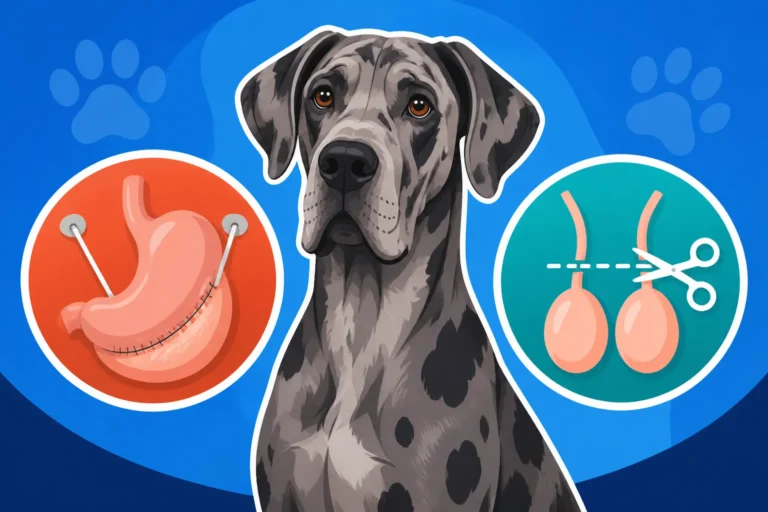
Given the life-threatening risk of bloat, one of the most significant preventative investments a Great Dane owner can make is a prophylactic gastropexy. This surgical procedure tacks the stomach to the abdominal wall, preventing it from twisting. While it doesn't prevent the stomach from filling with gas, it dramatically reduces the risk of the fatal twist. The Price of a Preventive Great Dane Gastropexy is certainly an upfront cost, but it pales in comparison to the thousands required for an emergency bloat surgery and the high emotional toll.
Many owners choose to have this surgery performed at the same time as spaying or neutering, as it requires the same general anesthesia and abdominal incision, making it more efficient. Whether Tacking Ends Great Dane Bloat Risk is a common question, and while it doesn't eliminate all risk, it significantly improves outcomes. It’s an investment in peace of mind and potentially a longer, healthier life for your Great Dane.
Disclaimer
This article is for general informational purposes only and does not constitute professional advice. Laws, prices and regulations vary by location and change over time. Consult a qualified professional for guidance on your specific situation.