Utility Costs in a House With a Great Dane
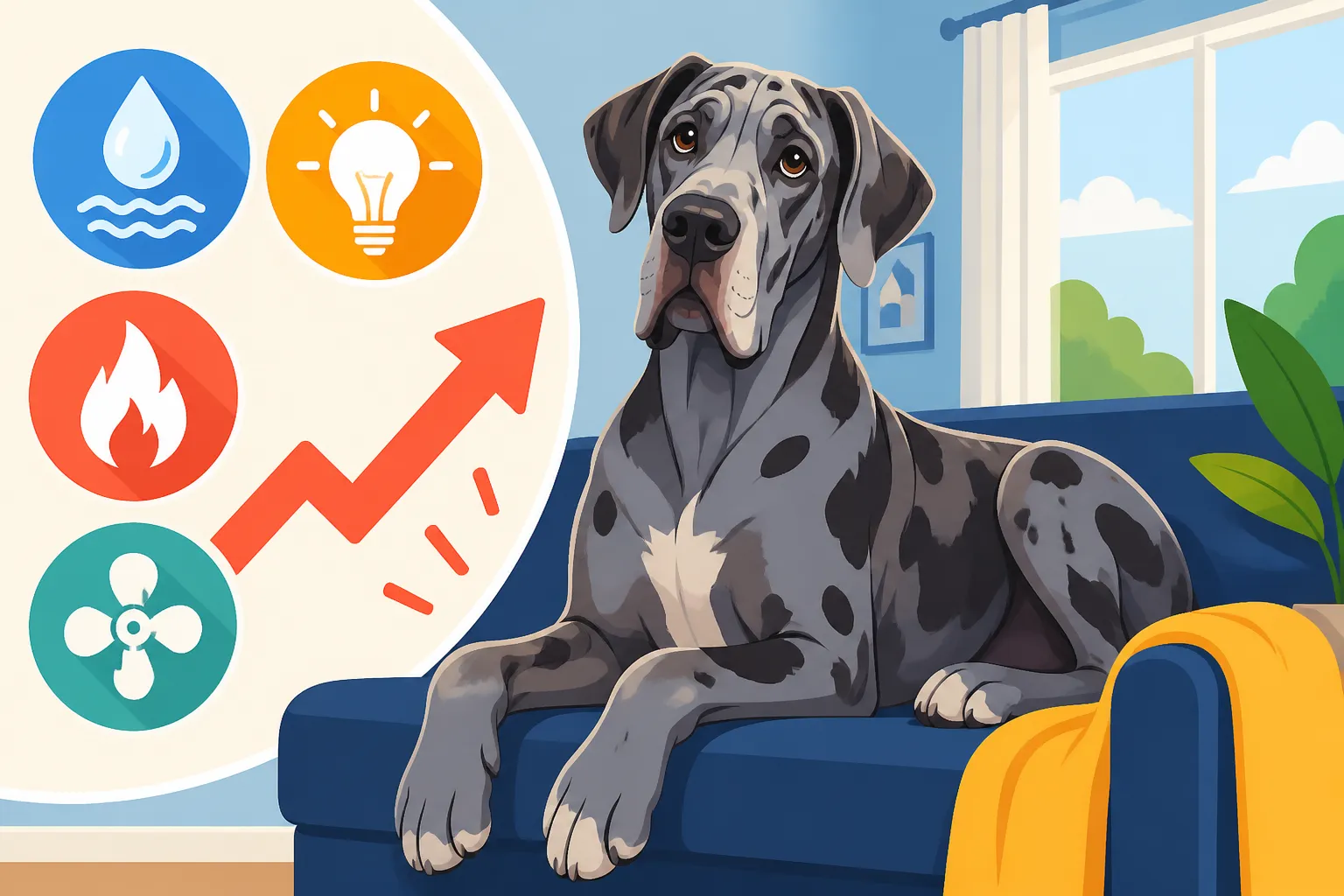
Bringing a giant breed like a Great Dane into your home often means a complete lifestyle adjustment, and it's easy to overlook how much their sheer presence can impact your household budget in unexpected ways. Beyond the obvious costs of food and vet care, the daily operation of your home—specifically your utility bills—can see a noticeable climb. This guide will walk you through the various ways your Great Dane might be influencing your power, water, and even heating and cooling expenses, and offer some realistic insights into managing them.
The Impact on Heating and Cooling
One of the most immediate utility impacts you might notice with a Great Dane is on your climate control. These aren't tiny dogs that blend into the background; their large bodies, combined with their sometimes thin coats, mean they have specific needs when it comes to temperature regulation. You might find yourself adjusting your thermostat far more often than you used to, trying to keep your giant comfortable, which directly affects your energy consumption.
Keeping a Dane Comfortable in Winter
If you live in an area with chilly winters, you’ll quickly discover that a Great Dane, despite its size, often feels the cold. Their short, single coat isn't built for insulation in the same way a Husky's or a Newfoundland's might be. Many Danes love to curl up in front of the fireplace or burrow under blankets, and you'll likely find yourself cranking up the heat a bit higher than you did before, especially if your Dane spends a lot of time lounging on a cool floor. This isn't just about their comfort; a cold Dane can be a stiff Dane, and you want to protect those precious joints as much as possible. You might consider specific Coats and Sweaters Sized for a Great Dane to help them out, which is a small cost compared to perpetually higher heating bills.
Sometimes, it’s not just about the overall house temperature. Drafts can be a real enemy for a large, short-coated dog. If your Great Dane chooses to sprawl out near a window or a poorly insulated door, they can quickly get chilled. Many owners find themselves investing in draft stoppers or even thermal curtains, not just for their own comfort, but specifically to keep their giant companion cozy. The goal is to avoid the energy drain of continuously heating a space that's losing warmth, and a Great Dane can certainly highlight those areas of inefficiency in your home.
Keeping a Dane Cool in Summer
Conversely, in warmer climates, Great Danes can overheat quite easily. While their short coat might seem like an advantage, their sheer body mass means they generate a lot of internal heat and can struggle to dissipate it. You might find your air conditioning unit working overtime in the summer months, trying to maintain a comfortable internal temperature. A panting Great Dane is a sign of discomfort, and nobody wants their beloved companion to suffer through the heat. Fans might help, but often, the AC is the only true solution. This means higher electricity bills for several months out of the year.
Beyond just the AC, you might find yourself running additional cooling aids. Large cooling mats, for instance, need to be recharged in the refrigerator or freezer, adding another small but consistent draw on your electricity. You might even find yourself leaving certain doors open to allow for better airflow, or conversely, closing off rooms your Dane isn't in to concentrate cooling in their primary living areas. This constant management of ambient temperature is a direct consequence of living with such a large animal and can significantly contribute to a higher electric bill during warm weather. Knowing Whether a Great Dane Overheats Easily can help you plan for these seasonal adjustments.
Insulation and Home Efficiency
The presence of a Great Dane can unwittingly expose vulnerabilities in your home's insulation and overall energy efficiency. A house that felt perfectly comfortable for humans and smaller pets might reveal its shortcomings when a 150-pound dog is trying to find a warm spot away from a draft, or a cool patch on a tile floor. You might notice your heating or cooling system cycling more frequently to compensate for the greater thermal load or the increased air circulation needed to keep a large dog comfortable.
This realization might even prompt you to make energy-saving upgrades you hadn't considered before, like sealing leaky windows, adding weatherstripping to doors, or even improving attic insulation. While these are initial investments, they can lead to long-term savings on your utility bills. It's not just about saving money, but about creating a more stable and comfortable environment for your giant family member, who depends on you to regulate their world. A well-insulated home benefits everyone, including the furry occupants, reducing the strain on your HVAC system and your wallet in the long run.
Water Consumption and Cleaning Supplies
Great Danes are big, and big dogs use a lot of water, not just for drinking, but also for personal hygiene and the increased cleaning demands that come with living with a giant breed. Your water bill is likely to see a bump, and you'll probably find yourself going through cleaning products at a faster rate than ever before.
Bathing and Grooming Needs
Even though Great Danes have short coats, they still need baths, and bathing a Great Dane at home is no small feat. It takes a significant amount of water to thoroughly wet down a dog of their size, lather them up, and rinse every inch of their massive bodies. Forget the small bathtub you used for your previous smaller dogs; you're looking at a serious commitment of water and time. Bathing a Great Dane at Home often involves a utility sink, a walk-in shower, or even outdoor washing facilities, all of which use a substantial amount of water per session.
Beyond just the water, consider the shampoo and conditioner. You'll go through bottles of dog-specific products much faster than you would with a Chihuahua. Then there's the cleanup of the bathing area itself – more water to rinse the tub or shower, and towels to wash. All these factors contribute to increased water usage and laundry detergent expenses. It’s a recurring cost that adds up, particularly if your Great Dane loves to roll in mud or has a sensitive skin condition requiring more frequent bathing.
Constant Hydration Requirements
A Great Dane's body is mostly water, and they need a lot of it to stay hydrated, especially given their size and activity levels. You'll likely have two or even three large water bowls around the house, constantly needing to be refilled. This isn't just about giving them enough; it's about ensuring easy access to prevent dehydration, which can be serious for any dog, let alone a giant breed. You'll be using tap water for these refills multiple times a day. Two Water Bowls in a Great Dane House is often a minimum, and some owners even opt for large, filtered water fountains, which also have an electricity draw and require regular filter replacements.
The sheer volume of water consumed means you're constantly running the tap, and while a single refill might seem negligible, multiply that by several times a day, every day, for years. It adds up on your water meter. Furthermore, if your Dane is prone to slobber, as many are, you might find yourself wiping down floors and walls more often with damp cloths, using even more water for cleaning. It's a fundamental necessity that drives up your water usage in a subtle but persistent way. You can learn more about How Much Water a Great Dane Drinks a Day to get a better idea of the daily demand.
Cleaning Up Dane-Sized Messes
Let's be real, a Great Dane makes big messes. From muddy paw prints tracked across the floor after a rainy walk to the occasional slobber flung against the wall, or even the less-than-glamorous clean-up after an upset stomach – everything is on a larger scale. This directly translates to increased use of cleaning supplies, and often, more water for mopping, wiping, and rinsing. If you have carpet, a Great Dane accident can mean running a carpet cleaner, which uses both water and electricity.
You'll find yourself reaching for the spray bottle and paper towels (or reusable cloths, which then need washing) more frequently throughout the day. Accidents happen, and when they do with a Great Dane, they're not small. A Great Dane throwing up a meal is a vastly different clean-up job than a smaller dog doing the same. All this extra cleaning means more water, more cleaning solutions, and more energy for laundry if you're using washable cloths and bedding. Even simply cleaning Great Dane Hair on Furniture and Floors can involve damp cloths or special vacuum attachments, adding to your utility load.
Electricity and Appliance Usage
A Great Dane influences your electricity bill in various ways, from the obvious like climate control, to the less obvious but equally impactful, such as charging accessories, running specialized cleaning equipment, and even the power drain of a well-stocked pantry.
Charging Gear and Appliances
While a dog doesn't have a phone to charge, the accessories that come with Great Dane ownership certainly require power. Think about it: if you're using an automatic feeder to portion out your Great Dane’s meals (perhaps following a recommendation to mitigate bloat risk), that feeder needs electricity. If you invest in a smart collar for tracking, a camera to monitor them while you're out, or even a fancy grooming tool like a powerful dryer for post-bath sessions, all these contribute to your electricity usage. While individually small, these devices collectively add up, humming away in the background.
Then there are the appliances you'll use more frequently. Your washing machine and dryer will get more use from cleaning giant dog beds, blankets, and slobber rags. Your vacuum cleaner, especially if it's a powerful model designed for pet hair, will be running more often and for longer durations. Even your refrigerator might see more action if you're storing specialized fresh dog food like that offered by Ollie, which needs ample, often chilled, space. These are all constant, albeit varied, draws on your home's electrical grid.
Monitoring and Security Systems
Many Great Dane owners feel a heightened sense of responsibility due to their dog's sheer size and value, both emotional and financial. This can lead to investments in home security and monitoring systems. You might install indoor cameras to check on your Great Dane during the day, ensuring they're not getting into mischief or showing signs of distress. These cameras, along with their associated smart hubs or recorders, consume electricity 24/7. Similarly, advanced home security systems that integrate motion sensors or smart locks might be more appealing when you have a valuable, sometimes vulnerable, giant breed at home.
Beyond simply monitoring the dog, there’s the aspect of home security because of the dog. While a Great Dane's size can be a deterrent to intruders, some owners still opt for robust security systems, outdoor lighting, or even electric fences (though training is often preferred over these for such a sensitive breed). These systems, whether for peace of mind or practical security, all run on electricity and contribute to your monthly utility statement. The underlying need to ensure your giant companion's safety and well-being often translates into increased power consumption.
Other Electric Consumption
Think about the everyday items that become "Great Dane-ified." Your Great Dane's orthopedic bed might have a heated element for winter or a cooling fan for summer, both of which require power. If your Dane has mobility issues as they age, you might use an electric grooming table or a lifting harness that needs to be charged. Even simple things like leaving lights on more often so your giant dog can navigate the house at night, or running white noise machines to soothe an anxious Dane, can contribute.
Consider also the increased food storage. If you buy kibble in bulk (which many Great Dane owners do, often from places like Chewy, because they eat so much), you might need an extra storage container or even a dedicated chest freezer for raw or fresh food diets, especially if you're trying to keep costs down by buying larger quantities. A freezer, especially an older, less efficient model, can be a significant energy hog. All these little adjustments to accommodate your Great Dane's needs add up, creating a noticeable impact on your total electricity usage.
Indirect Utility-Related Costs
Beyond the direct consumption of electricity and water, living with a Great Dane can lead to other utility-adjacent expenses related to wear and tear, replacement, and maintaining a comfortable living environment for such a large presence.
Appliance Wear and Tear
The sheer volume of items associated with a Great Dane means your household appliances work harder and wear out faster. Your washing machine and dryer, as mentioned, will be churning through more giant blankets, slobber rags, and dog towels. This increased workload can shorten their lifespan, leading to more frequent repairs or replacements. Imagine the strain on a standard washing machine trying to handle a massive Great Dane bed or several heavy, wet dog towels.
Your vacuum cleaner, too, will be put through its paces. Great Danes, despite their short coats, shed a fair amount, and their size means they track in more dirt and debris from outside. This constant vacuuming means more wear on the motor, belts, and filters. You might find yourself replacing vacuum bags or filters more frequently, and eventually, the entire unit sooner than you would have otherwise. These are not direct utility bills, but they are certainly utility-related expenses that Great Dane owners often encounter.
Replacing Damaged Items
Great Danes, especially puppies and adolescents, can be surprisingly clumsy and powerful. A wagging tail can clear a coffee table, a casual lean can knock over a lamp, and an enthusiastic leap can scratch floors or damage furniture. While these aren't utility bills directly, they lead to expenses that you might not have budgeted for, impacting your overall household finances. Choosing robust, durable furnishings or opting for dog-proof solutions becomes a necessity. Replacing What a Great Dane Knocks Over becomes a regular occurrence for some owners, indirectly eating into funds that might otherwise cover utility costs.
Consider also the impact on your flooring. A giant dog pacing, playing, or simply walking can cause more wear and tear on carpets, hardwood, or tile. You might find yourself needing to clean carpets more frequently or even replace sections of flooring sooner than anticipated. These are significant expenses that contribute to the overall cost of ownership, and they're all part of creating a livable, safe, and comfortable home for your colossal companion.
Protecting Your Home and Possessions
To mitigate some of these costs, Great Dane owners often invest in protective measures. This might mean durable, washable slipcovers for furniture, large, absorbent rugs for high-traffic areas, or even specialized floor mats under water bowls to catch inevitable spills. Investing in sturdy crates and gates, like those explored in Crates and Gates Sized for a Great Dane, can protect your home during the puppy and adolescent phases. These preventative measures, while an upfront cost, can save you from far greater expenses down the line by preserving your home's integrity and reducing the need for extensive cleaning or repairs.
For instance, providing appropriate Bedding That Prevents Great Dane Hygromas not only protects your dog's elbows but also helps preserve your floors and prevents damage to furniture if your Dane is an enthusiastic digger or chewer. Similarly, strategic placement of water bowls and feeding areas can minimize splash zones, reducing the need for constant mopping. These seemingly small considerations play a big role in managing the long-term utility-related expenses of living with a Great Dane.
Managing the Utility Costs of a Great Dane
It's clear that owning a Great Dane can significantly influence your household's utility expenses, often in ways you didn't anticipate. Being proactive and understanding these impacts can help you manage your budget and ensure both your comfort and your giant companion's well-being.
| Utility Type | Common Great Dane Impacts | Potential Cost Implications | Management Strategies |
|---|---|---|---|
| Electricity | Increased HVAC usage (heating/cooling), running fans, charging devices, extra freezer for food, vacuuming, monitoring cameras. | Higher monthly electric bills | Smart thermostat, good insulation, efficient appliances, dedicated pet cooling/heating pads, energy-saving light bulbs. |
| Water | Frequent large-scale baths, constant water bowl refills, cleaning Dane-sized messes, laundry for dog bedding/towels. | Higher monthly water bills | Efficient bathing techniques, designated cleaning cloths, water-efficient washing machine, using bowls that minimize splash. |
| Gas (Heating) | Higher thermostat settings in winter due to dog's comfort needs, especially if cold floors. | Higher monthly gas bills (if gas heat) | Warm dog beds, sweaters, draft stoppers, home insulation improvements. |
| Cleaning Supplies | Constant need for floor cleaners, stain removers, pet-specific shampoos, laundry detergent for dog items. | Increased grocery/household budget | Buying in bulk (e.g., from Chewy), making your own cleaning solutions, washable covers, training for cleanliness. |
| Appliance Longevity | Increased wear and tear on washing machines, dryers, vacuums due to heavy use. | More frequent repairs/replacements | Regular maintenance, investing in durable, pet-friendly appliances, proper use and care. |
One helpful strategy is to build a dedicated emergency fund, not just for vet bills (though a good pet insurance plan from a provider like Healthy Paws is essential for major incidents) but also for these incidental home maintenance and utility-related costs. This financial buffer can absorb the shocks when an appliance gives out sooner than expected or when an unexpectedly hot summer drives your electric bill sky-high.
Another approach is to be mindful of energy-saving habits. While you can't not water your Great Dane or let them freeze, you can be smarter about your choices. Turn off lights when not in use, ensure your windows and doors are sealed, and consider energy-efficient appliances when it's time for an upgrade. For food, while premium options like Ollie deliver incredible nutrition, buying other staples in bulk from places like Chewy can often save money on the unit cost, even if it requires more storage space.
Ultimately, living with a Great Dane is a joy, but it comes with a unique set of considerations for your home and your budget. By understanding how their giant presence impacts your utilities, you can make informed decisions and keep both your Great Dane and your bank account happy.
Disclaimer
This article is for general informational purposes only and does not constitute professional advice. Laws, prices and regulations vary by location and change over time. Consult a qualified professional for guidance on your specific situation.