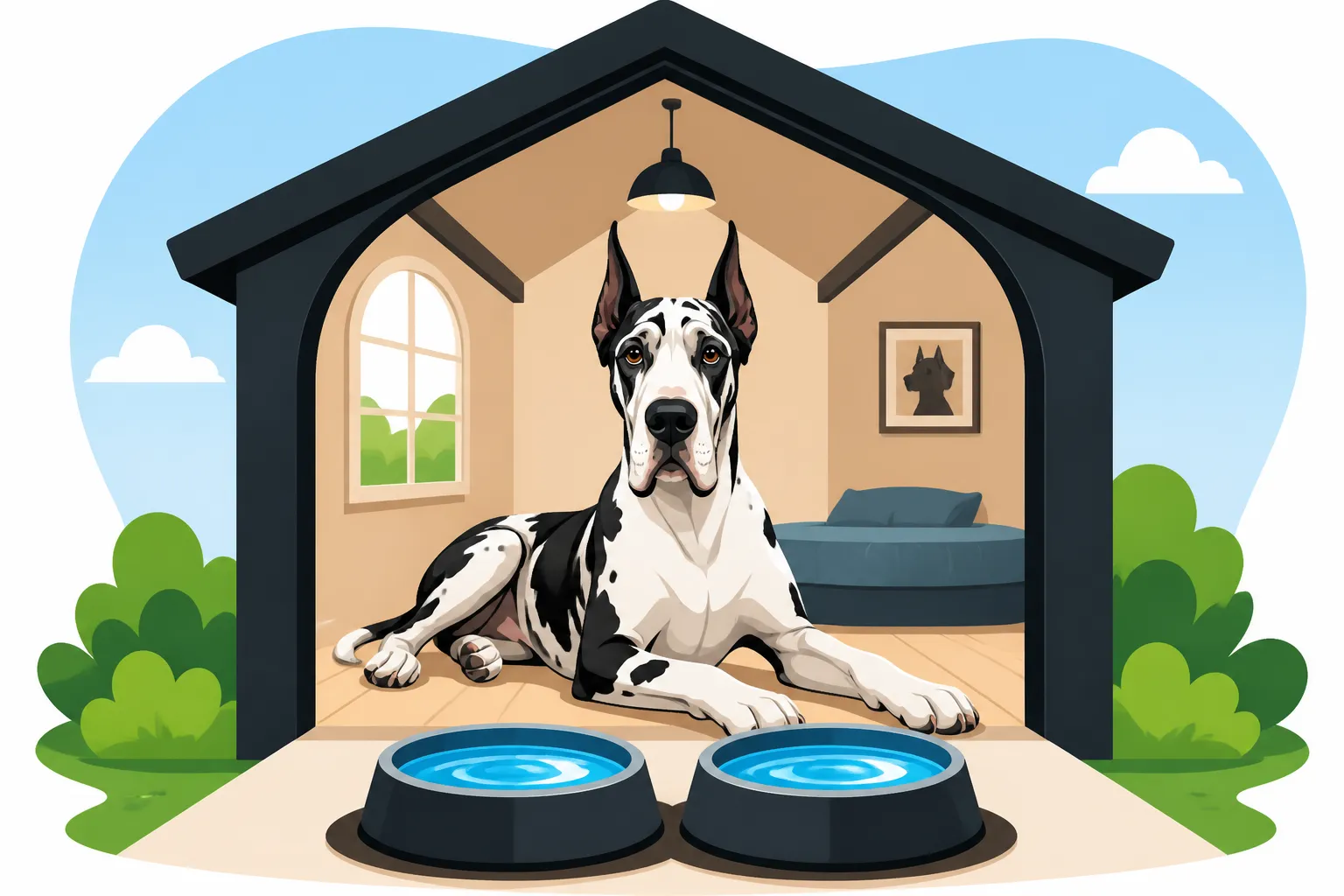
Two Water Bowls in a Great Dane House
If you’ve ever owned a Great Dane, you know the struggle: you fill their water bowl, turn your back for five minutes, and return to find it bone dry, with your giant companion looking at you with the most woeful, parched expression. A single water bowl simply doesn't cut it for these magnificent, thirsty giants, leading to constant refilling, potential dehydration, and unnecessary stress for both you and your beloved dog. This guide will walk you through why multiple water bowls aren't just a luxury, but a necessity, for a Great Dane household, and how to set up an effective hydration system to keep your Dane happy and healthy.
The Undeniable Need for More Water Bowls in a Great Dane Home
Living with a Great Dane means living large, and that applies to everything from their food intake to their water consumption. It's a fundamental aspect of their care that often gets underestimated until you're knee-deep in constant refilling. Their sheer size dictates a higher demand for pretty much everything, and water is no exception.
Why One Bowl Dries Up Faster Than You Can Say "Thirsty Dane"
Let's be realistic: a Great Dane isn't a Chihuahua. They aren't sipping daintily from a small dish. When a Great Dane drinks, they drink. Their massive bodies, powerful muscles, and active lifestyles (even if that "activity" is just lumbering from the sofa to the kitchen) all require a colossal amount of hydration. A standard dog bowl, even one that looks generously sized to the uninitiated, can be emptied in a single drinking session, sometimes even half-way through. This isn't just an inconvenience; it can quickly become a health concern.
Think about it: after a romp in the yard, a long walk, or even just waking up from a deep nap, your Dane is going to be thirsty. If that one bowl is consistently empty, they're not getting the immediate rehydration they need. Even short periods of being without water can lead to mild dehydration, which over time, can contribute to other health issues. Great Danes are prone to certain health conditions, and ensuring they are always properly hydrated is a simple yet crucial preventative measure. You'd be surprised How Much Water a Great Dane Drinks a Day – it's often far more than new owners anticipate. Their bodies rely on this constant replenishment for proper organ function, circulation, and temperature regulation.
Mitigating Slobber and Mess: A Hidden Benefit of Multiple Bowls
Ah, the Great Dane drool. It's a badge of honor for many owners, but let's be honest, it can also be a significant contributor to messy water bowls. After your Dane takes a drink, their jowls carry a surprising amount of water and slobber back into the bowl, creating a slimy film that builds up quickly. This isn't just aesthetically unappealing; it's a breeding ground for bacteria. A single bowl, frequently slimed and then left to sit, becomes less a source of refreshing hydration and more a petri dish.
When you have multiple water bowls, you subtly encourage better hygiene. If one bowl gets particularly drooly, your Dane might opt for a fresher one, or at least you have a backup while you clean the first. It also means less water getting tracked from that one slobbery bowl all over your floors. While Great Danes are known for leaving a trail, spreading out the water sources can help manage the scope of the clean-up. Plus, psychologically, it feels better knowing your giant friend always has access to clean, fresh water, rather than being forced to drink from a questionable, slimy puddle. Managing the inevitable slobber is part of the Great Dane charm, but multiple bowls can certainly help in Managing Great Dane Slobber Indoors.
Strategic Placement for Maximum Hydration and Convenience
It’s not enough to simply have multiple bowls; where you place them is just as important. The goal is to make water easily accessible from various points in your home, anticipating your Dane's movements and habits. This thoughtful placement can significantly reduce the "empty bowl" anxiety and ensure your dog is always topped up.
Key Indoor Zones: From Kitchen to Crate
Your kitchen is likely ground zero for food and water, so one bowl should definitely live there. It's usually a hard-surface floor, making spills easier to manage, and it’s where you’re often present to witness and refill. However, Great Danes spend a lot of time in other areas too – the living room, a home office, or even a dedicated "dog room." Having a second bowl in one of these high-traffic living spaces means your Dane doesn't have to trek back to the kitchen every time they feel a little parched. This is especially helpful for older Danes or those with mobility issues, who might find long trips to the water bowl more challenging.
Don't forget the bedroom or crate area! Many Great Danes sleep for long stretches, and they'll likely wake up thirsty. Placing a heavy-duty, tip-resistant bowl near their bed or inside their Crates That Hold a Full-Grown Great Dane ensures they can rehydrate without having to wake you up or navigate a dark house. This thoughtful consideration contributes greatly to their comfort and overall well-being, especially during the quiet hours.
Outdoor Hydration Stations and Travel Considerations
If your Great Dane spends any significant amount of time outdoors, even just to patrol the yard or bask in the sun, an outdoor water source is non-negotiable. Direct sunlight can evaporate water quickly, and a forgotten outdoor bowl can leave your dog without access when they need it most. Consider placing a large, sturdy bowl in a shaded area of your yard. If you have an outdoor faucet, a continuously flowing Water Fountains for a Great Dane designed for pets can be a fantastic option, ensuring fresh, cool water without constant manual refilling. Just remember to clean outdoor bowls regularly to prevent algae growth and insect infestations.
The concept of multiple water sources also extends to when you're on the go. While not strictly "bowls in the house," having portable water bottles and collapsible bowls in your car, your walk bag, or even just by the door for quick trips, ensures that your Dane is never far from a drink. For larger supplies of durable bowls for both home and travel, many owners find excellent options on online retailers like Chewy, which specializes in products for giant breeds. This holistic approach to hydration ensures your Great Dane is always looked after, no matter where they are.
Selecting the Best Water Bowls for a Giant Breed
Choosing the right water bowls for a Great Dane isn't just about picking the biggest one you can find. It involves considering materials, durability, hygiene, and ergonomic factors that cater specifically to their immense size and unique drinking style.
Material, Durability, and Hygiene Considerations
When it comes to materials, you'll generally encounter three main types:
- Stainless Steel: This is often the gold standard for Great Dane water bowls. It's incredibly durable, resistant to chewing, and exceptionally hygienic because it's non-porous and easy to clean. Bacteria and biofilm have a harder time adhering to stainless steel, and most are dishwasher safe, making daily cleaning a breeze. They're also usually heavy enough to resist accidental tipping, especially when full.
- Ceramic: Ceramic bowls can be quite heavy and aesthetically pleasing, which is great for stability and preventing spills. However, they are prone to chipping or breaking if dropped, and even small chips can create sharp edges or harbor bacteria. If you choose ceramic, opt for thick, high-quality pieces and inspect them regularly for damage.
- Plastic: While inexpensive and lightweight, plastic is generally the least recommended material for Great Dane water bowls. It's easily chewed, which can lead to ingestion of plastic pieces and damage to the bowl. More importantly, plastic is porous, making it a haven for bacteria and biofilm, even with regular washing. Many Danes also develop skin irritations or "plastic acne" on their chins from contact with plastic bowls.
Given the Great Dane's size and potential for damage, investing in heavy-duty, food-grade stainless steel bowls from reputable pet suppliers is almost always the best long-term choice. They will stand up to the test of time and provide the cleanest, safest drinking experience.
Size, Height, and Anti-Spill Features
The sheer volume of water a Great Dane drinks means capacity is king. Look for bowls that hold at least a gallon (around 4 liters) of water, if not more, to reduce the frequency of refills. This prevents the bowls from drying up completely between your checks.
Many Great Dane owners opt for elevated feeders, and for good reason. While the scientific community has debated whether raised bowls truly prevent bloat (Gastric Dilatation-Volvulus, or GDV) – with some studies even suggesting a slight increase in risk, while others find no definitive link – many owners find them beneficial for comfort. A tall dog like a Great Dane often has to splay their front legs or crane their neck uncomfortably to drink from a bowl on the floor. An elevated feeder brings the bowl up to a more natural height, reducing strain on their neck and joints, especially for older dogs or those with conditions like Wobbler Syndrome. It's a personal choice, but comfort is undeniable. If you're concerned about bloat, focusing on Meal Habits That Cut a Great Dane's Twist Risk is probably a more impactful approach, but the comfort aspect of elevated bowls remains. The debate around Whether Raised Bowls Help or Hurt a Great Dane continues, but for many, the ergonomic benefits for such a tall dog are clear.
Finally, anti-spill features are a lifesaver. Look for bowls with non-slip rubber bases or heavy, weighted designs. Some bowls even come with splash guards or narrower openings to minimize the amount of water that ends up on your floor. A Great Dane drinking can be a messy affair, often involving enthusiastic lapping and head-shaking, so anything that keeps more water in the bowl and less on your socks is a win.
Maintaining Your Multi-Bowl Hydration System
Having multiple water bowls is only half the battle; maintaining them properly is essential for your Great Dane's health. Neglecting bowl cleanliness can negate the benefits of providing ample water, and consistent monitoring can give you insights into your dog's overall well-being.
Daily Cleaning and Refilling Routines
This might sound like a chore, but it's a vital part of responsible Great Dane ownership. Every single water bowl, both inside and out, should be emptied, washed, and refilled with fresh water daily. Simply topping up a half-full bowl isn't enough. Biofilm – that slimy layer you feel on the inside of a dirty bowl – is a complex colony of bacteria, fungi, and other microorganisms. This biofilm can be ingested by your dog, potentially leading to gastrointestinal upset or other health issues.
To make it manageable, integrate it into your daily routine. While you're preparing your own breakfast or making your morning coffee, quickly scrub out the bowls with hot, soapy water. If your bowls are stainless steel and dishwasher-safe, even better – toss them in the dishwasher for a thorough sanitization. For outdoor bowls, a dedicated brush kept nearby can make quick work of cleaning away dirt, leaves, and algae. Just like you keep Keeping a Great Dane's Bed Clean to prevent skin issues, keeping their water bowls spotless is a simple yet impactful health practice.
Monitoring Water Intake and Troubleshooting Issues
With multiple bowls, it might seem harder to track exactly how much your Dane is drinking, but it's still important to pay attention to general trends. If you notice a sudden, significant increase in thirst, or conversely, a marked decrease in interest in water, these could be early indicators of an underlying health problem. Conditions like kidney disease, diabetes, or even infections can manifest as changes in thirst. If you observe any concerning shifts, a call to your veterinarian is always warranted.
Ensuring the water itself is appealing is also part of maintenance. Most tap water is perfectly fine, but if you notice your Dane is reluctant to drink, consider filtering the water or offering bottled water temporarily to see if it makes a difference. Some dogs are particular! On the flip side, some Great Danes on fresh food diets, like those from Ollie, might naturally drink slightly less water directly from the bowl, as their food contains a higher moisture content. This is perfectly normal and contributes to their overall hydration.
Having pet insurance, such as from Healthy Paws, can be a huge relief if a sudden change in drinking habits leads to a vet visit and a potential diagnosis. Being able to afford necessary diagnostics and treatment without financial stress is invaluable. Don't wait until there's an emergency; consider Enrolling a Great Dane Before Anything Happens to give yourself peace of mind. Ultimately, providing multiple, clean, and accessible water sources is a foundational element of caring for your Great Dane, ensuring they stay well-hydrated, comfortable, and healthy throughout their magnificent, if sometimes slobbery, lives.
| Bowl Material | Pros | Cons | Ideal Use for Great Danes |
|---|---|---|---|
| Stainless Steel | Highly durable, easy to clean, hygienic, chew-resistant, often heavy | Can be expensive upfront | Primary indoor/outdoor bowls, travel |
| Ceramic | Heavy (stable), aesthetically pleasing, non-porous | Fragile (can chip/break), heavy to move, chips can harbor bacteria | Secondary indoor bowls, for dogs not prone to chewing |
| Plastic | Inexpensive, lightweight | Easily chewed, can harbor bacteria, may cause chin acne, flimsy | Generally not recommended for Great Danes, emergency use only |
Disclaimer
This article is for general informational purposes only and does not constitute professional advice. Laws, prices and regulations vary by location and change over time. Consult a qualified professional for guidance on your specific situation.