How Much Water a Great Dane Drinks a Day
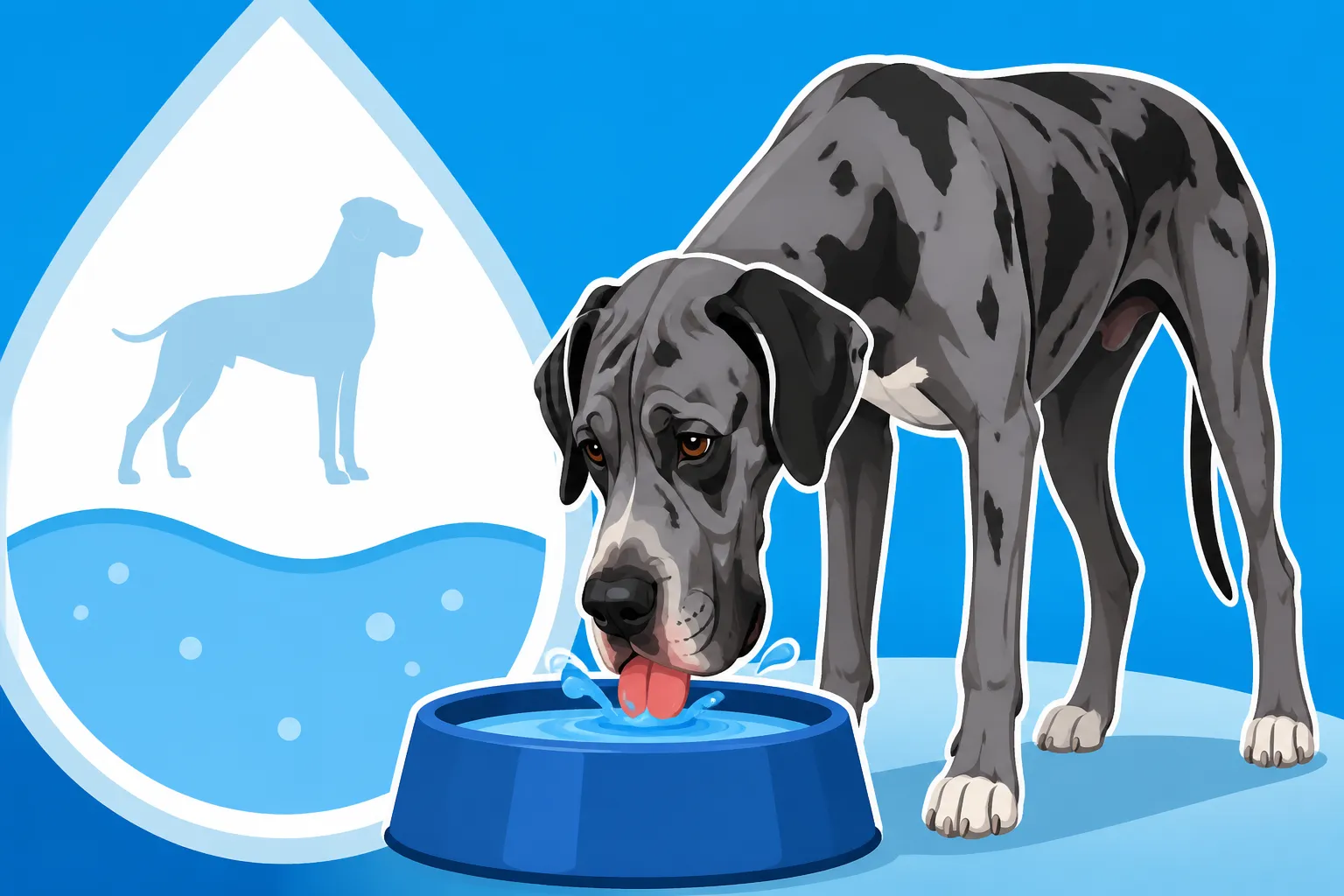
It's a question every Great Dane owner has pondered at some point: "Is my giant companion drinking enough water?" Or, just as often, "Are they drinking too much?" Given their immense size and unique physiology, ensuring proper hydration for a Great Dane isn't just about topping up a bowl; it's a critical part of their daily care. This guide will walk you through understanding your Great Dane's typical water needs, the factors that can change those needs, and how to keep them perfectly hydrated for a long, happy, and healthy life.
The Crucial Role of Water for Your Giant Friend
Water is the unsung hero of your Great Dane's health. It’s not just about quenching thirst; it’s fundamental to nearly every bodily function, from regulating body temperature to aiding digestion and nutrient absorption. For a dog as large and as prone to certain health issues as a Great Dane, adequate hydration is absolutely non-negotiable.
Why Great Danes Have Unique Hydration Needs
Great Danes are, well, great. Their sheer size means they have a larger blood volume, more muscle mass, and simply more cells that require water to function properly compared to a smaller breed. Think about it: a Chihuahua might need a few sips throughout the day, but a Great Dane, weighing in at over a hundred pounds, has an entirely different set of demands on its system. Their larger organs, their larger digestive tract, even their massive bones – all require a consistent supply of water to operate efficiently.
Because of their size, Great Danes often generate more body heat, especially during exercise, which means they need more water to cool down. They also have a faster metabolism than some smaller, slower-growing breeds, which adds to their daily water requirements. Ignoring these unique needs can set the stage for a host of problems, some of which are particularly concerning for our beloved giants.
The Silent Dangers of Dehydration in Large Breeds
Dehydration isn't just feeling thirsty; it's a serious condition that can creep up quietly and impact your Great Dane's health dramatically. When your Dane isn't getting enough water, their blood thickens, making it harder for their heart to pump it through their massive body. Their kidneys, which work tirelessly to filter waste, become strained. Digestion can slow down, leading to constipation or discomfort. Energy levels plummet, and their immune system can suffer.
For a Great Dane, dehydration can exacerbate existing conditions or contribute to new ones. For example, some studies suggest that inadequate hydration might even play a role in the development of Bloat in a Great Dane and the One in Three Odds, a life-threatening condition where the stomach twists. While the exact links are complex, ensuring sufficient water intake is a simple step you can take to support their overall well-being. Even less severe dehydration can make them feel sluggish, reduce their appetite, and just generally make them feel "off." You want your Dane to be vibrant and energetic, not dull and lethargic from a lack of water.
Factors That Influence Your Great Dane's Daily Sip Count
There isn't a single, magic number for how much water every Great Dane should drink. Just like us, their hydration needs fluctuate based on a variety of factors. Understanding these variables will help you gauge if your individual Dane is getting what they need.
Activity Levels and Environmental Temperature
Imagine taking your Dane for a leisurely stroll versus an energetic romp at the dog park. The difference in panting alone tells you how much more fluid they're losing. A Great Dane that spends most of its day napping indoors will naturally drink less than one that has regular, vigorous play sessions or goes on long walks. If you're wondering about healthy exercise, you might be interested in Exercise Limits While a Great Dane Is Still Growing. High-intensity activities mean increased respiration and sweating (through their paw pads), both of which deplete body fluids rapidly.
Similarly, the weather plays a huge role. On a sweltering summer day, even a relatively inactive Dane will need significantly more water to regulate its body temperature. Think about how thirsty you get just sitting outside when it's hot. Your Dane feels the same way, but with a full fur coat! In contrast, during cooler months, their intake might decrease slightly. Always be mindful of the ambient temperature and humidity, as these directly correlate to their hydration needs. On hot days, offering water more frequently and ensuring it stays cool can make a big difference. If you're concerned about your Dane overheating, reading Keeping a Great Dane Comfortable in Heat can provide more insights.
Diet, Age, and Underlying Health Conditions
What your Great Dane eats also impacts their water intake. Dogs on a predominantly dry kibble diet will typically drink more water than those fed a moisture-rich diet, such as wet food, homemade meals, or raw food. If you feed a fresh food diet, like those offered by companies such as Ollie, you might notice your Great Dane drinks less throughout the day because their food provides a good amount of hydration. This isn't a bad thing; it just means they're getting their fluids from multiple sources. For those feeding large volumes of kibble, like Feeding a Great Dane That Eats Ten Cups a Day, ensuring constant access to fresh water is paramount.
Age is another significant factor. Puppies, with their boundless energy and developing systems, often need frequent hydration. Senior Great Danes, as explored in articles like Feeding and Grooming an Old Great Dane, might drink less due to decreased activity, or paradoxically, might drink more if they have certain age-related health issues affecting their kidneys or other organs.
Finally, underlying health conditions can drastically alter a Great Dane's water requirements. Conditions like diabetes often lead to increased thirst and urination. Kidney disease can also cause changes in water intake, as the kidneys struggle to conserve fluids. Even a simple upset stomach can lead to dehydration due to vomiting or diarrhea. If you notice a sudden, drastic change in your Dane's drinking habits – either much more or much less – it's always a good idea to consult your veterinarian. Issues like The Heart Muscle Disease Great Danes Are Prone To can also impact how the body handles fluids, sometimes leading to fluid retention rather than dehydration.
Here's a general guideline for healthy adult Great Danes, but remember, individual needs vary greatly:
| Great Dane Weight (lbs) | Estimated Daily Water Intake (cups) | Notes |
|---|---|---|
| 100-120 | 10-12 | Base estimate for moderately active dogs on dry food. |
| 120-140 | 12-14 | Expect higher intake with increased activity or warmer weather. |
| 140-160+ | 14-16+ | Dogs on wet food or fresh food may drink slightly less from the bowl. |
| Puppy (growing) | Often more frequent, smaller drinks | Monitor closely, ensure constant access; needs can be highly variable. |
| Senior (less active) | May decrease slightly | Watch for changes related to health conditions; ensure easy access. |
Practical Tips for Ensuring Optimal Hydration
Knowing how much water your Great Dane should drink is one thing; making sure they actually do is another. Fortunately, there are many simple strategies you can implement to ensure your big friend stays properly hydrated.
Choosing the Right Bowls and Water Sources
First things first: you need a water bowl (or two, or three!) that is appropriately sized for a Great Dane. We're talking about massive bowls that can hold at least a gallon of water, maybe more. Those tiny ceramic bowls meant for terriers just won't cut it. Stainless steel bowls are often recommended because they are durable, easy to clean, and don't harbor bacteria like some plastics can. They also stay cooler. Consider buying several, perhaps from a pet supply retailer like Chewy, to place in different areas of your home and yard.
Beyond size, consider the material and placement. Some Danes prefer ceramic, others stainless steel. Make sure the bowls are heavy enough that your Dane won't easily tip them over during a vigorous drink, or after a clumsy bump. Raised feeding and water bowls are a popular choice for Great Danes, and while the jury is still out on their effectiveness for preventing bloat, many owners find them more comfortable for their tall dogs. Just be sure to research The Raised Bowl Argument for Great Danes before making a decision, as there are pros and cons to consider.
Variety can also encourage drinking. Some Danes love drinking from a running tap, so a pet water fountain could be a great investment. These fountains often filter the water, keeping it fresh and appealing, and the circulating water can entice dogs to drink more than still water in a bowl. For outdoor access, consider a large bucket (clean, of course!) or an automatic waterer that connects to a hose. Always ensure the water is fresh and clean; you wouldn't want to drink stagnant, dirty water, and neither does your Dane.
Monitoring Intake and Recognizing Thirst Cues
Keeping tabs on your Great Dane's water intake can be tricky, but it's important. One simple method is to fill their bowl to a consistent level each morning and note how much is left by the evening, or how many times you refill it. Over time, you'll get a good sense of their average daily consumption. If you use multiple bowls, make a mental note or even a small log to track total consumption.
Beyond measuring, pay attention to your Dane's behavior. Are they eager to drink after a walk? Do they visit the water bowl frequently throughout the day? Healthy thirst is good! But what if they're not drinking much? Try offering ice cubes as treats, or even a few splashes of low-sodium chicken broth in their water to make it more appealing.
Recognizing thirst cues is also essential. A healthy, well-hydrated Great Dane typically has bright, moist gums. If their gums feel tacky or dry to the touch, or if their eyes appear sunken, these are red flags for dehydration. Another classic test is the skin tent test: gently pull up the skin on their back or shoulder. If it snaps back quickly, they're likely well-hydrated. If it stays "tented" for a few seconds, they might be dehydrated. Increased panting, lethargy, loss of appetite, and dry nose are also signs. If you see signs of dehydration, don't just wait; offer water immediately and monitor them closely.
Encouraging Your Dane to Drink More
Sometimes, even with fresh water readily available, a Great Dane might not drink as much as they should. This is where a little encouragement comes in!
- Add Moisture to Food: If your Dane eats dry kibble, try adding a bit of warm water or low-sodium broth to their meals. Many dogs love the softened texture and extra flavor, and it's a fantastic way to sneak in extra hydration. You could even consider sprinkling some freeze-dried raw food on top for extra appeal and moisture.
- Offer Ice Cubes: Most Great Danes find ice cubes to be a delightful, crunchy treat, especially on a warm day. You can even freeze low-sodium broth in an ice tray for an extra tasty and hydrating snack.
- Water Stations in Multiple Locations: Place water bowls in all their favorite hang-out spots – the living room, the kitchen, the bedroom, and especially outside if they spend time there. The more accessible water is, the more likely they are to drink. You might find a large outdoor bowl from a retailer like Amazon perfect for your yard.
- Flavored Water: Occasionally, a splash of diluted, unsweetened fruit juice (like apple juice) or a bit of dog-safe bone broth can make water irresistible. Just be sure it's a very small amount and doesn't contain xylitol or other harmful ingredients.
- Make Water Fun: Some Danes enjoy playing with water. A shallow kiddie pool in the summer can be a fun way for them to cool off and perhaps even drink a little while splashing around. Always supervise them, of course.
Consistency is key. Make fresh, clean water a constant in your Great Dane's life, and you'll be well on your way to ensuring they stay happy and healthy. Remember, a well-hydrated Dane is a happy Dane!
When Water Intake Becomes a Concern: Too Much or Too Little
While most of the focus is on preventing dehydration, it's equally important to recognize when your Great Dane's water intake is abnormal in either direction. Both drinking too little and drinking excessively can be indicators of underlying health issues.
Recognizing Signs of Dehydration and Overhydration
We've touched on dehydration, but let's recap its signs for clarity:
- Dry, tacky gums: Press your finger on their gums; if the indentation stays or it feels sticky, they're likely dehydrated.
- Loss of skin elasticity: The "skin tent" test.
- Sunken eyes: A more severe sign.
- Lethargy or weakness: They might seem unusually tired or weak.
- Decreased urination: Or very dark, concentrated urine.
- Loss of appetite.
If you suspect dehydration, offer water immediately. If they refuse or are too weak to drink, or if symptoms are severe, contact your vet right away. Dehydration can quickly become an emergency for a dog of their size.
On the flip side, what about overhydration, also known as water intoxication? This is less common but can be very dangerous. It occurs when a dog drinks an excessive amount of water too quickly, diluting the electrolytes in their body, particularly sodium. This imbalance can cause cells to swell, including brain cells, leading to serious neurological issues.
Signs of overhydration include:
- Bloating: Their belly might appear distended.
- Vomiting: Especially clear fluid.
- Lethargy and weakness.
- Loss of coordination, stumbling: Like a dog that's had too much to drink (human equivalent). This might make you think of A Great Dane That Stumbles on Its Back Legs which can indicate other problems too.
- Dilated pupils.
- Pale gums.
- Excessive drooling.
- Seizures or collapse: In severe cases.
Overhydration is often seen in dogs who obsessively play with water, like constantly catching water from a hose or spending too much time swimming and inadvertently ingesting large amounts of water. If you notice these signs, especially after a water-heavy activity, seek emergency veterinary care immediately. This is a life-threatening condition that requires prompt treatment.
When to Consult Your Vet About Water Habits
Your veterinarian is your best partner in your Great Dane's health journey. Any significant, sudden, or persistent change in your Great Dane's water intake warrants a call to the vet.
- Sudden Increase in Thirst (Polydipsia): If your Great Dane suddenly starts drinking significantly more water than usual, and it's not directly attributable to hot weather or intense exercise, it could be a sign of an underlying medical condition. Common culprits include diabetes, kidney disease, Cushing's disease, or even certain medications. Monitoring for related symptoms, such as increased urination, changes in appetite, or weight loss, will be helpful information for your vet. Tests might include looking at Kidney and Liver Values in an Old Great Dane.
- Sudden Decrease in Thirst (Hypodipsia): Conversely, if your Dane suddenly stops drinking or drinks very little, especially when activity levels or temperature would normally dictate higher intake, this is also concerning. It could indicate pain, nausea, fever, or a more serious illness. A Great Dane that refuses water when they should be thirsty is a red flag.
- Signs of Dehydration or Overhydration: As mentioned, if you observe any of the clear signs of either dehydration or water intoxication, do not delay. These are not wait-and-see situations for a giant breed.
Be prepared to give your vet details about when the change started, any other symptoms you've noticed, and roughly how much water they're consuming. This information will help them narrow down potential causes and recommend appropriate diagnostics and treatment. Taking proactive steps and knowing when to reach out to your vet can make all the difference in catching and addressing health concerns early.
Disclaimer
This article is for general informational purposes only and does not constitute professional advice. Laws, prices and regulations vary by location and change over time. Consult a qualified professional for guidance on your specific situation.