Toys Big Enough Not to Choke a Great Dane
It's a familiar scenario for any Great Dane owner: you bring home a brand-new, "tough" dog toy, convinced this one will finally last more than an hour. Then, within minutes, you're either picking up tiny plastic shrapnel from the living room floor or, worse, frantically trying to retrieve a piece that's suddenly disappeared down your giant's gullet. Finding toys truly big enough and durable enough not to become a choking hazard for our beloved gentle giants is a constant challenge, but this guide will walk you through how to choose wisely and keep your Dane safe and entertained.
The Giant Breed Toy Conundrum: Why Standard Toys Just Don't Cut It
Owning a Great Dane means living life on a larger scale, and that includes their toys. What might be a perfectly safe, appropriately sized toy for a Labrador or even a German Shepherd can be a genuine danger to a Great Dane. Their sheer size, powerful jaws, and often enthusiastic play style demand a completely different approach to toy selection.
The Choking Hazard No One Wants to Imagine
Let's face it, the thought of your magnificent Dane choking is terrifying. These aren't dainty chewers; they're capable of getting things into their mouths that seem impossibly large, and then, with a few powerful chomps, reducing them to swallowable (and dangerous) pieces. A toy that's too small can be swallowed whole, causing an immediate choking emergency. Even toys that seem initially appropriate can quickly be chewed down to a size that poses a risk. Imagine a tennis ball, perfectly fine for many dogs, but easily compressed and then possibly swallowed by a determined Great Dane. It’s not just about the starting size, but the ending size after some serious play.
The Myth of "Indestructible" and a Dane's Reality
If I had a dollar for every "indestructible" toy that met its match against one of my Danes, I'd probably be able to afford more "indestructible" toys! The truth is, very few things are truly indestructible to a Great Dane with a mission. Manufacturers try their best, but a Dane's jaw strength, coupled with their sheer body weight and desire to shred, can conquer almost anything. You see toys marketed for "power chewers," and while these are a step in the right direction, they still need to be chosen with a discerning eye. Some Danes are "shredders" who love to tear things apart, while others are "grinders" who slowly wear things down. Understanding your individual Dane's chewing style is key to mitigating risk.
Beyond Choking: Other Toy-Related Dangers
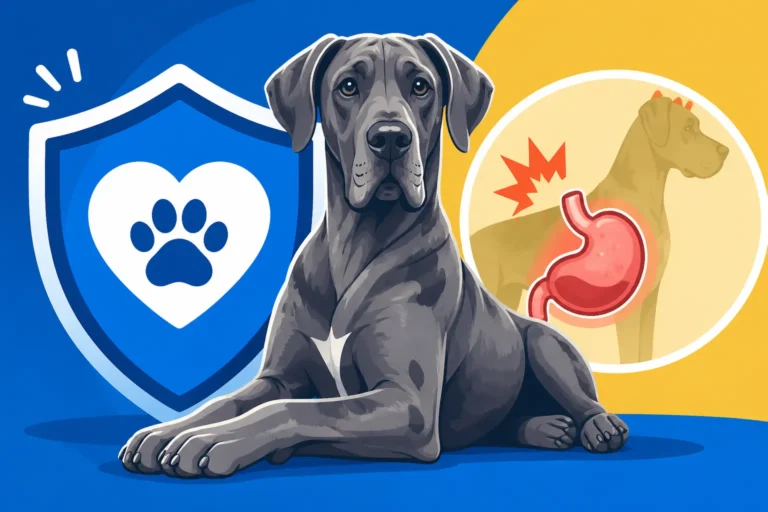
While choking is the most immediate and frightening concern, it's not the only danger. When toys inevitably break down, your Dane might ingest smaller pieces. This can lead to gastrointestinal upset, blockages that require emergency surgery, or even internal abrasions. Imagine a piece of hard plastic from a "durable" toy getting lodged in their digestive tract – that's a nightmare scenario. Furthermore, overly hard toys can damage their teeth, leading to fractures or excessive wear. It’s a delicate balance: you want durability, but not at the expense of dental health. This is where a good pet insurance plan, like those offered by Healthy Paws, really comes into its own, as foreign body surgeries can be incredibly expensive.
Understanding What Makes a Toy "Great Dane Safe"
Choosing a toy for a Great Dane isn't just about picking the biggest one on the shelf. It involves a thoughtful assessment of size, material, and design. You're looking for a balance of safety, durability, and mental or physical engagement to keep your giant happy without putting them at risk.
Size Matters: The Rule of Thumb for Great Dane Toys
The most critical factor in toy selection for a Great Dane is size. As a general rule, a toy should be too large for your Dane to fit entirely in their mouth at any angle. If they can get it far back enough to start gagging, it's too small. This means thinking about the diameter of a ball, the length and girth of a chew stick, or the overall bulk of a plush toy. For some Great Danes, even a standard softball-sized toy can be a choking hazard. Always err on the side of larger. When in doubt, hold the toy up to your dog's mouth. If it looks like it could possibly disappear, it's a no-go. Remember that a toy's shape can also make a difference; an irregularly shaped toy might be harder to swallow than a perfectly round one of the same general size. Toys Big Enough Not to Choke a Great Dane is a constant concern.
Material Strength and Durability for Power Chewers
Once you've got the size right, the next step is material. For a Great Dane, you're almost exclusively looking at heavy-duty options. Here's a breakdown:
- Hard Rubber: Think brands known for extreme chewers. These are often solid rubber, with varying densities. They offer good chew resistance and can stand up to a lot of abuse. Many are designed to be bounceable or floatable, adding to the fun. Look for non-toxic, pet-safe rubber.
- Heavy-Duty Nylon: These toys are molded from tough nylon and are designed for gnawing. They're not meant to be eaten, but rather to be slowly ground down. The key here is to monitor them closely for sharp edges as they wear and replace them before they become a hazard.
- Rope Toys (with caution): Large, thick rope toys can be great for tugging, but they come with a major caveat: once strands start to fray or break, they can be ingested, leading to severe intestinal blockages. If you use rope toys, they should be strictly supervised and immediately removed at the first sign of damage.
- Plush Toys (again, with extreme caution): Most plush toys are a no-go unless your Dane has a very soft mouth and doesn't destroy them. For many, they're "gutted" in minutes. If you opt for plush, choose ones specifically marketed as "tough" for large breeds, and be prepared for constant supervision and replacement. No stuffing or squeakers should be accessible.
Here’s a quick overview of materials:
| Material Type | Great Dane Suitability | Pros | Cons | Key Monitoring Points |
|---|---|---|---|---|
| Heavy-Duty Rubber | Excellent | Very durable, non-toxic, often flexible | Can be expensive, some are too hard for teeth | Cracks, missing chunks, softening spots |
| Hard Nylon | Good | Extremely tough, satisfies chewing instinct | Can splinter into sharp edges, not digestible | Sharp edges, excessive wear, small ingestible pieces |
| Thick Rope | Use with caution | Great for tugging, interactive | Strands can be ingested (blockage risk), easily frayed | Loose strands, missing knots, reduced size |
| Dense Plastic | Variable | Often interactive (e.g., puzzle balls) | Can be brittle, shatter, or break into sharp pieces | Cracks, missing parts, sharp points |
| Plush/Fabric | Generally Poor | Comfort, novelty | Easily destroyed, stuffing/squeakers are choking/ingestion risks | Tears, loose stuffing, exposed squeakers, missing fabric chunks |
Design Features That Enhance Safety and Engagement
Beyond material, the design of a toy plays a big role.
- Shape: Look for irregular shapes or designs that are difficult to get a full "grip" on and swallow. Some toys have odd angles or nubs that massage gums and clean teeth, which is a bonus.
- Weight and Density: A heavier, denser toy is generally harder to destroy and less likely to be swallowed by accident.
- Interactive Elements: Toys that dispense treats or require problem-solving can keep a Great Dane mentally stimulated for longer, potentially reducing destructive chewing out of boredom. Brands like Chewy often have a dedicated section for "power chewers" with a variety of shapes and sizes. When considering Dental Chews Big Enough for a Great Dane, always ensure they are appropriately sized and supervise their use to prevent gulping.
Top Categories of Toys That Stand a Chance Against a Great Dane
Alright, now that we know what to look for, let's talk about the specific types of toys that have earned their stripes in the battle against Great Dane destruction. These are the workhorses, the ones that actually stand a fighting chance.
Heavy-Duty Rubber and Nylon Chew Toys
These are your bread and butter when it comes to keeping a Great Dane occupied and safe. They're designed specifically for dogs with serious chewing power.
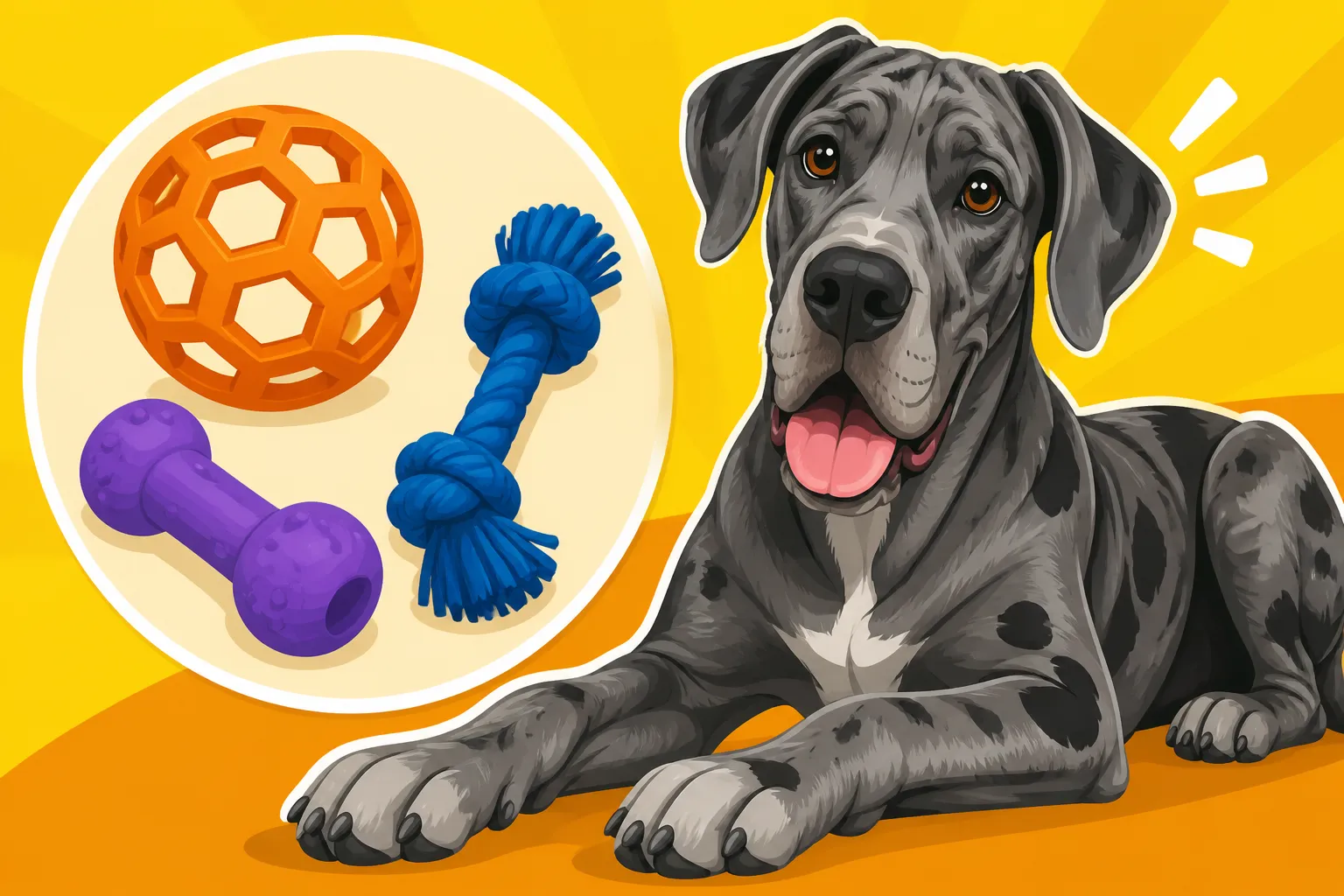
- Solid Rubber Chews: Think about the classic, virtually indestructible solid rubber toys. They often come in various shapes and sizes, from balls to oddly shaped "bones" or "tire" shapes. These are fantastic because they're flexible enough not to break teeth, yet tough enough to withstand prolonged chewing. Many have hollow centers that allow you to stuff them with treats, adding an extra layer of engagement. Just make sure the opening is large enough that your Dane won't get their tongue stuck, but small enough to present a challenge.
- Nylon Chew Bones: These aren't meant to be consumed, but rather to be slowly abraded. They come in shapes like traditional bones or sticks and are usually flavored to entice your dog. The key with nylon is diligent monitoring. As your Dane chews, the nylon will wear down. You need to inspect them regularly for sharp points or splintering pieces that could injure their mouth or be ingested. Once they become too small or too sharp, they need to go straight into the trash. When you're browsing sites like Chewy, make sure to filter for "giant breed" or "extreme chewer" to find the right options. Remember that proper Dental Chews Big Enough for a Great Dane can also help with oral hygiene, but should always be supervised.
Interactive and Puzzle Toys for Giant Brains
A bored Great Dane is a destructive Great Dane. Mental stimulation is just as important as physical exercise, and puzzle toys are a brilliant way to provide it.
- Treat-Dispensing Balls and Cubes: These are usually made from hard rubber or dense plastic and have openings where you can stuff kibble or treats. Your Dane then has to roll, nudge, or manipulate the toy to get the goodies out. This can keep them engaged for a surprising amount of time and slow down their eating, which is a bonus for breeds prone to bloat. Just ensure the material is tough enough that they can't chew through it to get to the treats faster. Brands like Kong and other heavy-duty treat dispensers are great for this. You can even use some of the delicious, natural treats from brands like Ollie in these toys to make them even more enticing.
- Snuffle Mats (with supervision): While not a "toy" in the traditional sense, a snuffle mat allows your Dane to use their nose and brain to forage for kibble or small treats hidden within fabric folds. For Danes that aren't heavy fabric chewers, this is an excellent form of enrichment. Always supervise to prevent them from trying to chew and ingest the fabric itself. This helps tire them out mentally, which can be just as effective as a long walk, especially important when managing Exercise Limits While a Great Dane Is Still Growing.
Large, Durable Balls and Tug Toys for Playtime
Sometimes, a Dane just needs to run, chase, and tug. These toys facilitate that essential physical outlet.
- Oversized Hard Rubber Balls: Forget standard tennis balls; they're simply too small and easily destroyed or swallowed. Look for balls made of very thick, hard rubber, often 4-6 inches in diameter or even larger. Some are designed specifically for horses or livestock, which tells you they're built to last against powerful mouths. These are fantastic for fetch in the yard or at a dog park, as they're difficult to puncture and provide a good workout. Always ensure they can't be compressed and swallowed.
- Heavy-Duty Tug Toys: For Danes who love a good game of tug-of-war, you need a toy that can withstand enormous pulling power. Look for thick, braided ropes (remember the rope caution from above, strict supervision is a must) or, even better, large, solid rubber tug toys designed for giant breeds. The handles should be easy for you to grip securely, and the body of the toy should be long enough that your hands aren't anywhere near your Dane's mouth during play. Tug is a fantastic way to bond and provide an outlet for their energy, but always teach a solid "drop it" command. This helps manage their strength, especially important for reinforcing The Manners a Great Dane Needs Before It Grows.
Maintaining Toy Safety and Rotation for Your Gentle Giant
Even the safest, most durable toys aren't a "set it and forget it" solution. Regular maintenance and a thoughtful approach to toy management are crucial to keeping your Great Dane safe and engaged. Our big dogs have big personalities and big needs, and their toys are no exception.
Regular Inspection: The Key to Preventing Accidents
This is perhaps the most important rule of Great Dane toy ownership. Every single time you give your Dane a toy, and certainly after any significant play session, inspect it thoroughly. This means:
- Check for Cracks and Breaks: Hard rubber and nylon toys can develop hairline cracks that, over time, can lead to larger pieces breaking off. Run your fingers over the entire surface.
- Look for Loose Pieces or Fraying: For rope toys, any fraying means it's time to retire it. For rubber or plastic, look for small nubs or protuberances that are starting to detach.
- Assess Size Reduction: Is that chew bone noticeably smaller than it used to be? Could it now be swallowed? If so, it's done.
- Examine Sharp Edges: As nylon toys wear down, they can develop incredibly sharp edges. These can cut your Dane's mouth or get stuck in their gums. Smooth them down if possible, or discard the toy.
I can't stress this enough: your diligence is your Dane's safety net. A quick five-second check before and after play can prevent a scary emergency room visit. It’s also crucial to remember that some things around the house, like household objects or even certain plants, can be Poisons a Great Dane Can Reach on a Counter or access from the floor, so general vigilance about what they put in their mouth is always necessary.
Toy Rotation and Storage: Keeping Things Fresh and Safe
Think of a small child with too many toys; they quickly get bored. The same applies to our Danes! Rotating toys keeps them novel and exciting, which can extend their lifespan by preventing your Dane from focusing all their destructive energy on a single item.
- Keep a Stash: Have a selection of 5-7 safe, favorite toys readily available. Keep the rest stored away in a sturdy bin your Dane can't access.
- Rotate Weekly: Every week or so, swap out a few of the "available" toys for ones from your stored collection. This makes them feel "new" again and renews interest.
- Clean Regularly: Toys get slobbery, dirty, and can harbor bacteria. Many hard rubber and nylon toys are dishwasher safe (check manufacturer instructions) or can be washed with warm, soapy water. Keeping them clean is good for your Dane's health and pleasant for your home.
This system also helps you monitor wear and tear more effectively, as you're not constantly looking at the same few items.
When to Toss It: Recognizing a Toy's End of Life
Knowing when a toy has reached the end of its safe life is paramount. Don't try to get "just a little more" out of it. It's simply not worth the risk. Here are clear signs it's time for a toy to go:
- Significant Size Reduction: If a toy is now small enough to fit far into your Dane's mouth, it's a goner.
- Sharp Edges or Splinters: Any toy that could cut your Dane's mouth or digestive tract must be discarded immediately. This is especially true for worn nylon.
- Missing Chunks: If pieces have broken off, it means the structural integrity is compromised, and more could follow. Plus, those missing pieces might have been ingested.
- Deep Cracks or Holes: These compromise the toy's strength and can lead to larger breaks. They also make great hiding spots for bacteria.
- Stuffing or Squeaker Exposure (for plush toys): If a plush toy is ripped and the stuffing or squeaker is visible, remove it immediately. The goal here is to keep our Danes safe and happy for their Why a Great Dane Only Lives Seven to Ten Years. Investing in durable, safe toys is part of responsible ownership, just like understanding Great Dane Hips, Elbows and Growing Joints or other breed-specific health concerns. It may seem like a big investment up front, but it's far cheaper than an emergency vet bill.
Disclaimer
This article is for general informational purposes only and does not constitute professional advice. Laws, prices and regulations vary by location and change over time. Consult a qualified professional for guidance on your specific situation.