Flea Prevention Priced by Great Dane Weight
One of the many realities of sharing your life with a magnificent Great Dane is that everything just scales up – their food bowls, their beds, their training needs, and yes, even their routine medications. When it comes to something as crucial as flea and tick prevention, the sheer size of these gentle giants means a different approach, especially when it comes to the cost. This guide will walk you through why flea prevention for a Great Dane is priced differently, what options are available, and how to manage the financial aspect without compromising your big dog's health.
Why Great Dane Weight Makes Flea Prevention Different
It’s not just about getting "more" of a product; the underlying science and the economics behind it are deeply tied to your Great Dane's impressive stature. You're not just buying a bigger box, you're investing in a specific dosage tailored to their massive metabolism and body mass.
The Science Behind Dosing by Weight
Think about it: medications, whether for humans or animals, are carefully formulated to work within a specific range of body weight. Too little, and the medication won't be effective, leaving your Great Dane vulnerable to pests. Too much, and you risk dangerous side effects, which can be even more severe for a giant breed. Great Danes can easily weigh between 100 to 180 pounds, sometimes even more, placing them in the absolute highest weight categories for almost any veterinary product.
This isn't arbitrary. The active ingredients in flea and tick preventatives need to reach a certain concentration in your dog's system or on their skin to kill parasites. A tiny Chihuahua needs a minuscule amount, while your Great Dane requires a significantly larger quantity to achieve that same therapeutic effect throughout their vast circulatory system or across their expansive skin surface. This precise calibration is what makes weight-based dosing so critical for both efficacy and safety.
Furthermore, the metabolism of giant breeds can sometimes differ. While most flea preventatives are generally safe, the sheer volume of active ingredients for a Great Dane means manufacturers have to ensure broad safety margins. Your veterinarian will always confirm the correct dosage based on your dog's exact weight, ensuring they get the protection they need without unnecessary risk. Always follow their guidance, as misdosing can have serious consequences for such a large and sensitive animal.
The Cost Implications of Great Dane Size
It's a simple fact of manufacturing and retail: more active ingredient means more cost. When a flea preventative comes in a box marked "over 88 lbs" or "over 100 lbs," it contains a much larger volume or higher concentration of the active drug compared to doses for smaller dogs. This means higher production costs for the manufacturer, which naturally translates to a higher price tag for you, the owner.
For example, a typical monthly oral chew for a small dog might contain 20mg of an active ingredient, while the Great Dane version could contain 100mg or more. This isn't just a packaging difference; it’s a significant increase in pharmaceutical content. Over time, these costs add up, making flea and tick prevention a notable line item in the budget for a Great Dane owner.
This financial reality can be a harsh wake-up call for new Great Dane owners who might not have anticipated that every single care item, from Monthly Food Spending on a Great Dane to Heartworm Tablets for the Heaviest Weight Band, would be priced at the top end of the spectrum. It’s important to acknowledge this upfront and factor it into your overall Great Dane ownership budget from day one, rather than being caught by surprise each month or quarter.
The Importance of Consistency
Given the higher cost, it might be tempting for some owners to try to stretch out doses or skip a month here and there. However, this is a dangerous game to play with a Great Dane's health. Flea and tick preventatives are designed to work on a specific schedule – usually monthly or quarterly – to break the parasite life cycle and maintain continuous protection. Missing a dose or delaying it leaves a window of vulnerability.
During this unprotected period, your Great Dane can easily pick up fleas or ticks, leading to infestations in your home or exposure to serious diseases. Ticks, in particular, can transmit debilitating illnesses like Lyme disease, ehrlichiosis, or anaplasmosis, which can be even more challenging and expensive to treat in a large dog. The cost of treating these illnesses, not to mention the discomfort and potential long-term health issues for your beloved Dane, far outweighs the savings of skipping preventative doses.
Furthermore, once fleas establish themselves in your home, eradicating them can be a monumental task. Fleas don't just live on your dog; they lay eggs in carpets, bedding, and furniture, leading to a relentless cycle of re-infestation. For a house shared with a massive Great Dane, which likely has extensive indoor territory, cleaning up an infestation becomes an even bigger chore than it would be for a small dog. Consistent prevention is truly the best defense for both your dog and your home.
Types of Flea Prevention and How They Scale for a Great Dane
There are several effective options available for flea and tick prevention, each with its own method of delivery and considerations for a giant breed. Understanding these can help you and your vet choose the best fit for your Great Dane.
Oral Medications
Oral flea and tick preventatives, usually given as flavored chews or tablets, have become incredibly popular due to their convenience and efficacy. Brands like Bravecto (which offers 12 weeks of protection), Simparica, and NexGard (both typically monthly) are widely used. For Great Danes, these medications are formulated in the highest dosage tiers to ensure the active ingredients are absorbed into their bloodstream and effectively kill fleas and ticks that bite them.
The primary benefit of oral medications for a Great Dane is their ease of administration, especially if your dog loves treats. You don't have to worry about applying a topical treatment evenly across a vast coat or dealing with residue. Once ingested, the protection is systemic, meaning it works regardless of bathing or swimming. This can be a huge relief if you've ever tried to Bathing a Great Dane at Home and struggled with precise topical application.
However, the cost for these large-dog doses can be significant, especially for the longer-acting varieties. Because they contain a higher concentration of active pharmaceutical ingredients, they typically represent the highest per-dose cost among prevention methods. Always discuss these options with your veterinarian to ensure they are safe and appropriate for your individual Great Dane, especially if your dog has any underlying health conditions.
Topical Treatments
Topical "spot-on" treatments are another common method, applied directly to your Great Dane's skin, typically between the shoulder blades. Brands such as Frontline Plus and K9 Advantix II are familiar names in this category. For Great Danes, these treatments come in larger vials, containing more liquid to spread across their larger skin surface area. The active ingredients then distribute through the dog's skin oils, killing fleas and ticks on contact or after they bite.
Applying topical treatments to a giant breed can sometimes be a bit of an art. You need to part their fur and apply the entire contents of the applicator directly onto the skin in one or more spots, ensuring it's not licked off. With a Great Dane's broad shoulders and long back, finding a spot they can't easily reach can be a challenge. Ensuring the product distributes properly and isn't rubbed off by their huge bodies against furniture or bedding is also key.
While often slightly less expensive per dose than some oral options, topical treatments still carry a higher price tag for Great Danes compared to smaller dogs due to the increased volume of product. You’ll also need to be mindful of potential residue on their coat for a short period after application, especially if your Great Dane is a keen lean-on-you kind of dog. This is something to consider if you have young children or other pets that might come into close contact with your Dane before the product has fully dried.
Collars and Other Options
Flea and tick collars have evolved significantly over the years. Modern collars, such as the Seresto collar, release active ingredients into the dog's skin and coat over several months, offering long-lasting protection. For a Great Dane, a collar needs to be appropriately sized to ensure comfortable wear and effective release of the active ingredients. These collars are often more expensive upfront than a single dose of oral or topical treatment, but their extended protection period (often 6-8 months) can sometimes make them a cost-effective choice over time.
However, it's crucial to choose a high-quality, vet-recommended collar. Many cheaper collars available in general stores primarily act as repellents or only kill fleas in the immediate vicinity of the collar, which is simply not enough for an animal the size of a Great Dane. You need one that will effectively distribute the active ingredients over their entire body. Another consideration for a Great Dane is durability; these collars need to withstand the daily activities of a large, robust dog without breaking or coming off.
Beyond collars, other less common methods include flea shampoos, dips, and sprays. While these can offer immediate relief during an active infestation, they are generally not suitable as primary, long-term preventative measures for a Great Dane. Their effectiveness is often short-lived, and the sheer logistics of bathing or spraying a massive dog regularly for prevention makes them impractical for most owners. For continuous protection, stick with vet-approved oral, topical, or advanced collar options.
Navigating the Cost of Flea Prevention for Your Giant
Managing the ongoing expense of flea prevention for a Great Dane requires a bit of savvy and careful budgeting. It's an unavoidable cost, but there are ways to ensure you're getting the best value.
Understanding the Pricing Tiers
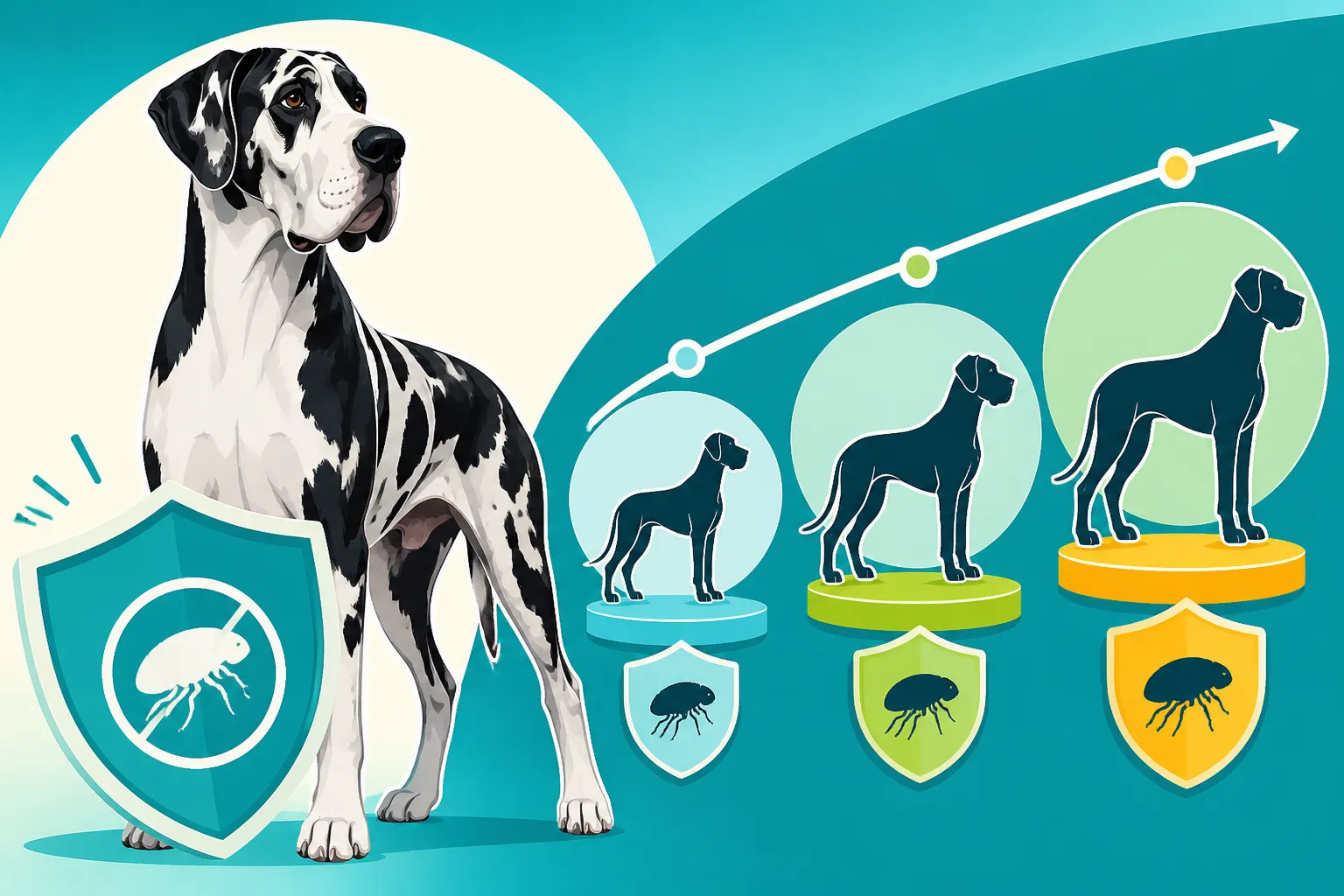
Every manufacturer of flea and tick preventative divides their products into weight categories. You'll typically see ranges like "up to 25 lbs," "26-50 lbs," "51-100 lbs," and then "over 100 lbs" or "over 88 lbs." Your Great Dane will almost invariably fall into that highest, most expensive tier. There's no getting around this. If your Great Dane is, say, 120 pounds, you can't buy two "51-100 lbs" doses and combine them – this is extremely unsafe and could lead to incorrect dosing or adverse reactions.
What this means in practical terms is that your monthly or quarterly cost for flea prevention will always be at the top end of the scale for canine medications. It’s not just slightly more expensive; it’s often significantly more than what owners of smaller breeds pay. This is part of the overall reality of The Short Expensive Life of a Great Dane, where every expense is amplified by their size.
When you're comparing prices, ensure you're always looking at the correct weight category for your Great Dane. Don't be fooled by seemingly cheaper options that are actually for much smaller dogs. Always double-check the packaging and consult your vet if you're unsure which product or dosage is right for your particular dog's weight.
Where to Purchase and Potential Savings
There are several avenues for purchasing flea prevention for your Great Dane, each with its own price points and benefits. Your veterinarian's office is always a reliable source, offering personalized advice and often loyalty programs or rebates. They can guide you on choosing the right product for your Dane based on local parasite prevalence and your dog's specific needs.
Online pet pharmacies and retailers, like Chewy, are also popular options and can sometimes offer competitive pricing, especially if you subscribe to auto-shipments. Buying a multi-pack (e.g., a 6-month supply instead of monthly purchases) can often result in a slight discount. However, be cautious of unregulated online sellers or "bargain" sites, as counterfeit pet medications are a serious concern. Always ensure you are purchasing from a reputable, licensed pharmacy or retailer.
Some pet insurance providers, like Healthy Paws, might offer wellness plans that can help offset routine preventative care costs, including flea prevention. While pet insurance typically focuses on unforeseen accidents and illnesses, it's worth exploring if a comprehensive plan could make budgeting for your Great Dane's routine health needs more manageable. It’s also wise to check for manufacturer rebates or coupons, which are often available directly from the pharmaceutical companies or through your veterinary clinic.
The Long-Term Financial Picture
When you adopt a Great Dane, you're signing up for a long-term financial commitment that goes beyond the initial The Fifteen Hundred to Three Thousand Great Dane purchase price. Flea and tick prevention is one of those consistent, recurring costs that needs to be factored into your annual budget. Over the course of a Great Dane's lifespan, which is tragically short at The Seven to Ten Year Great Dane Lifespan, these costs can add up considerably.
Let's do some quick math. If a monthly oral preventative for your Great Dane costs, for example, $30-$50 (check current prices with your vet or retailer), that's $360-$600 per year. Over seven years, you're looking at $2,520-$4,200 just for flea and tick prevention alone. This doesn't include heartworm medication, vaccinations, or other routine veterinary visits. This illustrates why understanding Whether Anyone Can Afford a Great Dane means looking at the full financial picture.
Being prepared for these ongoing expenses is key to responsible Great Dane ownership. Set aside a dedicated fund for routine pet care, or integrate these costs into your monthly household budget. Thinking ahead and budgeting effectively ensures that you never have to choose between providing essential protection for your Great Dane and other financial obligations.
Beyond the Price Tag: Efficacy and Safety Considerations
While cost is a significant factor, it should never be the only factor when choosing flea prevention for your Great Dane. Efficacy and safety are paramount for your giant companion.
Choosing the Right Product for Your Dane
The "best" flea prevention isn't a one-size-fits-all answer, especially for a breed with specific needs like the Great Dane. Your choice should be informed by several factors:
- Geographic Location: Are you in an area with high tick populations year-round? Do you deal with certain types of fleas that might be resistant to older medications? Your vet will have the most current information on local parasite threats.
- Great Dane's Lifestyle: Does your Dane spend a lot of time outdoors, hiking, or swimming? Or are they mostly an indoor couch potato? An outdoor adventurer might benefit more from a product with strong tick protection, while a water-loving Dane might do better with an oral preventative than a topical one that could wash off.
- Other Pets in the Household: If you have cats or other dogs, you need to ensure the product chosen for your Great Dane is safe for all household members. Some canine topical treatments, for instance, are toxic to cats.
- Existing Health Conditions: If your Great Dane has a history of seizures, allergies, or is on other medications, your vet will recommend options that won't exacerbate conditions or interact negatively. This is particularly important for managing a breed prone to serious health issues like The Heart Muscle Disease Great Danes Are Prone To.
Always have an open discussion with your veterinarian. They can provide tailored advice based on your Great Dane's health history, your living situation, and the prevalence of parasites in your region. What works perfectly for one Great Dane might not be ideal for another.
Potential Side Effects and Giant Breed Sensitivity
Like all medications, flea and tick preventatives can have potential side effects. While serious reactions are rare, it's important to be aware of them. For oral medications, common side effects can include vomiting, diarrhea, lethargy, or loss of appetite. Topical treatments might cause skin irritation, redness, or hair loss at the application site. In very rare cases, neurological side effects like tremors or seizures have been reported with certain classes of oral preventatives, particularly in sensitive individuals.
For a Great Dane, their large size doesn't necessarily make them more prone to side effects, but it can make observation and treatment more challenging if a reaction does occur. A subtle change in appetite in a small dog might be obvious, but a Great Dane's massive appetite might mask minor issues. Always monitor your Great Dane closely for any unusual behavior or physical symptoms after administering a new preventative.
If you notice any concerning signs, contact your veterinarian immediately. It’s also a good idea to discuss the specific ingredients and potential side effects of any product with your vet before starting it, especially if your Great Dane has a known sensitivity or is taking other medications. This vigilance is part of Caring for a Great Dane Past Six, as older Danes may have more sensitivities.
Integrated Pest Management for a Large Home
Even with the best preventative for your Great Dane, it’s wise to adopt an integrated pest management approach for your home, especially considering the sheer volume of space a Great Dane occupies. Fleas spend only a small portion of their life cycle on your pet; the rest is spent as eggs, larvae, and pupae hidden in your environment.
Regular vacuuming of carpets, rugs, and upholstery is crucial. Pay special attention to areas where your Great Dane spends a lot of time, such as their favorite Orthopedic Beds a Great Dane Needs or that spot on the sofa. Empty the vacuum canister immediately into an outdoor trash can to prevent fleas from escaping back into the house. Washing your Great Dane's bedding frequently in hot water will also help kill eggs and larvae.
If you suspect an environmental infestation, you may need to use veterinary-approved household sprays or consider professional pest control. Addressing fleas in the environment simultaneously with treating your Great Dane is the most effective way to break the life cycle and prevent re-infestation. Remember, a Great Dane's large body can inadvertently transport a lot of pests into your home, so a multi-pronged attack is often the most successful strategy.
| Prevention Type | Great Dane Dosing/Cost Consideration | Application/Logistics for Dane | Key Benefits for Dane |
|---|---|---|---|
| Oral Chews | Highest weight tier, most expensive per dose. | Easily administered as a treat (if palatable). No topical residue or wash-off concerns. | Systemic, not affected by water/grooming. Convenient. |
| Topical Spot-on | Highest volume vials, higher cost than small dog doses. | Requires careful parting of fur and application to skin. Need to prevent licking/rubbing off. | Direct application. Less concern about palatability issues. |
| Collars | Specific "large dog" sizes needed for effective release. Upfront cost higher. | Easy to put on, but must be worn consistently. Needs to be snug but comfortable. | Long-lasting (multiple months) for continuous protection. |
Disclaimer
This article is for general informational purposes only and does not constitute professional advice. Laws, prices and regulations vary by location and change over time. Consult a qualified professional for guidance on your specific situation.