Getting a Great Dane to Greet Without Standing Up
The sheer joy of welcoming a Great Dane into your home is incredible, but that joy can quickly turn into a chaotic collision when your giant companion decides to express their enthusiasm by launching themselves at guests. It's not just annoying; a Great Dane jumping up can be genuinely dangerous, knocking over children, elderly relatives, or even just catching you off guard. This guide is dedicated to helping you teach your majestic Great Dane how to greet people politely, keeping all four paws on the floor, ensuring everyone can enjoy their gentle giant safely and calmly.
Understanding Why Your Great Dane Jumps Up
It’s easy to get frustrated when your Great Dane, who you know is a sweet "gentle giant," keeps knocking people over with their enthusiastic greetings. But before we can fix the behavior, it's really helpful to understand why they're doing it in the first place. They aren't trying to be malicious; they're communicating and seeking something.
The Instinct for Connection and Attention Seeking
Dogs, by nature, are social creatures, and Great Danes, despite their imposing size, are often incredibly soft and eager to please their people. When they jump up, they're often trying to get closer to your face, which is how many dogs initiate greetings with each other. It's their way of saying, "Hello! I'm so excited to see you! Acknowledge me!" For a smaller dog, this might just mean a paw on your leg, but for a Great Dane, their entire body can become a projectile. They learn very quickly that jumping often gets a reaction, even if that reaction is you pushing them away or saying "no." Any attention, positive or negative, can inadvertently reinforce the behavior, making them think, "Aha! That worked!"
This natural inclination for connection, combined with their sheer height and weight, means that a simple gesture from your Great Dane can feel like a full-body tackle. They aren't trying to be rude; they're simply acting on instinct and past learning experiences where jumping (even if it resulted in being pushed away) still garnered some form of interaction. It's a hard habit to break when it feels so rewarding to them.
Over-Excitement and Lack of Impulse Control
Imagine a toddler who just got a new toy – they might bounce off the walls, screaming with delight. That's essentially what's happening with an over-excited Great Dane when a favorite person or a new visitor arrives. Their arousal levels spike, and their ability to think calmly goes right out the window. They want to greet, they want to play, and they lack the self-control to manage that surge of energy in a polite way. This is particularly true for younger Danes, who are still very much puppies in giant bodies, navigating a world that often rewards their boisterousness with laughter or a quick pat before the person is bowled over. They haven't yet learned that a calm greeting will get them more of what they want: sustained, positive interaction. The Manners a Great Dane Needs Before It Grows emphasizes how crucial early training is for these situations.
This lack of impulse control isn't a failing on their part, but rather a normal stage of development that needs consistent guidance. Their brains are flooded with feel-good chemicals when they anticipate interaction, and overriding that impulse to leap requires significant mental effort and training. It’s our job as their guardians to help them develop those coping mechanisms and teach them alternative, more acceptable ways to channel their excitement.
Inconsistent Training and Mixed Signals
One of the biggest culprits behind a persistent jumping habit is often unintentional, inconsistent messaging from us, their human companions. Think about it: maybe you allow your Great Dane to jump on you when you're wearing old clothes, but then scold them when they jump on your nicely dressed guest. Or perhaps one family member finds it endearing, while another constantly pushes them down. Dogs thrive on consistency. If the rules keep changing, your Great Dane won't understand what's expected of them. They might think, "Sometimes this is okay, so I'll just keep trying!" It’s crucial for every single person who interacts with your Great Dane to be on the same page regarding greeting etiquette.
This confusion isn't limited to human family members; it can extend to anyone who regularly interacts with your dog, including friends, neighbors, or even professional dog walkers. Each person represents a potential reinforcement opportunity for the jumping behavior if they aren't adhering to the consistent rule. A Great Dane's learning capacity is immense, but they need clear, unwavering signals to truly grasp what you want.
Establishing the Foundation for Polite Greetings
Before we can tackle the jumping directly, we need to build a strong foundation of basic manners and clear communication. This isn't just about stopping a bad habit; it's about teaching your Great Dane what you want them to do instead.
Basic Obedience: The "Sit" and "Stay" Commands
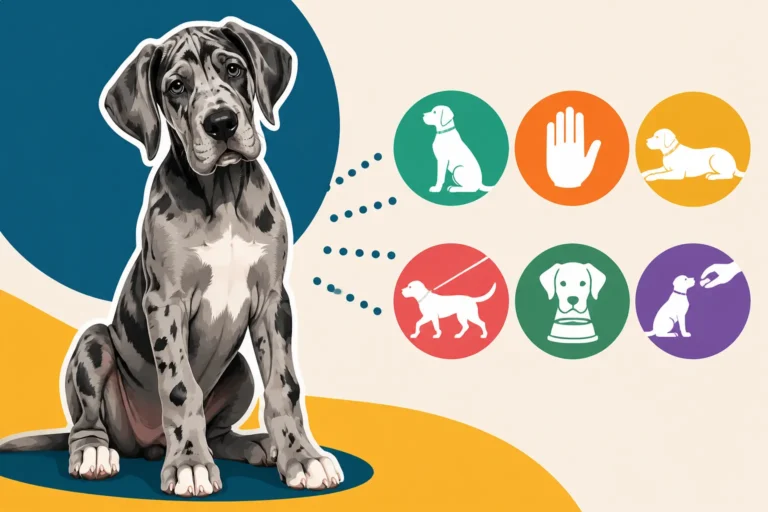
The "sit" command is your absolute best friend when it comes to polite greetings. It's impossible for a dog to jump up if their rear end is firmly on the ground. Teaching a rock-solid "sit" and "stay" in various environments, even with distractions, is paramount. Start in a quiet area, using high-value treats to lure your Great Dane into a sit, then mark and reward. Gradually increase the duration of the sit and the distractions around them. Practice having someone approach while your Dane is in a sit, rewarding them for staying put. The goal is for "sit" to become their default greeting behavior. The Cues a Great Dane Needs Before Six Months are vital for setting up this foundational work early on.
Building a strong "stay" is just as crucial. Once your Great Dane can sit reliably, ask for a "stay" for increasing durations, gradually adding distance and then distractions. The ability to hold a "stay" even when someone walks past or offers attention will be invaluable when managing greetings. Remember to always release your dog from the "stay" with a clear command like "okay" or "free," and reward them for their successful compliance. This positive reinforcement solidifies the behavior.
Early Socialization and Exposure to Different People
A well-socialized Great Dane is generally a more confident and less overwhelmed one, which can translate into calmer greetings. Exposing your Great Dane puppy to a wide variety of people – different ages, sizes, appearances, and gaits – from a young age helps them develop comfort and confidence. Think about inviting friends over, taking them to pet-friendly stores (if appropriate for their age/vaccination status), or just sitting on a park bench and observing people from a distance. The key is to make these interactions positive and controlled, always rewarding calm behavior. If your Great Dane is an adult and missed out on this early exposure, it's never too late to start, though you'll need to go at their pace and ensure all interactions are positive and stress-free.
The goal isn't to force interactions, but to allow your Great Dane to observe and gradually become comfortable with the diverse world around them. For a giant breed, even minor anxieties can be amplified by their size, so a solid foundation of positive experiences is key to preventing them from becoming overly excited or fearful when meeting new individuals. This early exposure helps them learn that new people are generally a source of good things, but only if approached calmly.
Consistent Rules and Household Agreement
This might be the hardest part for many families, but it's absolutely non-negotiable. Every person who lives with or regularly interacts with your Great Dane must agree on the rules for greetings. If even one person allows jumping, it undermines all your hard work. Sit down as a family and decide: "No jumping, ever." "Four paws on the floor always." Then, ensure everyone knows how to enforce this rule – what to do when the dog jumps, and what to do when they greet politely. This unified front helps your Great Dane understand exactly what's expected of them, removing any confusion. This applies to everyone, from children to houseguests.
Creating a visual reminder, perhaps a small chart or a note on the fridge, can also help ensure everyone remembers the protocol. When guests come over, a quick explanation before they interact with your Great Dane can prevent unintentional setbacks. Explaining that it’s for the dog’s safety and training often helps people understand and cooperate. Remember, a Great Dane learns best when the rules are clear, predictable, and consistently applied by everyone.
Practical Techniques to Halt the Jumping Habit
Once you have the foundation in place, it’s time to implement direct strategies to address the jumping behavior head-on. These techniques focus on prevention, redirection, and rewarding the desired behavior.
The "Four on the Floor" Rule: No Exceptions
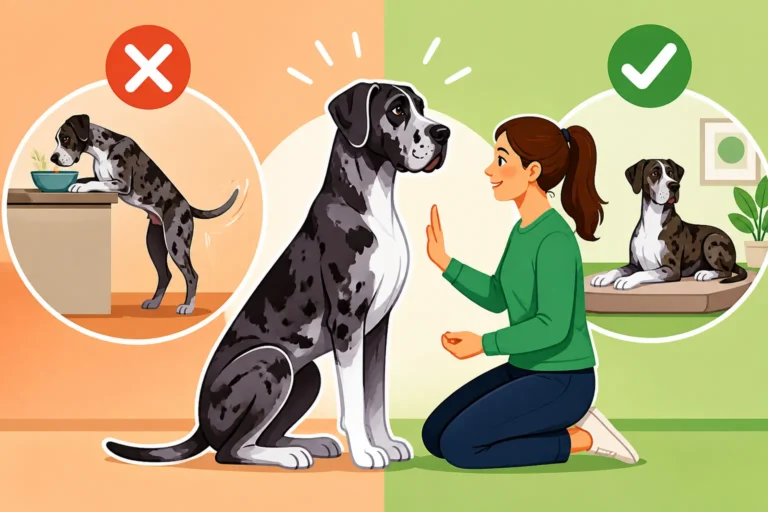
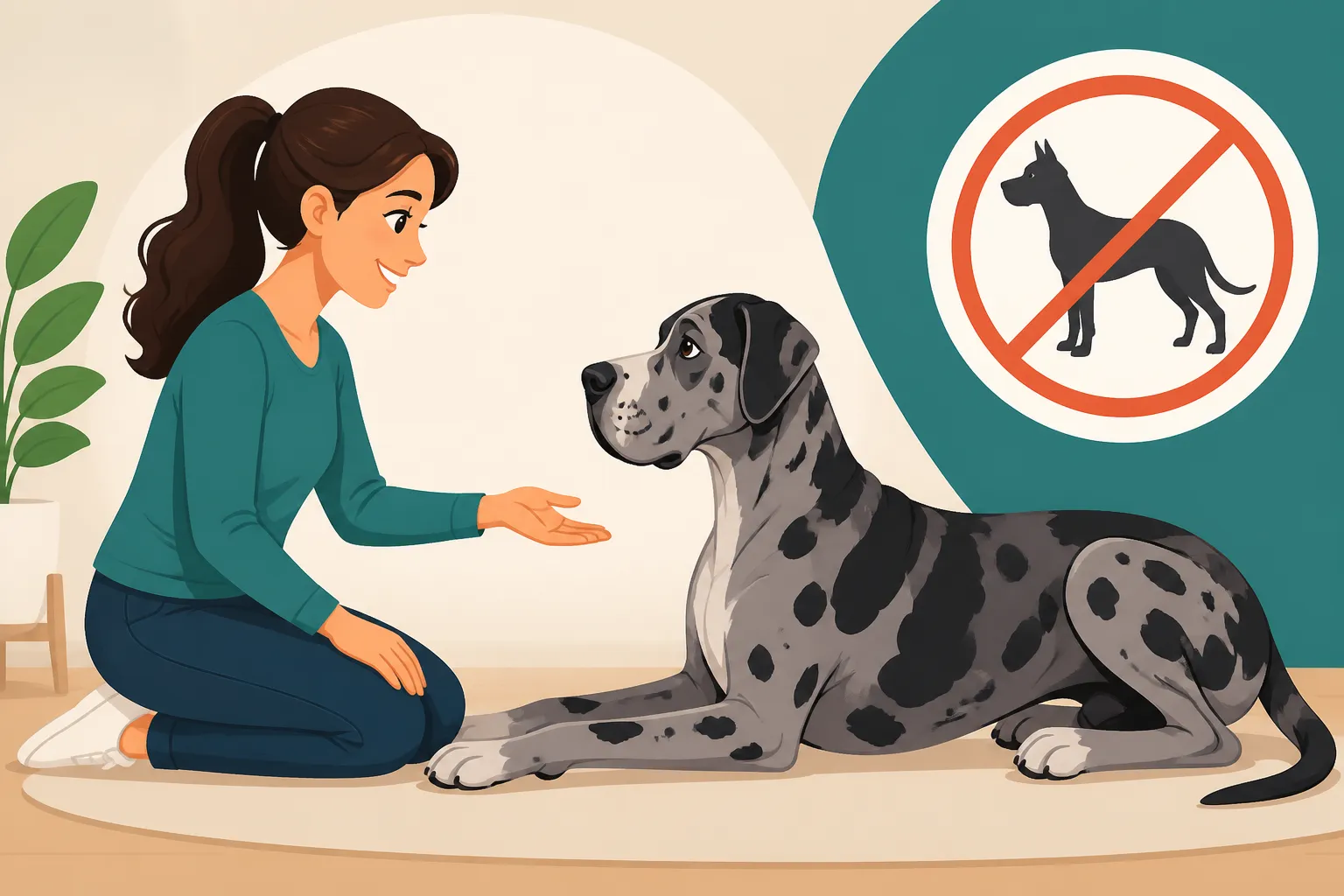
This is the golden rule. Simply put, any time your Great Dane jumps up, all attention (and potential reward) immediately ceases. This means turning your back, walking away, or even leaving the room for a few seconds. The moment all four paws are back on the ground, you can turn, praise them, and offer a calm greeting or a treat. This teaches them that jumping makes the good stuff disappear, while keeping paws on the floor makes it reappear. It's crucial to be quick and consistent with this. Don't engage in any verbal scolding or physical pushing; just become a "boring tree" and disengage. This works equally well for family members entering the home or guests.
The key is timing. You need to disengage the instant the front paws leave the floor. If you wait even a second too long, your Great Dane might associate your turning away with something else, or think they got a quick burst of attention before you left. This method works because Great Danes, like most dogs, crave human attention. By making jumping result in the complete removal of that attention, and calm behavior result in its return, you create a very clear cause-and-effect relationship for them.
Redirecting Energy and Rewarding Calmness
Instead of just telling your Great Dane what not to do, tell them what to do. When you anticipate a jumping situation (e.g., someone coming through the door), have your Dane on a leash, ask for a sit, and reward them heavily for staying in that position as the person enters. You can even have the person toss a treat on the ground near the dog, reinforcing the idea of looking down and staying calm, rather than jumping up. A fantastic tool for this can be a long-lasting chew or a puzzle toy that they can engage with instead of jumping. Think about redirecting their immense enthusiasm into an activity that keeps them grounded. Getting a Great Dane to Greet Without Standing Up is exactly what we're aiming for with these redirections.
Consider using products like Kong toys filled with frozen peanut butter or specific calming treats found on Amazon to occupy their minds and mouths during high-excitement periods. The key is to intervene before the jump happens, or immediately as it begins, to interrupt the pattern. By giving them an appropriate alternative behavior that is highly rewarded, you are essentially replacing the undesired behavior with a desired one. This is far more effective than simply punishing the jump, which doesn't teach them what to do instead.
Using Training Tools Effectively
For a powerful breed like a Great Dane, having the right training tools can make a significant difference. A well-fitted front-clip harness or a head halter can give you much more control during greetings, especially when working on leash. These tools make it physically harder for your Great Dane to pull you off your feet or launch themselves upwards. Brands like Easy Walk or Gentle Leader (available through retailers like Amazon) are often recommended for their effectiveness in managing larger, stronger dogs without causing pain. Remember, these are management tools to aid training, not substitutes for it. They help you reinforce the desired behavior until your Dane learns to offer it voluntarily. Also, ensure your leash is sturdy enough for Leashes Rated for a Great Dane.
When introducing any new training tool, do so gradually and positively, pairing it with treats and praise so your Great Dane associates it with good things. Never use these tools for punishment or harsh corrections, as that can create negative associations and potentially worsen behavior. The goal is to provide gentle guidance and leverage their design to make calm greetings easier for both you and your giant companion.
| Greeting Scenario | Problem Behavior | Recommended Action | Why it Works |
|---|---|---|---|
| Owner Arrives Home | Jumping, barking, pawing | Ignore until four paws are on the floor, then calmly reward a sit. | Teaches that calm behavior gets attention, jumping does not. |
| Guest at the Door | Door dashing, jumping, barking | Leash Dane, ask for "sit," guest enters, rewards sit, toss treat on floor. | Prevents jumping, redirects focus, associates guests with positive, calm experience. |
| Meeting Someone Outdoors | Pulling on leash, jumping | Maintain control with harness/halter, ask for "sit," reward calm engagement. | Tool assistance, reinforcing calm public manners. |
| Greeting Children | Leaning, accidental knocking | Supervise closely, teach "off" command, reward calm "sit" or "down" near child. | Prevents accidental injury, teaches gentle interaction. |
Implementing Consistency and Environmental Management
Training a Great Dane is a marathon, not a sprint. Consistency and proactively managing their environment are crucial components to success, especially with such a large, enthusiastic breed.
Managing High-Excitement Situations
Certain situations inherently create more excitement, which can lead to jumping. Think about the doorbell ringing, friends arriving, or even just seeing you pick up their leash for a walk. In these moments, your Great Dane's impulse control is most likely to falter. This is where management comes in. Consider putting your Great Dane in another room or behind a baby gate (tall enough for them, of course!) when guests first arrive. Let them calm down for a few minutes before bringing them out for a controlled, leashed greeting where you can actively manage their behavior and reward calmness. This sets them up for success rather than failure. For moments like the doorbell, consider training a "go to place" command, sending them to their bed or mat before anyone even opens the door.
Management isn't a failure in training; it's a smart strategy to prevent rehearsing unwanted behaviors. By controlling the environment, you reduce the opportunities for your Great Dane to jump and increase the chances for them to practice the desired calm greeting. Once they are consistently successful in managed scenarios, you can gradually reduce the management, allowing them more freedom as their impulse control improves.
Enlisting Friends and Family as Training Partners
You can't do this alone, nor should you. Your friends and family are invaluable assets in your Great Dane's training journey. Explain your training goals and instruct them on how to interact with your Great Dane when they arrive. Give them treats to reward calm behavior, and ask them to participate in the "four on the floor" rule by turning away if your Dane jumps. The more people who consistently apply the rules, the faster your Great Dane will learn. Think of it as a team effort. You might even have a small script ready for guests: "Please just turn your back if Fido jumps, and only pet him when he's sitting calmly." It helps them understand how they can best support you and your dog.
It's also beneficial to have certain friends or family members act as "decoys" for practice sessions. With your Great Dane on a leash, have them approach, and practice asking for a sit as they come near, rewarding your dog for holding the position. This controlled exposure to various people, all following the same rules, reinforces the desired greeting behavior in a safe and predictable way. Consistent interactions from multiple individuals will make the behavior more ingrained and reliable.
The Role of Sufficient Exercise and Mental Stimulation
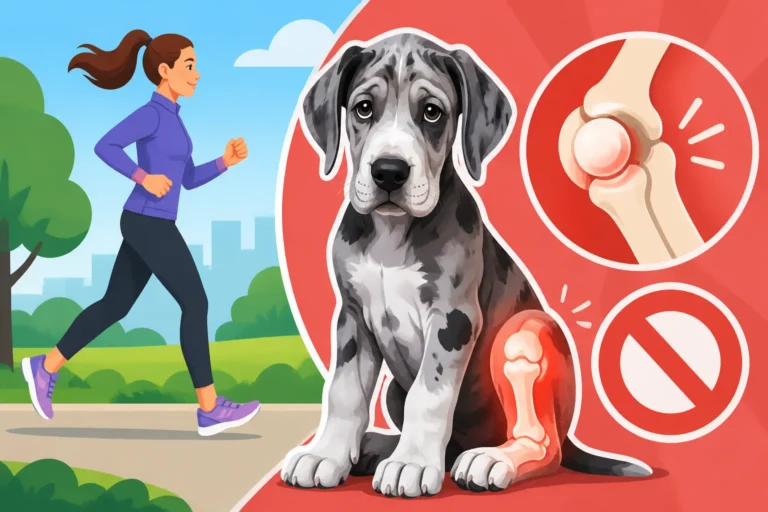
A tired Great Dane is often a well-behaved Great Dane. While you need to be mindful of Exercise Limits While a Great Dane Is Still Growing, ensuring your adult Dane gets adequate physical exercise is key to managing their overall energy levels. A good long walk, some play in the yard, or even a session of fetch before guests arrive can take the edge off their excitement and make them more amenable to calm greetings. Don't forget mental stimulation either! Puzzle toys, training sessions, and scent work can be just as tiring as physical activity. A mentally engaged Dane is less likely to resort to undesirable behaviors out of boredom or pent-up energy.
For a dog of their stature, even moderate exercise can make a significant difference. A couple of brisk walks a day, or even some structured play in a secure yard, can help them burn off excess energy. Mental games, like nose work or teaching new tricks, are equally important. They challenge your Great Dane's mind, which can be just as exhausting as physical exertion, leading to a calmer, more settled dog who is less prone to over-excitement and jumping.
Addressing Specific Jumping Scenarios and Challenges
Great Danes, with their size and sometimes goofy personalities, can present unique challenges when it comes to polite greetings. Let's look at some common tricky situations.
The Doorbell Dilemma: Proactive Training for Arrivals
The doorbell is often a trigger for instant excitement and subsequent jumping. Your Great Dane likely associates that sound with new people, new smells, and all sorts of exciting possibilities. To counter this, you need to desensitize them to the doorbell and create a new association. Start by ringing the doorbell yourself (or having a family member do it) while your Great Dane is in a different room or on a leash, nowhere near the door. As soon as you ring it, immediately reward them for calm behavior. Practice this many times, gradually moving closer to the door, always rewarding calm. You can also teach a "place" command, where your Great Dane goes to a specific mat or bed when the doorbell rings, and stays there until released. This gives them a clear job to do instead of bouncing at the door.
Consistency is key here. Every time the doorbell rings, whether it's a real visitor or just a training exercise, the same protocol must be followed. Over time, your Great Dane will learn that the sound of the doorbell signals it's time to go to their "place" or offer a calm sit, because that's what reliably earns them a reward. This proactive approach turns a chaotic trigger into an opportunity for polite behavior.
Great Danes and Children: Teaching Gentle Greetings
Greeting children can be particularly challenging due to the height difference and a Great Dane's sheer size. Even an accidental bump from a jumping Great Dane can easily knock a child over, leading to fear or injury. The key here is intense supervision and teaching both the dog and the child appropriate interaction. Always teach your Great Dane to greet children from a sit or down position. Children should be taught not to encourage jumping and to only pet the dog when all four paws are on the floor. For younger children, ensure they are seated on the floor or a sofa, making it less tempting for the Great Dane to jump to their height. If your Dane is prone to leaning, which they often are, teach an "off" command. Practice controlled greetings with children, always with an adult supervising. Great Danes With Children and Small Dogs covers this dynamic in more detail.
It's vital to remember that children, especially very young ones, may not understand how to interact appropriately with a large dog. Therefore, constant adult supervision is non-negotiable during initial interactions. Teaching children to stand still and let the dog approach calmly, or to offer a toy rather than their hand, can make a huge difference. The goal is to create positive, safe interactions that build trust and good habits for both the child and your Great Dane.
Overcoming Jumping at Unfamiliar People
Some Great Danes are wonderful with their immediate family but become incredibly enthusiastic (or even a bit overwhelmed) by strangers. This requires patient, gradual exposure and positive reinforcement. If your Great Dane jumps at unfamiliar people, keep them on a leash when new guests arrive. Have the guest completely ignore the dog until it offers a calm behavior, like a sit. Then, and only then, can the guest offer a treat or a gentle scratch under the chin (not over the head, which can be intimidating). This teaches your Dane that calm behavior from them earns positive attention from new people. For some dogs, the sheer volume of new guests can be overwhelming; in these cases, slow introductions, one person at a time, might be necessary. A Great Dane That Jumps on Visitors can be a frustrating experience, but it's entirely manageable.
The process of teaching your Great Dane to greet unfamiliar people calmly often involves setting them up for success through careful introductions. Start with people who understand your training goals and are willing to follow your instructions precisely. As your dog gains confidence and consistent polite greeting habits, you can gradually expand to less predictable scenarios, always being ready to intervene and guide them toward the desired behavior. Remember, every calm greeting is a step forward.
When Professional Guidance Becomes Essential
While many jumping issues can be resolved with consistent training at home, there are times when bringing in a professional can make all the difference, especially with a dog as large and powerful as a Great Dane.
Recognizing When You Need Extra Support
If you've been consistently applying the techniques mentioned above for several weeks or months, and you're still not seeing significant improvement, or if the behavior is escalating (e.g., your Great Dane is knocking people down aggressively rather than just enthusiastically), it's a clear sign that you might need professional help. Another red flag is if the jumping is accompanied by other concerning behaviors, such as growling, resource guarding, or fear-based reactions. These indicate underlying issues that go beyond simple excitement and require the expertise of a certified professional. Don't be shy about reaching out; a good trainer can offer tailored strategies and a fresh perspective.
Sometimes, the sheer size of a Great Dane can make managing an unwanted behavior feel overwhelming, even if you know the theoretical solution. A professional can provide hands-on guidance, help you refine your technique, and offer solutions you might not have considered. They can also identify subtle body language cues you might be missing, helping you understand your Great Dane's motivations more deeply.
Finding a Qualified Trainer for Your Great Dane
Not all dog trainers are created equal, and it's particularly important to find one who is experienced with giant breeds like Great Danes. Look for trainers who use positive reinforcement methods and have a solid understanding of canine behavior. Ask about their experience with large dogs and their approach to issues like jumping. Certifications from organizations like the Certification Council for Professional Dog Trainers (CCPDT) or the Karen Pryor Academy (KPA) are good indicators of a trainer's qualifications. A trainer should be willing to come to your home for consultations, as much of the problem behavior occurs in your everyday environment. They can observe your Great Dane in action and provide immediate, personalized feedback. BAXTER & Bella, for instance, offers online training programs that could be a great resource for foundational work and specific behavioral challenges, allowing you to learn from experts in your own home environment. Finding a Trainer Comfortable With a Great Dane is crucial here.
When vetting potential trainers, don't hesitate to ask for references or observe a session in progress. A good trainer will be transparent about their methods and eager to demonstrate their expertise. They should also focus on teaching you how to work with your Great Dane, empowering you to continue the training long after their sessions are complete. Their ultimate goal should be to foster a stronger, clearer communication channel between you and your dog.
Long-Term Management and Continued Learning
Even after your Great Dane has learned to greet politely, the work isn't entirely over. Behavior is fluid, and without continued reinforcement, old habits can sometimes creep back in. Regularly practice your calm greeting routines, especially in new environments or with new people. Continue to engage in mental and physical exercise to keep your Great Dane happy and well-adjusted. Consider advanced obedience classes or canine sports once your Dane is physically mature, not just for fun but to continue building their focus and impulse control. The journey with a Great Dane is always one of learning and adaptation, and investing in their ongoing training will benefit both of you for their entire (albeit short) The Seven to Ten Year Great Dane Lifespan.
Think of it as maintaining a skill. Just like humans need to practice to stay proficient, your Great Dane benefits from regular reinforcement of good manners. This long-term commitment ensures that their polite greeting habits become second nature, making every interaction a joy rather than a challenge. Continuing to learn and grow with your Great Dane strengthens your bond and makes life together more harmonious.
Disclaimer
This article is for general informational purposes only and does not constitute professional advice. Laws, prices and regulations vary by location and change over time. Consult a qualified professional for guidance on your specific situation.