The Cues a Great Dane Needs Before Six Months
Many new Great Dane owners are quickly overwhelmed by how fast their adorable puppy transforms into a colossal canine. The sweet little fluffball that fit on your lap at eight weeks soon becomes a gangly, powerful adolescent who can unintentionally knock over furniture, small children, or even you if they haven't learned basic manners. This guide is all about setting you and your gentle giant up for success by focusing on the crucial cues your Great Dane needs to master before they hit that six-month mark, ensuring they grow into a well-mannered, cherished family member.
Why Early Training is Non-Negotiable for Great Danes
It's easy to get lost in the sheer adorableness of a Great Dane puppy. They're clumsy, full of beans, and incredibly affectionate. But their size isn't just a charming quirk; it's a fundamental aspect of their being that dictates the urgency and importance of early training. You simply cannot wait until your Dane is a year old to start teaching them manners, because by then, what was once a minor annoyance has become a serious safety concern for everyone involved.
The Rapid Growth Reality
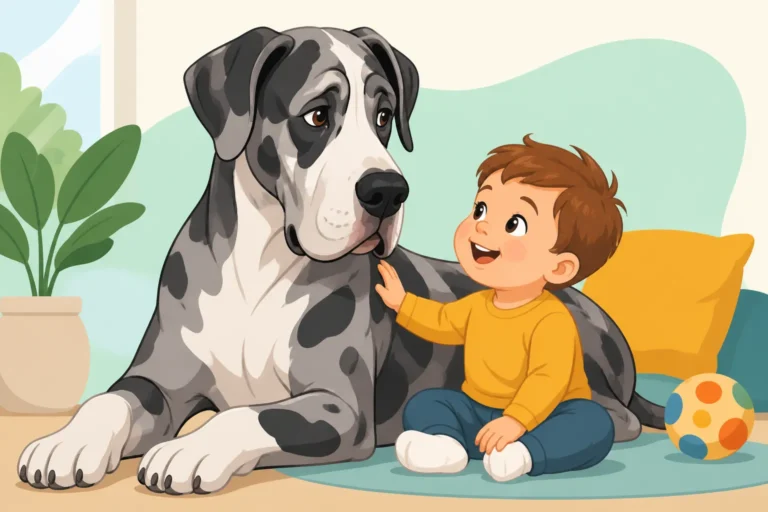
One of the most defining characteristics of a Great Dane is their incredibly rapid growth rate. A puppy that weighs 20 pounds at two months old can easily be 80-100 pounds by six months, and still have a lot of growing to do. This isn't just about weight; it's about sheer physical presence. Their paws seem enormous, their tails become whips of pure joy, and their heads reach counter height with surprising speed. This growth spurt means that behaviors that might be cute or tolerable in a tiny puppy become problematic, or even dangerous, in a giant adolescent.
Imagine a little Golden Retriever puppy jumping up to greet you; it's a minor inconvenience. Now picture a six-month-old Great Dane, weighing nearly as much as an adult human, doing the same thing. That's a recipe for bruised shins, spilled drinks, and potentially knocking someone completely off their feet. This rapid physical change means we have a very small window to instill foundational behaviors before the puppy's size and strength make those behaviors incredibly challenging to manage. Ignoring this reality is setting both you and your future adult Dane up for frustration and potential rehoming scenarios down the line, which is a tragedy no one wants. Why Great Dane Training Cannot Wait speaks volumes about this urgency.
Safety and Manageability Concerns
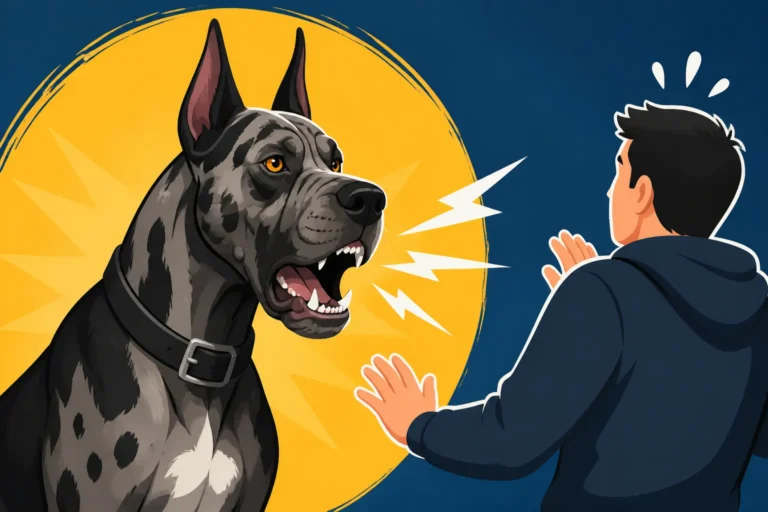
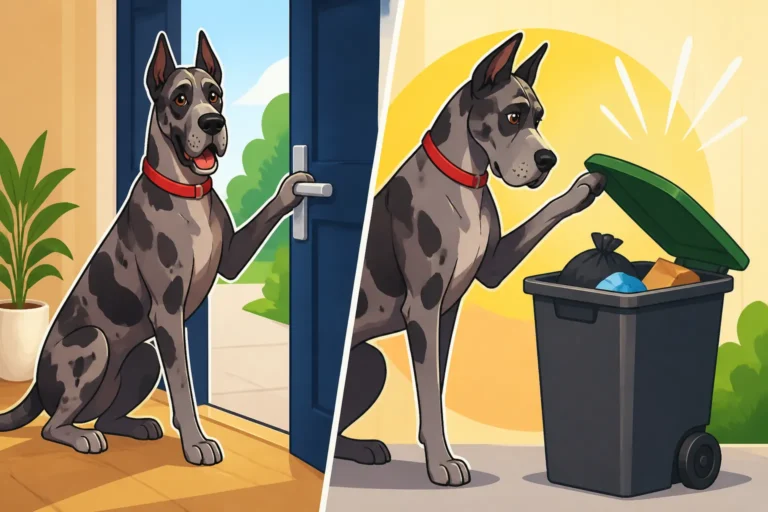
The sheer scale of a Great Dane means that even unintentional actions can have significant consequences. A Dane that hasn't learned to walk politely on a leash can drag you down the street, especially if they catch sight of a squirrel or another dog. A dog that counter-surfs can easily clear off your entire dinner table, not just a stray crumb. More seriously, a Dane that hasn't learned basic impulse control might run into traffic, jump on an elderly visitor, or accidentally injure a child during enthusiastic play.
This isn't to say Great Danes are inherently dangerous; quite the opposite, they are renowned for their gentle nature. However, their size amplifies any lack of training. The stakes are simply higher. Investing in early training isn't just about having a well-behaved pet; it's about ensuring public safety, your own safety, and the well-being of your dog. A well-trained Great Dane is a joy to take out in public, a calm presence at home, and a dog who understands boundaries, which makes their life infinitely less stressful too.
Building a Foundation for a Lifetime
The cues you teach your Great Dane before six months aren't just for immediate manageability; they lay the groundwork for all future training and for their role as a confident, well-adjusted adult dog. Think of it as building the foundation of a house. If the foundation is shaky, the whole structure will be compromised later on. These early lessons instill a sense of trust and communication between you and your puppy. They learn that listening to you leads to good things, and you learn how to effectively communicate with them.
This foundation includes not just specific commands but also socialization, confidence-building, and establishing consistent routines. A puppy that learns early to engage with you, to respect boundaries, and to respond reliably, will navigate adolescence and adulthood with far greater ease. It’s about creating a language you both understand, making every future interaction smoother and more enjoyable. It means that when you need them to learn something new at two years old, they already have the framework for learning.
The Foundational Cues Your Great Dane Needs by Six Months
Before your Great Dane reaches that gangly, powerhouse adolescent phase, there are several absolute must-have cues that need to be firmly in place. These aren't just "nice-to-haves"; they are critical for daily living and for ensuring your giant companion is a pleasure, not a challenge, to have around.
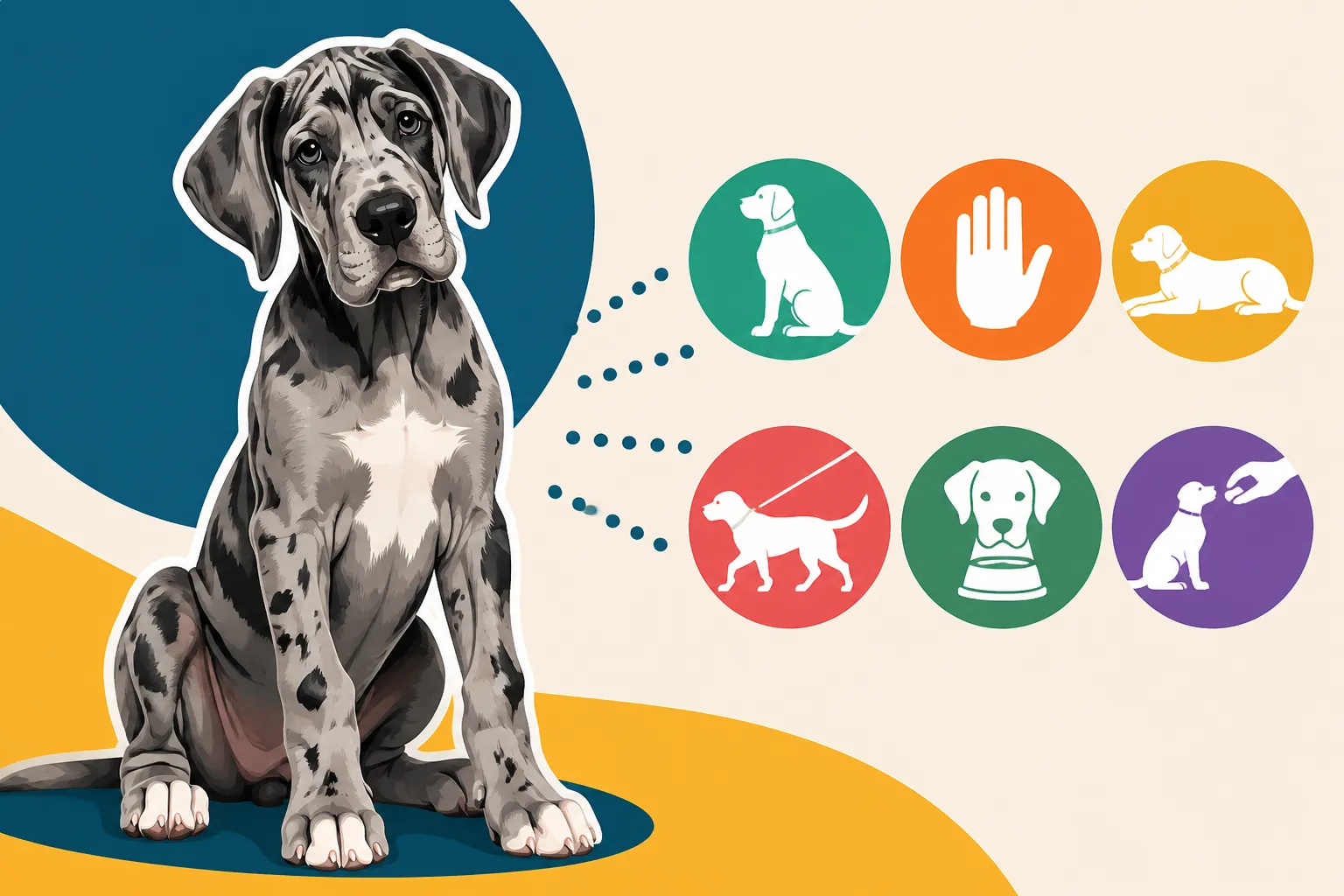
Foundation Cues: Sit, Stay, Come, Down
These four cues are the bedrock of any well-behaved dog's repertoire, and for a Great Dane, they're essential safety nets and politeness tools.
- Sit: Teaching a Great Dane to sit is more than just a party trick; it's an impulse control exercise. When your Dane learns to sit reliably, you can ask them to do so instead of jumping on guests, rushing out the door, or mugging you for treats. Start by luring them into a sit with a high-value treat, marking the moment their rear hits the ground with a cheerful "yes!" or a clicker, and rewarding them immediately. Practice in short, fun sessions throughout the day. It’s much easier to teach Teaching a Great Dane to Sit Before It Weighs Eighty Pounds than after.
When a visitor comes to the door, instead of a bounding, potentially overwhelming greeting, you can calmly ask your Dane to "Sit." This provides a polite alternative behavior and gives you control of the interaction. It also helps them learn that calm behavior gets attention, rather than boisterous antics. Consistency is key here; every time you want them to settle, ask for a sit. - Stay: Once your Dane knows how to sit, adding a "Stay" cue introduces duration and distance. This is incredibly valuable for preventing them from dashing out an open gate, holding position while you answer the door, or simply waiting patiently while you prepare their food. Begin with very short durations and no distance, gradually increasing both as they succeed. Release them with a cheerful "Okay!" and a reward.
Imagine you're bringing in groceries. If your Dane knows "Stay," you can ask them to remain in the kitchen doorway while you bring bags in, rather than trying to navigate around 120 pounds of enthusiastic fur. This prevents accidental escapes or getting underfoot. It takes patience, but the payoff in convenience and safety is immense. - Come (Recall): This is arguably the most critical safety cue. A reliable "Come" means you can call your Great Dane away from potential dangers – a busy street, a fight with another dog, or something dangerous they shouldn't eat. Practice "Come" in a low-distraction environment first, making it a super fun, rewarding experience. Use enthusiastic praise and the absolute best treats or a favorite toy when they return to you. Never scold them for taking their time to come; always make coming back to you the best choice.
A strong recall can literally be a life-saver. Picture your young Dane spotting a rabbit across a park and taking off. A solid "Come" could mean the difference between a minor incident and a tragic accident. Every time they respond, even if slowly, reward them lavishly. This builds a positive association that will be crucial as they gain more independence and confidence. - Down: The "Down" cue is another excellent impulse control behavior, often more calming than a "Sit." It’s also useful for settling in public places, during vet visits, or when you need your Dane to be completely out of the way. Lure them into a down from a sit position, again marking and rewarding immediately. As with "Stay," gradually increase duration and distance.
If you're at a friend's house or a dog-friendly cafe, asking your Great Dane to "Down" and "Stay" allows them to relax calmly at your feet, making them a more welcome guest. It’s also useful for grooming or vet exams, as it puts them in a cooperative, submissive position, making the process easier for everyone involved.
| Cue | Why it's Essential by 6 Months | How it Helps Daily Life |
|---|---|---|
| Sit | Impulse control, polite greetings | Prevents jumping, waiting for food/doors |
| Stay | Teaches patience, prevents bolting | Holding position while you open doors, unload car |
| Come (Recall) | Critical safety, off-leash control | Calling away from danger, ensuring return in open spaces |
| Down | Calming, out-of-the-way behavior | Settling in public, during vet visits, grooming |
| Loose Leash | Manageability on walks | Enjoyable walks without pulling, less risk of injury |
| Name Recognition | Attention, foundation for all cues | Getting focus in distractions, quick redirection |
| Leave It | Safety, respect for property | Preventing ingestion of harmful items, counter-surfing |
Leash Manners and Loose-Leash Walking
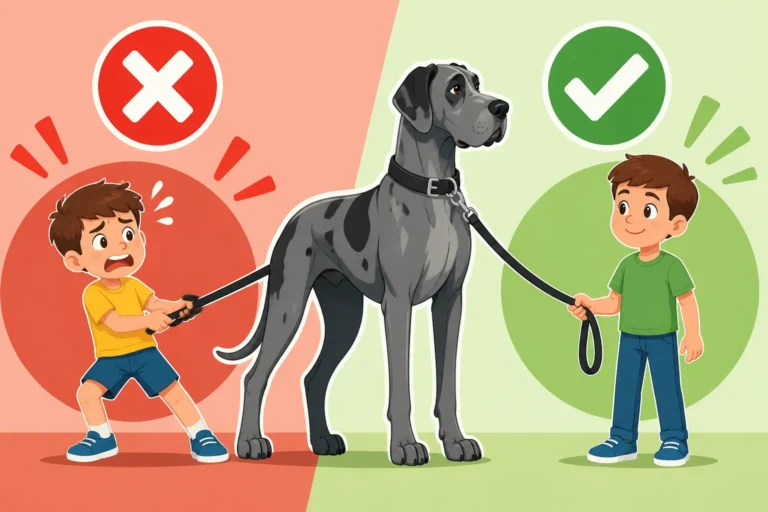
A Great Dane on a leash that pulls is not just annoying; it's a significant physical challenge. Even the strongest handler can struggle with a full-grown Dane pulling with all their might. Teaching Getting a Great Dane to Walk on a Loose Leash before they develop bad habits and gain full adult strength is paramount. Start early, making walks pleasant and rewarding any slack in the leash. Use a comfortable, well-fitting harness that discourages pulling, perhaps a front-clip harness, as these can be a game-changer for control.
Practice in a quiet area, rewarding every step your puppy takes with a loose leash. If they pull, simply stop moving until the leash goes slack, then resume walking. This teaches them that pulling gets them nowhere. Incorporate changes in direction and pace to keep them engaged. A Great Dane should be a joy to walk, not a workout that leaves you sore and frustrated. Investing in quality equipment from a retailer like Amazon that offers various Harnesses and Collars That Control a Great Dane is a wise decision.
Name Recognition and Attention
Your Great Dane puppy needs to understand that when you say their name, it means "look at me, something good is about to happen." This isn't a trick; it's the gateway to all other communication. If you can't get their attention, you can't give them a cue, or redirect them from an undesirable behavior.
Start in a quiet environment. Say their name, and the instant they orient towards you, mark it with "yes!" and give them a high-value treat. Repeat this many times a day in various locations, gradually adding mild distractions. Make their name a positive signal, never using it to scold. This builds a strong association that their name is an invitation for connection and reward, which is vital for quick responses in distracting environments.
Socialization: More Than Just Playtime
True socialization for a Great Dane puppy isn't just about letting them run wild with other dogs at the dog park. It's about carefully curated, positive exposures to a wide variety of sights, sounds, people, and experiences during their critical developmental window. This period, roughly up to 16 weeks, is when they form their understanding of the world. For a Great Dane, who will grow to be imposing in size, positive socialization is the key to raising a confident, calm, and friendly adult. Getting a Great Dane Puppy Out Before It Is Huge is a critical step in this process.
Exposure to Diverse Environments
Your puppy needs to experience the world in a controlled and positive way. This means taking them to different places: a bustling town square (from a distance at first), a quiet park bench, the pet store (after all vaccinations are complete), a friend's house, or even just sitting in your car watching the world go by. The goal is to expose them to various noises (traffic, sirens, children playing), sights (people of different ages, uniforms, umbrellas, bikes), and smells without overwhelming them. Each experience should be paired with treats and praise, building positive associations.
Think of it as building a mental library of "normal" things. A Great Dane who is well-socialized to the sound of a vacuum cleaner, a crying baby, or someone wearing a hat is far less likely to react fearfully or aggressively as an adult. Remember to keep these exposures short and sweet, ending before your puppy gets stressed. Look for signs of stress like lip licking, yawning, or turning their head away, and remove them if they appear overwhelmed.
Controlled Interactions with People and Other Dogs
While exciting, puppy playdates need to be managed. Your Great Dane puppy needs positive interactions with a variety of calm, vaccinated adult dogs who have good manners. This teaches them appropriate play styles and canine communication. Avoid dog parks or uncontrolled group play until your puppy is older and has solid recall and social skills, as negative experiences can be lasting and detrimental.
Equally important are interactions with people. Your puppy should meet people of all ages, sizes, and appearances. This includes children, men with deep voices, people wearing hats or glasses, and those using mobility aids. Always supervise these interactions closely, ensuring they are positive and gentle. Teach people how to appropriately greet your puppy (no reaching over the head, approach slowly, offer a hand to sniff), and reward your puppy for calm greetings, helping to prevent the dreaded "Great Dane jump-hug" as they grow.
Handling and Cooperative Care
As a Great Dane owner, you'll be handling your dog a lot: nail trims, ear cleaning, brushing, vet visits, and simply guiding them around. Getting your puppy accustomed to being handled from a young age makes these experiences much less stressful for both of you. This is where Getting a Great Dane Puppy Used to Handling comes in. Gently touch their paws, ears, tail, and mouth regularly, pairing each touch with a delicious treat. Make it a game, not a chore.
Practice holding their paws, touching their nails with clippers (without actually clipping at first), lifting their lips to inspect their teeth, and gently tugging on their ears. This desensitization process is invaluable. Imagine trying to trim the nails of a 150-pound adult Dane who hates having their paws touched – it’s a battle you don’t want to fight. Starting early ensures your Great Dane views handling as a normal, even pleasant, part of life, rather than something to be feared or resisted.
Effective Strategies and Resources for Great Dane Puppy Training
Training a Great Dane puppy, given their size and unique development, requires a slightly different approach than training a smaller dog. It's about consistency, patience, and using the right tools and support systems.
Positive Reinforcement and High-Value Treats
Positive reinforcement is not just the kindest way to train; it's also the most effective, especially for sensitive breeds like Great Danes. They thrive on praise, attention, and especially, delicious rewards. When your puppy performs a desired action, immediately mark the behavior with a verbal cue like "Yes!" or a clicker, and then provide a high-value treat. High-value treats are those extra special snacks your dog rarely gets, like small pieces of cooked chicken, cheese, or hot dogs. These make Treats a Great Dane Will Work For incredibly motivating.
Avoid punishment-based training methods, as these can easily damage the sensitive psyche of a Great Dane, leading to fear, anxiety, or aggression. Remember, they are often known as "gentle giants," and harsh corrections can break their trust and stifle their willingness to learn. Keep training sessions short, fun, and frequent throughout the day. Celebrate every small success, and don't be afraid to shower them with verbal praise and gentle pets.
Appropriate Training Equipment
Choosing the right equipment is crucial for managing a growing Great Dane. For leash training, a standard flat collar is generally fine for puppies, but as they grow, you'll want to consider a front-clip harness. These harnesses clip at the chest, redirecting your dog's momentum back towards you if they pull, giving you much more control without causing discomfort to their throat or neck. They are a valuable tool in teaching Getting a Great Dane to Walk on a Loose Leash.
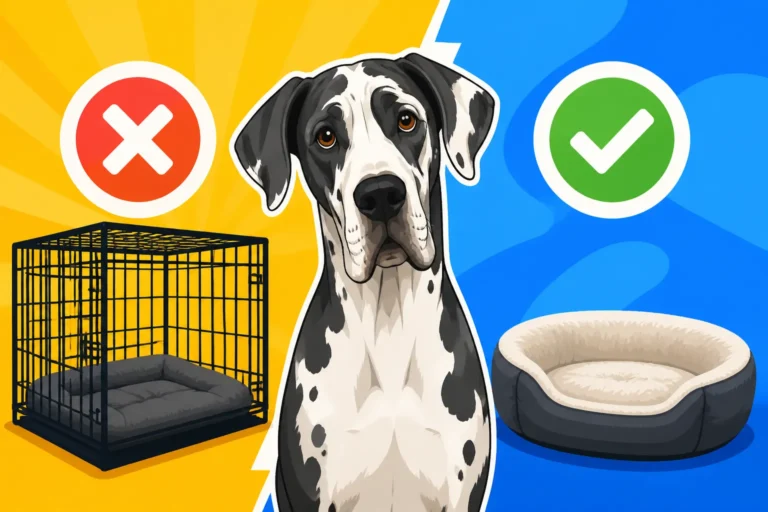
For indoor management, a large, comfortable crate is indispensable for house training and providing a safe den. Ensure it's appropriately sized, allowing them to stand, turn around, and lie down comfortably. You'll also need extra-large bowls for food and water. When selecting toys, always choose durable, size-appropriate options to prevent choking hazards. A quick search on Amazon will show you a huge variety of options, but always double-check reviews for durability specific to large breeds.
Professional Guidance and Online Resources
Even experienced dog owners can benefit from professional guidance when raising a Great Dane. Puppy classes are fantastic for structured socialization and learning foundational cues in a distracting environment. Look for trainers who have experience with giant breeds and use positive reinforcement methods. A good trainer can provide personalized advice and help troubleshoot any specific challenges you might encounter. This also answers the question of What a Great Dane Puppy Course Runs.
If in-person classes aren't feasible, online resources can be incredibly helpful. Platforms like BAXTER & Bella offer comprehensive online puppy training programs with live support, video tutorials, and step-by-step guides that you can follow at your own pace. These resources can be especially valuable for busy families or those living in areas with limited access to local trainers. Remember to vet any online program or trainer to ensure their philosophy aligns with positive, force-free training methods.
Disclaimer
This article is for general informational purposes only and does not constitute professional advice. Laws, prices and regulations vary by location and change over time. Consult a qualified professional for guidance on your specific situation.