Why a Great Dane Puppy Should Not Jog
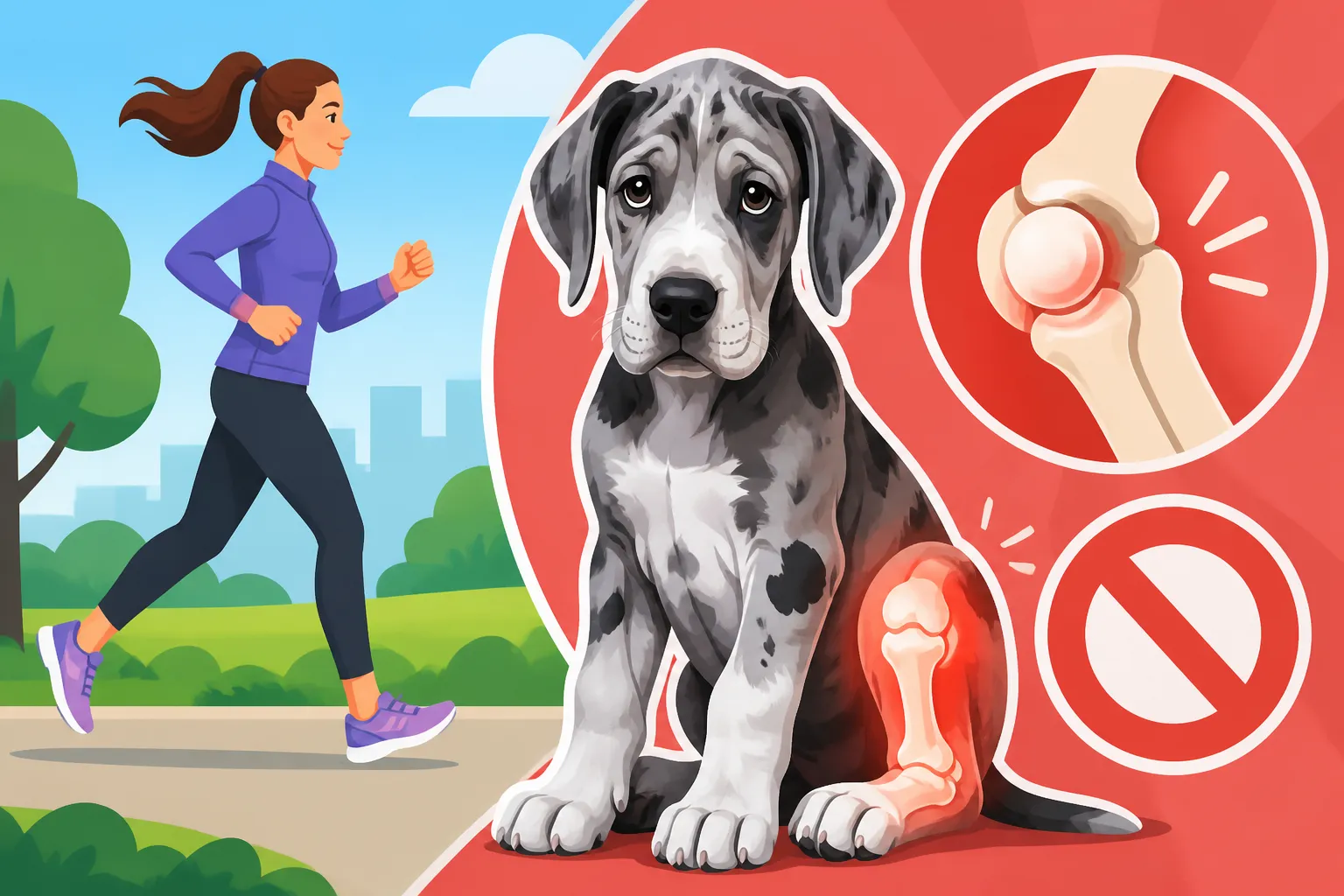
It's a common misconception, especially with such a rapidly growing and energetic breed, that a Great Dane puppy needs intense, sustained exercise to "tire them out." Many new Great Dane owners, seeing their lanky, goofy pups with boundless energy, instinctively want to take them jogging or on long, forced runs. However, pushing a young Great Dane into high-impact activities like jogging can have devastating and irreversible consequences for their rapidly developing bones and joints. This guide will delve deep into why these early exercise choices are so critical, what risks they pose, and how you can safely and effectively exercise your Great Dane puppy without jeopardizing their long-term health and mobility.
The Unique Growth Trajectory of a Great Dane Puppy
Great Danes are truly magnificent creatures, but their sheer size comes with a unique set of developmental challenges. Unlike smaller breeds that reach maturity relatively quickly, a Great Dane puppy's growth is an extended, complex process, and understanding it is paramount to their well-being.
Rapid Growth and Delicate Bones
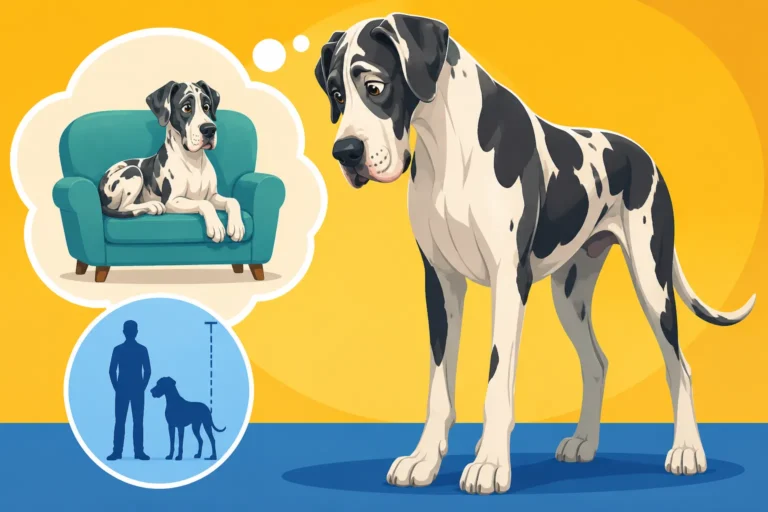
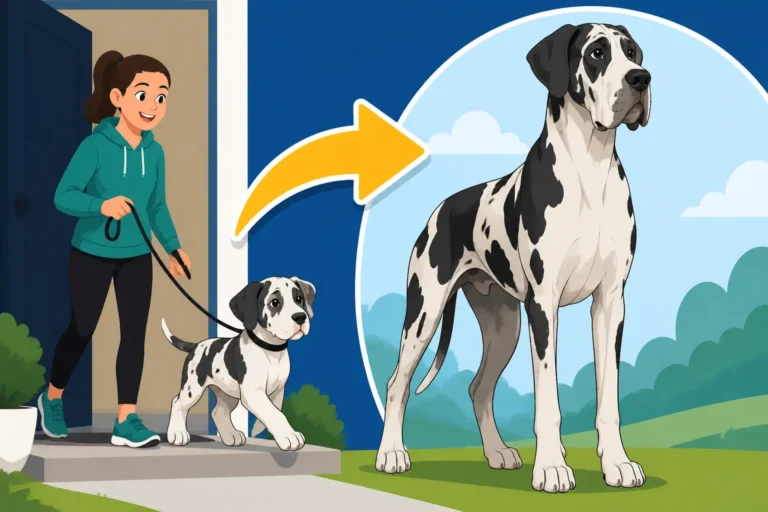
Think about it: a Great Dane puppy can weigh as much as 100 pounds by six months old, and sometimes even more! They go from a tiny bundle of fluff to a small pony in what feels like the blink of an eye. This incredible rate of growth is precisely why caution is so necessary. Their bones and joints are literally expanding at an astonishing pace. While they might look sturdy and powerful, their internal structure is still remarkably delicate and unfinished. The bone tissue itself is softer and more pliable than an adult dog's, making it highly susceptible to damage from repetitive stress or impact. It’s like building a skyscraper rapidly; the framework might be in place, but the concrete is still wet, and you wouldn't subject it to an earthquake.
This rapid development means that the supportive structures – ligaments, tendons, and cartilage – are also still maturing. They haven't yet achieved the strength and elasticity needed to absorb the shock and strain of activities like jogging on hard surfaces or jumping repeatedly. Imagine putting a toddler on a treadmill for an hour; their bodies simply aren't designed for it, and a Great Dane puppy’s body, despite its size, is similarly unprepared for adult-level exertion. Their bodies are focusing all their energy on growing, and adding undue stress only diverts resources and, more importantly, can cause direct physical harm.
Growth Plates: The Vulnerable Zones
The key to understanding why intense exercise is so dangerous for a Great Dane puppy lies in something called growth plates. These are areas of soft, rapidly dividing cartilage located near the ends of long bones in puppies and adolescents. They're basically "zones of growth" responsible for bone lengthening. In a Great Dane, these plates remain open and active for a much longer period than in smaller breeds, often not fully closing or "fusing" until they are 18 to 24 months old, or even older for some males.
While these growth plates are open, they are the weakest points of the bone. They are far more vulnerable to injury than the surrounding bone, ligaments, or tendons. Any significant impact, twisting motion, or repetitive pounding, such as that experienced during sustained jogging, can cause damage to these delicate structures. A seemingly innocuous stumble or a too-long run could result in a microfracture or even a complete separation of the growth plate. Once damaged, a growth plate might close prematurely or unevenly, leading to bone deformities, limb length discrepancies, and a lifetime of lameness or arthritis. It’s a permanent injury that can affect their entire future mobility. Preventing this type of injury is absolutely critical, and understanding Growth Disorders in a Great Dane Puppy is a huge part of being a responsible owner.
The Risks of High-Impact Exercise for Young Danes
When we talk about high-impact exercise, we're referring to activities that put significant, repetitive stress on a dog's joints and bones. For a growing Great Dane, this category includes activities like long-distance running, intense agility work, jumping from heights, or sustained jogging on pavement. The consequences of such activities can be severe and lifelong.
Orthopedic Issues: More Than Just Soreness
Over-exercising a Great Dane puppy doesn't just lead to temporary muscle soreness; it can directly contribute to serious orthopedic conditions that require extensive veterinary intervention and can dramatically impact their quality of life.
One common issue is Osteochondritis Dissecans (OCD), a condition where cartilage in the joint doesn't properly develop, leading to flaps of cartilage detaching and causing pain, inflammation, and lameness. Elbows and shoulders are particularly susceptible. Another concern is Panosteitis, often called "growing pains," which manifests as shifting lameness in the long bones. While often self-limiting, excessive exercise can exacerbate the pain and prolong the episodes, making your puppy miserable.
Perhaps the most well-known issues are hip and elbow dysplasia. These are complex genetic conditions, but environmental factors, especially rapid growth and inappropriate exercise, can significantly influence their severity and onset. Forcing a puppy's still-forming joints into repetitive, stressful motions can worsen any underlying predisposition, turning a mild case into a debilitating one. Imagine the ball and socket of a hip joint, still shallow and not fully formed, being ground together with every stride of a forced run. It's a recipe for long-term problems. Ignoring the importance of Great Dane Hips, Elbows and Growing Joints in their early life can lead to heartache down the road. These conditions aren't just uncomfortable; they can mean a life of chronic pain, expensive medications, and potentially invasive surgeries.
Long-Term Consequences and Early Arthritis
The damage done in puppyhood doesn't just disappear. Injuries to growth plates or developing joints can lead to irreversible structural changes. Even if the immediate pain subsides, the groundwork for early-onset arthritis is often laid. Arthritis in a giant breed is a particularly tough battle, as their sheer size places immense strain on already compromised joints. A dog that might have otherwise had a good six or seven active years could find itself struggling with mobility, pain, and a significantly reduced quality of life by the time it's only three or four years old.
Imagine a beautiful, majestic Great Dane, who by mid-life, can barely get up from a lying position without assistance, or whose walks are severely limited by constant discomfort. This is the heartbreaking reality for owners who, often unknowingly, pushed their puppies too hard during their critical developmental stages. It's not just about physical pain; it's about the emotional toll on both the dog and the owner, witnessing their beloved companion suffer unnecessarily. The goal is always to maximize their comfort and activity levels throughout their entire, albeit often too short, lifespan. Understanding Caring for a Great Dane Past Six starts by making good choices when they are puppies.
Understanding Appropriate Exercise for Great Dane Puppies
So, if jogging is out, what is appropriate exercise for a Great Dane puppy? The key is to think "controlled," "short," "frequent," and "self-directed." It’s about building a foundation of strength and coordination without putting undue stress on their developing bodies.
Controlled Activity is Key
"Controlled activity" means you, as the owner, are dictating the intensity, duration, and type of exercise to ensure it's safe for your puppy's age and stage of development. This is vastly different from letting them run wild for hours or taking them on a human-paced jog. For a Great Dane puppy, controlled activity often looks like short, supervised walks on varied, soft surfaces.
Think about a fifteen-minute stroll around the block on a leash, allowing them to sniff and explore. This provides mental stimulation, helps with leash training, and offers gentle physical activity without repetitive impact. Grass, dirt paths, or sand are far kinder to their joints than concrete or asphalt. The idea is to let them stretch their legs, engage their minds, and build stamina gradually, rather than pushing their physical limits. As they get a bit older, you might introduce a slightly longer walk, but always keeping it moderate. We're talking about a gentle pace that allows them to investigate their surroundings, not a brisk power walk. Remember, the goal is to enhance their health, not put them at risk.
| Age of Puppy | Recommended Exercise Type | Duration/Frequency | Key Considerations |
|---|---|---|---|
| 8-12 Weeks | Supervised free play, short sniff walks | 5-10 min, 3-4 times/day | Soft surfaces, avoid stairs, focus on potty training |
| 3-6 Months | Leashed walks, continued free play | 10-20 min, 2-3 times/day | Gradual increase, listen to puppy's cues, no forced runs |
| 6-12 Months | Moderate walks, gentle play with other dogs | 20-30 min, 2 times/day | Avoid high jumps, sudden stops, or long-distance running |
| 12-18 Months | Longer walks, introduction to varied terrain | 30-45 min, 1-2 times/day | Monitor for lameness, still no forced jogging |
| 18-24 Months | Gradually increasing intensity, careful monitoring | 45-60+ min, 1-2 times/day | Consult vet for growth plate closure confirmation |
Note: This table provides general guidelines. Always consult your veterinarian for a personalized exercise plan based on your individual Great Dane puppy's health and development.
The Importance of Free Play vs. Forced Exercise
This distinction is crucial. Free play is when your puppy dictates the pace and intensity of their activity. They run, they stop, they sniff, they roll around, they chase a toy for a bit, then flop down for a rest. This type of self-regulated exercise allows their body to develop naturally, strengthening muscles and improving coordination without excessive strain. It’s what puppies are naturally programmed to do. A fenced yard (secure enough for a Great Dane, of course!) or a safe, open park space where they can romp around at their leisure is ideal for this.
Forced exercise, on the other hand, is when you impose a steady, often intense, level of activity on your puppy for an extended period, like jogging beside your bike or taking them on a long, non-stop run. They don't get to choose when to rest, when to slow down, or when a particular movement is causing discomfort. This is where the danger lies. Their developing bodies simply aren't equipped to handle that kind of sustained, non-stop impact. You want to nurture their natural exuberance, not push it past its safe limits. Engaging a Great Dane puppy in appropriate play, perhaps with a sturdy, oversized chew toy found on Amazon, is a much better alternative. Remember, the key is self-moderation from the puppy, not human-imposed endurance. This principle is fundamental to understanding Why Fast Growth Wrecks Great Dane Joints.
How to Safely Exercise a Growing Great Dane
Crafting an appropriate exercise routine for a Great Dane puppy means being mindful of their growth, listening to their body language, and gradually increasing activity as they mature. It’s a marathon, not a sprint, when it comes to their physical development.
Walking Guidelines and Milestones
When your Great Dane is a tiny pup, say, 8 to 12 weeks old, walks should be incredibly short and purely for potty breaks and a bit of mental stimulation. Think 5-10 minutes, a few times a day, mostly on soft ground. As they approach 3-6 months, you can gradually extend these to 15-20 minutes, two or three times a day. Again, the emphasis is on a leisurely sniff-and-explore pace, not a forced march. Avoid concrete whenever possible.
Around 6-12 months, you might be able to manage 20-30 minute walks, perhaps twice a day. This is still not the time for long hikes or jogging. Their bones are still growing, and their growth plates are likely still open. It's during this phase that many owners feel their Dane is "grown" because of their height, but they are far from physically mature. Patience is your best friend here.
It's generally recommended that truly high-impact, sustained activities like jogging or long-distance running are postponed until your Great Dane is at least 18-24 months old, and ideally, after a veterinarian has confirmed that their growth plates have completely closed. Even then, introduce these activities very, very gradually. Think about The Age a Great Dane Can Start Running as a critical developmental milestone, not just a measure of physical size.
Alternative Low-Impact Activities
Thankfully, there are plenty of wonderful ways to keep your Great Dane puppy entertained and exercised without putting their joints at risk. These activities focus on mental stimulation, gentle muscle building, and fun!
- Swimming: This is an excellent low-impact exercise once your puppy is comfortable and safe in the water. It builds muscle and stamina without any stress on their joints. Always supervise closely and ensure they have a way to easily exit the water. Some Great Danes are natural swimmers, others need more encouragement, but it's a fantastic full-body workout.
- Sniff Walks: These are short walks where the primary goal is mental engagement. Let your puppy lead, allowing them to stop and sniff everything they're interested in. The mental stimulation of processing new scents is incredibly tiring for a dog, often more so than physical exertion, and it’s completely low-impact.
- Puzzle Toys and Training Games: Engaging your Great Dane puppy's brain is just as important as exercising their body. Food puzzle toys, like those found on Amazon, make them work for their meals or treats, providing mental enrichment. Short, positive reinforcement training sessions throughout the day also burn mental energy and build a stronger bond. Consider online platforms like BAXTER & Bella for structured puppy training that incorporates positive mental engagement. These sessions can teach them manners like The Cues a Great Dane Needs Before Six Months without stressing their joints.
- Gentle Play with Other Dogs: Supervised play with other well-matched, similarly-sized puppies or calm adult dogs can be great, as long as it's not overly rambunctious or involves hard landings and fast turns. Again, let the puppies regulate their own play intensity and ensure breaks are taken.
Monitoring for Signs of Overexertion or Pain
Being vigilant and observant is critical. Your Great Dane puppy can't tell you they're hurting, so you need to learn to read their subtle cues.
Look for signs like:
- Lameness or Limping: Any favoring of a leg, even intermittent, is a red flag.
- Stiffness or Difficulty Getting Up: If your puppy seems stiff after a nap or struggles to rise, they might be experiencing pain.
- Reluctance to Play or Walk: A sudden decrease in energy or enthusiasm for activities they usually enjoy.
- Whining or Vocalizing: If they whine when touched in a certain area or when trying to move.
- Licking or Chewing a Specific Joint: This can indicate discomfort.
- Swelling: Any visible swelling around a joint.
If you notice any of these signs, stop the activity immediately and consult your veterinarian. It’s always better to be overly cautious than to risk long-term damage. Early intervention for any potential orthopedic issue is always best. Understanding Growing Pains in a Great Dane at Eight Months can help you differentiate, but a vet visit is paramount.
The Role of Nutrition in Joint Health
Exercise and nutrition are two sides of the same coin when it comes to a Great Dane puppy's healthy development. What you put into their bowl can significantly impact their skeletal health, especially when combined with their activity levels.
Avoiding Rapid Weight Gain
This is perhaps one of the most critical aspects of raising a healthy Great Dane puppy. Many owners, with the best intentions, want their puppies to grow big and strong as quickly as possible, mistakenly believing that more food equals a healthier, larger adult. However, for giant breeds, slow and steady growth is the golden rule. Overfeeding leads to rapid weight gain, which places immense, unnatural stress on their still-developing bones, joints, and ligaments. Imagine adding an extra 10-20 pounds to a child's frame before their bones are even fully solidified – it's a recipe for disaster.
A heavier puppy means more pressure on their growth plates and joints with every step, jump, and even just standing still. This excess weight greatly increases the risk and severity of orthopedic conditions like hip and elbow dysplasia, OCD, and panosteitis. It's often said that Great Danes should be kept "lean and lanky" during their puppyhood and adolescence, where you can easily feel their ribs but not necessarily see them prominently. Keeping a Great Dane Lean for Its Joints is not about starving them, but about precise, controlled feeding. Always follow the guidelines for large breed puppies on your chosen food, and adjust based on your puppy's individual condition, consulting your vet regularly.
Balanced Diet for Giant Breed Puppies
Choosing the right food is just as important as the quantity. Regular puppy foods are often formulated for smaller, faster-maturing breeds and can have protein, fat, and calcium levels that are too high for a Great Dane puppy's unique needs. This isn't because Great Danes need less nutrition, but because they need different nutrition to support their specific growth rate.
Specifically, look for a large breed puppy formula designed for giant breeds. These foods are typically lower in calories, protein, and critically, calcium and phosphorus, compared to standard puppy foods. An imbalance, particularly too much calcium, can disrupt the delicate process of bone mineralization, leading to skeletal abnormalities and developmental orthopedic diseases. It sounds counterintuitive, but extra calcium can actually damage a Great Dane puppy's bones.
Your veterinarian is your best resource for guiding you on the most appropriate diet. They can help you select a high-quality kibble or advise on other feeding methods, ensuring your puppy receives all the necessary nutrients without encouraging excessively rapid growth or nutrient imbalances. Remember, nutrition is the foundation upon which healthy growth is built, and making the right choices here will support their joints and overall health for years to come. For more on this, check out Why Regular Puppy Food Hurts a Great Dane.
Preparing for a Lifetime of Activity
While the puppy years demand caution, the goal isn't to create a sedentary Great Dane. It's about ensuring they develop properly so they can enjoy a full, active life once they're physically mature. Thoughtful planning in their early years sets the stage for future health.
Gradual Conditioning for Adult Danes
Once your Great Dane has reached skeletal maturity – typically between 18 to 24 months, but always confirm with your vet – you can begin to introduce more strenuous activities, but always with a gradual approach. Think of it like training a human athlete: you don't go from the couch to a marathon overnight.
Start with slightly longer walks, then slowly introduce short bursts of trotting or very gentle, controlled running on soft surfaces. Monitor your dog closely for any signs of discomfort or fatigue. Increase duration and intensity incrementally over weeks and months, not days. If you plan to jog with your Great Dane, begin with short intervals of jogging interspersed with walking, gradually increasing the jogging time as their stamina and muscle mass build. Pay attention to how they recover. Do they seem stiff the next day? Are they limping at all? Slow down if you notice any issues.
The goal is to build muscle, improve cardiovascular health, and maintain a healthy weight, all of which support joint health. Strong muscles act as natural shock absorbers for the joints. Even with a fully mature Dane, high-impact activities should be balanced with lower-impact options to prevent wear and tear over their lifespan.
Consulting Your Veterinarian
Your veterinarian is your most valuable partner in navigating your Great Dane's growth and development. They can provide personalized advice based on your individual dog's health, conformation, and specific needs.
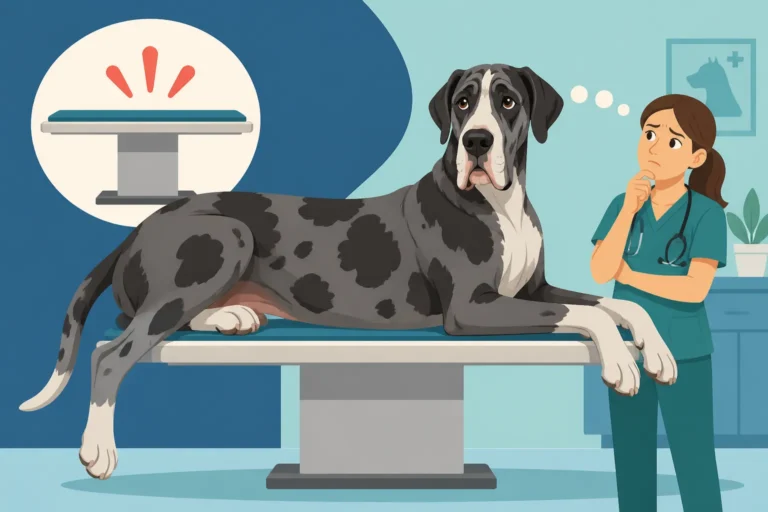
Regular check-ups are essential, not just for vaccinations, but for monitoring growth and development. Your vet can assess your puppy's weight and body condition, check their joints for any signs of discomfort or instability, and discuss an appropriate exercise plan as they age. They can also advise on when it might be safe to consider more intense activities, potentially recommending specific radiographs to confirm growth plate closure before giving the green light for jogging or extensive hiking.
Don't hesitate to ask questions about diet, supplements (though generally, a balanced large breed puppy food negates the need for most supplements), and specific activities. Your vet can help you understand What a Great Dane Puppy Should Weigh at Four Months and how to maintain healthy growth. Their guidance is crucial for making informed decisions that will directly impact your Great Dane's long-term health and happiness. Building this partnership early ensures you have expert support every step of the way, helping you raise a healthy, active, and long-lived companion.
Disclaimer
This article is for general informational purposes only and does not constitute professional advice. Laws, prices and regulations vary by location and change over time. Consult a qualified professional for guidance on your specific situation.