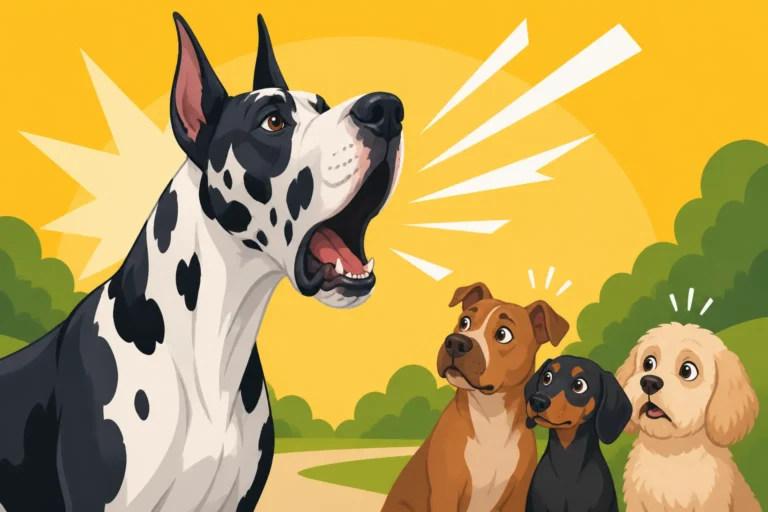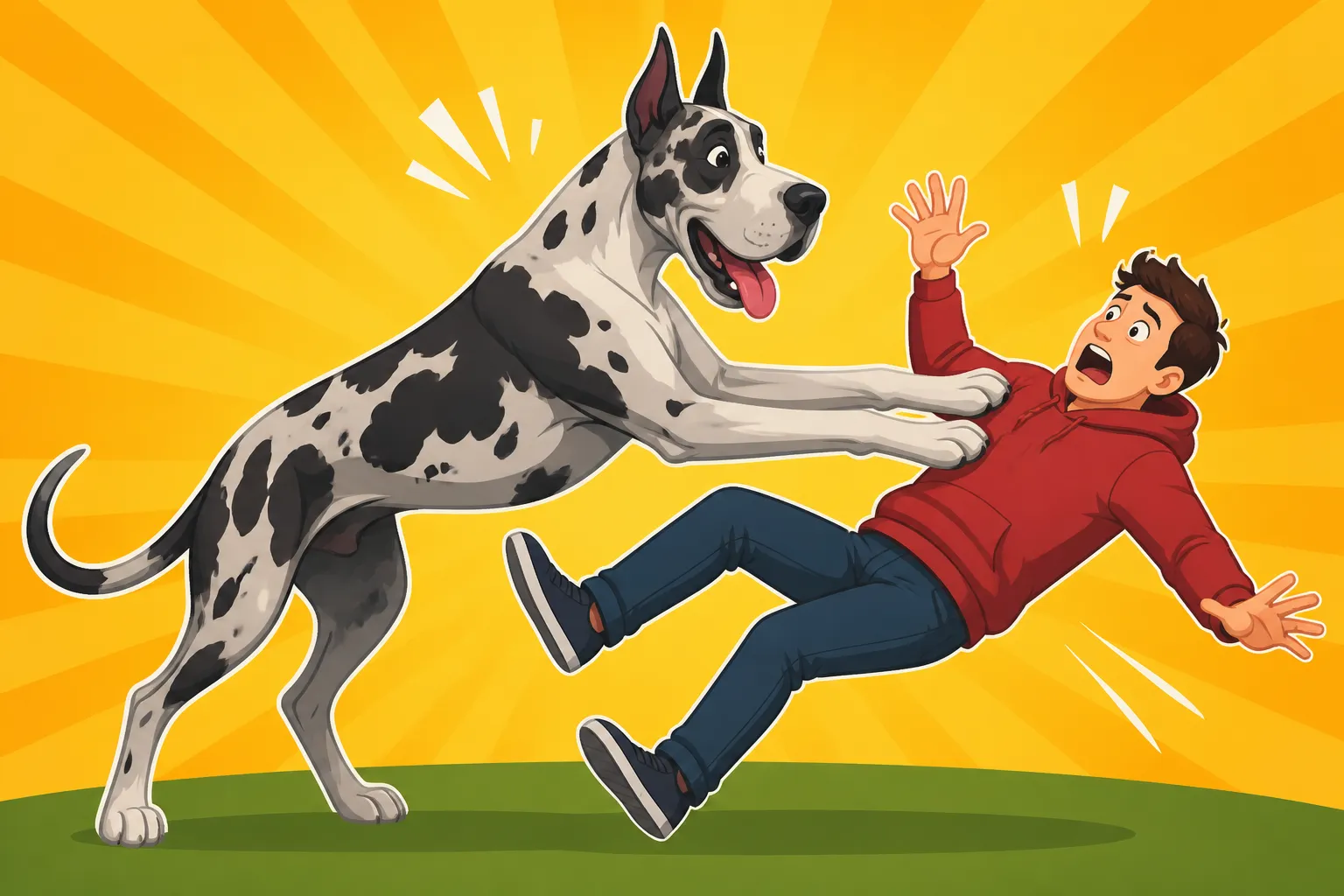
A Great Dane That Knocks People Over
It’s a scenario many Great Dane owners know all too well: you’re standing in your kitchen, minding your own business, and suddenly you feel a massive nudge, or worse, a giant paw landing on your shoulder. Before you know it, you’re off balance, or perhaps even on the floor, courtesy of your loving, but utterly unmindful, "gentle giant." It's incredibly frustrating, and let's be honest, sometimes a little scary when a dog of this size doesn't realize its own strength. This guide will walk you through understanding why your Great Dane might be knocking people over and, more importantly, how to teach them better manners for safe and happy interactions.
Understanding the "Knock-Over" Instinct in Great Danes
Let's be clear upfront: your Great Dane isn't trying to hurt you or anyone else. This isn't aggression; it's almost always a combination of exuberance, a lack of self-awareness about their colossal size, and sometimes, a history of inadvertently being rewarded for these behaviors. It’s a classic Great Dane quirk, but one that needs careful management.
The Gentle Giant's Unaware Size
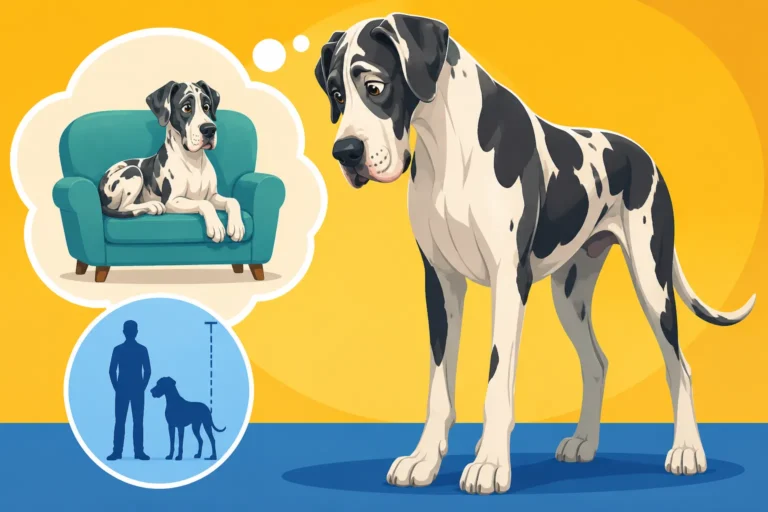
Imagine being born into a world where everything is relatively small, and then growing to the size of a small pony in less than two years. That's essentially what happens to a Great Dane. They go from a tiny, manageable puppy to a towering adult, often weighing over a hundred pounds and standing eye-to-eye with many adults when on their hind legs. They simply don't have the same proprioception (awareness of their body in space) that we do, or even that smaller, more agile dogs develop. Their giant paws and long legs can feel cumbersome, especially in tight spaces or when they get excited. They move with a certain lumbering grace, but when emotions run high, that grace can go right out the window.
It’s like a toddler who hasn’t quite mastered walking yet, only this toddler weighs as much as an adult human. They genuinely don't understand that a lean, a nudge, or a jump can send someone sprawling. They perceive themselves as the same affectionate little puppy they were just months ago, eager for contact and closeness. This disconnect between their mental self-image and their physical reality is at the root of many "knock-over" incidents. For them, it’s just a friendly gesture, a way to get closer or solicit a pet, completely unaware of the physical impact they're having.
Excitement and Greeting Behaviors
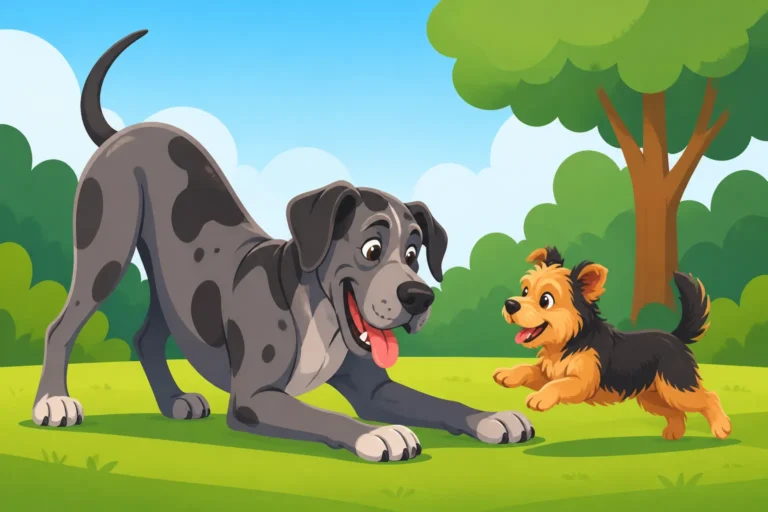
A huge part of the problem stems from excitement. When you walk through the door after a long day, or a favorite guest arrives, your Great Dane's joy can be overwhelming. Their natural reaction to happiness is often to want to get as close as possible, which frequently involves jumping up or leaning with all their might. These are instinctive greeting behaviors for dogs, but for a Great Dane, they become amplified to a potentially dangerous degree. Think about how a smaller dog might jump up: it’s usually just a little hop that’s easy to redirect. A Great Dane's jump, however, can clear a coffee table or send you backward into a wall.
They haven't learned an appropriate way to channel that excitement. If, in the past, their jumping or leaning has resulted in any form of attention – even negative attention like a push, a scolding, or an "off!" command – they might perceive that as a reward. They might think, "Ah, that's how I get my human to engage with me!" This unintentionally reinforces the very behavior we want to stop. It’s crucial to understand that their motive isn't malice, but pure, unadulterated canine joy and a strong desire for connection, expressed in a way that’s simply too much for their human companions. This is where early training to get Getting a Great Dane to Greet Without Standing Up is so important.
Seeking Attention and Affection
Let's be real, Great Danes are huge cuddlebugs. They thrive on human companionship and attention. Sometimes, knocking you over is their very direct, albeit clumsy, way of demanding your focus. You're sitting on the couch, ignoring them while watching TV, and suddenly a giant head appears in your lap, followed by a full body lean that pushes you into the cushions. Or you're busy cooking, and they come up and lean their entire weight against your legs, hoping you'll stop and pet them. They've learned that these tactics get a reaction.
This desire for affection is what makes them such wonderful companions, but it needs to be managed appropriately. If they learn that a polite "sit" or simply nudging your hand with their nose earns them pets and praise, they'll be far less likely to resort to more physically imposing methods. It's all about teaching them an alternative, acceptable way to ask for that precious attention. They're smart, and they want to please you, but they often don't know how to communicate their needs in a way that respects your space and safety. Addressing these behaviors early on is key for The Manners a Great Dane Needs Before It Grows.
The Risks and Realities of an Overly Exuberant Great Dane
While it’s easy to laugh off a clumsy Great Dane moment, the reality is that a dog of this size, even when gentle, poses significant risks if not properly trained. These aren't just minor annoyances; they can lead to serious consequences for people, property, and your peace of mind.
Injuries to Family Members and Guests
This is perhaps the most critical concern. A Great Dane jumping up, or even just leaning heavily, can easily cause someone to lose their balance and fall. For children, the elderly, or anyone with mobility issues, this isn't just an inconvenience – it can result in serious injuries like broken bones, concussions, or sprains. Imagine your grandparent visiting and your Dane, in its excitement, bowls them over. The guilt and worry would be immense. Even a strong adult can be caught off guard. I’ve known friends who have ended up with scraped knees, bruised hips, and even sprained ankles simply from their Dane getting too enthusiastic in a tight hallway.
It's not just the fall itself; a paw can scratch, a head can bump, and the sheer force of a large dog body can cause internal bruising or muscle strain. Think about a game of fetch where your Dane charges back to you and suddenly stops by body-checking your legs. It might seem like a playful move to them, but it can easily knock the wind out of you or destabilize you completely. These incidents erode confidence, making people hesitant to interact with your dog or even visit your home. The last thing you want is for loved ones to fear your beloved pet, even if they know your Dane means no harm. This is particularly relevant when considering Teaching Children to Move Around a Great Dane.
Damage to Property and Surroundings
Beyond human injury, an unrestrained Great Dane can wreak havoc on your home. A jump onto a counter might knock over a valuable vase or an entire dinner. A sweeping tail wag, affectionately known as a "Dane wrecking ball," can clear a coffee table in seconds, sending drinks, remotes, and delicate items flying. I’ve seen Great Danes knock over lamps, step on laptops, and even push heavy furniture just by leaning or turning too quickly in a confined space.
Consider the cost of replacing broken items or repairing damaged walls. If your Dane jumps on someone near a glass table or a fireplace, the potential for collateral damage increases dramatically. Their sheer mass means that even an accidental bump can be significant. This isn't about malicious destruction; it's simply the physics of a large animal in a human-scaled environment. Without proper spatial awareness and impulse control, your home can become a minefield of potential accidents, impacting not just your wallet but also your ability to relax and enjoy your living space.
Public Perception and Liability Concerns
A Great Dane that is prone to knocking people over can create significant public perception issues. Neighbors might become wary, friends might decline invitations, and even strangers encountered on walks might cross the street to avoid your large, boisterous dog. The reputation of your "gentle giant" can quickly shift to that of an uncontrolled menace, even if it's entirely unintentional. This is why Great Dane Leash Manners at a Hundred and Fifty Pounds is so vital, even if they aren't jumping at home.
More seriously, there are liability concerns. If your dog accidentally injures someone, especially a guest in your home or a person in a public space, you could face legal consequences. Dog bite laws and general liability often extend to injuries caused by a dog's actions, even if there was no bite involved. A fall caused by your dog could lead to medical bills, lost wages, and emotional distress, all of which you might be held responsible for. Many homeowner's insurance policies have specific clauses or exclusions for large breeds or dogs with a history of causing injury. It’s a sobering thought, but one every Great Dane owner must consider. Managing this behavior isn't just about politeness; it's about responsible ownership and protecting both your dog and yourself.
Proactive Training Strategies to Prevent Jumping and Leaning
The good news is that with consistent, positive reinforcement training, you can absolutely teach your Great Dane appropriate ways to greet people and interact without knocking them over. It takes patience and consistency, but it's entirely achievable.
Teaching an Alternative Greeting Behavior
The key to stopping unwanted behavior is to replace it with a desired one. Instead of jumping or leaning, we want our Great Danes to greet people with "four paws on the floor." This means teaching a solid "sit" or "down" command that your dog can perform reliably, even when excited. When a person approaches, or you come home, immediately ask for the desired behavior (e.g., "sit"). As soon as their rear touches the ground, offer high-value treats and praise. The timing is crucial here: the reward needs to happen the instant the desired behavior occurs, not after they've jumped and then settled.
Practice this in low-distraction environments first, then gradually introduce more exciting scenarios. Have friends or family members help by approaching slowly and only interacting with your dog when all four paws are on the floor. If your dog jumps, the "person" should immediately turn their back and disengage, effectively removing the attention your dog craves. As soon as your Dane settles, they can turn back and try again. This teaches your dog that jumping makes the fun stop, while keeping their feet on the ground makes the fun (and treats!) begin. It's a fundamental step in Stopping a Great Dane Jumping Up on People.
Consistent Reinforcement and Management
Consistency is the absolute bedrock of training a Great Dane, or any dog for that matter. Every single person who interacts with your dog, both inside and outside the home, needs to be on the same page. If one family member allows jumping and another doesn't, your Dane will become confused and continue the unwanted behavior. Make sure everyone understands the rules: no attention for jumping or leaning. This might mean instructing guests to ignore your dog until it settles, or temporarily putting your dog on a leash when visitors arrive so you can better manage greetings.
Management tools are also incredibly helpful. A sturdy baby gate (one tall enough for a Great Dane, believe me!) can create a barrier when you're busy or expecting guests, allowing your dog to see and hear people without being able to jump on them. This gives them time to calm down before a controlled interaction. For really high-energy situations, a brief crate time can also be a valuable tool to allow them to de-escalate. Remember, we’re setting our dogs up for success. We’re not punishing them, but rather creating an environment where they can learn and practice appropriate behaviors. The more consistently you apply these rules, the faster your Great Dane will understand what's expected of them.
Utilizing Tools for Better Control
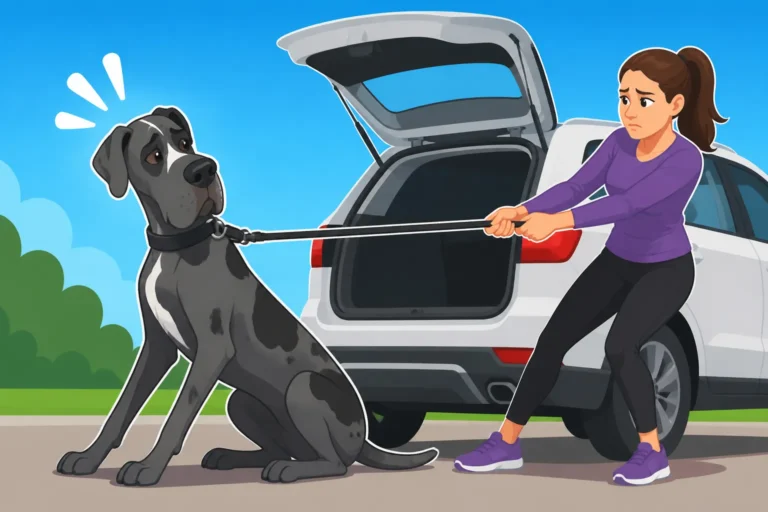
When working on leash manners and greetings, certain tools can make a world of difference for a Great Dane. A well-fitting front-clip harness, for instance, can provide much better control than a flat collar, especially for a dog with the pulling power of a Dane. When your dog pulls forward with a front-clip harness, the leash attachment point on their chest gently redirects them to the side, making it harder for them to lunge or jump. You can find many options for large breeds on platforms like Amazon.
Another valuable resource is an online training program. Services like BAXTER & Bella offer comprehensive, step-by-step guides that you can follow at your own pace, often with access to trainers for personalized advice. These programs can be particularly helpful for Great Dane owners because they emphasize positive reinforcement and provide structured lessons to tackle specific behaviors like jumping. While a physical head halter can also be used, many Great Dane owners find front-clip harnesses to be a more comfortable and effective long-term solution for daily walks and controlled greetings, giving them the leverage needed to manage a large, powerful dog without causing discomfort. These tools help with Harnesses and Collars That Control a Great Dane and are essential for large breeds.
Managing Real-World Scenarios and Guest Interactions
Once you’ve started implementing training strategies, the next step is to apply them to real-world situations, especially when guests come over. This is often where the excitement levels peak, and all your hard work can be put to the test.
Preparing for Visitors and New Situations
Anticipation is your best friend when it comes to managing a Great Dane around guests. Before anyone even rings the doorbell, have a plan. This might involve giving your Great Dane a good long walk or playtime an hour or so before guests arrive to burn off some excess energy. A tired Dane is a calmer Dane. You could also use a tether or a Crates That Hold a Full-Grown Great Dane in a designated calm area, ensuring it's a positive space with a favorite chew toy. This allows your dog to be present and hear the activity without being able to rush the door.
When the doorbell rings, instead of letting your Dane blast to the door, have them on a leash or behind a secure gate. Practice having them sit calmly while you open the door. If they struggle, simply close the door partially and try again. Your goal is for them to associate the sound of the doorbell and the sight of guests with a calm, controlled behavior, not a free-for-all. Asking your guests to ignore your dog initially, until your Dane has settled, is also incredibly helpful. This removes the immediate reward (attention) for over-excitement and reinforces that calm behavior earns interaction.
Safe Introductions and Supervised Interactions
Once your Great Dane has settled, even just for a moment, you can begin a controlled introduction. Keep your Dane on a leash, perhaps attached to you or held by another family member. This gives you immediate control if they try to jump or lean. Ask your guests to approach calmly, perhaps offering a hand for your Dane to sniff, but still avoiding direct eye contact or overly enthusiastic greetings if your dog is still a bit wound up. Reward your Dane heavily with treats and praise for keeping all four paws on the floor.
It's vital to supervise all interactions, especially with new guests or children. Even if your Great Dane is usually stellar with kids, a sudden movement or loud noise can trigger an instinctive reaction. If you see signs of increasing excitement – panting, fidgeting, staring intently – intervene immediately. This could mean asking for a "sit," leading your Dane to their bed, or even taking a short break in another room to allow them to calm down. Remember, it's about setting boundaries and reinforcing appropriate behavior, ensuring every interaction is positive and safe for everyone involved.
What to Do When the Behavior Happens
Despite your best efforts, your Great Dane might still have a moment of exuberance and try to jump or lean. When this happens, the most effective response is to calmly and immediately disengage. Turn your back to your dog, cross your arms, and completely ignore them. Don't speak, push, or even make eye contact. The moment all four paws are back on the floor, or they stop leaning, turn back and offer quiet praise and a treat. This teaches them that the unwanted behavior makes the attention disappear, while desired behavior brings it back.
If your Great Dane is persistent, you might need to physically move away, stepping behind a gate or into another room. Don't make a big fuss; just quietly remove yourself from the situation. For guests, instruct them to do the same. This can feel a little awkward at first, but it's crucial for consistency. Avoid yelling or physical corrections, as these can either scare your dog or, worse, be perceived as attention, inadvertently reinforcing the jumping. Focus on teaching them what to do, rather than punishing what they shouldn't do. With repetition, they'll learn that calm behavior is the only way to get the attention and affection they crave.
Building a Solid Foundation: Early Training and Socialization
The absolute best way to prevent a Great Dane from knocking people over as an adult is to start training and socialization when they are just a tiny puppy. Their size means that foundational manners are not just a nice-to-have, they're a non-negotiable requirement.
Puppy Classes and Exposure to Different Environments
Enrolling your Great Dane puppy in puppy kindergarten or socialization classes as soon as they are fully vaccinated is incredibly important. These classes provide a controlled environment for them to interact with other dogs and people, learning crucial social cues. More importantly, a good puppy class will teach basic obedience commands like "sit," "stay," and "down" in a fun and positive setting. This sets the stage for those "four on the floor" greetings we talked about earlier. Look for classes that specifically cater to large breeds or have experience with giant breeds, as their needs can be a little different.
Beyond formal classes, actively exposing your puppy to various sights, sounds, smells, and types of people is paramount. Take them to safe, pet-friendly places like hardware stores (with permission!), quiet parks, or friends' houses. This helps them become confident and well-adjusted, less likely to become overly excitable or fearful in new situations. The more positive experiences they have when they're small and impressionable, the better equipped they'll be to handle the world calmly as massive adults. Remember, What a Great Dane Puppy Course Runs is an investment in your peace of mind later.
The Importance of Consistency from Day One
With a Great Dane, the phrase "start as you mean to go on" couldn't be more true. From the moment you bring your puppy home, every interaction is a learning opportunity. If you allow them to jump on you for attention when they're 20 pounds, they will absolutely try to do it when they're 120 pounds. It's much harder to break a deeply ingrained habit than to prevent it from forming in the first place. This is why The Cues a Great Dane Needs Before Six Months are so crucial.
Establish clear rules and boundaries immediately. If you don't want them on the furniture as an adult, don't allow it as a puppy. If you want them to greet visitors politely, start practicing the moment they encounter anyone new. This means that every family member needs to be onboard and consistent with commands and expectations. Training isn't just a dedicated "session" each day; it's an ongoing dialogue and reinforcement of desired behaviors in every interaction. Think of it as shaping their entire worldview to understand how a polite, giant dog behaves in a human world.
Handling Adolescent Great Dane Challenges
Ah, adolescence – the teenage years for dogs, and for a Great Dane, it can feel like navigating a clumsy, oversized, and sometimes rebellious phase. Between roughly six months and two years, Great Danes hit their "teenage" period. They might test boundaries, seem to "forget" commands they once knew perfectly, and have bursts of energy that translate into even more boisterous greetings. Their bodies are still growing rapidly, and their coordination might not quite keep up with their newfound size and energy. It's during this time that your patient consistency is more important than ever.
Don't get discouraged if your well-trained adolescent Dane suddenly regresses a bit. This is normal. Double down on your basic obedience, shorten training sessions to keep them engaged, and continue to manage their environment to prevent unwanted behaviors. Use that leash and harness, practice those polite greetings every single day, and reward lavishly for success. This is a critical period for reinforcing all the good habits you've built. Remember that their brains are still developing, and they are trying to figure out their place in the world. Being a steady, consistent guide through their awkward teenage years will cement the foundation for a well-mannered adult Great Dane. Sometimes, a professional trainer comfortable with large breeds, like those you might find through BAXTER & Bella or local recommendations, can provide invaluable support during this challenging but rewarding stage.
Here's a quick reference for managing common "knock-over" behaviors:
| Behavior | Why it Happens | Training Strategy | Management Tools |
|---|---|---|---|
| Jumping on People | Excitement, seeking attention, learned behavior | Teach "sit" for greetings, "four on the floor" rule | Leash, front-clip harness, baby gates, physical barriers |
| Excessive Leaning/Nudging | Affection seeking, attention demand, unawareness | Reward calm "sit/stay" for pets, gentle redirection | Designated "place" mat/bed, consistent disengagement |
| Body Slamming/Running Into | Over-excitement, poor spatial awareness, play | Channel energy with toys, teach "wait" at doors | Leash control, adequate exercise, clear paths indoors |
| Door Dashing | High excitement, desire to explore | "Sit/stay" at door, open only when calm | Leash by the door, tall baby gates |
Disclaimer
This article is for general informational purposes only and does not constitute professional advice. Laws, prices and regulations vary by location and change over time. Consult a qualified professional for guidance on your specific situation.