Great Danes Around Toddlers
Bringing a new baby or toddler into a home with a giant breed like a Great Dane can feel incredibly daunting. You adore your gentle giant, but the sheer size difference between a colossal dog and a tiny, often unpredictable human can trigger a lot of anxiety about safety. This guide is here to walk you through navigating those choppy waters, offering practical strategies to ensure both your Great Dane and your little one can thrive together in a harmonious and safe environment.
How a Great Dane's Size Impacts Toddler Interactions
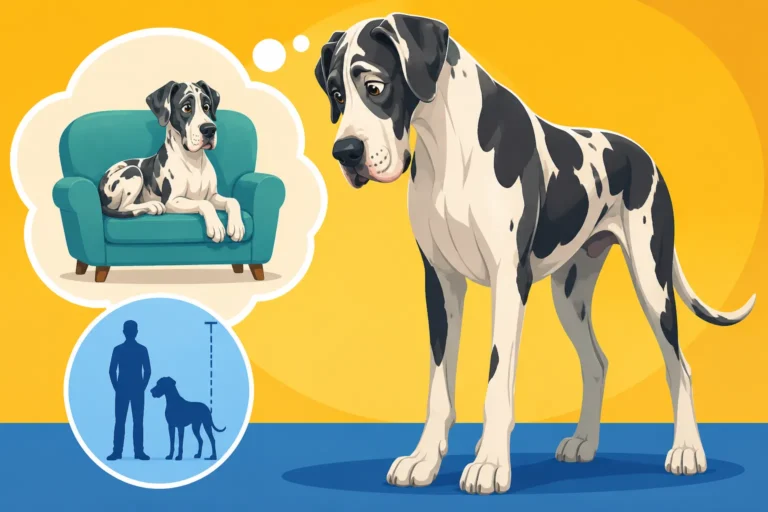
It’s no secret that Great Danes are enormous. When they stand on their hind legs, they can easily reach eye-level with an adult, and their weight often rivals or surpasses that of many grown humans. This impressive stature is a huge part of their charm, earning them the affectionate nickname "Apollo of Dogs," but it also means that every interaction with a small child requires thoughtful management and preparation.
Unintentional Collisions and Overwhelming Presence
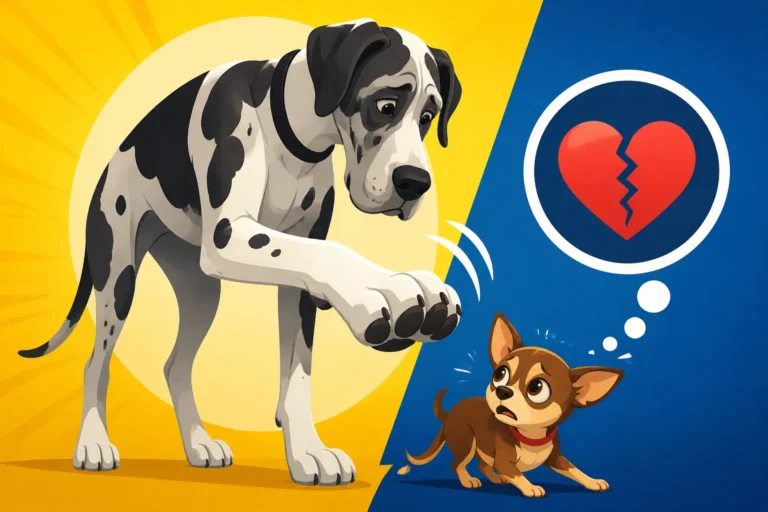
One of the biggest concerns for any Great Dane owner with a toddler is the sheer physical presence of their dog. Even the most well-meaning Great Dane can accidentally knock a small child over with an enthusiastic tail wag, a sudden pivot, or simply by trying to get too close for a sniff. Imagine your toddler toddling across the living room, completely focused on their next toy, and your Great Dane, equally focused on greeting you at the door, rounds the corner. A collision, even a minor one, can send a small child sprawling. It's not about malice; it's about physics. Their massive paws, long legs, and powerful bodies are designed for grand movement, which can be overwhelming and even dangerous to someone under three feet tall. We’re talking about a dog that can easily weigh over a hundred pounds, sometimes well over that, moving around a child who might weigh a tenth of that.
The Great Dane's Gentle Giant Nature – A Double-Edged Sword
Great Danes are renowned for their calm and affectionate temperaments, often referred to as "gentle giants." They are typically patient, loving, and surprisingly delicate when they want to be. This reputation is well-earned, and it's why so many families with children choose the breed. However, it's crucial to understand that "gentle" does not mean "immune to instinct" or "incapable of accidental injury." A Great Dane might tolerate a lot from a child, but even a small percentage of a hundred-plus-pound dog's power, expressed unintentionally, can have significant consequences. For instance, a Dane might love to lean on you for affection, a behavior that's endearing to adults but could easily pin a toddler against furniture. Their deep love for their family means they often want to be part of everything, which includes the noisy, active world of a toddler. This desire to be close, combined with their size, means supervision isn't just a good idea; it's absolutely essential. It’s a bit like having a furry, well-meaning rhinoceros in your living room – even its gentle attempts at affection need careful management. You’ll want to look at The Gentle Great Dane Temperament and Its Limits to understand this balance better.
Understanding Their Play Styles and Energy Levels
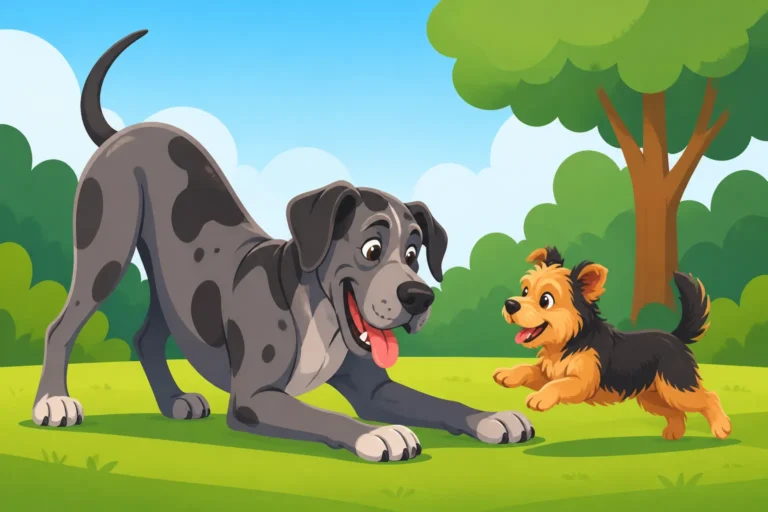
While Great Danes are often couch potatoes as adults, especially compared to some high-energy breeds, they still have their moments of playful bursts, zoomies, and puppy-like exuberance, even into adulthood. A young Great Dane, particularly before they fully mature around two to three years old, can have energy that is simply too much for a toddler to navigate safely. Their idea of a fun game might involve chasing, pawing, or jumping – all behaviors that, even if playful, are entirely unsuitable for interaction with a small child. They might pick up a toy and accidentally swing it, or try to "herd" a child with their body. Understanding your specific Dane's energy levels and play style is key. If your dog gets particularly excited by squeaky toys or running, those activities need to happen in a separate area, away from the toddler. It's about setting them up for success and recognizing that their natural canine play can look very different from a toddler's idea of fun.
Preparing Your Great Dane for a Toddler's Arrival
Bringing a new baby or a rambunctious toddler into your home is a huge adjustment for everyone, including your Great Dane. Proactive preparation is vital, not just for safety, but for maintaining your dog’s emotional well-being and preventing behavioral issues down the line. A Dane that feels neglected or confused by the sudden changes might develop undesirable habits.
Gradual Introduction to New Sights, Sounds, and Smells
Long before the toddler arrives, start introducing your Great Dane to the world of babyhood. Play recordings of baby cries, giggles, and toddler tantrums at low volumes, gradually increasing them over weeks. This isn't about scaring your dog, but desensitizing them so these new sounds become part of the background noise rather than startling events. Let them investigate baby items like strollers, car seats, and bouncy chairs when they’re empty, rewarding calm curiosity. Allow them to smell baby lotions, powders, and even a worn baby outfit (if you have one from a friend or relative) so these scents become familiar. The goal is to make the toddler's arrival feel less like an alien invasion and more like a natural evolution of the household. This process helps prevent your dog from developing anxiety or fear-based reactions to the new, noisy, and smelly addition. If you're starting this early with a puppy, consider resources like BAXTER & Bella, which often offer comprehensive online training programs that cover critical early socialization and exposure, helping you introduce your young Dane to all sorts of new stimuli in a positive way.
Reinforcing Calm Behavior in the Home
A calm dog is a safe dog, especially around toddlers. Focus heavily on rewarding calm behavior long before the toddler is mobile. When your Dane lies quietly on their bed, reward them. When they ignore a dropped toy, reward them. Practice having guests come over and reinforcing a "four paws on the floor" greeting, rather than allowing jumping up. This consistent reinforcement of calm behavior will pay dividends when a small, wobbly human is introduced. It teaches your Dane that being relaxed and gentle is the way to earn positive attention and treats. Think about those crucial first few months of training; Why Waiting Until a Great Dane Is Grown Is Too Late truly highlights the urgency of this preparatory work. It's much easier to shape polite habits in a manageable puppy than to try and correct a hundred-and-fifty-pound adult.
Creating Safe Spaces for Both Dog and Child
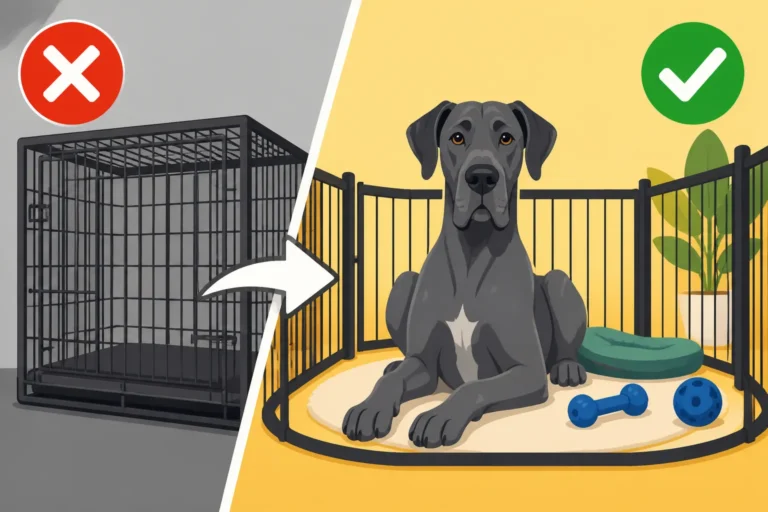
Having designated safe zones is paramount for successful coexistence. Your Great Dane needs a retreat where they can go to escape the sometimes overwhelming energy of a toddler. This might be a crate, a dog bed in a quiet room, or a specific corner of the living room, ideally behind a baby gate. Ensure your toddler cannot access this space. Similarly, your toddler needs areas where they can play freely without the dog inadvertently interfering. Baby gates are your best friend here. Heavy-duty, extra-tall gates are available on Amazon that can stand up to a Great Dane's lean and height, allowing you to create clear boundaries. These physical barriers are not punishments; they are tools for managing interactions and preventing accidental mishaps. Think of it as creating distinct "territories" where each family member feels secure and respected, reducing stress for everyone involved.
Teaching Toddlers to Interact Safely with a Great Dane
Even with the most well-behaved Great Dane, a significant part of the safety equation rests on teaching the toddler how to interact appropriately. Toddlers, by their very nature, are impulsive, curious, and lack understanding of boundaries, especially with animals. It’s a continuous, patient process of guidance and supervision.
Establishing "No-Go" Zones and Boundaries
Just as your Great Dane needs their own safe space, your toddler needs to learn about boundaries around the dog. Teach your child from the earliest possible age what "no" means in relation to the dog, especially when the Dane is eating, sleeping, or in their designated quiet zone. Never allow a toddler to disturb a sleeping dog or grab at their food bowl. These are prime situations for even the gentlest dog to react defensively. Using phrases like "Leave the doggie alone" or "Gentle hands" consistently will help. Visual cues can also be effective; perhaps a specific rug or dog bed signifies "doggy's quiet time, do not approach." Reinforce these rules every single time. It's not about making the dog a scary figure, but teaching respect for another living being's space and needs.
Gentle Hands and Respectful Interaction
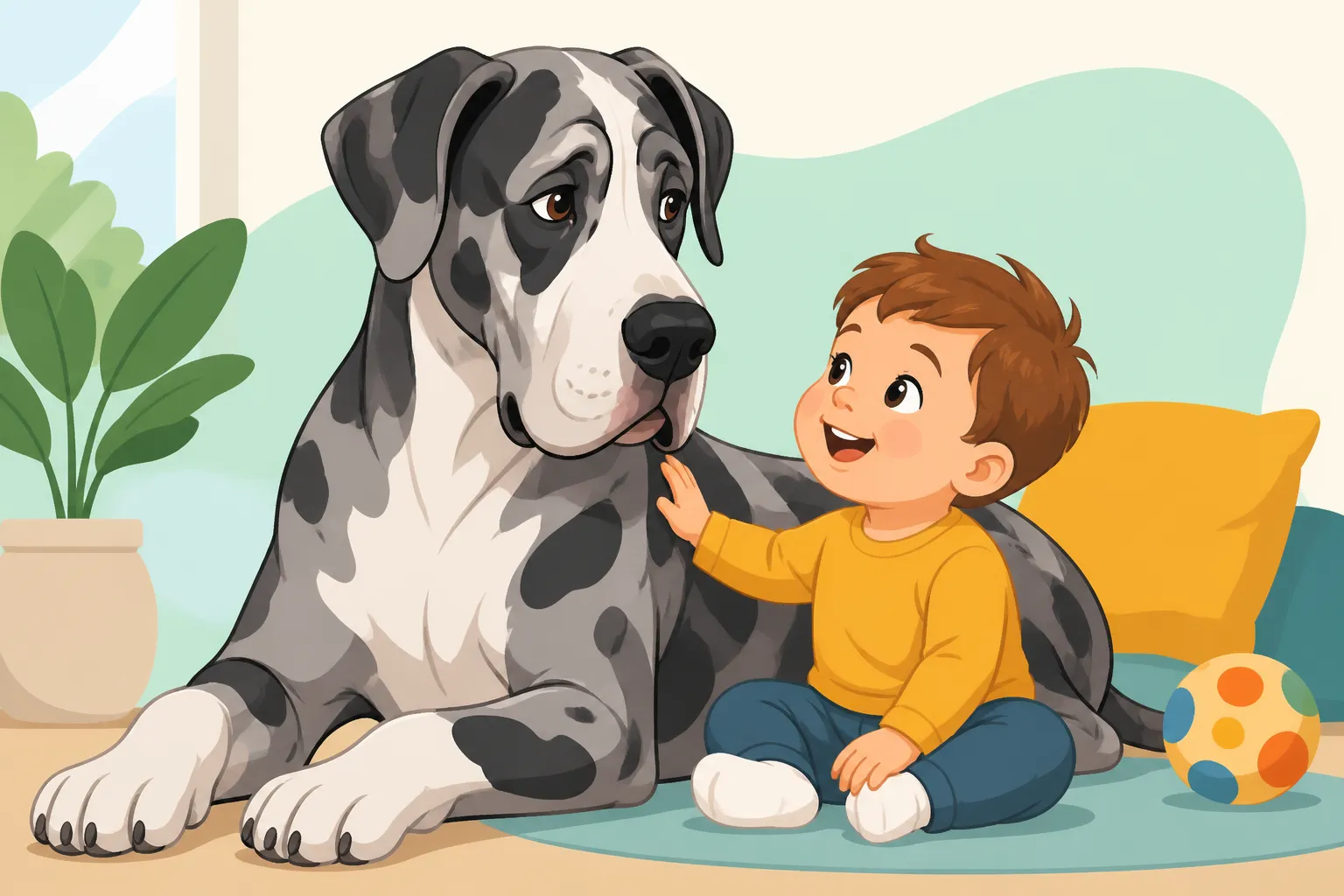
Toddlers often explore the world with their hands, and this can mean pulling fur, poking eyes, or grabbing tails. It's crucial to teach "gentle hands" from day one. Model appropriate petting: a soft stroke on the shoulder or back, never on the head or tail initially. Show them how to give a treat calmly by placing it in the dog's open palm-like mouth, not by grabbing at the dog's face. Emphasize that dogs aren't toys; they are living, feeling creatures. If your toddler is too rough, immediately remove them from the interaction, calmly explaining why. Never scold the dog for reacting naturally to pain or discomfort if the child initiates it. This reinforces the idea that the dog is vulnerable and deserves respect. This consistent teaching helps build a foundation of mutual respect, but it requires relentless patience from you as the parent. You might find some insightful tips on Teaching Children to Move Around a Great Dane that can complement this training.
Supervising Every Interaction Closely
This point cannot be stressed enough: all interactions between a Great Dane and a toddler must be 100% supervised. This isn't just about being in the same room; it means actively observing and being ready to intervene at a moment's notice. Never leave them alone, even for a second, to "see what happens." The unexpected can happen incredibly fast. Even if your Great Dane is the most saintly dog on the planet, a toddler's unpredictable movements or a sudden loud noise could trigger an unexpected reaction. This means if you need to leave the room for any reason – to answer the door, grab something from the kitchen, or use the restroom – either the dog or the child (or both) must be safely separated. Use gates, crates, or another adult to ensure no unsupervised contact occurs. This level of vigilance is exhausting but non-negotiable for safety.
Managing Daily Life and Preventing Accidents
Life with a Great Dane and a toddler is a delicate dance of management and anticipation. The goal is to minimize opportunities for accidental mishaps by understanding the unique challenges that arise when you have a giant dog and a tiny human under the same roof.
Preventing Counter Surfing and Food Theft Around Little Ones
Great Danes are notoriously good counter surfers. Their height gives them an advantage smaller dogs don't have, and their keen sense of smell makes them experts at finding unattended snacks. This is a particular problem with toddlers, who are prone to dropping food or leaving half-eaten snacks within reach. A toddler's dropped sandwich or a plate left on a low coffee table is an irresistible temptation for many Danes. Not only does this risk your dog ingesting something harmful (like grapes, chocolate, or small bones), but it can also lead to resource guarding issues if the dog feels threatened when the toddler approaches their "stolen" treat. To mitigate this, practice "leave it" command extensively. Consider using slow feeder bowls for your Dane's meals, which are often large enough to deter counter surfing, available on Amazon. More importantly, establish strict rules about human food: no food on low tables, no sharing food from the toddler's plate, and dogs should be in their designated "place" during family meal times. A Great Dane That Takes Dinner Off the Table explores this behavior in more detail and offers solutions.
Managing the "Happy Tail" and Other Physical Interactions
A Great Dane's tail is a powerful, enthusiastic weapon. A full-body wag can easily clear a coffee table, knock over a small child, or even cause bruising. While it's a sign of a happy dog, it needs to be managed around toddlers. Teach your toddler to keep a respectful distance when the dog is excited and wagging. If your Dane is prone to very powerful tail wags in confined spaces, you might consider redirecting their excitement with a favorite toy in an open area or asking them to "place" until the excitement subsides. Beyond the tail, a Dane's large head and body can accidentally bump a toddler when moving through doorways or around furniture. Always be mindful of their spatial awareness and teach your Dane to move carefully around small humans. Practicing a "slow" command can be incredibly useful for teaching your dog to navigate tight spaces gently.
Great Dane Exercise and Toddler Safety
Proper exercise is crucial for a Great Dane's physical and mental health, but it needs to be done thoughtfully when a toddler is present. A bored, under-exercised Dane is more likely to engage in destructive behavior or be overly exuberant around the house, increasing the risk of accidents with a toddler. However, simultaneous exercise (e.g., trying to jog with a stroller and a Dane) can be dangerous. A Great Dane pulling on the leash can easily cause you to lose control, especially if you're also managing a stroller. Plan separate exercise times. One parent might take the Dane for a vigorous walk or playtime, while the other supervises the toddler indoors. When walking with both, consider a sturdy front-clip harness for your Great Dane to help manage pulling, and always ensure a firm grip on the leash. If you’re pushing a stroller, a hands-free leash might seem tempting but is generally ill-advised for a dog of this size and strength around a child. You can find excellent quality harnesses and hands-free options on Amazon, but remember to prioritize control with such a large dog. Whether a Great Dane Can Hike provides more insight into appropriate exercise levels.
Training Essential Manners for Coexistence
Solid obedience training isn't just a convenience when you own a Great Dane; it's a necessity, especially when living with toddlers. Their size amplifies every training gap, making good manners critical for safety and harmony.
The Importance of "Place" and "Stay" Commands
The "place" command, where your Great Dane goes to a designated spot (like a dog bed) and stays there until released, is invaluable. This allows you to manage situations like mealtimes, guest arrivals, or active toddler play, creating a physical boundary when you can't be actively supervising every micro-interaction. Similarly, a rock-solid "stay" command is essential for preventing your Dane from rushing towards a toddler, snatching dropped food, or getting underfoot. Practice these commands frequently, gradually increasing duration and distraction. Start in a quiet room, then move to areas with more activity. Reward heavily with high-value treats and praise when they comply. Make "place" a positive, comfortable experience, not a punishment. This command empowers you to confidently manage your dog's presence around your child. Many online training platforms, such as BAXTER & Bella, offer structured courses that can guide you through teaching these foundational commands effectively.
Teaching Polite Greetings Without Jumping
A jumping Great Dane is a serious safety hazard for anyone, but particularly for a toddler. An excited Dane can easily knock a small child off their feet or accidentally scratch their face with a paw. From puppyhood, work tirelessly on a "four paws on the floor" greeting. When your Dane greets you or visitors, if they jump, calmly turn your back, cross your arms, and ignore them. Only engage and reward when all four paws are on the ground. Be consistent, and ask all visitors to also be consistent. Teach a "sit" command as the default greeting. This requires patience, but it's a non-negotiable skill for a giant breed. Imagine trying to explain to an emergency room doctor that your toddler's injury was caused by your dog's "happy jump"—it’s a preventable accident. Getting a Great Dane to Greet Without Standing Up offers more detailed advice on this specific challenge.
Leash Manners for Walks with a Stroller or Child
Walking a Great Dane can be a workout, even for an adult. Add a stroller, a child's hand, or a toddler on a scooter, and it becomes a recipe for disaster if your dog isn't a master of leash manners. A Great Dane pulling on the leash can easily yank you off balance, making you drop the leash or fall, potentially endangering your child. Invest in good quality training equipment, like a front-clip harness, and practice loose-leash walking in low-distraction environments before attempting walks with your child. The goal is for your Dane to walk calmly by your side, paying attention to you, not pulling towards every squirrel or person. If your dog still struggles, consider professional training or specific tools designed to aid in control, remembering that no tool replaces consistent training. Remember, a child holding a Great Dane's leash is almost never a safe option.
What to Do When Issues Arise
Even with the best preparation and training, living with a Great Dane and a toddler will inevitably present challenges. Knowing how to recognize potential problems and respond effectively is crucial for maintaining safety and addressing issues before they escalate.
Recognizing Stress Signals in Your Great Dane
Dogs communicate through subtle body language, and it's essential to become fluent in your Great Dane's stress signals. These can include:
- Lip licking: Not always about food; often a sign of mild anxiety.
- Yawning: Also can indicate stress, not just tiredness.
- Head turns or averting gaze: Trying to avoid interaction.
- Body stiffness or freezing: A sign of discomfort or apprehension.
- Whale eye: Showing the whites of their eyes, often when looking sideways.
- Tail tucked or low wag: Indicates insecurity or fear.
- Panting (without exertion): Can be a sign of anxiety.
- Moving away or seeking refuge: Trying to escape the situation.
- Growling: The dog's final warning signal, never to be ignored or punished.
If you see any of these signals, it's a clear indication that your Great Dane is uncomfortable. Immediately and calmly intervene by creating space between your dog and the toddler, or by redirecting your dog to their safe place. Never punish your dog for growling; a growl is a warning that prevents a bite. If you suppress the growl, the dog might feel they have no option but to go straight to a bite next time. Understanding Early Heart Signs in a Great Dane or other health issues can sometimes also clue you into changes in behavior related to discomfort, making stress signals even more important to monitor.
Addressing Resource Guarding and Nipping
Resource guarding (protecting food, toys, or even favored sleeping spots) or nipping behaviors must be addressed immediately and professionally. These are serious issues, especially with a dog the size of a Great Dane and a vulnerable toddler. If your Great Dane growls or snaps when a toddler approaches their food bowl, a cherished toy, or their bed, it's not something to "manage" on your own. This requires professional intervention from a certified positive reinforcement dog trainer or veterinary behaviorist. They can help you implement a safety protocol and a behavior modification plan to work through the issue safely. Until then, ensure that any items your dog might guard are never accessible to your toddler, and that your dog is always separated during meal times. Nipping, even if it seems playful, can escalate and cause significant injury. Any nipping or mouthing directed at a toddler should be met with an immediate, calm separation of the dog from the child, followed by seeking professional guidance.
Seeking Professional Guidance
There will be moments when you feel overwhelmed or unsure about how to handle a specific situation between your Great Dane and your toddler. That’s perfectly normal! Don't hesitate to seek help from qualified professionals. This could be a certified professional dog trainer (CPDT-KA), a veterinary behaviorist, or a behavior consultant. Look for trainers who specialize in giant breeds, use positive reinforcement methods, and have experience with dog-and-child dynamics. A professional can offer tailored advice, help you interpret your dog's body language, and implement effective training strategies. They can also provide an objective assessment of your home environment and offer solutions you might not have considered. Websites like Amazon sell many training books, but for specific, individual challenges, hands-on professional help is irreplaceable. Investing in expert guidance ensures the safety and well-being of everyone in your family, furry or otherwise.
| Interaction Type | Safe Practices | Unsafe Practices |
|---|---|---|
| Greeting | – Great Dane remains seated or lying down. – Toddler approaches calmly and pets gently on the shoulder/back. – Adult supervises, ready to intervene. |
– Great Dane jumps or paws at toddler. – Toddler rushes at the dog, grabbing or hugging. – Unsupervised greetings. |
| Playtime | – Structured play with toys (e.g., fetch, tug with rules) in a separate area from toddler. – Toddler engages in quiet play on their own mat/area while dog is on "place" or separated. – Supervised, calm interactions where toddler offers a treat gently. |
– Unrestricted "zoomies" or roughhousing near toddler. – Toddler attempts to ride, climb on, or chase the Great Dane. – Dog takes toys directly from toddler's hands. |
| Feeding/Eating | – Great Dane eats in a separate room or crated. – All human food kept out of reach of Great Dane. – Toddler eats meals in high chair or at a table with dog on "place" far away or separated. |
– Great Dane allowed to "hoover" dropped food near toddler. – Toddler approaches Great Dane's food bowl. – Great Dane allowed to beg or steal food from toddler. |
| Quiet Time/Rest | – Great Dane has a designated, uninterrupted safe space (crate, bed) inaccessible to toddler. – Toddler is taught to leave sleeping dogs alone. – Adult ensures dog is relaxed and not showing stress signals. |
– Toddler disturbs sleeping dog. – Toddler tries to lie on dog's bed or in crate. – Dog is forced into interactions when showing signs of wanting to retreat. |
| Physical Contact | – Gentle petting on appropriate areas (shoulder, back). – Adult guides toddler's hand. – Limited, supervised contact. |
– Toddler pulls tail, ears, pokes eyes. – Toddler climbs on, sits on, or "hugs" the dog tightly. – Dog leans heavily on or inadvertently bumps toddler with body/tail. |
Disclaimer
This article is for general informational purposes only and does not constitute professional advice. Laws, prices and regulations vary by location and change over time. Consult a qualified professional for guidance on your specific situation.