A Great Dane Playing With a Small Dog
Bringing a majestic Great Dane into a home, or introducing them to a friend's smaller canine companion, often sparks a mix of excitement and genuine anxiety. You adore your gentle giant, but the sheer size difference between a Great Dane and a tiny Chihuahua or a zippy terrier can make you worry about accidental injury during play. This guide aims to help you navigate these interactions, creating a safe and positive environment for dogs of all sizes to coexist and even enjoy each other's company.
Understanding the Great Dane's Play Style
It's easy to look at a Great Dane and see nothing but a sweet, calm creature, but when play erupts, that image can shift dramatically. Their size isn't just for show; it dictates how they move, how they engage, and how they experience the world, especially during enthusiastic moments. Understanding this is your first step to managing play between your Dane and a smaller dog.
The "Gentle Giant" Misconception vs. Reality
The term "gentle giant" is tossed around a lot when describing Great Danes, and while it captures a fundamental truth about their loving, often laid-back nature, it can also set up unrealistic expectations, especially when it comes to play. Many people envision a Great Dane delicately tiptoeing around a smaller dog, inherently understanding its fragility. The reality, while still rooted in their kind temperament, is a bit more… boisterous.
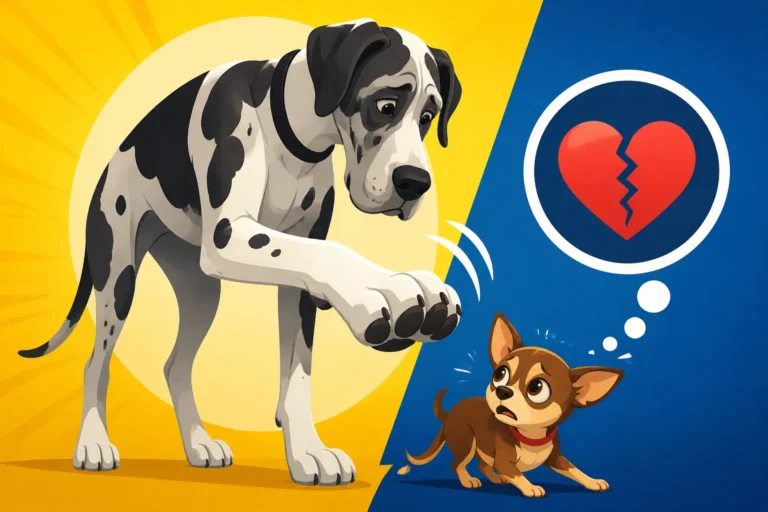
A Great Dane, even one with the best intentions, is a creature of immense power and mass. Their playful nudges can send a smaller dog tumbling, a casual swat with a paw can be an accidental blow, and a full-speed chase can end in an unintended collision. They simply aren't always aware of their own strength, and their coordination, especially in puppyhood and adolescence, can be surprisingly lacking for such a grand animal. Imagine a human child, full of joy and energy, trying to play gently with a delicate porcelain doll – they mean no harm, but their exuberance might lead to an accident. That's often the scenario with a Great Dane and a smaller dog. We need to remember that while their heart is gentle, their body operates on a different scale.
High-Energy vs. Low-Energy Play
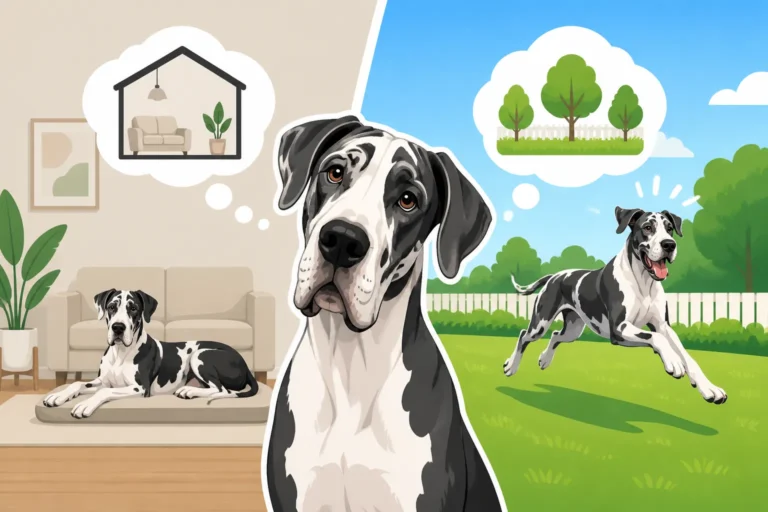
Great Danes are renowned for being massive couch potatoes, often content to sprawl out and snooze for hours on end. This laid-back nature is certainly part of their charm. However, don't let the sleepy stereotype fool you entirely. They also have incredible bursts of energy, often affectionately known as "zoomies," where they'll tear around the yard or house at startling speeds, full of unbridled joy. These explosive moments, while magnificent to watch, can be incredibly intimidating—and potentially dangerous—for a small dog.
The challenge arises when these two distinct play styles collide. A small dog might be looking for a quick, nimble game of chase, while a Great Dane might want to initiate a full-body wrestle or a powerful, galloping run. The sheer difference in velocity and impact during these high-energy phases means that an unsupervised or mismatched play session can go awry quickly. Conversely, a tiny dog might try to engage a sleepy Dane in a game, only to be met with indifference or a slow, heavy paw that, again, could be too much. It's about finding that delicate balance, understanding when your Dane is in a low-energy, calm mood suitable for a gentle interaction, and when their inner freight train is ready to roll. Setting clear boundaries and carefully managing these energy fluctuations is key to preventing accidents and ensuring that both dogs feel safe and comfortable in each other's presence. Exercise Limits While a Great Dane Is Still Growing are crucial to remember here, especially for younger Danes who might be prone to over-exertion.
Assessing the Small Dog's Temperament and Size
While we often focus on the Great Dane's imposing presence, the other half of this equation is equally, if not more, important: the small dog. Their size, breed, and individual personality will profoundly influence how they react to and interact with a giant companion. Ignoring their perspective is a recipe for stress or even injury.
Not All Small Dogs Are Created Equal
When we talk about "small dogs," it's easy to lump them all into one category, but that's a mistake. The term covers a vast spectrum of breeds with wildly different builds, temperaments, and play styles. A sturdy French Bulldog, with its compact, muscular frame and often confident personality, might handle a gentle bump from a Great Dane far better than a delicate Chihuahua, whose bones are more fragile and whose nerves might be more easily frayed. Terriers, with their tenacious and often fearless attitudes, might even instigate play with a Great Dane, barking and nipping at their heels with surprising bravado, sometimes to their own detriment.
Consider also the individual within the breed. You might have a brave, outgoing Yorkshire Terrier who absolutely loves rough-and-tumble play, and then a timid one who prefers to observe from a distance. Knowing the specific dog's history, their confidence levels, and their previous experiences with larger dogs is paramount. If a small dog has had negative encounters in the past, they might approach a Great Dane with fear or defensiveness, which can lead to reactive behaviors like snapping or growling that, while understandable, don't foster positive interactions. It’s vital to acknowledge these differences and never assume that a small dog is automatically equipped to handle the presence of a Great Dane just because they happen to be in the same room.
Reading Canine Body Language for Safe Play
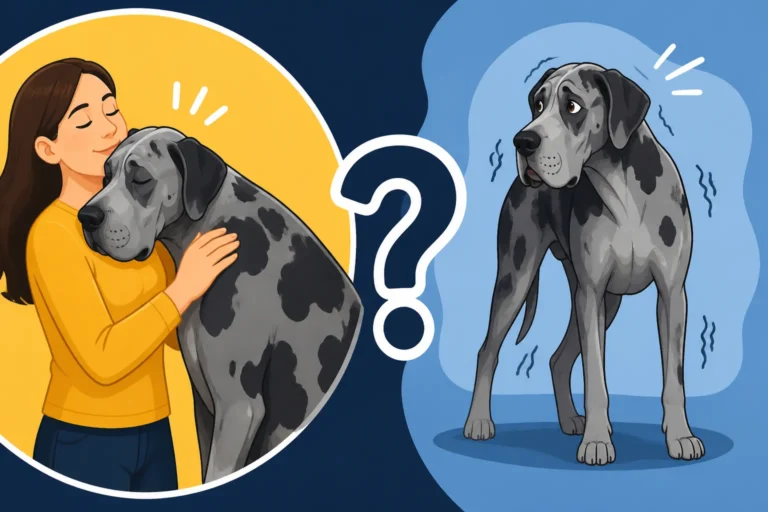
This is arguably the most critical skill for any owner trying to facilitate multi-dog households, especially when there's a significant size disparity. Dogs communicate constantly through their body language, and being able to accurately interpret these signals is your superpower in preventing mishaps and ensuring everyone feels secure. For the small dog, look for signs of discomfort or fear: a tucked tail, flattened ears, lip licking, yawning (out of context), a stiff or frozen posture, or repeatedly trying to get away or hide. If a small dog is showing these signals, they are not having fun, and play needs to stop immediately.
Conversely, you also need to monitor your Great Dane. While they might be "gentle giants," they can get over-excited. Watch for signs of escalating arousal: hard staring at the smaller dog, a stiff body posture, an insistent approach that doesn't respect the small dog's space, or a focused, relentless chase. While some chasing is normal play, if your Dane isn't responding to the small dog's signals to disengage, or if their play becomes too intense, it's time to step in. A truly balanced play session involves both dogs taking breaks, self-handicapping (the bigger dog making themselves smaller or less forceful), and reciprocal invitations to play. If it's one-sided, or if either dog looks stressed, you must intervene. Whether a Great Dane Hurts a Small Dog by Accident is a very real concern, and understanding body language is your best defense against it.
Strategies for Supervised and Safe Play Sessions
The key to successful interactions between a Great Dane and a small dog lies in careful, consistent management and supervision. You can't just throw them together and hope for the best. Intentional structuring of their time together will help build trust and establish safe boundaries for everyone.
Creating a Controlled Environment
Before you even think about letting your Great Dane and a small dog interact, you need to set the stage for success. This means creating an environment that is as safe and manageable as possible. Start by choosing a neutral, enclosed space that is free from distractions and potential hazards. A fenced yard or a large, clear room in your home works best. Remove any small toys that the Great Dane could accidentally swallow or destroy, and clear away delicate items that could be knocked over.
Initially, especially during first introductions or if you're still uncertain about their dynamic, consider using barriers or leashes. A baby gate, specifically one designed to be tall enough that Baby Gates a Great Dane Cannot Step Over, can be an excellent tool for allowing the dogs to see and sniff each other without direct physical contact. This allows them to get used to each other's presence. When you do allow them closer, keep your Great Dane on a long lead initially, even if it's dragging on the ground, so you can easily step on it to interrupt if things escalate too quickly. The goal here is to minimize the chances of over-excitement or accidental injury, giving you the ability to intervene calmly and effectively, fostering a sense of security for both animals.
Structured Play and Intervention Techniques
Once you have a controlled environment, the next step is to structure their play. "Structured" doesn't mean boring; it means intentional and supervised. Don't aim for long, free-for-all play sessions, especially at first. Instead, opt for several short, positive interactions throughout the day. Start with parallel play: give each dog a high-value chew toy or a Toys Big Enough Not to Choke a Great Dane on opposite sides of the room. This allows them to be in each other's presence without direct interaction, learning to associate the other dog with positive, calm activities.
When you do allow direct interaction, keep it brief and always, always supervised. Encourage gentle behaviors from your Great Dane. Teach commands like "settle," "leave it," or "gentle" consistently. If your Dane gets too rambunctious, immediately and calmly interrupt the play. This isn't about punishment, but about redirection. You might say "too rough," and then redirect their attention to a separate toy, or even ask them for a "sit" or "down" before rewarding them for calm behavior. If the small dog appears overwhelmed or scared, gently separate them. This could mean calling the Great Dane to another room for a brief "time out" or leashing the smaller dog and giving them a safe, quiet space. The goal is to consistently reinforce that gentle, respectful interactions are rewarding, while overly boisterous or intimidating behavior results in the cessation of fun. Remember, you're the benevolent referee, ensuring fair play and safety for both sides.
Training Your Great Dane for Cross-Size Interactions
Effective training is the cornerstone of responsible Great Dane ownership, and it becomes even more critical when managing interactions with smaller dogs. Your Great Dane's size means that any lapse in control can have serious consequences, making a solid foundation in obedience and impulse control non-negotiable.
Foundation Obedience and Impulse Control
Imagine trying to stop a hundred-and-fifty-pound Great Dane who is bolting towards a tiny terrier, full of playful enthusiasm but completely oblivious to the size difference. Without strong obedience cues, it's a terrifying scenario. That's why foundation obedience is paramount. Commands like a rock-solid "stay," an immediate "come" no matter the distraction, and a reliable "off" for jumping or getting too close are not just polite manners – they are safety commands. Your Great Dane needs to understand that when you give a cue, they must respond, even if it means interrupting their fun.
Beyond basic commands, focus heavily on impulse control. This involves training your Great Dane to resist the urge to chase, grab, or charge when they see a small, fast-moving object – including a small dog. This can be practiced with toys, gradually moving up to controlled exposure with other dogs under strict supervision. Positive reinforcement is your best friend here. Reward calm behavior, reward eye contact when a small dog is present, and reward immediate responses to your commands. If you need some structured guidance, online programs like BAXTER & Bella can offer comprehensive modules on impulse control and socialization, teaching you how to build these essential skills step-by-step. Remember, consistency is key: every time your Great Dane successfully curbs an impulse, you're building a stronger, safer companion. The Cues a Great Dane Needs Before Six Months are absolutely critical for setting this foundation early.
Socialization with Different Sizes and Ages
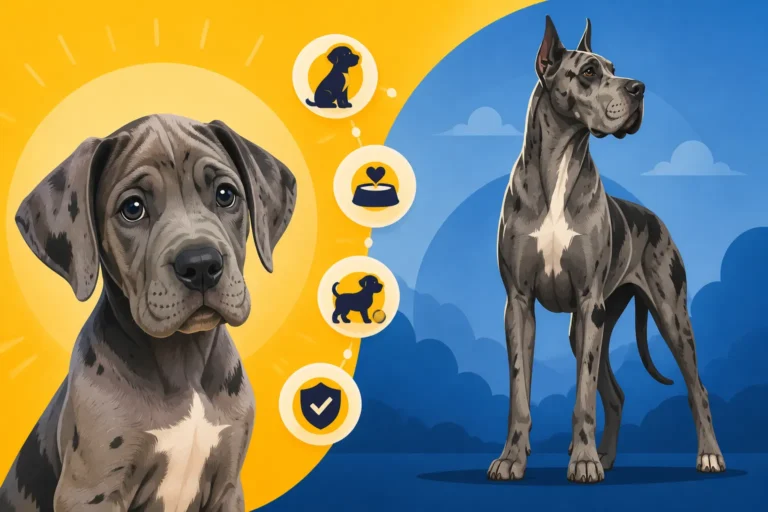
Proper socialization isn't just about exposing your Great Dane puppy to other dogs; it's about exposing them to a variety of dogs, including those significantly smaller than them, in positive and controlled settings. The earlier and more diverse their positive experiences, the better equipped they'll be to navigate the world respectfully. This means seeking out opportunities for your puppy to meet calm, well-adjusted small dogs who have good communication skills and won't be easily overwhelmed.
Think about controlled "meet and greet" sessions, perhaps at a friend's house where you can supervise closely. Avoid dog parks or uncontrolled group settings for initial interactions with small dogs, as the unpredictable energy can be too much. During these introductions, observe both dogs closely. If the Great Dane is too boisterous, calmly intervene. If the small dog is showing signs of fear or aggression, it's not a good match for that particular session. A good puppy class or a private trainer who has experience with giant breeds and multi-dog households can be invaluable. They can guide you through appropriate introductions and help you teach your Great Dane how to self-handicap – meaning the big dog learns to lower their body, move slower, or use less force when interacting with a smaller playmate. Socializing a Great Dane Puppy Early is perhaps one of the most important things you can do to ensure they grow into a well-adjusted dog capable of sharing space safely with all shapes and sizes.
Managing Risks and Ensuring Long-Term Harmony
Even with the best training and intentions, living with a Great Dane and a small dog requires ongoing vigilance and proactive management. It's a continuous process of observation, boundary-setting, and adaptation to maintain a peaceful and safe environment for all.
Recognizing Warning Signs and Setting Boundaries
No matter how well-behaved your Great Dane and their small companion are, you can never become complacent. It’s vital to remain ever-watchful for subtle changes in behavior that could indicate escalating tension or discomfort. This isn't just about preventing aggression; it's about ensuring both dogs feel safe and respected in their shared space. Look for shifts in body language: a Great Dane that becomes stiff or stares intensely, a small dog that starts to avoid interaction, or a change in their established play dynamic. Perhaps the small dog used to initiate play, but now seems hesitant, or your Dane is starting to push boundaries they once respected.
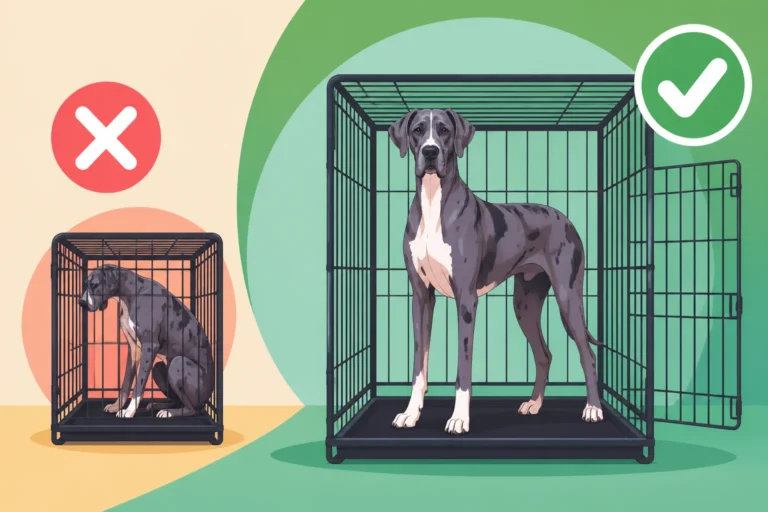
Setting clear boundaries isn't a one-time event; it's an ongoing dialogue you have with your dogs. This might mean enforcing regular "time-outs" if either dog becomes overly excited or tired, allowing them to decompress in separate spaces. Providing designated safe zones for the smaller dog, such as a raised dog bed that the Great Dane can't easily access, or a crate in a quiet corner, gives them an invaluable escape route. It's also important to manage resources – food, treats, toys – to prevent any possessive behaviors from developing. Feeding them in separate locations and ensuring they each have their own chew items can significantly reduce potential conflict. Remember, your goal is to foster a relationship built on mutual respect and safety, and that often means you, as the owner, need to be the consistent and firm leader in defining those parameters.
Equipment and Tools for Management
Living with a giant breed and a small one successfully often means leaning on practical tools and equipment to help manage their interactions. These aren't substitutes for training, but rather aids that enhance safety and control in your home. For your Great Dane, a well-fitting, sturdy harness (a front-clip harness can be particularly effective for controlling pulling) and a strong, appropriately rated leash are essential for walks and any time you need direct control. Leashes Rated for a Great Dane are designed to handle their immense strength. This prevents accidental lunging towards a smaller dog during an outing, or gives you the leverage needed to gently guide them away from an overzealous interaction at home. You can find excellent options on Amazon, often with reviews from other large dog owners.
Inside the home, consider strategic placement of physical barriers like strong, tall dog gates. As mentioned earlier, Baby Gates a Great Dane Cannot Step Over are crucial for creating safe zones or managing introductions. This allows the smaller dog to have undisturbed space, or provides a calm way to introduce the dogs to each other's presence without direct physical interaction. For play, ensure both dogs have their own toys that are size-appropriate. Smaller, easily swallowed toys are a choking hazard for a Great Dane, while a tiny toy might not hold their interest or could be accidentally destroyed too quickly. Larger, durable chew toys for your Dane and smaller, equally robust toys for your little one will help channel their play energy safely. A large, orthopedic dog bed is also a wise investment for your Great Dane to ensure they have a comfortable, designated resting spot that helps with their joint health and offers a clear "place" command destination.
| Aspect of Play | Safe Interaction Examples | Risky Interaction Examples |
|---|---|---|
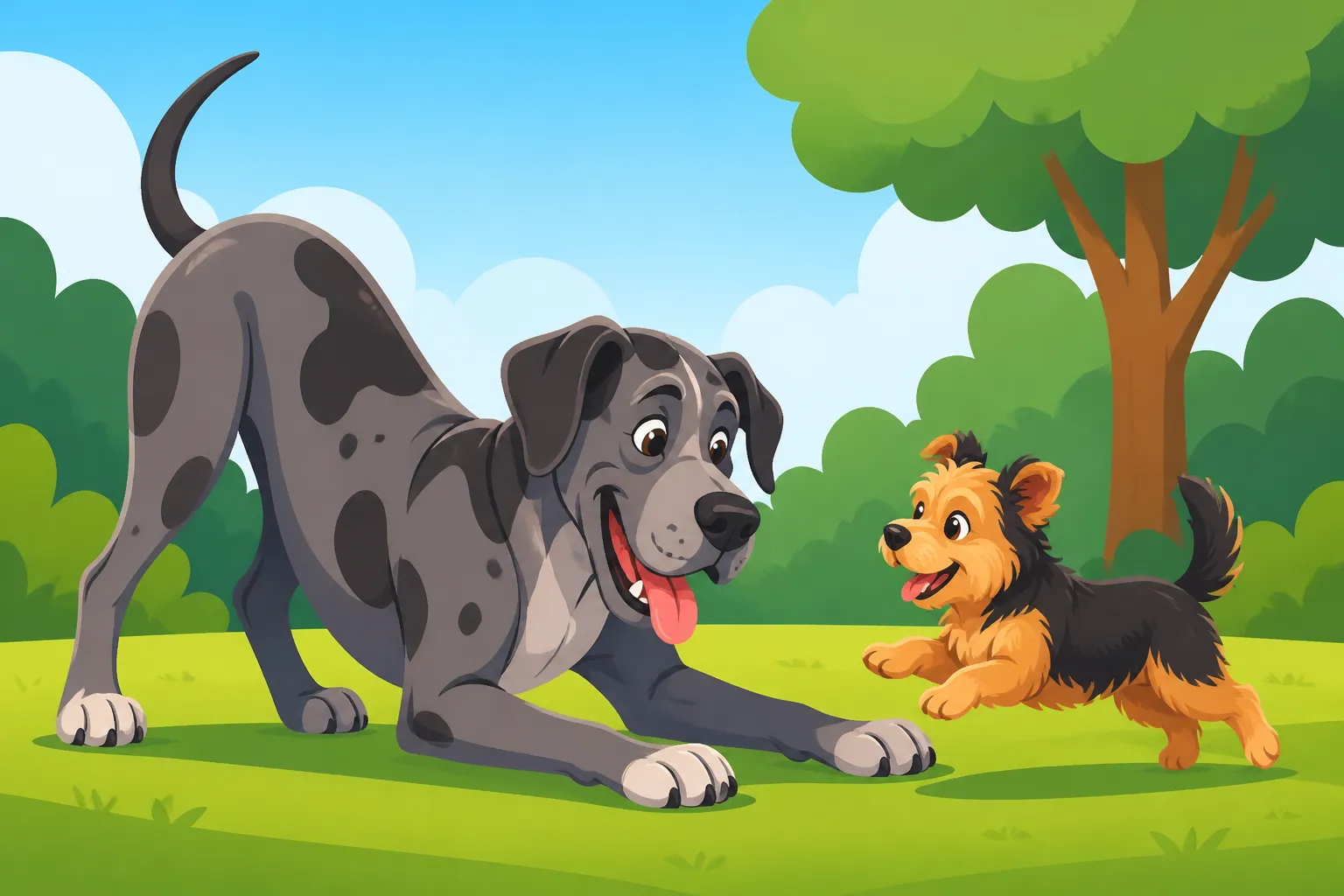
| Play Style | Parallel play with individual toys, gentle sniffing, mutual grooming. | Great Dane initiating full-body wrestling with a small dog. |
| Great Dane self-handicapping (getting on belly, slow pawing). | Great Dane pouncing from above, fast, relentless chasing of a small dog. | |
| Body Language | Loose, relaxed bodies; soft eyes; play bows; taking breaks. | Stiff bodies; hard stares; tucked tail (small dog); incessant barking. |
| Small dog initiating play then disengaging easily. | Small dog freezing, hiding, or snapping out of fear. | |
| Environment | Designated, clear, supervised space; separate resting areas. | Unsupervised, cluttered space; small dog has no escape route. |
| Resources (food, toys) managed separately. | Shared resources; Dane guarding items from small dog. | |
| Owner Role | Active supervision, consistent intervention, positive reinforcement. | Letting dogs "figure it out" without guidance; reacting only to fights. |
| Redirection and time-outs for over-excitement. | Ignoring subtle signs of stress or discomfort. |
Disclaimer
This article is for general informational purposes only and does not constitute professional advice. Laws, prices and regulations vary by location and change over time. Consult a qualified professional for guidance on your specific situation.