Why the First Four Months Decide a Great Dane
Bringing home a Great Dane puppy is an absolute whirlwind – one moment you have a furry little potato, and the next, you're looking at a small horse that's still convinced it's a lap dog. This rapid transformation can make it feel impossible to keep up, but those initial four months are truly the most pivotal time in shaping your gentle giant's entire future, setting the stage for their health, temperament, and training. This guide will delve into why this crucial period is so foundational for your Great Dane.
The Rapid Growth of a Great Dane Puppy
It’s no secret that Great Danes grow fast, but experiencing it firsthand is something else entirely. They are literally growing by the day, gaining pounds and inches at an astonishing rate. This isn't just about their increasing size; it's about the incredible physical and mental development packed into such a short timeframe, and why it demands our careful attention.
Physical Development and Size Milestones
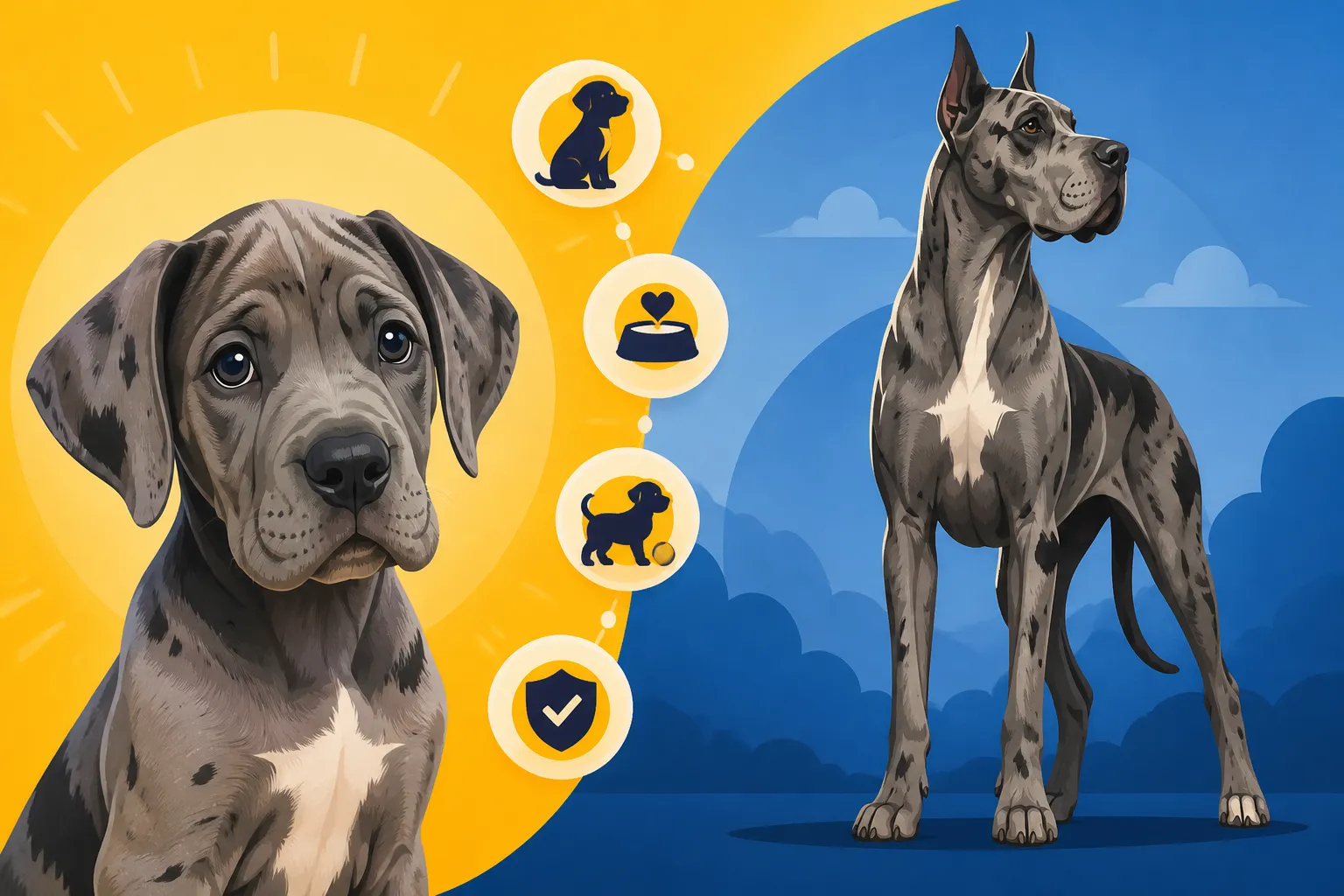
From eight weeks to four months, a Great Dane puppy can easily double or even triple its weight. You’ll watch their legs lengthen almost overnight, their paws seem to expand before your eyes, and their tiny puppy head start to take on that majestic Dane profile. By the time they hit four months, they’re often already pushing fifty or sixty pounds, sometimes even more, feeling far more substantial in your arms than their age would suggest. This quick growth means their bodies are under immense stress, and everything you do impacts their skeletal development. A Great Dane at Half Its Adult Weight by Six Months and How Tall a Great Dane Is at a Year really highlight just how quickly these pups transform into adolescents.
However, this rapid physical development often outpaces their mental maturity. They might look like a sturdy young dog, but inside, they're still very much a baby with limited impulse control and a vast amount to learn. This mismatch between physical capability and mental readiness is precisely why early, consistent guidance is so critical. If you wait until they are physically strong to start training, you'll be trying to teach a 100-pound teenager who still thinks and acts like a tiny puppy, which can be a real challenge for even the most seasoned dog owner.
The Window for Joint Health
The bones and joints of a rapidly growing Great Dane are incredibly vulnerable during these first few months. Their growth plates are open, meaning the ends of their long bones are still soft and susceptible to injury or abnormal development. Over-exercise, inappropriate nutrition, or too much impact can lead to serious, lifelong orthopedic problems such as Great Dane Hips, Elbows and Growing Joints and Elbow Problems in a Fast-Growing Great Dane. It’s a delicate balance to provide enough activity for their energy levels without putting undue strain on their still-developing bodies.
Proper nutrition is also absolutely paramount. Feeding a puppy formula designed for large or giant breeds is crucial, as it provides a carefully balanced calcium-to-phosphorus ratio and a moderate calorie level to support slow, steady growth. Avoiding supplements, especially calcium, unless specifically instructed by your vet, is vital, as Why Calcium Supplements Damage a Great Dane explains in detail. The goal is not to make them grow faster or bigger, but to ensure they grow correctly and avoid conditions like Hypertrophic Osteodystrophy in a Great Dane, which can be debilitating.
Critical Socialization and Fear Periods
The first few months of a Great Dane’s life are not just about physical growth; they're also a critical window for psychological development. During this time, puppies are like sponges, soaking up every experience and forming associations that will stick with them for the rest of their lives.
The Prime Socialization Window
From around 8 to 16 weeks, Great Dane puppies are in their most impressionable socialization period. This is the time to expose them to a wide variety of positive experiences in a safe, controlled manner. Think about all the things a well-adjusted adult dog encounters: different people (men with hats, kids, elderly folks, people in uniforms), various sounds (sirens, vacuums, thunderstorms on a recording), novel surfaces (grass, pavement, carpet, gravel), and other friendly, vaccinated dogs. The more positive exposure they get now, the less likely they are to develop fears or anxieties as adults. Socializing a Great Dane Puppy Early is something you cannot afford to skip.
A lack of proper socialization during this period can have profound and lasting consequences, especially for a giant breed. A fearful or reactive Great Dane, weighing over 100 pounds, can become a serious challenge to manage, not just for you but for anyone they encounter. Enrolling in a well-run puppy class, or using online resources like BAXTER & Bella, can provide structured opportunities for controlled exposure and learning. These programs guide you through the process, ensuring your puppy has positive interactions without being overwhelmed. Remember, quality over quantity: a few positive experiences are far more valuable than many overwhelming or negative ones.
Navigating Fear Periods
Within this socialization window, puppies also typically go through what are known as "fear periods." These are natural developmental stages where they might suddenly become fearful of something they previously ignored or were fine with – a trash can, a new sound, or even a familiar object in a different place. For Great Danes, these periods can feel even more intense because of their size and sensitivity. The first fear period often occurs between 8 and 11 weeks, and another can pop up around 4-6 months.
During a fear period, it's crucial not to force your puppy into a situation they are scared of, nor to overly coddle them and inadvertently reward the fear. Instead, create a safe distance from the scary object, let them observe, and use high-value treats and praise to create positive associations. If they approach the scary thing on their own, reward them lavishly. The key is gentle encouragement and showing them that you are confident and safe, which helps build their resilience. Mishandling a fear period can cement a lifelong phobia, so knowing Building Confidence in a Nervous Great Dane is incredibly helpful.
Foundation Training and Manners
You simply cannot afford to wait until a Great Dane is full-grown to start training. A small, manageable puppy quickly becomes a very large, powerful dog. The habits, good or bad, formed in these first four months will dictate how easy or difficult your life with your Dane will be. Why Waiting Until a Great Dane Is Grown Is Too Late is a truth many new owners learn the hard way.
Establishing Basic Obedience Early
Basic obedience cues like "sit," "stay," "come," and "down" are essential, and they need to be taught and reinforced consistently from day one. Imagine trying to physically move a 150-pound adult Great Dane who doesn't want to get off the sofa. Now imagine how much easier it is to teach a 30-pound puppy to "off" from the sofa. Starting early, using positive reinforcement with tasty treats and enthusiastic praise, makes the learning process fun and effective. Teaching a Great Dane to Sit Before It Weighs Eighty Pounds sounds like common sense, but it’s often overlooked.
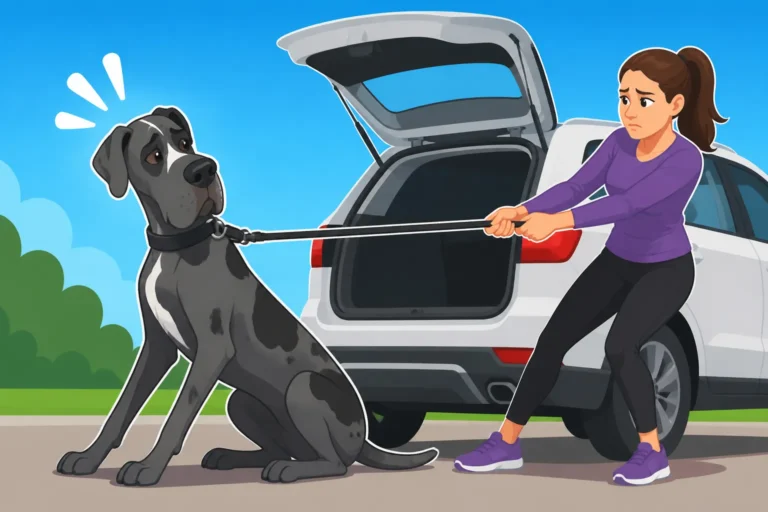
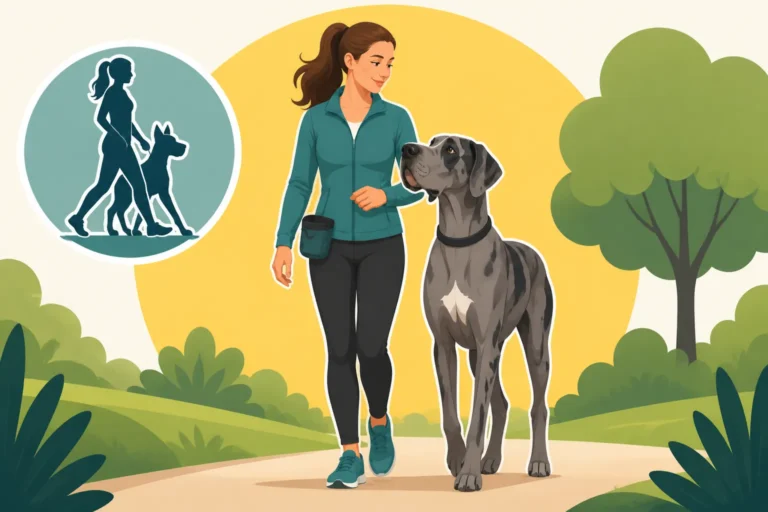
Leash manners are another absolute must. Even a small Great Dane puppy can already pull surprisingly hard. Introducing the leash and collar or harness positively, making it a comfortable experience, and starting loose-leash walking practice in low-distraction environments lays the groundwork for enjoyable walks later. You want to teach them to walk politely by your side long before they have the strength to pull you off your feet. Invest in sturdy, comfortable harnesses from places like Amazon to ensure they're secure and comfortable as they learn.
Preventing Undesirable Giant Dog Behaviors
Great Danes are renowned for their "gentle giant" nature, but they are still dogs, and without guidance, they will engage in behaviors that are cute in a puppy but disastrous in an adult. Jumping up, counter-surfing, and nipping are prime examples. A playful nip from a 15-pound puppy is one thing; a "love bite" from a 120-pound adult is quite another. Similarly, a tiny pup trying to climb on the counter is amusing; an adult Dane effortlessly sweeping everything off your kitchen island is a real problem.
Consistent prevention and redirection are key. For jumping, teach an incompatible behavior like "sit" to greet people. For counter-surfing, never leave tempting items within reach and teach a strong "leave it" command. Providing appropriate chew toys and engaging in supervised play will help redirect nipping behavior. These early interventions save you a world of headache later on. A Great Dane That Takes Dinner Off the Table can be a recurring battle if not addressed early. Providing puzzle feeders and sturdy chew toys, often available on Amazon, can also help keep them mentally stimulated and less prone to mischievous counter-surfing.
Building Trust and the Human-Canine Bond
Beyond specific behaviors, the first four months are about building the bedrock of your relationship with your Great Dane. This bond, built on trust, consistency, and understanding, is what allows them to thrive and become a beloved member of your family.
The Importance of Consistent Boundaries
Puppies, especially smart and sensitive ones like Great Danes, crave consistency. They need to understand what is expected of them, what the rules are, and that those rules apply every single time. If jumping on guests is sometimes allowed but other times scolded, your Great Dane will become confused and frustrated. Establishing clear, fair boundaries from day one – where they can sleep, what they can chew, how they should greet people – provides them with a sense of security and predictability.
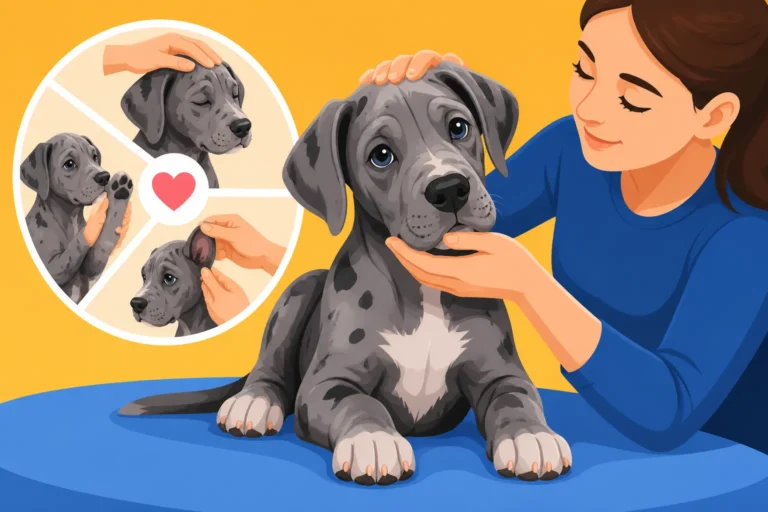
This isn't about being harsh; it's about being clear and calm. For instance, if you don't want your adult Dane on the furniture, don't let your tiny puppy on the furniture, even if they look adorable curled up on your lap. It's much easier to stick to a rule from the beginning than to try and break a deeply ingrained habit in a 130-pound dog. This consistency creates a safe and predictable world for them, reinforcing that you are a reliable leader they can trust.
Creating a Lifelong Partnership
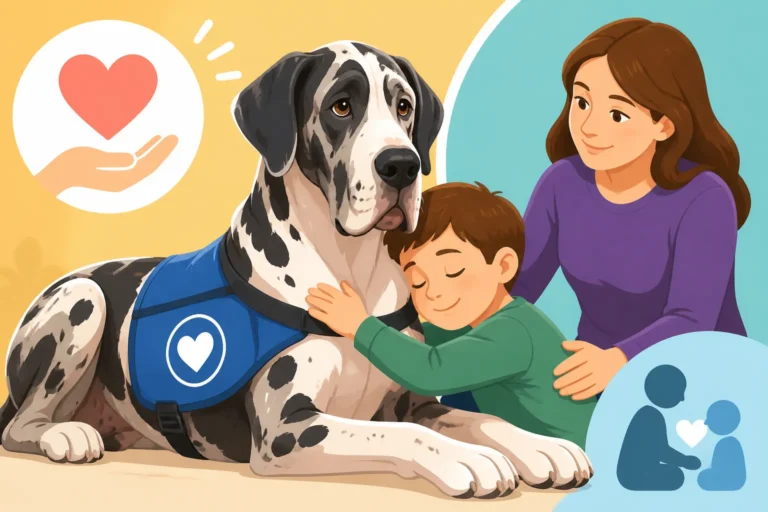
The efforts you put into your Great Dane during these formative months will pay dividends for their entire, albeit often too short, life. A well-socialized, well-trained Great Dane is a joy to live with – confident, calm, and cooperative. They are more adaptable to new situations, less prone to anxiety, and truly embody the "gentle giant" reputation. This early investment builds the foundation for a deep and fulfilling partnership. What a Great Dane Puppy Should Weigh at Four Months is a good indicator of their rapid development, but it's the mental and emotional milestones that truly matter for their future.
Conversely, neglecting these crucial first months can lead to a lifetime of challenges. Behavioral problems, anxiety, and a strained relationship can emerge, making daily life difficult and stressful for both you and your dog. Great Danes are incredibly sensitive and thrive on connection; nurturing that connection from puppyhood ensures they grow into the magnificent companions they are meant to be. This is why resources like BAXTER & Bella can be incredibly valuable for new owners, offering structured support to navigate these critical early months and foster a strong bond.
Key Developmental Milestones & Owner Actions (0-4 Months)
Here’s a quick overview of what’s happening and what you should be focusing on during these vital first four months:
| Age Range | Key Developmental Milestones | Crucial Owner Actions |
|---|---|---|
| 0-8 Weeks | Born deaf/blind, eyes open around 2 weeks, starts exploring, learning bite inhibition from littermates. | Breeder focus: excellent nutrition for dam, early neurological stimulation, proper weaning, safe early socialization. Choose a reputable breeder. |
| 8-12 Weeks | Prime socialization window, fear period might begin, starts house training, exploring surroundings. | Introduce diverse sights, sounds, people, objects daily (positively!). Start basic obedience (sit, come, name), crate training, leash introduction. |
| 12-16 Weeks (3-4 Months) | Continues rapid growth, strong opinions developing, second fear period possible, solidifying house training. | Continue varied socialization, formal puppy classes (like BAXTER & Bella offers), reinforce all basic cues, practice polite greetings, prevent jumping. Focus on appropriate, low-impact exercise. |
| Overall Focus | Physical growth (bones, joints), neurological development, social learning, establishing trust. | Consistent positive reinforcement, managing appropriate exercise and nutrition for large breeds, gentle handling, building a strong bond. |
Disclaimer
This article is for general informational purposes only and does not constitute professional advice. Laws, prices and regulations vary by location and change over time. Consult a qualified professional for guidance on your specific situation.