Whether a Child Should Hold a Great Dane’s Leash
It's a common, almost idyllic image, isn't it? A happy child, confidently walking their beloved family dog down the street. It warms the heart to think of such a bond. But when that dog is a Great Dane, a breed that can easily weigh more than a grown adult and stands eye-level with many children, that sweet picture suddenly comes with a serious safety asterisk. This guide will delve into the very real challenges and risks involved, helping you understand why putting a Great Dane's leash in a child's hand is rarely a good idea, and offering safe ways for kids to interact with these magnificent giants.
The Sheer Physics of a Giant Breed on a Leash
Let's get down to brass tacks: a Great Dane is a lot of dog. We're talking about a creature that can hit 150-200 pounds or more, with powerful legs, a low center of gravity when it braces, and a strong prey drive. A child, no matter how earnest or well-intentioned, simply doesn't have the physical strength or leverage to control such an animal in an unexpected situation.
The Power Dynamic on the Pavement
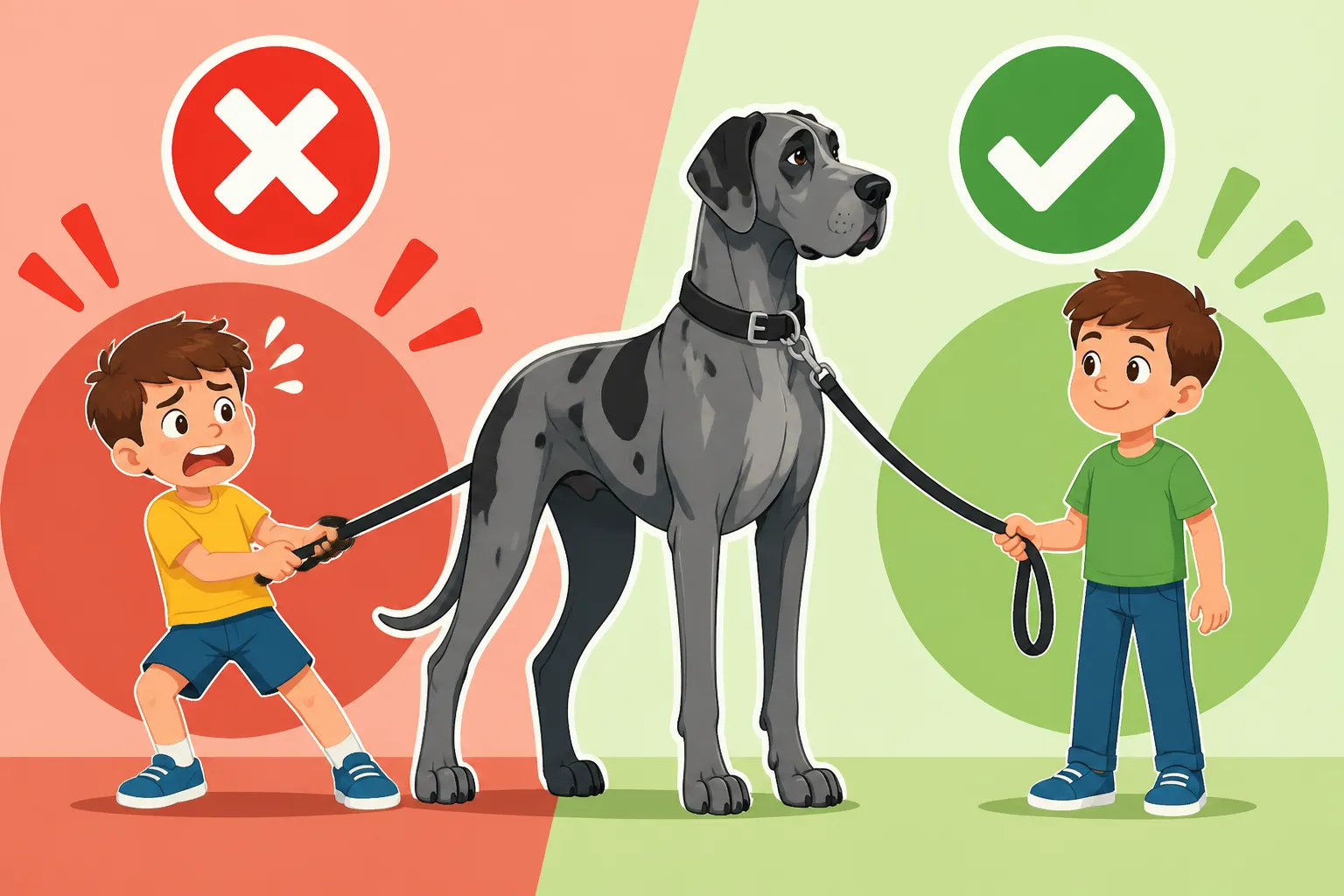
Imagine your average ten-year-old, weighing perhaps 70-80 pounds on a good day, trying to walk a 150-pound Great Dane. This isn't just a weight difference; it's a fundamental imbalance of power. If that Great Dane suddenly spots a squirrel, a bunny, another dog, or even just gets a fright from a loud noise, it can lunge with incredible force.
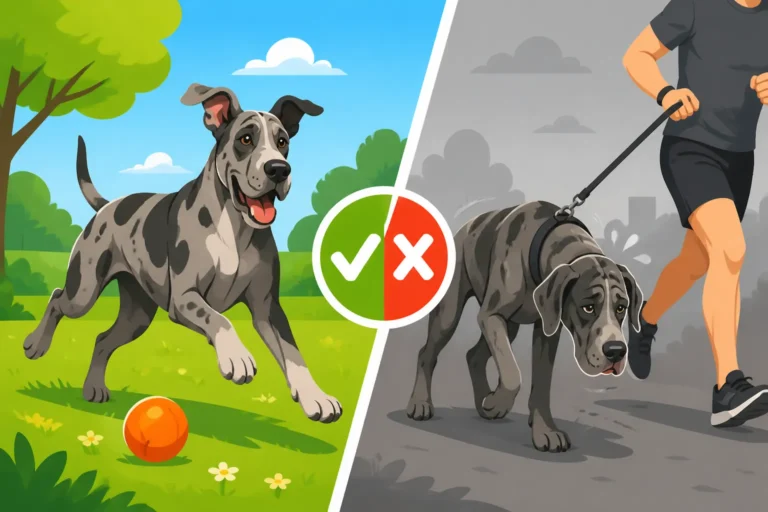
A lunge from a Great Dane isn't just a tug; it's an explosion of power that can easily pull an adult off their feet, let alone a child. The child could be yanked forward, losing their grip on the leash, or worse, be dragged, potentially falling and sustaining injuries. Even a well-trained Great Dane can have an off moment, and it’s in those moments that the real danger lies. Relying on a child to provide the necessary physical control is setting them up for failure and putting both the child and the dog at risk. Think about how much effort it takes for an adult to A Great Dane That Pulls You Off Your Feet – now magnify that challenge for a child.
Equipment Limitations for Small Hands
While there's a vast array of leashes and harnesses designed to aid in control, none of them magically transfer an adult's strength to a child. A sturdy leash and a well-fitting harness (like those you might find on Amazon, perhaps a no-pull front-clip design) are crucial for managing a Great Dane, but they are tools meant to be used by someone capable of exerting significant force and maintaining a firm grip.
Children often lack the hand strength to hold a firm grip on a leash for an extended period, especially if the dog is pulling. The leash can slip, or their hands can simply tire out and release it. Moreover, the mechanics of using certain equipment, like a head halter, require a degree of finesse and understanding that is usually beyond a child's capabilities. It’s not just about holding on; it’s about responding appropriately to the dog’s movements and using the equipment effectively to communicate and correct.
The Unpredictability Factor
Dogs, even the most beloved family pets, are still animals with instincts and reactions that can be unpredictable, especially in novel or stimulating environments. What seems like a perfectly calm walk can turn into chaos in a split second, and a child's ability to anticipate or react to these shifts is limited.
Sudden Surprises and Instinctual Responses
Imagine a beautiful afternoon stroll when suddenly, a small child on a bicycle whizzes by, or another dog barks aggressively from behind a fence. A Great Dane, even one known for its gentle giant demeanor, might react. This reaction could be a sudden lunge to investigate, a startled jump back, or an attempt to protect its small human.
A child simply doesn't have the instinctual control or quick reflexes needed to manage a large dog in such a scenario. An adult might be able to brace themselves, use a verbal correction, or swiftly guide the dog away from the stimulus. A child is more likely to be overwhelmed, freeze, or lose control, exacerbating the situation. The dog might pull them into traffic, or towards another animal, leading to a dangerous encounter. Great Danes With Children and Small Dogs can coexist beautifully, but supervised interactions and adult control are always paramount.
The Responsibility Burden on Young Shoulders
Asking a child to hold a Great Dane's leash places an immense and unfair burden of responsibility on them. They are not equipped to make split-second decisions about dog safety, public interaction, or potential hazards. If something goes wrong—a dog fight, an escaped dog, an injury to themselves or someone else—the psychological impact on the child could be severe.
It's important to remember that the child isn't just walking the dog; they are representing the dog's handler and are responsible for its behavior in public. That's a role best reserved for a mature, physically capable adult who understands dog behavior, local leash laws, and emergency protocols. We want our children to love and enjoy their Great Danes, not to feel burdened or terrified by the responsibility of controlling them.
Teaching Leash Manners: An Adult Endeavor
Leash training is a fundamental part of raising a well-behaved Great Dane, and it's something that absolutely requires adult consistency, strength, and understanding. Children can certainly participate in training, but the primary responsibility for teaching and enforcing good leash manners falls to the adult.
The Foundation of a Loose Leash Walk
Before any thought is given to a child holding the leash, the Great Dane needs to be a master of walking on a loose leash with an adult. This means no pulling, no lunging, and responding reliably to cues like "heel" or "let's go." Achieving this takes consistent practice, patience, and often, professional guidance. Training programs, like those offered by BAXTER & Bella, can provide structured lessons that empower adult handlers to build this foundation effectively.
If an adult struggles to get a Great Dane to walk nicely, it's completely unrealistic to expect a child to manage it. The goal is to have a dog that chooses to walk politely, not one that is forced into submission by brute strength. This takes an adult understanding of positive reinforcement, timing, and consistency. Getting a Great Dane to Walk on a Loose Leash is a skill that must be mastered by the adult first and foremost.
Involving Children in Leash Training Safely
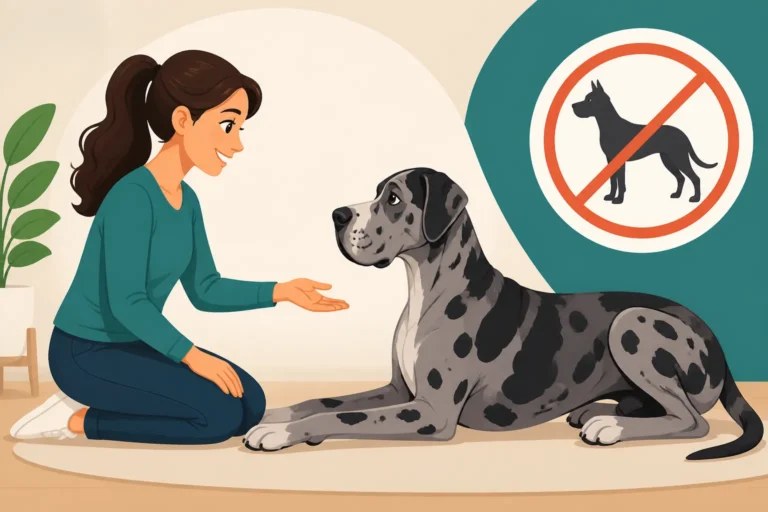
Children absolutely should be involved in their Great Dane's training, just not by holding the main leash during a walk. They can participate in supervised, controlled environments, perhaps in a securely fenced yard, using a separate, lightweight training leash under direct adult supervision. Here's how they can contribute:
- Verbal Cues: Kids can practice giving known commands like "sit," "stay," or "come" while the adult holds the main leash.
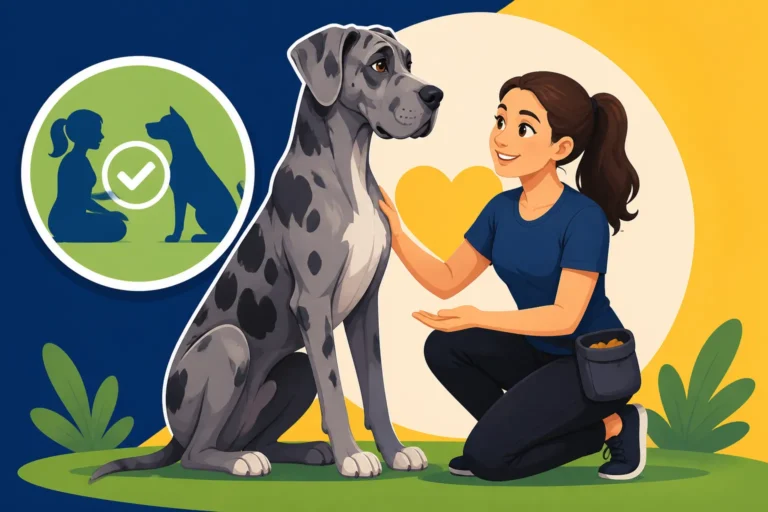
- Rewarding Good Behavior: Children can be in charge of delivering treats when the dog performs correctly during training exercises. This helps build a positive association between the child and good behavior.
- "Assistant" Leash Holding (Adult still holds main leash): In a very controlled, low-distraction environment, an adult can hold the primary leash while the child holds a secondary, lighter leash attached to the dog's harness. This gives the child the feeling of walking the dog, but the adult maintains all control and can quickly intervene. This is a great way to let them feel like they are contributing without risking safety.
- Short, Controlled Walks in Safe Zones: For a dog that is already walking perfectly on a loose leash with an adult, a child could be allowed to hold a secondary leash for a very short distance in a completely safe, enclosed area (like a backyard) with an adult right beside them, ready to take over instantly.
Remember, the goal is always to keep everyone safe. It's about empowering children to participate in a meaningful way without putting them in a position where they lack the physical and mental capacity to control a powerful animal.
Safe Alternatives for Child-Great Dane Interactions During Walks
Just because a child shouldn't hold the main leash doesn't mean they can't be an active part of walk time! There are plenty of ways to involve children that foster their bond with the dog and teach responsibility without compromising safety.
The "Co-Pilot" Role: Walking Alongside
Instead of holding the leash, a child can walk alongside the adult and the Great Dane, serving as a "co-pilot." This means they are present, observing, and perhaps even offering verbal encouragement to the dog.
- Navigating Obstacles: The child can help spot potential hazards or interesting things for the dog (like a patch of grass to sniff) and communicate these to the adult.
- Practicing Commands: As mentioned, they can give commands like "sit" at a street corner or "stay" when waiting for traffic. The adult retains physical control of the leash, but the child is actively engaged in the dog's behavior.
- Observation and Learning: Walking alongside teaches children how to read their dog's body language, how the adult manages the leash, and how to safely interact with the environment while a large dog is present. This is invaluable learning for responsible pet ownership.
Engaging with the Environment Together
Walking can be more than just a means of exercise; it can be an adventure! Children can enhance the walk by making it more interactive, even without holding the leash.
- Fetching Games (Controlled): At a park or open field, a child can throw a large, durable toy for the Great Dane to fetch. This is excellent exercise and mental stimulation, and the child controls the "game" aspect, while an adult supervises the dog's overall behavior and recall.
- "Spot the Dog" Activities: Turn the walk into a game where the child points out other dogs or interesting things the Great Dane might enjoy seeing (from a safe distance, of course). This helps them learn to observe and anticipate their dog's interests and reactions.
- Sniffing Adventures: Great Danes love to sniff! Children can guide the adult (verbally) to interesting patches of grass or bushes for the dog to explore. This makes the walk more engaging for everyone and allows the dog to follow its natural instincts.
Educational Opportunities and Responsibilities
Walks are prime time for teaching children about dog safety and responsible pet care.
- Discussing Leash Etiquette: Use the walk as an opportunity to talk about why the adult holds the leash, the importance of keeping the dog under control, and what to do if another dog approaches.
- Picking Up After the Dog: This is a fantastic way to teach responsibility. Provide the child with a sturdy waste bag dispenser (you can find these on Amazon) and let them be responsible for ensuring the waste is picked up and properly disposed of by an adult.
- Hydration Duty: Carrying a portable water bottle and bowl for the Great Dane is another great responsibility a child can manage, especially on longer walks. They can offer water breaks under adult supervision.
These alternatives ensure that children are involved, feel important, and learn valuable lessons about caring for their Great Dane, all while keeping safety as the absolute top priority. It's about building a partnership, not placing an impossible burden. For more on the training journey, explore The Manners a Great Dane Needs Before It Grows.
Here's a quick comparison of risks and benefits:
| Aspect | Child Holding Leash (Primary) | Adult Holding Leash (Child as Co-Pilot) |
|---|---|---|
| Physical Control | Extremely low; high risk of being pulled, dragged, or letting go. | High; adult has necessary strength and leverage. |
| Reaction Time | Slowed; child likely overwhelmed by unexpected events. | Quick; adult can anticipate and react to stimuli. |
| Decision Making | Poor; child lacks judgment for safety or emergency situations. | Sound; adult can make informed decisions for safety. |
| Dog Safety | High risk of dog escaping, encountering hazards, or causing issues. | High; dog kept safely under control, preventing incidents. |
| Child Safety | High risk of physical injury (falls, scrapes, impacts). | High; child protected by adult's control, learning safely. |
| Learning/Bonding | Potentially negative due to fear, frustration, or negative events. | Positive; child learns responsible interaction without pressure. |
| Public Perception | May be seen as irresponsible or dangerous by others. | Seen as responsible, showcasing a well-managed dog. |
| Equipment Handling | Difficult; child may struggle with specific leash/harness types. | Effective; adult can utilize appropriate gear correctly. |
Ultimately, while the desire to involve children in dog care is wonderful and important, the unique size and power of a Great Dane demand that an adult remains in primary control during walks. Their safety, and the safety of your beloved Dane and everyone around you, depends on it. Ensuring your Great Dane is well-trained, and you, as the adult, have good Harnesses and Collars That Control a Great Dane can make all the difference in making walks enjoyable and safe for the whole family. The Age a Great Dane Stops Listening isn't a fixed point, but consistent adult-led training helps maintain manners throughout their life.
Disclaimer
This article is for general informational purposes only and does not constitute professional advice. Laws, prices and regulations vary by location and change over time. Consult a qualified professional for guidance on your specific situation.