Free Play Against Forced Exercise for a Great Dane
One of the biggest head-scratchers for Great Dane owners is how much exercise their giant furry friend truly needs. You want your Dane to be healthy and happy, but pushing them too hard can have devastating consequences for their delicate growing joints. This guide will help you understand the crucial difference between free play and forced exercise, explaining how to keep your Great Dane active without risking their long-term well-being.
Understanding the Unique Exercise Needs of a Great Dane
It’s tempting to think that because Great Danes are so big, they must need hours of strenuous activity every day. But that's a common misconception that can actually be quite harmful. Their enormous size and rapid growth put them in a unique category when it comes to physical exertion, especially in their early years.
The Critical Growth Period and Joint Health
From the moment they're born, Great Danes grow at an astonishing rate, sometimes gaining several pounds a week. This explosive growth puts immense stress on their developing bones, ligaments, and joints. Their bones are not just getting longer; they're also thickening and maturing, and the cartilage protecting their joints is still relatively soft and vulnerable. During this critical period, excessive impact or repetitive stress can lead to serious, irreversible orthopedic issues.
Imagine a toddler trying to run a marathon; it sounds absurd, right? The principle is similar for a Great Dane puppy. While their bodies might look sturdy, they are incredibly fragile underneath that impressive exterior. Activities that might be perfectly fine for a smaller, slower-growing breed can be disastrous for a Dane, potentially leading to conditions like osteochondritis dissecans (OCD), panosteitis, or exacerbating predispositions to hip and elbow dysplasia. The goal during puppyhood and adolescence isn't to build super-muscles, but to allow their skeletal structure to mature naturally and healthily, which means slow, controlled growth and appropriate, low-impact movement. This is precisely Why a Great Dane Puppy Should Grow Slowly.
Great Danes Aren't Built for Endurance
While Great Danes are undoubtedly powerful, they were historically bred for explosive bursts of speed and strength to tackle wild boars, not for long-distance running or sustained endurance. They are sprinters, not marathoners. Their large, deep chests and long legs are designed for powerful, short bursts of activity, followed by periods of rest. This genetic predisposition means their bodies aren't optimized for prolonged, high-impact exercise.
Trying to force a Great Dane into a long-distance running routine or expecting them to keep pace with you on a several-mile bike ride can quickly lead to exhaustion, overheating, and significant strain on their heart and joints. Instead, think of them as gentle giants who prefer a good romp and then a long nap on a comfy bed. Their energy levels might surprise you; many adult Danes are content with a couple of moderate walks a day and some indoor play. Understanding their natural inclination helps you tailor an exercise regimen that truly suits their physical capabilities, rather than pushing them beyond their limits.
The Benefits and Pitfalls of Free Play for Great Danes
Free play is often the best kind of exercise for a Great Dane, especially during their growth phases. It allows them to move their bodies naturally, dictated by their own energy levels and instincts. However, even free play isn't without its considerations.
What Constitutes Healthy Free Play?
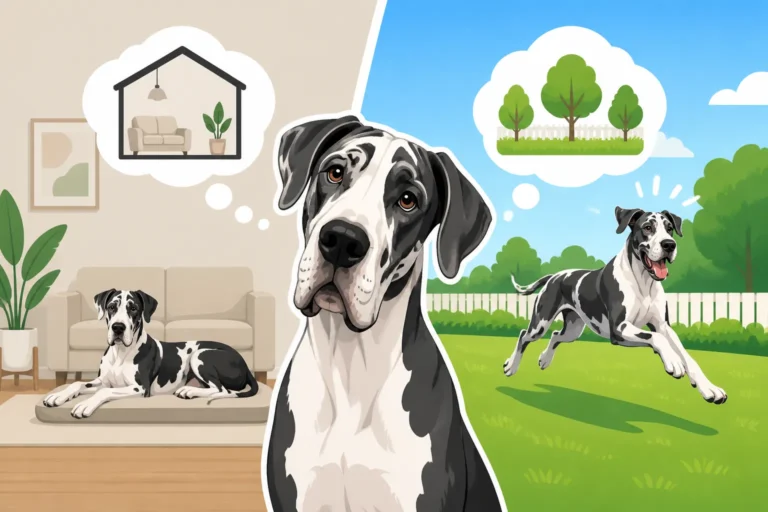
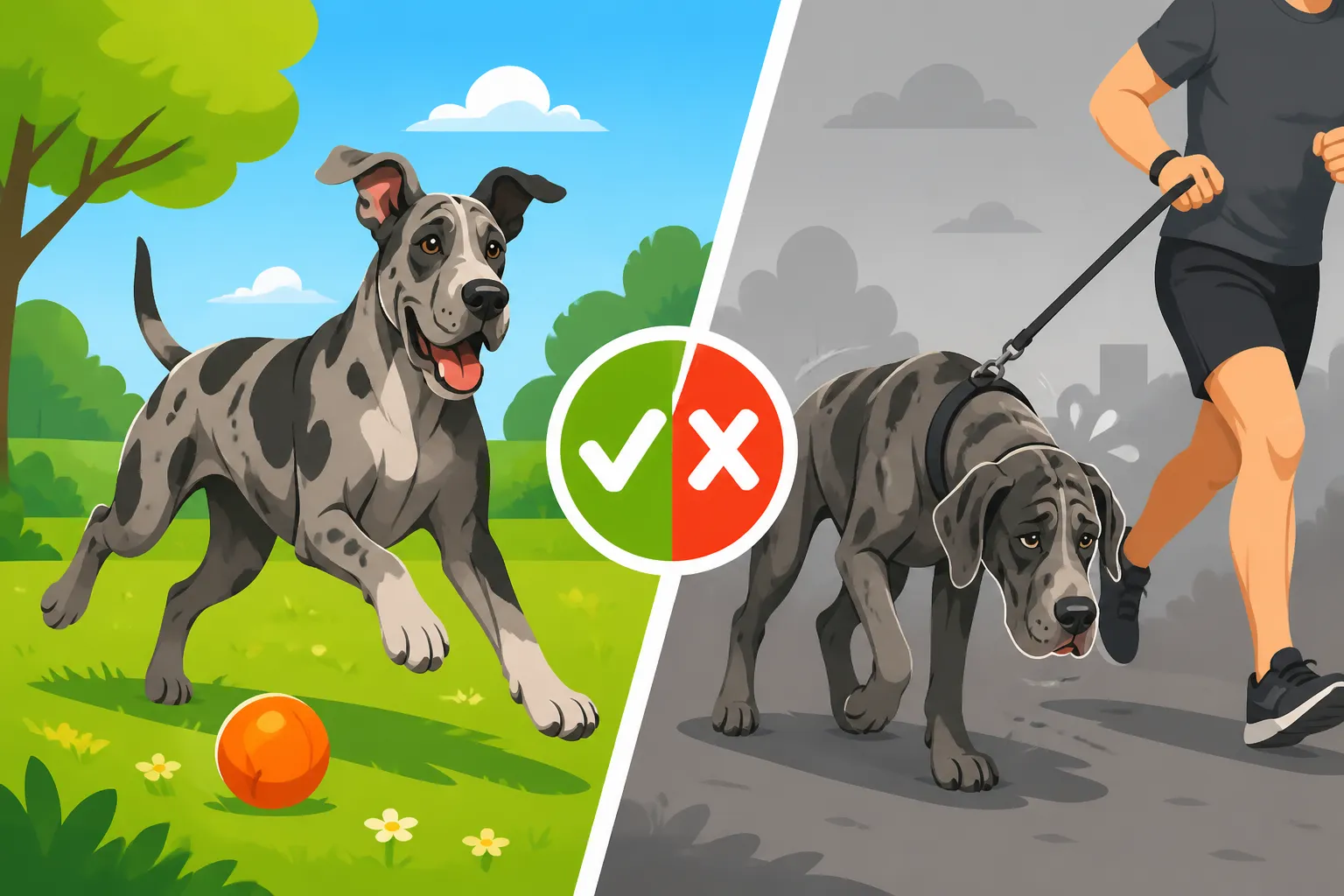
Healthy free play for a Great Dane involves activities where they set the pace. This could be supervised time in a securely fenced yard, where they can trot, sniff, and explore at their leisure. It might involve a gentle game of fetch, but with strict limits on the number of throws to prevent repetitive strain, and plenty of pauses for rest. Socializing with other dogs can also be fantastic free play, as long as the playmates are well-matched in size, temperament, and play style. A rough-and-tumble session with another giant breed like a Mastiff or a Newfoundland might be appropriate, but letting a young Dane puppy wrestle too vigorously with a much smaller, faster dog could lead to accidental injury for either party.
Think of those lovely, meandering walks around the neighborhood or a park on a long lead. Your Dane gets to sniff every interesting scent, investigate every bush, and generally experience the world at their own pace. This type of exploration is excellent for both physical and mental stimulation. Even simple indoor games, like hide-and-seek with treats or working on a puzzle feeder you might find on Amazon, can be fantastic forms of "play" that engage their minds and bodies without putting excessive strain on their joints. These activities allow them to use their muscles and coordination naturally, building strength and balance without the forced repetition or intensity that can lead to problems.
When Free Play Can Go Wrong
While generally beneficial, free play can still become problematic if not managed carefully. The biggest risk, especially for growing Great Danes, is over-exertion. A puppy might have endless enthusiasm but a body that isn't ready for it. They don't always know when to quit, and an owner needs to step in and enforce rest. A young Dane, for instance, might engage in enthusiastic zoomies for five minutes straight, accelerating and braking abruptly, which can be incredibly hard on developing growth plates and joints. This is a key reason Why Fast Growth Wrecks Great Dane Joints.
Another common pitfall is unsupervised or inappropriate play environments. A rocky, uneven terrain can be a recipe for sprains or worse, while slippery floors indoors can cause painful slips and falls. Playing with unmatched dog partners is also a concern. A Great Dane puppy, in its exuberance, might accidentally injure a smaller dog, or a smaller, faster dog might provoke a young Dane into lunging or twisting movements that are harmful. Even in a seemingly safe environment, constant, high-intensity retrieving or prolonged running after a frisbee can become forced exercise if the dog doesn't get sufficient breaks. Owners need to be vigilant, reading their Dane's cues for fatigue—slowing down, panting excessively, or lying down—and ending play sessions before they reach the point of exhaustion.
The Dangers and Limited Utility of Forced Exercise
Many people, even well-meaning ones, assume that a large dog needs a large amount of intense, forced exercise. This couldn't be further from the truth for a Great Dane, and misunderstanding this can lead to serious health issues.
Defining Forced Exercise for a Giant Breed
Forced exercise refers to activities where the dog is compelled to maintain a certain pace or intensity for a prolonged period, often beyond what they would naturally choose. For a Great Dane, this includes activities like continuous jogging with their owner, long-distance cycling alongside a bike, repetitive jumping (like agility training before their growth plates have closed), or being kept on a treadmill. Even prolonged, intense sessions of fetching or frisbee where the dog is continually chasing and stopping without adequate rest can cross the line from healthy free play into forced exercise.
The key characteristic is the lack of self-regulation by the dog. If your Dane isn't able to slow down, take breaks, or stop entirely when they feel tired, then it’s likely a forced activity. This distinction is especially crucial during their first two years of life when their bones, muscles, and ligaments are still developing and hardening. Pushing them too hard during this period can have lasting, painful consequences, setting them up for a lifetime of discomfort and vet visits.
Why Forced Exercise Can Be Detrimental
The list of potential detriments from forced exercise for a Great Dane is long and serious. The most immediate concern is the strain on their rapidly growing skeletal system. Repetitive impact, especially on hard surfaces, can damage growth plates, leading to irreversible joint deformities and arthritis later in life. Imagine the force of a 100+ pound dog landing repeatedly on young joints – it's like tiny micro-traumas adding up over time. This is a critical factor when considering Great Dane Hips, Elbows and Growing Joints.
Beyond joint damage, forced exercise significantly increases the risk of other health issues. Great Danes are prone to bloat, a life-threatening condition where the stomach twists. Intense exercise, especially right after eating or drinking, is a known risk factor. You really need to consider Whether Exercise After Meals Bloats a Great Dane. Forced exertion can also lead to muscle strains, ligament tears, and overheating, which can be particularly dangerous for large breeds. Furthermore, for a breed known for its "gentle giant" temperament, overly strenuous activity can actually increase stress and anxiety if the dog isn't enjoying it, counteracting the very benefits exercise is supposed to provide. We want happy, healthy Danes, not injured ones pushed beyond their limits.
Crafting a Balanced Exercise Routine for Your Great Dane
So, if forced exercise is out, and even free play needs supervision, how do you create an appropriate exercise plan for your Great Dane? It's all about balance, observation, and understanding their unique needs through each life stage.
Puppyhood: Prioritizing Gentle Movement and Mental Stimulation
For Great Dane puppies, the mantra should be "less is more" when it comes to physical exertion. Their bodies are working overtime just growing. Instead of focusing on long walks or intense play, prioritize frequent, short bursts of gentle movement throughout the day. Think short, supervised play sessions in a soft, safe environment, like a carpeted room or a grassy, flat yard. Five to ten minutes of gentle tug or rolling a soft ball around, followed by a long nap, is far better than an hour at the dog park. These minimal exercise sessions are critical because rushing them can interfere with proper development, as outlined in Growth Disorders in a Great Dane Puppy.
Mental stimulation is equally, if not more, important during puppyhood. Engage their intelligent minds with positive reinforcement training sessions, teaching basic cues like "sit," "stay," and "come." These short, fun sessions not only build a strong bond but also tire them out mentally without taxing their bodies. Puzzle toys, scent games, and even exploring new, safe environments on a short leash for brief periods provide excellent mental enrichment. Remember, their minds develop faster than their bones. You want them to be well-behaved, confident adults, and that foundation is built through gentle exposure and positive training, not forced marches. You can find great online resources for puppy training, like those offered by BAXTER & Bella, which focus on positive reinforcement methods suitable for all breeds, including our gentle giants.
Adulthood: Incorporating Varied Activities Safely
Once your Great Dane is fully grown, typically around 18-24 months of age when their growth plates have closed, their exercise tolerance will increase. However, the principle of moderate, varied activity still holds true. Two to three moderate walks a day, lasting 20-30 minutes each, are often sufficient. These walks should be at a brisk pace, allowing them to stretch their legs and enjoy the scenery, but not turn into a forced march. Incorporate some controlled off-leash time in a secure, flat area like a large, private yard or a dog park with well-matched playmates (if your Dane enjoys them). Always monitor their energy levels and physical comfort.
Varying activities helps engage different muscle groups and prevents repetitive strain. Some Danes enjoy swimming, which is a fantastic low-impact exercise. Others might love a gentle hike on a soft trail, as long as it's not too long or strenuous. Mental enrichment should continue to be a part of their routine – obedience training, trick training, or even simple scent work engages their brains and keeps them happy. If you're considering more intense activities like agility, consult with your vet and a canine conditioning expert to ensure it's appropriate for your individual Dane's build and health status. Remember, the goal is to keep them fit and happy, not to turn them into an athlete. Monitoring your Great Dane for signs like A Great Dane That Cannot Finish a Walk is paramount.
Monitoring Your Dane for Signs of Fatigue or Discomfort
Learning to read your Great Dane's body language is absolutely essential for managing their exercise. They can be incredibly stoic and might not always vocalize discomfort until it's quite severe. Look for subtle cues:
- Slowing Down: Are they lagging behind on walks, when normally they'd be eager to lead?
- Excessive Panting: While normal after exertion, prolonged or very heavy panting that doesn't subside quickly could indicate overexertion or overheating.
- Reluctance to Play: Do they turn away from a toy or game they usually love?
- Stiffness or Limping: This is a clear red flag. Even a slight limp, especially after activity, warrants attention.
- Changes in Gait: Are they dragging their paws, knuckling over, or walking unevenly? Scuffed Back Nails on a Great Dane can be an early indicator of neurological or orthopedic issues that can be exacerbated by inappropriate exercise.
- Excessive Licking of Joints: This can be a sign of pain or discomfort.
- Changes in Behavior: Are they unusually cranky, withdrawn, or unwilling to get up?
It’s always better to err on the side of caution. If you notice any of these signs, it's time to reduce their activity, allow for rest, and consult with your veterinarian. Being proactive in recognizing these signals can prevent minor issues from becoming major problems down the line, ensuring your Great Dane lives as comfortably and happily as possible.
Here's a quick comparison of free play versus forced exercise for different Great Dane life stages:
| Factor | Great Dane Puppy (0-18 months) | Adult Great Dane (18 months – 6 years) | Senior Great Dane (6+ years) |
|---|---|---|---|
| Free Play | Recommended: Frequent, short bursts (5-10 min) on soft surfaces. Sniffing in a secure yard. Gentle play with suitable dogs. | Recommended: 20-30 min sessions in secure areas. Varied terrain. Supervised dog park visits. | Recommended: Short, gentle walks. Sniffing games. Low-impact interaction. |
| Forced Exercise | Avoid at all costs: High impact, long duration, repetitive activities (running, long walks, jumping). Risk of growth plate damage. | Limited/Cautious: Occasional light jogging on soft surfaces (grass). Avoid long-distance running, intense cycling. Monitor closely. | Avoid: Any strenuous, high-impact, or prolonged activity. Focus on comfort and gentle movement. |
| Benefits | Natural muscle development, mental stimulation, coordination, confidence. | Maintains fitness, muscle tone, mental health. Aids in weight management. | Mobility, mental engagement, preventing muscle atrophy. |
| Risks (Forced) | Growth plate injuries, joint damage, sprains, bloat, overheating. | Joint strain, bloat, ligament tears, overheating, exacerbates existing conditions. | Worsens arthritis, increases pain, risk of collapse, overall stress. |
| Focus | Healthy growth, socialization, mental enrichment, basic manners. | Balanced physical & mental health, injury prevention, enjoyment. | Comfort, pain management, maintaining quality of life. |
At the end of the day, exercising a Great Dane is about quality, not quantity. It’s about understanding their unique physiology and respecting their limitations, especially during their formative years. By prioritizing gentle movement, mental stimulation, and always listening to your dog's cues, you can help your majestic companion lead a long, happy, and comfortable life, full of joyful, self-directed exploration rather than strenuous, imposed exertion.
Disclaimer
This article is for general informational purposes only and does not constitute professional advice. Laws, prices and regulations vary by location and change over time. Consult a qualified professional for guidance on your specific situation.