Whether a Great Dane Is Welcome at a Dog Park
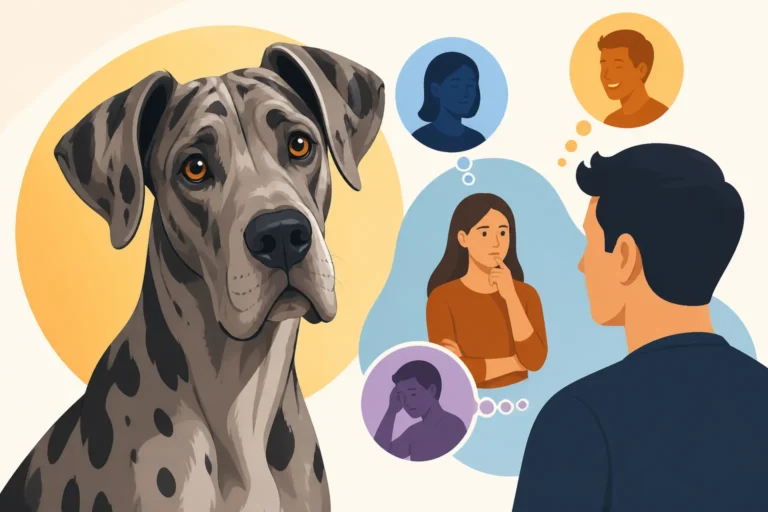
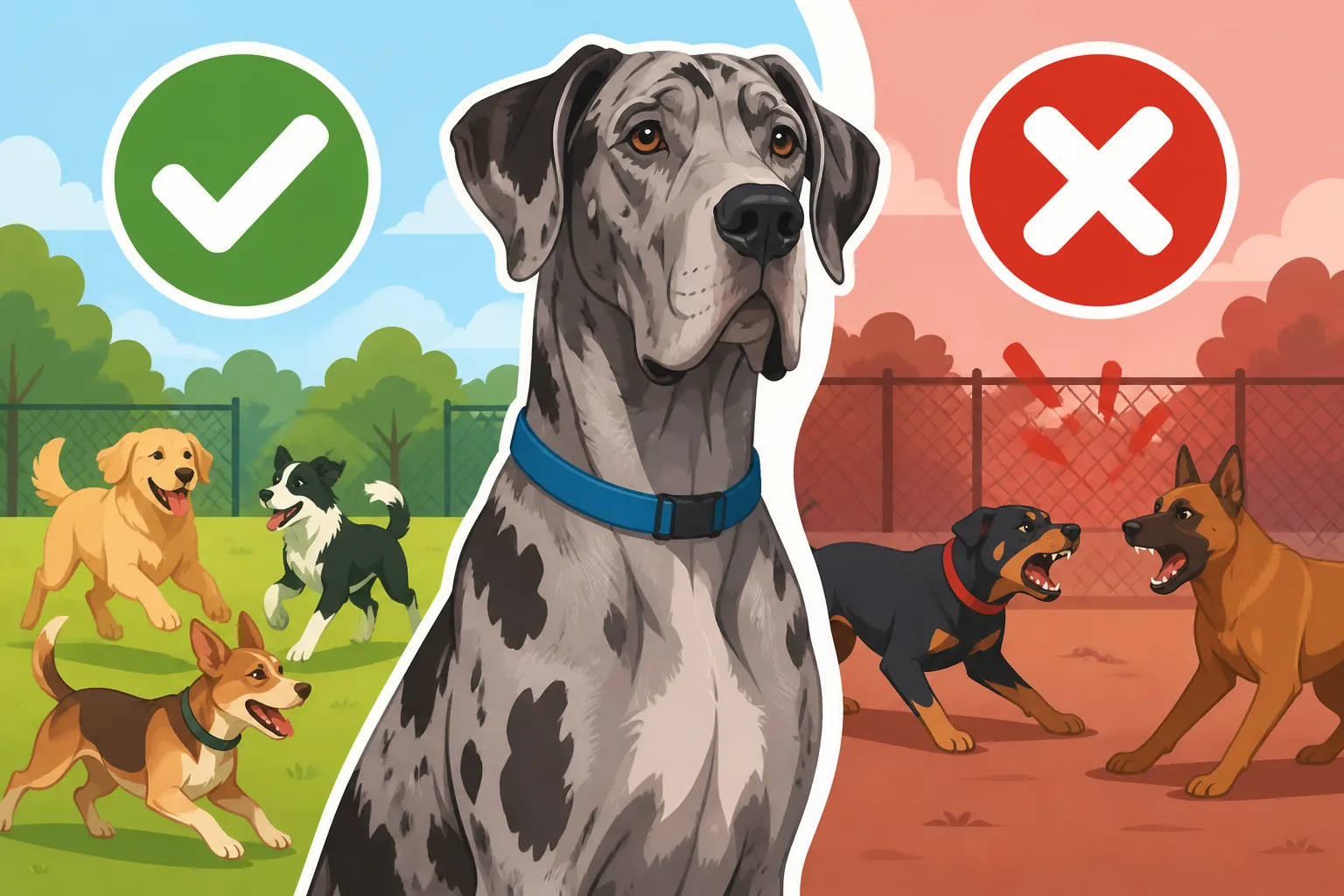
It's a question many Great Dane owners grapple with: that sprawling, open space of a dog park, filled with joyous barking and zooming canines. On one hand, you want your gentle giant to have fun, burn off some energy, and socialize. On the other, there's a nagging worry about their sheer size, how they'll be perceived, and whether a dog park environment is truly safe or suitable for such a magnificent, yet often clumsy, breed. This guide will help you weigh the pros and cons, assess your Dane, and make an informed decision about whether a dog park is the right fit.
Understanding Dog Park Dynamics with a Giant Breed
Taking a Great Dane to a public dog park isn't like taking a terrier or a retriever. Their immense size immediately changes the dynamic, both for other dogs and their owners. It's not just about what your dog does, but what others perceive them to be capable of.
The Size Discrepancy: More Than Just Appearance
Let's be honest: a full-grown Great Dane, standing tall with its broad chest, can be intimidating to smaller dogs and even some people. This isn't a judgment of your dog's character, but a simple biological fact. A tiny Chihuahua, seeing a Great Dane approaching, might genuinely feel threatened, even if your Dane is only trying to sniff hello. This can lead to fear-based aggression from smaller dogs, or conversely, your Dane inadvertently overwhelming a more timid playmate.
The sheer mass of a Great Dane means that even an accidental bump or clumsy play can have serious consequences for a smaller, more fragile dog. A playful swat of a paw that would barely register for another large breed could easily knock a toy breed off its feet or worse. Owners of smaller dogs often have a heightened sense of protectiveness, and rightly so, when a giant breed is in their midst. It's a valid concern that you, as the Great Dane owner, will likely need to proactively manage and anticipate.
Play Style Differences: Gentle Giant vs. Roughhousing
Great Danes are often called "gentle giants" for a reason – they can be incredibly sweet, tolerant, and calm indoors. However, their play style, especially when they're young and exuberant, can still be very physical. They might lean, body-check, or paw at other dogs in a way that's perfectly normal for a large breed interaction, but completely overwhelming for smaller or more sensitive dogs. Imagine your Dane doing a "Dane lean" on a beagle; it's a huge difference in impact.
When Great Danes play with each other, it's a spectacle of powerful bounds, open-mouthed wrestling, and often loud vocalizations. This can look and sound terrifying to an outsider, even if no harm is intended. Some dogs, particularly those who haven't been socialized with giant breeds, simply won't understand this kind of play and may react defensively or fearfully. It's important to understand your Dane's specific play style. Do they chase playfully? Do they wrestle? Do they tend to pin other dogs? Knowing this helps you gauge their suitability for varied dog park interactions. The Gentle Great Dane Temperament and Its Limits is a good read on understanding these nuances.
Managing the "Intimidator" Perception
No matter how well-behaved your Great Dane is, their size alone casts them as a potential "intimidator." Other dog owners might tense up as you approach, pull their dogs closer, or even leave the park. This isn't personal; it's often rooted in past negative experiences or a general lack of understanding about giant breeds. You might find yourself constantly apologizing for your dog's existence, even when they've done nothing wrong, which can be exhausting.
It's crucial to be hyper-aware of your surroundings and other dogs' body language. If a smaller dog is cowering or barking incessantly at your Dane, even if your Dane isn't reacting, it's often best to create distance. This proactive approach helps to maintain peace and prevent situations from escalating. You'll likely become a master at reading the room and anticipating potential friction points, which can sometimes feel like more work than enjoyment.
Assessing Your Great Dane's Temperament and Training
Before you even consider stepping foot into a dog park, an honest assessment of your Great Dane's temperament and training is absolutely non-negotiable. Their size magnifies every behavioral trait, good or bad.
Socialization: The Foundation of Dog Park Success
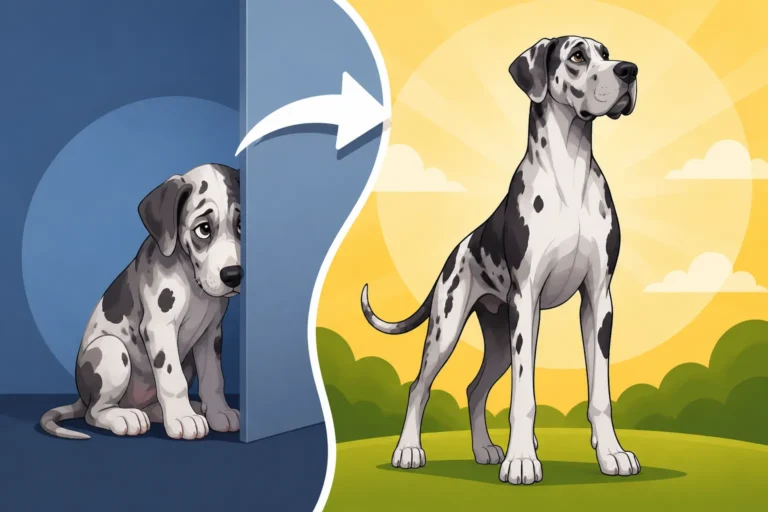
Early and ongoing socialization is the bedrock for any dog, but especially a Great Dane. A well-socialized Dane has had positive experiences with a wide variety of people, dogs, sights, and sounds from a young age. This means they're less likely to be fearful or reactive in new situations, which are abundant at a dog park. Did your puppy meet many different dogs, big and small, in controlled environments? Were those interactions positive? A Great Dane puppy that wasn't properly socialized might develop anxieties or react poorly to the chaos of a dog park.
If your Dane is reactive, fearful, or overly exuberant, a dog park is probably not the right environment. A dog that struggles with appropriate greetings or becomes overwhelmed easily will likely find the experience stressful, not enriching. This isn't a failure on your part or your dog's; it simply means other avenues for exercise and socialization are needed. For insights on building a strong foundation, read Socializing a Great Dane Puppy Early.
Essential Obedience Cues for Off-Leash Safety
Off-leash control is paramount in a dog park, and for a Great Dane, this is even more critical. Imagine trying to physically restrain a 150-pound dog that decides to chase a squirrel or a smaller dog. It's incredibly difficult, if not impossible, for most people. Therefore, your Dane must have rock-solid recall, a reliable "leave it," and a consistent "stay" or "down" cue, even amidst distractions.
- Recall (Come!): This is the single most important command. Your Dane must come back to you immediately, every single time, regardless of what exciting smells or play opportunities are present. If their recall isn't 100% reliable in a distracting environment, a dog park is too risky.
- Leave It: This command allows you to prevent your Dane from picking up discarded food, harassing another dog, or engaging with something inappropriate.
- Stay/Down: Being able to ask your Dane to settle and hold a position, even briefly, can de-escalate situations or simply give other dogs and people a moment of peace.
These commands should be practiced extensively in increasingly distracting environments, long before you enter a dog park. Training resources like those offered by BAXTER & Bella can be incredibly helpful for building these foundational skills, allowing you to gradually introduce distractions in a controlled setting. The Manners a Great Dane Needs Before It Grows highlights the importance of early training.
Recognizing Stress Signals in Your Great Dane (and others)
Being a responsible dog park attendee means being fluent in dog body language. You need to know when your own Dane is becoming stressed, overstimulated, or uncomfortable, and you need to recognize these signs in other dogs as well.
- Signs of stress in your Great Dane: Yawning, lip licking, excessive panting (when not hot or exercising hard), turning head away, stiff body posture, tail tucked, whale eye (showing the whites of their eyes), shaking off frequently, trying to hide behind you, or hyper-vigilance. If you see these signs, it's time to take a break or leave.
- Signs of stress or discomfort in other dogs: Similar signals, but also growling, snapping, barking excessively, trying to escape, or cowering. If another dog is showing these signs towards your Dane, it's your responsibility to intervene and remove your dog from the situation.
Even the most well-meaning Great Dane can accidentally hurt another dog, or be hurt by a fearful, reactive dog. Your vigilance is your dog's best protection. A Great Dane That Lunges at Other Dogs and Building Confidence in a Nervous Great Dane explore related behavioral challenges that would contraindicate a dog park.
Dog Park Etiquette and Practical Considerations for Great Danes
If, after careful consideration, you decide a dog park might be suitable for your Great Dane, there are still many practical considerations and rules of etiquette that become magnified when you're bringing such a large dog.
Choosing the Right Dog Park and Time
Not all dog parks are created equal, and some are simply better suited for giant breeds than others.
- Size-segregated areas: Look for parks that have separate sections for large and small dogs. This immediately mitigates the risk of accidental injury and helps everyone feel more comfortable. Even in a large dog section, however, remember that your Dane is on the far end of the "large" spectrum.
- Space: A cramped dog park is a recipe for disaster with a Great Dane. They need ample room to run and play without constantly bumping into others. Look for parks with large, open fields rather than narrow, winding paths.
- Fencing: Ensure the fencing is secure and tall enough to contain your Great Dane, and check for any gaps or weak points.
- Timing: The busiest times at a dog park (evenings, weekends) might be too overwhelming for a Great Dane, especially if they are still learning the ropes. Consider going during off-peak hours when fewer dogs are present, allowing for more space and calmer interactions. This also gives you a better chance to gauge the specific dogs present.
Equipment and Management Strategies
Even off-leash, you need to be prepared.
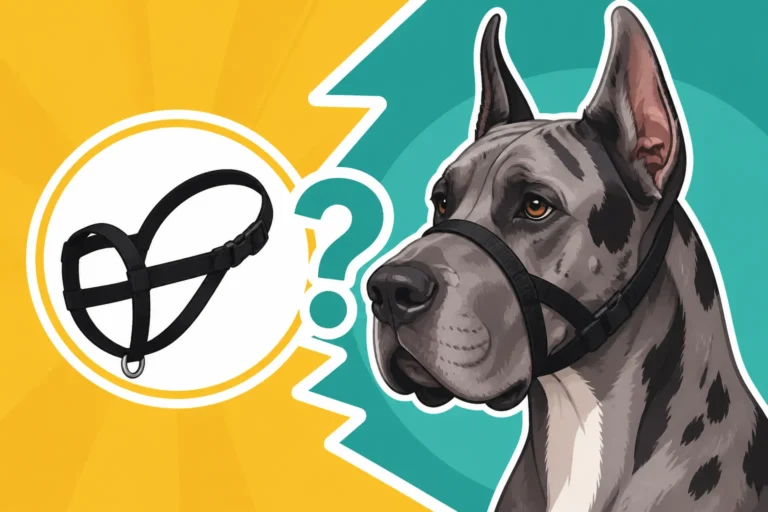
- Collar/Harness and Leash: Always arrive and depart with your Great Dane on a sturdy leash and wearing a well-fitting collar or harness. A strong, reliable leash is essential for getting in and out safely. You might even consider a longer training leash, available on Amazon, to practice recall in a wide-open, less crowded space before going completely off-leash.
- Poop Bags: Bring plenty! A Great Dane produces a significant amount of waste, and leaving it behind is not only disrespectful but also a health hazard.
- Water: Even if the park has a water fountain, bring your own bowl and water for your Dane, especially on warmer days. They dehydrate quickly when playing.
- Treats: High-value treats are crucial for rewarding good behavior and especially for practicing recall.
- Your undivided attention: Do not scroll on your phone. Do not engage in lengthy conversations with other owners while your dog is playing. Your focus needs to be entirely on your Great Dane and the other dogs in the park. You are your dog's advocate and safety monitor.
- Be ready to leave: If the park becomes too crowded, if a dog is acting aggressively, or if your Great Dane shows signs of stress, pack up and go. No play session is worth a potential incident. This also applies if your Great Dane is being too boisterous or if you notice other owners consistently pulling their dogs away.
Here’s a quick checklist to help you evaluate your Great Dane’s readiness for a dog park:
| Readiness Factor | Yes/No | Notes |
|---|---|---|
| Solid Recall (100% reliable) | Comes every time, even with distractions | |
| "Leave It" Command | Can ignore food, other dogs, tempting items | |
| Appropriate Greetings | Doesn't jump, overwhelm, or bowl over other dogs/people | |
| Tolerates Various Play Styles | Isn't reactive to rough play, chasing, or vocalizations | |
| Reads Other Dogs' Cues | Recognizes and respects "no thank you" signals from other dogs | |
| No Fear or Aggression | Not fearful of new dogs/people, no history of aggression | |
| Good Off-Leash Control | Stays relatively close, doesn't wander off or get lost in play | |
| Age Appropriate | Fully grown (typically 18-24 months) to avoid joint stress from rough play | |
| Up-to-Date Vaccinations | Protects against common canine illnesses | |
| Parasite Prevention | Especially important in high-traffic dog areas |
When to Leave: Reading the Room
Knowing when to leave is just as important as knowing when to go. Dog parks are dynamic environments, and a good session can turn sour quickly. Trust your gut. If you feel uneasy, or if any of the following occur, it's time to calmly leash your Dane and exit:
- Overcrowding: Too many dogs in a confined space increases tension and the likelihood of conflict.
- Aggressive behavior: If any dog (not just yours) is displaying true aggression – snapping, lunging, fighting – leave immediately. Don't wait for it to escalate.
- Bullying: If your Great Dane is being bullied by other dogs, or if your Great Dane is inadvertently bullying another dog (even if unintentionally), it's time to intervene and leave.
- Your Dane is overstimulated: Excessive panting, frantic running, inability to settle, or ignoring your cues are all signs that your Dane is overwhelmed and needs a break.
- Your enjoyment is gone: If you're constantly stressed, anxious, or managing conflicts, the experience isn't fun for you or your dog.
Remember, a dog park is a privilege, not a right. Your responsibility is to ensure the safety and well-being of your Great Dane and every other dog and person in the park.
Alternatives to Traditional Dog Parks
If, after reading all this, you decide that a traditional dog park isn't the best fit for your Great Dane – and that's a perfectly valid conclusion for many giant breed owners – don't despair! There are many wonderful ways to provide exercise and socialization.
Private Playdates and Small Group Encounters
One of the safest and most enjoyable ways for a Great Dane to socialize is through planned playdates with known, friendly dogs. This eliminates the unpredictability of a public dog park and allows you to control the environment.
- Known playmates: Arrange meetings with friends or neighbors who have dogs your Great Dane already knows and gets along with. This ensures compatible play styles and reduces the risk of conflict.
- Controlled environment: Use a securely fenced yard, a rented private dog park space, or a large, safe, open area where you have exclusive use.
- Supervised interaction: You can still supervise closely and intervene if play gets too rough, but the smaller group size makes it much easier to manage. This allows your Dane to burn energy and enjoy canine companionship without the inherent risks of a crowded park.
- Daycare with large dog groups: Some doggy daycares have specific programs or play yards dedicated to large breeds, with trained staff who understand giant dog dynamics. This can be a great supervised alternative.
Structured Training and Activity Classes
Engaging your Great Dane in structured activities provides mental stimulation and physical exercise in a controlled setting, often with other dogs present.
- Obedience classes: Beyond basic puppy kindergarten, advanced obedience, rally, or even trick classes offer a fantastic way to bond with your Dane and practice focus amidst distractions. A trainer experienced with large breeds can offer invaluable guidance.
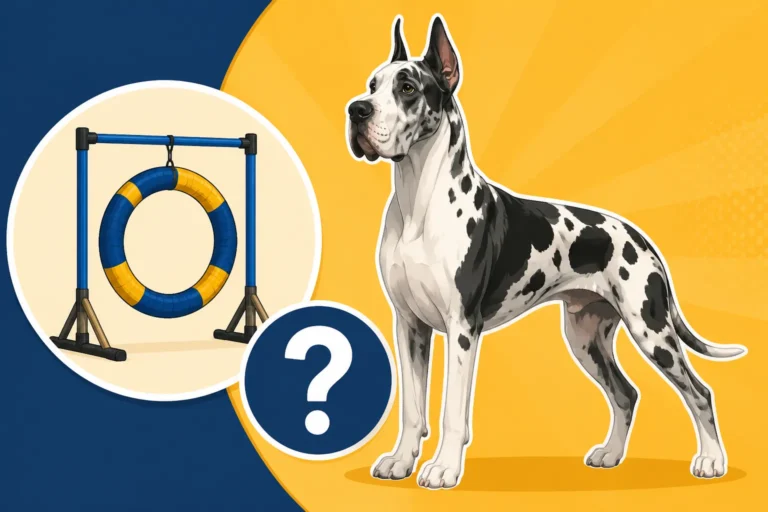
- Agility for giant breeds: While full-on agility might be too hard on a Great Dane's joints, some facilities offer modified agility or "fun runs" with lower obstacles and less intense movements, focusing more on coordination and brain work. Always consult your vet before starting any high-impact activity. Exercise Limits While a Great Dane Is Still Growing offers good advice here.
- Scent work/nose work: These activities are incredibly enriching and can tire out a Great Dane mentally without putting stress on their body. They don't require intense physical interaction with other dogs, making them suitable for Danes who aren't dog-park material.
- Canine good citizen (CGC) classes: These classes focus on good manners and responsible dog ownership, teaching skills that are invaluable for public outings, even if not at a dog park.
Exploring Safe, Off-Leash Areas
Sometimes, the best "dog park" for a Great Dane is simply a large, safe, open space where they can run freely without the constant interaction of other dogs.
- Rented fields or sports parks: Some facilities allow private rentals of their fields during off-hours. This can be a fantastic way for your Great Dane to sprint, stretch their legs, and enjoy pure freedom in a secure environment.
- Long-line walks: If true off-leash isn't an option, a 30-foot or 50-foot long line (easily found on Amazon) in a quiet, open area can give your Dane the sensation of more freedom while still allowing you to maintain control. This is excellent for practicing recall and Getting a Great Dane to Walk on a Loose Leash in a safer way.
- Hiking trails (leashed): Many Great Danes enjoy hiking, provided the trails are appropriate for their size and joint health. This offers exercise, mental stimulation from new smells, and quality time with you. Remember to always keep them leashed and be mindful of other trail users and wildlife. Whether a Great Dane Can Hike goes into more detail.
- Beach or lake access: If you have access to a dog-friendly beach or lake, a Great Dane might enjoy a swim or splashing around, which is great low-impact exercise.
Ultimately, whether a dog park is a good fit for your Great Dane comes down to careful consideration of your dog's individual temperament, your training dedication, and the specific dynamics of the park itself. Don't feel pressured to force your giant into a situation that isn't right for them. Prioritizing their safety and comfort, and your peace of mind, is always the best decision.
Disclaimer
This article is for general informational purposes only and does not constitute professional advice. Laws, prices and regulations vary by location and change over time. Consult a qualified professional for guidance on your specific situation.