A Great Dane That Lunges at Other Dogs
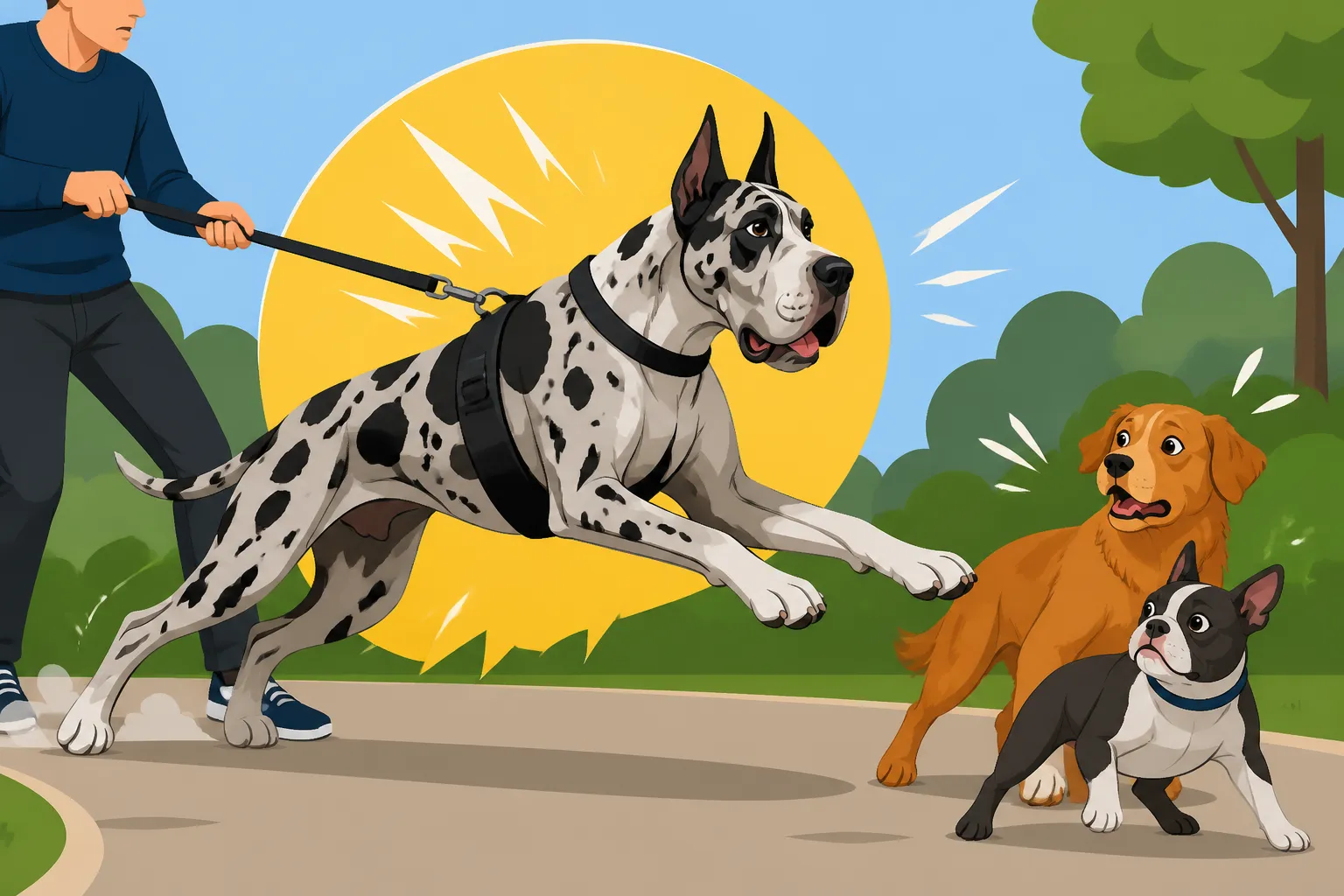
It's incredibly frustrating, not to mention downright terrifying, when your big, beautiful Great Dane suddenly transforms into a lunging, barking, pulling machine the moment another dog appears. That feeling of your arm being yanked out of its socket, the embarrassment, the fear that your gentle giant might accidentally hurt someone or another dog – it's a heavy burden to carry. This comprehensive guide is here to help you understand why your Great Dane might be lunging at other dogs and, more importantly, to give you actionable, empathetic strategies to manage and ultimately reduce this challenging behavior, helping both you and your Dane walk with more confidence and peace.
Understanding Why Your Great Dane Lunges
Before we can even begin to tackle the "how to fix it" part, we need to understand the "why." Your Great Dane isn't lunging to be a jerk (though it certainly feels that way sometimes!). There are deeply rooted reasons behind this behavior, and identifying them is the first step toward finding a solution.
Reactivity vs. Aggression: What's the Difference?
When you see your Great Dane lunging, barking, and pulling with all their might towards another dog, it's easy to immediately label it as aggression. And let's be honest, given their size, it looks incredibly intimidating and can be genuinely frightening for everyone involved. However, it's crucial to understand that lunging behavior is often a symptom of reactivity, rather than outright aggression.
Reactivity is an overreaction to a stimulus. It's often fueled by a mix of fear, frustration, over-excitement, or even a lack of proper coping mechanisms. Imagine your Dane suddenly feeling cornered or overwhelmed; their instinct might be to make themselves look as big and scary as possible to make the perceived threat go away. This manifests as barking, growling, hackles rising, and that sudden, powerful lunge on the leash. True aggression, on the other hand, usually involves an intent to harm, often seen in snapping, biting, or prolonged, intense staring with a rigid body. While reactivity can escalate to aggression if not managed, many Great Danes who lunge are actually feeling insecure or overly stimulated, not inherently vicious. It's a significant distinction because the training approach for reactivity is different from one for pure aggression. For a dog that's already feeling overwhelmed, physical corrections or punishment can often make their fear or frustration worse, potentially reinforcing the very behavior you're trying to stop.
Common Triggers for Lunging in Great Danes
Identifying what specifically sets your Great Dane off is critical. It's rarely just "other dogs" in a general sense; there are often nuances. Common triggers can be broadly categorized into environmental and internal factors.
Environmentally, the most obvious trigger is, of course, other dogs. But consider which dogs: Is it only small, yappy dogs? Or big, boisterous ones? Does it matter if they're on-leash or off-leash? Does the distance matter – do they react only when a dog is within a certain proximity? Beyond other canines, squirrels darting across the path, bicycles whizzing by, strangers approaching, or even specific types of vehicles can be triggers. Sometimes, it's about the location itself: a busy park versus a quiet street. A Great Dane, being so large, can have a wider visual field and pick up on things far earlier than we do, and their strong prey drive can turn a distant squirrel into an immediate, irresistible target.
Internally, your Dane's physical and mental state plays a huge role. Are they in pain? Even subtle joint discomfort can make a dog more irritable and less tolerant of perceived threats, especially if they anticipate being bumped or rushed. Think about how you feel when you're in pain – a short fuse is common! A lack of adequate exercise, both physical and mental, can lead to pent-up energy and frustration, making them more likely to explode at the slightest provocation. Anxiety, fear, or even simple over-arousal (too much excitement) can also fuel lunging. A Dane who hasn't had proper, positive exposure to various sights, sounds, and other dogs during their critical developmental stages might be fearful of the unfamiliar. This is why Socializing a Great Dane Puppy Early is so incredibly important. Their inherent protective nature, a trait common in many large breeds, can also play a role, making them feel the need to "guard" you against approaching strangers or dogs. Pay attention to patterns: when does it happen? Where? Who's with you? What was your Dane doing just before? Jotting down these observations can reveal specific triggers that you might otherwise miss.
The Impact of Early Socialization (or Lack Thereof)
The importance of early, positive socialization for any puppy cannot be overstated, but for a Great Dane, it's absolutely paramount. These dogs grow fast – going from a tiny bundle of fluff to a powerful, 100+ pound animal in a blink. The critical socialization period, generally up to about 16 weeks of age, is a window where puppies are most open to new experiences and form lasting impressions about the world.
During this time, positive exposure to a wide variety of people, environments, sounds, and, crucially, other well-mannered dogs is essential. This doesn't mean letting your puppy get mobbed at the dog park; it means controlled, positive interactions where the puppy feels safe and has good experiences. A puppy class, where the focus is on positive play and learning appropriate social cues from other puppies, is ideal. If a Great Dane puppy misses out on this vital period, or has negative experiences, the consequences can be profound and long-lasting. They might develop fear or anxiety towards novelty, including other dogs. A shy or fearful puppy can grow into a reactive adult, resorting to lunging and barking as a "keep away" signal because they don't know how else to cope.
Conversely, a puppy that experiences too much uncontrolled, over-the-top interaction with other dogs might become over-aroused and struggle with impulse control, leading to excited lunging in adulthood. It’s a delicate balance. Without a foundation of positive, calm experiences, a Great Dane can develop a deep-seated insecurity that manifests as reactivity on the leash. And once they're full-grown, their sheer size makes it incredibly difficult to manage these behaviors, which is why addressing them early, even if it feels like your puppy is still too young, is so vital. It’s not about avoiding all contact; it’s about making every contact a positive, controlled learning experience.
Practical Strategies for Managing Lunging Behavior
Once you understand why your Great Dane is lunging, you can start implementing practical strategies to manage the behavior on a daily basis. These aren't quick fixes, but consistent application will make a world of difference.
Equipment That Can Help (and What to Avoid)
The right equipment can be a game-changer when managing a powerful Great Dane who lunges. The goal is to gain better control without causing pain or fear, which can exacerbate the problem.
First, let's talk leashes. A standard 6-foot leash made of strong nylon or leather is your best friend. Skip the retractable leashes entirely – they offer no control, can cause serious injuries (to you and your dog), and teach your dog that pulling extends their range, which is the opposite of what you want. You need to be able to keep your Dane close when a trigger appears.
Next, harnesses. A well-fitting, front-clip harness is often recommended. Brands like Freedom Harness or Easy Walk (or similar designs you might find on Amazon) attach the leash at your dog's chest, redirecting their pulling power to the side. When your Dane tries to lunge, they'll turn back towards you, making it much harder for them to gain traction and pull you off balance. This provides gentle, effective control. Harnesses and Collars That Control a Great Dane offers more detail. Ensure it's sized correctly for your Great Dane's massive chest; a poorly fitting harness can chafe or be ineffective.
Head halters, like the Gentle Leader or similar types, can also be highly effective, especially for very strong pullers or those with intense reactivity. These fit over your dog's muzzle and behind their ears, allowing you to gently guide their head. Where the head goes, the body follows. However, head halters require careful and positive introduction to avoid your dog associating them with negative feelings. Never just put one on and yank; always introduce it slowly with treats.
What to avoid? Choke chains, prong collars, and electronic (e-collars) should generally be avoided for reactive dogs, especially Great Danes. Their sensitive necks are vulnerable to injury, and these tools work by causing pain or discomfort. For a fearful or frustrated reactive dog, pain can heighten anxiety and lead to a worsening of the behavior, or even redirected aggression. The goal is to build trust and positive associations, not fear. For comprehensive guidance on training, consider resources like BAXTER & Bella, which offers structured online programs that can help you learn how to properly introduce and use positive reinforcement tools.
Management Techniques for Walks and Public Spaces
While you work on training, managing your Great Dane's environment and anticipating triggers is crucial for preventing reactive outbursts and keeping everyone safe. Think of it as damage control while you build a better foundation.
The "avoidance is key" philosophy is your guiding star. This doesn't mean never leaving the house, but it does mean being strategic. Try walking your Great Dane during off-peak hours when fewer dogs are out – early mornings or late evenings might become your new favorite walk times. Seek out quiet routes, parks with large open spaces where you can see other dogs from a distance, or even industrial areas during weekends where foot traffic is minimal. The less your Dane practices lunging, the less ingrained the habit becomes.
When you do encounter a trigger, your immediate response is critical. The moment you spot another dog, before your Great Dane notices (this requires you to be constantly scanning your environment!), create distance. If possible, turn and walk the other way, do a U-turn, or step behind a parked car or bush to block your Dane's line of sight. The goal is to keep your Dane below their "threshold" – the point at which they start reacting. If they're too close to a trigger, their emotional brain takes over, and learning becomes impossible.
Another technique is called the "Look at That" game, or engage-disengage. When you spot a trigger at a distance, before your dog reacts, quietly say "Look at that!" (or similar cue) and immediately reward them with a high-value treat for looking at the trigger calmly, then again for looking back at you. The goal is to change their emotional response from "OMG, other dog, must react!" to "Oh, other dog means treats from my human!" The distance is key here; if they're already reacting, it's too late. Practice this often. Remember, you might be handling a dog that far outweighs you, so these techniques are about mental management as much as physical. You can find more tips on this in Handling a Great Dane That Outweighs You.
Finally, if an unexpected encounter happens and you can't create distance, try to block your Dane's view with your body or toss a handful of treats on the ground for them to sniff and eat, diverting their attention. Always carry high-value treats – something truly irresistible that your Dane only gets on walks for these tricky situations.
Building a Stronger Bond and Communication
At the heart of managing any challenging behavior is a strong, trusting relationship between you and your Great Dane. They need to see you as their calm, reliable leader and their source of safety and good things.
Positive reinforcement is your most powerful tool. This means rewarding behaviors you want to see, rather than punishing behaviors you don't. When your Dane walks calmly by your side, even for a few steps, mark that behavior with a verbal "yes!" or a clicker, and immediately follow with a tasty treat. If they look at another dog and then calmly look back at you, reward them generously. You want them to associate good things with not reacting. Treats a Great Dane Will Work For offers ideas for high-value rewards.
Teaching a solid "watch me" or "focus" command is incredibly valuable. Practice this in quiet environments first: hold a treat to your nose, say "watch me," and as soon as your Dane makes eye contact, reward them. Gradually build up distractions. This command gives you a reliable way to get their attention and redirect it away from a trigger when needed.
Consistently reinforce calm behavior, not just during walks, but throughout the day. If your Dane is lying quietly, offer a soft "good dog" and a gentle pet. The more you reward calmness, the more often they'll offer it. Being a calm, confident presence yourself also helps your Great Dane feel more secure. Dogs are highly attuned to our emotions. If you're tense and anxious on walks, your Dane will pick up on that and may become more reactive themselves. Take a deep breath, stay relaxed on the leash, and celebrate every small victory. Remember, building communication and trust is an ongoing process, not a one-time fix. What a Great Dane Must Know by Six Months often covers these foundational commands.
Training Interventions and Long-Term Solutions
While management is crucial for daily walks, real, lasting change comes from systematic training that alters your Great Dane's underlying emotional response to other dogs.
Desensitization and Counter-Conditioning
These are the cornerstones of addressing reactivity. Desensitization means gradually exposing your Great Dane to their triggers at a level so low that they don't react. Counter-conditioning means changing their emotional response to that trigger from negative (fear, frustration) to positive (excitement for treats).
Here's how it generally works:
- Find their threshold: Start by identifying the maximum distance at which your Great Dane can see another dog without reacting. This might be across a football field, or even just seeing another dog on a video. This is your starting point.
- Pair with positivity: At this safe distance, as soon as your Dane sees another dog, immediately start feeding them high-value treats. The moment the other dog disappears, stop feeding treats. The association you're building is: "Other dog appears = yummy treats! Other dog gone = treats stop."
- Gradual decrease in distance: Over days, weeks, or even months, very, very slowly decrease the distance. Only move closer if your Dane remains calm and continues to take treats. If they stop taking treats, or show any signs of tension, you've gone too far too fast. Increase the distance and try again later.
- Keep sessions short and positive: Aim for 5-10 minute sessions a few times a day. Always end on a positive note, before your Dane gets stressed.
This process requires immense patience and keen observation. You're literally rewiring your dog's brain, and it takes time and consistency. It’s also important to understand Why Physical Corrections Fail on a Great Dane when dealing with emotional responses like reactivity.
Seeking Professional Guidance
There are times when managing a lunging Great Dane feels overwhelming, and that's perfectly normal. This is when bringing in a certified professional can make all the difference. Don't feel like a failure for seeking help; it's a sign of a responsible owner committed to their dog's well-being.
Look for a certified professional dog trainer (CPDT-KA) or, for more severe cases, a veterinary behaviorist (DACVB). These professionals specialize in understanding canine behavior and use humane, science-backed methods. They can help you:
- Accurately identify your Great Dane's triggers and their underlying motivations (fear, frustration, etc.).
- Develop a personalized training plan tailored to your dog's specific needs.
- Teach you how to implement desensitization and counter-conditioning effectively.
- Provide real-time coaching during walks, helping you recognize subtle body language cues.
One-on-one sessions are often most effective initially, as they allow for personalized attention without the added distraction of other dogs. Once your Dane is showing improvement, your trainer might suggest controlled group classes focused on reactivity. Many online resources, including comprehensive programs like BAXTER & Bella, can also provide structured guidance and support, which can be invaluable when you're looking for consistent training from the comfort of your home. You can also find a wealth of books and training tools on Amazon to supplement your professional guidance. Finding a Trainer Comfortable With a Great Dane highlights the importance of finding a trainer with experience with large breeds and reactivity.
Addressing Underlying Medical or Behavioral Issues
Sometimes, lunging isn't just about learned behavior; it can have roots in physical discomfort or deeper anxiety issues. This is why a thorough veterinary check-up is always a crucial first step.
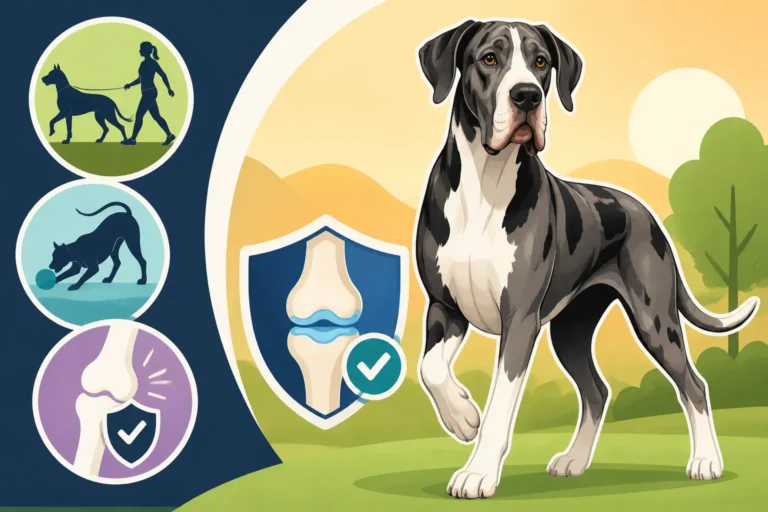
Your veterinarian can rule out any underlying medical conditions that might be contributing to your Great Dane's reactivity. Pain from hip or elbow dysplasia, arthritis, or even a less obvious issue like a thyroid imbalance (The Thyroid Test a Slow Great Dane Needs) can make a dog more irritable, less tolerant, and prone to lashing out. If your Dane is physically uncomfortable, it's much harder for them to remain calm and learn new behaviors.
For Great Danes with significant anxiety, your vet or a veterinary behaviorist might discuss medication as part of a holistic treatment plan. It's important to understand that anti-anxiety medication isn't a "cure" but a tool. It can help take the edge off your dog's anxiety, allowing them to be calm enough to engage in training and actually learn. It works best when combined with behavioral modification strategies.
Finally, ensuring your Great Dane has a balanced life with proper nutrition and appropriate exercise is fundamental. A high-quality diet supports overall health, and sufficient physical and mental stimulation helps burn off excess energy and reduces boredom and frustration. For a growing Great Dane, Exercise Limits While a Great Dane Is Still Growing are important to prevent joint issues, but mental enrichment like puzzle toys or scent games can be just as tiring as a long walk. A well-rounded approach that considers all aspects of your Dane's well-being is key to long-term success.
| Equipment Type | How It Helps with Lunging | Pros | Cons |
|---|---|---|---|
| Standard 6-ft Leash | Provides consistent control, allows clear communication. | Reliable, durable, versatile. | Offers no physical redirection on its own; requires strong handler. |
| Front-Clip Harness | Redirects pulling power by turning dog towards handler. | Gentle, no pressure on throat, good for strong pullers. | Can sometimes tangle legs if poorly fitted; may still allow lunging. |
| Head Halter | Guides the dog's head, where the head goes, the body follows. | Excellent control, very effective for strong dogs. | Requires careful, positive introduction; some dogs dislike wearing them. |
| Back-Clip Harness | Attaches leash on the dog's back. | Comfortable, good for dogs who don't pull much. | Offers little control for lunging; can actually encourage pulling. |
| Retractable Leash | Allows leash to extend and retract. | Allows dog to roam further. | No control, teaches pulling, high risk of injury to dog or handler. |
Disclaimer
This article is for general informational purposes only and does not constitute professional advice. Laws, prices and regulations vary by location and change over time. Consult a qualified professional for guidance on your specific situation.