Whether a Shy Great Dane Grows Out of It
It’s heartbreaking to see your magnificent Great Dane, often hailed as a “gentle giant,” shrink away from new people, unexpected noises, or unfamiliar situations. You might find yourself wondering if this shyness is just a puppy phase that they'll eventually outgrow, especially given their impressive size. The truth is, while some puppies might appear a bit reserved initially, genuine shyness, particularly in a Great Dane, is rarely something they simply "grow out of" without consistent, thoughtful intervention. This guide will delve into why shyness is a concern for Danes and what you can realistically do to help your gentle giant navigate a sometimes overwhelming world.
Understanding Shyness in a Great Dane
When we talk about a shy Great Dane, it’s crucial to distinguish it from a dog that’s simply calm or reserved. A truly shy Dane isn't just quiet; they exhibit clear signs of discomfort, fear, or anxiety when faced with novel stimuli, new people, or unfamiliar environments. This isn't them being aloof; it's often a deep-seated reaction.
What Shyness Looks Like in a Giant Breed
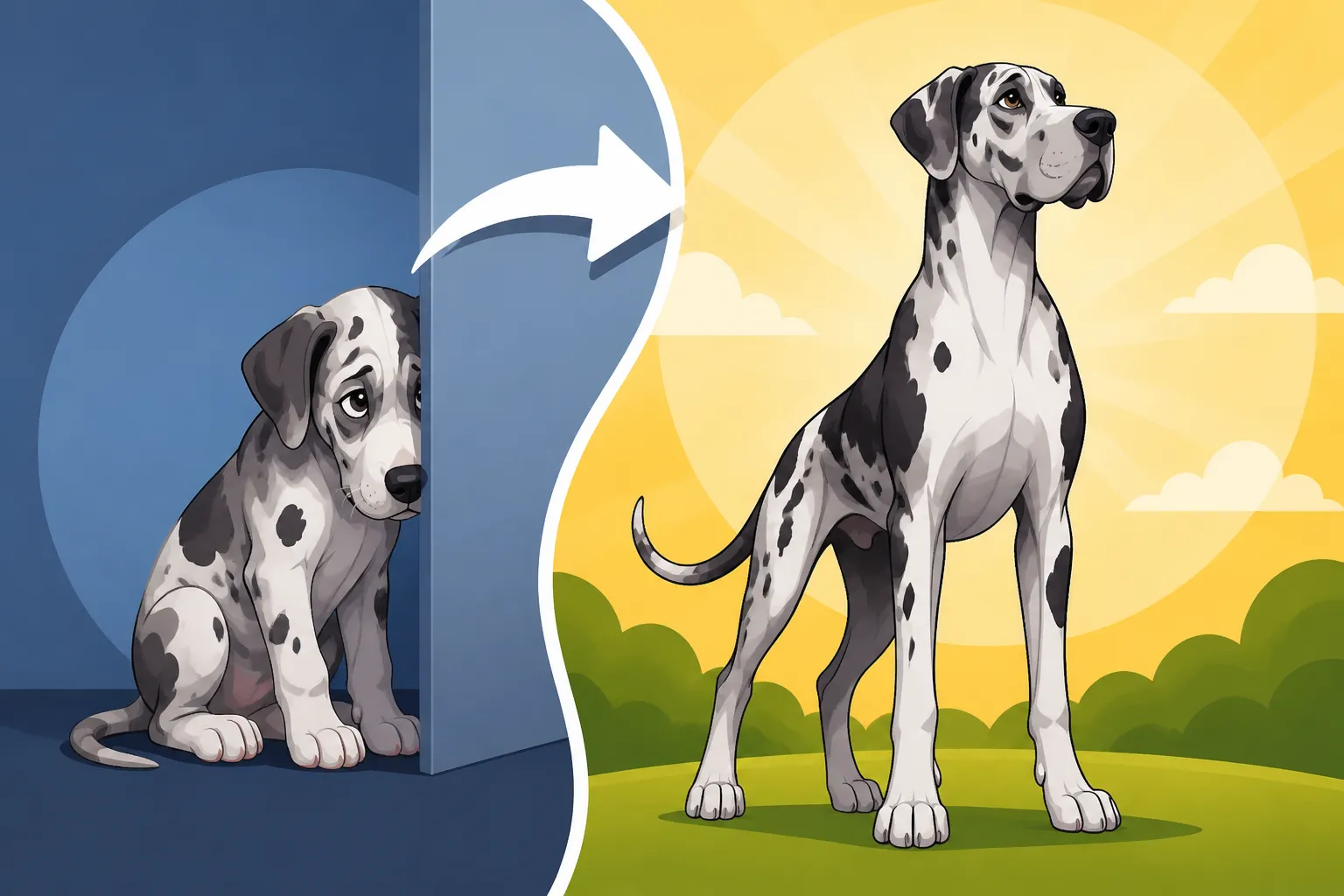
For a Great Dane, shyness can manifest in several ways, and sometimes it can be misinterpreted. You might see them try to hide behind your legs, pull away on the leash when someone approaches, or even cower. They might avoid eye contact, tuck their tail, or flatten their ears. Some shy Danes might even exhibit displacement behaviors like excessive sniffing, licking their lips, or yawning in stressful situations.
Imagine you're at the park, and a friendly stranger approaches, intending to pet your Dane. A well-socialized Dane might greet them with a wagging tail and a happy lean. A shy Dane, however, might immediately try to retreat, perhaps even barking nervously or trembling subtly. Their sheer size can make these behaviors look more dramatic, or sometimes, surprisingly, they can be overlooked because people expect a big dog to be inherently confident. It's a tricky balance, as their large frame can inadvertently intimidate people, making them less likely to approach gently, which can further reinforce the Dane's shyness. You might also notice that what starts as shyness can, in some cases, escalate to fear-based reactivity, where the dog barks or lunges to create distance, even if their core emotion is fear rather than aggression.
Why "Growing Out Of It" Is a Myth for Great Danes
The idea that a puppy will just "grow out of" shyness is a common misconception, particularly dangerous with a large breed like a Great Dane. Unlike smaller dogs, whose fearful behaviors might be less impactful, a 150-pound dog needs to be reliably confident and well-mannered. Shyness, if left unaddressed, tends to become more ingrained and can even worsen with age and repeated negative experiences.
Think about it this way: if a puppy is afraid of a particular sound, and every time they hear it, they get more stressed without any positive intervention, they're not going to suddenly wake up one day unafraid. Instead, their fear pathway is reinforced. For Great Danes, this is compounded by their rapid growth. A shy eight-week-old puppy is cute; a shy, lunging, 120-pound adolescent is a safety concern. The larger they get, the more difficult it becomes to manage reactive behaviors rooted in fear. This is why early and consistent intervention is absolutely crucial. A truly shy Great Dane typically needs a structured approach to build confidence, not just time.
Factors Contributing to a Great Dane's Shyness
Understanding the root causes of shyness can help you tailor your approach to supporting your Great Dane. It's rarely just one thing, but often a combination of genetics, early life experiences, and ongoing environmental factors.
The Role of Genetics and Early Life Experiences
Genetics play a significant, often underestimated, role in a dog's temperament. If one or both of your Dane's parents had shy or anxious tendencies, there's a higher chance your puppy will inherit similar predispositions. Responsible breeders go to great lengths to ensure their breeding dogs have sound temperaments, not just good health and conformation, precisely to mitigate passing on traits like excessive shyness or reactivity. A shy parent dog, even if managed well, might still produce puppies with a genetic inclination towards nervousness. This is why it's so important to be able to Reading a Great Dane Puppy's Health Papers and meet the parents if possible, to assess their temperaments.
Beyond genetics, the experiences (or lack thereof) during a Great Dane puppy's critical socialization period (roughly 3-16 weeks) are paramount. Puppies who are not exposed to a wide variety of sights, sounds, smells, people, and other friendly dogs in a positive and safe manner can develop fear and anxiety towards the unfamiliar. If a Great Dane puppy spent its early weeks in an isolated environment, or had negative experiences (like being roughly handled or experiencing a traumatic event), that can profoundly shape their perception of the world as unsafe. Even something as seemingly minor as a lack of car rides or novel surfaces can contribute to a puppy's hesitancy later on.
Environmental Influences and Ongoing Challenges
Even a genetically sound and well-socialized Great Dane can become shy or anxious due to ongoing environmental factors. A sudden change in routine, moving to a new home, a traumatic incident (like being hit by a car or attacked by another dog), or even a new person or pet entering the household can trigger or exacerbate shyness.
Consider a Dane who lives in a quiet suburban home and is suddenly moved to a bustling city apartment. The constant barrage of new noises, people, and movements could easily overwhelm them, leading to shy or fearful reactions. Lack of consistent positive reinforcement and clear boundaries can also contribute. If a Dane isn't sure what's expected of them, or if their owners inadvertently reinforce fearful behavior (by excessively coddling them during a scary event, for example), it can make things worse. Furthermore, a lack of adequate exercise and mental stimulation can lead to pent-up energy and anxiety, which can manifest as shyness or reactivity. A bored Dane is often an anxious Dane, and anxiety can easily translate into fearful responses to stimuli. A Great Dane That Is Anxious Rather Than Gentle might be dealing with these underlying environmental stressors.
Strategies for Helping a Shy Great Dane
Helping a shy Great Dane isn't about rushing them into situations that overwhelm them; it's about building their confidence slowly and steadily, creating positive associations, and ensuring they feel safe and secure with you.
Positive Reinforcement and Gentle Exposure
The cornerstone of working with a shy Great Dane is positive reinforcement. This means rewarding desired behaviors, like calmness or curiosity, with high-value treats, praise, or gentle petting. Never punish a fearful dog, as this will only intensify their fear and damage your bond. When they are nervous, what they need most is your calm reassurance and a sense of safety, not correction.
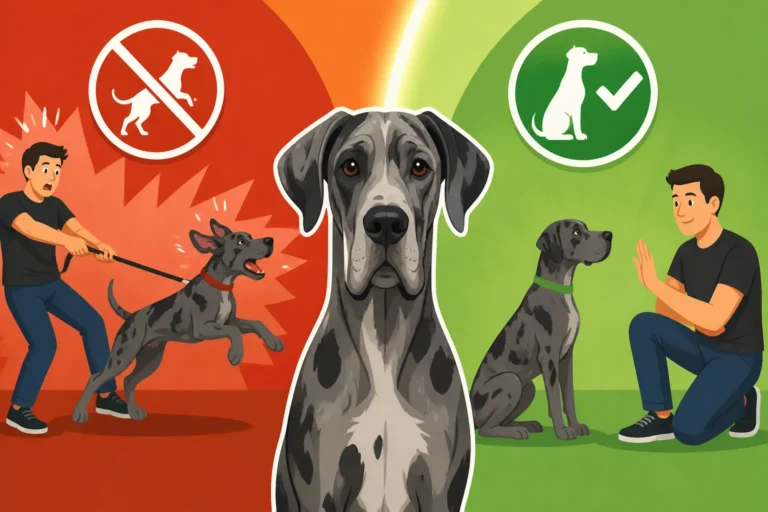
Gradual, controlled exposure to new things is key. This isn't about throwing your Dane into the deep end; it's about baby steps. If your Dane is shy of new people, start by having a calm, friendly person stand at a distance where your Dane notices them but doesn't react negatively. The moment your Dane looks at the person and then back at you, or remains calm, reward them lavishly. Slowly, over many sessions and days, decrease the distance. Encourage the helper to toss treats away from your Dane so the dog approaches on their own terms, reducing pressure. Avoid direct eye contact or reaching out to pet the dog initially, as these can be intimidating signals. The goal is to build positive associations: "New person = tasty treats!" This slow, deliberate process is far more effective than forcing interactions, which can backfire and worsen the shyness. This method is crucial when dealing with A Great Dane That Backs Away From Strangers.
Building Confidence Through Training and Routine
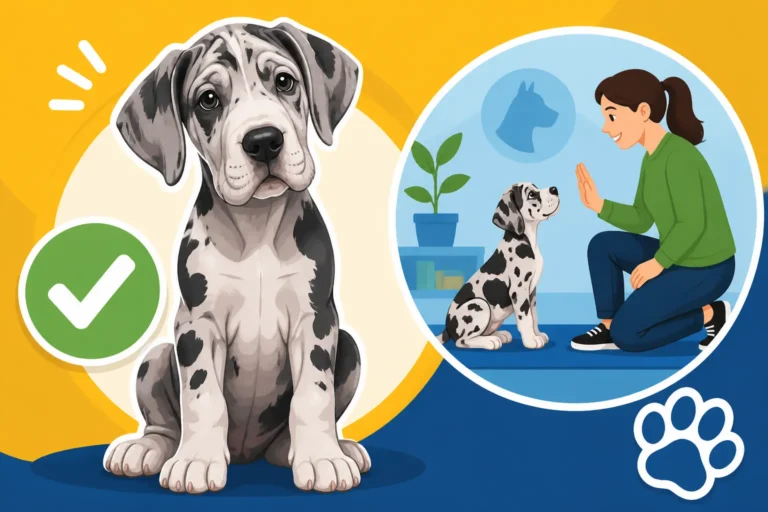
Structured training, even simple obedience cues, can be incredibly empowering for a shy dog. When a Great Dane learns what you expect from them, and they successfully perform a task, it builds their self-confidence. Knowing commands like "sit," "stay," and "come" gives them a sense of control and predictability, which is comforting for an anxious mind.
Enroll in positive reinforcement obedience classes, ideally with a trainer experienced in giant breeds and fearful dogs. Many trainers, like those found through BAXTER & Bella, offer online courses that allow you to work at your Dane's pace in the comfort of your home, which can be less overwhelming than a busy class setting. These classes often introduce new environments and people in a controlled manner, further aiding socialization. A consistent daily routine also provides a sense of security. Knowing when they'll eat, go for walks, and have playtime reduces anxiety about the unknown. Regular, appropriate exercise, tailored to their age and joint health (remembering Exercise Limits While a Great Dane Is Still Growing), helps burn off nervous energy and promotes a calmer state of mind. Mental enrichment, through puzzle toys or sniff games (many durable options can be found on Amazon), can also boost confidence and provide healthy outlets for their minds.
Environmental Adjustments and Support Tools
Sometimes, simple adjustments to your home environment can make a world of difference for a shy Dane. Create a safe "den" for them – a crate or a specific quiet corner where they can retreat when feeling overwhelmed. Ensure this space is never used for punishment. Make sure they have a comfortable, oversized bed that properly supports their large frame, especially their elbows and joints. Bedding That Prevents Great Dane Hygromas can provide comfort and a sense of security.
Consider using calming aids like pheromone diffusers, calming treats (after consulting with your vet), or pressure vests for situations you know will be stressful. For walks, a well-fitting, comfortable harness (rather than just a collar) can provide better control and reduce pressure on their neck if they pull or react out of fear. A long line can offer a sense of freedom in a safe, open space without you feeling overwhelmed by their size and potential to bolt. You can find robust long lines and specialized harnesses suitable for a Great Dane's build on Amazon. Remember, the goal is to create an environment where your Great Dane feels secure enough to explore and build confidence, rather than constantly feeling on edge.
Here's a quick comparison of common approaches:
| Approach | Description | Benefits | Considerations |
|---|---|---|---|
| Positive Exposure | Gradually introducing new sights, sounds, people, etc., with positive rewards (treats, praise). | Builds positive associations; reduces fear over time; maintains trust. | Requires patience and consistency; must be done at the dog's pace to avoid overwhelming them. |
| Forced Socialization | Pushing the dog into overwhelming situations, hoping they'll "get over it." | (Perceived) Quick solution. | Can severely worsen fear and reactivity; damages trust; may lead to aggression. |
| Obedience Training | Teaching basic commands using positive reinforcement. | Boosts confidence; provides mental stimulation; strengthens bond; gives dog a "job." | Must use positive methods; traditional punitive training will backfire on a shy dog. |
| Environmental Control | Creating safe spaces, using calming aids, managing triggers. | Reduces stress levels; prevents negative experiences; offers immediate relief. | Not a standalone solution; still requires active training and exposure. |
| Ignoring Shyness | Believing the dog will "grow out of it" without intervention. | (Perceived) No effort required. | Shyness rarely resolves itself; often worsens; can lead to more serious behavioral issues later on. |
When to Seek Professional Help
Sometimes, despite your best efforts, a Great Dane's shyness can be so profound or persistent that it warrants professional intervention. Knowing when to call in the cavalry is a sign of a responsible and caring owner.
Recognizing Persistent or Worsening Shyness
If you've been consistently implementing positive reinforcement and gradual exposure strategies for several weeks or months, and you're not seeing improvement, or worse, your Great Dane's shyness is escalating, it's time to seek expert help. Signs of worsening shyness might include increased reactivity (barking, lunging, snapping), hiding for longer periods, refusing to eat in new environments, or even showing signs of fear indoors.
A shy Great Dane might also develop generalized anxiety, where they are anxious about many different things, not just specific triggers. If your Dane seems constantly on edge, paces frequently, struggles to settle, or exhibits destructive behaviors when left alone, these could be indicators of underlying anxiety. Remember, Damage a Great Dane Reaches That Smaller Dogs Cannot can be extensive if anxiety manifests destructively, making it even more urgent to address. These are not behaviors that will simply fade away; they require a deeper, more specialized approach than general training can offer.
Consulting with a Certified Professional Dog Trainer or Behaviorist
For persistent shyness or fear-based behaviors, the best course of action is to consult a Certified Professional Dog Trainer (CPDT) or a Certified Dog Behavior Consultant (CDBC). These professionals have specialized knowledge and experience in addressing complex behavioral issues. They can assess your Dane's specific situation, identify triggers, and develop a tailored behavior modification plan.
A qualified professional will use force-free, positive reinforcement methods. They will never advocate for punishment, intimidation, or methods that rely on "dominance" theory, as these are highly detrimental to a shy or fearful dog. They can also help you identify situations where your Great Dane might be showing A Great Dane That Shuts Down When Scolded, indicating that current methods are counterproductive. In some cases, especially if anxiety is severe, a veterinary behaviorist might be recommended. These are veterinarians with advanced training in animal behavior, who can also prescribe medication if necessary to help manage severe anxiety in conjunction with behavior modification. Medication isn't a cure, but it can help lower a dog's overall anxiety levels, making them more receptive to training and less overwhelmed by their fears.
Managing Expectations and Long-Term Care
Helping a shy Great Dane is a marathon, not a sprint. It requires immense patience, consistency, and a realistic understanding that while significant improvement is possible, they may always retain a sensitive streak.
Accepting Your Great Dane's Unique Personality
It's important to accept that your Great Dane may never become the life of every party, the dog who eagerly greets every stranger, or the one who is completely unfazed by loud noises. Just like people, dogs have individual personalities and comfort zones. Your goal isn't to change who your Great Dane fundamentally is, but to help them feel safe, confident, and comfortable enough to navigate the world without debilitating fear.
Focus on celebrating small victories: the first time they willingly approached a new person, the moment they walked calmly past a scary object, or their ability to relax in a slightly unfamiliar environment. These incremental steps are signs of progress. Your Great Dane is an individual, and their journey with shyness is unique. Trying to force them into a mold that doesn't fit will only cause stress for both of you. Building Confidence in a Nervous Great Dane is about honoring their unique pace and needs.
Lifelong Support and Ongoing Socialization
Helping a shy Great Dane isn't a one-and-done process. It's often a lifelong commitment to providing a supportive environment, continuing positive exposure, and being vigilant about potential setbacks. As they age, new fears can sometimes emerge, or old fears can resurface, especially during different life stages or if there are changes in their routine or health. The Age a Great Dane Stops Listening might coincide with new developmental phases where anxiety can spike.
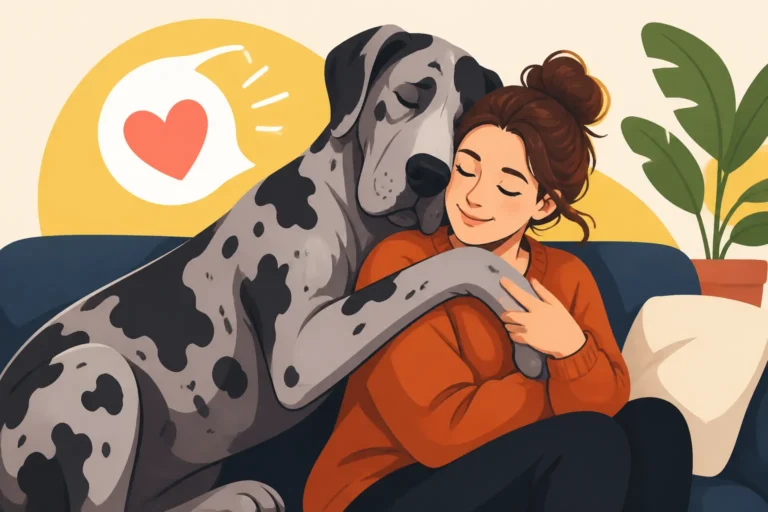
Ongoing, gentle socialization is key. This means continuing to expose them to new, positive experiences, even if they're comfortable with familiar ones. Regularly visit quiet parks, take short car rides to different locations, or introduce them to one calm, trusted new person at a time. Always keep these experiences positive, short, and sweet, ending before your Dane gets overwhelmed. Continue with positive reinforcement training, even if it's just practicing known cues in new locations. Be their advocate: if they're uncomfortable in a situation, it's your job to remove them. Your consistent love, understanding, and patient guidance are the most powerful tools you have to ensure your Great Dane lives a happy, confident life, embracing their gentle giant nature despite their initial shyness.
Disclaimer
This article is for general informational purposes only and does not constitute professional advice. Laws, prices and regulations vary by location and change over time. Consult a qualified professional for guidance on your specific situation.