Whether a Great Dane Reads People Well
We often gaze into our Great Dane's soulful eyes, convinced they understand every single word we utter, every subtle shift in our mood, and every unspoken request. It's a natural human tendency to project our emotions and understanding onto our beloved pets, especially magnificent, gentle giants like Danes. But how much of that deep connection is our hopeful projection, and how much is truly a testament to their incredible ability to "read" the humans they share their lives with? This guide will dive deep into the fascinating world of canine cognition, exploring just how well Great Danes genuinely interpret our intentions, emotions, and unspoken cues, and how we can foster an even clearer line of communication.
Decoding the "Gentle Giant" Persona: How Great Danes Interpret Our World
Great Danes are renowned for their calm demeanor and their uncanny ability to seem deeply in tune with their families. This isn't just a charming personality trait; it's rooted in their inherent intelligence and keen observational skills. They are constantly gathering information from their environment, and a huge part of that environment is us. Unlike some breeds bred primarily for independent work, Danes thrive on connection and partnership, making them exceptionally attuned to human behavior.
Body Language as a First Language for Danes
Long before your Great Dane understands a specific verbal command like "sit" or "stay," they are masters of reading your body language. Think about it: a slight lean forward, an outstretched hand, even the way you shift your weight can convey a wealth of information to a dog who is constantly watching you. They learn patterns. If you always grab your keys and coat before heading out, they pick up on that visual cue and associate it with your departure, often before you say a single goodbye. This is why a Great Dane might start getting anxious or excited based purely on your actions, not just your words.
Consider a scenario where you're feeling stressed after a long day. You might unknowingly clench your jaw, tighten your shoulders, or move with a bit more tension. Your Great Dane will notice. They might respond by offering a gentle nudge with their massive head, or perhaps they'll lean against you, a classic Dane move that often signifies comfort and support. Why a Great Dane Leans on People explores this behavior in more detail. They're not just reacting to random stimuli; they're synthesizing a complex array of visual signals to understand your internal state. Their large size means they're often at eye level or even towering over children, giving them a unique perspective on human interactions that smaller dogs might miss.
Vocal Tones and Their Meanings to a Dane
While Danes might not understand the dictionary definition of every word, they are incredibly adept at interpreting the tone, pitch, and cadence of human voices. A sharp, reprimanding tone will signal displeasure, while a soft, soothing voice can communicate comfort and affection. This isn't just about volume; it's about the emotional quality of your voice. Think about how a human baby responds to a parent's voice before understanding language—it's the melody and rhythm that convey meaning. Dogs operate similarly.
For example, if you excitedly say, "Let's go for a walk!" in a high-pitched, enthusiastic voice, your Dane will likely understand the emotion behind the words, even if they don't process "walk" as a distinct noun. They associate that happy tone with positive events. Conversely, if you use a stern, low voice to say "No!" when they're counter-surfing, they register the warning and the disapproval. Over time, with consistent training, they begin to associate specific words with these tones and the actions that follow, strengthening their comprehension. This is why yelling at a Great Dane is often counterproductive; it creates anxiety and fear rather than understanding, as elaborated in Why Physical Corrections Fail on a Great Dane.
Reading Our Intentions: More Than Just Words
Beyond body language and vocal tones, Great Danes have an impressive capacity to infer our intentions. This isn't mind-reading, but rather a sophisticated form of pattern recognition and associative learning. They learn that when you pick up their leash, your intention is to go for a walk. When you open the treat jar, your intention is to reward them. These are relatively straightforward examples, but their ability extends to more complex social interactions.
Imagine you're trying to help a friend who is upset. You might offer a comforting hug or speak in a gentle whisper. Your Great Dane, observing this interaction, can often sense the distress in your friend and your intention to provide comfort. They might then join in, perhaps by resting their head on your friend's lap, mirroring your compassionate intent. This ability to pick up on the emotional climate and your purposeful actions within it speaks volumes about their social intelligence. They are incredibly sensitive animals, and their "gentle giant" nature means they often seek to de-escalate tension or provide solace.
Beyond the Bark: Understanding Your Great Dane's Emotional Intelligence
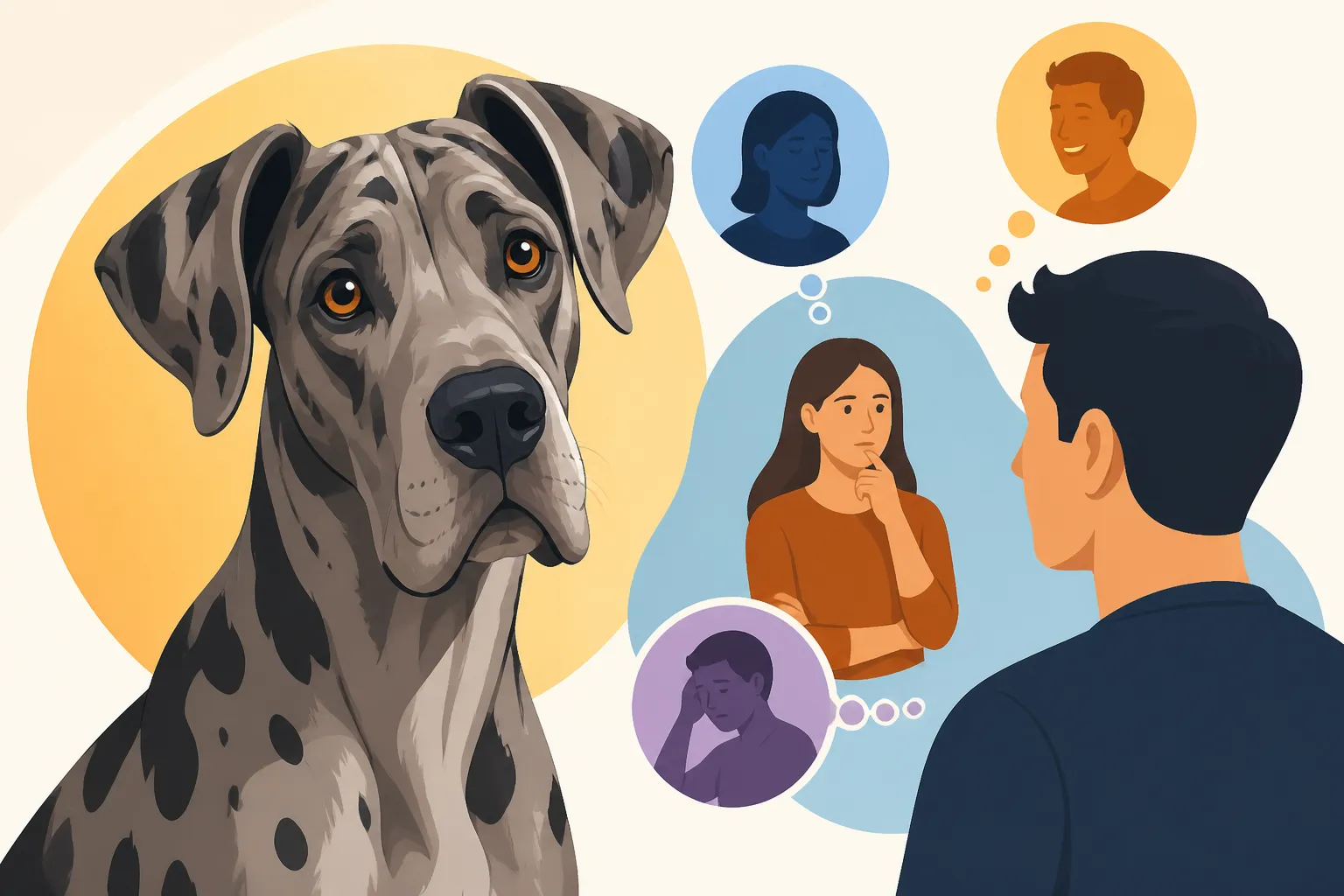
Great Danes possess a remarkable degree of emotional intelligence, which contributes significantly to their ability to "read" people. This isn't just about recognizing happiness or sadness; it's about understanding the context of these emotions and often responding in ways that demonstrate empathy and a desire for connection. They are not merely reacting to cues; they are processing and integrating information to form a coherent picture of our emotional state.
The Empathetic Lean: Great Danes and Our Emotions
One of the most characteristic behaviors of a Great Dane is "the lean." They will often press their entire body against yours, a massive comforting weight. While this can sometimes be a plea for attention or a way to assert closeness, it very often serves an empathetic purpose. If you're feeling down, crying, or experiencing anxiety, your Dane is likely to respond with a lean. They absorb your emotional energy and seem to offer a silent, physical reassurance.
This isn't just anecdotal observation; studies on canine behavior suggest that dogs can indeed respond empathetically to human emotions. A Great Dane, with its sheer size and inherent desire for companionship, amplifies this behavior. They don't just see you crying; they sense your distress and interpret it as a need for comfort. This is a profound level of understanding that goes beyond simple learned responses. It showcases their capacity for genuine concern and highlights the depth of the bond we share. This leaning behavior is a beautiful manifestation of their sensitivity, a topic further explored in Whether a Great Dane Reads People Well.
Predicting Our Routines and Responses
Great Danes are creatures of habit, and they quickly learn the routines of their human companions. This predictive ability is a huge component of their "people-reading" skills. They know when it's time for breakfast, when the kids come home from school, and when you typically settle down for an evening of TV. These predictable patterns provide them with a sense of security and allow them to anticipate events.
For instance, if every morning you wake up, make coffee, and then immediately take them out for their first potty break, your Dane will begin to associate the smell of coffee brewing or the clinking of your mug with their impending outdoor adventure. They might start to stir, stretch, or even wait by the door. This isn't complex emotional reading, but it's a testament to their sharp minds and their ability to create intricate mental maps of our daily lives. When our routines are consistent, Danes feel secure, and this security makes them more open to subtle communication cues. Conversely, sudden changes in routine or an owner's erratic behavior can contribute to A Great Dane That Is Anxious Rather Than Gentle.
| Human Action/Emotion (Cue) | Great Dane's Likely Interpretation (Response) | Impact on Bond (Outcome) |
|---|---|---|
| Direct Eye Contact | Confidence, attention, engagement | Strengthens, builds trust |
| Soft, High-Pitched Voice | Affection, praise, playfulness | Encourages positive interaction |
| Loud, Harsh Tone | Displeasure, warning, fear (stress) | Damages trust, creates anxiety |
| Leaning in Gently (by human) | Invitation for closeness, affection | Encourages reciprocal lean, comfort |
| Fidgeting/Pacing (by human) | Restlessness, nervousness, impending change | May cause anxiety, alertness |
| Crying/Sadness (by human) | Distress, need for comfort, empathy | Offers comfort, leans, licks |
| Consistent Daily Routine | Predictability, security, expectation | Builds confidence, reduces stress |
| Ignoring them | Disinterest, withdrawal | May seek attention or become withdrawn |
| Offering a treat | Reward, positive reinforcement, good behavior | Reinforces desired actions |
| Grabbing leash/keys | Impending walk/outing | Excitement, anticipation |
When Misunderstandings Happen
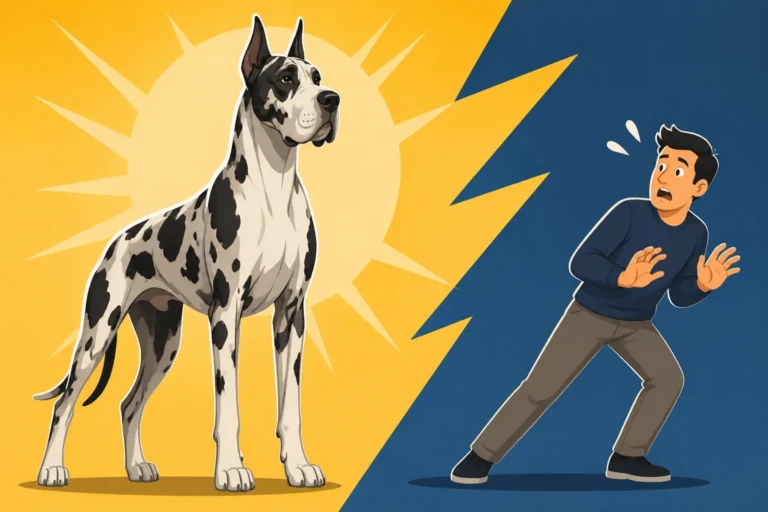
Despite their impressive abilities, misunderstandings can certainly arise. These often stem from a disconnect between our human intentions and a Great Dane's canine interpretation. For example, a friendly pat on the head, which many humans see as a sign of affection, can be perceived as threatening or dominating by some dogs, especially if it comes from an unfamiliar person or is too forceful. Similarly, prolonged, direct eye contact from a stranger might be interpreted as a challenge rather than curiosity.
Another common misunderstanding occurs with our vocalizations. Sometimes we might "talk" to our dogs in full sentences, expecting them to grasp the meaning. While they pick up on keywords and tone, the sheer volume of our chatter can be overwhelming or simply ignored if it doesn't lead to a clear action. A Great Dane needs clarity and consistency. If you use a different word for "sit" every day, or if your body language contradicts your verbal command, your Dane will become confused, making it harder for them to "read" your true intent. This highlights the importance of consistent training methods and clear communication, which is a cornerstone of resources like BAXTER & Bella, offering structured approaches to dog training.
Building a Deeper Connection: Enhancing Your Great Dane's Human-Reading Skills
The bond with a Great Dane is truly special, and their ability to read us is a huge part of that. But we can always do more to strengthen that connection and ensure our communication is as clear as possible. It's a two-way street; the better we understand how they perceive us, the better we can tailor our interactions to be effective and loving.
Clear Communication from Our Side
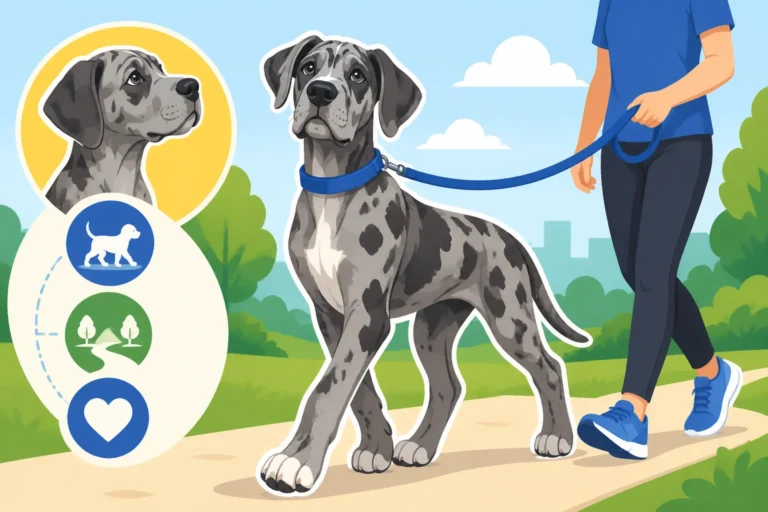
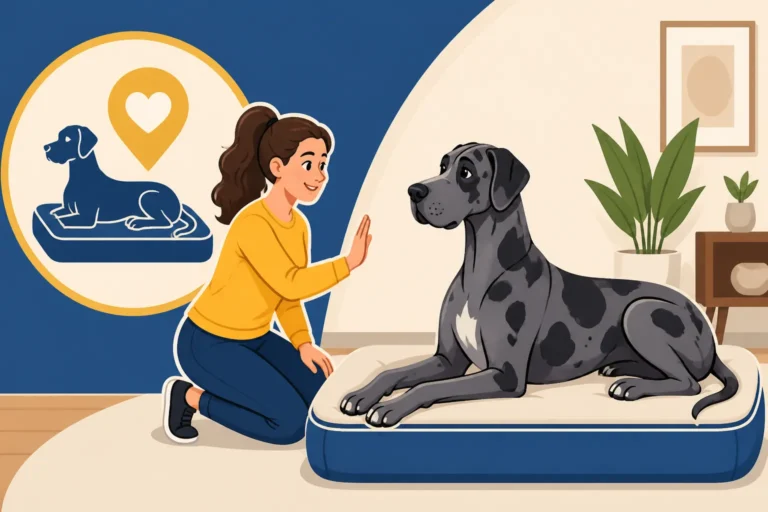
The foundation of a Great Dane's ability to read you lies in your consistency. Use the same words for commands, accompany them with consistent hand signals, and maintain a predictable daily routine. This predictability creates a framework within which your Dane can accurately interpret your cues. When you ask them to "stay," always use that exact word and accompanying hand gesture, like an open palm. If you switch it up, they'll struggle to connect the dots.
Think about how you interact with a young child learning language. You simplify, you repeat, and you use gestures. Do the same for your Great Dane. Exaggerate your body language slightly when teaching new concepts, and always pair it with a clear, calm verbal cue. For instance, when you want them to come, crouch down and open your arms wide, using an inviting tone with the word "come." This multi-faceted approach helps them build strong associations. If you’re looking for high-quality, durable training leashes or harnesses that make clear communication easier on walks, check out options available on Amazon, where you can often find products specifically designed for giant breeds.
The Power of Consistent Training and Socialization
Early and consistent training is paramount for a Great Dane, not just for obedience but for enhancing their cognitive and emotional understanding. A well-socialized and well-trained Great Dane is a more confident and attentive dog, better equipped to read and respond to human cues. Puppy classes, even if your Great Dane is still small enough to be easily managed, are vital. The Cues a Great Dane Needs Before Six Months emphasizes the importance of this early learning phase.
Training isn't just about teaching tricks; it's about teaching your Great Dane to observe, listen, and problem-solve within a human context. Positive reinforcement methods, which reward desired behaviors, are particularly effective because they build trust and encourage your Dane to actively engage with you. This engagement fosters a willingness to learn and interpret your cues. If you find yourself struggling with a particular behavior or want to deepen your Dane's understanding, consider an online training program like those offered by BAXTER & Bella. Their comprehensive approach can guide you through various stages of your Great Dane's development, providing the tools for clear, consistent communication. Finding a Trainer Comfortable With a Great Dane can also provide insights into seeking professional help.
Enrichment for Cognitive Connection
A stimulated mind is a sharper mind, and this holds true for Great Danes. Providing mental enrichment helps keep their brains active and receptive to learning, which in turn improves their ability to read people. This isn't just about physical exercise; it's about puzzles, scent games, and novel experiences that challenge them mentally. A bored Dane is less likely to be attentive to your subtle cues because their mind is elsewhere, perhaps looking for something mischievous to do!
Consider puzzle toys where your Dane has to manipulate parts to get a treat. These teach them persistence and problem-solving. Scent work, even simple "find the treat" games, engages their powerful noses and focuses their mental energy. Regularly exposing them to new, positive experiences – new walking paths, meeting calm strangers, or interacting with well-behaved dogs after Socializing a Great Dane Puppy Early – broadens their understanding of the world and the diverse array of human and animal interactions within it. A mentally engaged Great Dane is more present, more observant, and ultimately, better at reading the intricate language of human emotion and intent.
Ultimately, a Great Dane's capacity to "read" people is a blend of their natural empathy, keen observational skills, and learned associations from consistent interactions. They may not understand our complex human language in the same way we do, but through their interpretation of our body language, vocal tones, routines, and emotional states, they create a rich understanding of our world. By being mindful of our own communication and providing consistent training and enrichment, we can deepen this incredible connection and ensure our gentle giants continue to be the wonderfully intuitive companions we cherish.
Disclaimer
This article is for general informational purposes only and does not constitute professional advice. Laws, prices and regulations vary by location and change over time. Consult a qualified professional for guidance on your specific situation.