Whether a Great Dane Manages a Full Work Day
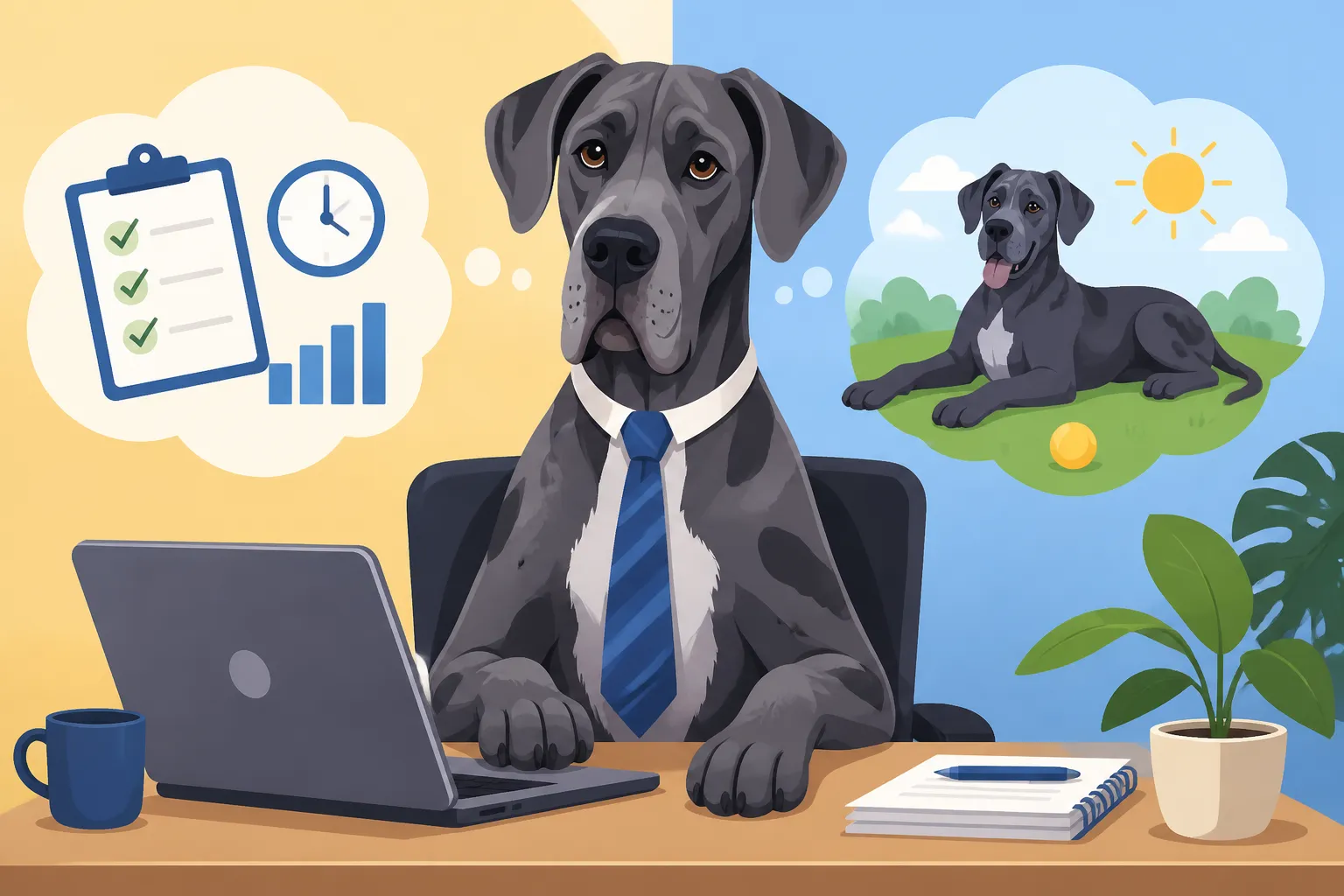
It’s a struggle many Great Dane parents face: you’ve fallen head over heels for these magnificent, loving giants, but then reality hits. Most of us have to work, and that means leaving our beloved Danes home alone for hours on end. The worry sets in – will they be okay? Will they get bored, lonely, or even destructive? It's a valid concern, because a Great Dane isn't just any dog; their unique needs can make a full workday a real challenge. This guide is here to help you understand those challenges and explore practical, empathetic ways to ensure your Great Dane thrives, even when you can't be by their side all day.
The Unique Needs of a Great Dane and Why Alone Time is a Challenge
Let's be honest, Great Danes are practically part of your shadow, aren't they? They're affectionately known as "Velcro dogs" for a reason, and that deep attachment is what makes leaving them alone so tough, both for them and for us. Understanding their specific needs is the first step in creating a routine that works for everyone.
Their Affectionate and Dependent Nature
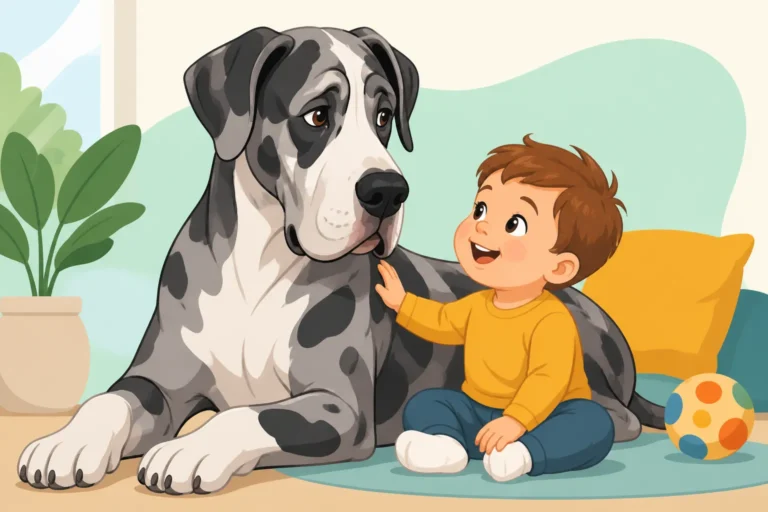
Great Danes are incredibly devoted and thrive on human companionship. They aren't the kind of dog content to be left in the backyard for hours, nor are they typically independent spirits who prefer solitude. Their entire history, from noble companions to family protectors, has ingrained a strong desire for connection. When you're home, they want to be where you are, often leaning on you or following you from room to room. This constant presence is one of their most endearing qualities, but it also means extended periods of isolation can be genuinely distressing for them.
Imagine being used to constant interaction and suddenly having silence for eight or nine hours a day. For a Great Dane, it can feel like abandonment, even if you know you're coming back. This emotional dependency can quickly lead to separation anxiety, a common and heart-wrenching issue for many Dane owners. They truly crave that bond, and a full workday away can chip away at their sense of security. It’s not just about missing you; it’s about their fundamental need for companionship.
Physical and Mental Stimulation Requirements
While Great Danes might seem like big couch potatoes, especially as adults, they still have significant physical and mental needs that can't be ignored during a long workday. A quick potty break before you leave isn't enough to sustain them for hours. They need proper exercise to burn off energy and keep their joints healthy, but equally important is mental stimulation to prevent boredom and destructive behaviors. A dog that is physically tired and mentally engaged is a much happier, calmer companion.
Without adequate outlets, that pent-up energy and boredom can manifest in ways you definitely don't want: chewing furniture, excessive barking, or even accidents indoors. Remember, these are intelligent dogs, and their minds need a workout too. A challenging puzzle toy or a good sniff-walk around the neighborhood before you head out can make a world of difference. Neglecting these needs can transform your gentle giant into a restless, anxious, and destructive force.
Growth Stages and Their Impact on Alone Time
The challenges of leaving a Great Dane alone can vary significantly depending on their age. A Great Dane puppy, for instance, has an almost endless supply of energy and a bladder the size of a thimble. Leaving a young puppy alone for a full workday is not only unfair but often impossible due to their need for frequent potty breaks, supervision, and early socialization. Puppies are still developing their ability to hold their bladder, understand boundaries, and cope with being separated from their littermates and then their new human family.
As they transition into adolescence (which, for a Dane, can last up to two years!), their energy levels might still be high, combined with a newfound independence that can sometimes border on mischief. This is often when destructive behaviors escalate if they're bored or anxious. Even senior Great Danes, while less active, have different needs. They might need more frequent bathroom breaks due to age, struggle with mobility, or experience cognitive decline, making long periods of isolation stressful and potentially uncomfortable. Understanding The Age a Great Dane Is Considered Old can help you tailor care plans for their golden years.
Practical Strategies for a Great Dane's Workday Well-being
Given their unique needs, simply closing the door and hoping for the best isn't a sustainable plan for a Great Dane owner with a full-time job. Thankfully, there are many practical strategies you can employ to make those workday hours more manageable and pleasant for your gentle giant. It often requires a combination of solutions and a commitment to their well-being, but it's absolutely achievable.
Creating a Safe and Enriching Environment
When your Great Dane is home alone, their environment needs to be both safe and stimulating. This usually means designating a secure space where they can't get into trouble, combined with items that keep their minds active. For many Dane owners, a spacious crate is invaluable. Crate Training a Great Dane That Fills the Room from a young age can help them view their crate as a safe, den-like space where they can relax. Ensure the crate is large enough for them to stand, turn around, and lie down comfortably, and always provide soft bedding to protect their joints.
If a crate isn't your preference or your Dane has outgrown one, a designated dog-proofed room (like a laundry room or a section of the living room gated off) can work. Remove anything they could chew, swallow, or knock over. Consider getting heavy-duty baby gates specifically designed for large breeds, as regular ones won't stand a chance against a determined Dane. To combat boredom, offer a variety of interactive toys. Lick mats with frozen peanut butter, KONGs stuffed with kibble and a bit of wet food, or sturdy puzzle feeders can keep them occupied for a good chunk of time. You can find many excellent options on Amazon, ranging from durable chew toys to advanced puzzle dispensers, perfect for a dog with a powerful jaw. Rotating these toys daily keeps things fresh and interesting.
Mid-Day Breaks and Professional Help
One of the most effective ways to break up a long workday for a Great Dane is to arrange for a mid-day visit. This isn't just about a potty break, though that's crucial. It's about providing a social interaction, a chance to stretch their legs, and some mental stimulation.
- Dog Walkers: A professional dog walker can come to your home, take your Dane for a walk, engage in some playtime, and ensure they get a drink of water and a quick cuddle before settling back down. Look for walkers experienced with large breeds, as handling a powerful Great Dane requires skill and confidence. They can also reinforce basic manners like Great Dane Leash Manners at a Hundred and Fifty Pounds.
- Pet Sitters: If your Dane prefers staying home but needs more than just a quick walk, a pet sitter might be a better fit. They can spend longer periods, engaging in play, offering training refreshers, or simply providing comforting companionship.
- Friends/Family: If you have trusted friends, family, or neighbors who are comfortable with large dogs, they might be willing to stop by. This can be a great, cost-effective option, especially if your Dane already knows and loves them.
- Doggy Daycare: For some Great Danes, especially those who are well-socialized and enjoy the company of other dogs, doggy daycare can be a fantastic solution. It provides constant supervision, structured play, and socialization. However, it's not for every Dane. Make sure the facility has separate play areas for large breeds, experienced staff, and a thorough screening process. Not all Danes enjoy the high-energy environment, and it's important to assess if Whether Daycare Suits a Great Dane before committing.
Technology as Your Ally
In today's world, technology offers some fantastic tools to help us stay connected with our Great Danes and monitor their well-being while we're away. These tools can provide peace of mind and even help you intervene if needed.
- Pet Cameras: A pet camera with two-way audio allows you to check in on your Dane from your phone, see what they're doing, and even talk to them. Some cameras also have treat dispensers, so you can remotely reward good behavior or offer a little pick-me-up during the day. This can be particularly helpful for Danes prone to separation anxiety, allowing you to soothe them with your voice if they start to get distressed. Many brands are available on Amazon with various features like night vision, motion detection, and recording capabilities.
- Smart Feeders: While not a substitute for human interaction, smart feeders can be programmed to dispense small portions of food or treats throughout the day. This can break up boredom and provide a little reward, especially if your Dane is used to multiple smaller meals to help with The Feeding Routine That Lowers Great Dane Bloat Risk.
- Activity Monitors: Wearable activity trackers for dogs can give you insights into their activity levels, sleep patterns, and even how much they bark while you're gone. This data can help you understand if they're getting enough exercise before you leave or if they're exhibiting signs of stress.
Training and Socialization: Building Independence in Your Gentle Giant
While external solutions like dog walkers and tech gadgets are helpful, the foundation of a Great Dane who can cope with your workday lies in solid training and early socialization. Building their confidence and independence is a long-term project, but it pays dividends in a calm, well-adjusted companion.
Crate Training for Comfort and Security
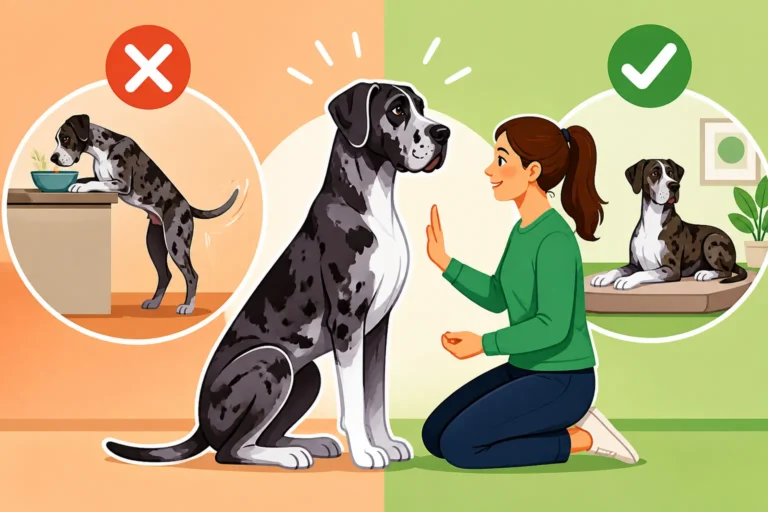
As mentioned earlier, crate training is absolutely foundational for a Great Dane, especially one who will spend time alone. A properly introduced crate should be a safe haven, not a punishment zone. Start early, making the crate a positive experience filled with treats, toys, and comfy bedding. Feed meals in the crate, and never force your Dane inside. The goal is for them to voluntarily enter and relax there.
For an adult Great Dane, this process might take longer, but it's still possible. Gradual introduction, positive reinforcement, and ensuring the crate is the right size are key. Think of it as their personal bedroom – a place where they feel secure and can retreat from the world. When they view their crate positively, it significantly reduces stress when you have to leave, as they have a familiar, safe space to settle into. Choosing a Crate a Great Dane Can Stand In is vital for their comfort and willingness to use it.
Gradually Increasing Alone Time
You can't expect a Great Dane to go from never being alone to suddenly handling an eight-hour workday. It requires a gradual, systematic approach to build their tolerance and confidence. Start with very short absences – just stepping out of the room for a minute or two, then coming back before they get distressed. Slowly increase the duration. Leave for five minutes, then ten, then thirty, then an hour. Always return when they are calm, not when they are whining or barking, to avoid reinforcing anxious behavior.
Practice this routine on weekends or days you're home. Get ready for work, grab your keys, and then sit down and watch TV for a bit before you actually leave. This desensitizes them to your departure cues. The BAXTER & Bella online puppy school, for example, offers structured lessons and support that can be invaluable for teaching puppies and young dogs to be comfortable with alone time, covering everything from crate training to confidence-building exercises. Consistent, positive exposure to solitude is the key to successfully Building Up a Great Dane's Alone Time.
Establishing a Predictable Routine
Dogs, and Great Danes especially, thrive on routine. A predictable schedule helps them understand what to expect throughout their day, reducing anxiety and increasing their sense of security. Try to stick to a consistent feeding schedule, potty breaks, and exercise times, even on weekends.
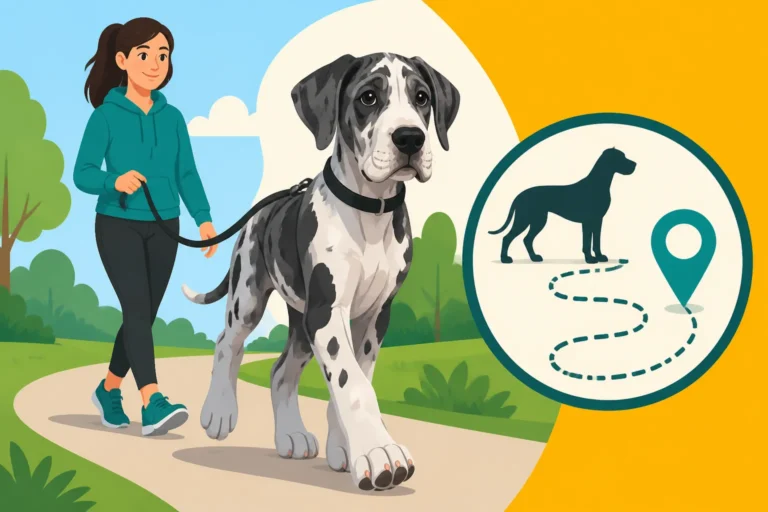
Before you leave for work, ensure your Dane gets a good, long walk or a vigorous play session to burn off energy. This isn't just a quick trip around the block; it should be substantial enough to make them feel tired and ready for a nap. Then, allow for a final potty break and a quiet, calm departure. Avoid making a big fuss when you leave or return, as this can heighten the emotional impact of your absence. A predictable rhythm to their day helps them understand that while you might be gone for a while, you will return, and their needs will be met. This consistency helps manage their expectations and helps them settle into a pattern of relaxing while you're away.
Addressing Common Workday Woes and Preventing Problems
Even with the best intentions and strategies, Great Danes can sometimes develop issues when left alone for long periods. It's crucial to be able to identify these problems and have a plan to address them, preventing them from escalating into more serious behavioral challenges.
Dealing with Separation Anxiety and Destructive Behavior
Separation anxiety is a significant concern for Great Dane owners, and it often manifests as destructive behavior, excessive barking or howling, inappropriate urination or defecation, or attempts to escape when left alone. This isn't naughtiness; it's a panic response. A dog with true separation anxiety is genuinely distressed. One common sign is A Great Dane That Howls in an Empty House or tries to chew through walls or doors. Another is the sheer scale of Damage a Great Dane Reaches That Smaller Dogs Cannot.
If you suspect separation anxiety, start by consulting your veterinarian or a certified professional dog trainer (like those associated with BAXTER & Bella, who offer resources for managing anxiety). They can help distinguish between boredom and true anxiety and develop a tailored behavior modification plan. This might involve counter-conditioning (associating your departure with positive things like a special long-lasting chew), desensitization to departure cues, and, in some severe cases, medication to help manage their panic during the training process. Avoid punishing these behaviors, as it only increases their anxiety. The goal is to build their confidence and teach them that being alone isn't scary.
Managing Potty Accidents
Potty accidents are frustrating, especially when you come home to a giant mess. For Great Danes, frequent urination can be a sign of many things: a puppy who simply can't hold it, an older dog with weakened bladder control, or a dog experiencing anxiety. If it's a puppy or an older Dane, more frequent potty breaks are essential. Even with a mid-day walker, ensure they have access to water when alone but time their last drink before bed and first drink in the morning carefully.
If your adult Dane is suddenly having accidents, first rule out any medical issues with your vet. Once medically cleared, it might point to a routine issue or anxiety. Ensure they have ample opportunity to relieve themselves before you leave and immediately upon your return. Consider installing a dog door to a secure, fenced yard if possible, though this isn't suitable for all Danes or environments. Patience and consistency in house training, even for older dogs, is vital. Remember that a Great Dane's sheer volume means accidents are never small!
The Importance of Post-Work Engagement
Coming home to your Great Dane should be a joyful reunion, but it's also a critical time for their well-being. Don't underestimate the power of quality time after a long day apart. Your Great Dane has likely been waiting patiently (or not-so-patiently) for your return, and this is their prime opportunity for interaction.
Make it a priority to immediately take them out for a potty break and then engage in some meaningful activity. This could be a long walk, a game of fetch in the yard (if space allows), or a dedicated training session. Mental stimulation is just as important as physical exercise; practicing commands or teaching new tricks can be incredibly rewarding for both of you. Many Danes simply enjoy a good cuddle session on the couch. How Much Sleep a Great Dane Actually Needs might surprise you, but the quality of their awake time is what matters most. This dedicated post-work engagement helps fulfill their social needs, strengthens your bond, and ensures they get the attention and stimulation they crave, setting them up for a calmer evening and reducing the likelihood of issues the next workday.
| Strategy / Solution | Pros | Cons | Best Suited For |
|---|---|---|---|
| Crate Training | Provides safe, den-like space; prevents destructive behavior; aids potty training. | Requires consistent training; must be correct size; some dogs resist. | Puppies & adult Danes prone to mischief/anxiety; safe haven. |
| Dog Walker / Sitter | Mid-day potty break, exercise, social interaction; personalized attention. | Cost; finding reliable, large-breed experienced professionals; security concerns. | All Danes needing a mid-day break; owners seeking peace of mind. |
| Doggy Daycare | Constant supervision, socialization, structured play, high exercise levels. | Can be overstimulating for some Danes; potential for injury; cost; facility quality varies. | Social, energetic Danes who enjoy other dogs; owners wanting full-day enrichment. |
| Pet Camera | Remote monitoring; two-way audio; treat dispensing; peace of mind. | Doesn't replace physical presence; can't intervene physically; requires internet. | All Danes, especially those with mild separation anxiety or for monitoring. |
| Puzzle Toys / Chews | Mental stimulation; reduces boredom; can deliver treats/food slowly. | Can be destroyed; some dogs lose interest quickly; not a substitute for exercise. | All Danes to keep busy during alone time; complements other strategies. |
Disclaimer
This article is for general informational purposes only and does not constitute professional advice. Laws, prices and regulations vary by location and change over time. Consult a qualified professional for guidance on your specific situation.