Whether Leaning Means a Great Dane Is Anxious
It's incredibly common for Great Dane owners to experience that distinctive "lean"—a sudden, heavy press against your legs or body that can, at times, feel a little overwhelming. Many of us wonder if our gentle giants are just being affectionate, or if there's a deeper meaning, perhaps even a sign of anxiety. This comprehensive guide will delve into the nuances of Great Dane leaning, helping you understand the difference between normal displays of affection and potential indicators of underlying worry.
The Classic Great Dane Lean: What it Usually Means
Let's face it, Great Danes aren't exactly known for their subtlety. When they want to be close, they really want to be close. That signature lean isn't just a quirky habit; it's deeply ingrained in their nature and often a beautiful display of their bond with you. Before jumping to conclusions about anxiety, it's vital to appreciate the positive reasons behind this unique behavior.
A Gentle Push for Attention
Think about it: your Great Dane is a huge dog, often towering over you even when sitting. If they want your attention, a little nudge with their nose might get lost in your clothes, and a paw might feel too rough. The lean, however, is impossible to ignore. It's their way of saying, "Hey, I'm here! Pet me, look at me, acknowledge my majestic presence!" It's often accompanied by a soft gaze, a gentle wag of the tail, or a sigh of contentment when you respond. This isn't anxiety; it's simply a big dog's direct and very effective method of communication. They might do this when you're absorbed in your phone, chatting with a friend, or simply walking across the room. It's their polite (and sometimes not-so-polite) request for connection.
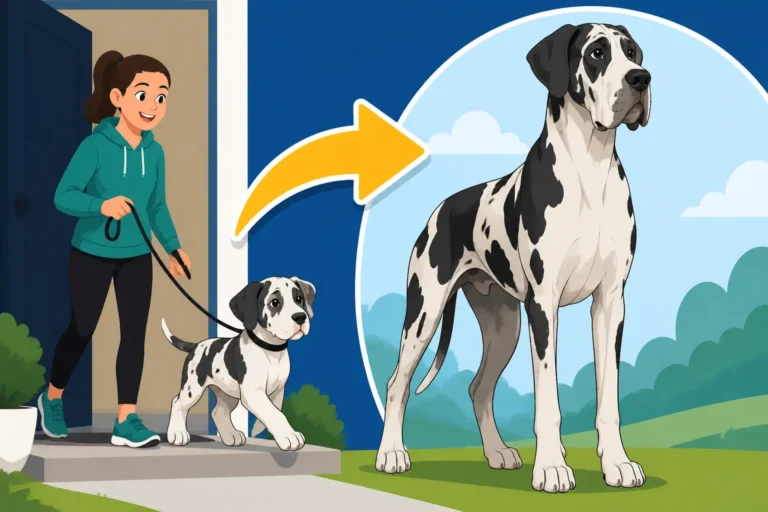
This behavior often starts when they're puppies, though it becomes far more noticeable once they reach their impressive adult size. A little pup leaning on you is cute; a 150-pound adult doing it can sometimes send you off balance! But the intent remains the same: a desire for interaction. It's part of the charming personality that makes owning one of these dogs so special. If you're looking for more insights into this specific behavior, you might find value in Living With a Great Dane That Leans on You.
Seeking Affection and Comfort
More often than not, the Great Dane lean is a pure expression of affection. These dogs are often referred to as "Velcro Danes" because of their strong desire to be physically close to their humans. When they lean, they're essentially trying to meld their large bodies with yours, seeking the warmth, reassurance, and physical contact that makes them feel secure and loved. It’s like a giant, furry hug that you can’t exactly reciprocate in the same way, so they initiate it.
Imagine coming home after a long day. Your Dane might greet you with enthusiastic tail wags, then slowly press their entire body against your legs as you stand there, soaking in your presence. This isn't a sign of distress; it's a profound display of comfort and connection. It’s their way of showing devotion and enjoying the tactile bond they share with you. This seeking of comfort is especially noticeable in familiar, calm environments, or when they are settling down for a quiet moment with you. It reassures them, and it reminds us of the incredible, gentle nature that earns them the title of "Apollo of Dogs."
Communication Through Contact
Beyond just attention or affection, leaning can also be a form of communication. Great Danes are incredibly intuitive dogs, and they often pick up on our moods and intentions. A lean might be their way of saying, "I'm with you," or "I understand." For example, if you're standing in a new environment, perhaps a friend's house or a busy park, your Dane might lean into you, not out of fear, but as a confirmation of their presence and support, a silent agreement to navigate the situation together.
This can also be a learned behavior. If you consistently reward leaning with positive attention—a stroke, a soft word, or even just acknowledging their presence—they learn that leaning is a successful way to get what they want from you. It becomes a deeply ingrained part of their interaction repertoire. It’s a physical manifestation of their desire to be part of your world, to share your space, and to feel connected at a fundamental level. Understanding this often involves observing the rest of their body language and the context of the lean.
When a Lean Might Signal Something More: Identifying Anxiety
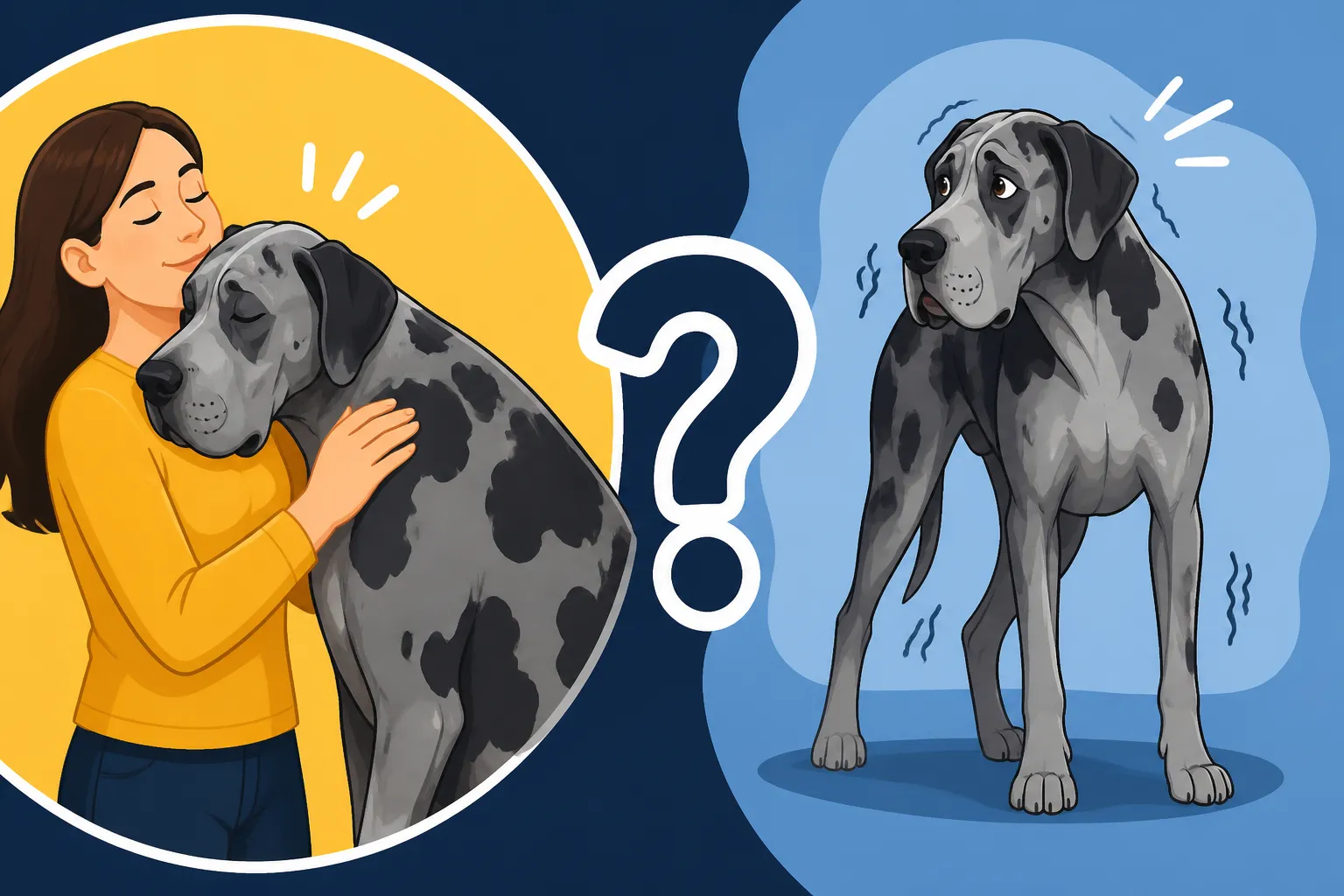
While the Great Dane lean is typically a benign and affectionate gesture, there are certainly times when it can be an indicator of anxiety or unease. It's crucial for us as owners to differentiate between a happy, confident lean and one that suggests our big dog is feeling less than secure. Recognizing the subtle cues that accompany the lean can help you address your Dane's needs more effectively.
Accompanying Anxious Behaviors
Anxiety in Great Danes, just like in any dog, rarely manifests as a single behavior. If the lean is truly a sign of anxiety, you'll almost certainly observe other behaviors happening simultaneously. These might include:
- Trembling or Shaking: Even in a warm environment, an anxious Dane might tremble, particularly noticeable in their legs or jowls.
- Panting or Yawning Excessively: Without recent exercise or heat, heavy panting or repeated yawning can be a stress indicator.
- Lip Licking or Drooling: Excessive lip licking, especially when no food is present, or increased drooling can signal discomfort.
- Ears Pinned Back or Tucked Tail: Their ears might be flattened against their head, and their tail could be tucked low between their legs or held stiffly.
- Avoidance or Restlessness: They might try to hide behind you, pace nervously, or be unable to settle.
- Whining or Low Growls: Soft vocalizations of distress.
- Hyper-vigilance: Constantly scanning the environment, wide eyes, pupils dilated.
If your Great Dane's lean is accompanied by a combination of these signs, it's a strong indicator that they're not just seeking affection, but reassurance in a moment of distress. They are using you as a safe harbor, a physical anchor in a world that suddenly feels too big or too scary. For a deeper dive into overall anxiety, you might want to read A Great Dane That Is Anxious Rather Than Gentle.
Changes in Leaning Habits
Another key indicator that a lean might be anxiety-driven is a sudden or significant change in your dog's leaning habits. For instance:
- Increased Frequency: If your Dane, who usually leans occasionally, suddenly starts leaning constantly, especially in situations where they previously didn't, it's worth investigating.
- Contextual Shift: Does the leaning only happen in specific, new, or challenging environments? Perhaps they used to be fine at the vet, but now they lean heavily the moment you walk through the door, combined with other fearful signs.
- Intensity of Lean: Is the lean more intense, almost pushing you over, as if trying to physically block something out or get as close as possible to escape a perceived threat?
These changes suggest that something in their environment or routine might be causing them stress. Perhaps there's a new pet in the house, a change in your work schedule, or even construction noise nearby that's upsetting their sense of security. Pay attention to when these changes occur to help pinpoint potential triggers.
Specific Triggers for Anxious Leaning
Anxious leaning is often a reactive behavior, meaning there's usually an identifiable trigger. Pinpointing these triggers is crucial for managing your Great Dane's anxiety. Common triggers can include:
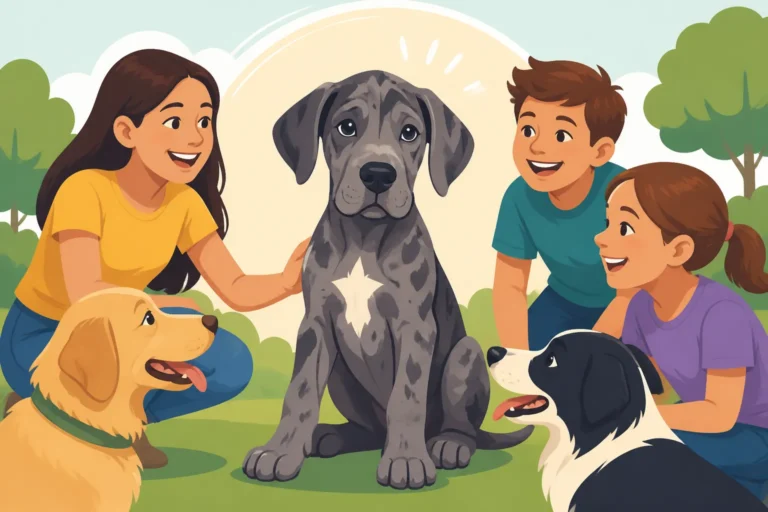
- New People or Animals: Strangers entering their space, or unfamiliar dogs in the park. Your Dane might lean heavily on you when someone new approaches, seeking protection.
- Loud Noises: Thunderstorms, fireworks, construction sounds, or even a dropped pan in the kitchen can cause a sensitive Dane to seek refuge by leaning.
- Unfamiliar Environments: A new vet office, a busy street, a new house, or even a friend's unfamiliar home can be overwhelming.
- Separation Anxiety: While often manifesting as destructive behavior or howling, a dog with separation anxiety might lean heavily as you prepare to leave, clinging to your presence before the feared separation begins. Building Confidence in a Nervous Great Dane can offer some fantastic strategies for these situations.
- Pain or Discomfort: Sometimes, a dog will lean into you because they are feeling unwell or in pain. The physical contact provides comfort, and their body language might show other signs of discomfort like limping or reluctance to move.
Keep a mental note or even a small journal of when your Dane leans anxiously and what was happening immediately before and during that moment. This detective work can provide invaluable clues.
Here's a quick comparison to help you distinguish between an affectionate lean and an anxious one:
| Characteristic | Affectionate Lean | Anxious Lean |
|---|---|---|
| Body Language | Relaxed posture, soft eyes, wagging tail (loose) | Tense body, wide/dilated eyes, ears back, tucked tail |
| Context | Calm moments, greetings, seeking pets | New places, loud noises, strangers, departures |
| Vocalization | Contented sigh, quiet | Whining, low growl, excessive panting |
| Response to You | Leans into petting, enjoys contact | Clings tightly, may try to hide behind you |
| Movement | Stands still, leans into your leg | May be restless, pacing, shaking, trying to get away |
| Duration | Brief, then settles or moves on | Prolonged, persistent, especially during trigger |
How to Comfort an Anxious Leaning Great Dane
If you've determined that your Great Dane's leaning is indeed rooted in anxiety, your next step is to provide comfort and, more importantly, address the underlying cause. It's not about "fixing" the lean, but about helping your Great Dane feel more secure and confident in the world around them. This often involves a multi-faceted approach, combining environmental adjustments, training, and sometimes professional input.
Creating a Secure Environment
One of the most immediate and impactful ways to help an anxious Great Dane is to ensure their environment feels safe and predictable. This means having a designated "safe space" where they can retreat when feeling overwhelmed.
- A Cozy Den: This could be a large crate with a soft, thick bed, covered with a blanket to create a den-like feel. Or perhaps an orthopedic bed (you can find many suitable options on Amazon) in a quiet corner of the house. The key is that it's their space, where they won't be bothered.
- Minimizing Triggers: If you know certain sounds trigger anxiety, try to mitigate them. For fireworks or thunderstorms, consider calming music, white noise machines, or closing windows. If strangers are a trigger, consider having a designated greeting area or a specific routine for introductions.
- Consistent Routine: Great Danes thrive on routine. Predictable feeding times, walk schedules, and play sessions can provide a sense of stability that reduces anxiety. Any sudden changes can be unsettling, so introduce new elements gradually if possible.
- Calming Aids: Some Danes benefit from calming pheromone diffusers or sprays, or even anxiety wraps that apply gentle, constant pressure. Always consult with your vet before introducing any supplements or medications.
Remember, a secure environment isn't just about physical comfort; it's about psychological predictability and safety. Your Great Dane needs to know they have a place to go and that their world isn't constantly changing in unpredictable ways.
Training and Desensitization for Calmness
Training isn't just for teaching commands; it's a powerful tool for building confidence and reducing anxiety in dogs. For an anxious Great Dane, training should focus on positive reinforcement and gradual exposure to triggers.
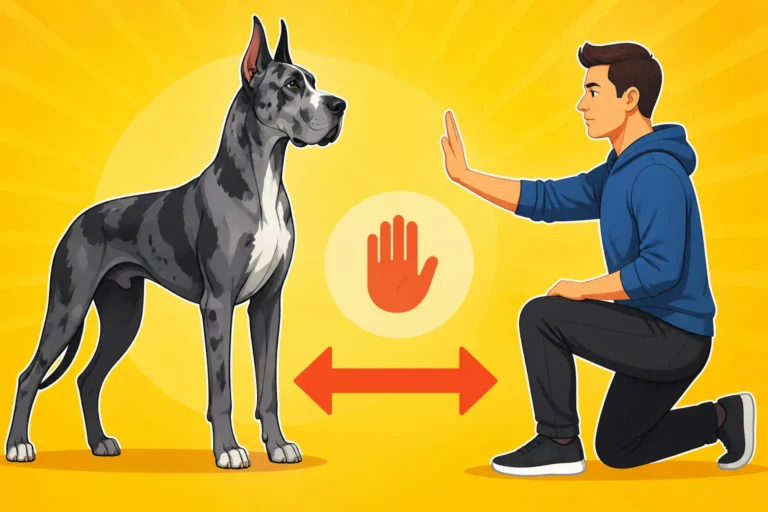
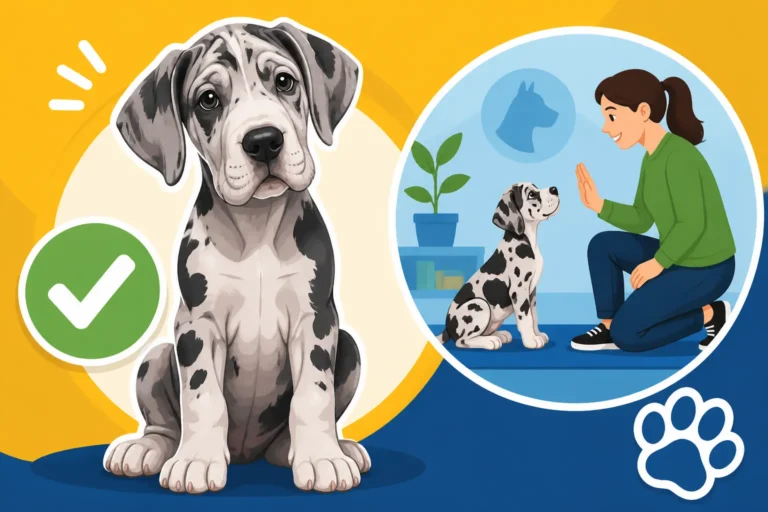
- Positive Reinforcement: Reward calm behavior! If your Dane is leaning anxiously, and you've identified the trigger, don't just comfort them in their fear, which can inadvertently reinforce the anxiety. Instead, try to distract them gently with a command they know (like "sit" or "down") and reward them for performing it calmly. This shifts their focus and rewards a more desirable emotional state.
- Desensitization and Counter-Conditioning: This involves slowly exposing your Dane to their anxiety triggers at a very low intensity, while simultaneously associating the trigger with something positive (like high-value treats or praise). For example, if your Dane is afraid of visitors, start by having a friend stand far away outside your house while you reward your Dane for calm behavior. Gradually, over many sessions, reduce the distance, always ensuring your Dane remains below their "threshold" of fear.
- Confidence-Building Exercises: Enroll in obedience classes or try enrichment activities that challenge your Dane mentally. Simple puzzle toys, nose work games, or even learning new tricks can boost their confidence and give them a sense of accomplishment. Resources like BAXTER & Bella offer fantastic online training programs that focus on building a solid foundation of confidence and good manners, which can be invaluable for an anxious giant. Teaching them The Cues a Great Dane Needs Before Six Months can make a huge difference in their overall confidence.
- Loose-Leash Walking: A confident walk can do wonders. If your Dane pulls or is reactive on walks, it can increase their stress. Work on Getting a Great Dane to Walk on a Loose Leash to create a more relaxed experience for both of you.
Consistency is key with training. Short, frequent sessions are more effective than long, infrequent ones. Be patient and understand that changing emotional responses takes time and dedication.
Professional Guidance and Support
Sometimes, even with our best efforts, a Great Dane's anxiety is too profound or complex to manage alone. In these cases, seeking professional help is not a sign of failure, but a responsible and loving choice for your dog.
- Veterinary Consultation: Always start with your vet. They can rule out any underlying medical conditions that might be contributing to the anxiety, such as pain, thyroid issues, or other health concerns. They can also discuss appropriate calming supplements or, in more severe cases, anti-anxiety medication if deemed necessary. Understanding The Thyroid Test a Slow Great Dane Needs could be an important step here.
- Certified Professional Dog Trainer (CPDT) or Behaviorist (CDBC): These professionals specialize in canine behavior and can provide tailored plans for your specific situation. A good trainer can observe your Dane's behavior, identify triggers you might have missed, and guide you through effective desensitization and counter-conditioning protocols. They often have experience with giant breeds and their unique challenges.
- Online Training Resources & Communities: Platforms like BAXTER & Bella often have supportive communities and instructors who can offer advice and guidance, even if you can't access an in-person behaviorist immediately. Sometimes just hearing from other Great Dane owners facing similar challenges can be incredibly validating and helpful.
Remember, your Great Dane relies on you to be their advocate. If their leaning is accompanied by signs of distress, taking action to understand and alleviate their anxiety will lead to a happier, more secure companion, strengthening the incredible bond you share.
Disclaimer
This article is for general informational purposes only and does not constitute professional advice. Laws, prices and regulations vary by location and change over time. Consult a qualified professional for guidance on your specific situation.