Whether a Great Dane Puppy Can Start Classes at Nine Weeks
Bringing home a Great Dane puppy is an incredibly exciting time, full of joy and anticipation. But with that excitement often comes a flurry of questions and anxieties, especially when it comes to early training and socialization. Many new owners wonder, "Is my nine-week-old Great Dane puppy old enough for formal classes, or is it too soon?" This guide will walk you through the nuances of starting puppy classes at this tender age, helping you make an informed decision that balances crucial socialization with necessary health precautions for your growing giant.
The Critical Importance of Early Socialization for Great Dane Puppies
The initial weeks and months of a Great Dane puppy's life are undeniably the most impactful for shaping their future temperament and behavior. You're not just raising a small dog that will grow; you're raising a potential gentle giant, and ensuring they are well-adjusted and confident is paramount for everyone's safety and happiness.
Why the Nine-Week Window is So Crucial
Think of the period between 3 and 16 weeks as your puppy's sponge phase – they're soaking up everything around them, forming opinions, and learning how the world works. This is what we call the critical socialization window. For Great Danes, this window is especially significant because their sheer size as adults means that any behavioral issues or fears developed early on can become genuinely challenging, even dangerous, to manage later. A fearful or unsocialized small dog might be a nuisance; a fearful or unsocialized 150-pound Great Dane is a serious problem.
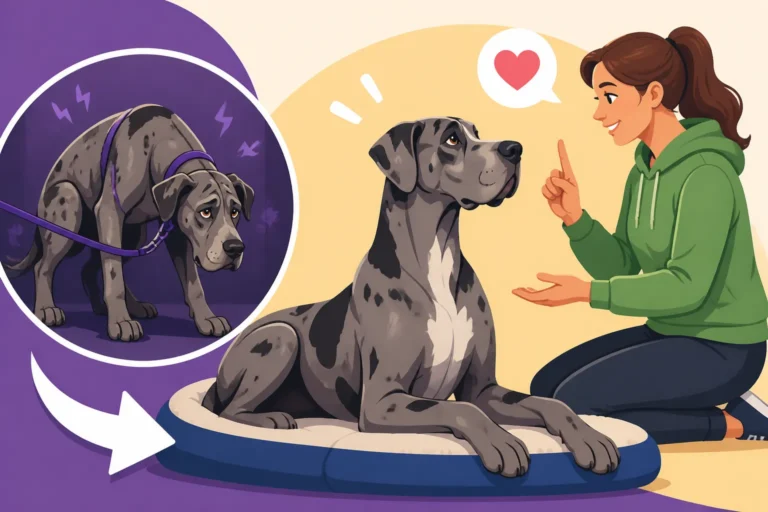
At nine weeks, your puppy is smack in the middle of this crucial learning period. They are developing their bite inhibition, learning canine communication signals, and forming associations with different sights, sounds, and people. Exposing them positively and safely to a wide variety of experiences now can prevent anxiety, aggression, and shyness down the road. Without adequate early socialization, a Great Dane might grow up to be wary of strangers, terrified of loud noises, or unsure how to interact politely with other dogs. This can make everyday life, from vet visits to walks in the park, incredibly stressful. We want our Danes to be confident, polite members of society, not cowering giants. It really sets the stage for The Manners a Great Dane Needs Before It Grows.
Balancing Protection with Exposure
Here's where the dilemma often arises: you know socialization is vital, but you're also deeply concerned about your precious puppy's health, especially concerning vaccine schedules and potential exposure to illnesses. This is a very valid concern, and it's one that every responsible Great Dane owner grapples with. The key is to find a balance between protecting your puppy's immature immune system and providing essential socialization experiences.
Your veterinarian is your absolute best resource here. They will guide you on your puppy's specific vaccination schedule and advise you on what level of exposure is safe at nine weeks. Generally, puppies have had at least their first round of core vaccinations by this age, but they are not fully protected until they've completed their entire series, often around 16 weeks. This doesn't mean you have to keep them in a sterile bubble, however. It means choosing controlled environments for their early interactions. This might involve carefully selected puppy classes (more on that below), playdates with fully vaccinated, healthy adult dogs you know well, and low-risk outdoor areas away from high-traffic dog zones. Think of it as calculated risk: minimizing exposure to unknown pathogens while maximizing exposure to positive, novel experiences. It's a fine line to walk, but crucial for ensuring your Great Dane puppy grows into a confident, well-adjusted adult. Socializing a Great Dane Puppy Early is a topic we discuss often, and for good reason.
Assessing Puppy Class Readiness: Risks and Benefits at Nine Weeks
So, your Great Dane puppy is nine weeks old. Is enrolling them in a group puppy class a good idea, or should you wait? The answer isn't always a simple yes or no, as it depends heavily on your puppy's health status, the quality of the class, and your veterinarian's advice.
The Vaccination Question and Your Vet's Guidance
The primary concern for many owners considering early puppy classes is the risk of infectious diseases like parvovirus or distemper, especially since puppies aren't fully vaccinated until later. Most veterinarians recommend waiting until a puppy has received at least two sets of their core vaccinations, which often places them closer to 10-12 weeks old, before attending group classes. However, this is not a universal rule, and guidelines can vary based on local disease prevalence and your vet's individual assessment of your puppy's health and risk factors.
It's absolutely essential to have a frank conversation with your specific veterinarian about your Great Dane puppy's unique situation. They know your puppy's vaccine history, the local disease landscape, and can help you weigh the risks versus the benefits. Some vets, understanding the critical nature of socialization, may approve early entry into specific puppy classes that have stringent health protocols in place. They might advise you that the benefits of early, structured socialization in a clean, supervised environment outweigh the small, calculated risk of exposure, especially compared to the much higher risk of behavioral issues stemming from undersocialization. Never assume; always consult your vet.
Learning Benefits of Structured Puppy Classes
If your vet gives the green light, structured puppy classes offer a wealth of benefits that are particularly valuable for a Great Dane puppy. These classes aren't just about teaching "sit" and "stay"; they're invaluable for developing crucial social skills. Your Great Dane puppy will learn appropriate play behaviors, including how to interact gently with smaller dogs and how to handle playful roughhousing without becoming overstimulated or aggressive. They'll also begin to understand bite inhibition by learning from their peers how much pressure is too much.
Beyond peer interaction, these classes provide professional guidance on basic manners, house training, and addressing common puppy behaviors like nipping, jumping, and chewing. For first-time Great Dane owners, this expertise is golden. Managing a polite, well-behaved giant requires consistent, early training, and a good class will set you on the right path. Trainers can offer insights into the unique challenges of raising a giant breed, like preventing jumping when your dog might eventually outweigh an adult human. Moreover, puppy classes expose your Great Dane to new people, sounds, and environments in a controlled, positive setting, building confidence and reducing the likelihood of fear-based behaviors as they grow. This early foundation is critical, because Why Great Dane Training Cannot Wait is not just a saying, it's a reality.
What to Look For in a Safe and Effective Puppy Class
Deciding to enroll your nine-week-old Great Dane puppy in a class means doing your homework. Not all puppy classes are created equal, and for a giant breed, safety and appropriate instruction are paramount.
Prioritizing Health and Safety Protocols
When considering a puppy class, health and safety should be your absolute top priority. This is especially true for a young Great Dane puppy who may not be fully vaccinated. Don't be afraid to ask detailed questions before signing up. A reputable facility will welcome them.
First, inquire about their cleanliness standards. Are the training areas regularly disinfected? What products do they use? Look for a clean, well-maintained space that doesn't smell strongly of urine or harsh chemicals. Next, ask about their vaccination requirements for all puppies attending. Every puppy should be required to show proof of age-appropriate vaccinations, including DHPP (distemper, hepatitis, parvovirus, parainfluenza) and bordetella. Some facilities may even require a negative fecal test. Be wary of any class that doesn't enforce strict vaccination policies, as this significantly increases the risk to your puppy.
Class size is another crucial factor. Smaller class sizes (typically 4-8 puppies) allow for more individualized attention from the trainer and reduce the potential for overwhelming or negative interactions between puppies. Overcrowded classes can be stressful and less effective. Also, observe the environment for proper ventilation and appropriate flooring. Hard, slippery floors can be detrimental to a growing Great Dane's joints, so look for matted or non-slip surfaces. A good facility should make you feel confident that they are minimizing health risks while maximizing a positive learning environment. When it comes to Growth Disorders in a Great Dane Puppy, every precaution counts.
Trainer Expertise and Class Structure for Great Danes
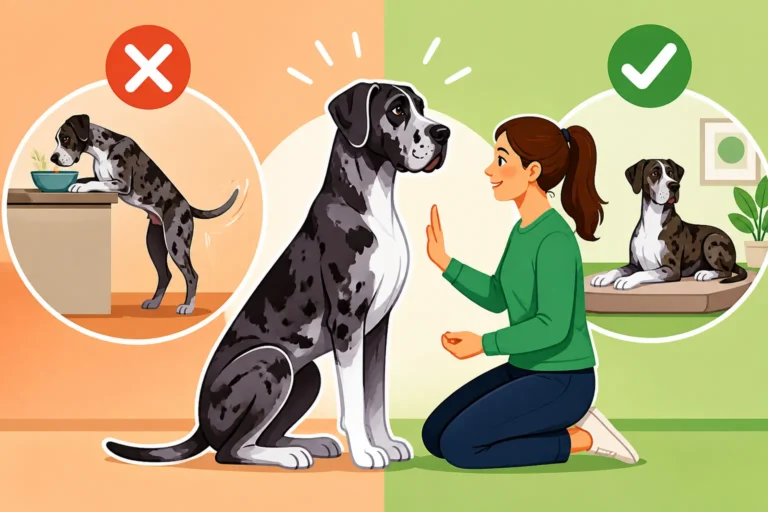
Beyond health, the quality of instruction and the trainer's approach are vital. Seek out trainers who use positive reinforcement methods exclusively. This means rewarding desired behaviors with treats, praise, and toys, rather than using harsh corrections or punishment. Positive reinforcement builds a strong bond between you and your puppy and encourages them to learn willingly and confidently – something incredibly important for a sensitive giant breed.
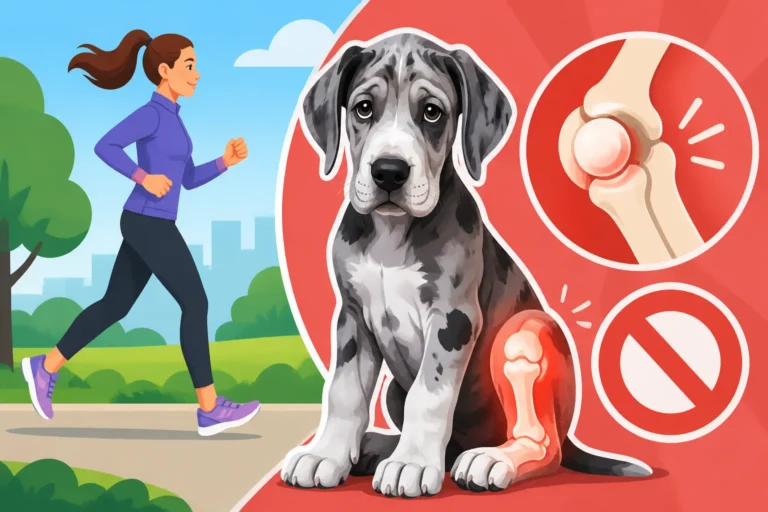
It's also a huge bonus if the trainer has experience with giant breeds specifically. They'll understand the unique growth stages, potential joint concerns, and the sheer power of a Great Dane puppy, even at a young age. They can guide you on appropriate play that won't overexert your puppy's developing joints and teach you how to manage their size politely from the start. For example, they'll know that activities involving excessive jumping or prolonged running are generally not suitable for a nine-week-old Great Dane puppy due to their rapidly growing bones and joints. They will also understand that a Great Dane puppy can tire out quickly, and class activities should allow for breaks and rest.
Look for a class structure that includes a good mix of supervised off-leash play, short training exercises for basic obedience (like "sit," "down," "come," and "leave it"), and opportunities for puppies to experience different textures and sounds. This holistic approach ensures your Great Dane puppy gets both the social exposure and the foundational training they need. A good trainer will be able to pivot the class activities to suit the energy levels and needs of the puppies present, ensuring everyone has a positive and safe experience. Understanding Whether a Great Dane Puppy Should Be Kept Lean can also factor into how a trainer advises on activity levels.
| Feature | Ideal Puppy Class for 9-Week Great Dane Puppy | Less Suitable Puppy Class |
|---|---|---|
| Vaccination Policy | Requires proof of age-appropriate vaccinations (e.g., 2 DHPP shots minimum) for all participants; may require fecal test. | Lenient or unclear vaccination requirements; "honor system" only. |
| Cleanliness | Facility is visibly clean, sanitized between classes, and well-ventilated; no strong odors. | Appears dirty, smells of urine, or lacks visible cleaning protocols. |
| Class Size | Small group (4-8 puppies) for individualized attention and controlled play. | Large, overcrowded classes with many puppies and limited supervision. |
| Trainer Method | Uses positive reinforcement, treats, praise, and force-free techniques. | Uses harsh corrections, dominance-based methods, or punitive tools. |
| Trainer Experience | Experienced with giant breeds, understands growth stages and joint considerations. | Lacks specific experience with large/giant breeds; treats all puppies the same. |
| Activities | Balanced mix of supervised play, short obedience drills, exposure to new stimuli, rest periods. | Focuses solely on free-for-all play, or rigid, overly demanding exercises. |
| Flooring | Non-slip, matted surfaces to protect developing joints. | Hard, slippery, or uneven surfaces that could cause injury. |
Beyond Group Classes: Comprehensive Early Training for Your Great Dane
Even if your Great Dane puppy isn't quite ready for group classes at nine weeks, or if you prefer a more tailored approach, there's a huge amount you can do at home to foster a well-behaved and confident dog. Early training isn't just about structured classes; it's an ongoing, daily commitment.
Home-Based Training and Socialization Activities
Your home environment is actually the first and most critical training ground for your Great Dane puppy. At nine weeks, focus on creating positive associations with common household sights and sounds. Introduce them to different surfaces, such as carpet, tile, wood, and even a small patch of grass (in a safe, clean area). Expose them gradually to everyday noises like the vacuum cleaner, doorbell, washing machine, and TV at low volumes. Reward calm reactions with treats and praise.
Family members and trusted friends can be wonderful socialization tools. Have them interact gently with your puppy, offering treats and calm praise. Teach your puppy to enjoy being handled – touching their paws, ears, tail, and mouth – which will make future vet visits and grooming sessions much easier. This is also the perfect age to start very short, positive basic obedience sessions, teaching cues like "sit," "come," and their name. Remember, short and sweet is key for a young puppy's attention span. Aim for 5-minute sessions several times a day. You can even find structured online puppy training programs, like those offered by BAXTER & Bella, which provide step-by-step guidance you can follow from the comfort and safety of your own home, making it easy to teach The Cues a Great Dane Needs Before Six Months. These platforms often offer excellent resources for owners who need flexibility or who are waiting for their puppy to be fully vaccinated before attending in-person classes. Don't underestimate the power of these early, consistent positive interactions in shaping your puppy's temperament. Getting a Great Dane Puppy Used to Handling is especially important given their eventual size.
Essential Gear for Early Great Dane Training
Having the right equipment from day one can make a significant difference in your Great Dane puppy's training journey. Let's talk about some must-haves.
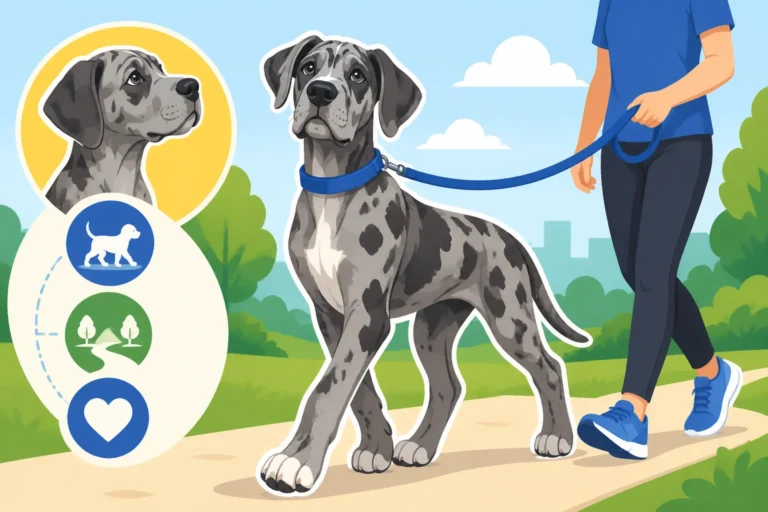
First, invest in a sturdy, size-appropriate collar and a lightweight leash. For a nine-week-old Great Dane, a flat buckle collar or a comfortable harness is a good starting point. As they grow, you'll want to ensure you have leashes and collars rated for a Great Dane's eventual size and strength. Check out options on Amazon for durable, reliable gear. You'll also need high-value treats that motivate your puppy during training sessions. Small, soft, easily digestible treats are ideal for frequent rewards.
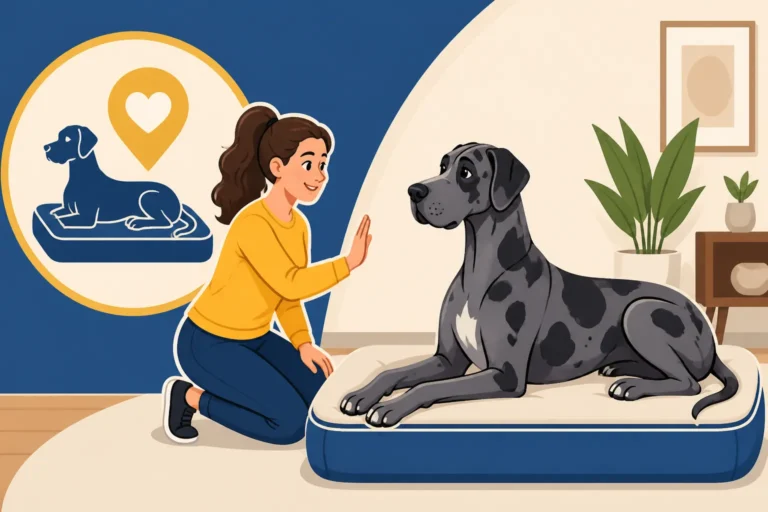
Next, consider a crate. Crate training is incredibly beneficial for Great Danes, providing them with a safe den, aiding in house training, and preventing destructive behaviors. Ensure you choose a crate that will accommodate their adult size – it will seem enormous for a nine-week-old, but they'll grow into it quickly! Look for heavy-duty metal crates that offer dividers so you can adjust the size as your puppy grows. Proper bedding is also vital. A supportive, orthopedic bed, even for a young puppy, can help protect their developing joints. Hard surfaces can contribute to issues like Elbow Hygromas on a Great Dane, so a comfortable, well-padded bed is a wise investment from the start. Finally, don't forget a variety of appropriate chew toys. Great Dane puppies love to chew, and providing them with designated, safe outlets will save your furniture and shoes. Look for durable, non-toxic toys that are too large to be swallowed. These foundational items set the stage for a positive and successful training experience for your Great Dane.
Disclaimer
This article is for general informational purposes only and does not constitute professional advice. Laws, prices and regulations vary by location and change over time. Consult a qualified professional for guidance on your specific situation.