A Great Dane That Presses Against Your Legs
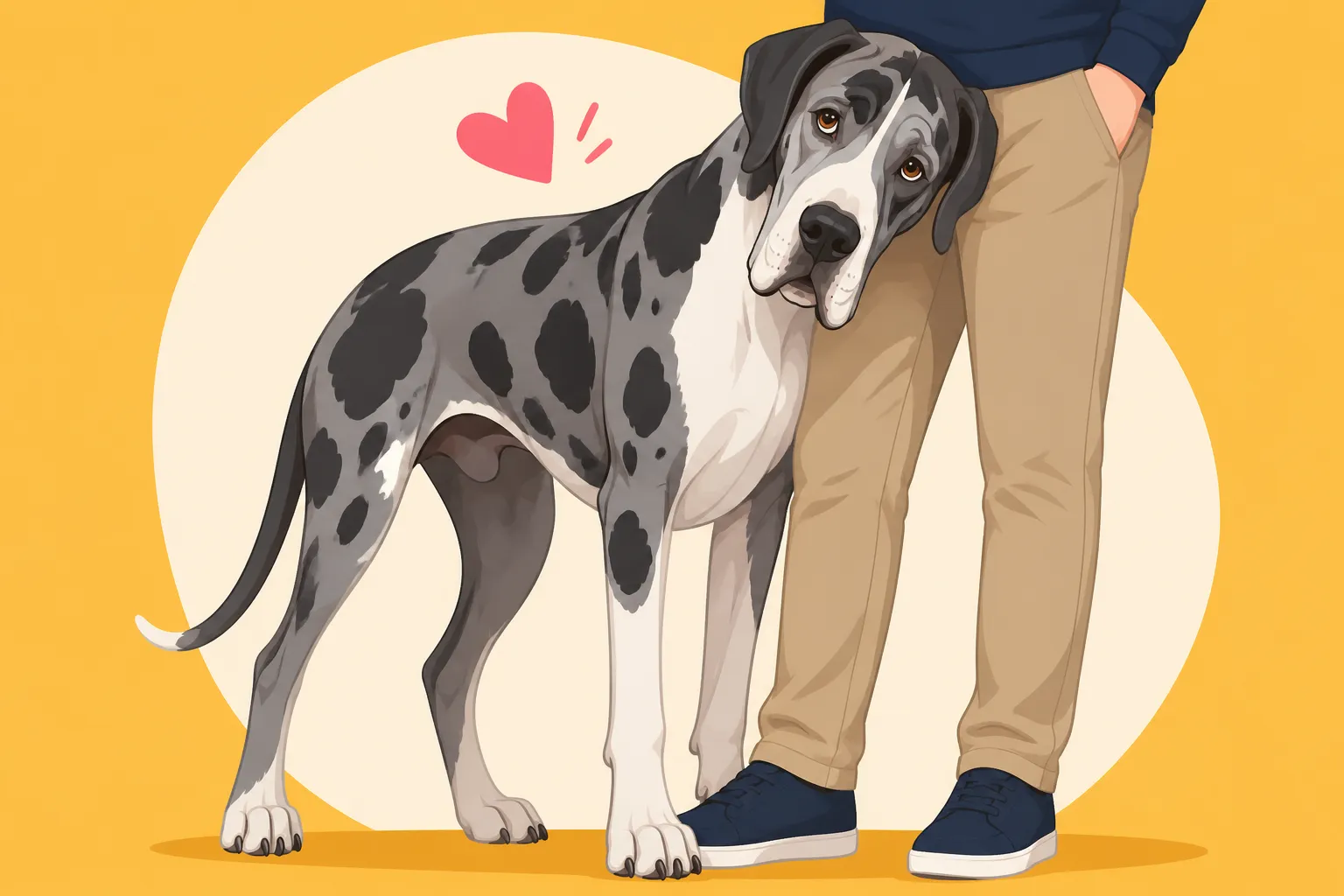
It's a familiar scenario for many Great Dane owners: you're standing still for a moment, and suddenly, a large, warm body is pressing against your legs. While this "Great Dane lean" often feels like an adorable display of affection, it can quickly become an overwhelming or even hazardous habit, especially given their immense size. This guide will delve into the various reasons behind this unique behavior and offer practical, gentle strategies to manage it effectively, ensuring both your comfort and your Dane's well-being.
Understanding the "Great Dane Lean" – More Than Just a Cuddle
That sudden, solid weight against your leg might just be one of the most quintessential Great Dane traits. We often chuckle and call them "Velcro dogs" because they seem to want to be physically attached to us at all times. But this leaning behavior isn't always as simple as seeking a hug; it can stem from a variety of motivations, some of which might surprise you. Understanding the root cause is the first step to addressing it.
Affection and Seeking Comfort
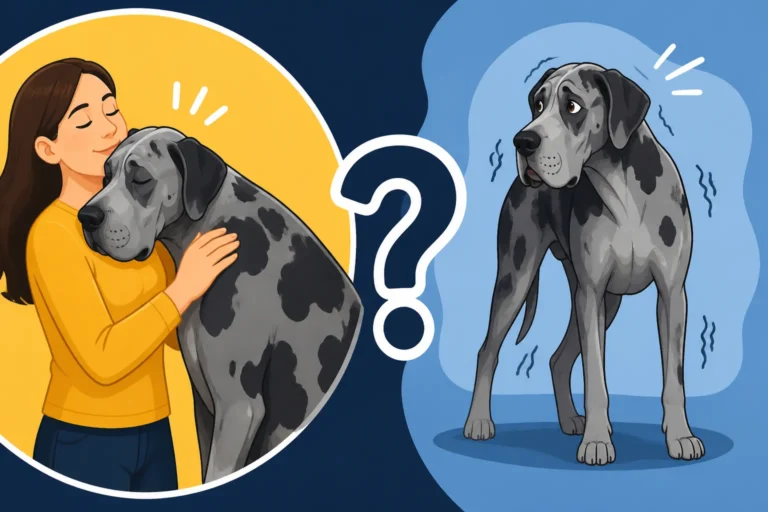
Let's be honest, often the lean is pure, unadulterated affection. Great Danes are renowned for their gentle giant nature and their deep desire to be close to their human companions. When they press against you, it can be their way of initiating physical contact, expressing their love, and enjoying the warmth and reassurance of your presence. For them, your leg, hip, or even your whole body acts as a giant, comforting cushion.
This leaning can also be a comfort-seeking behavior. Perhaps they feel a little insecure in a new environment, or they just want to feel grounded and safe. Many Great Danes are surprisingly sensitive souls despite their imposing stature, and simply being pressed against their favorite human can be incredibly calming. Owners often inadvertently reinforce this by responding with pets and soothing words, which, while lovely for bonding, teaches the Dane that leaning gets a positive reaction.
Seeking Attention or Resources
Sometimes, your Great Dane's lean isn't just a passive act of affection; it's a very deliberate and effective way to get your attention. Think about it: if they lean into you and you stop what you're doing to acknowledge them – even just with a glance or a quick pat – they've learned that leaning works. This can be especially true when you're busy, perhaps on the phone, working at your desk, or engrossed in a conversation with someone else.
The lean can also be a subtle, or not-so-subtle, demand for resources. Are you holding a treat? Preparing their dinner? About to head out for a walk? A lean might be their way of saying, "Hey, don't forget me! I'm here and I'm ready for that thing you're about to do!" Over time, if consistently rewarded, this can escalate from a gentle press to a more insistent nudge, or even a full body slam, as they learn to apply more pressure to achieve their desired outcome.
Anxiety, Insecurity, or Fear
While often affectionate, the lean can sometimes betray an underlying feeling of anxiety, insecurity, or even fear. Great Danes, for all their size, can be quite timid or sensitive. In unfamiliar situations, when new people visit, or if there are loud, unexpected noises, a Great Dane might seek to literally "lean on" their human for emotional support. Your body becomes a shield, a source of stability in a world that might feel overwhelming.
If your Dane seems particularly clingy or presses into you more often in specific stressful situations, it might be a sign they're feeling a bit overwhelmed. They might be trying to make themselves feel smaller, or use you as a barrier against perceived threats. For example, if you notice your Dane presses against you when a stranger approaches, or when another dog gets too close, it's worth considering if they're feeling anxious. Understanding A Great Dane That Is Anxious Rather Than Gentle can help you recognize these signs. This isn't just about seeking comfort; it's about finding safety through physical contact with their trusted leader.
When the Lean Becomes a Nuisance (or a Hazard)
While a sweet gesture, the reality of a 100-plus pound dog pressing against you can quickly move from endearing to inconvenient, or even dangerous. Their sheer size, combined with a lack of body awareness, means that what feels like a gentle nudge to them can easily send a human sprawling. It's crucial to differentiate between affection and a habit that could cause problems for both you and your beloved Dane.
The Sheer Physics of a Great Dane Lean
Let's talk about the undeniable physics of having a giant dog. A full-grown male Great Dane can easily weigh upwards of 150-180 pounds, and females are not far behind. When that much weight, carried on tall, sturdy legs, leans into a person, the impact can be significant. It's not uncommon for children, elderly family members, or even perfectly steady adults to be knocked off balance or literally moved across a room by a determined Great Dane lean.
Imagine being pushed into a kitchen counter while holding a hot drink, or being nudged off a curb during a walk. These are not exaggerated scenarios; they are real possibilities when dealing with a dog of this magnitude who lacks an understanding of personal space. The intention is almost never malicious; it's simply a massive creature interacting with a much smaller one, without realizing the potential consequences. A Great Dane That Steps on a Toddler is a serious concern, and constant leaning only increases this risk.
Damage to Property and Personal Space
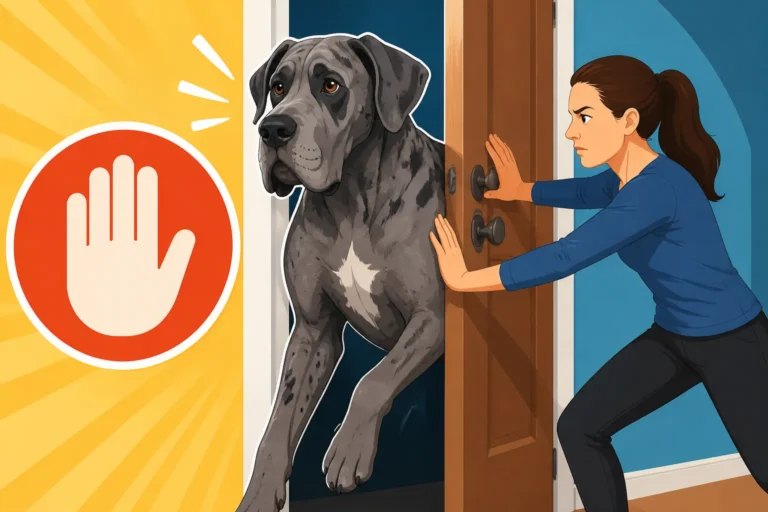
Beyond the immediate physical hazard, a persistent lean can wreak havoc on your personal space and even your belongings. A Great Dane leaning against a door can inadvertently prevent it from closing, or, with enough pressure, even damage the frame. If they lean into you while you're holding a fragile item or standing near a piece of furniture, accidents are bound to happen. Their drool and dirt can also transfer to your clothes or furniture with every lean, requiring constant cleaning.
The constant invasion of personal space can also be draining. While we adore our Danes, sometimes we need to move freely or have a moment without a giant shadow pressing against us. Guests, especially those not familiar with giant breeds, might find the leaning intimidating or uncomfortable, making them hesitant to visit. Establishing clear boundaries around personal space is vital for a harmonious household and for ensuring that everyone, including your dog, understands acceptable interactions.
Impact on Training and Obedience
A lean, if consistently rewarded or simply allowed to happen without correction, can undermine broader training efforts. If your Great Dane learns that leaning gets them what they want – attention, treats, or movement – it can make commands like "stay," "place," or even polite greetings much harder to enforce. It becomes a default behavior that overrides other learned manners.
Consider leash manners, for example. If your Great Dane is accustomed to pressing into your leg for comfort or attention while walking, it can throw you off balance and make maintaining a loose leash incredibly difficult. This can lead to struggles with why a Great Dane pulls you off your feet. Effective obedience relies on clear communication and consistent boundaries. If leaning is allowed, it sends a mixed message about who is in control and what behaviors are acceptable.
Strategies to Gently Discourage Leaning
Discouraging the lean isn't about punishing your Great Dane; it's about teaching them more appropriate ways to interact and get their needs met. Given their sensitive nature, harsh corrections are counterproductive and can lead to anxiety. Instead, we focus on consistent management, redirection, and positive reinforcement to guide them toward better manners.
Consistent Management and Redirection
The absolute cornerstone of changing any dog's behavior is consistency. Every single person in the household must be on the same page, responding to the lean in the same way, every time. If one person allows it and another corrects it, your Great Dane will be confused and the behavior will persist. When your Dane starts to lean, the first step is to gently, but firmly, remove yourself from the situation. Step into their space, preventing the lean from happening, or step away.
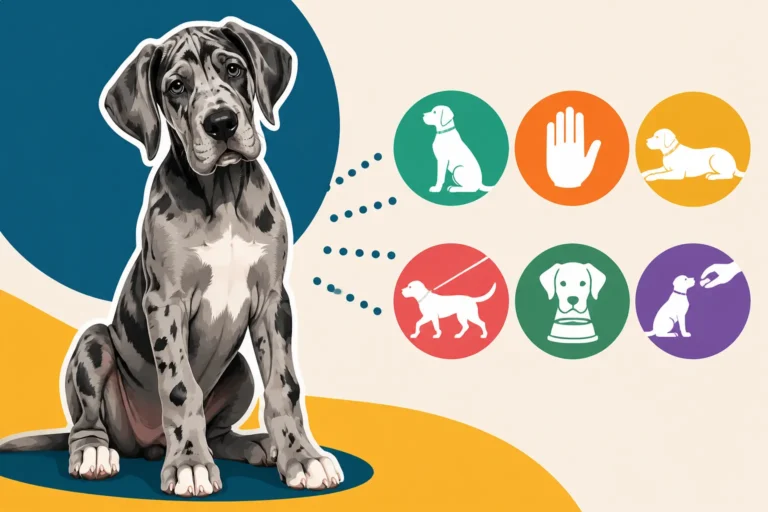
Immediately follow this by redirecting their attention to an alternative, acceptable behavior. Ask for a "sit" or a "down." If they comply, reward them profusely with praise and a treat. If they're leaning for attention, redirect to their bed with a "place" command, and then reward them for settling calmly there. The goal is to make the desired behavior far more rewarding than the lean. For persistent leaners, especially when you're busy, consider using a short leash to tether them to a piece of furniture nearby, allowing you to control their proximity without constant physical intervention.
Teaching a "Stand Off" or "Space" Cue
Teaching your Great Dane a specific cue to give you space can be incredibly effective. This isn't about pushing them away; it's about asking them to voluntarily maintain a comfortable distance. Start by holding a treat a short distance away from your body, enticing them to take a step back or to the side. As soon as they create even a small amount of space, mark the behavior with a clicker or a verbal "yes!" and reward them. Introduce a verbal cue like "space," "off," or "back."
Practice this frequently in short, positive sessions. Gradually increase the amount of space you ask for and the duration they maintain it before receiving the reward. This teaches them that keeping a little distance is highly rewarding. BAXTER & Bella, an online dog training program, offers excellent resources and step-by-step guides for teaching boundary behaviors and polite greetings using positive reinforcement, which is perfect for sensitive giants. Mastering Teaching a Great Dane to Stand Off You will provide both of you with a valuable tool for managing interactions politely.
Creating Alternative Comfort and Engagement
Often, leaning is a symptom of an unmet need – whether that's for comfort, attention, or mental stimulation. Ensuring your Great Dane has appropriate outlets can significantly reduce their need to lean on you. Provide them with a designated, super comfortable "safe space" like a large, supportive orthopedic bed in a quiet corner of the room. This gives them a place to settle that isn't directly on you.
Mental stimulation is equally vital. Great Danes are smart and thrive on having something to do. Offer them durable puzzle toys filled with treats, or engage them in scent games around the house. Amazon offers a wide selection of robust and appropriately sized puzzle feeders and enrichment toys that can keep a Great Dane mentally engaged for extended periods, reducing their impulse to seek attention through leaning. Make sure they're getting adequate physical exercise for their age and health, allowing them to burn off excess energy in a constructive way. Puzzle Feeders a Great Dane Cannot Crush and Orthopedic Beds a Great Dane Needs are excellent investments. Schedule dedicated "cuddle time" on your terms, where you invite them for petting and affection, reinforcing that contact is welcome when initiated by you.
Addressing Underlying Causes
Sometimes, the leaning behavior is a manifestation of deeper issues, such as anxiety or insufficient mental and physical stimulation. Simply managing the symptom (the lean itself) won't solve the problem if there's an underlying cause driving the behavior. Addressing these root issues will lead to a happier, more confident Great Dane and a more harmonious home environment.
Building Confidence and Security
If your Great Dane's leaning stems from insecurity, fear, or anxiety, the long-term solution lies in building their confidence. This isn't a quick fix but a gradual process of positive experiences. Expose them slowly and safely to new sights, sounds, people, and environments, always ensuring these encounters are positive and calm. Pair new experiences with high-value treats and praise, helping them form positive associations.
Continue socialization even after puppyhood. Enroll in obedience classes that use positive reinforcement, which can be fantastic for boosting a shy Dane's confidence in a structured setting. If your Great Dane tends to lean or hide when feeling overwhelmed, understanding A Great Dane That Hides Behind Its Owner can give you insight into their emotional state and help you respond in a way that builds their resilience rather than reinforcing their anxiety. Focus on gentle encouragement and creating predictable routines to make them feel safe and secure.
Fulfilling Exercise and Mental Stimulation Needs
A bored Great Dane is often a busy Great Dane, and that "busy-ness" can manifest in attention-seeking behaviors like leaning. It's easy to assume that a large dog needs a huge yard to run in, but many Great Danes are content with regular, structured walks and plenty of mental engagement. Ensure your Dane is getting the right amount and type of exercise for their age and physical condition. A growing puppy's exercise needs are very different from a senior Dane's.
Mental stimulation is just as important as physical activity. Interactive toys, training sessions, and even simply allowing them to sniff on walks can tire them out mentally. Consider trying activities like scent work or basic agility (once their joints are fully mature) to challenge their minds. For more information on appropriate physical activity, refer to Wearing Out a Great Dane Without Wrecking Its Joints. A Great Dane whose mind and body are adequately tired is far less likely to resort to constant leaning out of boredom or a desperate plea for attention.
Professional Guidance When Needed
While many leaning behaviors can be managed with consistent training and environmental adjustments, there are times when professional help is invaluable. If your Great Dane's leaning is severe, accompanied by other concerning behaviors like resource guarding, significant anxiety, or if you feel overwhelmed and unsure how to proceed, don't hesitate to reach out to a certified professional dog trainer or a veterinary behaviorist.
These experts can observe your specific situation, accurately assess the underlying motivations for the leaning, and develop a tailored training plan that works for your dog and your family. They can offer insights you might miss and provide hands-on guidance for implementing effective strategies. Finding a Trainer Comfortable With a Great Dane is crucial, as their size and sensitivity require an experienced professional who understands the breed's unique needs. Investing in professional guidance can transform your relationship with your Great Dane and ensure that their loving nature is expressed in polite and safe ways.
| Behavior / Scenario | Possible Motivation | Recommended Action (Instead of Leaning) |
|---|---|---|
| Gentle lean while petting | Affection, comfort | Continue petting, acknowledge without reinforcing lean |
| Persistent lean blocking pathway | Attention seeking, insecurity | Redirect to "sit" or "place," then reward |
| Leaning against guests | Attention seeking, lack of manners | Intercept, use "off" cue, manage space |
| Lean during loud noises | Fear, anxiety | Provide secure "den" or safe space, comfort on your terms |
| Leaning while cooking | Resource seeking (food), attention | "Leave it" command, redirect to mat/bed |
Disclaimer
This article is for general informational purposes only and does not constitute professional advice. Laws, prices and regulations vary by location and change over time. Consult a qualified professional for guidance on your specific situation.