The Thyroid Test a Slow Great Dane Needs
It's incredibly frustrating when your once-exuberant Great Dane starts to lose their spark. One day they're bounding around, a goofy giant full of life, and the next you notice them slowing down, gaining weight inexplicably, or just seeming… off. It’s easy to dismiss these changes as "just getting old," but for many Great Danes, subtle shifts in energy and appearance can point to an underlying, treatable condition: hypothyroidism. This guide will walk you through what to look for, how a proper diagnosis is made, and how to manage this often-misunderstood health challenge.
When Your Gentle Giant Starts to Slow Down: Understanding Hypothyroidism
Watching your majestic Great Dane, known for their powerful yet graceful presence, begin to slow down can be heartbreaking. They might not be as eager for walks, seem sluggish, or even appear to "age" prematurely. While some changes are natural as our beloved companions mature, a significant drop in energy or unusual physical symptoms could signal hypothyroidism, a condition where the thyroid gland doesn't produce enough crucial hormones.
What is Hypothyroidism in Dogs?
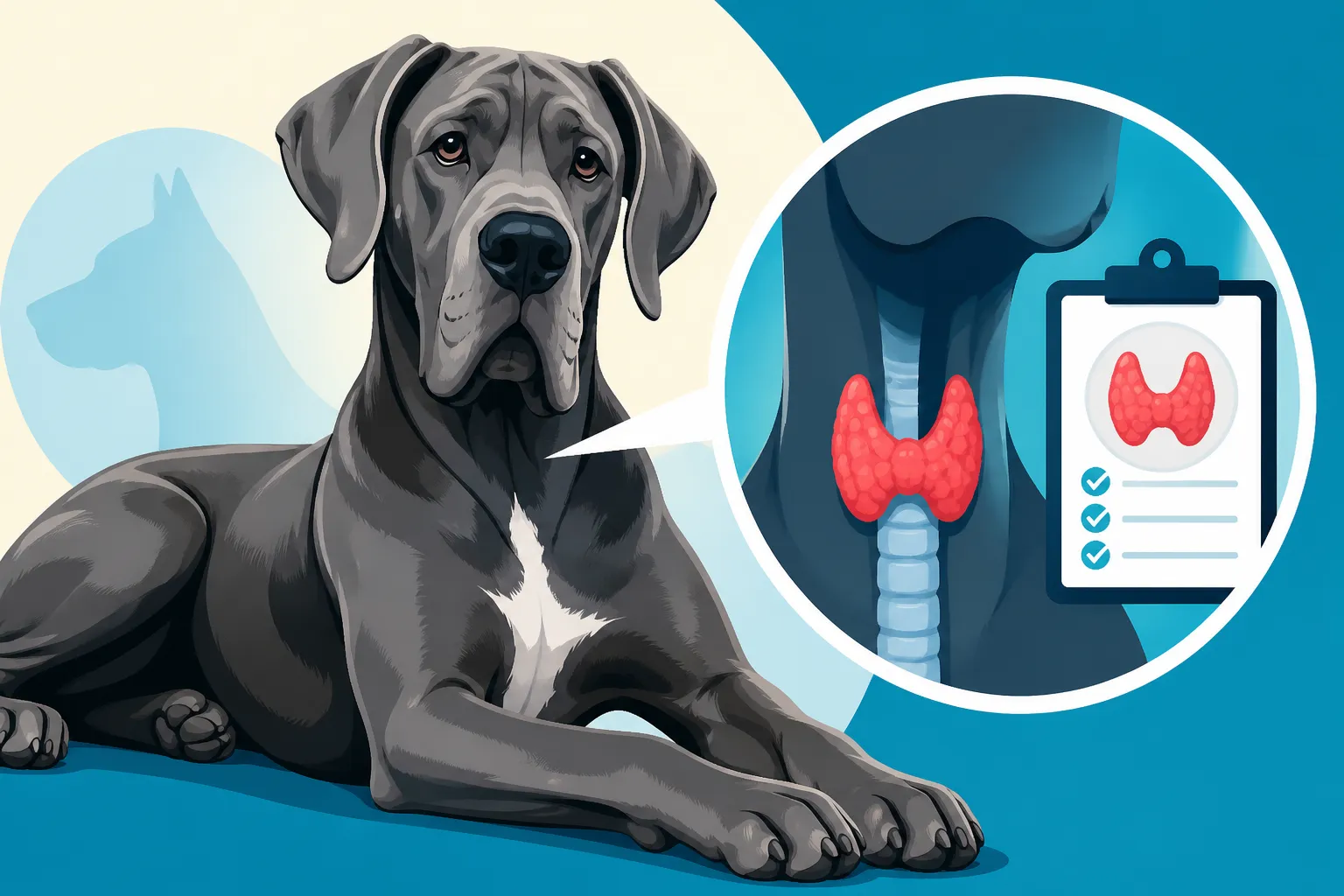
At its core, hypothyroidism in dogs means their thyroid gland, a small but mighty gland located in the neck, isn't pulling its weight. This gland produces thyroid hormones (primarily T3 and T4) that are absolutely essential for regulating metabolism in every single cell of your dog's body. Think of it like the master switch for their internal engine. When these hormones are in short supply, everything slows down. Their metabolism dips, leading to a cascade of effects on energy levels, weight, skin, coat, and even their immune system. It's not just about being a little tired; it impacts their entire well-being.
Unlike in humans, where hyperthyroidism (overactive thyroid) is more common, dogs predominantly suffer from hypothyroidism. The vast majority of cases in dogs are primary hypothyroidism, meaning the problem originates directly from the thyroid gland itself. This is often due to lymphocytic thyroiditis (an immune system attack on the thyroid) or idiopathic atrophy (where the thyroid simply wastes away for unknown reasons). Regardless of the cause, the result is the same: insufficient thyroid hormone production, leaving your Great Dane feeling the effects of a body operating in slow motion.
Why Great Danes Are Particularly Susceptible
It's a tough pill to swallow, but Great Danes, like many other large and giant breeds, have a higher genetic predisposition to developing hypothyroidism. While it can affect any dog, breeds like Great Danes, Golden Retrievers, Doberman Pinschers, and Irish Setters often appear on the list of those more commonly diagnosed. The exact reason for this breed-specific susceptibility isn't fully understood, but it's believed to involve both genetic factors and potentially autoimmune components.
Their sheer size might also play a role in how owners perceive the onset of symptoms. A slight energy dip in a tiny Chihuahua is immediately noticeable, but a 150-pound Great Dane who usually has boundless energy might just seem "calmer" or "more settled" at first. This can sometimes delay diagnosis. Moreover, the broad chest and deep structure that makes Great Danes so distinctive can also, ironically, make some health issues less immediately obvious. It's crucial for Great Dane owners to be extra vigilant and proactive when any changes in behavior or physical condition arise, especially concerning conditions that could be hidden by their large stature.
The Subtle Shifts: Recognizing Hypothyroidism Symptoms in Great Danes
Identifying hypothyroidism in your Great Dane can be tricky because the symptoms often mimic other common ailments or simply appear as general signs of aging. However, paying close attention to specific changes in their behavior, energy, and physical appearance can give you a critical head start.
More Than Just "Getting Old": Behavioral and Energy Changes
When your Great Dane starts exhibiting a significant drop in their usual zest for life, it's easy to write it off as them "getting old." But hypothyroidism often manifests as a pronounced and sometimes puzzling shift in their typical personality and energy levels. You might notice your dog is suddenly less interested in their favorite games, like chasing balls in the yard or wrestling with you on the floor. Walks become shorter, and they might lag behind more than usual, seeming easily fatigued. They might spend more time sleeping, often seeking out warm, cozy spots, even if they never used to. This isn't just a tired dog; it's a dog whose entire system is running at a lower capacity.
Beyond lethargy, some Great Danes can show subtle behavioral changes. They might become less tolerant of other dogs or children, or simply seem "grumpier" than their usual gentle giant self. Some owners report an increase in anxiety or a general dullness in their dog's demeanor. It's a fundamental change in their usual vitality, making them seem more withdrawn or just generally "slow." If you're seeing a consistent pattern of reduced energy or a noticeable personality shift that doesn't resolve with rest or a change in routine, it's definitely time to consider a veterinary check-up.
The Telltale Physical Signs
While behavioral changes are often the first hint, hypothyroidism can also leave unmistakable physical clues, particularly affecting your Great Dane's skin and coat. One of the most common and frustrating signs for owners is unexplained weight gain, despite no change in diet or exercise. Your dog's metabolism is slowed down, so they're simply not burning calories as efficiently. This weight gain can be stubborn and resistant to typical diet adjustments.
Another hallmark symptom is a dull, dry, and thinning coat. You might notice A Great Dane That Thickens and Loses Hair in patches, particularly on their flanks, tail, and the bridge of their nose. The hair might feel brittle, and shedding can increase dramatically. In some cases, the skin itself becomes dry, flaky, and can even develop hyperpigmentation (darkening) or thickening, especially in areas of friction like the elbows. They might also develop recurrent skin infections that are hard to clear up, as their compromised immune system struggles to fight off common bacteria or yeast. Some Great Danes with hypothyroidism also show an intolerance to cold, seeking out heat sources or shivering more easily, which makes sense given their internal thermostat is broken. Look for these combined physical changes – they can paint a very clear picture for your vet.
The Critical Step: Why Thyroid Testing Matters for Your Great Dane
When faced with a Great Dane displaying the ambiguous symptoms of lethargy, weight gain, or a dull coat, testing for hypothyroidism isn't just an option—it's a critical diagnostic step. It can rule out or confirm a treatable condition and prevent unnecessary distress for both you and your beloved dog.
Differentiating from Other Conditions
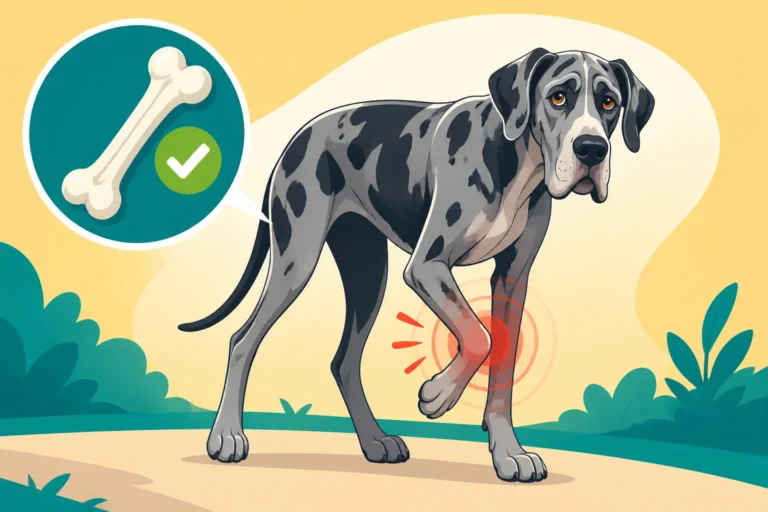
The symptoms of hypothyroidism are unfortunately quite non-specific, meaning they can overlap with a host of other health problems common in Great Danes, particularly as they age. For example, a Great Dane who is slowing down might be showing Early Heart Signs in a Great Dane, like a cough or reduced exercise tolerance. Arthritis or joint pain, a common concern as you're Caring for a Great Dane Past Six, can also manifest as reluctance to move or lameness.
Other conditions like certain cancers, kidney disease, or even chronic infections can present with similar vague symptoms. This is why a thorough veterinary examination, including blood work and potentially other diagnostics, is so essential. A thyroid panel helps your veterinarian systematically narrow down the possibilities, ensuring that your Great Dane receives the correct diagnosis and, most importantly, the appropriate treatment. Misdiagnosing hypothyroidism as simple aging or another condition can delay effective care and lead to a decline in quality of life.
The Dangers of Undiagnosed Hypothyroidism
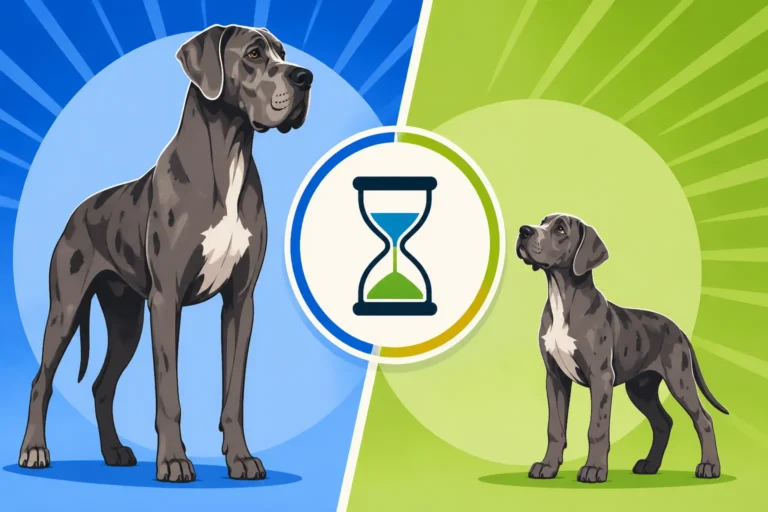
Leaving hypothyroidism untreated in your Great Dane isn't just about them being a little tired; it can have serious, long-term consequences that profoundly impact their health and could even contribute to a shorter lifespan. While Why a Great Dane Only Lives Seven to Ten Years is a complex issue with many contributing factors, allowing an easily manageable condition like hypothyroidism to go unchecked certainly won't help.
Without adequate thyroid hormones, every system in the body suffers. Beyond the noticeable weight gain and skin issues, undiagnosed hypothyroidism can contribute to more severe problems. It can lead to elevated cholesterol levels, potentially impacting cardiovascular health over time, though it's rarely the direct cause of primary heart disease. More acutely, severe, long-standing hypothyroidism can result in a condition called myxedema coma, which is a life-threatening emergency characterized by extreme lethargy, hypothermia, and a dangerously low heart rate. While rare, it underscores the importance of prompt diagnosis and treatment. Early intervention with thyroid hormone replacement can dramatically improve your Great Dane's quality of life and potentially stave off these more serious complications, allowing them to live out their years as comfortably and actively as possible.
Diving Deep: What a Great Dane Thyroid Panel Reveals
Once your vet suspects hypothyroidism based on clinical signs, the next step is typically a comprehensive blood test. This isn't just a simple T4 test; a full thyroid panel provides a much more complete picture, essential for an accurate diagnosis in a large breed like a Great Dane.
Understanding the Comprehensive Thyroid Panel
When your Great Dane goes in for a suspected thyroid issue, your vet will likely order what's called a "comprehensive thyroid panel." This isn't just a single measurement; it's a battery of tests designed to give a detailed insight into how their thyroid gland is functioning. If you've ever seen the results, you know it can look like a lot of confusing numbers! Let's break down what each component helps us understand:
- Total T4 (TT4): This is often the first value people look at. It measures the total amount of thyroxine (T4) hormone circulating in the blood, both bound to proteins and unbound. A low TT4 is a common indicator of hypothyroidism, but it's not foolproof on its own. Many non-thyroidal illnesses (like infections or other chronic conditions), certain medications (like steroids or sulfa antibiotics), and even stress can temporarily lower TT4 levels, leading to what's known as "euthyroid sick syndrome."
- Free T4 (fT4) by Equilibrium Dialysis: This is generally considered a more accurate indicator of thyroid function because it measures only the "active" unbound T4 hormone that is available to the tissues. It's less affected by non-thyroidal illnesses and drugs than TT4. A low fT4 is a strong indicator of true hypothyroidism.
- Total T3 (TT3) and Free T3 (fT3): T3 is the most metabolically active thyroid hormone. While sometimes included, these values are less consistently reliable for diagnosing hypothyroidism in dogs compared to T4 and TSH. They can fluctuate widely due to other factors, so they're often used more as supporting evidence than primary diagnostic tools.
- Thyroid-Stimulating Hormone (TSH): Produced by the pituitary gland, TSH tells the thyroid gland to make more thyroid hormones. In a dog with primary hypothyroidism, the thyroid isn't responding, so the pituitary gland tries harder, leading to elevated TSH levels. So, a combination of low T4 (especially fT4) and a high TSH is often considered the gold standard for diagnosing primary hypothyroidism.
- Thyroglobulin Autoantibodies (TgAA): This test looks for antibodies that attack the thyroid gland itself, which is indicative of lymphocytic thyroiditis, an autoimmune form of hypothyroidism. A positive result here means the immune system is actively destroying the thyroid tissue.
As you can see, it's not just about one number. It's about piecing together a comprehensive picture. For a detailed look at what these numbers might mean, you can also explore resources on Reading a Great Dane's Thyroid Panel.
Interpreting the Results: Beyond the "Normal Range"
Interpreting a Great Dane's thyroid panel can be more nuanced than simply comparing results to a generic "normal range." Due to breed differences, large breeds sometimes have naturally lower baseline thyroid hormone levels than smaller breeds. What might be considered a low-normal T4 for a Yorkshire Terrier could be perfectly normal for a healthy Great Dane. This is why experienced veterinarians consider the dog's breed, age, and clinical signs in conjunction with the lab values.
Furthermore, as mentioned earlier, certain non-thyroidal illnesses or medications can suppress thyroid hormone levels, creating a false impression of hypothyroidism. For instance, if your Great Dane is battling an infection or on certain anti-inflammatory drugs, their T4 might be low, but their TSH could be normal, indicating euthyroid sick syndrome rather than true hypothyroidism. In such cases, your vet might recommend re-testing the thyroid panel once the underlying illness is resolved or after discontinuing any interfering medications, to get a clearer picture. It's a careful dance of clinical signs and laboratory results to arrive at an accurate diagnosis.
Here's a simple table to help clarify the components of a comprehensive thyroid panel:
| Test Component | What it Measures | Key Indicator For | Interpretation for Hypothyroidism |
|---|---|---|---|
| Total T4 (TT4) | Overall T4 in blood (bound & unbound) | General thyroid function | Usually low, but can be influenced by illness |
| Free T4 (fT4) | Active, unbound T4 available to cells | True thyroid function, less affected by illness | Low (most reliable indicator) |
| Total T3 (TT3) | Overall T3 in blood (bound & unbound) | General thyroid function | Can be low, but less consistent |
| Thyroid-Stimulating Hormone (TSH) | Hormone signaling thyroid to produce T4/T3 | Pituitary feedback on thyroid | High (if primary hypothyroidism) |
| Thyroglobulin Autoantibodies (TgAA) | Antibodies attacking thyroid gland tissue | Autoimmune thyroid disease | Positive (confirms autoimmune cause) |
Getting Back on Track: Managing Hypothyroidism in Your Great Dane
Receiving a hypothyroidism diagnosis for your Great Dane can feel overwhelming at first, but the good news is that it's a very manageable condition. The primary goal of treatment is to replace the missing thyroid hormones, allowing your dog's metabolism to return to normal.
Lifelong Medication: What to Expect
The cornerstone of treating hypothyroidism in Great Danes, and indeed all dogs, is lifelong medication with synthetic thyroid hormone, most commonly L-thyroxine (levothyroxine). This medication is typically given once or twice a day, and it's essential to administer it consistently at the same time, usually on an empty stomach, to ensure optimal absorption.
Your veterinarian will determine the initial dosage based on your Great Dane's weight and the severity of their symptoms. Because Great Danes are such large dogs, their medication doses will naturally be higher than smaller breeds, which means the cost can add up. You might find resources on Monthly Medications Dosed at Great Dane Weight helpful for understanding these ongoing expenses. It's crucial to follow your vet's instructions precisely and never adjust the dosage on your own. Too little medication won't resolve the symptoms, and too much can lead to hyperthyroidism, causing restlessness, increased thirst, weight loss, and potentially heart problems.
After starting treatment, your Great Dane will need follow-up blood tests, usually within 4-8 weeks, to assess their response to the medication and adjust the dosage if necessary. These rechecks are vital to ensure the hormone levels are within the therapeutic range. Once a stable dose is achieved, monitoring usually shifts to once or twice a year, depending on your dog's stability and any new symptoms.
Supporting Your Great Dane's Overall Health
While medication is key, supporting your Great Dane's overall health plays a crucial role in their journey with hypothyroidism. This includes careful attention to diet, appropriate exercise, and a comfortable living environment. For example, if your Great Dane gained weight due to their low thyroid, medication will help with metabolism, but you'll still need to manage their food intake to help them shed those extra pounds. Focus on a high-quality, balanced diet, and avoid excessive treats. Your vet can provide guidance on appropriate calorie intake for weight loss or maintenance.
Exercise is also important, but it should be tailored to their current energy levels. As their thyroid medication starts to work, you'll likely see an increase in their willingness to be active. However, don't rush into intense activity, especially if they've been sedentary for a while. Gradual increases in walking and gentle play are best. Regular grooming, as discussed in Feeding and Grooming an Old Great Dane, can also help manage any residual coat or skin issues, keeping them comfortable and looking their best. A warm, comfortable bed is also a must, especially if they still show some cold intolerance. This holistic approach ensures not just symptom management but a full return to well-being.
The Long Road Ahead: Living Fully with a Hypothyroid Great Dane
A diagnosis of hypothyroidism in your Great Dane marks the beginning of a lifelong journey of management, but it's a journey that typically has a very positive outlook. With consistent care, your Great Dane can live a full, happy, and active life.
The Importance of Regular Vet Check-ups and Monitoring
Once your Great Dane is stable on their thyroid medication, it's easy to get complacent. However, regular vet check-ups and ongoing monitoring are absolutely essential. Typically, your vet will recommend blood tests once or twice a year, even if your dog seems perfectly fine. These tests confirm that the medication dosage is still correct and that their thyroid hormone levels remain within the optimal range. Factors like age, changes in other medications, or even subtle shifts in their body weight can influence their medication needs.
These routine visits also provide an opportunity for your veterinarian to perform a full physical examination, catching any other potential health concerns early. As discussed in topics like The Vet Spending a Great Dane Needs Anyway, comprehensive care for a large breed involves ongoing vigilance. Consistent monitoring helps prevent symptoms from creeping back and ensures your Great Dane maintains their improved quality of life. Think of it as a tune-up for their internal engine, keeping everything running smoothly for years to come.
Financial Considerations and Pet Insurance
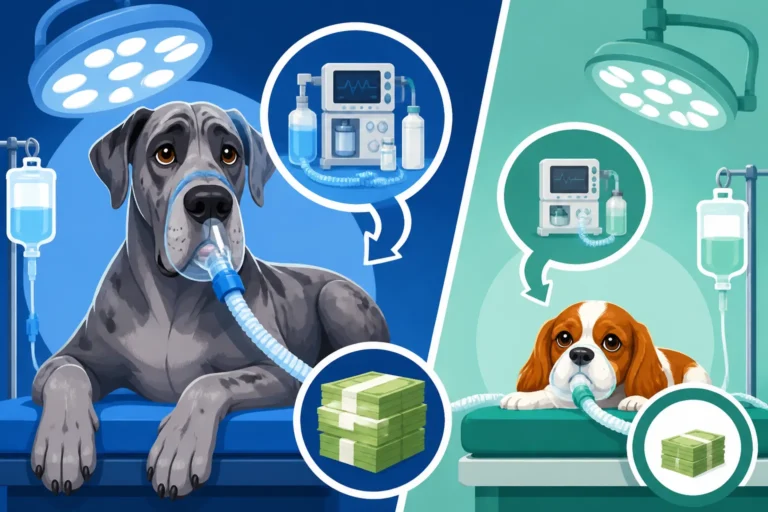
Let's be real: owning a Great Dane is a significant financial commitment, and chronic conditions like hypothyroidism add to that. The cost of daily medication, especially for a large dog requiring higher doses, can add up over time. This is on top of the regular vet visits and blood work for monitoring. While hypothyroidism medication isn't usually prohibitively expensive on a monthly basis compared to some other chronic conditions, it is a lifelong expense. You can get a sense of overall expenditures from articles like The Short Expensive Life of a Great Dane and How Great Dane Costs Climb After Five.
This is where pet insurance can truly be a lifesaver. Many Great Dane owners find that enrolling their dog in a comprehensive pet insurance plan, especially before any chronic conditions arise, provides immense peace of mind. Companies like Healthy Paws, for instance, offer plans that can cover a significant portion of the costs associated with ongoing medical management, including medication and diagnostic tests for conditions like hypothyroidism. While pre-existing conditions are typically not covered, having a plan in place from puppyhood or before a diagnosis means you won't have to choose between your dog's health and your wallet if they develop hypothyroidism later in life. Considering that many Great Danes are considered senior around The Great Dane Years That Count as Senior, and chronic conditions are more common then, having insurance like Healthy Paws can truly alleviate financial stress. This is why many wonder Whether Pet Insurance Is Essential for a Great Dane. It helps ensure you can always provide the best possible care without economic hardship becoming a barrier.
Disclaimer
The information provided in this article is for educational purposes only and is not a substitute for professional veterinary advice. Always consult with a qualified veterinarian for any health concerns or before making any decisions related to your Great Dane's medical care.