Teaching a Great Dane to Stand Off You
It's a familiar scene for many Great Dane owners: you're just standing in your kitchen, minding your own business, and suddenly you're pinned against the counter by a giant, furry wall of love. Or perhaps a guest arrives, and your beloved Dane, in its enthusiastic joy, decides to use them as a leaning post, potentially knocking them off balance. While their affectionate nature is one of the many things we adore about our "Apollo of Dogs," teaching a Great Dane to understand personal space and "stand off" from people is absolutely crucial for safety and harmony in your home. This guide will walk you through understanding why your Dane might be leaning on you and offer practical, empathetic strategies to gently encourage better manners.
Understanding Why Your Great Dane Leans and Stands On You
It’s easy to feel overwhelmed when a dog the size of a small pony decides your leg is the perfect resting spot or that your guest needs a full-body hug. But before we dive into how to change the behavior, it’s important to understand why your Great Dane might be leaning or standing on you in the first place. It’s rarely out of malice or disobedience; more often, it stems from their unique personality and a touch of giant-breed cluelessness.
The "Gentle Giant" Misconception and Affectionate Leaning
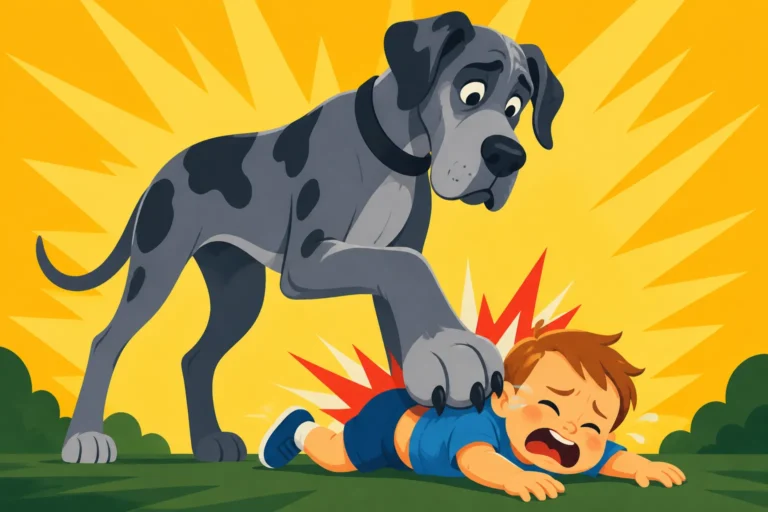
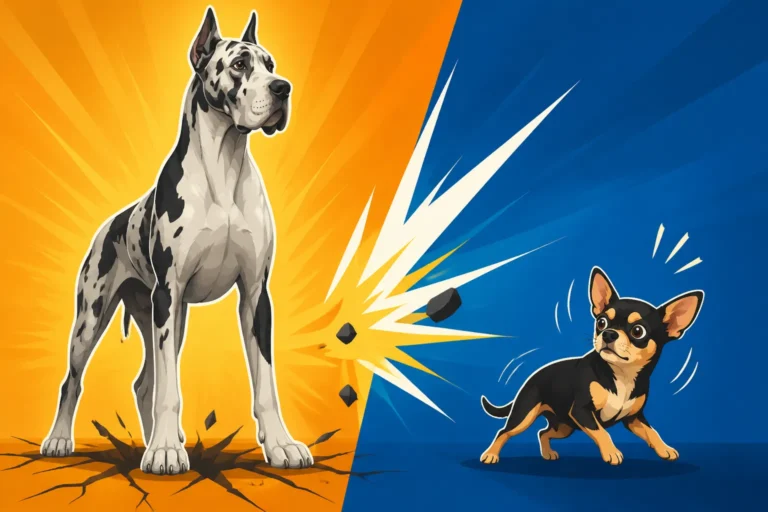
Great Danes are famously known as "gentle giants," and truly, most of them are incredibly sweet-natured. This reputation, however, can sometimes lead to a misconception that their size doesn't matter, or that their leaning is always just a charming quirk. The truth is, a Great Dane's lean is often an expression of affection, security, or a bid for attention. They are deeply bonded dogs, often called "velcro Danes" because they want to be right by your side, or even on your lap, despite their imposing stature. When they lean, they are often communicating "I love you," "I feel safe with you," or "Please pet me!" The problem isn't the intention, but the sheer physics involved. A 150-pound dog pressing its full weight against a child or an elderly person can quickly go from endearing to dangerous. It’s not that they mean to be clumsy or pushy; it’s simply that they genuinely don't grasp the impact of their mass. This is why Why a Great Dane Leans on People delves deeper into the psychology behind this common behavior.
Seeking Attention and Comfort
Just like any dog, Great Danes thrive on attention from their favorite people. Leaning, bumping, or even planting a paw on you is a highly effective way for them to say, "Hey, I'm here! Pet me! Acknowledge my existence!" If every lean results in a reassuring pat or a scratch behind the ears, even if you’re trying to subtly push them away, you’re inadvertently teaching them that leaning works. It’s a self-reinforcing behavior. They learn that their physical presence, especially a weighty one, guarantees a response. Beyond attention, a lean can also be a comfort-seeking behavior. Perhaps they're a bit nervous in a new situation, or they simply find solace in the physical connection with their human. They might be seeking reassurance, especially in unfamiliar environments or when meeting new people.
Lack of Spatial Awareness
Let's be honest, many Great Danes don't seem to fully grasp just how big they are. They might still think they're lapdogs, attempting to squeeze onto the sofa or into tiny spaces with surprising conviction. This lack of spatial awareness extends to their interactions with people. When they lean or stand on you, they often aren't consciously trying to invade your space; they simply haven't learned the appropriate distance to maintain. This can be particularly noticeable with puppies or adolescents who are still growing into their massive bodies. They might stumble, misjudge a turn, or simply not realize that their broad chest and powerful front paws take up far more room than they did a few months prior. It’s a developmental stage that requires consistent, patient guidance to help them understand their physical boundaries in relation to others.
Building a Foundation: Core Manners for a Giant Breed
Training a Great Dane is not just about teaching tricks; it’s about establishing clear communication and boundaries to ensure they grow into well-adjusted, manageable adults. Because of their size, what might be a minor nuisance in a smaller dog can become a serious problem with a Great Dane. Starting early and being consistent are non-negotiable.
Early Training and Consistency are Key
The absolute best time to start teaching a Great Dane manners, including how to respect personal space, is when they are a puppy. A tiny Dane puppy might look adorable when it leans on you, but that same behavior at 150 pounds is far less charming and potentially dangerous. Consistency is the bedrock of all successful training. Everyone in the household needs to be on the same page, using the same commands and reinforcing the same behaviors. If one person allows leaning and another doesn’t, your Dane will get confused and be less likely to learn. The Manners a Great Dane Needs Before It Grows is a fantastic resource for understanding the foundational behaviors that are critical to teach early on. Puppy classes can also be incredibly beneficial, as they expose your Dane to different environments and people in a controlled setting, helping them build confidence and learn appropriate interactions from a young age. Remember, it's not just about stopping unwanted behaviors but about teaching them what to do instead.
Teaching "Off" and "Four on the Floor"
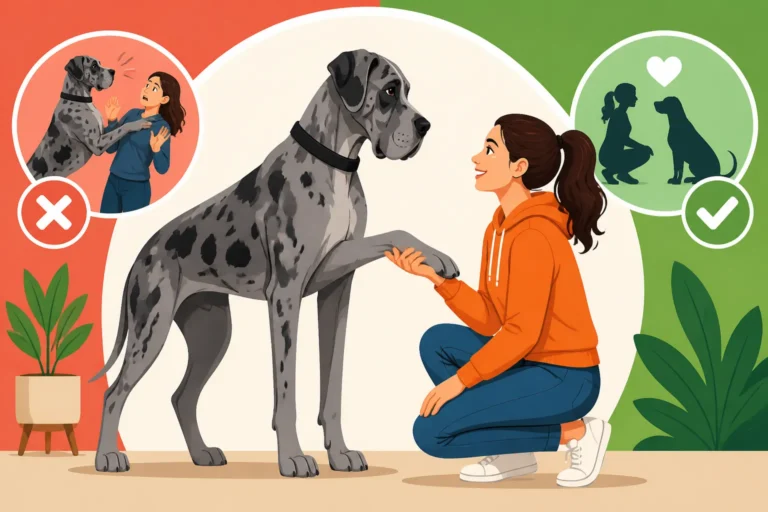
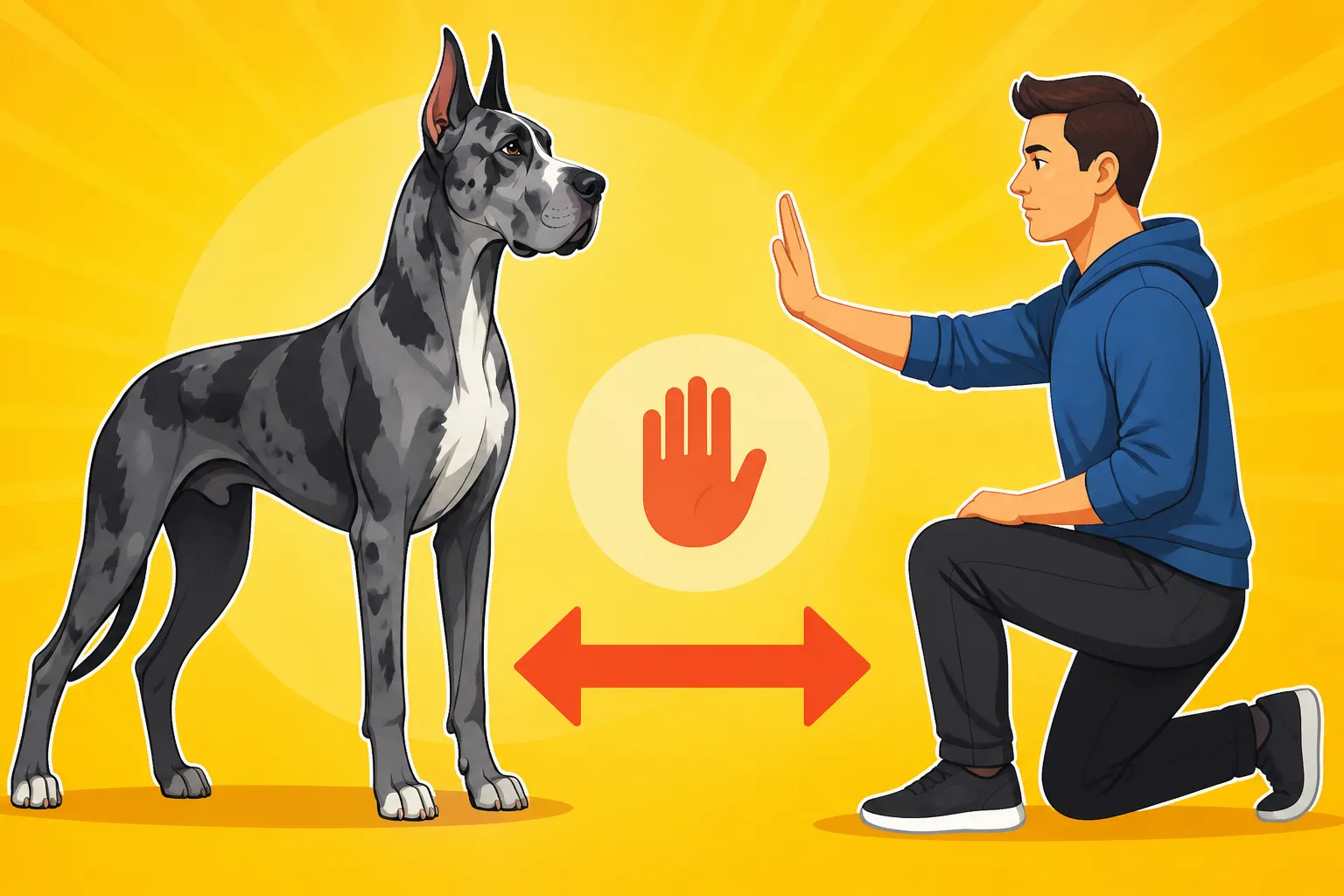
The "Off" command is your best friend when it comes to stopping unwanted leaning or jumping. Start by teaching this command in low-distraction environments. When your Dane leans or places a paw on you, calmly say "Off" and immediately lure them away with a treat or toy. As soon as all four paws are on the floor, reward them enthusiastically. The goal is to make "four on the floor" the most rewarding position. You can also use a tether or leash during training sessions to gently guide them away from leaning. Practice this repeatedly with different people and in different locations.
For example, if your Dane is a known counter-surfer or prone to putting paws on visitors, have treats ready. As they approach, looking like they're about to lean, preemptively ask for a "sit" or "down," and reward them for staying in that position. If they do lean, calmly say "Off" and move them gently, rewarding them when they settle with all four paws down. Consistency helps them understand that a polite distance gets them what they want (attention, treats), while leaning does not. This is also key for Stopping a Great Dane Jumping Up on People, as the underlying principles are very similar.
Managing Excitement and Greetings
Many Great Danes lean or jump during excited greetings. When new people come over, or when you return home, your Dane might be overcome with joy, leading them to forget their manners. To manage this, teach your Dane a calm greeting routine. When someone approaches, or you walk through the door, immediately ask your Dane for a "sit" or "down" command before they have a chance to get overly excited. Only when they are calmly sitting or standing with all four paws on the ground should they receive attention or praise.
Consider these steps for greeting control:
- Anticipate: Know when someone is coming to the door or when you're about to enter.
- Command: As soon as you open the door or before greeting, ask your Dane to "sit" or "stay."
- Reward Calmness: Once they are calm, reward them with praise and a gentle pet.
- Practice: Have friends or family members help you practice this scenario repeatedly.
If your Dane does get over-excited and leans or jumps, calmly turn your back, ignore them, or even step out of the room for a moment. Only re-engage when they have settled. This teaches them that calm behavior earns attention, while overly enthusiastic leaning makes the attention disappear. Greeting Manners for a Great Dane provides even more detail on this essential training.
Practical Strategies to Encourage Standing Off
Once you have the foundation of basic manners in place, you can apply specific strategies to reinforce the "stand off" behavior. These methods focus on creating clear boundaries and consistently rewarding desired actions.
Creating Physical Boundaries
Sometimes, simply moving your body isn't enough to communicate the boundary to a powerful Great Dane. This is where physical barriers and tools come into play. Baby gates (extra-tall ones, of course, that your Dane can't easily step over or push through) can be invaluable. Use them to create a designated "greeting zone" where guests can enter without being immediately overwhelmed by your Dane. For instance, when guests arrive, your Dane can be behind the gate, observing calmly. Once they've settled, you can slowly introduce them, reinforcing calm behavior. Many options can be found on sites like Amazon, offering different heights and widths to suit even the most imposing Dane.
Consider using:
- Tall baby gates: To create a safe distance during initial greetings or when you need a moment of separation.
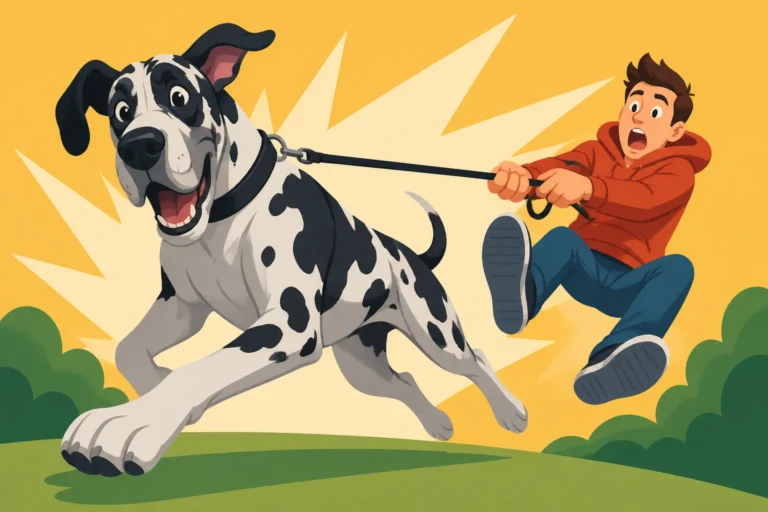
- A leash and harness: Keep your Dane on a leash, even indoors, when you expect company. This gives you direct control to guide them away if they start to lean. A well-fitting harness, rather than just a collar, can provide better control for such a large dog without putting strain on their neck.
- "Place" command: Teach your Dane to go to a specific "place" (a mat, a bed) and stay there until released. This provides an alternative, polite behavior when you need them to not be underfoot or leaning on someone.
| Scenario for Leaning/Standing On You | Recommended Action | Reason for Action |
|---|---|---|
| Greeting Guests | Ask for a "sit" or "down-stay" from a distance; reward calm behavior. | Pre-empts unwanted jumping/leaning, reinforces polite greetings. |
| Seeking Attention | Turn your back or walk away immediately; only re-engage when all four paws are down. | Removes reinforcement for leaning; teaches polite requests get attention. |
| Affectionate Lean (Calm Moment) | Gently step into them or use a knee to create space while saying "off"; reward when they step back. | Establishes a physical boundary without punishment; reinforces space. |
| Leaning during walks/stops | Step forward into their space or use leash pressure to encourage a step back. | Teaches them to maintain personal space even when stationary outside. |
Using Positive Reinforcement Effectively
Positive reinforcement is crucial for Great Danes, who are sensitive and respond best to encouragement rather than harsh corrections. When your Dane chooses to maintain a polite distance, or responds to your "off" command, reward them immediately. Use high-value treats (small pieces of cheese, cooked chicken, etc.) or their favorite toy. The timing of the reward is critical; it needs to happen within a few seconds of the desired behavior so they can connect their action with the positive outcome.
Don't forget verbal praise ("Good off!"). Over time, your Great Dane will learn that keeping their four paws on the floor and giving people space is a highly rewarding experience. You might even consider an online training program, like those offered by BAXTER & Bella, which often emphasize positive reinforcement techniques and can provide structured guidance for owners of large breeds struggling with specific behaviors. Their methods often encourage owners to build a positive relationship based on clear communication, which is vital for a breed as emotionally intelligent as the Great Dane.
Addressing Leaning During Calm Moments
Sometimes, a Great Dane's lean isn't an energetic greeting, but a slow, deliberate shift of their weight onto you when you're just standing or sitting calmly. This can still be disruptive and uncomfortable. In these moments, you can try a technique called "stepping into the lean." Instead of trying to push them away (which they often interpret as an invitation to lean more), gently step forward into their space. This subtly disrupts their balance and forces them to shift their weight back, creating distance. As soon as they take a step back and are standing independently, immediately praise and reward them.
Another strategy is to consistently move away from the lean. If your Dane leans on you while you're standing, simply take a step sideways, making them lose their comfortable leaning spot. Repeat this every time they lean. They will quickly learn that leaning on you makes you move away, rather than staying put. This teaches them that you are not a stable leaning post, and they need to find their own balance. Remember, the goal is not to punish them for their affection, but to teach them how to express that affection in a way that respects everyone's personal space and safety.
When to Seek Professional Help
While many Great Dane owners can make significant progress with consistent training at home, there are times when seeking professional guidance is not just helpful, but necessary. Given their size and strength, addressing behavioral challenges in Great Danes before they become deeply ingrained is always the smartest approach.
Identifying Escalated Behaviors
If you find that your Great Dane's leaning behavior is escalating, becoming more forceful, or is accompanied by other concerning actions, it might be time to call in a professional. These "escalated behaviors" could include:
- Persistent bumping or nudging: If your Dane constantly pushes you around, even after repeated corrections, it might indicate a deeper training gap or a lack of respect for boundaries.
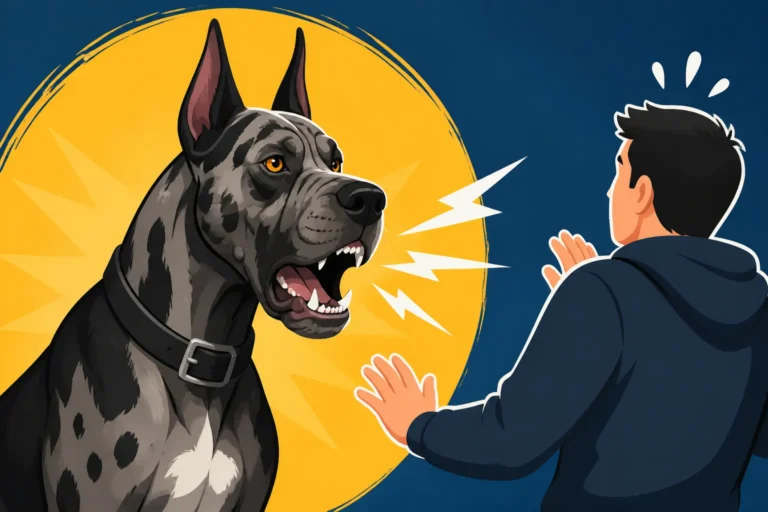
- Growling or snapping when moved: If your Great Dane reacts negatively when you try to create space or move them off you, this is a serious red flag that needs immediate professional intervention. It could be a sign of resource guarding (of your personal space/attention) or underlying anxiety.
- Inability to calm down: If your Dane remains overly excitable and physically pushy even after considerable exercise and mental stimulation, a trainer can help identify triggers and develop a more effective calming protocol.
- Injuries or near-injuries: If anyone in the household, or a guest, has been knocked over or injured due to your Dane's leaning or jumping, safety becomes paramount, and professional help is essential.
It’s always better to address these issues proactively rather than waiting until an incident occurs. Remember, even the "gentlest giant" can accidentally cause harm due to their sheer size.
Finding a Trainer Experienced with Giant Breeds
Not all dog trainers are equally equipped to handle the unique challenges and needs of a Great Dane. When searching for professional help, prioritize trainers who have specific experience with giant breeds. They understand the mechanics of working with such large dogs, the potential for orthopedic issues if training is too strenuous, and the specific behavioral nuances of breeds like the Great Dane.
When looking for a trainer, consider these points:
- Certifications and Methods: Look for trainers certified by reputable organizations who use positive reinforcement methods. Avoid trainers who advocate for harsh corrections or dominance-based techniques, as these can be detrimental to a sensitive Great Dane and may exacerbate issues.
- Experience with Large Dogs: Ask prospective trainers about their experience working with Great Danes or other giant breeds. They should be able to provide examples of how they've successfully addressed leaning, jumping, or other common giant-breed behaviors. Finding a Trainer Comfortable With a Great Dane goes into more depth on what to look for.
- In-Home Consultations: For behaviors like leaning, an in-home consultation can be very beneficial, as the trainer can observe your Dane in its natural environment and provide tailored advice that fits your specific living situation and family dynamics.
- Clear Communication: A good trainer will clearly explain their methods, set realistic expectations, and teach you how to continue the training effectively. They should empower you to be your Dane's primary trainer.
Investing in professional guidance can save you a lot of frustration, ensure the safety of your family and guests, and ultimately strengthen the bond you share with your magnificent Great Dane, allowing them to truly be the gentle giant they were meant to be.
Disclaimer
This article is for general informational purposes only and does not constitute professional advice. Laws, prices and regulations vary by location and change over time. Consult a qualified professional for guidance on your specific situation.