Getting a Great Dane Into a Hatchback
Trying to coax a full-grown Great Dane into a hatchback can feel like attempting to fit a majestic, fluffy cloud into a shoebox. It’s a challenge many of us Dane owners face, especially when we don't have a giant SUV or a dedicated cargo van. This guide will walk you through practical strategies, essential equipment, and patient training techniques to make car travel with your large companion in a smaller vehicle a much smoother, safer experience for both of you.
The Unique Challenge of Transporting a Great Dane
Let's be real, a Great Dane isn't exactly a lap dog, even if they often think they are. Their sheer size and weight present a unique set of logistical hurdles, especially when your primary mode of transport isn't built for a dog that can stand taller than some people on its hind legs. It’s not just about fitting them in; it’s about their safety, comfort, and preventing injury to both dog and owner.
Why Hatchbacks Are a Special Case
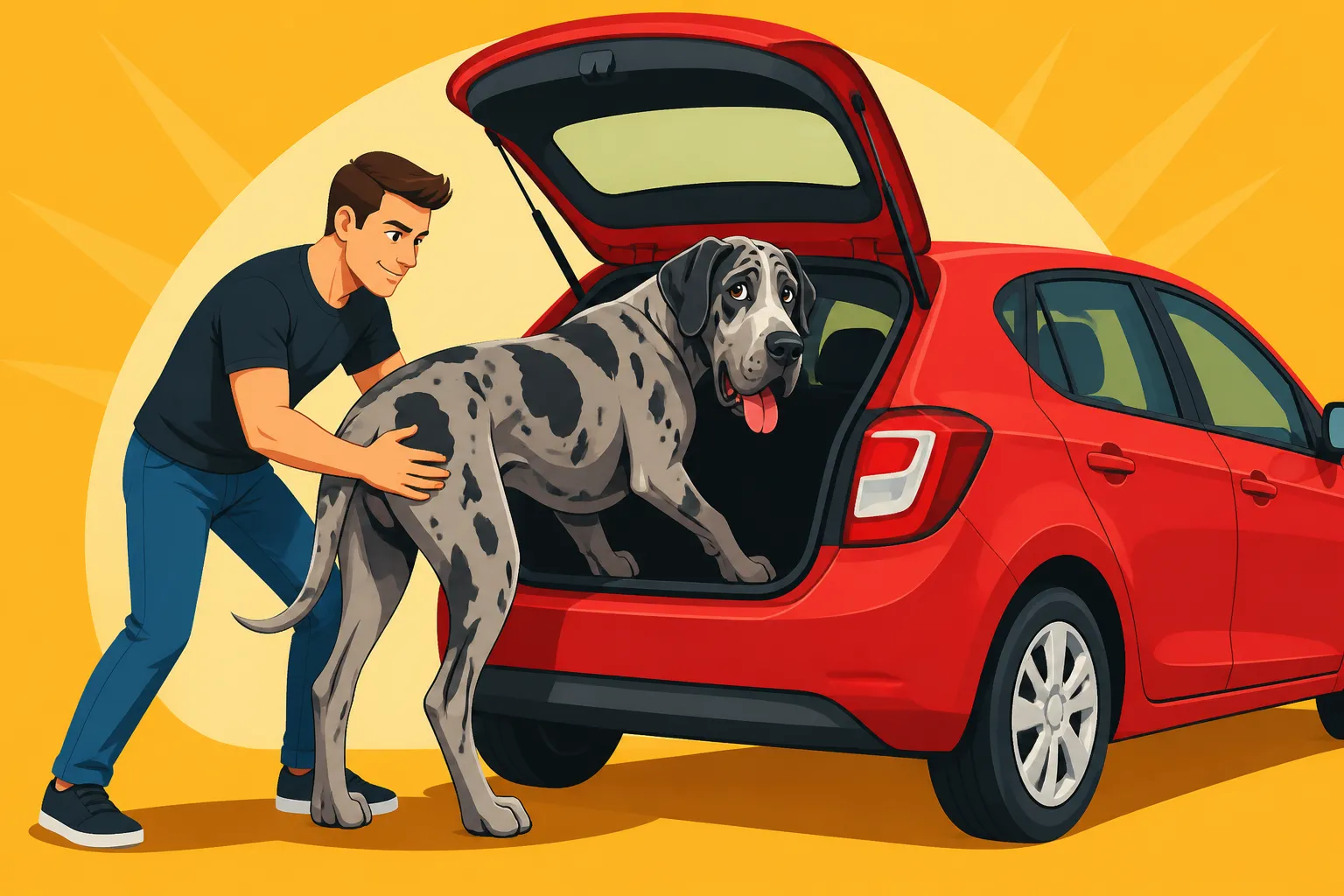
Hatchbacks, while wonderfully versatile for human cargo and groceries, weren't designed with a 150-pound dog in mind. You're typically dealing with a lower roofline, which means less headroom for your Dane to stand comfortably while entering or exiting. The rear door opening might be narrower, and the cargo area, while open, often has less depth and height than an SUV. This means your Dane might have to duck, fold, or squeeze in ways that aren't natural or comfortable for their long limbs and large frame. For us, it often translates into awkward lifting, pushing, or trying to convince a reluctant giant to perform canine acrobatics. It's a dance many of us know all too well, often accompanied by sighs (from us) and questioning looks (from them).
The Dane's Perspective: Fear vs. Fun
For your Great Dane, getting into a car, especially one that requires effort, can be a mixed bag. Some Danes are naturally confident and will bound into anything you point them at, seeing it as an adventure. Others, however, might find the confined space, the instability of the vehicle, or the sheer awkwardness of the entry process quite intimidating. Imagine having to contort your body into a tight space, or being lifted and jostled, when you have limited control over your own footing. It can be scary! A nervous or uncooperative Dane can make the process exponentially harder, turning a simple errand into a wrestling match. Understanding their potential anxieties is the first step towards making car travel a positive experience for them, rather than a dreaded chore. Remember, a Dane’s psychological comfort is just as important as their physical safety, especially given how sensitive these "gentle giants" can be.
Preparing Your Great Dane for Car Travel
Getting your Great Dane ready for car travel, especially in a hatchback, isn't something you can just spring on them. It requires patience, positive reinforcement, and a gradual approach. Think of it as teaching them a new, essential life skill, just like leash manners or house training. The more prepared they are, the less stressful it will be for everyone involved.
Early Exposure and Positive Association
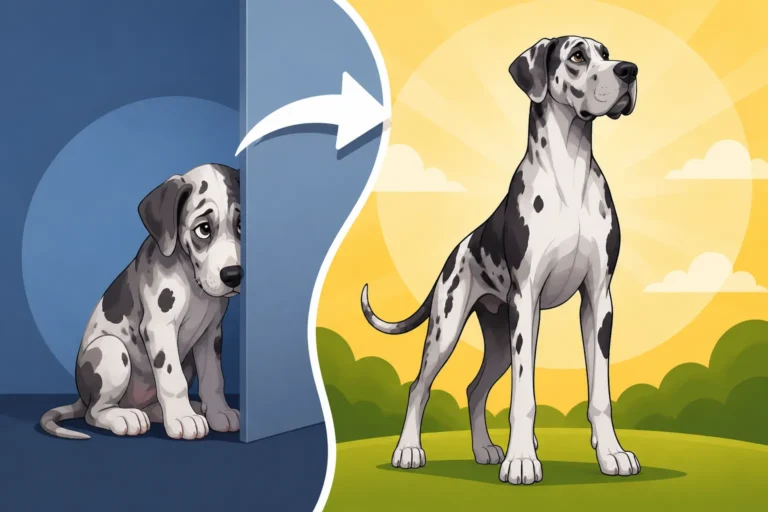
The absolute best time to start preparing your Great Dane for car travel is when they are a puppy. Puppyhood is a critical window for socialization and exposure to new experiences. Even if your puppy is still small enough to jump into the car, make every interaction with the vehicle positive.
Start by simply opening the car door and letting them sniff around. Offer high-value treats and praise just for being near the car. Then, encourage them to put one paw in, then two, eventually getting all four paws inside. Don't rush it. Keep sessions short and sweet. Turn the car into a happy place where good things happen – maybe they get their favorite chew toy, or a tasty Treats Sized for a Great Dane. Even if they can't travel far yet, short trips around the block are invaluable. The more mundane and pleasant these experiences are, the less likely they are to develop car anxiety or resistance later on when they're a huge, immovable force. Building this foundation early can save you a world of trouble when they reach their formidable adult size.
Building Confidence Through Training
Beyond just exposure, specific training cues and positive reinforcement are vital. Teach your Great Dane a clear "load up" or "kennel" command. Practice this command repeatedly with rewards. Initially, this might involve simply walking them towards the car and giving the command, then rewarding them even if they just sniff the door. Gradually, work towards them putting their front paws in, then their back, until they can confidently hop in on command.
If you're using a ramp (which we'll discuss next!), introduce it slowly. Lay the ramp flat on the ground first, let them walk over it, and reward them. Slowly increase the angle until it's at car height. Many Danes are hesitant about the feel or stability of a ramp, so patience is key. High-value treats and enthusiastic praise are your best tools here. You want them to associate getting into the car not with struggle, but with an opportunity for reward and a pleasant journey. Consistency is everything; a few minutes of positive training each day will pay dividends. You might find our post on Ramp Training a Great Dane for the Car very helpful in this process.
Tools and Techniques for Hatchback Entry
Once your Great Dane is mentally prepared, you'll need the right physical tools and techniques to overcome the logistical challenges of a hatchback. No matter how willing your Dane is, physics still plays a role, and their joints will thank you for making entry and exit as smooth as possible.
Ramps: A Great Dane's Best Friend
For a large breed like a Great Dane, especially as they age or if they have any joint issues (and let's be honest, many Danes do, considering their size), a sturdy ramp is non-negotiable for getting into and out of a car. Regularly jumping in and out, particularly from a higher vehicle or awkwardly into a lower one, puts immense strain on their hips, elbows, and spine. This is particularly true if you are concerned about Great Dane Hips, Elbows and Growing Joints in their younger years or Arthritis in a Six-Year-Old Great Dane.
When choosing a ramp, several factors come into play:
- Length: A longer ramp provides a gentler incline, which is easier on their joints. While a short ramp might fit better in your car, it can be too steep for a Great Dane to navigate comfortably or safely. Look for ramps that are at least 6-7 feet long.
- Width: Your Dane needs enough width to feel stable and confident. A ramp that's too narrow will feel precarious.
- Traction: This is crucial. Look for ramps with a non-slip surface, like sandpaper-like grip or deep grooves. Plastic ramps can become very slippery when wet, so evaluate the surface carefully. You don't want your Dane to lose their footing and injure themselves or become fearful.
- Sturdiness and Weight Capacity: This is non-negotiable for a Great Dane. Ensure the ramp can safely hold your dog's full adult weight, plus a buffer. A flimsy ramp can buckle, causing injury and severely damaging your Dane's trust in the process. You'll likely need a ramp rated for at least 200-250 pounds.
- Portability: Consider how easy it is for you to handle. Many ramps fold or telescope, making them more compact for storage in your hatchback. Brands like Gen7Pets or PetSafe offer various ramp styles that are generally well-regarded for larger dogs. You can often find a good selection of durable ramps on sites like Amazon.
Gentle Lifting and Guiding Strategies
While a ramp is ideal, there might be times you need to assist a Great Dane, especially a smaller or less mobile one, or if you're in a pinch without a ramp. This should be approached with extreme caution to prevent injury to both you and your dog.
Never try to lift a full-grown Great Dane by yourself. It's simply too much weight and can lead to back injuries for you, or drops and injuries for your dog. If assistance is truly needed, a two-person lift is safer. One person can support the front end, placing an arm under the chest, and the other can support the rear, lifting from under the belly/hips. The goal is to guide, not to hoist.
For guiding, a sturdy harness with a handle on the back can be invaluable. This allows you to provide some gentle upward momentum and stability as they step onto the ramp or into the car, without putting pressure on their neck. Just a little leverage can make a big difference for a hesitant Dane. Remember, always prioritize their comfort and safety over speed.
Harnesses and Handles for Assistance
As mentioned, a well-fitting harness is a lifesaver when transporting a Great Dane, especially in a hatchback. Forget collars for this purpose; they put too much pressure on their trachea and offer little control or leverage for a dog of this size.
Look for a harness that:
- Fits snugly but doesn't chafe: Great Danes have deep chests, so ensure it’s designed for their body type.
- Has strong, durable straps and hardware: This is critical for holding up to their power.
- Features a handle on the back: This handle is your secret weapon. It allows you to stabilize them as they navigate the ramp, provide a little lift if they stumble, or simply guide them more easily. It's also fantastic for Supporting a Great Dane's Back End With a Sling if they have mobility issues.
A quality harness gives you a point of contact that distributes pressure across their chest and shoulders, rather than their neck. This makes it much safer and more effective for steering them, helping them balance, or offering that tiny bit of assistance needed to overcome a tricky step or angle when entering the car. Brands like Ruffwear or similar heavy-duty options are often favored by large dog owners for their robustness and thoughtful design. Even something as simple as a sturdy walking harness can be adapted, as long as it offers a solid grab handle.
Securing Your Great Dane in a Hatchback
Getting your Great Dane into the hatchback is only half the battle. Once they’re inside, ensuring they are safely secured is paramount. An unsecured Great Dane can become a projectile in an accident, a distraction to the driver, or can simply get hurt by being thrown around during sudden stops or turns. Their safety, and yours, depends on proper restraint.
Crates vs. Safety Harnesses
When it comes to securing your giant companion, you generally have two main options, each with its own set of pros and cons, especially in the context of a hatchback's limited space.
Crates:
- Pros: Crates offer the highest level of protection in an accident, acting like a roll cage for your dog. They also contain dirt, shed hair, and drool, keeping your car cleaner. For anxious dogs, a familiar crate can provide a sense of security and a den-like feel. They prevent your dog from roaming the car, distracting you, or interfering with your driving.
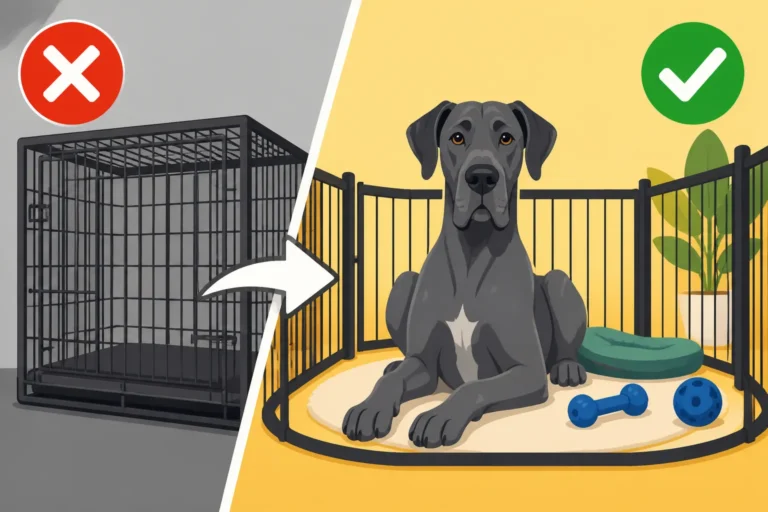
- Cons: The biggest challenge with a Great Dane and a hatchback is finding a crate large enough to comfortably fit your Dane that also fits in the car. Most hatchbacks simply won't accommodate a crate big enough for a standing, turning Great Dane. If you do manage to find one that technically fits, it might take up your entire cargo area, making it impractical for carrying anything else. You'll need an extra-large wire crate or a heavy-duty plastic kennel. Check out our post on Choosing a Crate a Great Dane Can Stand In for more specific sizing insights. Even if you manage to find one, getting it in and out of the car can be a monumental task.
Safety Harnesses (Crash-Tested):
- Pros: These harnesses are designed to attach to your car's seatbelt system, restraining your dog in the event of a sudden stop or collision. They allow your Dane to sit, stand, or lie down in a designated area (usually the back seat or cargo area) while preventing them from becoming a projectile. They take up less space than a crate and are generally easier to get a large dog into. Many come with padded chest plates for comfort and safety.
- Cons: While better than no restraint, not all safety harnesses are truly crash-tested to safely contain a dog the size of a Great Dane. Research thoroughly and look for certifications from organizations that perform independent crash testing for pet safety (like the Center for Pet Safety). Even the best harness won't offer the same level of protection as a properly secured, appropriately sized crate. However, for a hatchback, a high-quality, crash-tested safety harness is often the most practical and safest compromise. BAXTER & Bella, while primarily a training program, often recommends specific gear, and their philosophy would certainly lean towards proper, safe restraint for travel.
Ultimately, given the size constraints of a hatchback, a crash-tested safety harness is often the more viable option for a Great Dane. Just ensure it's specifically designed and rated for large, heavy breeds. If you're considering Whether a Great Dane Should Be Crated in a Vehicle, the space limitations of a hatchback are a major factor to weigh.
Preventing Motion Sickness and Anxiety
Even a physically secure Dane can suffer from motion sickness or anxiety during car rides, making the experience unpleasant for everyone.
- Acclimatization: Short, positive trips are key, as discussed earlier. Gradually increase the duration of rides.
- Ventilation: Ensure plenty of fresh air. Open windows slightly (but not enough for your Dane to stick their head too far out, as this can cause ear or eye injury, or even lead to jumping out). Good airflow can help reduce nausea.
- Limit Food Before Travel: Just like humans, a full stomach can contribute to motion sickness. Avoid feeding a large meal right before a car trip. A light snack or small amount of kibble is usually fine.
- Comfortable Bedding: Provide a familiar blanket or their favorite dog bed. This can offer a sense of security and make the cargo area more inviting and comfortable, absorbing some of the bumps and vibrations.
- Calming Aids: For Danes prone to anxiety, consider natural calming aids like pheromone sprays (Adaptil) or chews. In more severe cases, consult your vet; they might recommend mild anti-anxiety medication or specific anti-nausea drugs for travel. Never self-medicate your dog.
- Keep it Cool: Overheating can exacerbate anxiety and motion sickness. Ensure the car's temperature is comfortable, especially if traveling in warm weather.
By addressing both physical security and potential emotional distress, you can make car travel a much more pleasant and safer experience for your Great Dane in any vehicle.
Essential Car Accessories for a Great Dane
Transporting a Great Dane, especially in a hatchback, isn't just about getting them in and secured. It's also about protecting your vehicle and ensuring their comfort and well-being during the journey. These accessories aren't luxuries; they're necessities for any Great Dane owner who values their car's interior and their dog's health.
Protecting Your Car's Interior
Let's face it, Great Danes are messy. They shed, they drool, and they can track in mud and dirt like nobody's business. Their sheer size also means their nails can easily scratch interior surfaces, and their weight can flatten car seats over time. Without proper protection, your car's interior will quickly show the signs of a Great Dane passenger.
- Heavy-Duty Seat Covers/Cargo Liners: These are a must. Look for waterproof, tear-resistant materials that are specifically designed for large dogs. For a hatchback, a full cargo liner that covers the floor, back of the rear seats (when folded down), and even the side walls is ideal. Some brands offer custom-fit liners for specific car models, providing maximum coverage. These will protect against hair, dirt, drool, and accidental spills, making cleanup significantly easier.
- Door Protectors: Many Danes like to lean against car doors or peer out windows. Their nails and drool can quickly damage door panels. Stick-on or suction-cup door protectors can save your interior from unsightly scratches and slobber marks.
- Window Shades: If your Dane sits in the cargo area or back seat, window shades can help keep the sun out, preventing overheating and making the ride more comfortable.
Investing in these protective measures upfront will save you countless hours of cleaning and potential repair costs down the line. It's part of the reality of The Great Dane Bills Nobody Mentions when considering ownership.
Comfort and Hydration on the Go
A Great Dane needs to be comfortable and well-hydrated, especially on longer trips. Their size means they can get hot quickly, and maintaining proper hydration is crucial for their health.
- Portable Water Bowls: Always carry fresh water and a collapsible or portable water bowl. There are many options available, from silicone collapsible bowls to travel bottles with attached dispensers. Offer water during stops, even on shorter drives, especially in warmer weather. A well-hydrated Dane is a happier, healthier Dane.
- Comfortable Bedding/Mats: Even with a cargo liner, a comfortable, supportive surface is important. A thick, orthopedic foam mat or their favorite sturdy dog bed can make a huge difference in their comfort, especially for their joints. It also helps to absorb some of the vibrations and bumps of the road. Ensure the bedding is secured or heavy enough not to slide around during transit. You might want to consider Beds That Cushion a Great Dane's Joints or Orthopedic Beds a Great Dane Needs for home use, and a similar principle applies to car comfort.
- Cooling Vests/Mats (for hot climates): If you live in a hot region or are traveling during summer, a cooling vest or a pressure-activated cooling mat can help keep your Great Dane comfortable and prevent overheating during the journey and when you reach your destination.
By prioritizing comfort and hydration, you ensure that car travel remains a positive and safe experience for your Great Dane, no matter the distance.
Troubleshooting Common Hatchback Transport Issues
Even with the best preparation and equipment, you might encounter bumps in the road (sometimes literally!). Great Danes, with their size and sometimes stubborn nature, can present unique challenges when it comes to car travel. Knowing how to troubleshoot these common issues can save you a lot of stress and ensure a smoother journey.
When Your Dane Refuses to Load
This is a scenario many Great Dane owners dread: you've got somewhere to be, the car door is open, and your massive dog has decided, with all the weight of an immovable object, that they are simply not getting in. This refusal can stem from fear, discomfort, or simply a lack of motivation.
- Revisit Positive Reinforcement: If refusal becomes a pattern, go back to basics. Don't force them. Instead, create a super-appealing environment around the car. Toss high-value treats (think boiled chicken, cheese, or hot dogs) into the car, then praise them even if they just sniff inside. Make it a game.
- Lure with Treats: Create a "treat trail" leading into the car or up the ramp. Each step forward gets a small, immediate reward.
- Build Momentum: Sometimes a Great Dane just needs a little momentum and confidence. Have someone stand on the opposite side of the car, encouraging them with upbeat tones and treats, while you gently guide them from behind with the harness handle.
- Check for Discomfort: Is the ramp too steep? Is the surface slippery? Is there enough space once they're inside? Sometimes their refusal is a legitimate signal of discomfort or fear. Adjust the setup if needed.
- Patience is Key: This isn't a battle of wills you want to win through force. It's about building trust and positive association. A forceful interaction will only make future attempts harder. If they're truly shutting down, take a break, try again later, or re-evaluate your training approach. Our article on A Great Dane That Refuses to Get in the Car offers even more in-depth strategies.
Managing Space and Comfort
Hatchbacks, by their nature, are space-limited. While your Great Dane might fit, ensuring they're comfortable and not overly cramped is important, especially for longer rides.
- Rear Seats Down, Always: For adult Great Danes, the rear seats of a hatchback should always be folded down to create the largest possible cargo area. This provides maximum length for them to stretch out or adjust their position.
- Minimal Other Cargo: Try to minimize other items in the cargo area when your Dane is present. Every extra bag or box reduces their available space and can make them feel more confined. If you must carry other items, secure them tightly so they don't shift and bump your dog.
- Bedding & Soft Barriers: Use soft, supportive bedding that molds to their body. If there's a slight lip or awkward angle at the back of the folded seats, consider placing a soft blanket or pillow there to create a smoother, more comfortable surface.
- Strategic Positioning: Encourage your Dane to lie down in a position that allows them to stretch their legs as much as possible. Sometimes they might prefer to lie with their head near the rear hatch, or tucked up against the front seats. Observe what seems most comfortable for them.
- Regular Breaks: For longer trips, plan frequent stops. This allows your Dane to get out, stretch their legs, relieve themselves, and get some fresh air. It breaks up the monotony and helps prevent stiffness from being in one position for too long.
By being mindful of both their willingness and their physical comfort, you can turn the challenging act of Great Dane transport in a hatchback into a manageable and even pleasant routine.
Comparison of Great Dane Car Restraint Options
Here's a quick look at the common ways to restrain your Great Dane in a vehicle, highlighting considerations specific to a hatchback.
| Restraint Option | Description | Pros (Hatchback Specific) | Cons (Hatchback Specific) | Best Use Case |
|---|---|---|---|---|
| Crash-Tested Harness | Harness that clips into the vehicle's seatbelt system. | Allows more flexibility in smaller spaces, easier to install. | Finding truly crash-tested options for Great Dane weight is crucial and can be challenging. Provides less containment than a crate. | Primary solution for most Great Dane owners with hatchbacks, especially for regular travel. |
| Travel Crate (Hard-Sided) | Large plastic or aluminum kennel secured in the cargo area. | Maximum crash protection, contains mess. | Extremely difficult to find a size that both fits a Great Dane and a typical hatchback's cargo area. Very heavy and bulky to maneuver. Limited space for other items. | Ideal if you have a very large hatchback or small Great Dane. Best for long-distance travel. |
| Wire Crate | Foldable metal crate, often secured with tie-downs. | Collapsible for storage when not in use. | Offers less crash protection than hard-sided. Can rattle. Still requires significant cargo space. | Temporary solution for transport, or if you already own one. |
| Cargo Barrier/Gate | Metal or mesh barrier separating cargo area from passenger cabin. | Keeps dog in the back, prevents distraction. | Offers no crash protection for the dog itself; they are still free to move and be injured. | Supplement to a harness/crate, not a primary restraint. For keeping a dog out of the front seat. |
This comparison should help you think through the most suitable options for your situation and your Great Dane's needs.
Disclaimer
This article is for general informational purposes only and does not constitute professional advice. Laws, prices and regulations vary by location and change over time. Consult a qualified professional for guidance on your specific situation.