A Great Dane That Hides Behind Its Owner
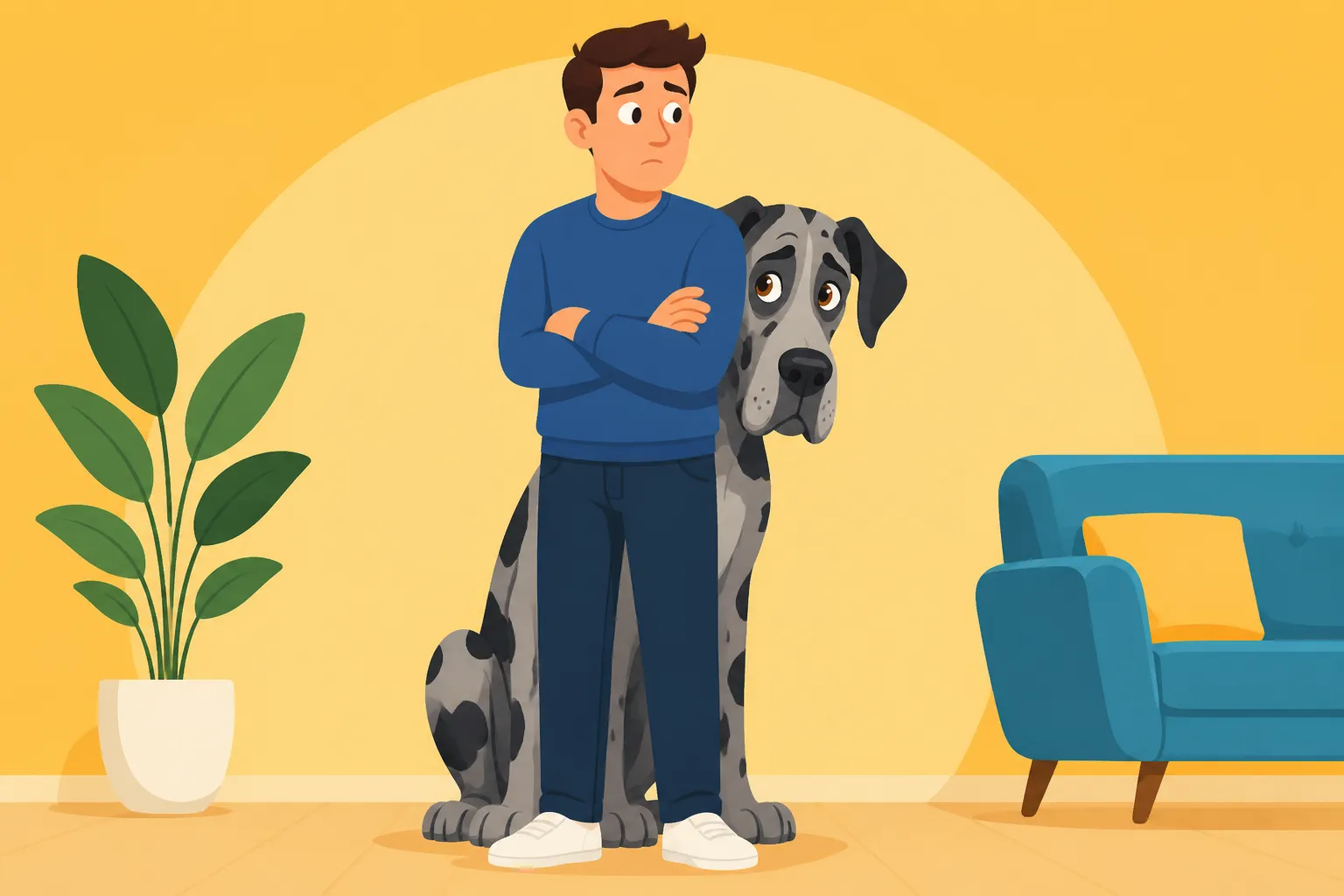
It can be incredibly disheartening, and frankly, a bit awkward, when your massive, imposing Great Dane, who looks like they could take on a small pony, decides to suddenly become a shadow, actively trying to disappear behind your legs at the sight of a new person or unfamiliar object. This guide will delve into why your "gentle giant" might be exhibiting this surprisingly timid behavior and offer practical, empathetic strategies to help your beloved Dane build confidence and navigate the world with more assurance.
Understanding Why Your Great Dane Hides
It’s easy to assume that a dog the size of a Great Dane would be inherently brave and unflappable. Their majestic presence often gives off an air of confidence, but the truth is, many Great Danes are sensitive souls, and their large stature can sometimes mask significant underlying insecurities. When your Dane ducks behind you, it’s not just a cute quirk; it’s a clear signal that they’re feeling overwhelmed, fearful, or unsure in that moment. Understanding the roots of this behavior is the first step toward helping them overcome it.
The 'Gentle Giant' Misconception vs. Reality
We affectionately call Great Danes "gentle giants" for a reason. They often possess a sweet, loving, and surprisingly docile nature, especially within their family unit. However, this gentle disposition can sometimes be misinterpreted as a lack of confidence or even fearfulness when faced with new stimuli. Unlike some breeds that are naturally bold or independent, many Danes thrive on reassurance from their owners and can be quite sensitive to new experiences or people. Their physical size doesn't always translate to emotional fortitude.
Imagine you're at the dog park, and a tiny Chihuahua starts barking furiously at a passing stranger. Most people would smile, perhaps chuckle, and attribute it to "small dog syndrome." Now, picture your 150-pound Great Dane doing the same thing, or worse, trying to squeeze behind your knees. The perception changes dramatically. It can feel embarrassing, but it's important to remember that your dog's emotional experience is valid, regardless of their size. They are still feeling fear or anxiety, and it's our job to help them process it, not to shame them for it. A Great Dane that hides is simply a Great Dane expressing an internal state, often born from a combination of genetics, early experiences, and current environment.
It's also crucial to distinguish between true aggression and fear-based reactions. A Great Dane hiding is typically not showing aggression; rather, they are trying to avoid a perceived threat. They're communicating, "I don't feel safe, and I need your help." Recognizing this distinction is vital, as treating fear as defiance will only exacerbate the problem. Their size simply makes their desire to disappear behind you all the more noticeable and, often, physically challenging for you to manage. This behavior underscores the importance of The Gentle Great Dane Temperament and Its Limits.
Common Triggers for Hiding Behavior
Several factors can trigger a Great Dane to retreat behind its owner. One of the most common is an unfamiliar person entering their space or approaching them directly. Danes often form strong bonds with their immediate family, and while friendly within that circle, they can be reserved or even wary of strangers. A new visitor, especially one who moves quickly, speaks loudly, or tries to engage them too intensely, can easily trigger a retreat. Think about how many people, upon seeing a Great Dane, immediately want to pet them or make a big fuss. For a shy Dane, this can be incredibly overwhelming.
Unusual sights, sounds, or smells can also send a sensitive Dane scurrying. A child on a scooter, a rattling trash can being put out, a sudden loud noise like a fire truck siren, or even a new piece of furniture in the house can be enough to make them feel insecure. Their size means their senses are often heightened, and what might seem minor to us can be a huge, startling event for them. Sometimes, it's a specific type of person or object, like someone wearing a hat, carrying an umbrella, or even another dog with a very different energy level. Pay close attention to what specific situations consistently cause your Great Dane to hide, as this information is gold for developing a targeted training plan.
Finally, past negative experiences, even seemingly minor ones, can contribute. Perhaps they had a startling encounter with a delivery person early in life, or another dog was aggressive towards them at a young age. These incidents can linger and manifest as fear-based reactions in similar situations later on. A puppy's world is so vast and new, and every experience shapes them. Building Confidence in a Nervous Great Dane is a long-term project that often starts with understanding these triggers.
Early Socialization Gaps
One of the biggest contributors to a Great Dane hiding behind its owner is insufficient or improper early socialization. Socialization isn't just about letting your puppy play with other dogs; it's about exposing them to a wide variety of sights, sounds, people, environments, and textures in a positive and controlled manner during their critical developmental window (roughly 3 to 16 weeks of age). If a Great Dane puppy doesn't get enough positive exposure during this time, they can grow up to be fearful or anxious about the unknown.
For a giant breed like a Great Dane, proper socialization is even more critical because their sheer size amplifies any fear or insecurity. A small, fearful dog can be easily managed, but a fearful 150-pound dog attempting to bolt or hide can be a serious challenge, both for the owner and for the dog's safety. If your Dane spent its early weeks in a very isolated environment, or with a breeder who didn't prioritize varied exposure, they might start with an inherent disadvantage. It’s not their fault; it’s a gap in their early learning.
It's never too late to work on socialization, but the approach changes for an adult or adolescent Great Dane compared to a young puppy. You can't flood an insecure adult dog with new experiences; that will only make things worse. Instead, it becomes a slower, more deliberate process of desensitization and counter-conditioning. Resources like online puppy classes, such as those offered by BAXTER & Bella, can be invaluable for new owners, providing structured guidance on Socializing a Great Dane Puppy Early from the comfort of your home, helping you introduce your puppy to the world safely and positively. Even if your Dane is older, the principles of positive exposure are still relevant, just scaled down and slowed significantly.
Gentle Strategies to Build Your Dane's Confidence
Helping a Great Dane overcome shyness isn't about forcing them into uncomfortable situations. It's about building a foundation of trust, slowly exposing them to new things in a positive way, and celebrating every tiny step forward. Patience is your most powerful tool, alongside a deep understanding of your dog's emotional state. Remember, this isn't a race; it's a journey to a more confident and comfortable life for your beloved Dane.
Creating a Safe Space and Predictable Routine
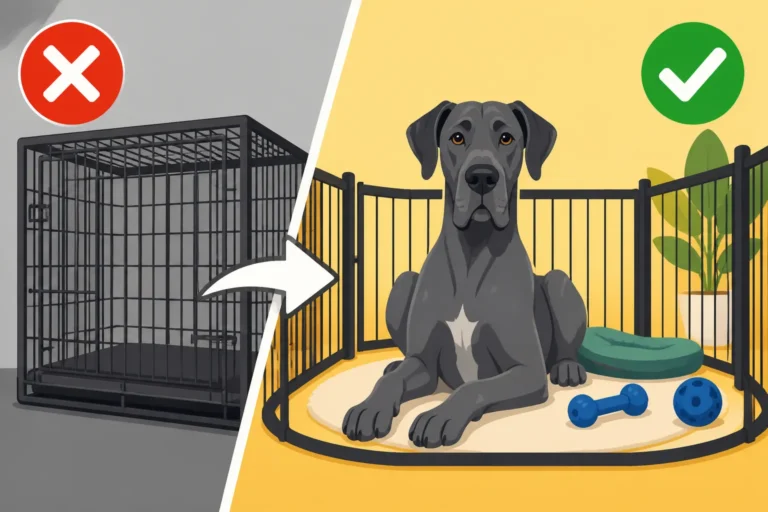
One of the most fundamental things you can do for a shy or anxious Great Dane is to provide them with a predictable routine and a designated safe space where they can retreat when feeling overwhelmed. This safe space might be a large crate with a comfy bed, a corner of a quiet room, or even just their special orthopedic bed tucked away from high-traffic areas. The key is that it's their space, and nobody, human or animal, bothers them when they're in it. This gives them agency and a sense of control, which is incredibly empowering for an insecure dog. You can find excellent, durable beds for a large Great Dane on platforms like Amazon that provide ample cushioning and support, offering them a truly inviting sanctuary.
A predictable daily routine also helps immensely. Dogs thrive on routine because it reduces uncertainty. Knowing when they'll eat, when they'll go for walks, and when they'll have playtime creates a sense of stability. Sudden changes can be unsettling for a sensitive Dane. If you know you'll have visitors, prepare your Dane beforehand by ensuring they've had exercise and a potty break, and their safe space is accessible. Consider placing a special chew toy or long-lasting treat in their safe spot for when guests arrive, making their retreat a positive experience. Whether a Great Dane Needs a Crate at All is a common question, but for a shy dog, a crate can be a lifesaver, offering a den-like refuge.
When your Dane starts to hide, avoid pulling them out or forcing them to interact. Instead, gently guide them to their safe space if they haven't found it already, and let them decompress. If they are already behind you, calmly create a path for them to their designated safe zone. The goal isn't to prevent the hiding, but to teach them that they have a good, safe alternative when they feel the need to withdraw. Over time, as their confidence grows, they'll rely less on this retreat, but it should always remain an option.
Positive Reinforcement and Desensitization
Positive reinforcement is the cornerstone of building confidence in a shy Great Dane. This means rewarding desired behaviors and making every new or potentially scary experience as positive as possible. When your Dane encounters a trigger (a new person, sound, or object) and doesn't hide, or even just shows a moment of curiosity, immediately reward them with high-value treats and praise. The goal is to change their emotional association with the trigger from negative (fear) to positive (treats and praise!).
Desensitization involves gradually exposing your Dane to their triggers at a very low intensity, slowly increasing the intensity as they remain comfortable. For example, if your Dane hides from strangers, start by having a calm friend stand at a distance where your Dane notices them but doesn't react negatively. As your friend stands there, reward your Dane. Over days or weeks, your friend can gradually move closer, or the interaction can become slightly more direct (e.g., a brief glance, then a calm verbal greeting). The key is to never push your Dane past their comfort threshold. If they start to show signs of anxiety (licking lips, yawning, averted gaze, hiding), you’ve gone too far, too fast, and need to dial back the intensity.
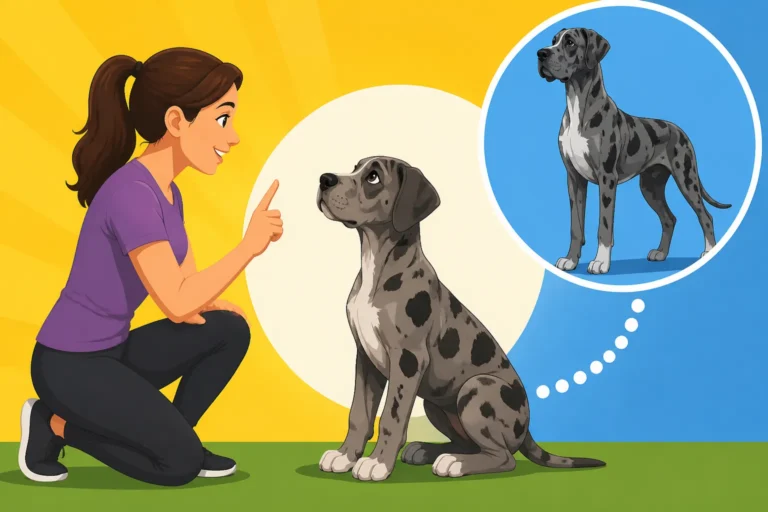
Pairing these exposures with something incredibly enjoyable for your Dane is called counter-conditioning. If meeting new people is scary, then meeting a new person should always result in the best treats they've ever tasted. Keep these special treats only for these specific confidence-building exercises. This process needs immense patience and consistency. Even small steps, like your Dane looking at a new person without immediately hiding, are huge victories and should be celebrated. This method helps your Dane learn to associate the previously scary thing with positive outcomes. This is also how you can teach your Dane Getting a Great Dane to Greet Without Standing Up and instead offer a polite sit.
Structured Socialization, Not Overwhelm
While early socialization is ideal, for an older Great Dane that hides, "structured socialization" is a more appropriate term. This isn't about throwing them into a dog park full of boisterous dogs or crowded public spaces. It's about carefully curating positive, low-stress interactions. Begin with one-on-one interactions with calm, predictable people or dogs that you know are gentle and respectful of a shy dog's space. These encounters should be short, positive, and end before your Dane becomes overwhelmed.
Consider enrolling in a positive-reinforcement based training class specifically for shy or reactive dogs. A good instructor will understand the nuances of working with a giant breed and can provide a controlled environment for exposure. Online training platforms, like BAXTER & Bella, also offer structured courses that can help you understand canine body language and implement confidence-building exercises at your own pace in your home and familiar surroundings. This is especially helpful if your Dane is too stressed to learn in a group setting initially.
The table below outlines a phased approach to structured socialization:
| Phase | Goal | Environment | Interaction Type | Reward Strategy |
|---|---|---|---|---|
| Phase 1 | Introduce mild, non-threatening stimuli | Home/Quiet, familiar area | Passive observation (distance) | High-value treats for calm glances |
| Phase 2 | Build positive associations | Slightly more diverse area | Controlled, brief exposure | Treats/praise for lack of hiding or slight curiosity |
| Phase 3 | Increase duration/proximity | Calm park, quiet store | Short, calm greetings | Treats/praise for comfortable presence |
| Phase 4 | Generalize confidence | Varied, controlled settings | Extended, relaxed interactions | Varied rewards for sustained comfort |
Remember to always prioritize your Great Dane's comfort. If they are showing signs of stress – lip-licking, yawning, turning away, pacing, or obviously trying to hide – you've moved too quickly. Retreat to a level where they were comfortable and try again another day. Consistency, patience, and ending on a positive note are far more effective than trying to rush the process. Learning A Great Dane That Backs Away From Strangers can be a slow but rewarding process, requiring a delicate touch.
When to Seek Professional Help and What to Expect
Sometimes, despite your best efforts, a Great Dane's hiding behavior or general anxiety might be too severe for you to manage alone. This is not a failure on your part; it simply means your dog needs specialized guidance. Recognizing when to call in the cavalry is a sign of responsible pet ownership, ensuring your Dane gets the most effective help possible.
Identifying Red Flags and Escalating Anxiety
While some shyness is manageable with the strategies above, there are certain red flags that indicate you should seek professional assistance sooner rather than later. If your Great Dane's hiding behavior is coupled with other signs of extreme anxiety, such as:
- Aggression: While hiding is generally avoidant, severe fear can sometimes lead to snapping, growling, or even biting if the dog feels trapped or cornered.
- Destructive behaviors: Chewing inappropriate items, scratching at doors, or having accidents inside the house only when left alone or when a trigger is present.
- Excessive vocalization: Constant barking, whining, or howling when experiencing triggers or left alone.
- Inability to calm down: Prolonged panting, pacing, drooling, or trembling long after a trigger has passed.
- Loss of appetite: Refusing to eat or drink when stressed.
- Self-harm: Licking or chewing at themselves excessively, creating hot spots.
- Panic attacks: What looks like extreme, uncontrolled fear or terror.
If you observe any of these escalating behaviors, especially if they are increasing in frequency or intensity, it's a clear signal that your Dane's anxiety is more profound than simple shyness and requires expert intervention. These behaviors can also negatively impact their quality of life and potentially Why a Great Dane Only Lives Seven to Ten Years if chronic stress takes its toll. It’s important to address it comprehensively.
Finding the Right Professional Trainer or Behaviorist
When you decide to seek professional help, it's crucial to find the right kind of professional. Look for a certified professional dog trainer (CPDT-KA) who specializes in positive reinforcement and has experience with giant breeds and fear-based behaviors. Even better, consider a Certified Applied Animal Behaviorist (CAAB) or a Veterinary Behaviorist (Dip ACVB), especially if aggression or severe anxiety is present. Veterinary behaviorists are veterinarians with advanced training in animal behavior, meaning they can diagnose underlying medical conditions that might contribute to anxiety and prescribe medication if necessary.
Avoid any trainer who advocates for aversive methods, such as choke chains, prong collars, shock collars, or any training that relies on fear, intimidation, or physical corrections. These methods might suppress the outward signs of fear, but they do nothing to address the underlying anxiety and can actually make a fearful dog more fearful and potentially aggressive. For a Great Dane, such methods are not only inhumane but dangerous, as a reactive 150-pound dog is incredibly difficult to manage if their trust in you is broken. Why Physical Corrections Fail on a Great Dane is a lesson many owners learn the hard way.
When interviewing potential professionals, ask about their philosophy, their experience with similar cases, and what methods they use. A good professional will involve you heavily in the process, explain the "why" behind their techniques, and create a tailored plan for your Great Dane. They should also be transparent about costs and timeframes, understanding that behavior modification is often a marathon, not a sprint. Online resources can help you find certified professionals in your area.
Managing the Environment to Support Progress
Working with a professional doesn't mean you stop your efforts at home; in fact, environmental management becomes even more critical. Your behaviorist or trainer will likely give you specific instructions for managing your Dane's environment to reduce stressors and support their learning. This might include:
- Temporary avoidance of triggers: If your Dane is terrified of children, your trainer might advise avoiding situations with children entirely for a period while you build foundational confidence. This isn't permanent, but a temporary measure to reduce stress.
- Creating barriers: Using baby gates (extra-tall ones, of course, because Baby Gates a Great Dane Cannot Step Over are a real challenge!) or crates to give your Dane space from visitors or other pets when needed.
- Enrichment: Providing plenty of mentally stimulating toys, puzzle feeders, and appropriate chews to help your Dane de-stress and channel their energy positively. Amazon offers a wide selection of durable, giant-breed-appropriate puzzle toys.
- Consistency from all family members: Everyone in the household needs to be on the same page regarding training methods and interactions with the Dane. Inconsistency can be very confusing and counterproductive for an anxious dog.
- Limiting overwhelming stimuli: During active behavior modification, you might need to temporarily scale back on other activities that could be stressful, even if they don't seem directly related to the hiding behavior. The goal is to lower their overall stress bucket.
Remember, helping a Great Dane that hides is a commitment to their emotional well-being. It requires patience, empathy, and sometimes, the guidance of an expert. But watching your "gentle giant" slowly blossom into a more confident, secure companion is one of the most rewarding experiences you can have as a dog owner.
Disclaimer
This article is for general informational purposes only and does not constitute professional advice. Laws, prices and regulations vary by location and change over time. Consult a qualified professional for guidance on your specific situation.