Brushing a Short-Coated Great Dane
One of the most common misconceptions about Great Danes is that their short, sleek coats mean they don't shed much. Oh, if only that were true! Many new Great Dane owners quickly discover that their "short-haired" giant can still leave a surprising amount of fur on furniture, floors, and even their clothes. This guide is here to walk you through the realities of brushing a short-coated Great Dane, ensuring you keep shedding under control and maintain a healthy, beautiful coat.
Understanding Your Great Dane's Short Coat
It’s easy to look at a Great Dane and think, "Well, at least I won't have to deal with long hair everywhere." And while it's true you won't be battling mats and tangles like some longer-coated breeds, the reality of Great Dane shedding is often a rude awakening for the unprepared. Their coat might be short, but it's dense, and those tiny hairs have a knack for weaving themselves into everything.
The Misconception of Low Shedding
Let's be real: the idea of a "low-shedding" Great Dane is a myth. While they don't have the same fur-tumbleweed potential as a Husky or a Golden Retriever, Great Danes absolutely shed. What often happens is people equate "short hair" with "minimal shedding," and that's just not the case. Owners are often frustrated, vacuuming daily only to find more hair moments later. It’s a constant battle, but with the right approach, it’s manageable. Their coats might look low maintenance, but they require consistent attention to keep shedding at bay.
The truth is, all dogs shed to some extent as part of their natural hair growth cycle. Old, dead hairs need to be replaced by new ones. For a Great Dane, because their hairs are so short, they don't form the visible clumps that longer hair might. Instead, they become tiny, needle-like hairs that embed themselves into fabric, creating a challenge all their own. You might not see large drifts of hair, but you'll definitely feel it and find it woven deeply into carpets and upholstery. It’s not about if they shed, but how they shed and how you manage it.
Why a Short Coat Still Means Lots of Hair
So, why do these majestic giants, with their seemingly simple coats, shed so much? Primarily, it's about density and turnover. A Great Dane's coat is incredibly dense, providing protection from the elements. This means there are a vast number of hairs packed into every square inch of their large bodies. Secondly, their hair growth cycle is efficient; old hair is constantly being shed to make way for new growth. This constant turnover, combined with the sheer volume of hair on a dog of this size, translates to a significant amount of loose fur being released into your home. You might find yourself asking Why a Great Dane's Short Coat Sheds a Lot.
Think about it: a dog that weighs well over a hundred pounds has a lot of surface area. Even if each individual hair is short, the cumulative effect of millions of hairs shedding creates a noticeable amount of fuzz. Seasonal changes can exacerbate this, with heavier shedding periods in spring and fall as they adjust their coat for warmer or colder weather. Hormonal changes, diet, and even stress can also influence the amount of hair your Great Dane is dropping. It’s a natural process, but one that requires proactive management to keep your home from becoming a furry wonderland.
The Right Tools for the Job
Investing in the correct grooming tools is paramount when it comes to managing a Great Dane's short coat and the inevitable shedding. Using the wrong brush can be ineffective at best, and at worst, it can irritate their sensitive skin. You need tools designed to get down to the undercoat without scratching or pulling.
Essential Brushes for Short Coats
For everyday brushing and to tackle regular shedding, a few key brushes should be in every Great Dane owner's grooming kit. A good quality rubber curry brush or grooming mitt is an absolute game-changer. These tools work by gently massaging the skin, stimulating circulation, and loosening dead hair from the coat. The rubber nubs effectively collect loose fur without being harsh on their skin. Many owners find these especially useful for distributing natural oils, which contributes to a healthy, shiny coat. You can find excellent options on platforms like Amazon or specialty pet supply sites like Chewy.
Another essential is a bristle brush with natural or firm synthetic bristles. This type of brush is fantastic for surface-level grooming, smoothing the coat, and removing any dust or debris. It also helps to polish the coat, giving it that characteristic Great Dane sheen. Use it after the rubber curry brush to gather any remaining loose hairs and to give their coat a final shine. For dogs with slightly thicker coats or during heavier shedding periods, a slicker brush with fine, wire bristles can also be useful, but always use it gently to avoid irritating their skin. The key is to find The Brush That Covers a Great Dane Fastest and is most comfortable for your dog.
Specialty Tools for Heavy Shedding
When your Great Dane enters one of their "blow-out" shedding seasons, you'll need to bring in the reinforcements. Deshedding tools, like those with a fine-toothed blade designed to reach into the undercoat and pull out loose hair, can be incredibly effective. These are not for daily use, as they can be too aggressive if overused, but for weekly sessions during peak shedding, they can make a significant difference. Always use these tools on a dry, clean coat and follow the directions carefully, working in the direction of hair growth.
Another option for really stubborn shedding is a shedding blade. This tool looks a bit like a serrated loop and is designed to scrape away loose hair. Again, gentle strokes are crucial to prevent skin irritation. Some owners also swear by a strong vacuum with a brush attachment specifically designed for pets, which can be surprisingly effective at pulling loose hair directly off the dog, especially if your Dane is tolerant of the noise and sensation. Remember, these specialty tools are powerful, so moderation and careful technique are key to avoiding any discomfort for your gentle giant.
What to Avoid on a Great Dane's Skin
While a Great Dane's coat is robust, their skin can be quite sensitive. It's crucial to avoid harsh brushes or grooming techniques that can cause irritation, redness, or even brush burn. Wire pin brushes without protective tips are generally a no-go, as they can scratch and cause discomfort. Similarly, using human brushes or combs not designed for pet hair can be ineffective and potentially damaging. Always opt for grooming tools specifically manufactured for dogs, especially those with short coats.
Aggressive brushing, especially with deshedding tools, can strip too much hair, irritate hair follicles, or cause micro-abrasions on the skin. This can lead to issues like Dandruff on a Great Dane's Back or more serious skin infections. If your Great Dane shows any signs of discomfort—flinching, pulling away, or vocalizing—stop immediately and reassess your technique or tool choice. The goal is to make grooming a positive, bonding experience, not a painful ordeal. Always check their skin for any unusual bumps, redness, or dryness as you brush, so you can address any concerns with your vet promptly.
Establishing a Brushing Routine
Consistency is truly the secret sauce when it comes to managing a Great Dane's coat. A regular brushing routine not only keeps shedding at bay but also allows you to check for any skin issues, bumps, or parasites. It also reinforces your bond with your dog, making them more comfortable with handling.
How Often to Brush Your Great Dane
For most short-coated Great Danes, a brushing session two to three times a week is a good starting point for general maintenance. This frequency helps to remove loose hair before it has a chance to settle all over your home and keeps their coat looking its best. However, during peak shedding seasons, like spring and fall, you might find yourself needing to brush daily. Don't be surprised if the amount of hair you collect seems endless during these times; it's completely normal for such a large breed.
The best way to determine the ideal frequency for your particular Dane is to observe their coat and how much hair is accumulating in your home. If you're noticing an increase in stray hairs on furniture or your clothes, it's a clear signal to ramp up the brushing frequency. Conversely, if their coat is looking good and your home is relatively hair-free with less frequent brushing, you might be able to scale back slightly. Consistency is more important than duration; even a quick five-minute brush-down a few times a week is more beneficial than an hour-long session once a month.
Making Brushing a Positive Experience
Grooming, especially for a large dog like a Great Dane, should be a pleasant experience for both of you. Start brushing your Great Dane when they are a puppy, even if it's just for a minute or two, to help them get accustomed to the sensation and the tools. Use lots of praise, gentle strokes, and high-value treats to create positive associations. A calm, quiet environment also helps, especially in the beginning. If your Great Dane is wary of the brush, let them sniff it, put a treat on it, and gradually introduce it to their body, starting with areas they are comfortable with, like their shoulder or back.
Avoid forcing the issue. If your Dane is resisting, take a break and try again later. Persistence combined with patience and positive reinforcement will eventually lead to a dog that not only tolerates brushing but might even look forward to it. Some Great Danes absolutely adore the attention and the feeling of a good scratch! Offering a special chew toy or a lick mat covered in peanut butter (check ingredients for xylitol!) can also distract them and keep them happy during the grooming session. This positive approach is vital for building trust and ensuring future sessions are stress-free.
Brushing Techniques for Maximum Effectiveness
When you're ready to brush, start at the head and work your way down their body, always brushing in the direction of hair growth. This is generally more comfortable for your dog and helps to smooth the hair cuticles. Use long, even strokes with your chosen rubber curry or shedding tool, applying just enough pressure to remove loose hair without irritating the skin. For areas with folds or wrinkles, like around their neck or jowls, be extra gentle.
Pay particular attention to areas where hair might accumulate more, such as along their back, sides, and hindquarters. For the belly and legs, which often have thinner hair, a softer bristle brush might be more appropriate. After using a shedding tool, follow up with a bristle brush to remove any remaining surface hairs and to give their coat a final polish. A quick wipe down with a damp cloth or a grooming wipe can also help collect any stray dander or dust, leaving their coat clean and gleaming. With practice, you'll develop a rhythm that works best for both you and your Great Dane, making the entire process efficient and effective.
| Brush Type | Primary Use | Frequency | Pros | Cons |
|---|---|---|---|---|
| Rubber Curry Brush | Loosening dead hair, massage, shine | 2-3 times/week | Gentle, good for circulation, distributes oils, collects well | May not be enough for heavy shedding alone |
| Bristle Brush | Smoothing, removing dust, polishing | Daily to 2-3/week | Creates shine, gentle, good for finishing | Not effective for removing deep undercoat hair |
| Deshedding Tool | Removing dense, loose undercoat | Weekly (seasonal) | Highly effective for heavy shedding, reduces overall hair | Can irritate skin if overused or used too aggressively, can damage topcoat |
| Grooming Mitt | Light shedding, massage, bonding | Daily | Very gentle, comfortable for sensitive dogs, good for quick touch-ups | Less effective for significant shedding, hair can fly off the mitt |
| Shedding Blade | Scraping away loose hair | Weekly (seasonal) | Good for removing large quantities of loose hair | Can be harsh if not used carefully, less common for short coats nowadays |
Beyond the Brush: Complementary Care for Coat Health
Brushing is a cornerstone of Great Dane coat care, but it's just one piece of the puzzle. A truly healthy, manageable coat starts from within and is supported by a holistic approach to their overall well-being. Thinking beyond just the mechanical act of brushing can make a significant difference in the quality and quantity of hair your Dane sheds.
Diet and Supplements for a Healthy Coat
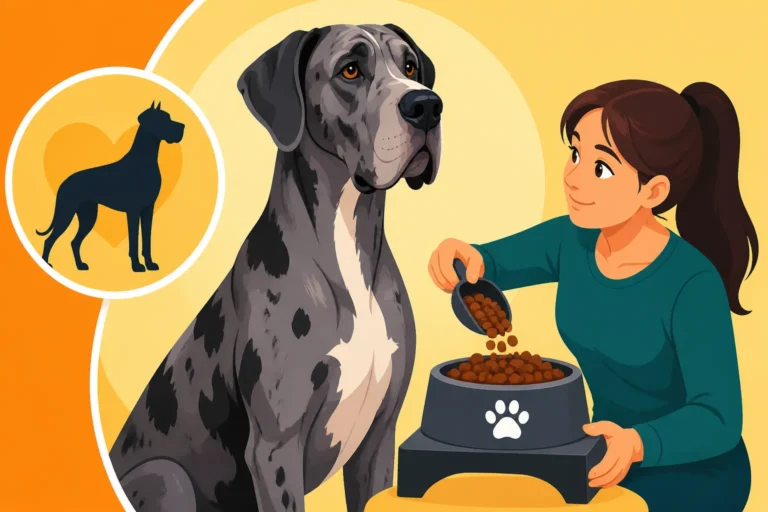
What goes into your Great Dane's bowl has a direct impact on the health and luster of their coat. A high-quality diet, rich in essential fatty acids like Omega-3 and Omega-6, is crucial. Look for foods that list animal protein as the first ingredient and avoid fillers or artificial additives. A diet lacking in proper nutrition can lead to dull, brittle hair and excessive shedding. Brands like Ollie, known for their fresh, human-grade ingredients, often emphasize balanced nutrition that can benefit skin and coat health. When considering your dog's diet, you might also be curious about Whether a Great Dane Needs High Protein.
Beyond a balanced diet, certain supplements can give your Great Dane's coat an extra boost. Fish oil, in particular, is widely recommended for its Omega-3 content, which supports healthy skin and a shiny coat while potentially reducing inflammation. Zinc and biotin are also beneficial for skin and hair health. Always consult your veterinarian before adding any supplements to your dog's diet, as they can recommend appropriate dosages for your giant breed. A healthy coat truly reflects a healthy dog, and a gleaming, soft coat is often the first indicator that their internal health is thriving. Consider adding Fish Oil for a Great Dane to their regimen.
The Role of Bathing in Shedding Management
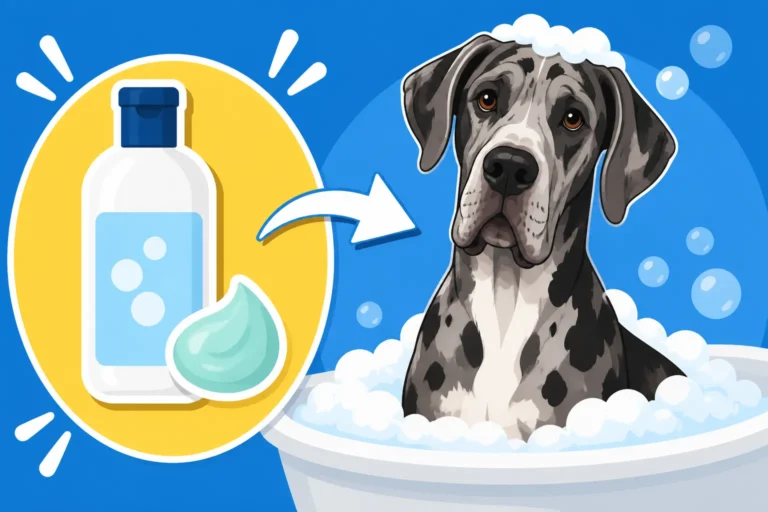
While Great Danes aren't known for needing frequent baths, a strategic bath can be incredibly helpful in managing shedding. Bathing helps to loosen and remove dead hair that brushing alone might miss, especially during heavy shedding cycles. Aim for a bath every 4-6 weeks, or as needed, depending on how dirty your Dane gets and how much they're shedding. Use a good quality dog shampoo that is moisturizing and formulated for sensitive skin. Harsh shampoos can strip natural oils, leading to dry, irritated skin and potentially more shedding. You might want to know How Much Shampoo a Great Dane Bath Takes.
During the bath, really work the shampoo into their coat and skin with your fingers or a rubber curry mitt to help dislodge as much loose hair as possible. Rinse thoroughly to ensure no shampoo residue is left behind, as this can irritate the skin. After the bath, towel dry your Great Dane vigorously, and then follow up with a good brushing session once they're mostly dry. You'll be amazed at how much hair comes out! This combination of bathing and brushing can significantly reduce the amount of loose hair that ends up on your floors. For more detailed instructions, refer to Bathing a Great Dane at Home.
Addressing Skin Sensitivities and Dryness
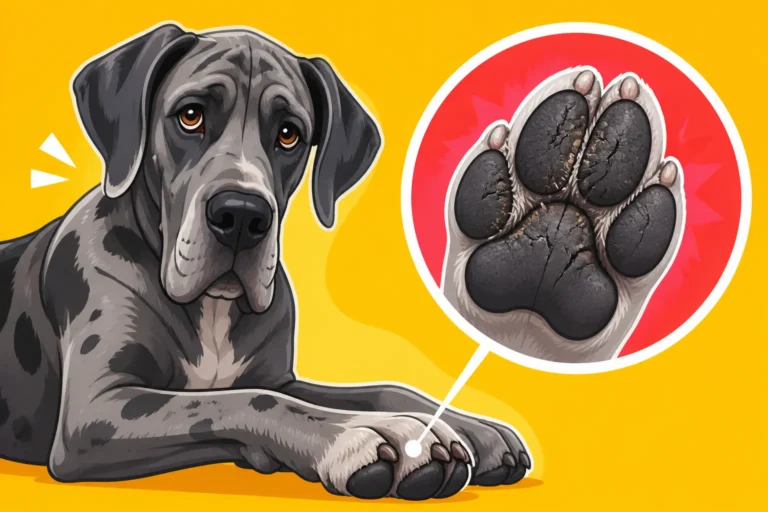
Great Danes can sometimes be prone to sensitive skin or dryness, which can exacerbate shedding and lead to other issues. Regular brushing helps to distribute natural skin oils, which acts as a natural conditioner. If you notice persistent dry, flaky skin, or excessive scratching, it's worth a visit to your vet to rule out allergies, fungal infections, or other dermatological conditions. Sometimes, changes in environment, diet, or even certain household products can trigger skin sensitivities. Be mindful of Dandruff on a Great Dane's Back or other irritated areas.
Providing soft, comfortable bedding can also help prevent pressure sores or calluses that can sometimes lead to skin issues on elbows and hocks, which indirectly affects overall skin health. Keeping a Great Dane's Bed Clean is also important to prevent skin irritations. If your Great Dane is experiencing A Great Dane That Thickens and Loses Hair, this could be a sign of an underlying health issue requiring veterinary attention. Ensuring their skin stays healthy and hydrated is just as important as maintaining their coat itself. Moisturizing shampoos, conditioners, or vet-prescribed topical treatments can be beneficial for Danes with chronic dryness.
Dealing with the Aftermath: Cleaning Up Great Dane Hair
Let's face it: no matter how diligently you brush, some Great Dane hair is going to end up in your home. It's just a fact of living with these wonderful giants. However, there are strategies you can employ to minimize its impact and keep your living space as hair-free as possible. It's about proactive cleaning and choosing the right tools for your home.
Strategies for Minimizing Hair Around the House
First and foremost, consistent brushing is your primary defense against a furry home. The more hair you remove directly from your Great Dane, the less there will be to shed onto your furniture and floors. Beyond that, consider covering furniture with washable throws or blankets. These can be easily tossed into the laundry, trapping hair before it embeds into your upholstery. You might be surprised at How Much Hair a Great Dane Drops on a daily basis.
Regular vacuuming is non-negotiable. For Great Dane owners, a powerful vacuum designed for pet hair is a worthwhile investment. Look for models with strong suction and specialized attachments for upholstery. Robot vacuums can also be a godsend, running daily to pick up surface hair before it builds up. For hard floors, a microfiber mop or electrostatic sweeper can effectively gather stray hairs without just pushing them around. Don't forget to regularly clean their bedding, as this is often a major collection point for loose fur. These habits make a big difference in managing Great Dane Hair on Furniture and Floors.
Dander and Allergy Considerations
Shedding isn't just about the hair itself; it's also about dander, which are tiny flakes of dead skin that get released with the hair. Dander is a common allergen for people sensitive to dogs. While Great Danes are not "hypoallergenic," managing their shedding and dander can help reduce allergic reactions in susceptible individuals. Consistent brushing, especially outdoors if possible, helps to remove dander before it circulates throughout your home.
Beyond brushing, regularly washing your Great Dane's bedding in hot water can help remove dander and allergens. Air purifiers with HEPA filters can also be beneficial in trapping airborne dander particles. Frequent vacuuming with a HEPA-filtered vacuum cleaner further helps to remove these microscopic irritants from carpets and upholstery. If someone in your household has significant dog allergies, discuss management strategies with your doctor and veterinarian, as a comprehensive approach is often needed.
When to Seek Professional Grooming Help
While most Great Dane grooming can be done at home, there are times when seeking professional help is a good idea. If your Great Dane develops a persistent skin condition that seems linked to their coat, or if you're struggling to manage their shedding despite a consistent routine, a professional groomer or your veterinarian can offer valuable insights. Groomers have specialized tools and techniques for deshedding that can be particularly effective during heavy shedding seasons, providing a deep clean and de-shed that's hard to replicate at home, especially with a giant dog.
Additionally, if your Great Dane is particularly anxious about grooming, a professional groomer often has the experience and patience to work with nervous dogs, making the experience less stressful for everyone involved. They can also offer advice on specific products or routines tailored to your dog's unique coat and skin needs. Don't hesitate to reach out to a professional; sometimes a fresh perspective and expert touch are exactly what you need to keep your Great Dane's coat in tip-top condition.
Disclaimer
This article is for general informational purposes only and does not constitute professional advice. Laws, prices and regulations vary by location and change over time. Consult a qualified professional for guidance on your specific situation.