Fish Oil for a Great Dane
As Great Dane owners, we're constantly on the lookout for anything that can give our gentle giants an edge when it comes to health and longevity. With their unique needs and predispositions to certain conditions, it's easy to feel overwhelmed by the sheer volume of advice out there. Many of us hear about the benefits of fish oil and wonder if it's truly a secret weapon for our big dogs. This guide is here to cut through the noise, explaining exactly why fish oil is often recommended for Great Danes, what to look for, and how to use it effectively and safely.
Why Great Dane Owners Consider Fish Oil
It's a common refrain in the Great Dane community: "What can I do to keep my dog healthy?" With a breed known for its The Seven to Ten Year Great Dane Lifespan, owners often feel a profound sense of urgency to provide the best possible care. Fish oil, a rich source of omega-3 fatty acids, frequently comes up in discussions as a natural supplement with a wide array of potential benefits. From supporting creaky joints to promoting a lustrous coat, the anecdotal evidence often sounds too good to pass up. But let's dive into the specifics of why it garners so much attention from Dane parents like us.
Supporting Joint Health
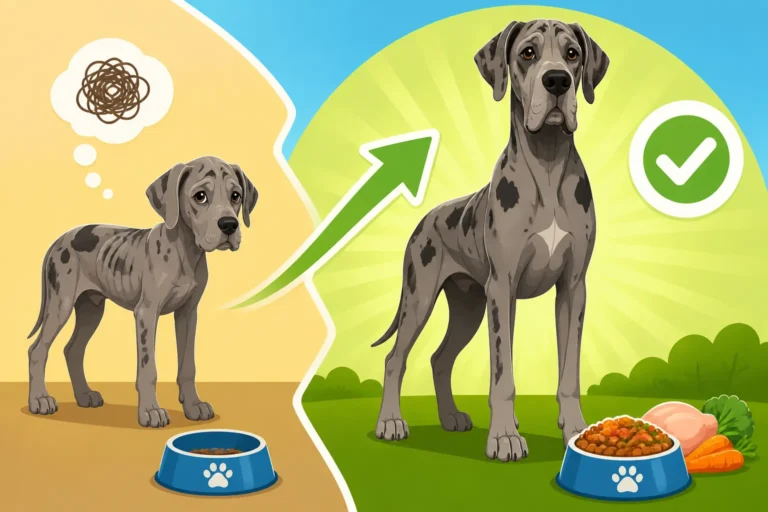
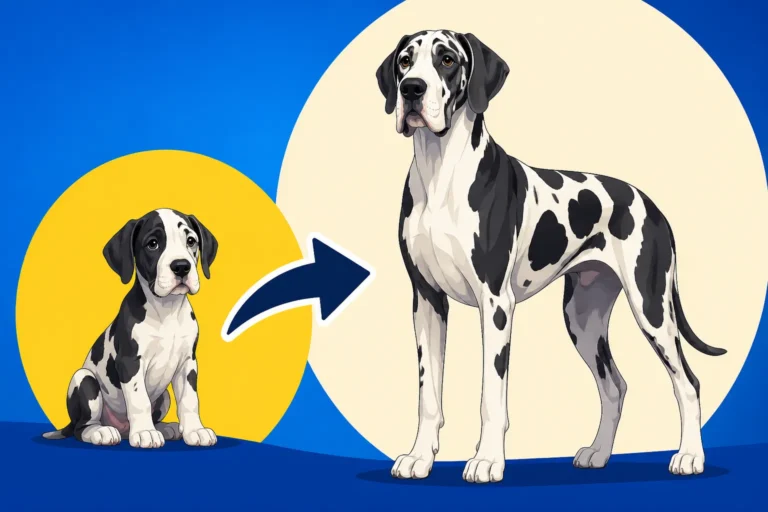
One of the most persistent worries for Great Dane owners is the health of their dog's massive joints. Our Danes grow at an astonishing rate, and this rapid growth puts immense stress on their developing bones and cartilage. Later in life, this can manifest as arthritis or other orthopedic issues. It's truly heartbreaking to watch a dog, especially one so powerful, struggle with mobility. That's where the anti-inflammatory properties of omega-3s, particularly EPA (eicosapentaenoic acid), come into play. Many believe these fatty acids can help reduce inflammation in the joints, easing discomfort and potentially slowing the progression of degenerative joint diseases.
Think about your own experiences with aches and pains; sometimes, a natural anti-inflammatory can make all the difference. While it's certainly not a cure-all, many owners report a noticeable improvement in their Great Dane's comfort and willingness to move, especially in older dogs or those already showing signs of stiffness. It’s about supporting their natural bodily functions and providing a building block for healthy joint tissues. Ensuring your Dane's joints are well-supported from a young age is crucial, as conditions like Great Dane Hips, Elbows and Growing Joints can emerge early.
For Great Danes prone to or already experiencing conditions like hip and elbow dysplasia or general Arthritis in a Six-Year-Old Great Dane, fish oil is often seen as a cornerstone of a multi-faceted approach to joint management. This might include specific joint supplements, appropriate exercise, and maintaining a lean body condition. The goal isn't to replace veterinary treatment but to complement it, offering daily support that can improve their quality of life.
Skin and Coat Benefits
Beyond the internal workings of joints, many Great Dane owners are drawn to fish oil for its visible effects on their dog's exterior. We all want our Danes to look as magnificent as they feel, and a dull, flaky coat or itchy skin can really detract from their majestic appearance. It can be frustrating when you're doing everything right with their diet, yet their skin still seems dry or they're constantly scratching. Fish oil is widely recognized for its role in promoting healthy skin barrier function and contributing to a shiny, soft coat.
The omega-3s help to reduce inflammation in the skin itself, which can be a huge relief for dogs suffering from allergies, hot spots, or general dryness. Imagine how much better your dog would feel without that constant itch! A healthy skin barrier also means better protection against environmental irritants and allergens. Plus, let’s be honest, who doesn't love running their hands through a silky, gleaming Great Dane coat? It's a clear indicator of overall health, and fish oil can play a significant role in achieving that vibrant look.
This benefit isn't just cosmetic; healthy skin and coat are vital for a dog's comfort and well-being. A strong, healthy coat sheds less and is more resilient, which is particularly helpful given How Much Hair a Great Dane Drops on a regular basis. You might find yourself reaching for the vacuum a little less often and enjoying more cuddle time without worrying about skin irritation.
Potential Cardiac Support
This is where the conversation around fish oil for Great Danes becomes even more critical, given our breed's unfortunate predisposition to certain heart conditions. Dilated Cardiomyopathy (DCM) is a heartbreaking reality for many Great Dane families, where the heart muscle weakens and becomes enlarged, struggling to pump blood effectively. Anything that might offer even a glimmer of hope in supporting heart health is usually met with intense interest. This is why many Great Dane owners routinely ask about supplements that could potentially help.
Omega-3 fatty acids, particularly EPA and DHA, have been studied for their potential cardiovascular benefits in both humans and animals. While fish oil is not a cure for DCM, some veterinarians recommend it as a supportive therapy for Great Danes diagnosed with heart conditions or those at high risk. The theory is that omega-3s can help reduce cardiac inflammation, support heart muscle function, and even help regulate heart rhythm. It's a proactive measure many owners feel compelled to take, especially when facing something as serious as The Heart Muscle Disease Great Danes Are Prone To.
Of course, any discussion of cardiac health for a Great Dane absolutely must involve a veterinary cardiologist. They are the experts who can guide you on the best course of action, which might include specific medications like Medication for a Great Dane With DCM alongside supportive supplements. Fish oil, in this context, is typically part of a broader, vet-supervised management plan, not a standalone treatment. Regular Screening a Great Dane's Heart Each Year is fundamental to catching any issues early.
Understanding Omega-3s: EPA and DHA
When you start looking into fish oil, you'll quickly encounter terms like EPA and DHA. These aren't just fancy acronyms; they are the active components of omega-3 fatty acids that provide the therapeutic benefits. It's not enough to just buy "fish oil"; understanding the specific types and amounts of these fatty acids is paramount, especially when you're dosing for a dog the size of a Great Dane. Getting the right balance and quality is crucial for effectiveness and safety.
The Difference Between Fish Oils and Flaxseed Oil
This is a common point of confusion for many pet parents. Both fish oil and flaxseed oil are sources of omega-3s, but there's a significant difference in how a dog's body can utilize them. Fish oil provides EPA and DHA directly, which are the readily available and biologically active forms of omega-3s. Our dogs, particularly giant breeds, can efficiently use these forms.
Flaxseed oil, on the other hand, contains alpha-linolenic acid (ALA), which is a precursor to EPA and DHA. For dogs to benefit from ALA, their bodies must convert it into EPA and DHA. The problem is, dogs are not very efficient at this conversion process. While flaxseed oil isn't bad for them, it's simply not as effective as fish oil for delivering the therapeutic levels of EPA and DHA that a Great Dane's body might need for significant joint or heart support. When you're dealing with conditions common in Great Danes, you want the most potent and bioavailable form of these essential fatty acids. Therefore, for serious health concerns, fish oil is almost always the preferred choice.
| Omega-3 Source | Primary Omega-3 Type | Key Active Components | Dog Bioavailability | Common Uses for Great Danes |
|---|---|---|---|---|
| Fish Oil | EPA, DHA | Eicosapentaenoic Acid, Docosahexaenoic Acid | High | Joint support, cardiac health, skin & coat health |
| Flaxseed Oil | ALA | Alpha-Linolenic Acid | Low | General nutritional support (less effective for specific therapeutic benefits) |
Dosage Considerations for a Giant Breed
Dosing a Great Dane is almost always a different ballgame than dosing a smaller dog. What works for a Chihuahua simply won't cut it for a 150-pound Dane. This is where many owners get frustrated because standard dosing instructions on pet supplements often don't account for the unique scale of a giant breed. Providing too little fish oil means you won't see any benefits, but giving too much can lead to unintended side effects.
When calculating the dose, you're not just looking at "fish oil"; you need to look at the total amount of EPA and DHA per serving. Most veterinarians recommend a therapeutic dose of combined EPA and DHA based on your dog's weight and the specific condition you are trying to address. This often translates to a much higher volume of fish oil than you might initially expect. It's absolutely crucial to work with your vet on this. They can help you determine the appropriate daily intake to achieve the desired effect without overdoing it. Remember, consistency is key; a consistent, appropriate dose is far more beneficial than sporadic, incorrect dosing. Don't be shy about asking your vet for precise numbers when you're Weighing a Great Dane's Ration and considering supplements.
Quality Matters: Purity and Potency
Just like with human supplements, not all fish oils are created equal. This is especially true when it comes to a large breed dog like a Great Dane, who will be consuming a significant amount of the product over their lifetime. The quality of the fish oil can vary dramatically, impacting its safety, efficacy, and even taste. It’s incredibly important to be a savvy consumer here.
One of the biggest concerns with fish oil is the potential for contaminants. Fish, especially larger, longer-lived species, can accumulate heavy metals like mercury and other environmental toxins. Reputable manufacturers will purify their fish oil to remove these harmful substances. Look for products that clearly state they are "molecularly distilled" or "third-party tested" for purity, ensuring they are free from heavy metals, PCBs, and dioxins. Products from brands like Nordic Naturals or Carlson Labs are often mentioned in Great Dane owner groups for their commitment to quality.
Potency also plays a huge role. You want a fish oil that provides a concentrated amount of EPA and DHA so you're not having to give your Great Dane an unreasonable volume of liquid or a huge handful of capsules every day. Check the label for the exact milligrams of EPA and DHA per serving, not just the total fish oil amount. A higher concentration means better value and easier administration. Investing in a high-quality fish oil might mean a slightly higher upfront cost, but it ensures you're giving your beloved Great Dane a safe and effective supplement.
Safely Incorporating Fish Oil into Your Great Dane's Diet
Okay, so you've decided to give fish oil a try for your Great Dane. That's a great step towards proactive health management! But how do you actually get this slippery stuff into them without a major struggle, and what should you be looking for on those product labels? Getting it right involves a bit of research and a commitment to consistency. It’s not just about buying the first bottle you see on the shelf; it's about making an informed choice that will genuinely benefit your giant companion.
Choosing the Right Product
The sheer number of fish oil products out there can be dizzying. When you're standing in the pet aisle, or browsing online on sites like Chewy or Amazon, it's easy to get overwhelmed. For Great Danes, you want to prioritize purity, potency, and sustainability. As mentioned, always look for products that specifically list the amounts of EPA and DHA, not just a generic "omega-3" total. A good quality fish oil will have high concentrations of these active ingredients, reducing the amount you need to administer.
Source matters, too. Fish oils derived from smaller, wild-caught fish like anchovies, sardines, and mackerel are generally preferred because they have shorter lifespans and thus accumulate fewer toxins than larger fish like tuna or salmon. Some brands also offer "krill oil," which is another source of omega-3s, sometimes boasting better absorption, though often at a higher price point. Always check for certifications or statements regarding third-party testing for heavy metals and contaminants. This transparency is a hallmark of a trustworthy product. Don't hesitate to reach out to the manufacturer if you have questions about their sourcing or purification processes.
Administering Fish Oil: Liquids vs. Capsules
Once you have your high-quality fish oil, the next hurdle is getting your Great Dane to actually consume it. This can be surprisingly tricky with a dog so large, especially if they're picky! You generally have two main options: liquid oil or capsules.
Liquid fish oil is often more economical for a giant breed because you can measure out the exact large dose needed. It’s also usually easier to mix into food. Many Great Danes will happily gobble down their kibble or fresh food mixed with a healthy drizzle of fish oil. If your Dane eats Fresh Delivered Food at Great Dane Volume, integrating liquid fish oil should be a breeze. However, liquid oil can be messy, and it’s more prone to oxidation once opened, meaning it can go rancid faster if not stored properly (usually in the refrigerator). If it smells overwhelmingly fishy, it’s probably gone bad.
Capsules, on the other hand, are convenient and don't require refrigeration, staying fresh longer. They're also less messy. The downside is that for a Great Dane, you might need to give multiple large capsules per day, which can become a chore. Some dogs will swallow them whole with their food, while others will meticulously eat around them. If your Dane is a capsule-avoider, you might have to hide them in a treat or a dollop of yogurt, which adds another layer of effort. Ultimately, the best method is the one your Great Dane tolerates best and that you can consistently maintain.
Monitoring for Side Effects
Even though fish oil is a natural supplement, it's not without potential side effects, especially in a dog as sensitive as a Great Dane. The most common issues are gastrointestinal in nature. Too much fish oil, or a sudden introduction, can lead to loose stools, diarrhea, or an upset stomach. This is why it's always best to start with a lower dose and gradually increase it over a week or two, allowing your Great Dane's digestive system to adjust.
Another potential side effect is a fishy odor to their breath or skin. While some mild "fish breath" is to be expected, a strong, pervasive odor might indicate an issue with the product quality or an individual sensitivity. In very rare cases, high doses of fish oil can interfere with blood clotting, so if your Great Dane is on any blood-thinning medications or is scheduled for surgery, it's absolutely crucial to discuss fish oil supplementation with your vet beforehand.
Always be observant after introducing any new supplement. Keep an eye on their appetite, stool consistency, energy levels, and any changes in their skin or behavior. If you notice anything concerning, reduce the dose or discontinue use and consult your veterinarian. Their guidance is invaluable for maintaining your Great Dane's well-being.
Common Misconceptions and Important Considerations
As a Great Dane owner, you've probably heard a million different opinions on what's best for your dog. It's easy to get caught up in the hype surrounding certain supplements, and fish oil is no exception. While it offers undeniable benefits, it's important to approach its use with a realistic perspective. Understanding its limitations and potential interactions is just as vital as knowing its advantages. Let's debunk some common myths and ensure you're making the most informed choices for your gentle giant.
Not a Magic Bullet for All Ailments
This is perhaps the biggest misconception out there regarding fish oil, or any supplement for that matter. While fish oil can be a powerful tool for supporting your Great Dane's health, it is not a magic cure-all for every ailment. It's a supplement, designed to supplement a balanced diet and a healthy lifestyle, not replace them. If your Great Dane is suffering from severe joint pain, a serious heart condition, or a persistent skin issue, fish oil alone is unlikely to solve the problem.
Think of it this way: fish oil can help reduce inflammation, which can alleviate symptoms and support healing, but it won't fix structural damage to a joint or reverse advanced heart disease. It's a supportive therapy, not a primary treatment for serious medical conditions. Relying solely on fish oil instead of seeking proper veterinary diagnosis and treatment can delay critical interventions and potentially worsen your Great Dane's condition. For instance, while it supports joints, it won't prevent all forms of Growth Disorders in a Great Dane Puppy or instantly cure lameness. Always consult your vet for any significant health concerns.
Interacting with Other Medications
Another crucial point often overlooked is the potential for fish oil to interact with other medications your Great Dane might be taking. Because fish oil can have an impact on blood clotting, it's particularly important to discuss its use if your dog is on any anticoagulants (blood thinners) or certain anti-inflammatory drugs. Combining these could potentially increase the risk of bleeding.
Furthermore, if your Great Dane is undergoing any type of surgery, even a routine procedure like a dental cleaning that requires Anesthesia Risk in a Great Dane, your vet might recommend discontinuing fish oil a week or two beforehand to minimize any clotting interference. This is why a full and open conversation with your veterinarian about all supplements and medications your Great Dane is taking is non-negotiable. They can advise you on potential interactions and adjust dosages as needed, ensuring your dog's safety and optimal health. Never assume a "natural" supplement is harmless when combined with prescription drugs.
The Importance of Vet Consultation
I really cannot stress this enough: your veterinarian is your absolute best resource when it comes to your Great Dane's health, and that includes discussing supplements like fish oil. While reading articles and talking to other Dane owners (myself included!) can provide valuable insights, nothing replaces personalized professional advice. Your vet knows your Great Dane's medical history, current health status, and any predispositions specific to their genetics.
Before you start any new supplement regimen, especially for a giant breed with specific health challenges, schedule a chat with your vet. They can help you determine if fish oil is appropriate for your dog's individual needs, recommend specific products, advise on the correct dosage of EPA and DHA, and discuss any potential interactions with existing medications or health conditions. They can also help you understand what results to realistically expect and when to adjust or discontinue the supplement. For a breed with such unique needs and vulnerabilities, a collaborative approach with your veterinary team is truly the cornerstone of good care. This is especially true when considering broader care strategies like The Health Testing a Great Dane Breeder Owes You or Caring for a Great Dane Past Six, where a vet's perspective is invaluable.
Disclaimer
This article is for general informational purposes only and does not constitute professional advice. Laws, prices and regulations vary by location and change over time. Consult a qualified professional for guidance on your specific situation.