Whether a Great Dane Needs High Protein
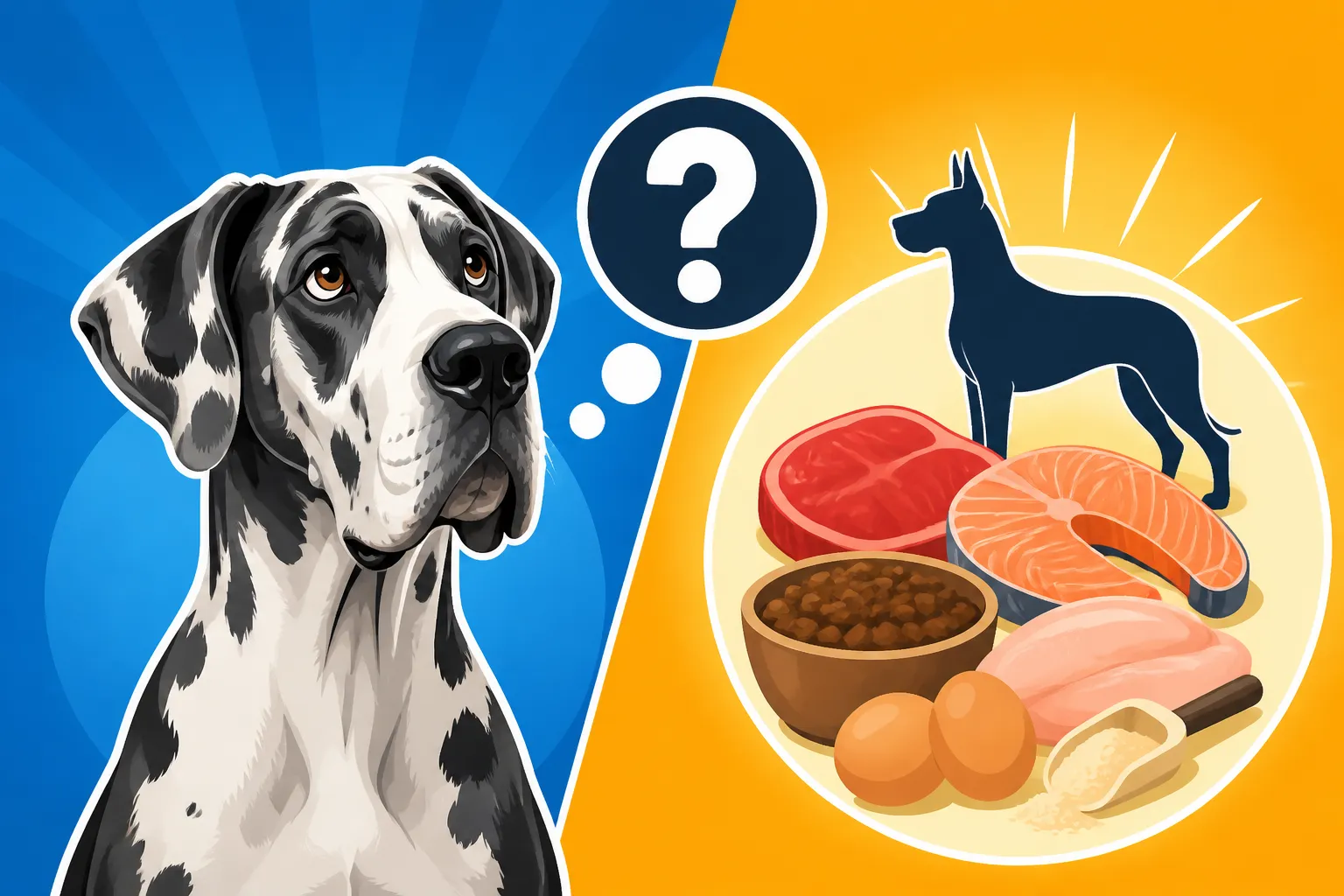
It's a common thought when you look at a majestic, powerful Great Dane: surely such a large, muscular dog needs a diet packed with protein to support its incredible size. Many of us automatically assume bigger dogs mean more of everything, especially protein. But the truth about a Great Dane's protein needs is a little more nuanced than just "the more, the better," and understanding this is absolutely crucial for their long-term health, especially during those critical growth years. This guide will help you sort through the common misconceptions and discover the optimal protein approach for your gentle giant.
Understanding Protein's Essential Role for Great Danes
Protein is, without a doubt, a fundamental building block for every living creature, and our Great Danes are no exception. It's vital for constructing and repairing tissues, from strong muscles and healthy skin to lustrous coats and robust immune systems. For a breed that grows as rapidly and reaches the sheer scale of a Great Dane, the quality and amount of protein in their diet play a massive role in their development and ongoing well-being.
Why Protein is Crucial, But Not Always "More is Better"
Think of protein as the bricks in a house. You need good quality bricks, and enough of them, to build a sturdy home. But simply having an excessive amount of bricks doesn't necessarily make the house stronger; in fact, it can sometimes lead to issues if the other components, like the mortar and the foundation, aren't balanced properly. For Great Danes, protein supplies essential amino acids that their bodies can't produce on their own. These amino acids are crucial for muscle development, enzyme production, hormone regulation, and supporting a healthy metabolism. Without adequate protein, a Great Dane could suffer from poor muscle mass, a dull coat, weakened immunity, and a host of other health problems.
However, the "more is better" mentality often goes awry, particularly with large and giant breeds. While protein is essential, the rate at which a Great Dane grows is also a critical factor. Too much of certain nutrients, including protein, can inadvertently encourage overly rapid growth, which can put undue stress on their developing bones and joints. This is a delicate balance, and it’s why understanding the specific needs of a Great Dane, rather than just treating them like a bigger version of a smaller dog, is so important.
Common Misconceptions About High-Protein Diets for Giant Breeds
One of the biggest misconceptions I hear is that a high-protein diet will build more muscle and make a Great Dane stronger. While protein is certainly necessary for muscle, simply increasing its percentage beyond what's truly needed won't magically create a super-dane. What it can do, especially in puppies, is contribute to an overall higher calorie intake, which in turn fuels faster growth. And as any experienced Great Dane owner knows, fast growth is something we actively try to avoid.
Another common myth is that high protein is somehow detrimental to kidney health in healthy dogs. While dogs with pre-existing kidney disease may require protein restriction under veterinary guidance, there is generally no evidence to suggest that appropriate protein levels are harmful to healthy kidneys. The concern for Great Danes isn't typically kidney damage from normal protein intake, but rather the potential for rapid growth and associated orthopedic issues if protein levels are excessive in conjunction with high calories, particularly during puppyhood. We want controlled, steady growth, not explosive gains. It's about finding that sweet spot for their unique physiological needs.
Protein Requirements: Great Dane Puppies vs. Adults
The nutritional needs of a Great Dane shift dramatically as they mature. What's appropriate for a rapidly growing puppy is quite different from what an adult or senior dog requires. Understanding these distinctions is fundamental to providing them with the best possible care.
Protein for Growing Great Dane Puppies: Slow and Steady Wins the Race
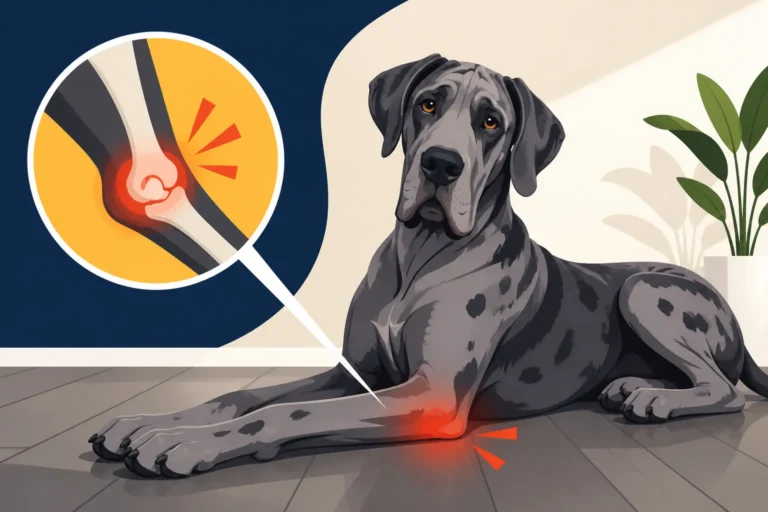
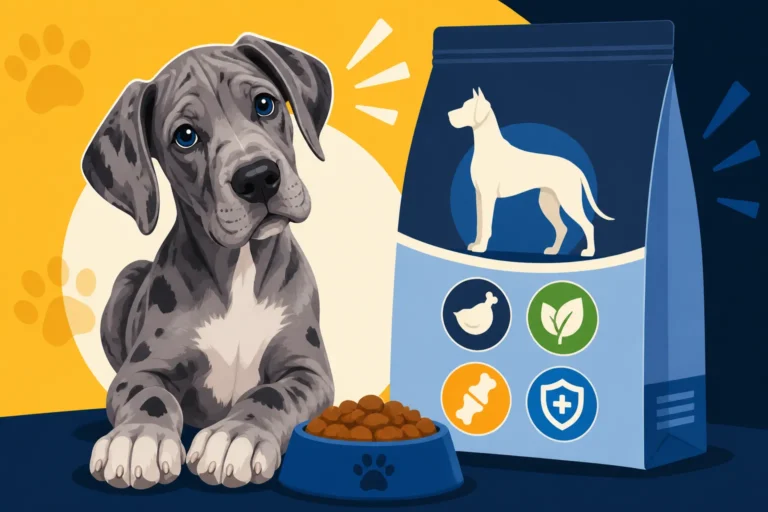
This is perhaps the most critical stage for getting protein right. Great Dane puppies grow at an astonishing rate, sometimes gaining several pounds a week! However, unlike smaller breeds where rapid growth might be encouraged, for giant breeds like the Great Dane, controlled, slower growth is paramount to preventing serious orthopedic problems like osteochondritis dissecans (OCD) or hypertrophic osteodystrophy (HOD). This is why choosing a puppy food specifically formulated for large or giant breeds is non-negotiable. These specialized foods are designed with carefully calibrated levels of protein, fat, calcium, and phosphorus.
For a Great Dane puppy, you're generally looking for a protein content in the range of 23-26% on a dry matter basis. This might seem "lower" than some of the "all life stages" or "performance" puppy foods you see, but it's deliberately set to support their muscle development without promoting excessive growth spurts. It's about providing enough high-quality protein to build their magnificent frame without over-stressing their still-developing bones and joints. Remember, their bones are still soft cartilage for a long time, and forcing them to bear too much weight too quickly can have lasting, painful consequences. For more on this, check out Why a Great Dane Puppy Should Grow Slowly. It also explains Why Regular Puppy Food Hurts a Great Dane.
Adult Great Danes: Maintaining Muscle Without Overload
Once your Great Dane reaches maturity, typically around 18-24 months of age, their protein needs stabilize. At this point, the focus shifts from building a frame to maintaining that impressive muscle mass, supporting their energy levels, and keeping their body systems running smoothly. For adult Great Danes, a protein range of around 18-25% on a dry matter basis is generally considered appropriate. The exact percentage can vary depending on their individual activity level, metabolism, and overall health. A very active working Dane might benefit from the higher end of that range, while a more sedentary couch potato might do perfectly well on the lower end.
The quality of the protein sources also becomes incredibly important. Look for foods where identifiable meat sources like chicken, beef, lamb, or fish are listed as the first few ingredients. These provide highly digestible amino acids that are readily utilized by your dog's body. If you're feeding a commercial kibble, you can often find suitable options on online retailers like Chewy, which carries a wide range of formulas tailored for large breeds. For more detail on what to look for, the article Protein and Fat Levels for a Great Dane offers further insights.
How to Choose the Right Protein Levels in Great Dane Food
Navigating the vast world of dog food can feel overwhelming, especially when you're trying to make the best decisions for a breed with such specific needs. Knowing how to read labels and what to prioritize in ingredients can make all the difference.
Reading Food Labels: What Percentages Mean for Your Dane
When you pick up a bag of dog food, you'll see a guaranteed analysis that lists percentages for crude protein, crude fat, crude fiber, and moisture. The protein percentage listed is usually a "minimum crude protein." This is important, but it's listed on an "as fed" basis, meaning it includes the moisture content of the food. To get a more accurate comparison, especially between dry kibble and wet food, you need to calculate the "dry matter basis" (DMB).
Here's a simple way to do it:
- Find the moisture percentage on the label. Let's say it's 10%.
- Subtract the moisture from 100% to find the dry matter: 100% – 10% = 90% dry matter.
- Divide the crude protein percentage by the dry matter percentage, then multiply by 100. So, if crude protein is 25% and dry matter is 90%: (25 / 90) * 100 = ~27.8% protein on a dry matter basis.
This dry matter basis gives you a truer picture of the nutrient concentration. For Great Dane puppies, aim for foods that calculate to 23-26% DMB, and for adults, 18-25% DMB. Don't get caught up in marketing claims; do the math yourself. What to Look For on a Great Dane Puppy Food Bag delves deeper into label reading specifics.
Balanced Diets and Quality Protein Sources
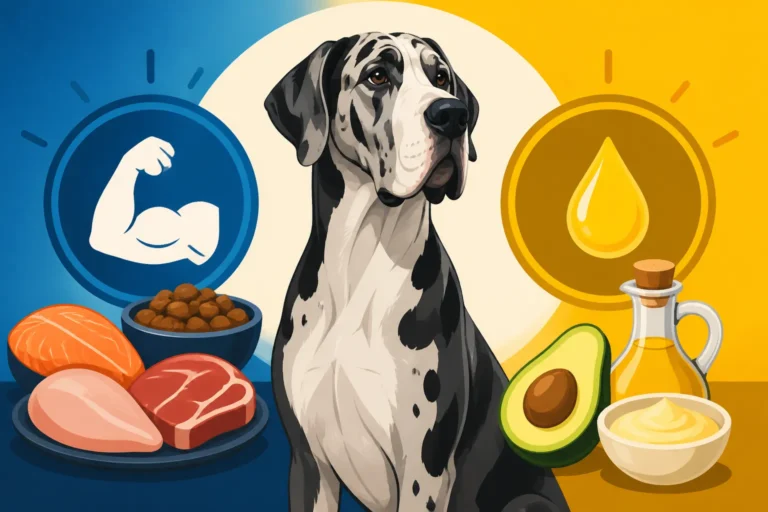
Beyond just the percentage, the quality of the protein source is paramount. High-quality protein comes from identifiable animal sources like muscle meat, organ meat, and eggs. Avoid foods that list "meat meal" or "by-products" as the sole or primary protein sources, without specifying the animal. While some meat meals (e.g., "chicken meal") can be concentrated protein sources, vague terms can be a red flag. Look for named meat ingredients at the top of the list.
A truly balanced diet for a Great Dane also includes appropriate levels of fat for energy and healthy skin, carbohydrates for sustained energy, and a precise balance of vitamins and minerals. For instance, calcium and phosphorus ratios are incredibly important for growing Great Danes to prevent skeletal issues. This is why specialized giant breed formulas are so often recommended over generic "all life stages" foods.
Some owners prefer to explore fresh food options, which can offer highly digestible protein sources. Companies like Ollie often customize meal plans based on your dog's breed, age, and activity level, potentially providing a carefully balanced fresh diet. Always consult with your veterinarian before making significant dietary changes, especially if you're considering a homemade or raw diet, to ensure it's nutritionally complete and balanced for your Great Dane's unique needs.
Potential Risks of Excessive Protein in Great Danes
While protein is indispensable, like many good things, too much can indeed be detrimental, especially for a large breed with specific growth dynamics. The risks associated with excessive protein for Great Danes primarily revolve around their development and overall metabolic load, rather than just isolated organ damage.
Impact on Overall System and Growth Concerns
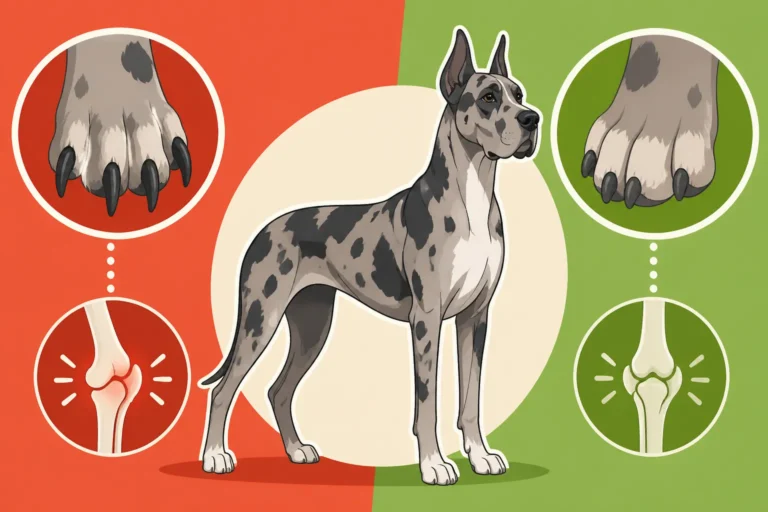
The most significant concern with feeding overly high protein levels to a Great Dane, particularly a puppy, ties back to growth. Excess protein often comes hand-in-hand with excess calories. When a giant breed puppy consumes too many calories, it can grow too rapidly, leading to skeletal development issues. Their bones and joints simply aren't designed to support such fast, heavy growth without potentially suffering damage. This accelerated growth can result in conditions like hip and elbow dysplasia, as well as the aforementioned OCD and HOD, which can cause lifelong pain and expensive veterinary treatments. The article Why Fast Growth Wrecks Great Dane Joints really dives into this.
For adult Great Danes, while the risks of orthopedic issues from rapid growth are behind them, a diet excessively high in protein might still contribute to an imbalance in their overall nutrition. While a healthy dog's kidneys are capable of processing higher protein, continuously pushing the upper limits can place a greater metabolic demand on the system. It's not about outright damage in healthy dogs, but rather ensuring their body isn't working harder than it needs to, and that other vital nutrients aren't being inadvertently short-changed.
Nutritional Imbalances and How to Avoid Them
Beyond just the protein percentage, an imbalanced diet can occur if one nutrient dominates too much. For example, if you're attempting to boost protein with supplements or by adding large quantities of meat to an already complete commercial diet, you might inadvertently throw off the crucial calcium-to-phosphorus ratio or dilute other essential vitamins and minerals. These ratios are incredibly delicate for growing Great Danes, and errors can lead to serious bone development problems. For instance, too much calcium can be just as problematic as too little. You can learn more about this in Whether a Great Dane Needs Bone Supplements.
To avoid these imbalances, the best approach is to select a high-quality commercial dog food specifically formulated for large or giant breed puppies or adults, depending on your dog's age. These foods are scientifically designed to provide balanced nutrition, including appropriate protein levels. Always use measuring cups to ensure you're feeding the correct portion size according to the manufacturer's guidelines, adjusted to your dog's body condition. The Calorie Load a Great Dane Actually Needs will help you understand how to match food to your dog's activity levels.
Here's a quick reference table for general protein guidelines:
| Stage of Life | Recommended Crude Protein (Dry Matter Basis) | Key Considerations |
|---|---|---|
| Great Dane Puppy | 23-26% | Supports controlled, slow growth; balanced calcium/phosphorus is crucial |
| Adult Great Dane | 18-25% | Maintains muscle mass; adjust based on activity level; high-quality sources best |
| Senior Great Dane | 18-25% (or as vet advises) | Focus on digestibility; may need lower calorie if less active; high quality protein |
Remember, this isn't about avoiding protein; it's about choosing appropriate protein levels and quality sources to support the unique needs of your magnificent Great Dane throughout their life. Always observe your dog's body condition, energy levels, and stool quality, and consult with your veterinarian for personalized dietary advice.
Disclaimer
This article is for general informational purposes only and does not constitute professional advice. Laws, prices and regulations vary by location and change over time. Consult a qualified professional for guidance on your specific situation.