Why a Great Dane’s Short Coat Sheds a Lot
Many Great Dane owners are caught off guard, assuming that because their dog has such a sleek, short coat, shedding won't be a major concern. It's a common misconception that often leads to frustration when you find yourself constantly battling a blizzard of fine, stiff hairs throughout your home. This guide dives deep into why your magnificent Great Dane sheds so much, exploring the biological reasons, environmental influences, and practical strategies you can implement to manage this often overwhelming aspect of living with a giant breed.
Understanding the Great Dane's Coat Structure
It's easy to look at a Great Dane's short, smooth fur and think it's low maintenance. Compared to breeds with long, flowing locks or thick double coats, you might expect minimal shedding. However, this perception can be quite misleading. The reality is that a Great Dane's coat, while short, is incredibly efficient at shedding, and understanding its unique characteristics is the first step to managing the hair that ends up on your sofa, your clothes, and well, pretty much everywhere.
The Dynamics of a Short, Single Coat
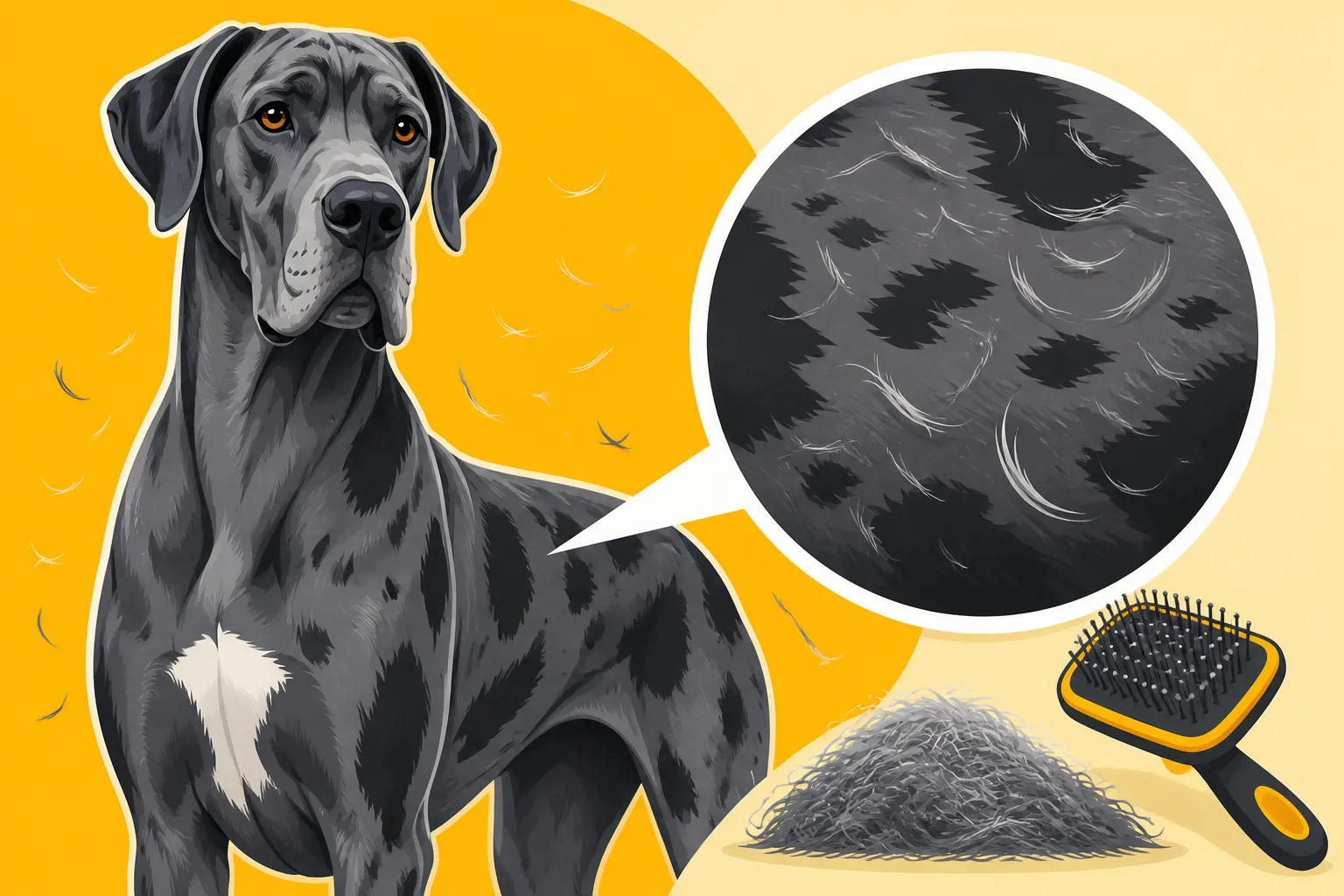
Unlike some breeds that have a dense undercoat for insulation and a coarser topcoat for protection, most Great Danes possess what's considered a single coat. This means they generally lack that fluffy underlayer. You might think this would reduce shedding, but it actually means every single hair shaft, once it reaches the end of its growth cycle, is ready to be released. There's no complex layering system to hold onto loose hairs; they simply fall out. Each individual hair is relatively short, which means it doesn't get tangled in the surrounding fur as easily as longer hairs might, making it more prone to dropping directly onto surfaces.
Think of it this way: a long-haired dog might shed a lot, but a good portion of that hair gets caught in the existing coat, forming mats or tangles that you brush out. With a Great Dane, those short, stiff hairs are like tiny needles ready to detach and migrate. They don't typically create the same kind of visible clumps in their fur, but rather spread individually, often embedding themselves into upholstery and carpets with surprising tenacity. This is why you can brush your Dane and still feel like you haven't made a dent in the shedding problem just an hour later.
Hair Growth Cycles and Shedding Frequency
All dog hair grows in cycles, much like human hair. There's an active growth phase (anagen), a transitional phase (catagen), a resting phase (telogen), and then an exogen phase where the old hair is shed to make way for new growth. For Great Danes, their hair cycles tend to be relatively short. This isn't a scientific measure of how long each hair literally takes to grow, but rather a reflection of the overall turnover rate of their coat.
Because their hair is short and not designed for extreme insulation or protection like a harsh wire coat, the body is constantly refreshing these individual strands. This means that at any given time, a significant percentage of your Great Dane's hair follicles are in that exogen phase, ready to shed. While some breeds experience dramatic seasonal "blowouts" where they shed huge amounts over a few weeks, Great Danes often maintain a more consistent, year-round shedding pattern. This isn't to say they don't have seasonal fluctuations – they absolutely do – but the baseline shedding level is almost always present, making it feel like a constant battle against the fur. Understanding that this is a natural, ongoing process, rather than a sign of a problem, can help set realistic expectations for grooming and cleaning.
Why Your Great Dane's Shedding Feels So Constant
If you own a Great Dane, you know the struggle is real. It's not just that they shed, it's the sheer volume and persistence of it. It can feel like you just cleaned, and then a phantom fur storm descends. Several factors contribute to this feeling of constant, often overwhelming, shedding.
Environmental Factors and Indoor Living
Modern dogs, especially those living primarily indoors, experience different shedding patterns than their wild ancestors. Our homes provide a stable, controlled environment with artificial light and consistent temperatures. This means a dog's coat often doesn't receive the same clear signals from nature – like drastic changes in light cycles or temperature – that would trigger a distinct, heavy seasonal shed. Instead, many indoor dogs shed more moderately, but year-round. For a Great Dane, with its already high turnover rate of short hairs, this means a steady stream of loose fur.
The very nature of our living spaces also makes Great Dane shedding particularly noticeable. Those short, stiff hairs are excellent at adhering to fabrics like couches, carpets, and clothes. They don't ball up like longer hair, but rather weave themselves into the fibers, making them difficult to remove with a simple vacuum or lint roller. If you have dark furniture and a fawn Great Dane, or light carpets and a black Dane, every single shed hair becomes a stark, undeniable presence. You might also notice increased shedding in areas where your Dane spends a lot of time, like their favorite sleeping spot on the rug or the back of the sofa, creating localized "shed zones."
Diet and Nutritional Impact on Coat Health
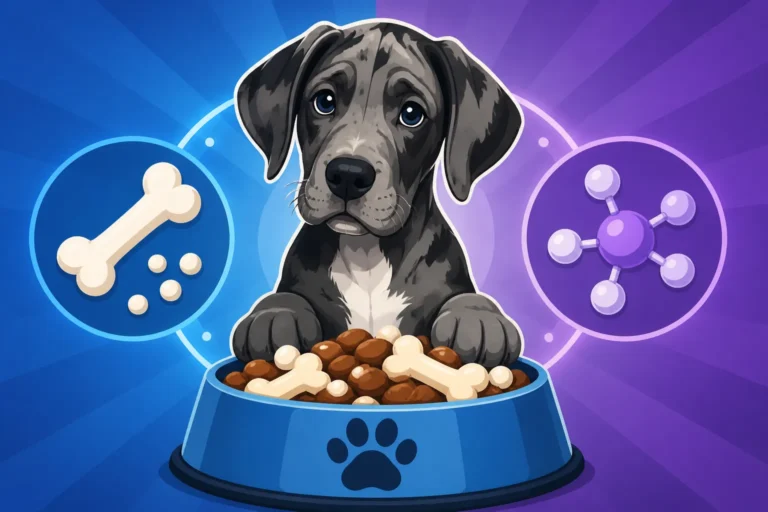
What goes into your Great Dane's bowl can have a significant impact on the health and integrity of their coat, and by extension, how much they shed. A diet lacking in essential nutrients, particularly certain fatty acids, can lead to a dull, brittle coat that sheds excessively. Think of it like this: if the building blocks for healthy hair aren't there, the hair that does grow will be weaker and more prone to breaking and falling out prematurely.
High-quality dog foods formulated for large breeds, with appropriate protein and fat levels, are crucial. Look for ingredients like omega-3 and omega-6 fatty acids (often listed as fish oil, flaxseed, or sunflower oil) which are vital for skin and coat health. Some owners find that supplementing with a good quality fish oil can visibly improve their Dane's coat, making it shinier and potentially reducing excessive shedding by promoting stronger hair follicles. Conversely, a diet with fillers, low-quality protein, or common allergens can sometimes manifest as skin irritation and increased shedding. For instance, brands like Ollie, known for their fresh, human-grade ingredients, might offer formulations that support optimal skin and coat health, reducing non-seasonal shedding by nourishing your Dane from the inside out. You might even consider discussing Protein and Fat Levels for a Great Dane with your vet to ensure their diet is perfectly balanced.
Stress, Anxiety, and Hormonal Changes
Just like humans, dogs can shed more when they are stressed or anxious. The "fight or flight" response can trigger physiological changes, including an increase in shedding. If your Great Dane is experiencing anxiety due to changes in routine, separation anxiety, or fear-based triggers, you might notice an uptick in the amount of hair they're dropping. This isn't usually the primary cause of chronic shedding, but it can certainly exacerbate it during challenging times.
Hormonal changes also play a significant role. Intact females may shed more during their heat cycles or after a pregnancy due to fluctuating hormone levels. Similarly, both male and female Danes might experience changes in shedding patterns after spaying or neutering. These surgeries can alter hormone balances, which can sometimes lead to a temporary increase in shedding or a change in coat texture. It’s a good idea to monitor these changes, but often, it's a normal physiological response to altered hormones rather than a cause for major concern. Hormonal issues like hypothyroidism can also cause excessive shedding or changes in coat quality, so if shedding is accompanied by other symptoms like lethargy or weight gain, a vet visit is in order.
Strategies for Managing Great Dane Shedding
While you can't stop your Great Dane from shedding entirely – it's a natural process, after all – you can absolutely manage it more effectively. Implementing a consistent routine and using the right tools can make a significant difference in the amount of hair you find around your home.
Regular Brushing and Grooming Tools
This is your first line of defense, and arguably the most crucial one. Regular, consistent brushing helps remove loose hair before it has a chance to settle on your furniture. For a Great Dane's short, stiff coat, you'll want specific tools designed to tackle this type of fur.
Tools for a Great Dane's Coat:
| Tool Type | Best For | How It Works | Frequency |
|---|---|---|---|
| Rubber Curry Brush | Loosening dead hair and stimulating skin | Gentle rubber nubs massage the skin, bringing loose hair to the surface. | Daily or every other day |
| Shedding Blade | Removing large amounts of loose hair, especially during heavy shedding seasons | A metal blade with small teeth that rakes through the coat, pulling out dead fur. | 2-3 times a week (use gently) |
| Grooming Mitt/Glove | A quick pass to collect loose hair, excellent for sensitive dogs or quick touch-ups | Fabric or rubber nubs on a glove attract loose hair as you pet your dog. | Daily |
| Deshedding Tool (e.g., Furminator-style) | Deeply penetrating the coat to remove undercoat and loose topcoat | Designed with fine, short teeth to pull out a surprising amount of loose hair. | Once or twice a week (use sparingly and gently to avoid skin irritation) |
Using a rubber curry brush daily is an excellent habit. It not only removes dead hair but also distributes natural oils, which can improve coat health and shine. Follow up with a shedding blade or a deshedding tool a couple of times a week, being careful not to press too hard, especially with the shedding blade, as it can irritate the skin. The goal is to collect as much hair as possible on the brush, not to pull healthy hair or scratch their skin. Investing in a good deshedding tool, readily available on platforms like Amazon or Chewy, can be a game-changer. These tools can extract an astonishing amount of fine hair that seems to cling stubbornly to the coat.
Remember, consistency is key. A quick five-minute brush every day will be far more effective than an hour-long session once a month. This routine also turns into valuable bonding time with your Dane, and many dogs enjoy the massage-like feeling of being brushed.
Bathing Techniques to Reduce Shedding
While you don't want to over-bathe your Great Dane, strategic bathing can definitely help in the battle against shedding. Bathing helps loosen and rinse away dead hairs that brushing alone might miss. Aim for a bath every 4-8 weeks, or as needed, depending on how dirty your Dane gets and how much they're shedding.
When bathing, use a high-quality dog shampoo specifically formulated for shedding control or skin health. These often contain ingredients that help strengthen hair follicles or facilitate the release of dead hair. Lather thoroughly, working the shampoo deep into the coat, and then rinse even more thoroughly. Any shampoo residue left behind can irritate the skin and potentially lead to more shedding. While the coat is wet, use a rubber curry brush or a shedding blade in the tub to gently work out as much loose hair as possible. This way, the hair goes down the drain (be mindful of drain protectors!) instead of floating around your house. After the bath, towel-dry your Dane as much as possible, and then follow up with a thorough brushing once they are fully dry. This combination of wetting, washing, and brushing can significantly reduce the shedding load for a few weeks. You might find our post on Bathing a Great Dane at Home helpful for detailed steps.
Environmental Control and Cleaning Tips
Beyond direct grooming, managing the environment is crucial for keeping Great Dane hair under control. This involves both prevention and effective cleaning strategies.
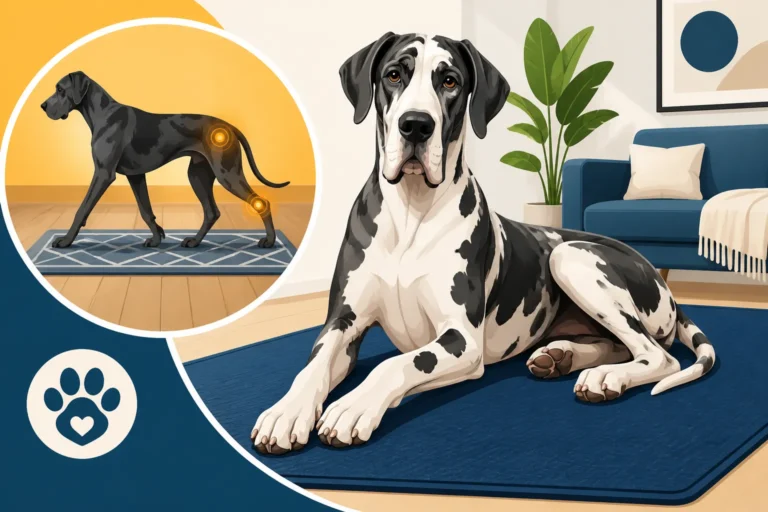
Firstly, consider your Great Dane's bedding. They spend a lot of time sleeping, and their beds can become veritable hair magnets. Opt for washable covers that can be easily thrown in the laundry. Regularly washing their bedding will remove accumulated hair and dander. Furthermore, choose bedding that offers adequate cushioning to protect their joints, as Great Danes are prone to issues like elbow hygromas, which can sometimes be exacerbated by hard surfaces. You can learn more about Bedding That Prevents Great Dane Hygromas.
For your home, a powerful vacuum cleaner designed for pet hair is a non-negotiable item. Look for models with strong suction and specialized attachments for upholstery and tight corners. Regular vacuuming, even daily in high-traffic areas or your Dane's favorite lounging spots, will make a huge difference. Lint rollers are your best friend for clothing and quick furniture touch-ups. Keep one by the door, in your car, and in your handbag – trust me, you'll need them! For hard floors, a microfiber mop or an electrostatic sweeper can effectively pick up the fine hairs without simply pushing them around. You might also want to invest in furniture covers that are easy to wash or wipe down, creating a barrier between your furniture and the inevitable Great Dane fur. Think about Great Dane Hair on Furniture and Floors and how to best maintain your home.
Health Factors Affecting Great Dane Shedding
While some shedding is entirely normal, a sudden, excessive, or patchy loss of hair can sometimes signal an underlying health issue. It’s important to distinguish between normal shedding and something that warrants a vet visit.
Underlying Medical Conditions
Several medical conditions can manifest as increased or abnormal shedding. One of the most common culprits, especially in larger breeds like the Great Dane, is hypothyroidism. This condition occurs when the thyroid gland doesn't produce enough hormones, which can lead to a dull, dry coat, excessive shedding, and even patchy hair loss. Other symptoms might include lethargy, weight gain, and intolerance to cold. If you suspect hypothyroidism, your vet can perform a simple blood test to check thyroid levels. You might find our article on The Thyroid Test a Slow Great Dane Needs insightful.
Skin allergies are another frequent cause of excessive shedding. Dogs can be allergic to a variety of things: environmental allergens like pollen, dust mites, or molds; food ingredients; or even parasites like fleas. When a Great Dane experiences an allergic reaction, their skin becomes itchy and inflamed, leading to scratching, licking, and biting, which in turn causes hair breakage and loss. Identifying and managing the allergen, along with veterinary prescribed medications, can often resolve the shedding.
Parasites, such as fleas, mites, or lice, can also cause intense itching and subsequent hair loss. Even if you don't see the parasites, a severe infestation can lead to skin irritation and increased shedding. Regular parasite prevention is key to avoiding these issues.
The Role of Stress and Anxiety in Coat Health
We touched on stress briefly, but it's worth reiterating its significant impact on coat health. Chronic stress can throw a dog's system out of balance, affecting everything from their immune system to their skin and coat. When a Great Dane is persistently anxious or stressed, their body releases hormones that can weaken hair follicles, making them more prone to shedding. This shedding often accompanies other behavioral signs of stress, such as pacing, panting, destructive behavior, or changes in appetite.
Addressing the root cause of stress or anxiety is paramount. This might involve behavior modification, increased exercise and mental stimulation, creating a more secure environment, or, in some cases, consulting with a veterinary behaviorist or using calming supplements or medications. Reducing stress not only improves your Dane's overall well-being but can also lead to a healthier, less-shedding coat. Look into articles such as A Great Dane That Is Anxious Rather Than Gentle for more guidance on addressing anxiety in your giant companion.
When to Consult Your Veterinarian
It's natural for Great Danes to shed, but there are certain signs that indicate you should contact your veterinarian. Pay attention to any of the following:
- Excessive, sudden, or patchy hair loss: If your Dane is losing hair in clumps, developing bald spots, or shedding significantly more than usual, it’s a red flag.
- Skin irritation: Redness, rashes, bumps, sores, scabs, or a greasy/flaky coat accompanying the shedding.
- Excessive itching, licking, or biting: If your Dane is constantly scratching, especially to the point of breaking the skin.
- Dull, dry, or brittle coat: A healthy coat should be somewhat soft and shiny. If it looks lifeless, it could be a nutritional or health issue.
- Changes in behavior: Lethargy, increased thirst, changes in appetite, or other systemic signs paired with shedding.
- Persistent odor: An unusual or strong odor coming from the skin or coat can indicate infection or underlying disease.
Don't hesitate to reach out to your vet if you notice any of these symptoms. They can perform a thorough examination, run diagnostic tests, and pinpoint the exact cause of the problem. Early intervention can prevent minor issues from becoming more serious and help restore your Great Dane's coat to its natural healthy state.
Seasonal Shedding and Diet Adjustments
Even with their short coats, Great Danes do experience seasonal fluctuations in shedding. Understanding these patterns and making appropriate adjustments to their care can help manage the inevitable increase in fur.
The Impact of Seasons on Shedding
While not as dramatic as a Husky "blowing its coat," Great Danes still respond to the changing seasons. Typically, you'll notice an increase in shedding in the spring as they shed their slightly thicker winter coat, and again in the fall as they prepare for new, denser growth for winter. However, as mentioned earlier, due to indoor living with artificial light and climate control, these seasonal shifts might be less pronounced and more drawn out than they would be for a dog living primarily outdoors.
The spring shed prepares them for warmer weather, lightening their coat. The fall shed, conversely, involves shedding the old summer coat to make way for a new, warmer one. During these periods, you'll need to step up your grooming game. Daily brushing, perhaps even twice a day, with a good shedding tool will be essential. This proactive approach helps remove the loose hair before it has a chance to populate your home. Even if your Dane seems to be shedding consistently, expect these peaks twice a year, and be prepared to put in extra effort to keep up.
Dietary Changes to Support Coat Health During Shedding
During periods of heavy shedding, your Great Dane's body is working harder to regenerate new, healthy hair. This process requires a robust supply of nutrients. This is an opportune time to ensure their diet is top-notch and perhaps consider specific supplements.
Firstly, confirm that their regular diet is high-quality and complete. Look for dog foods where animal protein is the first ingredient, and healthy fats are present. Companies like Chewy offer a wide variety of premium dog foods and supplements tailored to large breeds and coat health. Sometimes, simply upgrading to a higher-quality kibble or exploring fresh food options can make a noticeable difference. For instance, some Great Dane owners explore fresh-delivered food services like Ollie, which emphasizes nutrient-dense, whole ingredients that can support a healthy skin barrier and robust hair growth.
Supplements, particularly omega fatty acids, can be incredibly beneficial. Fish oil (salmon, sardine, or anchovy oil) is rich in EPA and DHA, omega-3 fatty acids known to reduce inflammation, improve skin barrier function, and promote a shiny, healthy coat. Additions like flaxseed oil (for omega-3) or even a multivitamin formulated for large breeds can also provide extra support. However, always consult your veterinarian before adding any new supplements to your Great Dane's diet, especially when it comes to Whether Extra Calcium Damages a Great Dane, as nutrient imbalances can sometimes do more harm than good. They can advise on appropriate dosages based on your Dane's specific needs and weight.
The Importance of Hydration and Overall Wellness
A healthy coat begins from the inside out, and hydration is a foundational element. Just like humans, dogs need adequate water intake for all bodily functions, including skin and coat health. Dehydration can lead to dry, flaky skin and a brittle coat that sheds more easily. Ensure your Great Dane always has access to fresh, clean water, and consider using multiple water bowls around the house, especially if you have an active Dane or one prone to long naps in different rooms. Water fountains for dogs can also encourage some Danes to drink more, as the moving water is often more appealing.
Beyond diet and hydration, overall wellness plays a critical role. Regular, appropriate exercise, as discussed in Exercise Limits While a Great Dane Is Still Growing, helps maintain good circulation, which in turn supports skin and hair follicle health. Minimizing stress, ensuring enough restful sleep, and regular veterinary check-ups to catch any underlying health issues early contribute to a happy, healthy Great Dane with a healthier, less shedding coat. While shedding will always be a part of living with a Great Dane, a holistic approach to their care can significantly mitigate the amount of fur you encounter daily.
Disclaimer
This article is for general informational purposes only and does not constitute professional advice. Laws, prices and regulations vary by location and change over time. Consult a qualified professional for guidance on your specific situation.