Dandruff on a Great Dane’s Back
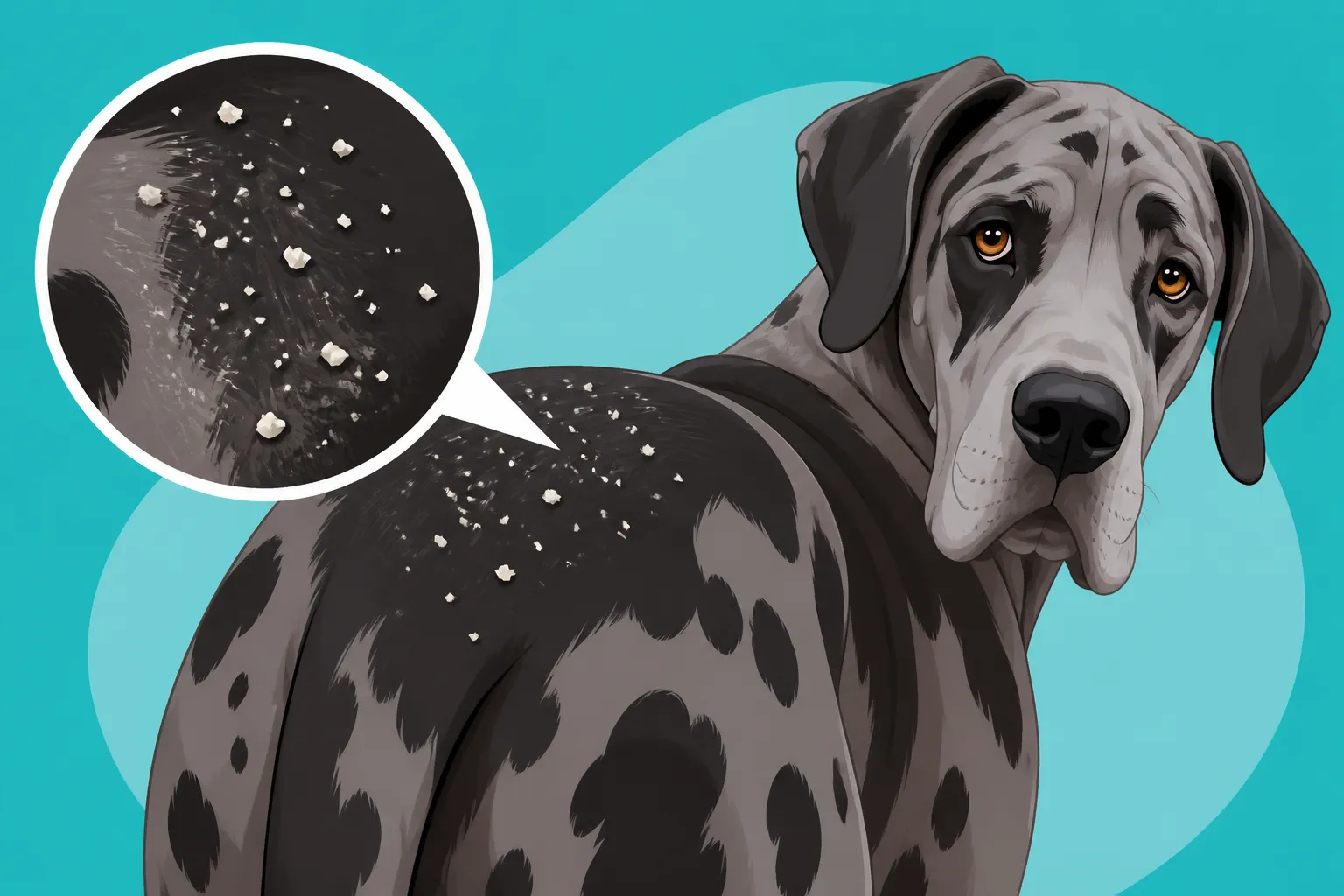
It's incredibly frustrating when you notice your majestic Great Dane, with their usually sleek, short coat, suddenly sporting flakes and what looks like dandruff all along their back. You expect a healthy sheen, not a snowstorm, and it can be worrying to see your big companion dealing with an itchy, irritated back. This guide is here to walk you through why your Great Dane might be experiencing dandruff, how to tackle it effectively at home, and when it’s time to bring in the veterinary cavalry.
Understanding Why Your Great Dane Has Dandruff
Dandruff isn't just a human problem; our canine companions, especially those with certain coat types or underlying sensitivities, can absolutely suffer from it. For a Great Dane, their sheer size and fast growth can sometimes predispose them to skin issues that manifest as flakiness. It's often not just about dry skin, but a combination of factors that can throw their skin's delicate balance out of whack.
Dry Skin vs. Actual Dandruff: What's the Difference?
It’s easy to confuse simple dry skin with true dandruff, but understanding the distinction can really help in figuring out the best course of action. Dry skin, or xerosis, is often characterized by small, fine, white flakes that easily brush off, and the skin underneath might look a bit tight or dull. It’s usually a mild, temporary issue caused by environmental factors like low humidity or perhaps a slightly irritating shampoo. The skin isn't necessarily inflamed, and while it can be a bit itchy, it's generally not severely so.
True dandruff, or seborrhea, on the other hand, is a more complex skin condition. It involves an overproduction of sebum (skin oils) and/or an abnormal rate of skin cell turnover. This can lead to larger, greasier flakes, sometimes yellow-tinged, that might stick to the fur. The skin itself can appear red, inflamed, or even oily, and there might be a distinct, sometimes unpleasant, odor. Seborrhea can be primary, meaning a genetic predisposition, or secondary, meaning it’s a symptom of another underlying health problem. It's not uncommon for Great Danes to experience dry, flaky skin due to their rapid growth and sensitive systems, which can sometimes escalate into a dandruff-like appearance.
Here's a quick comparison to help you differentiate:
| Feature | Dry Skin (Xerosis) | Dandruff (Seborrhea) |
|---|---|---|
| Flake Appearance | Small, fine, white, easily brushed off | Larger, sometimes greasy, white or yellowish, stickier |
| Skin Feel | Dry, tight, possibly dull | Oily, greasy, red, inflamed, or crusty |
| Itchiness | Mild to moderate, occasional | Moderate to severe, persistent |
| Odor | Generally absent | Often present, sometimes rancid |
| Underlying Cause | Environmental, mild irritation, inadequate hydration | Genetic, allergies, infections, systemic disease |
Environmental Factors Playing a Role
The environment your Great Dane lives in can significantly impact the health of their skin and coat. Just like humans, dogs can suffer from dry skin when the air is too dry. This is particularly noticeable during colder months when indoor heating systems are running constantly, stripping moisture from the air. Imagine how your own skin feels in winter – flaky and dry. Your Great Dane experiences something similar, especially on their back where the skin has less natural oil than, say, their belly.
Beyond just dry air, allergens in the environment can also play a role. Dust mites, pollen, or even certain cleaning products can irritate a Great Dane's sensitive skin, leading to scratching and subsequent flaking. If your Dane spends a lot of time outside rolling in leaves or playing in areas with a lot of plant matter, these irritants can get trapped in their short coat, contributing to skin issues. Even the type of bedding they sleep on can make a difference; harsh fabrics or those that don't breathe well can cause friction and minor irritation, especially on pressure points or along their back where they often lie. Bedding That Prevents Great Dane Hygromas is crucial, but general comfort and skin health are also important considerations.
The Impact of Diet on Skin and Coat Health
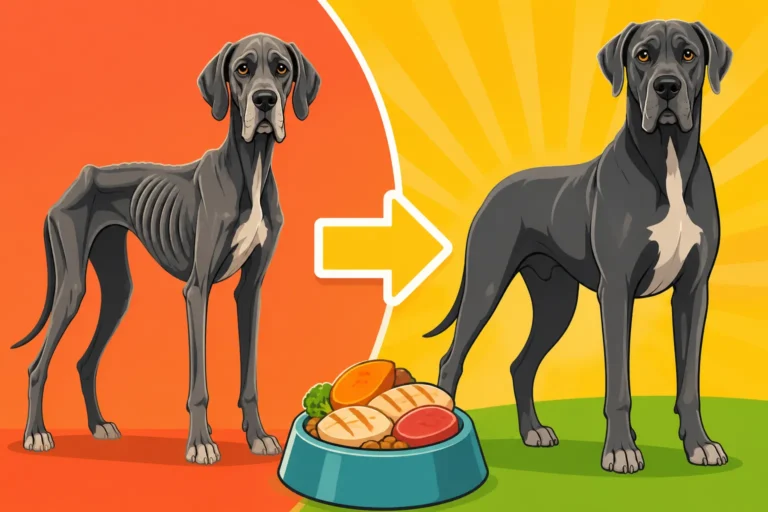
What your Great Dane eats truly reflects on their outside appearance, including the health of their skin and coat. A diet that is lacking in essential nutrients, particularly certain fatty acids, can manifest as dry, dull, flaky skin that mimics dandruff. Omega-3 and Omega-6 fatty acids are crucial for maintaining skin barrier function, reducing inflammation, and promoting a healthy, shiny coat. If your dog's food isn't providing enough of these, or if the quality of the ingredients is low, their skin can suffer.
Some Great Danes also have sensitivities or allergies to certain ingredients in their food, most commonly proteins like chicken, beef, or dairy, or grains like corn and wheat. These food allergies can present as skin issues, including itchiness, redness, and excessive flaking or "dandruff" along the back, flanks, or paws. It's not always obvious, and sometimes it can take a process of elimination to figure out if food is the culprit. Companies like Ollie that focus on fresh, limited-ingredient diets can sometimes be a good option to explore, but always consult your vet before making drastic dietary changes. Whether Grain-Free Kibble Belongs in a Dane Bowl is a whole discussion in itself, and it's essential to ensure any dietary change is nutritionally complete and appropriate for your giant breed.
Practical Solutions for Managing Great Dane Dandruff
Once you've got a better handle on whether it's dry skin or something more persistent, you can start implementing some practical, at-home solutions. These often involve a multi-pronged approach, targeting everything from external care to internal nourishment. Remember, consistency is key when dealing with skin and coat issues in a breed as large as a Great Dane.
Bathing Best Practices for a Great Dane
Bathing a Great Dane is no small feat, given their size, but doing it correctly can make a huge difference for their skin. First and foremost, you need to use the right shampoo. Avoid harsh, heavily fragranced shampoos designed for humans, as these can strip natural oils and exacerbate dryness or irritation. Instead, look for shampoos specifically formulated for dogs with sensitive or dry skin, often containing ingredients like colloidal oatmeal, aloe vera, or tea tree oil (in safe concentrations). For true dandruff (seborrhea), your vet might recommend a medicated shampoo with ingredients like salicylic acid or benzoyl peroxide, but these should only be used under veterinary guidance.
The frequency of bathing also matters. Bathing too often can strip essential oils, leading to dryer skin. For most Great Danes with dandruff, a bath every 2-4 weeks is a good starting point, adjusting as needed. When you do bathe them, ensure you rinse thoroughly. Any shampoo residue left on the skin or coat can cause irritation and flaking. After rinsing, gently towel-dry your Dane – a Great Dane can take a long time to dry, so be patient. While blow-drying can speed things up, ensure it's on a cool setting to avoid further drying out their skin. Bathing a Great Dane at Home goes into more detail, but remembering these basics is paramount.
Boosting Skin Health Through Diet and Supplements
As we touched on, diet is incredibly important. If you suspect your Great Dane's current food isn't cutting it, consider transitioning to a high-quality dog food specifically formulated for large breeds or those with sensitive skin. These often have a better balance of omega fatty acids and easily digestible ingredients. You can find many reputable brands at places like Chewy, which often stock a wide variety of specialized diets. Pay attention to the protein and fat levels; Protein and Fat Levels for a Great Dane are crucial for their overall health and skin.
Beyond food, adding supplements can provide an extra boost. Fish oil, rich in Omega-3 fatty acids (EPA and DHA), is a fantastic supplement for skin and coat health. It helps to reduce inflammation and supports the skin barrier. Look for a high-quality fish oil specifically for dogs, ensuring it's free from contaminants. Other beneficial supplements might include flaxseed oil, vitamin E, or even probiotics if gut health is suspected to play a role in their skin issues. Always discuss any new supplements with your veterinarian, especially for a Great Dane, to ensure correct dosing for their considerable weight and to avoid any adverse interactions.
Environmental Adjustments to Ease Dry Skin
Making a few simple changes to your home environment can significantly help alleviate dry skin for your Great Dane. If you live in a dry climate or use a lot of indoor heating, consider investing in a humidifier. Placing one in the room where your Dane spends most of their time can add much-needed moisture to the air, helping to keep their skin from drying out. Even a small increase in ambient humidity can make a noticeable difference in their comfort and skin condition over time.
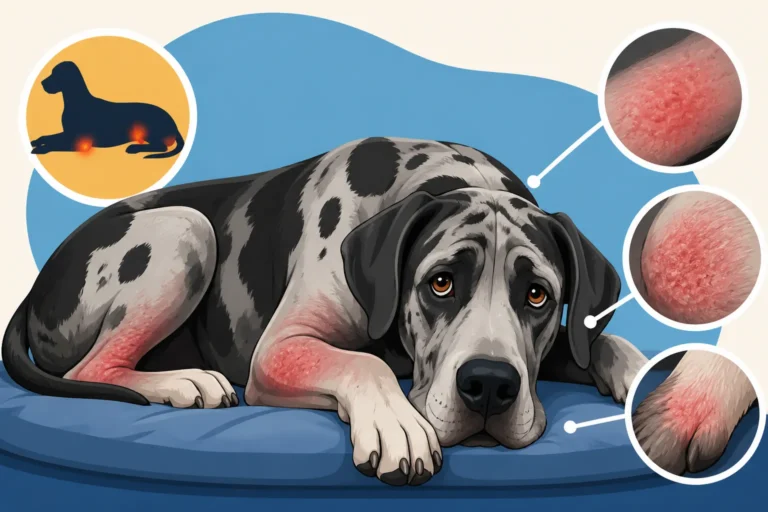
Think about their sleeping arrangements too. Hard floors, while easy to clean, offer little cushioning and can contribute to calluses and dry patches on pressure points like elbows and hocks. Providing soft, orthopedic bedding that cushions their large frame is not just good for their joints but also for their skin. Look for beds with a thick, comfortable foam layer and a soft, breathable cover. Regularly washing their bedding also helps reduce the buildup of allergens and irritants. Choosing Foam Thick Enough for a Great Dane is important for support and overall health, not just skin.
When Dandruff Signals Something More Serious
While many cases of Great Dane dandruff can be resolved with at-home care, there are times when it’s a red flag for a more significant health issue. Ignoring persistent or worsening skin problems can lead to more serious complications, so it’s crucial to know when to seek professional veterinary advice. Your intuition as a Great Dane owner is invaluable here – if something doesn't feel right, trust that feeling.
Recognizing Underlying Health Issues
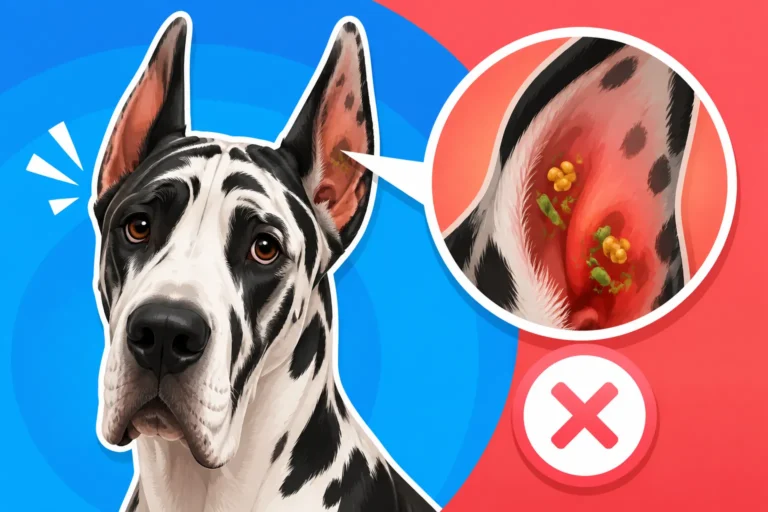
Dandruff or excessive flaking that doesn't respond to basic home care, or that is accompanied by other symptoms, might indicate an underlying health problem. Allergies are a common culprit. These could be environmental allergies (atopy) to pollen, dust, or mold, or food allergies as discussed before. Allergic reactions often manifest as intense itching, redness, ear infections, and skin irritation, which can lead to secondary flaking. A Great Dane that is constantly scratching or licking their back is a strong indicator of allergies.
Another condition to consider is hypothyroidism, which can certainly affect a Great Dane. A sluggish thyroid can lead to a dull, dry, brittle coat, hair loss, and flaky skin, among other symptoms like lethargy and weight gain. The Thyroid Test a Slow Great Dane Needs is something your vet can easily perform. Additionally, certain parasites like mites (e.g., Cheyletiella mites, sometimes called "walking dandruff") or even fleas can cause significant irritation and flaking. Fungal infections, like ringworm, can also present with dry, scaly patches. Bacterial skin infections, often secondary to scratching, can also exacerbate flaking and cause pustules or crusts.
The Importance of Veterinary Consultation
If your Great Dane's dandruff persists, worsens, or is accompanied by other worrying signs such as excessive itching, redness, hair loss, skin lesions, odor, or changes in behavior or appetite, it's absolutely time for a trip to the veterinarian. Don't try to self-diagnose or treat severe skin issues, as you could delay appropriate treatment for a serious condition. Your vet will perform a thorough physical exam and may recommend diagnostic tests.
These tests could include skin scrapings to check for mites, fungal cultures, cytology (examining cells from the skin under a microscope to look for bacteria or yeast), or blood tests to check for underlying systemic issues like thyroid problems. They might also discuss an elimination diet trial if food allergies are suspected. Once a diagnosis is made, your vet can prescribe targeted treatments, which could range from specific medicated shampoos and topical treatments to oral medications for allergies, infections, or hormonal imbalances. Early intervention is always best to prevent discomfort and further complications for your big friend.
Long-Term Care for a Healthy Great Dane Coat
Maintaining a healthy coat and skin for your Great Dane is an ongoing commitment, but it's one that pays off with a comfortable, happy dog and a beautiful, shiny coat. Incorporating good habits into your routine can prevent many of these skin issues from flaring up in the first place.
Consistent Grooming Habits
Regular grooming is paramount for a Great Dane, even with their short coat. Brushing your Great Dane a few times a week, or even daily if they're shedding heavily, does wonders for their skin and coat. A good rubber curry brush or a shedding blade will help remove loose hair, dead skin cells, and any surface debris, while also distributing natural skin oils. This stimulation can improve circulation and promote a healthier skin barrier. The Brush That Covers a Great Dane Fastest is often a large, sturdy rubber brush.
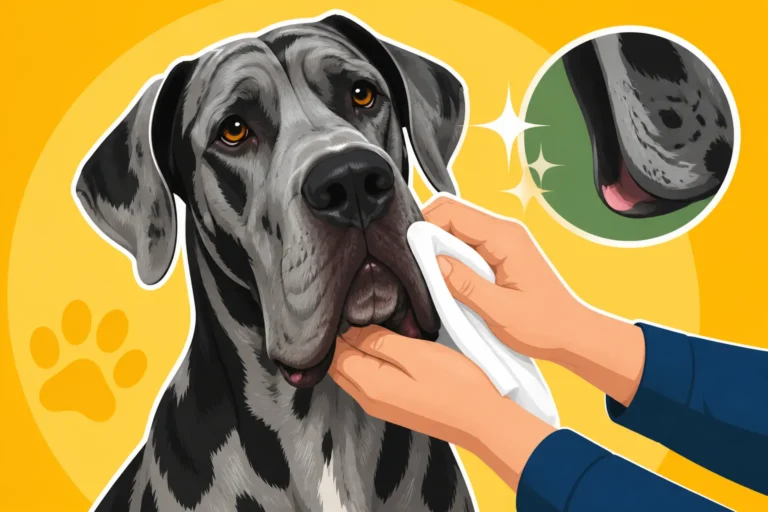
Beyond brushing, don't forget to keep an eye on their paw pads and nails. While not directly related to back dandruff, overall health contributes to skin health. Regularly check for calluses, especially on their elbows, and ensure their nails are trimmed to prevent discomfort that might lead to changes in gait or pressure points. Trimming Nails a Great Dane Will Not Give You can be a challenge, but it's essential. For cleaning, consider using a damp cloth to wipe down their coat between baths, especially if they've been outside, to remove environmental allergens before they can settle and cause irritation.
Proactive Prevention Strategies
Prevention truly is the best medicine when it comes to Great Dane skin health. Start by ensuring they are consistently on a high-quality, balanced diet that provides all the necessary nutrients for a healthy coat. If you've found a food that works well, stick with it unless medically advised to change. Consider adding a daily omega fatty acid supplement as a preventive measure, especially if your Dane is prone to dry skin, after consulting with your vet.
Routine veterinary check-ups are also crucial. Your vet can monitor their overall health, including skin and coat condition, and catch potential issues early. Discuss any concerns you have, even minor flaking, as they might spot patterns or suggest preventive measures you hadn't considered. Regularly checking for external parasites and staying on top of their preventative medications can also ward off flea or mite-related skin irritation. By being proactive and consistent with their care, you can help ensure your magnificent Great Dane stays comfortable, healthy, and wonderfully flake-free.
Disclaimer
This article is for general informational purposes only and does not constitute professional advice. Laws, prices and regulations vary by location and change over time. Consult a qualified professional for guidance on your specific situation.