A Great Dane That Starts Having Accidents Again
Sudden indoor accidents in house-trained Great Danes often stem from urinary tract infections, diabetes, or age-related cognitive decline.
Work with the temperament you have.
House-training and crate work, recall, leash manners, separation anxiety, and the behaviors this breed is wired for.
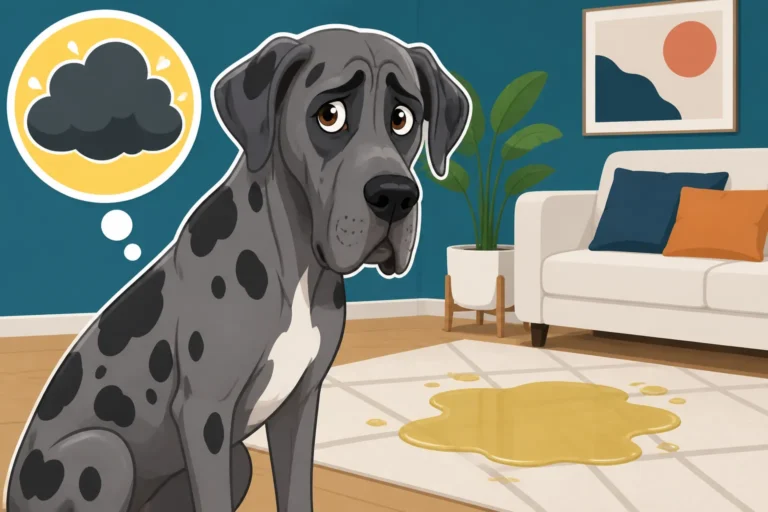
Sudden indoor accidents in house-trained Great Danes often stem from urinary tract infections, diabetes, or age-related cognitive decline.
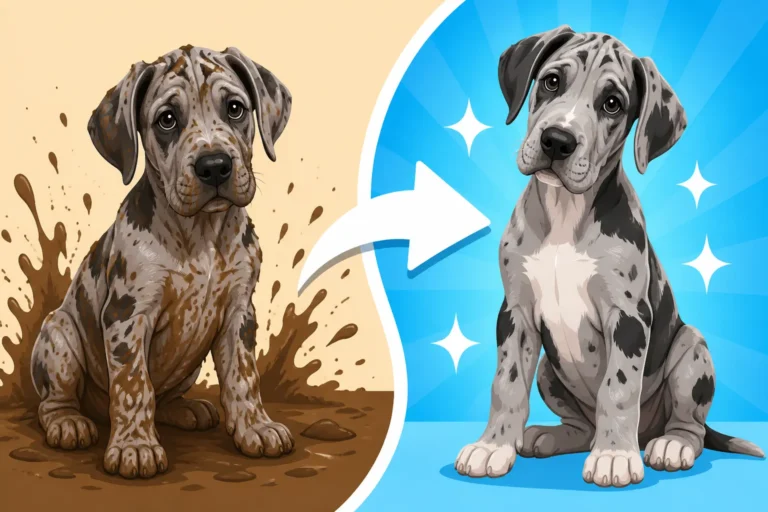
Great Dane puppy house training timelines, bladder control limits, and schedules for large breed dogs require frequent breaks every twenty to thirty minutes.
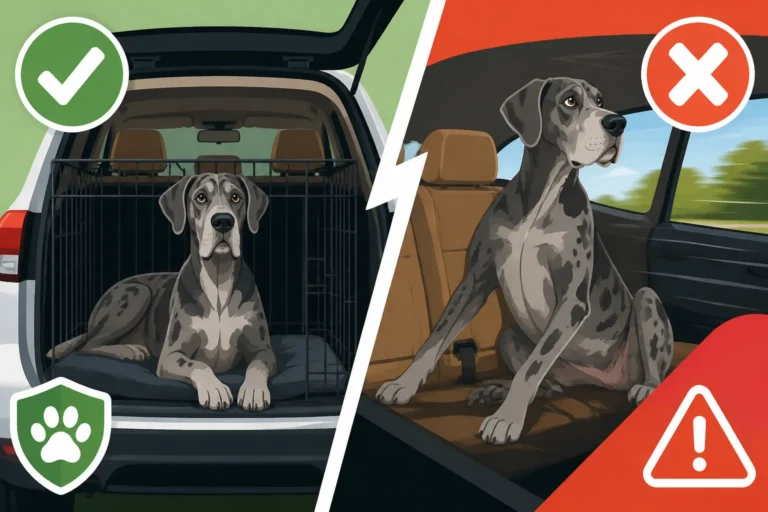
Vehicle safety for a Great Dane explains why crating and proper restraints protect heavy dogs and passengers during travel.
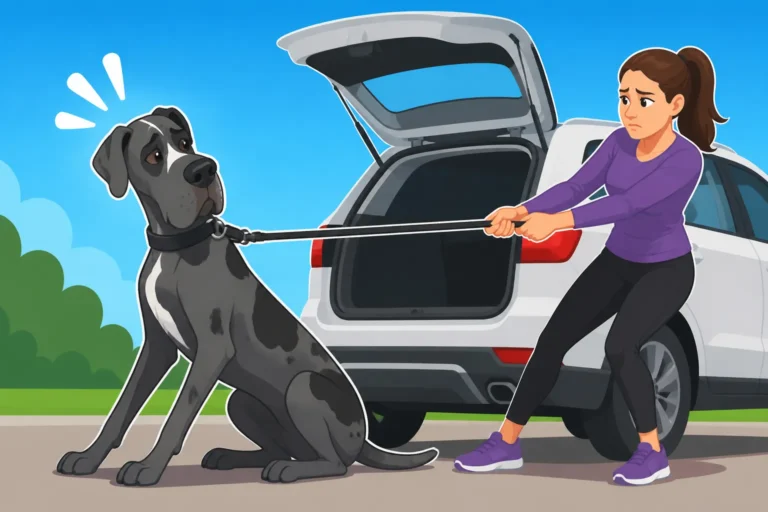
Great Dane car resistance rooted in fear, pain, or poor training requires compassionate strategies to ensure stress-free travel.
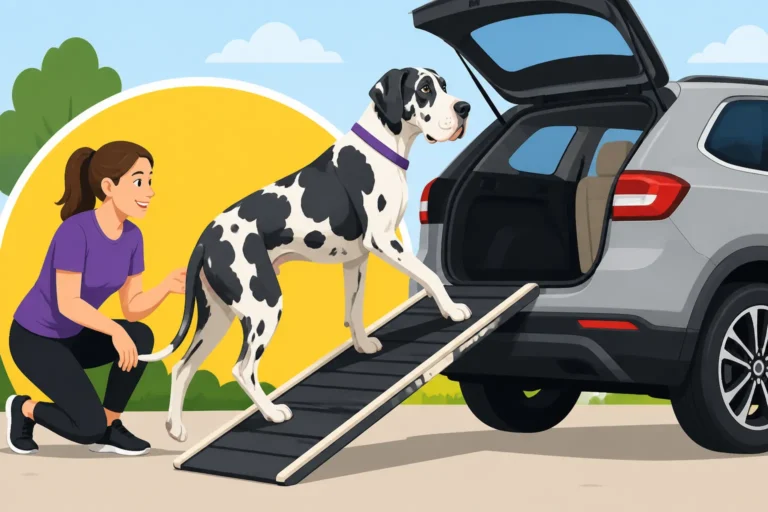
Ramp training protects a Great Dane and owner from injuries by teaching safe car access to preserve joints and prevent strain.
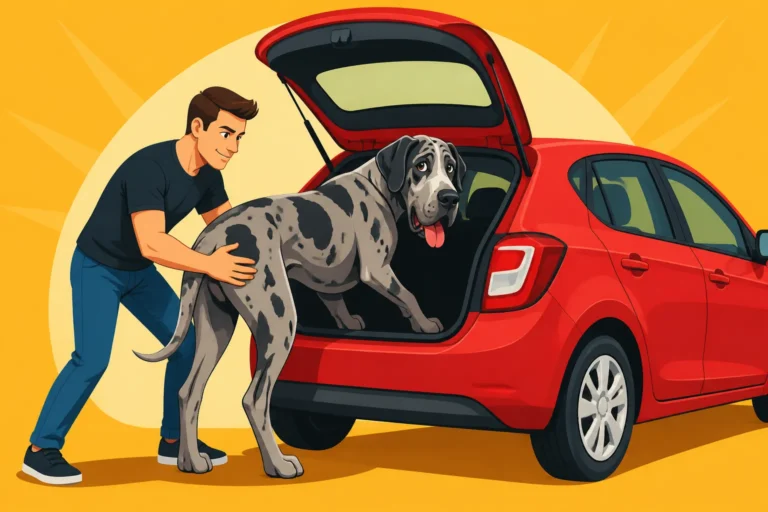
Practical training techniques and equipment help owners safely transport a heavy Great Dane in a compact hatchback vehicle.
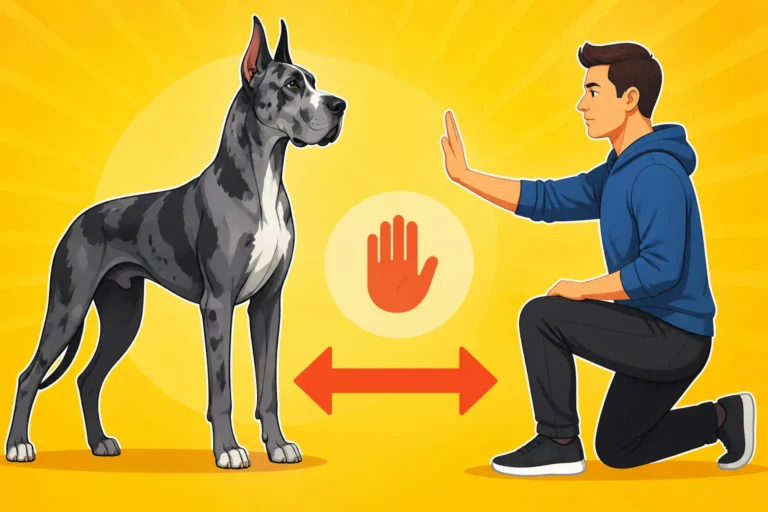
Great Dane leaning behaviors stem from affection, a need for attention, or a lack of spatial awareness in a 150-pound dog.
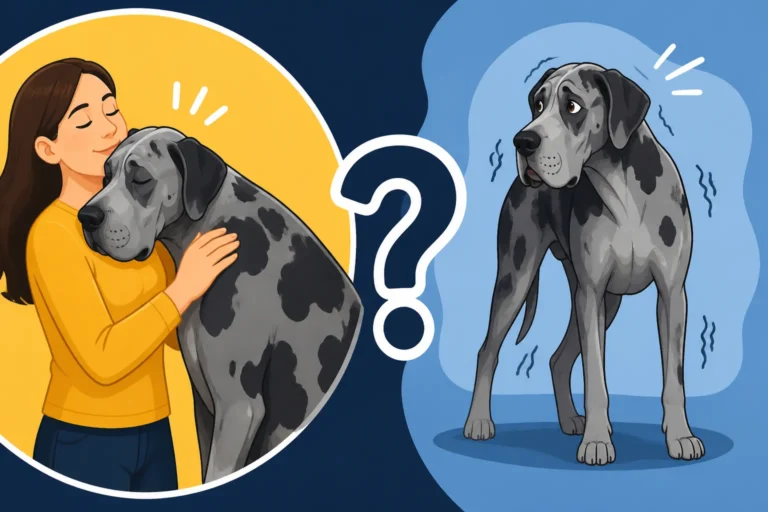
Great Dane leaning explains whether the heavy physical press against human legs indicates affection, attention seeking, or anxiety.
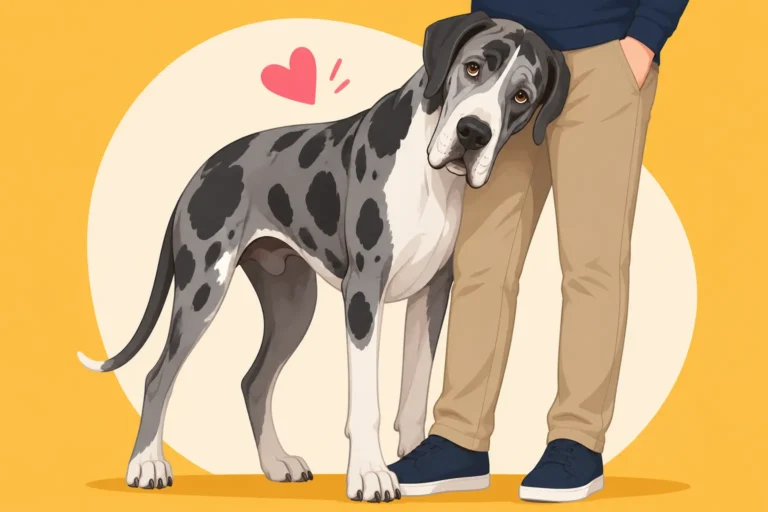
Great Dane leaning behavior stems from affection, anxiety, or attention-seeking, and owners can manage this habit gently.
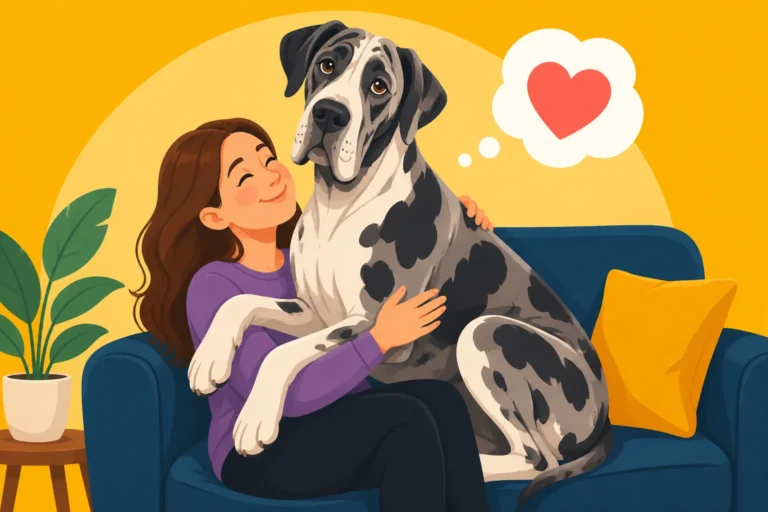
Great Dane lap-sitting behavior stems from social instincts, affection, and early reinforcement when they were small puppies.