A Great Dane That Starts Having Accidents Again
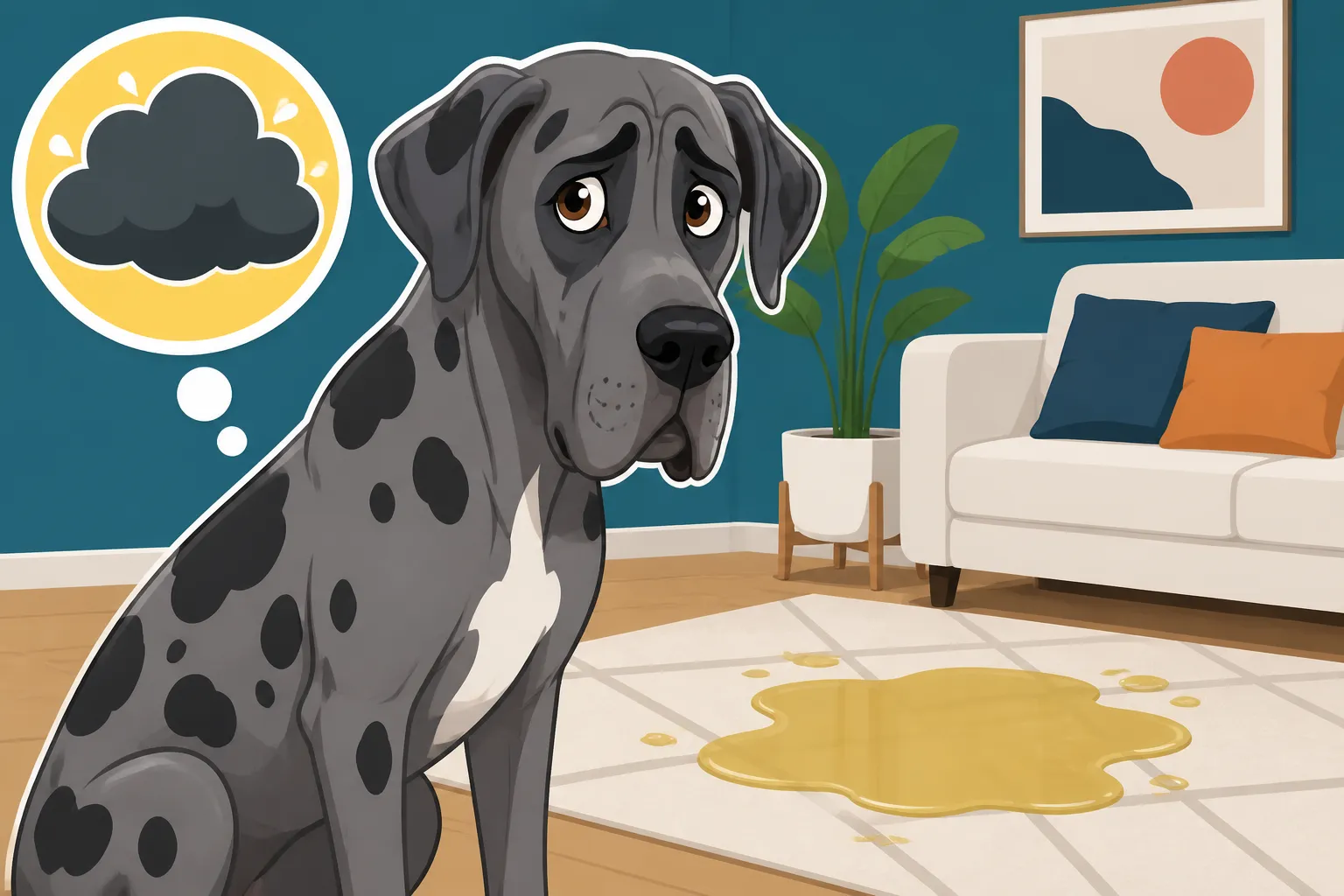
It's one of those moments that makes your heart sink a little: you walk into a room and find that your magnificent, house-trained Great Dane has had an accident. The frustration is real, and often, it's mixed with worry. After all, your Dane has been perfectly reliable for ages, so what gives? This isn't just a puppy mistake; it's a sudden, concerning change in behavior. This comprehensive guide will help you systematically investigate the possible reasons behind your Great Dane's sudden house-soiling, from underlying health issues to environmental stressors and behavioral shifts, and provide actionable steps to get things back on track.
Unraveling Potential Medical Mysteries Behind Accidents
When a previously house-trained Great Dane starts having accidents, the very first place your mind should go is to their physical health. Unlike a puppy who's still learning the ropes, an adult Dane who suddenly loses their housetraining almost always has a medical reason at the root of it. Their large size means any health issue can become a big problem, fast, impacting their mobility or ability to hold their bladder or bowels. Ignoring these signs can lead to worsening conditions, so a vet visit is paramount.
Urinary Tract Issues and Incontinence
One of the most common culprits for sudden indoor peeing is a urinary tract infection (UTI). It sounds simple, but a UTI can cause frequent, urgent urination, sometimes leading to accidents because your Great Dane simply can't hold it or get outside fast enough. They might strain to pee, pass only small amounts, or even have blood in their urine. It’s painful and uncomfortable, and your Dane isn't being "bad" – they're struggling. Other urinary issues could include bladder stones, which cause similar symptoms, or even incontinence due to weakened bladder muscles, especially as they get older. Sometimes, it's not about being able to get outside, but about their body involuntarily letting go.
Kidney disease, particularly in older Danes, can also play a role. When kidneys aren't functioning optimally, dogs often drink more water and, consequently, need to urinate more frequently. This increased volume and frequency can overwhelm even a well-trained dog's ability to hold it. You might notice them asking to go out constantly, or finding larger puddles than usual. Keep an eye on their water intake, as a significant increase is often a red flag. Kidney and Liver Values in an Old Great Dane covers more about what to look for in senior Danes.
Metabolic Conditions and Organ Dysfunction
Beyond the urinary system, other internal health issues can lead to unexpected accidents. Diabetes, for example, causes increased thirst and urination (polydipsia and polyuria), similar to kidney issues. A diabetic Dane will drink enormous amounts of water and, inevitably, need to relieve themselves far more often, sometimes failing to make it to the door. You might also notice weight loss despite a good appetite, or changes in their energy levels.
Conditions affecting other organs, such as Cushing's disease (an overproduction of cortisol), can also result in increased drinking and urination, leading to accidents. Even liver disease can sometimes manifest with subtle changes in body function that impact housetraining. These conditions often have other symptoms, like changes in coat quality, appetite, or activity level, but the sudden onset of accidents is often one of the first things owners truly notice because it impacts daily life so directly.
Age-Related Cognitive Changes and Mobility Challenges
As our Great Danes age, just like humans, they can experience cognitive decline, sometimes referred to as canine cognitive dysfunction (CCD). This is essentially doggy Alzheimer's. A Dane with CCD might forget their housetraining, wandering inside and simply relieving themselves as if they're a puppy again, unaware of where they are or what they're doing. They might stare blankly, get "stuck" in corners, or seem generally disoriented. The Age a Great Dane Is Considered Old provides more insight into the changes you might see as your Dane becomes a senior.
Beyond mental changes, physical limitations can make it hard for an older Great Dane to maintain their housetraining. Arthritis and joint pain are incredibly common in large breeds. Imagine having severe hip or elbow pain and trying to stand up, navigate stairs, or even just walk to the door quickly when nature calls. A Dane might have accidents inside not because they don't know better, but because it's simply too painful or slow to get to their designated potty spot in time. Conditions like Arthritis in a Six-Year-Old Great Dane can make movement difficult, impacting their ability to follow their usual routine. This is particularly true if their preferred spot outside is far, or requires navigating tricky terrain like steps.
Behavioral and Emotional Triggers for Accidents
Once you've ruled out medical issues with a thorough vet check, it's time to consider the behavioral and emotional landscape of your Great Dane. These gentle giants, despite their imposing size, can be surprisingly sensitive creatures. Changes in their emotional state can absolutely manifest as a regression in housetraining, often out of stress, anxiety, or even a misunderstanding.
Stress, Anxiety, and Fear Responses
Great Danes thrive on routine and stability. Any significant disruption can cause stress and anxiety, which might lead to accidents. Think about separation anxiety, which is unfortunately common in Danes due to their deep bond with their families. A Dane suffering from A Great Dane That Panics When Left might urinate or defecate indoors only when left alone, often accompanied by other destructive behaviors, howling, or pacing. This isn't out of spite; it's a panic response.
Fear can also play a huge role. Has there been a recent loud thunderstorm, fireworks, or a new, scary noise in the neighborhood? Some Danes, when terrified, can lose bladder or bowel control. If your Great Dane is generally A Great Dane That Is Anxious Rather Than Gentle, they might be more prone to these fear-induced accidents. Even subtle shifts in the household environment that make them feel unsafe or insecure can contribute.
Attention-Seeking and Marking Behaviors
While less common than medical or anxiety-related issues in a previously house-trained adult, sometimes accidents can be a form of attention-seeking. If your Great Dane feels neglected or like they aren't getting enough interaction, they might learn that an accident gets a swift, even if negative, reaction from you. This is more likely if the accidents happen when you're home but busy, and they've tried other ways to get your attention first. It's a tricky one, because scolding them for an accident will only reinforce that accidents get attention.
Marking behavior is another possibility, though typically seen more in intact males, it can occur in females and neutered males too. This isn't about emptying the bladder but depositing small amounts of urine to claim territory. This can be triggered by new scents in the house, a new pet, or even a perceived threat to their status. If your Dane is marking, you'll often see them lift a leg (even females can do this) and urinate on vertical surfaces like furniture legs or walls.
Changes in Household Dynamics
Our homes are complex ecosystems, and any change can throw a sensitive Great Dane off balance. Has a new person moved in, like a partner or a baby? A new pet, whether a puppy or a cat, can be a huge stressor. The arrival of a new family member changes routines, attention distribution, and the very scent of the home. Your Dane might feel displaced, jealous, or simply overwhelmed. Bringing a Great Dane Into a House With a Cat or Great Danes Around Toddlers both highlight the kind of adjustments required.
Even departures can cause issues. If a family member who spent a lot of time with your Dane has moved out, your dog might mourn their absence and express that grief through accidents. Conversely, a prolonged absence of yourself (a long vacation, a hospital stay) followed by your return can sometimes trigger a temporary regression as your Dane readjusts to your presence and the new routine. Great Danes truly thrive on consistency and stability, and abrupt changes to their social environment can be deeply unsettling.
Environmental Shifts and Routine Disruptions
Sometimes, the reasons behind a Great Dane's sudden accidents aren't internal to them, but external – changes in their physical environment or daily schedule. These can be easily overlooked, but for a creature of habit, even small shifts can have a big impact on their ability to maintain proper housetraining.
Changes in Access and Outdoor Environment
Consider their access to the outdoors. Have you started working longer hours, meaning there are fewer opportunities for potty breaks? Has someone else taken over their walks who isn't as diligent about letting them out as often as they need? A Great Dane That Manages a Full Work Day discusses the challenges of scheduling. Even seemingly minor changes, like a gate being accidentally left closed to their usual dog door or yard access, can prevent them from getting out when they need to.
The outdoor environment itself can also change. Extreme weather, be it pouring rain, heavy snow, or scorching heat, might make your Dane reluctant to go outside. Some Danes are quite particular about getting their paws wet or being cold, and if the weather is unpleasant, they might try to hold it too long, leading to an accident, or simply decide it's not worth the discomfort and relieve themselves inside. Furthermore, if you've recently moved, their new yard might feel unfamiliar or unsafe, causing hesitation to use it.
New Surfaces and Scents
Great Danes, like all dogs, develop strong associations with where they relieve themselves. If you've recently changed their indoor environment, it could be confusing. For instance, putting down new carpet or rugs might smell different and mistakenly signal a new "potty spot" to your dog, especially if the new material feels similar to grass or dirt under their paws. If a previous accident wasn't thoroughly cleaned with an enzymatic cleaner, residual odors can actually attract your Dane back to the same spot, perpetuating the problem. Products available on platforms like Amazon can be very effective in neutralizing these odors completely, not just masking them.
Similarly, new furniture, cleaning products, or even a new pet's scent could trigger confusion or territorial marking. Dogs explore with their noses, and a home filled with new, unfamiliar smells can be disorienting or even stress-inducing. They might use urination as a way to re-establish their own scent and comfort in an environment that suddenly feels alien.
Sudden Deviations in Daily Schedule
Great Danes thrive on predictability. They learn to associate certain times of day with meals, walks, and potty breaks. A sudden shift in this schedule can throw them off completely. If their dinner time changes significantly, or their morning walk is later, their internal clock might get confused. This isn't intentional; it's simply a disruption to their ingrained habits. For a Great Dane, their routine is their comfort zone, and veering away from it can cause unexpected issues.
A common example might be if your work schedule changes from an office job to working from home. While you're present, your Dane's routine of being let out at specific times might inadvertently shift without you realizing it. Or perhaps a family member who was responsible for a mid-day potty break is no longer available. Even traveling with your Dane and altering their schedule can temporarily cause a regression in housetraining. These large dogs can be surprisingly sensitive to deviations from what they've come to expect.
Steps to Address and Prevent Future Accidents
Once you've done your detective work and pinpointed potential causes for your Great Dane's sudden accidents, it's time to take action. This often involves a multi-pronged approach combining veterinary care, a refresher in training, and careful environmental management. Remember, patience and consistency are your best tools here.
Working Closely with Your Veterinarian
As mentioned earlier, the first and most crucial step is always a visit to your veterinarian. Describe all symptoms, when the accidents occur, how often, and any other changes you've noticed in your Great Dane's behavior, appetite, or energy levels. Your vet will likely perform a thorough physical exam, collect urine and blood samples, and perhaps recommend imaging like X-rays or ultrasounds, especially if they suspect bladder stones or other internal issues. They might also suggest tests like The Thyroid Test a Slow Great Dane Needs if other symptoms point in that direction.
If a medical condition is diagnosed, adhering strictly to the prescribed treatment plan is key. This could involve medication for UTIs, dietary changes for kidney or diabetic issues, or pain management for arthritis. For older Danes experiencing cognitive decline, your vet might suggest specific supplements or medications to support brain health. It's vital to rule out all medical possibilities before assuming the problem is purely behavioral, as treating an underlying health issue is often the quickest route to resolving accidents.
Re-establishing Training and Routine
Regardless of the cause, a period of re-housetraining can be beneficial, treating your adult Great Dane almost like a puppy again. This means frequent, scheduled trips outside – every couple of hours initially, and definitely after waking up, eating, and playing. Reward them generously with praise and treats the moment they eliminate outside. The goal is to rebuild their positive association with going outside and to prevent any opportunities for indoor accidents.
Using a consistent phrase like "go potty" can help them understand what's expected. Supervise your Dane closely indoors, especially in areas where accidents have occurred. If you can't actively supervise, consider using a crate sized for a full-grown Great Dane or confining them to a smaller, easy-to-clean area. Choosing a Crate a Great Dane Can Stand In can help with selecting the right size.
For behavioral issues like anxiety, consider working with a professional dog trainer or behaviorist. They can help you implement strategies to manage anxiety, build confidence, or address attention-seeking behaviors constructively. Online resources, like those offered by BAXTER & Bella, often provide structured programs and one-on-one coaching that can be adapted for specific behavioral challenges, offering support when you need to reinforce positive habits.
Managing the Environment Effectively
Environmental management is critical to both preventing future accidents and making cleanup easier if they do happen. Ensure your Great Dane has easy, consistent access to their potty area outside. If mobility is an issue, consider creating a closer, easily accessible spot in the yard, or using a ramp if stairs are a barrier. Make sure their bedding is comfortable and accessible, as a painful transition from a hard floor to a dog bed can make them reluctant to move quickly. Bedding That Prevents Great Dane Hygromas discusses options for cushioning.
Indoors, use enzymatic cleaners meticulously on any accident spots. Regular household cleaners might mask the smell to humans, but dogs can still detect it, marking the area as a suitable toilet. Brands found easily on Amazon offer highly-rated enzymatic cleaners that break down the odor-causing molecules, removing the attractant. Consider dog-proofing areas where accidents occur, perhaps by temporarily blocking access with baby gates, especially if your Dane tends to mark specific furniture.
Finally, review your daily schedule and try to establish a consistent routine for meals, walks, and potty breaks. Predictability reduces stress and helps your Great Dane understand when and where they're expected to relieve themselves. If you have to be away for longer periods, consider hiring a dog walker or using a trusted pet sitter to maintain those crucial potty schedules. Even minor adjustments can make a world of difference for your sensitive giant.
| Possible Cause Category | Common Signs/Observations | Initial Action Steps |
|---|---|---|
| Medical Issues | Frequent urination, straining, small puddles, blood in urine, increased thirst, lethargy, pain on movement, confusion. | Immediate Vet Visit: Provide detailed history, samples. Follow treatment plan. |
| Anxiety/Stress | Accidents only when left alone, destructive behavior, howling, pacing, shaking, excessive drooling, new fear responses. | Vet Check First: Rule out medical. Consult professional trainer/behaviorist. Increase mental enrichment. Consider calming aids. |
| Routine Disruption | Accidents after schedule change (meals, walks), new person/pet, owner absence, extreme weather reluctance. | Re-establish strict schedule. Increase potty breaks. Address specific triggers. |
| Environmental Changes | Accidents on new carpet, in new house, on specific furniture, or in areas with residual odor from past accidents. | Clean thoroughly with enzymatic cleaner. Restrict access to problem areas. Consider new dog beds/crate. |
| Behavioral (Marking) | Small amounts of urine, often on vertical surfaces, leg lifting (even in females), response to new scents. | Vet check to rule out UTI. Neuter/spay if applicable. Supervise closely. Use enzymatic cleaners. |
Disclaimer
This article is for general informational purposes only and does not constitute professional advice. Laws, prices and regulations vary by location and change over time. Consult a qualified professional for guidance on your specific situation.