Whether a Great Dane Understands Its Own Size
Great Dane body awareness and proprioception explain why a one hundred pound dog still tries to sit on your lap.
Work with the temperament you have.
House-training and crate work, recall, leash manners, separation anxiety, and the behaviors this breed is wired for.
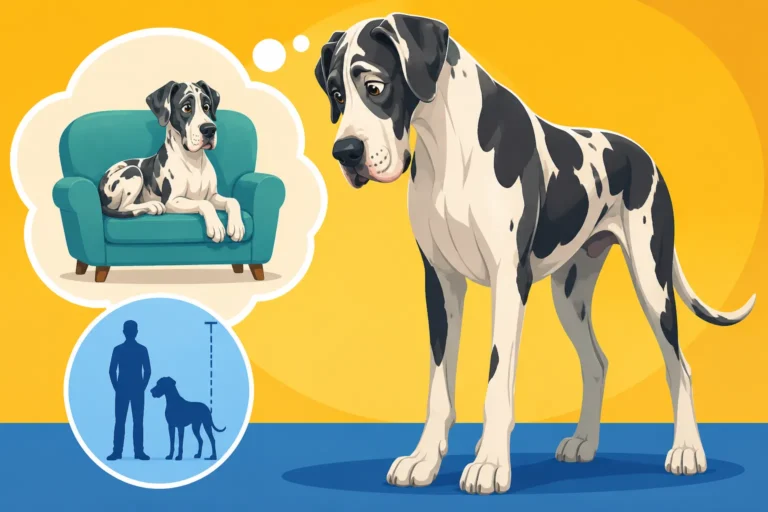
Great Dane body awareness and proprioception explain why a one hundred pound dog still tries to sit on your lap.

Great Dane sofa behavior during guest visits explained through instinct, excitement, boundaries, and learned reinforcement.
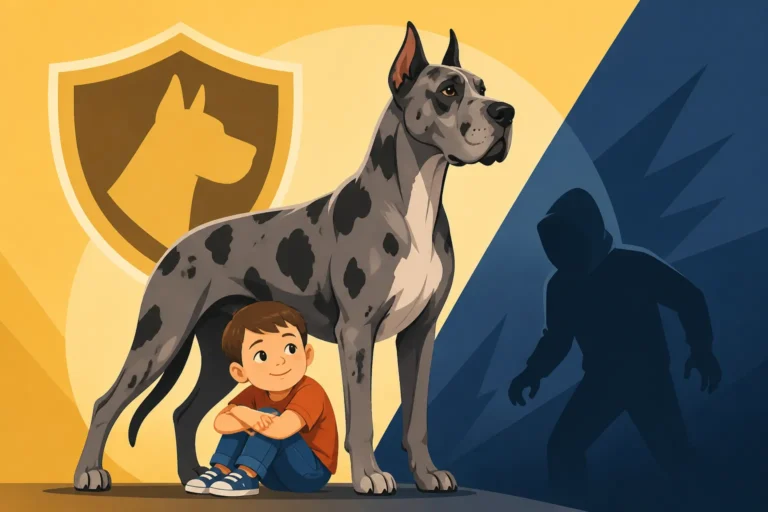
Great Dane protective instincts and gentle giant temperament, explaining how these dogs react to children and potential threats.
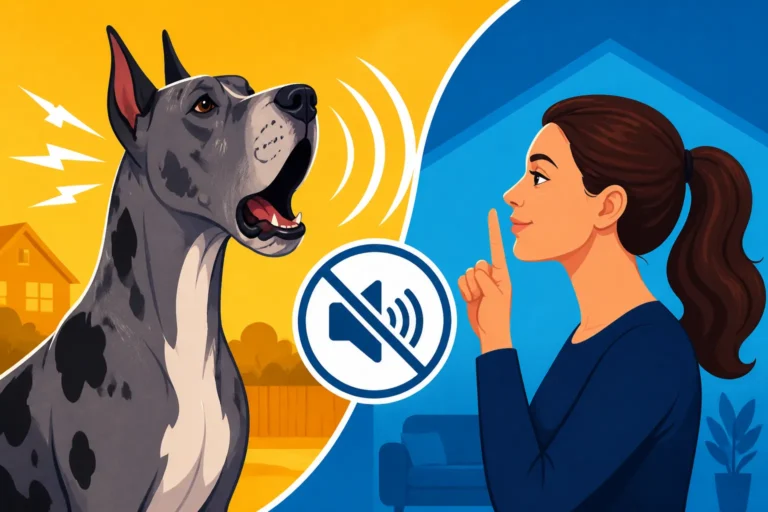
Great Dane barking behavior explanations and practical training strategies reduce deep-chested noise and restore home peace.

Great Dane reactivity causes barking, pulling, and lunging on walks due to fear, frustration, or communication challenges.
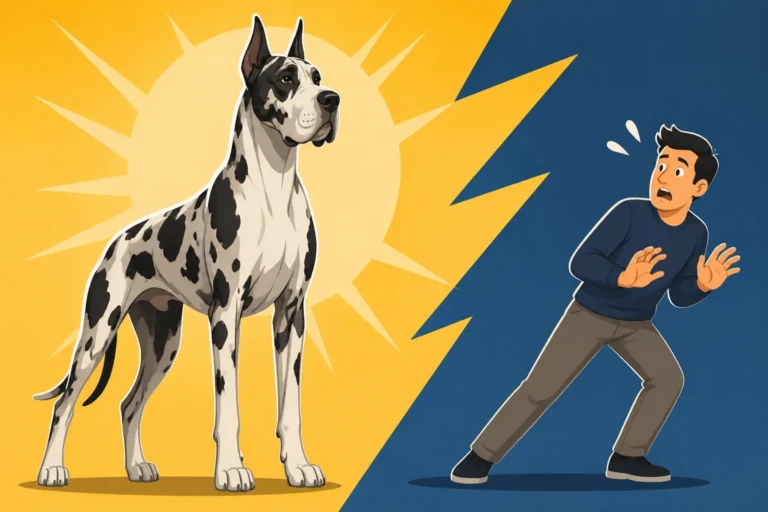
Great Dane size creates visual deterrence against intruders, but actual security requires proper temperament and training.
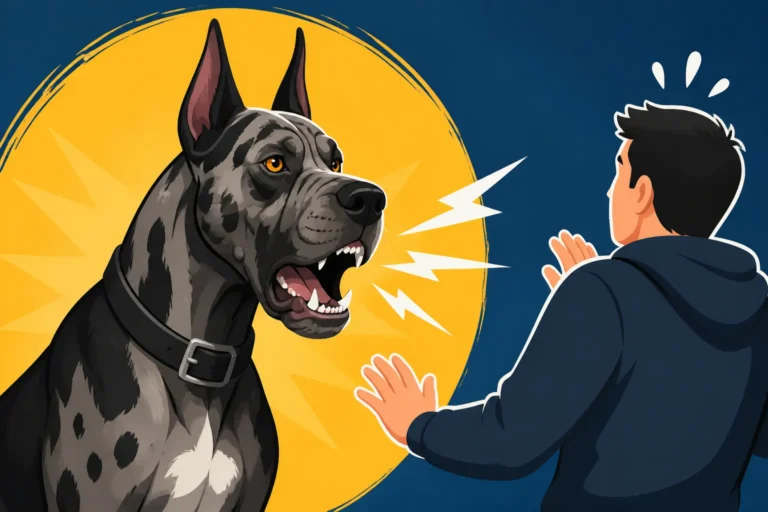
Great Dane growling behavior stems from fear, anxiety, or protectiveness, requiring owners to interpret signals and manage reactions.

Great Dane aggression triggers, subtle warning signs like growling or snapping, and management methods for owners.

Anxious Great Dane behavior causes unique challenges for owners of 150-pound dogs dealing with fear and stress during storms.
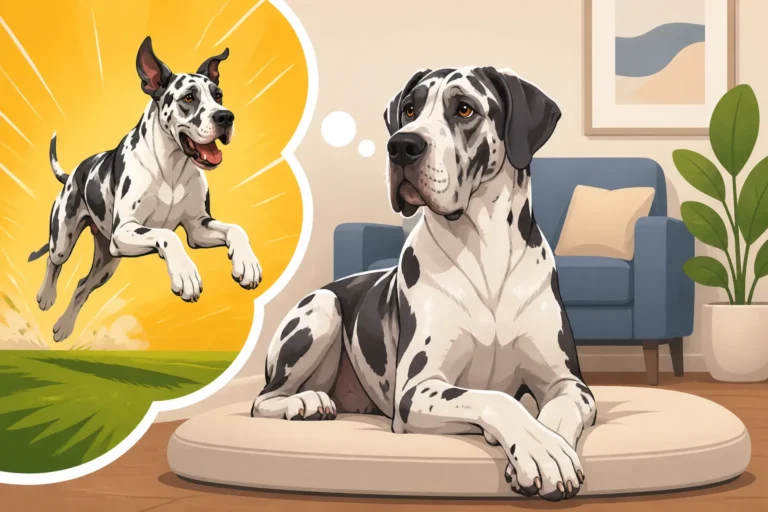
Great Dane indoor behavior features puppy energy that matures into a calm adult temperament between eighteen months and three years.