A Great Dane Living With Livestock
Great Dane behavior around livestock requires understanding their hunting instincts and managing interactions safely with farm animals.
Work with the temperament you have.
House-training and crate work, recall, leash manners, separation anxiety, and the behaviors this breed is wired for.
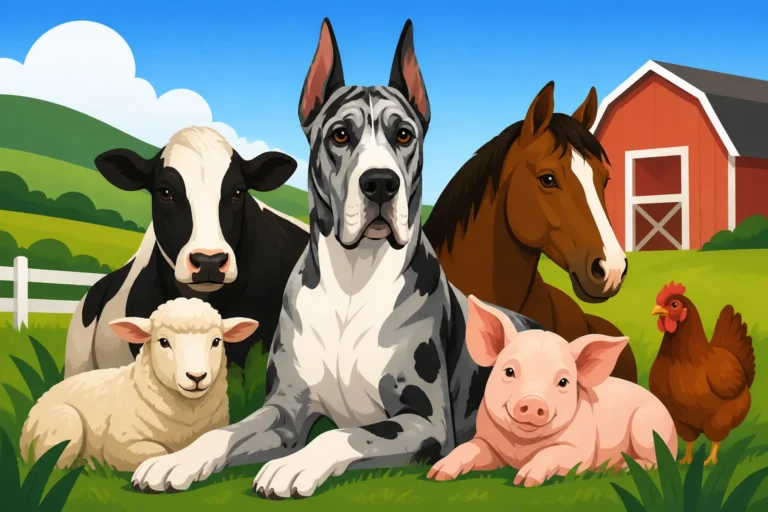
Great Dane behavior around livestock requires understanding their hunting instincts and managing interactions safely with farm animals.
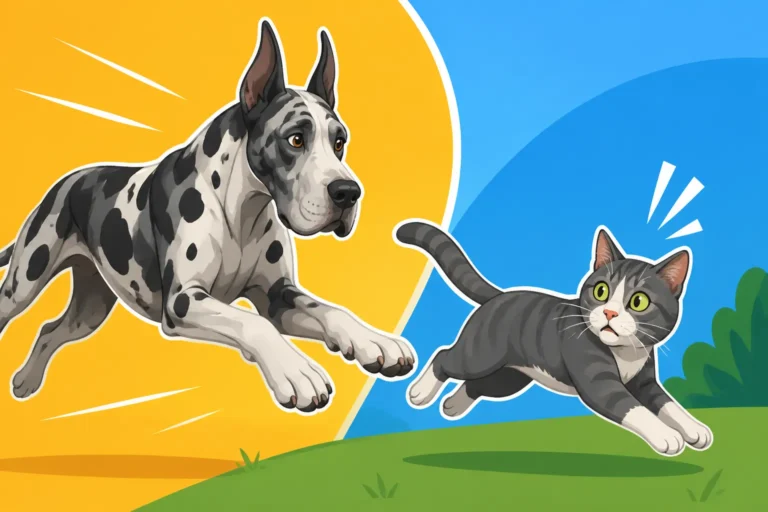
Great Dane hunting instincts and prey drive explain how giant breed size impacts safe cat introductions at home.
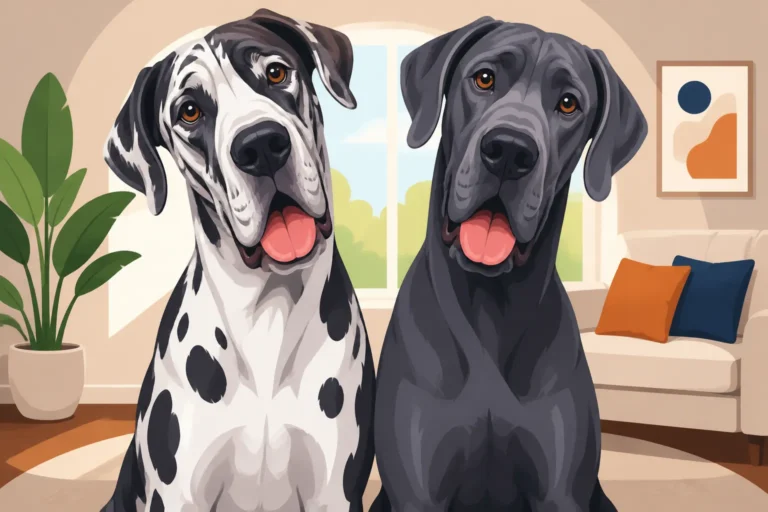
Two Great Danes in one home creates complex challenges regarding space requirements, feeding routines, and resource management strategies.
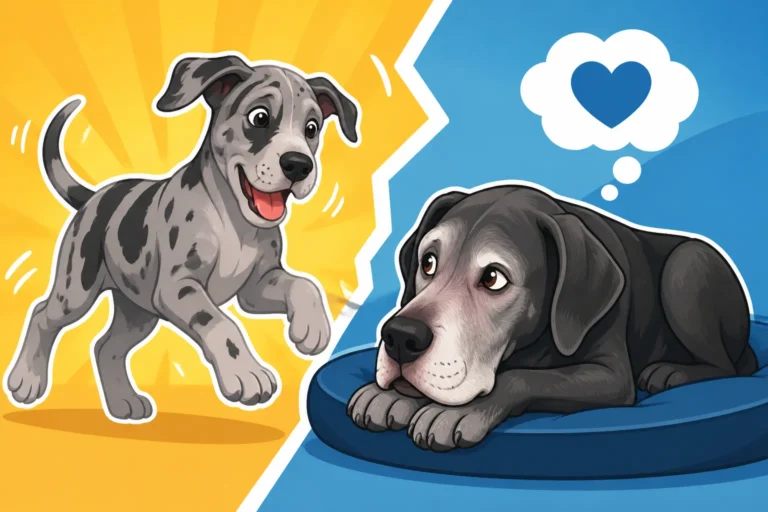
Integrating a Great Dane puppy with an older dog requires managing different energy levels, preventing arthritis pain, and protecting senior comfort.
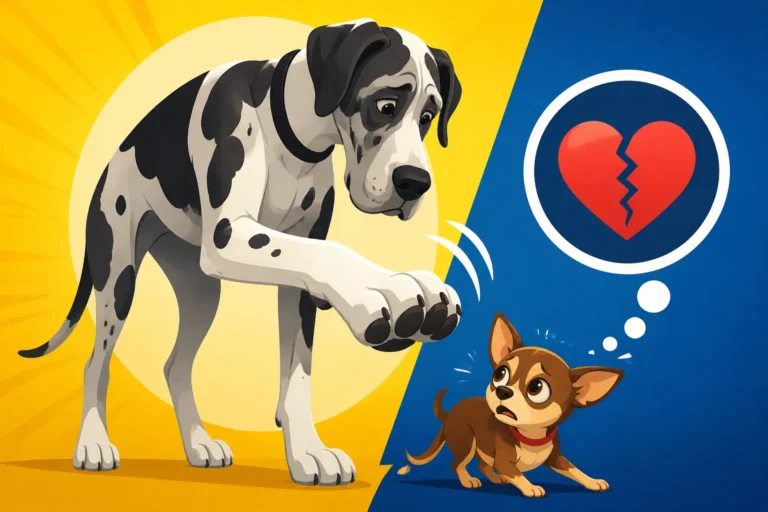
Great Dane size disparities and physics create accidental risks for small dogs during play and daily household interactions.
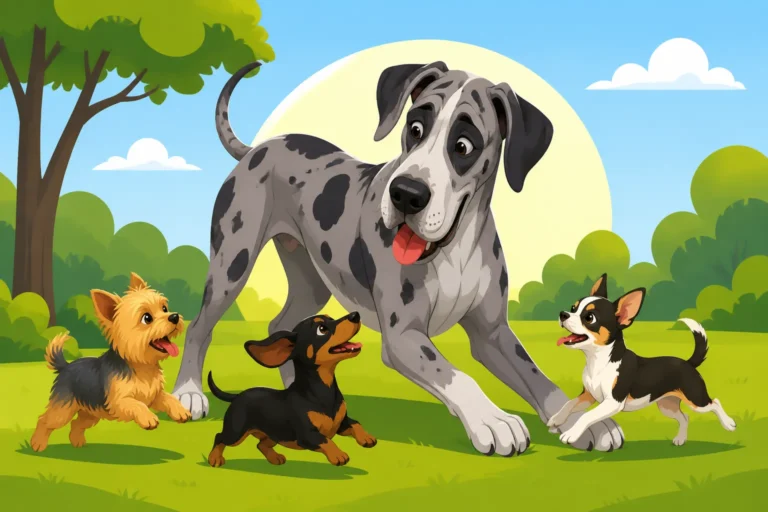
Great Danes and small dogs playing together requires managing size differences, socialization, and supervision to prevent accidental injuries.
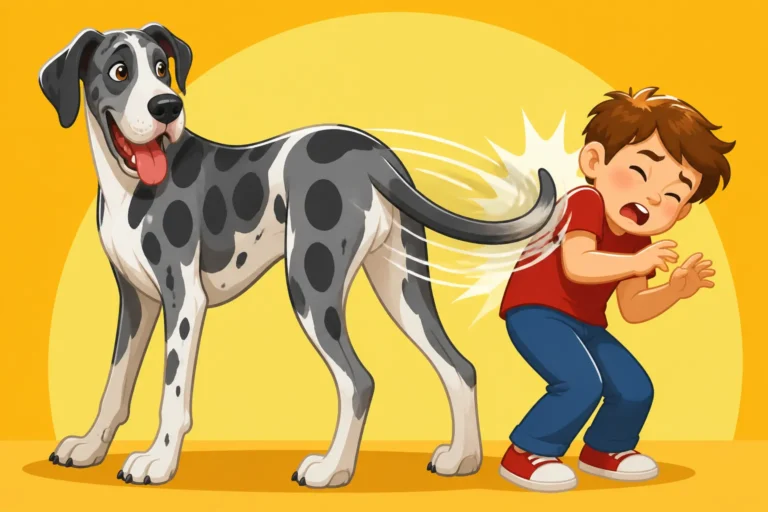
Great Dane tail physics create unexpected bruising risks for toddlers, requiring careful risk mitigation to protect young children from injury.
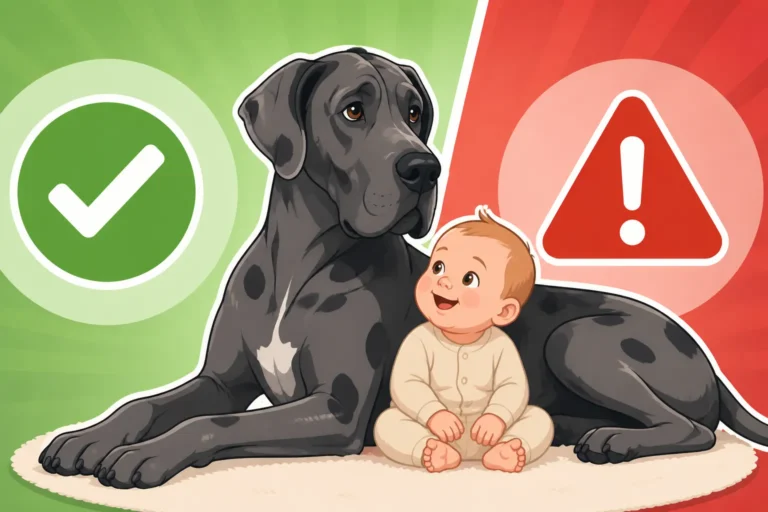
Great Dane safety around a newborn depends on weighing one to two hundred pounds, calm temperament, and managing tail wags.
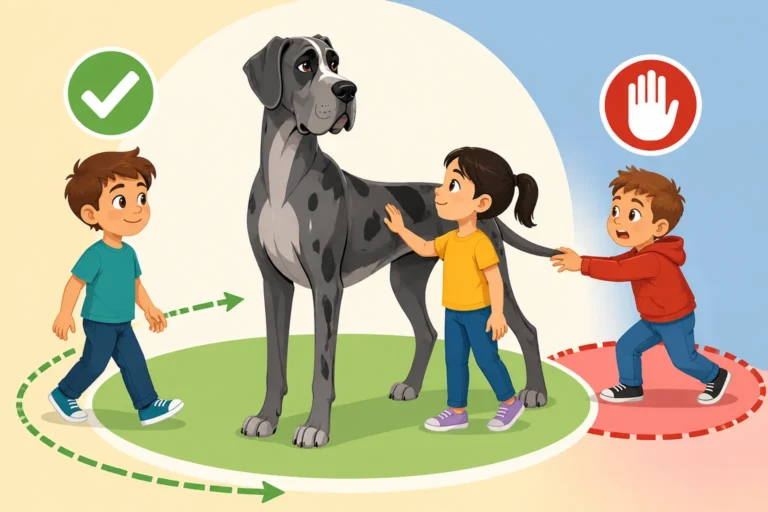
Great Dane size and temperament around children create safety challenges that require practical strategies for households.
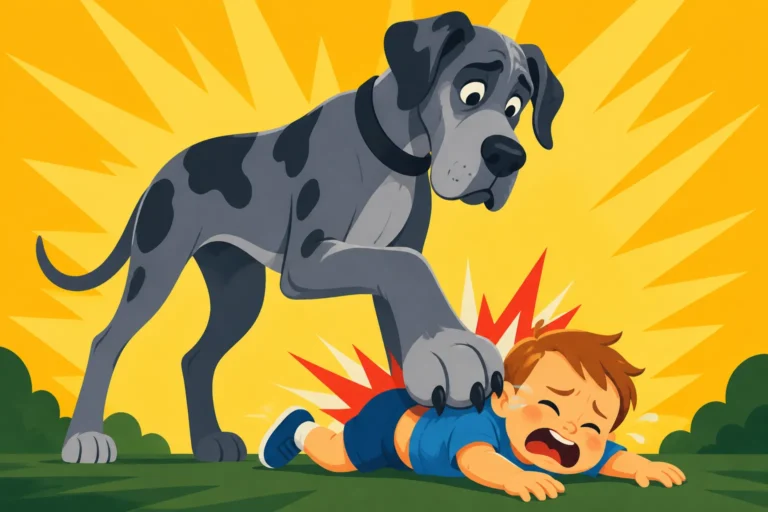
Great Dane spatial awareness and impulse control training strategies prevent accidental toddler injuries in homes with massive dogs.