Growth Disorders in a Great Dane Puppy
It’s truly heartbreaking to watch your beautiful Great Dane puppy struggle, especially when they should be bounding with energy and joy. When those gangly legs start limping, or a joint swells unexpectedly, it’s natural to feel a surge of panic and worry. You’re left wondering if it’s just a clumsy puppy moment or something far more serious. This guide is here to shed light on the common growth disorders that can affect Great Dane puppies, helping you understand what to look for and how to navigate these challenging times.
Understanding the Unique Growth of a Great Dane Puppy
Bringing home a Great Dane puppy is an exercise in watching rapid transformation. One day they're a clumsy little ball of fluff, and the next they're nearly your height, still with those big, oversized paws they haven't quite grown into. This incredible growth spurt, while awe-inspiring, also presents unique challenges that owners of smaller breeds rarely face.
Why Rapid Growth is Both a Blessing and a Challenge
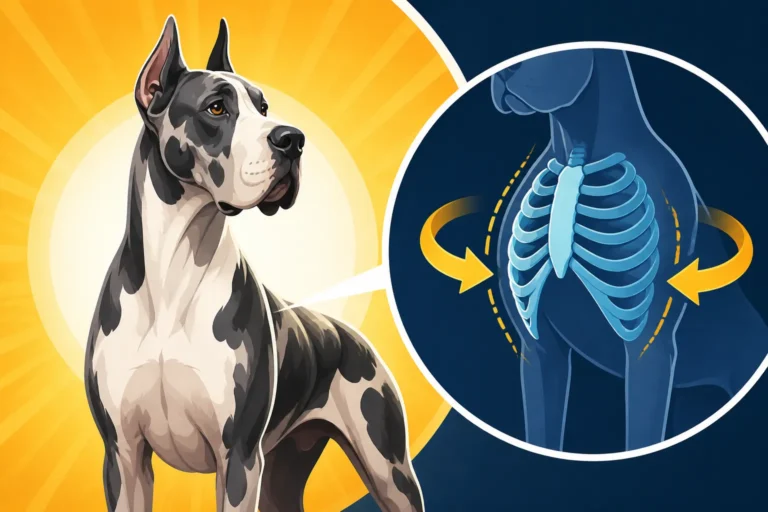
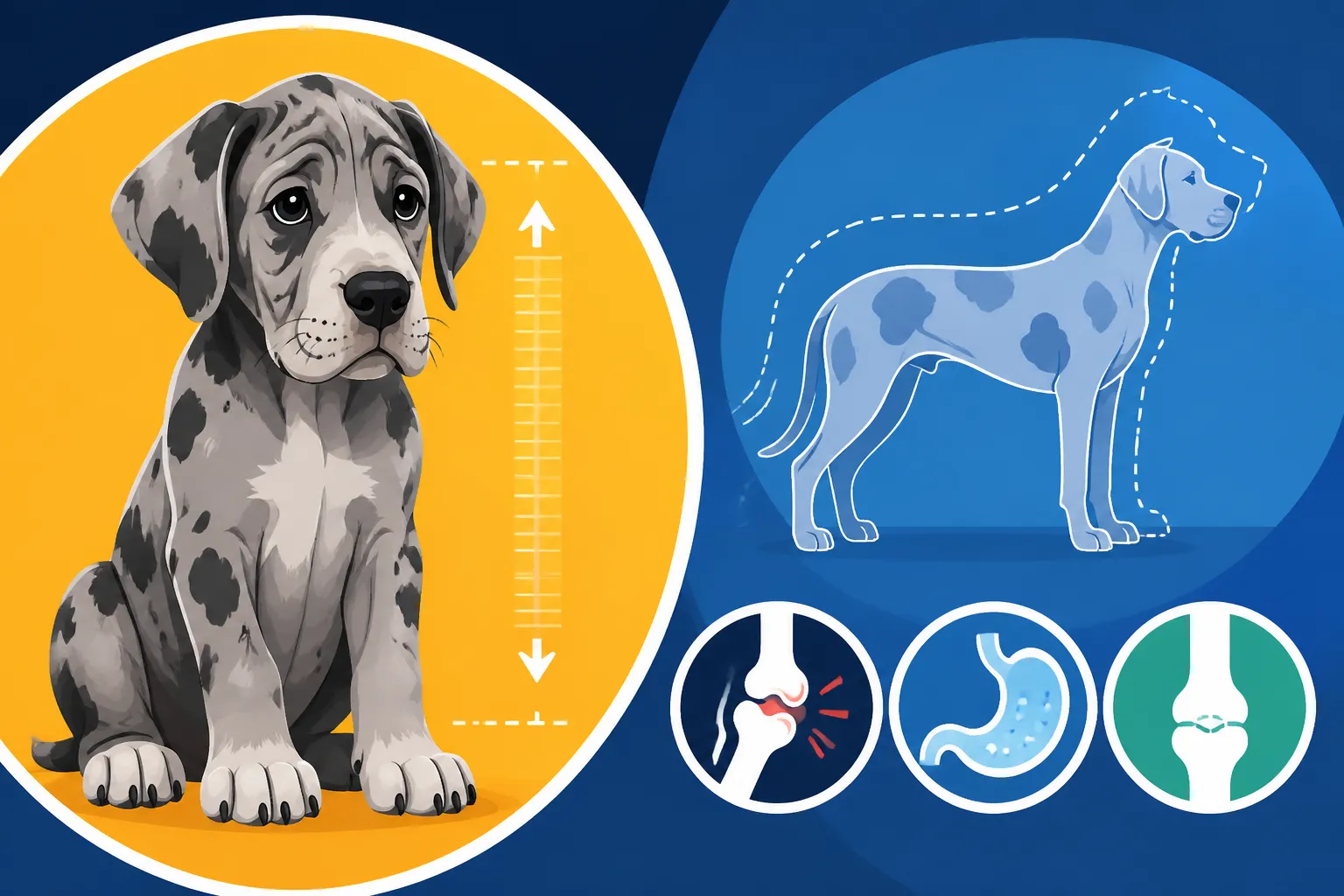
Great Danes grow at an astonishing, almost unbelievable rate. They can go from a few pounds to over 100 pounds in their first year alone, often reaching their full height within 12 to 18 months, though they'll continue to fill out until they're two or even three years old. This rapid acceleration isn't just about getting bigger quickly; it means their bones, joints, muscles, and soft tissues are developing at an incredible pace, too. It’s like building a skyscraper in half the time of a regular house – everything needs to be perfect, or weaknesses can emerge.
This extreme growth puts immense stress on their developing skeletal system. Their bones are lengthening and thickening, their growth plates are active, and their joints are constantly remodeling. If this process is disrupted, either by genetics, nutrition, or too much physical stress, problems can arise. It’s a delicate dance where fast growth is normal for the breed, but too fast or uncontrolled growth can open the door to painful, debilitating conditions that can impact their entire life. We want them to grow, of course, but we want them to grow slowly and steadily, which might sound contradictory, but it's crucial for their long-term health. That's why understanding Why a Great Dane Puppy Should Grow Slowly is so important.
The Delicate Balance of Nutrition for Giant Breeds
Nutrition plays a pivotal, non-negotiable role in managing a Great Dane puppy's growth. It's not just about feeding them enough; it's about feeding them the right kind of food in the right amounts. Many owners, understandably, think more food equals a bigger, healthier dog, but for Great Danes, this couldn't be further from the truth. Overfeeding, especially with diets high in calories or calcium, can actually accelerate growth beyond a safe rate, putting undue strain on their still-soft bones and joints. This can significantly increase the risk of growth disorders.
Specialized large-breed puppy food isn't just a marketing gimmick; it's formulated with a carefully controlled calcium-to-phosphorus ratio and a moderate calorie density. This helps ensure a slow, steady rate of growth, allowing their skeletal system to mature properly without being overloaded. Generic puppy foods or those meant for medium and small breeds often have higher calcium levels suitable for their faster-maturing counterparts, but for a Great Dane, this can be detrimental. It’s a common misconception that extra calcium is good for growing bones, but for a Great Dane, it can actually cause serious damage. If you're wondering about this, check out Whether Extra Calcium Damages a Great Dane. Always consult with your veterinarian about the best diet for your growing giant, resisting the urge to supplement or free-feed without professional guidance.
Common Growth Disorders in Great Dane Puppies
When you have a Great Dane puppy, certain phrases start popping up in conversations with vets and other owners that might sound a bit scary. These are the growth disorders that, unfortunately, these magnificent dogs are prone to, often due to their rapid development. Knowing what they are can help you recognize the signs early.
Hypertrophic Osteodystrophy (HOD)
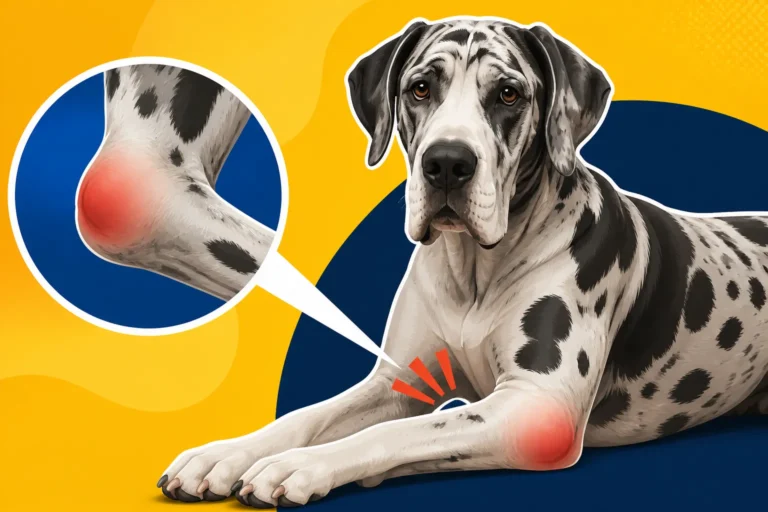
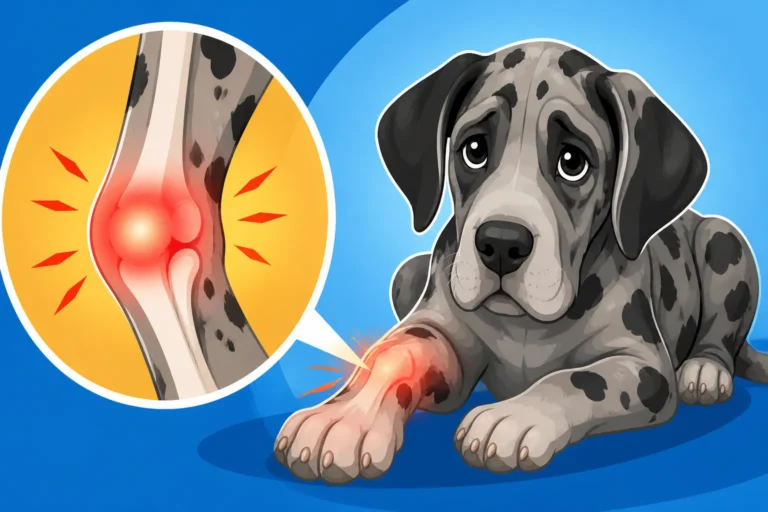
Hypertrophic Osteodystrophy, or HOD, is one of those words that can make any Great Dane owner's heart sink. It's an inflammatory disease affecting the growth plates of the long bones, typically in the legs. Imagine a painful, hot, swollen joint that flares up, often accompanied by a fever, lethargy, and a complete reluctance to move. It's truly distressing to witness, as these puppies, usually between 2 and 7 months of age, can be in excruciating pain. The wrists (carpus) and ankles (hock) are commonly affected, but it can appear in other long bones too.
The exact cause of HOD isn't fully understood, but it's believed to be multifactorial, involving genetics, rapid growth, and sometimes even vaccinations or stress. The key characteristic is its episodic nature – symptoms can appear suddenly, last for days or weeks, and then subside, only to recur later. During a flare-up, a puppy might barely be able to stand, cry out in pain when touched, and refuse to eat. Managing HOD primarily involves pain control, anti-inflammatory medication, and strict rest, often with crate confinement. It's a condition that demands close veterinary attention to alleviate suffering and prevent long-term damage. For a deeper dive into this specific condition, you can explore Hypertrophic Osteodystrophy in a Great Dane.
Osteochondritis Dissecans (OCD)
Osteochondritis Dissecans, or OCD, is another painful condition where the cartilage in a joint fails to develop properly into bone. Instead of smooth, resilient cartilage, a thickened flap of cartilage forms, which can eventually crack and detach from the underlying bone. Imagine a loose piece of cartilage, like a tiny chip, floating around in the joint, causing inflammation, pain, and lameness. It's exactly as uncomfortable as it sounds.
OCD most commonly affects the shoulders in Great Danes, but it can also show up in the elbows, hocks (ankles), and stifles (knees). Puppies typically start showing signs between 4 and 9 months of age, often manifesting as a persistent lameness in one limb, stiffness, or a reduced range of motion. Unlike HOD, which can be episodic, OCD often causes more consistent, though sometimes fluctuating, lameness. Diagnosis usually involves X-rays. Treatment can range from rest and pain management for mild cases to surgical removal of the cartilage flap, which can be quite involved. Understanding Cartilage Flaps in a Great Dane Shoulder can give you more insight into this particular aspect.
Panosteitis ("Growing Pains")
If your Great Dane puppy is limping one day, then totally fine the next, only to limp on a different leg a few days later, you might be dealing with panosteitis. Often colloquially referred to as "growing pains," panosteitis is an inflammation of the outer surface of the long bones, affecting primarily the leg bones (femur, tibia, humerus, ulna, radius). It's distinct from HOD and OCD in that it's an inflammation of the bone shaft itself, rather than the growth plates or cartilage.
The classic symptom is a "shifting lameness" – one day it's the front left, the next it's the back right, then maybe both fronts. This can be incredibly confusing and frustrating for owners trying to pinpoint the problem. Puppies usually experience panosteitis between 5 and 18 months of age. While it can be quite painful, it's generally a self-limiting condition, meaning it eventually resolves on its own as the puppy matures. However, "self-limiting" doesn't mean "no treatment." Pain management with anti-inflammatory medications is crucial to keep your pup comfortable during flare-ups. You might find more detailed information on this topic by looking into Shifting Lameness in a Growing Great Dane.
Elbow and Hip Dysplasia
Elbow and hip dysplasia are perhaps the most well-known joint conditions in large breeds, and unfortunately, Great Danes are not immune. These are complex, inherited conditions where the joints don't form correctly, leading to instability, pain, and eventually degenerative arthritis.
- Elbow Dysplasia: This is actually a complex of several developmental abnormalities, including ununited anconeal process, fragmented coronoid process, and osteochondrosis (OCD of the elbow). The result is an incongruent elbow joint where the bones don't fit together smoothly, causing grinding, pain, and lameness, often starting around 4-12 months of age. You might notice your puppy favoring a limb, a reluctance to bear weight, or a stiff, awkward gait. Elbow Problems in a Fast-Growing Great Dane often manifest early and can be quite severe.
- Hip Dysplasia: This occurs when the ball and socket of the hip joint don't fit together snugly. Instead of a smooth articulation, the joint is loose, causing friction and leading to damage to the cartilage and bone. While it has a strong genetic component, environmental factors like rapid growth, excessive weight, and improper exercise can exacerbate it. Symptoms can appear in puppies as early as 4-6 months, showing as a "bunny hop" gait, difficulty getting up, reluctance to run or jump, or even an A Great Dane That Limps Without an Injury. Severe cases can lead to significant pain and mobility issues.
Both conditions require careful diagnosis via X-rays, often performed under sedation. While genetic predisposition is key, managing a puppy's growth rate and avoiding excessive stress on the joints are vital in mitigating the severity. Treatment can range from pain medication, joint supplements, physical therapy, to various surgical interventions, sometimes even including total joint replacement in severe cases.
| Growth Disorder | Description | Typical Age of Onset | Key Symptoms | Management |
|---|---|---|---|---|
| Hypertrophic Osteodystrophy (HOD) | Inflammatory disease of growth plates in long bones. | 2-7 months | Swollen, painful joints (hot to touch), fever, lethargy, acute lameness. | Pain relief (NSAIDs), anti-inflammatories, strict rest, supportive care. |
| Osteochondritis Dissecans (OCD) | Failure of cartilage to properly ossify, leading to cartilage flaps in joints. | 4-9 months | Persistent lameness, stiffness, reduced range of motion, joint swelling. | Rest, pain relief, sometimes surgery to remove cartilage flap. |
| Panosteitis | Inflammation of the outer surface of long bones. | 5-18 months | Shifting lameness (affects different legs at different times), pain. | Pain relief (NSAIDs), rest. Self-limiting, usually resolves with age. |
| Elbow Dysplasia | Malformation of the elbow joint. | 4-12 months | Forelimb lameness, stiffness, reluctance to play, awkward gait. | Pain relief, joint supplements, physical therapy, various surgeries. |
| Hip Dysplasia | Malformation of the hip joint (loose ball and socket). | 4 months – maturity | "Bunny hop" gait, difficulty rising, lameness, reluctance to exercise. | Pain relief, joint supplements, physical therapy, various surgeries. |
Recognizing the Signs and Symptoms of Trouble
As a Great Dane owner, you quickly learn to be observant. Their sheer size means any slight change in their demeanor or movement is amplified. When it comes to growth disorders, early detection is absolutely critical. You are your puppy's first line of defense, so knowing what to look for can make all the difference.
Subtle Changes in Gait and Activity Levels
It’s easy to dismiss a momentary limp or a bit of stiffness after a nap, especially in a clumsy puppy. But with a Great Dane, even subtle changes can be red flags. Keep a keen eye out for any deviation from their normal playful behavior. Are they hesitating before jumping on the couch (if allowed!) or getting into the car? Do they seem reluctant to play fetch as long as they used to? If your puppy, who usually greets you with exuberant bounces, seems a bit subdued or less enthusiastic, that's a clue.
Watch their gait closely. Is there a subtle head bob when they walk, indicating they're trying to shift weight off a painful limb? Do they "bunny hop" when they run, using both back legs together, which can be a sign of hip discomfort? A Great Dane puppy that seems to be "slowing down" or "not finishing a walk" before they're even fully grown isn't just being lazy; it's often a sign of pain or discomfort. Also, pay attention to how they sit or lie down. Are they assuming awkward positions to alleviate pressure on a joint? These quiet observations can tell you a lot more than you might initially realize.
Physical Indicators and Behavioral Clues
Beyond just how they move, there are often physical and behavioral signs that scream "something's wrong." Don't underestimate a Great Dane's stoicism; they can be incredibly good at hiding pain, so you need to be extra vigilant.
One of the most immediate physical signs is joint swelling or heat. Gently feel your puppy's joints, especially the wrists, elbows, and hocks. If a joint feels warmer than the surrounding tissue or appears visibly swollen, it's a definite cause for concern. Sometimes, you might even feel subtle crepitus – a crackling or grinding sensation – when you gently flex and extend a joint, which indicates abnormal friction.
Then there are the behavioral clues. A puppy in pain might whine, whimper, or cry out when touched in a specific area, or even yelp during normal movement. They might become irritable or snappy, which is highly uncharacteristic for the generally gentle Great Dane temperament. You might notice them seeking isolation, lying away from the family, or becoming withdrawn. A loss of appetite or reluctance to drink water can also accompany pain and fever, particularly with conditions like HOD. Any fever, measured rectally above 102.5°F (39.2°C), in conjunction with lameness, should send you straight to the vet. Your puppy isn't trying to be difficult; they're trying to tell you something important.
Diagnosis and Management Strategies
Once you suspect a growth disorder, taking swift and decisive action is paramount. The sooner a diagnosis is made, the sooner appropriate management can begin, often leading to better outcomes for your Great Dane puppy.
The Importance of Early Veterinary Intervention
Seriously, don't wait. If you notice any of the signs we've discussed – a persistent limp, joint swelling, fever, or a significant change in behavior – pick up the phone and call your veterinarian immediately. Great Danes, due to their size and predisposition to certain conditions, often need specialized attention quickly. Explaining your concerns clearly will help the vet prioritize your visit.
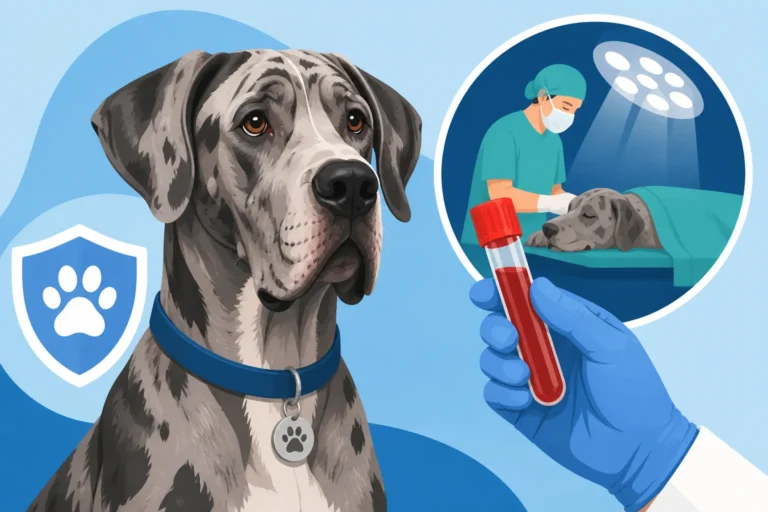
When you get to the clinic, your vet will start with a thorough physical examination, carefully palpating all joints and assessing your puppy's gait and range of motion. They'll likely recommend diagnostic imaging, primarily X-rays, which are crucial for visualizing bone and joint abnormalities. Depending on the suspected condition, these might need to be done under sedation to get clear, accurate images, especially for areas like the hips and elbows. In some cases, blood work might be performed to check for inflammation or infection, particularly if HOD is suspected. Don't be surprised if your vet suggests a referral to an orthopedic specialist or a veterinary surgeon for complex cases; these experts have advanced tools and experience with challenging conditions.
Treatment Approaches for Different Disorders
Once a diagnosis is confirmed, your vet will outline a treatment plan tailored to your puppy's specific condition and its severity. It's rarely a one-size-fits-all approach.
- Pain Management: This is almost always the first priority. Non-steroidal anti-inflammatory drugs (NSAIDs) are commonly prescribed to reduce pain and inflammation. In severe cases, other analgesics might be used. It's crucial to follow your vet's dosing instructions precisely, as large breed dogs require specific dosages.
- Rest and Restricted Activity: For conditions like HOD and panosteitis, strict rest is vital. This often means crate confinement, leash walks only for potty breaks, and avoiding all rough play or running. It's hard to keep an energetic puppy still, but it's non-negotiable for healing.
- Nutritional Adjustments: Your vet might re-evaluate your puppy's diet, ensuring they are on a high-quality large breed specific puppy food that promotes slow, steady growth. They might also discuss the cautious use of joint supplements, though these should only be given under veterinary guidance.
- Surgical Options: For conditions like severe OCD or advanced dysplasia, surgery might be the best course of action. This could range from arthroscopic procedures to remove cartilage flaps, to more complex corrective surgeries. While the idea of your puppy undergoing surgery is scary, these procedures can significantly improve their quality of life and long-term mobility.
- Physical Therapy: Post-surgery or for long-term management of conditions like dysplasia, physical therapy and rehabilitation can play a huge role in strengthening muscles, improving joint function, and reducing pain.
Dealing with unexpected vet bills for diagnostics and treatment can be incredibly stressful, especially with giant breeds where medication doses and surgery costs are inherently higher. This is where pet insurance, like policies offered by Healthy Paws, can be an absolute lifesaver. Enrolling your Great Dane before any issues arise can provide peace of mind and financial assistance when you need it most, allowing you to focus on your pup's recovery rather than the mounting costs. Consider looking into Enrolling a Great Dane Before Anything Happens for more details.
Proactive Care and Prevention
While some growth disorders have a strong genetic component, responsible breeding and diligent puppy care can significantly reduce their risk or severity.
First and foremost, choose your breeder wisely. A reputable breeder will be transparent about the health history of their breeding stock, performing all recommended health screenings. For Great Danes, this includes OFA (Orthopedic Foundation for Animals) certifications for hips and elbows, and cardiac evaluations for heart health. This kind of due diligence helps minimize the genetic predisposition to conditions like dysplasia. Don't be afraid to ask about The Health Testing a Great Dane Breeder Owes You.
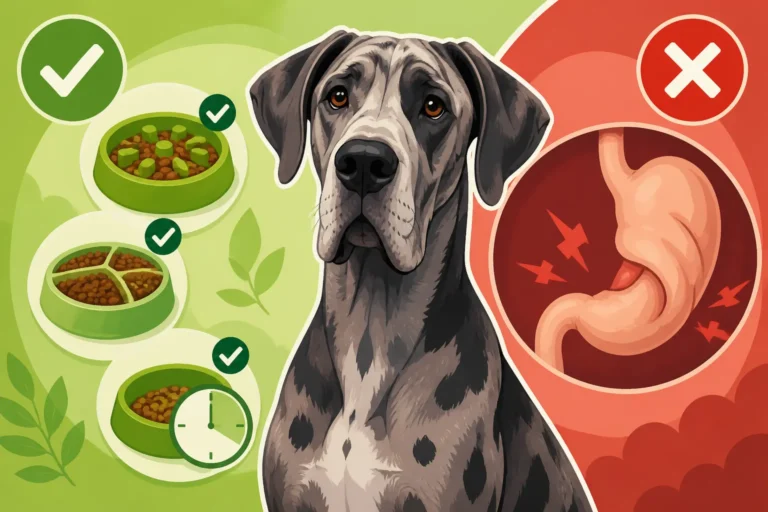
Next, prioritize proper nutrition and controlled growth. Stick to a high-quality large-breed puppy food formulated specifically for giant breeds until your vet advises otherwise, typically around 18-24 months. Avoid free-feeding and resist the urge to overfeed, which can push your puppy's growth plates too hard, too fast. Aim for a lean body condition where you can easily feel but not see their ribs.
Finally, manage exercise appropriately. While Great Danes need activity, strenuous, high-impact exercise (like long runs, jumping, or intense agility training) should be avoided until their growth plates have closed, usually around 18-24 months. Over-exercising a growing puppy can cause micro-traumas to developing joints. Instead, focus on controlled walks, gentle play, and mental stimulation. Also, ensure your puppy has appropriate bedding that cushions their large frame and protects their developing joints from pressure points. An orthopedic bed, for instance, can make a huge difference in comfort and joint health. You can find more information about the importance of Orthopedic Beds a Great Dane Needs.
Living with a Growing Dane with Special Needs
Having a Great Dane puppy diagnosed with a growth disorder is a challenging journey, but it’s one you don’t have to face alone. Adapting your home and providing unwavering emotional support are just as crucial as the medical treatments.
Adapting Your Home Environment
A Great Dane already requires specific home accommodations, but a Dane puppy with a growth disorder needs even more thought put into their daily environment. Their size, combined with potential pain or lameness, means you need to proactively make things easier and safer for them.
- Non-Slip Surfaces: Slippery floors (tile, hardwood) can be treacherous for a puppy with compromised joints. Lay down rugs, runners, or carpet paths to provide traction, especially in high-traffic areas or where they eat and sleep. This reduces the risk of slips, falls, and further injury.
- Managing Stairs and Jumping: Stairs can put immense strain on developing joints. If possible, restrict stair access, especially during recovery periods. Consider carrying smaller puppies up and down, or installing baby gates to block access. Discourage jumping on and off furniture or out of cars. Ramps designed for dogs can be invaluable for vehicle access or even for getting onto a low bed or couch.
- Orthopedic Bedding: This is non-negotiable. A supportive, thick orthopedic bed will provide maximum comfort and distribute their weight evenly, taking pressure off painful joints. Skip the thin, cheap beds; your Dane needs substantial cushioning. Look for high-density foam options that won’t flatten out under their considerable weight.
- Raised Bowls: While the debate on whether raised bowls prevent bloat is ongoing, they can certainly make eating more comfortable for a puppy with joint pain, preventing them from having to bend down excessively.
These adaptations aren't just about comfort; they're about preventing further injury and supporting the healing process. Every little bit helps.
Emotional Support and Patience
Let’s be honest, dealing with a sick puppy, especially a giant breed like a Great Dane, can be emotionally and financially draining. It’s okay to feel overwhelmed, frustrated, or heartbroken. Validate those feelings, but remember that your puppy needs your calm, reassuring presence more than ever.
- Patience is Key: Healing from growth disorders can be a long process, with ups and downs. Some conditions like HOD have flare-ups, while others like dysplasia require ongoing management. Celebrate the small victories, and don't get discouraged by setbacks.
- Positive Reinforcement: Even when on strict rest, your puppy needs mental stimulation. Engage them with puzzle toys, gentle training sessions that don't involve movement, and lots of praise and affection. Keep their spirits up with positive reinforcement, reminding them they're still a loved and valued member of the family.
- Consistency and Routine: A predictable routine can reduce stress for your puppy. Consistent feeding times, potty breaks, and rest periods help them feel secure and understand what's expected.
- Connect with Other Owners: There's immense comfort and practical advice to be found in connecting with other Great Dane owners who have navigated similar challenges. Online forums, breed-specific groups, and local clubs can be invaluable resources for sharing experiences and getting support. You're not alone in this journey.
Remember, a Great Dane puppy with a growth disorder can still lead a full and happy life with dedicated care, timely veterinary intervention, and a whole lot of love from you.
Disclaimer
The information provided in this article is for educational and informational purposes only, and does not constitute veterinary advice. Always consult with a qualified veterinarian for any health concerns or before making any decisions about your Great Dane's care.