Why Fast Growth Wrecks Great Dane Joints
It’s a common sight: a Great Dane puppy, all gangly legs and oversized paws, growing at an astonishing rate. We all want our puppies to thrive, to grow big and strong, and with a giant breed like a Great Dane, there's often an understandable desire to see them fill out quickly. But here’s the harsh reality: pushing a Great Dane to grow too fast is one of the most detrimental things you can do for their long-term joint health. This comprehensive guide will explain exactly why rapid growth can wreak havoc on their delicate developing skeletons and what you can do to ensure a healthy, steady growth trajectory.
The Allure of Rapid Growth (and Why It's a Trap)
When you bring home a Great Dane puppy, it's easy to get caught up in the excitement of watching them transform from a fuzzy little bear cub into a towering gentle giant. There's a natural inclination to want them to reach their full potential, to be as grand and imposing as the breed standard suggests. For many owners, seeing their puppy gain weight and height at an incredible pace feels like a sign of robust health and excellent nutrition. We often equate fast growth with optimal health, especially when a puppy seems ravenously hungry and eager to eat everything in sight.
This desire to see a Great Dane "supersize" quickly can come from a place of love and good intentions, or even from misconceptions about what constitutes a healthy puppy. Perhaps you've heard anecdotes about giant breed puppies needing massive amounts of food, or maybe you just feel a sense of pride in how quickly your dog is outgrowing their puppy bed. However, this mindset can inadvertently put immense stress on a developing skeletal system that simply isn't ready for such rapid expansion. It’s a classic case where more isn't necessarily better, and in fact, can be quite damaging.
The "Bigger is Better" Misconception
It’s completely understandable to feel like a big, robust puppy is a healthy puppy, especially with a breed renowned for its immense size. People often marvel at how quickly Great Dane puppies grow, sometimes seeing it as a sign of superior genetics or excellent feeding practices. There's a certain pride in having the biggest pup in the litter, or the one who seems to be shooting up fastest. This perception can lead owners to feed more than necessary, or to opt for diets not specifically formulated for the unique growth needs of giant breeds, all in an effort to accelerate that growth. They might measure their pup against other breeds or even images they've seen online, unknowingly setting their dog up for potential issues down the line.
The truth is, while Great Danes are indeed destined to be enormous, their growth needs to be slow and controlled. Unlike smaller breeds that mature relatively quickly, a Great Dane's skeletal system takes a much longer time to ossify and strengthen. When puppies gain weight and size too rapidly, their bones and joints are subjected to stresses they simply aren't equipped to handle yet. It's like building a skyscraper but rushing the foundation – the structure might look impressive from the outside, but it's fundamentally unsound. This misconception is a huge hurdle for many new Great Dane owners who are simply trying their best.
How Great Danes Are Different
Great Danes aren't just big dogs; they have a distinct growth pattern that sets them apart from almost all other breeds, even many other large breeds. Their growth plates, which are areas of cartilage at the ends of long bones responsible for bone growth, remain open and vulnerable for a much longer period. While a small dog might have closed growth plates by 6-8 months, a Great Dane's might not fully fuse until 18-24 months of age. This extended period of vulnerability means their skeletal system is continuously undergoing significant changes and is highly susceptible to injury and abnormal development if stressed.
Moreover, the sheer volume of growth they undergo is staggering. Imagine a human baby growing to adult size in less than two years – that's essentially what a Great Dane does. This rapid increase in mass and height puts incredible demands on their entire system, from their bones and joints to their organs. Their bodies are working overtime, and any interference with this delicate balance, such as excessive nutrition or inappropriate exercise, can throw the whole process off course. Understanding this unique physiology is the first step in appreciating why slow, steady growth is paramount for Great Dane Hips, Elbows and Growing Joints.
The Mechanics of Joint Damage from Fast Growth
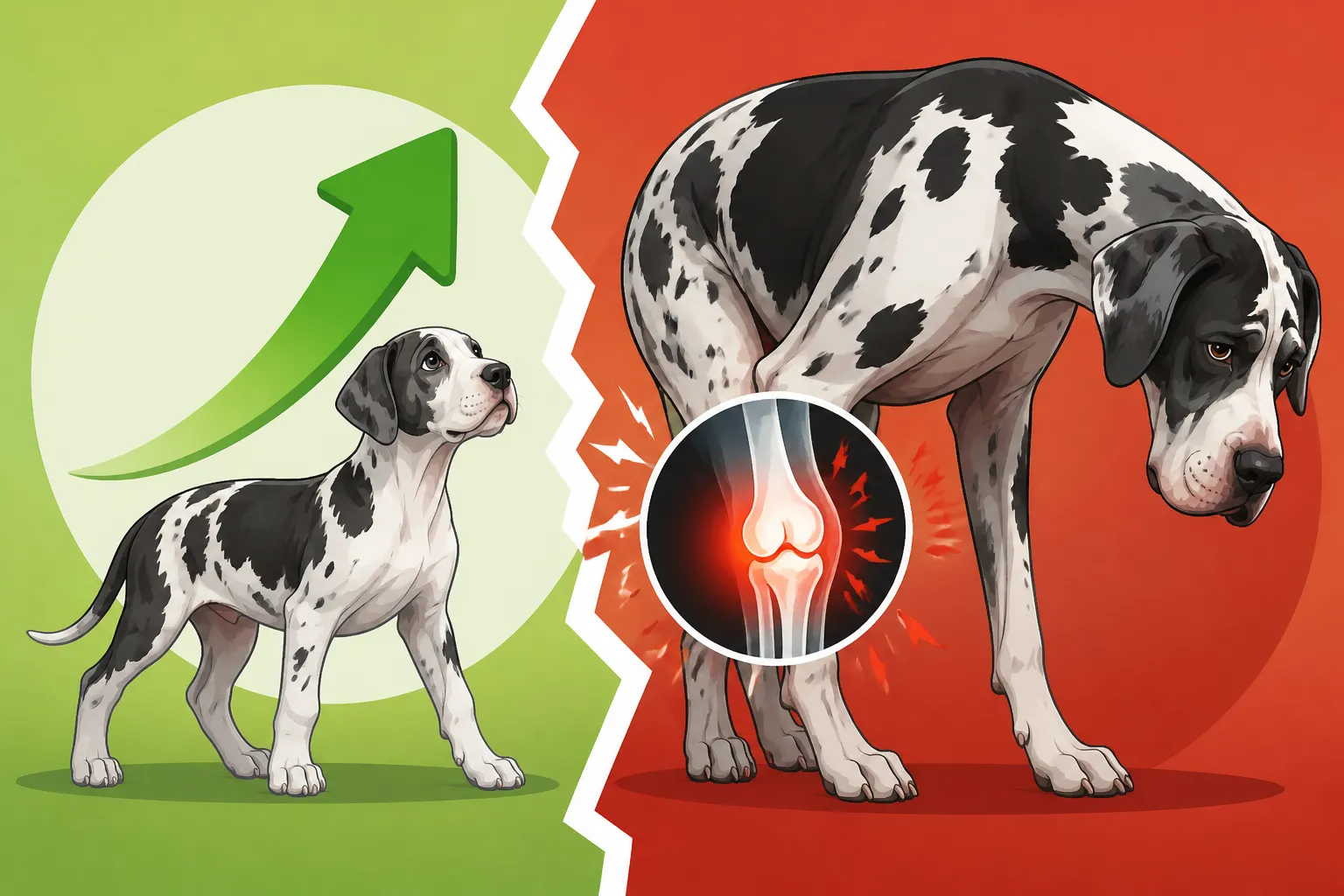
The damage caused by rapid growth isn't always immediately obvious; it's often a cumulative effect that manifests as pain, lameness, and chronic conditions later in life. When a Great Dane puppy grows too quickly, their bones, cartilage, and soft tissues simply cannot keep up with the rate of weight gain and skeletal elongation. This disparity creates an environment ripe for structural breakdown and developmental orthopedic diseases. The foundation of their majestic frame, which needs to be strong and resilient, becomes compromised before it even has a chance to fully mature.
Think of it this way: a Great Dane puppy is like a rapidly expanding building that needs its scaffolding to be meticulously maintained and strengthened at every stage. If the building grows too quickly, or if the materials used for the scaffolding aren't appropriate, the entire structure can become unstable and prone to collapse. For our Great Danes, this instability translates into inflamed joints, malformed bones, and significant discomfort. Understanding these internal mechanisms helps underscore why a measured approach to their development is critical.
Unfinished Business: Growth Plates and Cartilage
At the heart of a Great Dane's vulnerability during growth are their open growth plates and the developing articular cartilage in their joints. Growth plates are basically soft, cartilaginous areas at the ends of long bones that gradually harden into bone as the puppy matures. They are the engine of skeletal lengthening, but also their weakest point. When a puppy gains weight too quickly, these soft growth plates are subjected to excessive compressive and shear forces. This can lead to micro-traumas, inflammation, and even premature closure or abnormal development of the growth plates, shortening the bone or causing deformities.
Simultaneously, the articular cartilage, which cushions the ends of bones in a joint, is also undergoing maturation. Rapid growth can disrupt the normal formation of this cartilage, leading to conditions where pieces of cartilage detach or become diseased, such as osteochondritis dissecans (OCD). These cartilage flaps can then float within the joint, causing pain, inflammation, and further damage. It's a painful cycle that begins when the body's growth rate outstrips its ability to build healthy, resilient structures. This is a primary reason for Bone Development Problems in a Great Dane Puppy.
Weight vs. Bone Maturity
One of the most critical imbalances created by fast growth in Great Danes is the disconnect between their rapidly increasing body weight and the slower maturation of their bone density and joint structures. A young Great Dane puppy might look sturdy, but their bones are still relatively soft and porous compared to an adult's. Their joints, with still-developing ligaments and cartilage, are not yet designed to bear the immense load that a rapidly gaining puppy can impose.
When a puppy gains weight too quickly, the immature bones and joints are subjected to stresses far beyond their capacity. Imagine a bridge designed for light traffic suddenly having to support heavy trucks. The structure might hold for a while, but eventually, cracks will appear, and structural integrity will be compromised. This disproportionate loading can lead to joint laxity, abnormal bone remodeling, and micro-fractures that contribute to the development of painful conditions. The goal is to allow the bone density and joint structures to "catch up" and strengthen at a pace that is natural and sustainable for the dog's genetic potential, not to outrun it.
Specific Conditions Exacerbated by Fast Growth
Several severe orthopedic conditions are directly linked to or exacerbated by rapid growth in Great Danes. These conditions can cause lifelong pain and significantly reduce a dog's quality of life. Understanding them highlights the stakes involved in managing puppy growth.
One such condition is Osteochondritis Dissecans (OCD). This occurs when the cartilage in the joints, particularly the shoulder, elbow, stifle, or hock, fails to mature properly. Instead of turning into bone, portions of the cartilage remain thick, leading to cracks, flaps, or even complete detachment. The detached cartilage causes extreme pain and inflammation. Overfeeding, especially with diets high in calories and calcium, accelerates growth and increases the likelihood of OCD.
Another major concern is Hypertrophic Osteodystrophy (HOD). This painful inflammatory condition affects the growth plates of long bones, usually in puppies between 3 and 6 months of age, precisely during their most rapid growth phase. Symptoms include severe lameness, fever, swollen and painful joints (especially wrists and ankles), and general malaise. While the exact cause isn't fully understood, rapid growth and overnutrition, particularly excessive protein and calcium, are strong contributing factors. A severe case of Hypertrophic Osteodystrophy in a Great Dane can leave a puppy unable to walk and in significant distress.
Finally, while often genetic, Hip and Elbow Dysplasia can be made significantly worse by rapid growth and excessive weight gain. Dysplasia refers to the abnormal development of the hip or elbow joints, leading to a loose or unstable joint. When a puppy grows too fast, the already susceptible joints are subjected to increased strain, further disrupting the congruence of the joint and accelerating the degenerative process. These are not minor issues; they are debilitating conditions that can require extensive medical management or even complex surgeries, and they are why preventing Swollen Painful Joints in a Great Dane Puppy is so crucial.
Nutritional Missteps That Fuel Overgrowth
It’s natural to want to provide the best nutrition for your Great Dane puppy, but sometimes, our best intentions can lead us astray, particularly when it comes to diet. The common wisdom for feeding many puppy breeds simply doesn't apply to Great Danes, and following standard guidelines can unintentionally push them into unhealthy rapid growth. The sheer volume of food a Great Dane will eventually consume can also be daunting, making owners feel like they need to compensate with richer or more frequent meals during puppyhood.
Many of us are conditioned to think that if a little bit of a good thing is beneficial, then more must be even better. This logic, however, is deeply flawed when it comes to the specific dietary requirements of giant breed puppies. The balance of nutrients, the calorie count, and even the type of food can all play a critical role in dictating a puppy's growth rate. Understanding these specific nutritional pitfalls is key to fostering healthy, controlled development.
The Calcium Quandary
One of the most surprising and counterintuitive nutritional pitfalls for Great Dane puppies revolves around calcium. Many owners assume that because Great Danes are building massive bones, they need extra calcium. This couldn't be further from the truth and is a prime example of Whether Extra Calcium Damages a Great Dane. Giant breed puppy foods are specifically formulated to have a lower calcium content and a balanced calcium-to-phosphorus ratio compared to regular puppy foods.
Excess calcium, whether from supplements or a diet too rich in calcium, disrupts the delicate hormonal regulation of calcium metabolism in a rapidly growing puppy. This can lead to skeletal abnormalities, including malformed bones and cartilage, and contribute to conditions like HOD and OCD. The body tries to regulate calcium levels, but an oversupply can overwhelm this system, leading to improper bone mineralization and structural weakness. It's a classic case where "less is more," and sticking to a diet specifically balanced for large breed puppies is absolutely critical to avoid these issues.
High-Calorie, High-Protein Diets
Another common mistake is feeding a Great Dane puppy a regular "all-breed" puppy food or a diet that is simply too high in calories and protein for their specific needs. While protein is essential for muscle development, excessive levels, especially when combined with high calories, can fuel rapid weight gain and accelerate skeletal growth beyond a healthy pace. Regular puppy foods are often designed to promote quick growth in smaller, faster-maturing breeds, which is precisely what we want to avoid with a Great Dane.
The aim for a Great Dane puppy is controlled growth, not maximum growth. A diet too rich can quickly lead to a puppy gaining weight faster than their bones and joints can strengthen to support it. This puts undue stress on growth plates and developing cartilage, increasing the risk of the orthopedic issues we discussed earlier. It’s vital to choose a food explicitly marketed for "large breed puppies" or "giant breed puppies" because these formulas are designed with the correct balance of calories, protein, fat, and minerals to support slow, steady development. This is why Why Regular Puppy Food Hurts a Great Dane is such an important topic for new owners.
Supplements and Their Dangers
In a well-meaning attempt to ensure their Great Dane puppy receives all necessary nutrients for optimal growth, some owners might turn to various supplements. However, adding supplements, especially calcium, vitamins, or even some joint supplements, to an already balanced large-breed puppy food can be incredibly dangerous. Just like with high-calcium diets, uncontrolled supplementation can throw off the delicate nutritional balance critical for healthy skeletal development.
For example, adding extra calcium can exacerbate the problems mentioned earlier, leading to skeletal deformities. Similarly, megadoses of vitamins, particularly fat-soluble ones, can have toxic effects. Even seemingly innocuous joint supplements might be unnecessary or provided in incorrect dosages if not specifically recommended by a veterinarian who understands giant breed growth. The best approach is to trust the complete and balanced formulation of a high-quality large-breed puppy food. If you're concerned about your puppy's nutrition, always consult your veterinarian before adding any supplements, ensuring you're not inadvertently causing harm.
Responsible Management for Healthy Great Dane Development
Managing a Great Dane puppy's growth is a commitment, but it's one of the most important things you can do to ensure they live a long, comfortable life. It involves a thoughtful approach to their diet, appropriate exercise, and diligent monitoring. The goal isn't to stunt their growth or keep them small, but rather to allow them to reach their genetic potential at a healthy, natural pace. This proactive care during puppyhood lays the groundwork for strong joints and overall well-being as they mature into adulthood.
Think of yourself as the architect of your Great Dane's future health. Every decision you make about their food bowl, their playtime, and their routine contributes to the structural integrity of their magnificent body. It requires patience and resisting the urge to push them too hard or grow them too fast. This section will guide you through the practical steps you can take to foster healthy development and protect your Great Dane's precious joints.
Choosing the Right Food
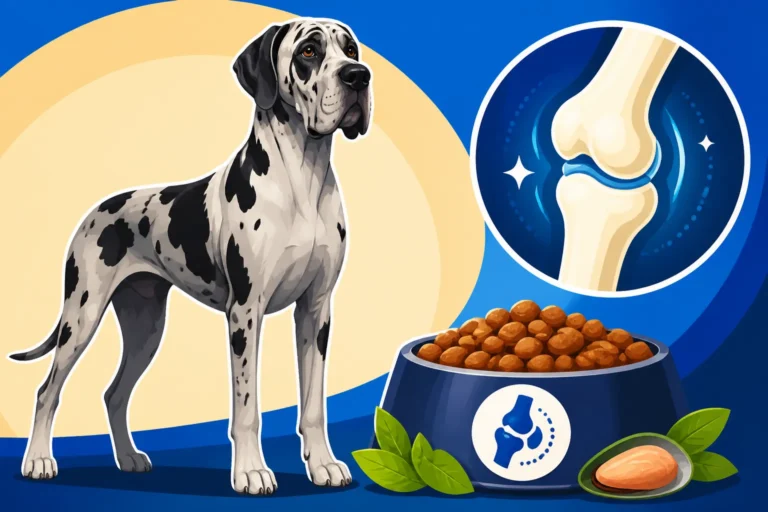
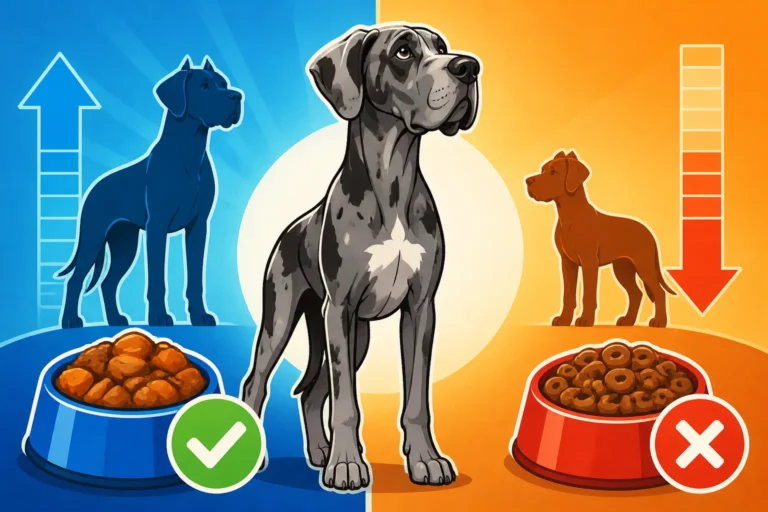
Selecting the correct food for your Great Dane puppy is perhaps the single most important factor in preventing rapid growth-related joint problems. Look specifically for dog foods labeled "Large Breed Puppy" or "Giant Breed Puppy." These formulas are meticulously designed with lower calorie densities, appropriate protein levels, and, crucially, a carefully controlled calcium-to-phosphorus ratio. The aim is to support slow, steady bone and muscle development without promoting excessive weight gain or accelerating growth plate closure.
When you're scrutinizing food labels, pay close attention to the nutrient analysis. Ideal large breed puppy foods will have a calcium content typically between 0.9% and 1.2% on a dry matter basis, with a calcium-to-phosphorus ratio of around 1.1:1 to 1.3:1. Avoid any food that has a calcium level exceeding 1.5%. Many reputable brands offer these specialized formulas. You can find excellent options on platforms like Chewy, which often have a wide selection and detailed nutritional information for comparison, or explore fresh food options from companies like Ollie that can tailor meals to specific breed needs and growth stages. Learning What to Look For on a Great Dane Puppy Food Bag will empower you to make informed decisions.
Once you’ve chosen a suitable food, stick to the feeding guidelines provided by the manufacturer for large breed puppies, and adjust based on your puppy's individual condition, not just their appetite. It’s better to slightly underfeed than overfeed. Regularly assess your puppy’s body condition; you should be able to easily feel their ribs with slight pressure, but not see them protruding. If you find your puppy is growing too quickly or looking a bit chunky, consult your vet before making drastic changes.
Exercise: Quality Over Quantity
While exercise is vital for a Great Dane puppy's physical and mental health, the type and intensity of exercise are paramount. During their rapid growth phases, forced, high-impact, or sustained strenuous activities can be incredibly damaging to their developing joints. This means no long-distance running, intense agility training, or prolonged fetch sessions with hard stops and turns until they are at least 18-24 months old and their growth plates have fully closed.
Instead, focus on quality over quantity. Short, frequent walks on soft surfaces like grass, supervised playtime in a securely fenced yard, and gentle games that encourage natural movement are ideal. Allow your puppy to self-regulate their activity; if they sit down or wander off, that's their cue that they've had enough. Swimming can also be an excellent low-impact exercise once they are old enough and comfortable in the water. Remember, the goal is to build muscle and stamina gradually, supporting joint stability without imposing excessive strain. Understanding How Much a Growing Great Dane Should Walk is key to preventing injury.
Even playful interactions with other dogs need to be monitored. While socialization is important, boisterous play with dogs much smaller or significantly larger than your Great Dane puppy can lead to accidental injury. If you have an existing small dog, ensure their play is gentle and supervised to protect both animals. Providing soft, comfortable bedding will also help protect their joints from pressure sores during rest. You can find durable, orthopedic options suitable for giant breeds on platforms like Amazon.
Monitoring and Regular Vet Checks
Diligent monitoring of your Great Dane puppy’s growth and regular veterinary check-ups are non-negotiable. Your veterinarian is your best partner in ensuring healthy development. During each visit, discuss your puppy's growth rate, weight, and diet. Your vet can assess their body condition score, feel their joints, and advise if any adjustments to their feeding or exercise routine are needed. These regular check-ups can catch potential orthopedic issues early, allowing for timely intervention.
Beyond vet visits, you should be actively monitoring your puppy at home. Regularly perform a "rib check" – gently run your hands along their sides. You should be able to feel their ribs without pressing hard, but they shouldn't be visibly prominent. This helps you gauge their weight and ensure they're staying lean, which is crucial for joint health. Reading Ribs on a Great Dane is a simple yet powerful tool for home monitoring. Keep a growth chart to track their weight and height, looking for steady, consistent gains rather than sudden spikes.
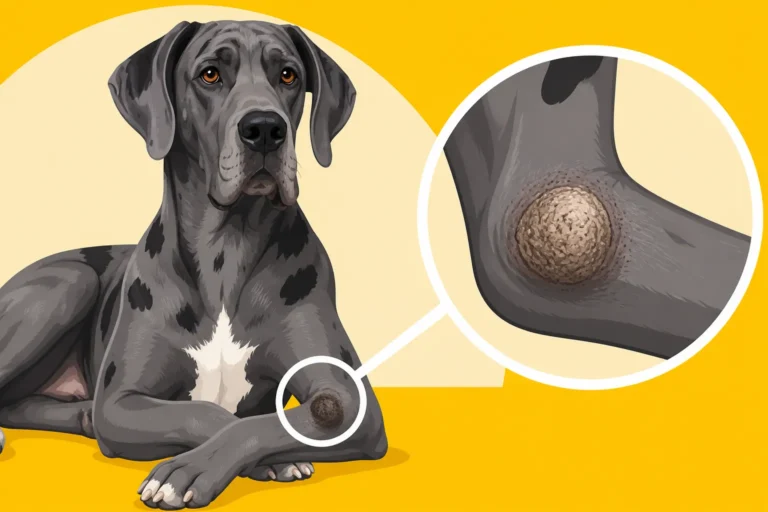
Be observant of any changes in their gait, lameness, stiffness, reluctance to play, or vocalization of pain. These can all be signs of underlying orthopedic issues. If you notice any of these symptoms, don't delay in contacting your veterinarian. Early diagnosis and management are vital for mitigating the long-term impact of growth-related disorders. Proactive care and constant vigilance will contribute significantly to your Great Dane living a healthier, happier life, as Whether a Great Dane Puppy Should Be Kept Lean truly makes a difference.
| Growth Aspect | Healthy, Controlled Growth (Ideal) | Rapid, Uncontrolled Growth (Risk) |
|---|---|---|
| Weight Gain | Steady, gradual increase; puppy maintains lean body condition. | Accelerated weight gain; puppy appears chunky or overweight. |
| Skeletal Maturity | Bones and joints strengthen in proportion to weight gain. | Weight gain outpaces bone density; bones/joints remain immature. |
| Growth Plates | Healthy cartilage transforms into bone at a proper rate. | Overstressed, inflamed, or abnormally developing growth plates. |
| Joint Health | Reduced risk of developmental orthopedic diseases (e.g., OCD, HOD). | Increased risk of OCD, HOD, and exacerbated hip/elbow dysplasia. |
| Diet | Specialized large breed puppy food, controlled calories & calcium. | Regular puppy food (too high calorie/calcium), overfeeding. |
| Exercise | Short, frequent, low-impact play and walks; self-regulated. | Prolonged, high-impact activities; forced exercise. |
| Long-Term Outlook | Better chance of lifelong joint health and mobility. | Higher likelihood of chronic pain, lameness, and reduced lifespan. |
Disclaimer
This article is for general informational purposes only and does not constitute professional advice. Laws, prices and regulations vary by location and change over time. Consult a qualified professional for guidance on your specific situation.