Furnishing a House for a Great Dane
Bringing a magnificent Great Dane into your home is an incredible joy, but it quickly reveals a universal truth: most houses just aren't set up for a creature of this impressive scale. What works for a smaller dog simply won't cut it for a Great Dane, leading to awkward encounters, damaged furniture, and sometimes, even safety hazards for both your dog and your family. This comprehensive guide will walk you through everything you need to consider when furnishing and dog-proofing your home to create a comfortable, safe, and truly Dane-friendly environment.
The Foundation: Prioritizing Space and Layout for a Giant
When you live with a Great Dane, you quickly realize that space isn't just a luxury; it's a necessity. Their sheer size means they need room to move, stretch, and simply exist without constantly bumping into things or feeling confined. Thinking about your home's layout with your Dane in mind from the get-go can save you a lot of headaches, and possibly even vet bills, down the line.
Understanding the "Great Dane Zone"
Imagine your home from your Dane's perspective. Their head is roughly counter-height, their tail can sweep a coffee table clean in one enthusiastic wag, and their body can easily block a doorway. This is what I call the "Great Dane Zone." It encompasses everything from floor level up to about three to four feet, and it's where most of your interactions (and potential damage) will occur. Low-slung side tables with delicate lamps? Probably not a good fit. Open shelves with cherished breakables? A disaster waiting to happen. You need to be ruthless in evaluating what can stay and what needs to be moved out of harm's way. This isn't about denying your Dane access, but about making your shared spaces functional and safe for everyone. Consider where they'll naturally walk, lay down, and stand to greet you, and adjust your furniture accordingly. Sometimes, just shifting a sofa a few inches can prevent a tail-related mishap.
Open Spaces vs. Dedicated Retreats
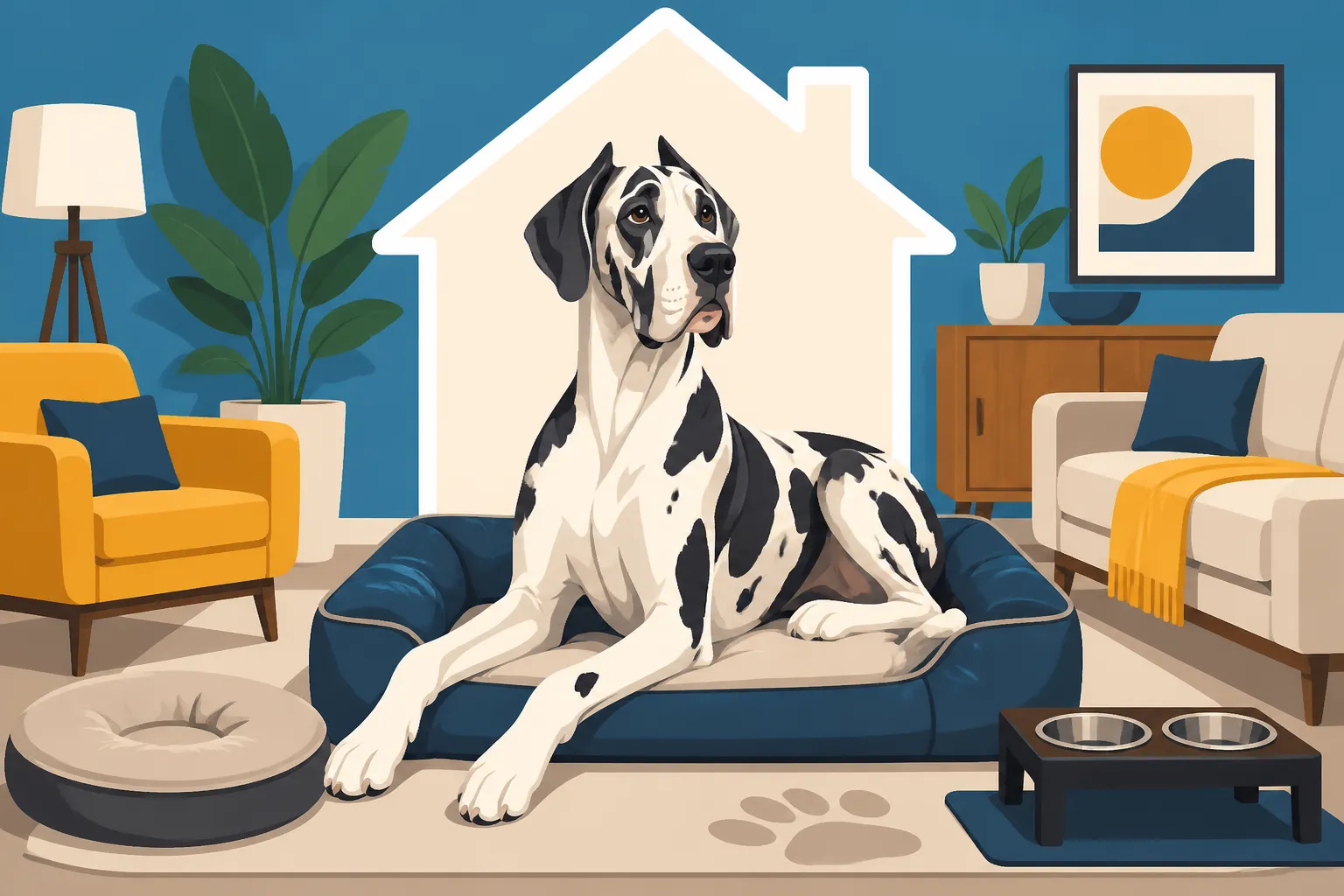
While Great Danes are often described as "gentle giants" and love to be near their people, they still need their own designated space where they can truly relax and feel secure. This might be a large, open area in your living room where their massive bed can comfortably reside, or a quiet corner in a den. They often appreciate having a clear line of sight to their family but also enough room to sprawl out without feeling cramped. Conversely, you might need to create "human-only" zones using appropriate barriers, especially if you have small children or delicate items you want to protect. A wide-open floor plan is often ideal for Great Danes because it minimizes tight turns and obstacles, which is especially important as they grow and their gait isn't always perfectly coordinated. However, even with ample space, creating a specific, cozy retreat can offer immense comfort, a place where they know they won't be disturbed.
Protecting Your Floors and Walls
It’s no secret that Great Danes are heavy. Over time, their weight and movement can take a toll on your flooring. Hardwood floors, while beautiful, can get scratched by their nails, and carpet can wear down in high-traffic areas. Investing in durable, scratch-resistant flooring from the start, or strategically placing large area rugs in pathways, can save you a lot of repair costs later on. For existing floors, regular nail trims are absolutely crucial to minimize damage.
Just like floors, walls can bear the brunt of a Great Dane's presence. From lean marks to slobber flung from a happy shake, your walls are going to see some action. Consider washable, durable paint in high-traffic areas, especially near entryways or where your Dane might lean to greet you. Corner protectors, often used for children, can also be a godsend against bumps and scuffs. Remember, it's not about preventing every single mark, but about making your home resilient to the daily life of a giant breed. If you're wondering about materials that can handle the sheer mass and energy of these dogs, our article on Floors That Hold Up Under a Great Dane delves into ideal choices and protection strategies.
Essential Comfort: Beds, Crates, and Lounging
One of the most critical aspects of furnishing for a Great Dane is providing adequate, comfortable resting places. Their enormous size means that standard dog beds won't offer the support their large joints need, and a proper crate is essential for safety, training, and peace of mind.
Investing in the Right Orthopedic Bedding
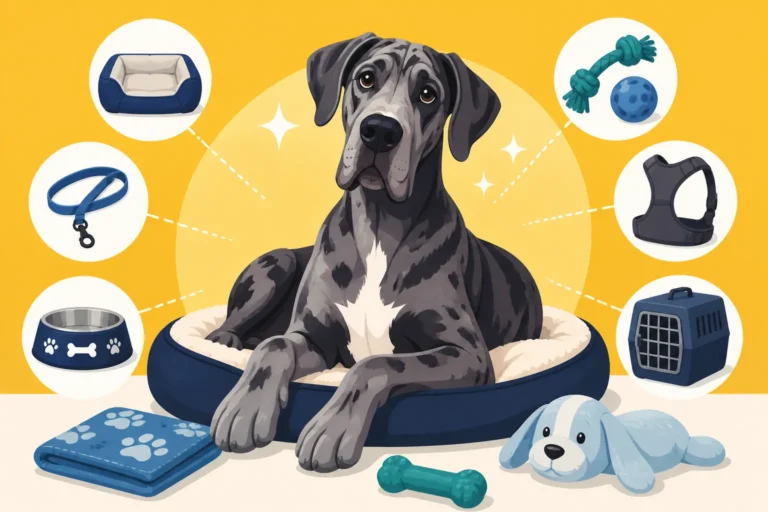
Great Danes, unfortunately, are prone to joint issues like hip and elbow dysplasia, and later in life, arthritis. A good quality orthopedic bed isn't just a luxury; it's a preventative health measure. These aren't your average fluffy cushions. You're looking for dense, supportive memory foam or similar materials that distribute their weight evenly, cushioning their joints and preventing pressure sores, especially on those bony elbows and hips. Cheap beds will flatten quickly under a Dane's weight, offering no real support. Look for beds that are at least 4-6 inches thick, with a firm base that doesn't sag. Companies like Big Barker specialize in giant breed beds, designed to maintain their shape and support for years. Remember, this is one area where skimping will cost you more in vet bills and discomfort for your dog down the line. We often tell people that a proper bed is as important as a good diet for a Dane’s long-term health. Our detailed guide on Orthopedic Beds a Great Dane Needs provides excellent recommendations and insights into what truly constitutes supportive bedding.
Selecting a Crate for a Full-Grown Dane
Crate training is invaluable for a Great Dane, offering a safe den for them, aiding in house training, and providing a secure space when you can't supervise them. But finding a crate that's truly "Great Dane sized" can be a challenge. You're looking for crates that are typically 54 inches long, or even larger, allowing them to stand up, turn around, and lie down comfortably. A crate that is too small can cause discomfort and even injury, defeating its purpose. Consider heavy-duty, reinforced crates designed for giant breeds, as a determined Dane can bend or break flimsier models. Wire crates are common, but ensure the gauge of the wire is thick enough to withstand their strength. Fabric crates, while portable, are usually not durable enough for a full-grown Dane unless it's only for very short, supervised periods with a thoroughly crate-trained dog. When choosing, consider the placement carefully – it will take up a significant amount of space! For more advice on finding the perfect fit, refer to our article on Crates and Gates Sized for a Great Dane.
Creating Designated Nap Spots
Beyond their main bed, Great Danes love to have multiple spots around the house where they can comfortably nap or just hang out. These don't all have to be expensive orthopedic beds. A simple, thick mat or a few folded blankets in a quiet corner can be perfect. They often enjoy being close to their people, so a comfy spot near the sofa or in your home office can make them feel included without being underfoot. These secondary spots should still offer some cushioning to protect their joints from hard floors. Often, a raised dog bed, while not orthopedic, can provide a cool, elevated spot in warmer weather. Just make sure whatever you choose is easy to clean, as Danes can be excellent droolers and shed quite a bit, even with their short coats.
Dining & Hydration: Eating and Drinking with a Giant
Feeding a Great Dane isn't just about the food; it's about how they eat and drink. Their unique physiology, especially their deep chests, means careful consideration of their mealtime setup is paramount to their health and comfort.
Choosing the Right Food and Water Bowls
Standard pet bowls found at your local grocery store are almost always too small and too flimsy for a Great Dane. You'll need extra-large, heavy-duty bowls that can hold several cups of food and ample water without tipping over. Stainless steel is often the best choice for hygiene and durability. Plastic bowls can harbor bacteria and get chewed up, while ceramic can break if knocked over. Look for bowls with a wide base to prevent accidental spills as your Dane eagerly eats or drinks. Some owners prefer a set of bowls with a non-slip rubber base to keep them from sliding across the floor. Remember, a Great Dane needs significant water intake daily, so a large, continuously refilled water bowl or even a dedicated water fountain is essential.
The Debate Around Raised Feeders
For years, raised feeders were recommended for Great Danes and other deep-chested breeds, based on the theory that they could reduce the risk of bloat (GDV). However, recent studies have cast doubt on this, with some even suggesting a higher risk of bloat with raised feeders for certain breeds. It's a complex issue, and the science isn't entirely settled. Many owners, myself included, still opt for raised feeders simply because they make mealtime more comfortable for their tall dogs, reducing strain on their neck and back.
If you choose a raised feeder, ensure it's sturdy and the correct height – your Dane should be able to eat comfortably without craning their neck upwards or bending down excessively. An adjustable feeder is a great option as your puppy grows. If you opt for floor-level bowls, consider a slow feeder bowl to encourage slower eating, which is a proven method to reduce bloat risk, along with other practices like avoiding exercise immediately after meals and splitting meals into smaller portions throughout the day. Regardless of your choice, understanding the potential risks and benefits is important. Our article Whether Raised Bowls Help or Hurt a Great Dane offers a deeper dive into this often-debated topic.
Managing Drool and Water Splashes
Let's be honest: Great Danes drool. It's a fact of life. Whether it's after a big drink, when they're excited, or sometimes just…because, you'll learn to live with it. Furnishing your home means being prepared for this reality. Strategically placed drool rags or towels in key areas (near the food bowls, by the door, next to your couch) will become your new best friend. For water, consider placing their bowls on a large, non-slip mat with a raised edge to catch splashes. Some owners even put their water bowls in a designated "water station" in a utility room or on a tiled surface for easier cleanup.
While you can't stop the drool, you can minimize its impact. Having furniture with washable covers or easy-to-clean surfaces is a smart move. Darker colors or patterned fabrics can also help camouflage minor slobber spots between cleanings. Embrace the drool, equip yourself with cleaning supplies, and you'll find it's a manageable part of living with these wonderful dogs. Our guide Great Dane Drool and What to Do About It shares practical tips and tricks from experienced Dane owners.
Playtime & Enrichment: Toys and Engaging Furniture
Great Danes might be big, but they're still dogs at heart and need plenty of mental and physical stimulation. However, their size and powerful jaws mean that not all dog toys are created equal. Furnishing your home for playtime means providing safe, durable options that can stand up to a giant.
Durable Toys That Withstand a Dane's Might
Forget the cute, fluffy toys. For a Great Dane, you need toys designed for serious chewers. Look for toys made from tough rubber, like those from Kong's "Extreme" line, or Nylabone's industrial strength products. Rope toys can be good for tug-of-war, but supervise closely as ingested strands can cause intestinal issues. Rotate toys to keep your Dane interested and to prevent them from becoming overly fixated on one item. Always choose toys that are too large to be swallowed or become a choking hazard. A small tennis ball, for example, could easily be swallowed by a Great Dane, so opt for larger, basketball-sized rubber balls.
It’s often a process of trial and error to find what your individual Dane prefers and what holds up best. Some Danes aren't intense chewers, but others can demolish a "durable" toy in minutes. Prioritize safety over novelty, and regularly inspect toys for wear and tear, discarding anything that could become a hazard. Consider our insights on Toys Big Enough Not to Choke a Great Dane to make informed choices.
Puzzle Feeders and Mental Stimulation
Physical exercise is important, but mental exercise is just as vital for a Great Dane. Puzzle feeders are fantastic for this, as they encourage problem-solving and slow down eating. Look for large, robust puzzle toys that can hold a decent amount of kibble or treats and won't be easily destroyed. LickiMats, snufflemats, or treat-dispensing balls are great options. These can keep your Dane occupied for a good chunk of time, especially on days when outdoor exercise might be limited due to weather or their age.
Beyond puzzle feeders, consider interactive toys that you can use together, such as large flirt poles (modified for a big dog) or even just simple hide-and-seek games with treats around the house. Mental stimulation helps prevent boredom, which can lead to destructive behaviors like chewing furniture or excessive barking. A Great Dane needs to use its brain, not just its brawn!
Dane-Proofing Your Entertainment
Your entertainment centers, bookshelves, and general living areas need a bit of a strategic overhaul when you have a Great Dane. Remember the "Great Dane Zone" we discussed earlier? Anything within that zone is fair game for a curious nose, a happy tail, or an accidental bump. Secure televisions to the wall to prevent them from tipping over. Place valuable or fragile items on higher shelves that your Dane cannot reach. Consider cabinets with latches or doors to protect electronics and media.
Think about the flow of traffic in your most used rooms. If your Dane loves to stretch out in front of the TV, ensure there's enough clear space that they won't knock over speakers or cables with a sudden movement. Heavy, stable furniture is always a better choice than light, easily toppled pieces. It's not about making your home sterile, but about making smart choices that reduce risk and preserve your belongings. And let's not forget how important it is for them to learn good manners, which our guide on The Manners a Great Dane Needs Before It Grows can help with, especially for counter surfing and not jumping on guests.
Safety & Security: Gates, Ramps, and Vehicle Accommodations
Ensuring your Great Dane's safety and preventing injury, particularly to their developing or aging joints, requires thoughtful planning around access and mobility both inside and outside the home.
Gates That Contain, Not Just Deter
Standard baby gates are notoriously ineffective against a Great Dane. Their height means most can be stepped over or easily pushed down. You'll need extra-tall, heavy-duty pet gates, ideally pressure-mounted or hardware-mounted, depending on the location and purpose. These gates are essential for several reasons:
- Puppy Management: Limiting a growing puppy's access to certain areas can prevent accidents and destructive chewing.
- Safety Zones: Creating zones where your Dane can't access potentially dangerous areas (like a kitchen during cooking, or a room with fragile items) or to separate them from guests who might be uncomfortable with a large dog.
- Controlled Introductions: If you have other pets or children, gates can facilitate safe, supervised introductions and provide everyone with personal space. Our article Whether a Great Dane Is Safe With a Baby offers insights into managing spaces when integrating a Dane with young children.
Look for gates specifically designed for large breeds, often reaching 40-48 inches in height, made of durable metal or wood. Measure your doorways carefully, as Great Danes require wide openings to pass through comfortably. Some gates even come with a small pet door if you have smaller animals that need to pass through.
Ramps for Joint Protection and Accessibility
Great Danes are predisposed to joint issues, and repetitive jumping (into cars, onto furniture, up and down stairs) can exacerbate these problems, especially during their critical growth phases or in their senior years. Investing in a sturdy, non-slip ramp can be a game-changer.
- Car Access: A ramp can help your Dane get into and out of your car or SUV without having to jump, saving strain on their hips, elbows, and spine. This is particularly important for taller vehicles. Look for ramps that are wide, long enough to create a gentle incline, and have a non-slip surface.
- Furniture Access: If you allow your Dane on furniture (and let's be real, many of us do!), a ramp can help them get on and off safely. This is crucial for preventing injuries from awkward landings.
- Stair Management: While adult Danes can navigate stairs, limiting their use during puppyhood can protect their developing joints. For senior Danes, ramps can provide much-needed assistance.
Training your Dane to use a ramp might take a little patience and plenty of treats, but it's an investment in their long-term health. Consider our advice on Ramps for Getting a Great Dane Into a Car for specific recommendations and training tips.
Making Your Car Dane-Friendly
Transporting a Great Dane isn't a simple feat. Most cars are simply not designed for a dog of this size. If you plan on traveling with your Dane, your vehicle effectively becomes an extension of your home furnishing needs.
- Vehicle Choice: Larger SUVs, minivans, or trucks with covered beds are often the best choices. Sedan trunks are out, and back seats are usually too cramped without extensive modifications.
- Protection: Invest in heavy-duty car seat covers or cargo area liners to protect your vehicle's interior from hair, drool, and muddy paws. Waterproof and durable materials are essential.
- Safety Harness/Crate: For safety, your Dane should be secured. A crash-tested seatbelt harness designed for large dogs (like those from Sleepypod or Kurgo) can be used in the back seat. Alternatively, a large, well-ventilated crate secured in the cargo area of an SUV provides the best protection. Remember, a crate needs to be large enough for them to stand and turn around in comfortably, even in the car.
Thinking ahead about how you'll transport your Great Dane will prevent frustration and ensure safe travels for everyone.
Grooming and Maintenance: Dedicated Spaces and Tools
Keeping a Great Dane clean and well-groomed is an ongoing task, and having the right tools and designated areas can make the process much smoother and less messy. Even with their short coats, Great Danes require regular maintenance.
Setting Up a Grooming Nook
While you might not have a full-blown grooming salon at home, dedicating a specific area for routine care can be incredibly helpful. This could be a tiled bathroom, a utility room, or even a covered outdoor space. The key is to choose an area that's easy to clean and where your Dane feels relatively comfortable.
- Bathing: Unless you have a walk-in shower large enough for both you and your Dane, bathing at home can be a challenge. Many owners opt for professional groomers who have dedicated giant dog washing stations. If you do bathe at home, consider a portable dog wash station (though few are truly Great Dane sized) or even a sturdy kiddie pool outdoors. Ensure you have plenty of towels and a good quality, gentle shampoo.
- Brushing: Their short coats shed quite a bit! A dedicated spot for brushing can help contain the flying fur. An outdoor area on a nice day is ideal, but if inside, choose a spot with easy-to-clean flooring. A good quality deshedding tool or a rubber curry brush works wonders.
- Drying: Have plenty of large, absorbent towels on hand. For quick drying after a bath, a powerful pet dryer can speed up the process and help remove loose hair.
Having all your grooming supplies organized in one spot, ready to go, saves time and reduces stress for both you and your dog.
Managing Shedding and Hair Around the House
Great Danes shed year-round, and you'll find their fine, short hair on everything. While regular brushing helps, it won't eliminate it entirely. Furnishing your home with this in mind can make life much easier.
- Vacuum Cleaner: Invest in a powerful vacuum cleaner designed for pet hair. Look for models with strong suction and specialized attachments that can tackle pet hair on various surfaces, from carpets to upholstery. Many Great Dane owners swear by brands like Dyson or Shark for their pet hair performance.
- Lint Rollers & Furniture Brushes: These will become your constant companions. Keep them strategically placed near exits, on your coffee table, and in your car.
- Furniture Covers: Washable slipcovers for sofas and chairs are a lifesaver. Choose durable fabrics that can withstand frequent washing. Even strategically placed blankets can help protect your furniture.
- Flooring Choices: As mentioned, smooth, easy-to-clean flooring like hardwood, tile, or laminate can be easier to sweep or vacuum than thick carpets that trap hair.
Embrace the hair, but equip yourself with the tools to manage it effectively. It's a small price to pay for the love of a Dane!
Keeping Paws and Nails Tidy
Great Danes have big paws, and keeping their nails trimmed is crucial for their comfort, mobility, and to protect your floors. Long nails can cause pain, affect their gait, and lead to splayed feet or even serious injuries.
- Nail Trimmers/Grinder: You'll need heavy-duty clippers designed for large dog nails, or a powerful Dremel-style grinder. Many Danes are sensitive about their paws, so start nail trims early in puppyhood and make it a positive experience with treats. If you're nervous, your vet or a professional groomer can help.
- Paw Balm: Great Danes, especially active ones, can develop dry or cracked paw pads. A good paw balm (like Musher's Secret or Burt's Bees Paw & Nose Lotion) can help keep their pads healthy and prevent discomfort.
- Rugs and Runners: While not a grooming tool, strategically placed rugs and runners can help provide traction for your Dane on slippery floors, which can be particularly helpful for older dogs or those with joint issues, preventing slips and falls that could lead to injury.
Regular paw care is an often-overlooked but vital part of Great Dane ownership. Our guide on Trimming Nails on a Great Dane That Outweighs You provides practical tips and techniques to make this task less daunting.
Practical Considerations: The "Invisible" Furnishings
Beyond the physical items, furnishing a house for a Great Dane also involves a mindset shift and proactive planning for their unique behaviors and needs. These "invisible furnishings" make all the difference in creating a truly harmonious home.
Dealing with Counter Surfing and Accessibility
A Great Dane's natural height means that kitchen counters, dining tables, and even some shelves are easily within reach. Counter surfing is a common behavior, and it's not just annoying; it can be dangerous if they get into something toxic.
- Clear Counters: The best defense is a good offense. Don't leave food or tempting items unattended on counters. Make it a habit the minute your Great Dane puppy arrives.
- Training: Teach a strong "leave it" command early and consistently. Positive reinforcement is key. Crate your Dane or use a gate when you can't supervise them, especially during meal prep.
- Secure Trash Cans: Invest in heavy, lidded trash cans that your Great Dane cannot easily knock over or open. Many Danes are surprisingly adept at solving complex latches!
- Child Locks/Latches: Consider child-proof locks on lower cabinets that might contain cleaning supplies, medications, or human foods that are toxic to dogs.
It's a constant management game, but with consistency, your Dane can learn boundaries.
Noise Control and Comfort for Anxious Danes
Great Danes are sensitive dogs, and some can be prone to anxiety, especially separation anxiety or fear of loud noises. Furnishing your home to create a calm environment can significantly help.
- Cozy Retreats: Ensure their crate or bed is in a quiet, den-like area where they can feel secure during thunderstorms, fireworks, or when guests are over. Covering their crate can enhance this "den" feeling.
- Sound Masking: For noise-sensitive Danes, consider white noise machines, calming music, or even having the TV on softly to mask jarring sounds from outside.
- Chew Toys: Provide appropriate, safe chew toys to redirect anxiety. Chewing can be a calming behavior for dogs.
- Calming Aids: For more severe anxiety, talk to your vet about calming supplements or pheromone diffusers, such as Adaptil, which can create a more soothing atmosphere in their favorite lounging areas. Some owners find brands like Chewy offer a wide variety of these calming aids, along with various toys and food options.
Recognizing the signs of anxiety and taking steps to mitigate triggers will lead to a happier, more settled Dane.
Pet-Friendly Fabrics and Finishes
When choosing furniture, think about durability, cleanability, and comfort. Given a Great Dane's size and shedding habits, certain fabrics and finishes will stand up better than others.
- Upholstery: Opt for durable, tightly woven fabrics like microfiber, leather, or synthetic blends. These are often easier to clean and more resistant to snags and tears than delicate fabrics like linen or silk. Darker colors or patterns can hide everyday dirt and hair better than light, solid colors. Washable slipcovers are a true game-changer.
- Rugs: Choose low-pile, washable area rugs that can be easily cleaned. Indoor/outdoor rugs are often a fantastic, durable option.
- Wood Finishes: For wooden furniture, opt for durable, sealed finishes that can withstand drool, bumps, and general wear. Avoid delicate or easily scratched surfaces.
- Walls: As mentioned before, washable paint is a wise choice. Eggshell or satin finishes are often easier to wipe down than matte paints.
Making these choices proactively will save you a lot of grief and ensure your home remains beautiful and functional, even with a giant breed.
The Long-Term View: Adapting Your Home as Your Dane Ages
Great Danes have shorter lifespans than many smaller breeds, and their senior years often come with significant mobility challenges. Planning ahead and adapting your home for an aging Great Dane is a profound act of love and responsible ownership. Our article Caring for a Great Dane Past Six provides a heartfelt look into what to expect during these precious years.
Proactive Joint Support and Accessibility
As your Great Dane enters its golden years (typically around 5-7 years old), joint issues become more pronounced. This is when the orthopedic beds you invested in truly prove their worth.
- More Beds: Consider adding even more orthopedic beds around the house, especially in areas where your senior Dane spends a lot of time, to minimize the need for them to lie on hard surfaces.
- Ramps and Stairs: If you haven't already, now is the time to introduce ramps for car access and potentially for getting onto furniture. If you have stairs, consider restricting access with gates or providing an alternative route if feasible.
- Traction: Slippery floors become a major hazard for older Danes with weakening legs and reduced balance. Strategically placed runners and non-slip rugs are crucial to prevent falls and help them maintain confidence in their movement.
- Mobility Aids: As needed, investigate mobility harnesses (like Help 'Em Up or Ruffwear Web Master) that allow you to support their weight when getting up or navigating obstacles.
These proactive measures can significantly improve your senior Dane's quality of life and help them remain independent for longer.
Easier Clean-Up for Senior Messes
Aging Danes, particularly those with conditions like arthritis or cognitive decline, may experience occasional incontinence or have difficulty getting outside quickly enough. Your home furnishings can help you manage these situations with dignity and ease.
- Waterproof Bedding: Look for orthopedic beds with waterproof liners or washable covers that can be easily removed and cleaned. This is non-negotiable for senior Danes.
- Washable Rugs: If you have rugs, ensure they are machine washable or at least easy to spot-clean. Pet-specific cleaning solutions are a must-have.
- Easy-Clean Surfaces: Prioritize surfaces that can be quickly wiped down. Tile or laminate floors are much more forgiving than carpet when accidents happen.
- Diapers/Belly Bands: For ongoing incontinence, dog diapers (like those from brands available on Chewy or even Amazon) or male belly bands can be a lifesaver, protecting your home while keeping your Dane comfortable.
It’s about making life easier for both of you, without making your beloved senior feel like a burden.
Maintaining Comfort and Dignity
Ultimately, furnishing for a senior Great Dane is about maintaining their comfort and dignity as their physical abilities change.
- Accessibility to Essentials: Ensure food and water bowls are easily accessible without requiring them to stoop too low or reach too high. Raised feeders, if previously used, might need to be adjusted or replaced with floor-level bowls if mobility in their front legs becomes an issue.
- Temperature Control: Older dogs can be more sensitive to temperature extremes. Ensure their resting spots are away from drafts in winter and in cool, shaded areas in summer. A cooling mat can be a blessing in warmer climates.
- Quiet and Calm: Provide them with a serene environment. Minimize loud noises and sudden movements, allowing them to rest undisturbed.
- Love and Patience: While not a furnishing, the most important "item" you provide your aging Dane is boundless patience and love. They will rely on you more, and adapting your home is a tangible way to show them they are cherished every step of the way. Even if they need a special diet due to health concerns, companies like Ollie can provide tailored meal plans that are easier for older dogs to digest, delivering right to your door. And should health issues arise, having pet insurance like Healthy Paws in place can significantly ease the financial burden of their increased veterinary care, allowing you to focus on their comfort.
By thinking proactively and making thoughtful choices, your home can remain a loving, comfortable, and safe sanctuary for your Great Dane through all stages of their life.
Disclaimer
This article is for general informational purposes only and does not constitute professional advice. Laws, prices and regulations vary by location and change over time. Consult a qualified professional for guidance on your specific situation.