The Vet Spending a Great Dane Needs Anyway
Bringing a majestic Great Dane into your life is an unparalleled joy, but let's be honest, the sheer size of these magnificent creatures often comes with an equally monumental price tag when it comes to their healthcare. Many new Great Dane owners, and even some seasoned ones, find themselves completely blindsided by the true financial commitment required for veterinary care, from routine check-ups to those heart-stopping emergencies. This comprehensive guide is here to unravel the real costs you can expect throughout your Great Dane's life, helping you prepare for the vet spending a Great Dane needs anyway, so you can focus on giving them the best care possible without the added stress of unexpected financial strain.
The Essential Foundation: Routine Veterinary Care
Just like with us, regular preventive care is the bedrock of a long and healthy life for your Great Dane. These aren't the dramatic, emergency-room visits, but they are consistently necessary and add up quickly. It's easy to overlook how much these seemingly small costs contribute to the overall picture, but neglecting them can lead to far more expensive problems down the line.
Puppy Vaccinations and Initial Health Checks
When you first bring home that adorable, gangly Great Dane puppy, you're immediately embarking on a series of critical vet visits. These aren't just for cute photos; they're essential for establishing a robust immune system and catching any potential issues early. Your puppy will need a series of core vaccinations, typically including distemper, parvovirus, adenovirus, and parainfluenza, often combined into one shot, given every 3-4 weeks until they're about 16 weeks old. Then there's the rabies vaccine, a legal requirement in most places, usually administered as a single dose around 12-16 weeks.
Beyond the initial shots, your vet will conduct thorough physical exams at each visit. They'll check their developing joints – a huge concern for a breed with such rapid growth – listen to their heart, examine their eyes and ears, and discuss diet and proper exercise for a growing giant. These visits often include deworming treatments, especially since puppies can pick up parasites easily, and initial fecal tests. You might also need to factor in the cost of a microchip, which is a one-time fee but incredibly important for identification. Expect to pay anywhere from $100 to $300 for each of these puppy visits, with the entire initial vaccination series and health checks often totaling $500-$1,000 or more during their first few months of life. It’s an investment, but a vital one to ensure a healthy start.
Annual Wellness Exams and Preventative Care
Once your Great Dane has sailed through their puppyhood, the need for regular vet visits doesn't stop. Annual wellness exams become the cornerstone of their ongoing health management. During these yearly check-ups, your veterinarian will perform a comprehensive physical assessment, which includes checking their weight, examining their teeth, ears, eyes, and coat, palpating their abdomen, and listening to their heart and lungs. For a breed like a Great Dane, their heart health is particularly important, so your vet will be paying close attention.
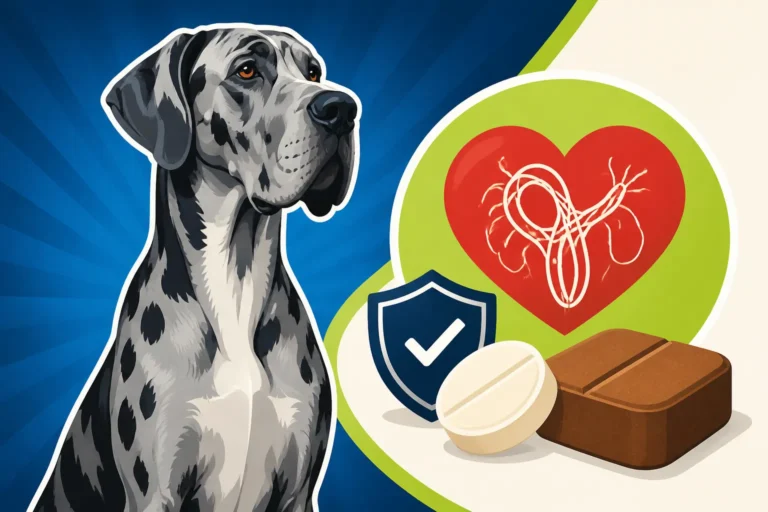
Beyond the physical exam, annual visits often include booster vaccinations, typically for rabies and distemper/parvo, and potentially others like bordetella (kennel cough) if your Dane frequents dog parks or boarding facilities. Heartworm testing, which is crucial for early detection of this potentially fatal parasitic disease, is also a standard part of these yearly appointments. Many vets will also recommend routine blood work, especially as your Dane approaches middle age, to establish baseline values and catch any developing health issues before they become serious. These routine annual visits usually range from $200 to $500, depending on your vet's fees and the specific tests and vaccinations required. Remember, these proactive steps are your best defense against the more severe and expensive health problems mentioned in articles like Why a Great Dane Only Lives Seven to Ten Years.
Dental Health: More Than Just a Pretty Smile
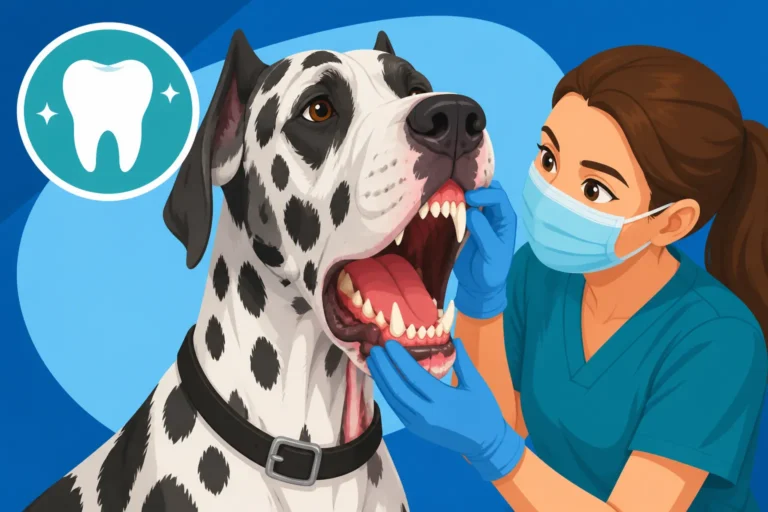
It's easy to overlook dental care for a dog, especially when they don't complain about a toothache. But just like in humans, dental disease in Great Danes can lead to a host of other serious health problems, including heart, liver, and kidney disease, as bacteria from infected gums can travel throughout the bloodstream. Regular dental cleanings are not just about fresh breath; they're a critical component of your Great Dane's overall health and well-being.
Your vet will assess your Dane's dental health during their annual exam, but a professional cleaning often requires anesthesia. This alone can be a significant expense, as Great Danes require higher doses of anesthetic due to their size, making procedures more costly. A professional dental cleaning, which includes scaling, polishing, and sometimes extractions if necessary, can cost anywhere from $500 to $1,500, or even more for extensive work. Factors influencing the cost include the severity of the dental disease, the number of extractions needed, and the specific clinic's pricing for anesthesia and monitoring. To help manage this, proactive home care, such as regular brushing and dental chews – many of which you can find on sites like Chewy – can significantly reduce the frequency and cost of professional cleanings.
Beyond Routine: Preventative Procedures and Early Screenings
For a giant breed like the Great Dane, there are specific preventative measures and screenings that aren't just good practice, they're often life-saving and can save you thousands in emergency costs down the road. Ignoring these unique needs specific to the breed would be a disservice to your beloved companion.
Gastropexy: A Proactive Defense Against Bloat
One of the most terrifying and devastating conditions for Great Dane owners is Bloat, also known as Gastric Dilatation-Volvulus (GDV). It's a sudden, life-threatening condition where the stomach fills with gas and twists, cutting off blood supply. Great Danes are exceptionally prone to it, with articles like Bloat in a Great Dane and the One in Three Odds highlighting the stark reality. The only true preventative measure is a gastropexy, a surgical procedure where the stomach is tacked to the abdominal wall to prevent it from twisting.
Many Great Dane owners opt for a preventive gastropexy, often performed at the same time as spaying or neutering, or as a standalone laparoscopic procedure. While this is an upfront surgical cost, it’s a proactive investment that can literally save your dog's life and your bank account. The price for a preventive gastropexy can range from $800 to $3,000, depending on whether it's done traditionally or laparoscopically, and if it's combined with another surgery. Compare this to the potentially $3,000-$10,000 cost of emergency bloat surgery, and the preventative option suddenly looks much more appealing. As The Price of a Preventive Great Dane Gastropexy details, this is a decision many Dane owners grapple with, but the peace of mind it offers is invaluable.
Cardiac Screening: Protecting That Giant Heart
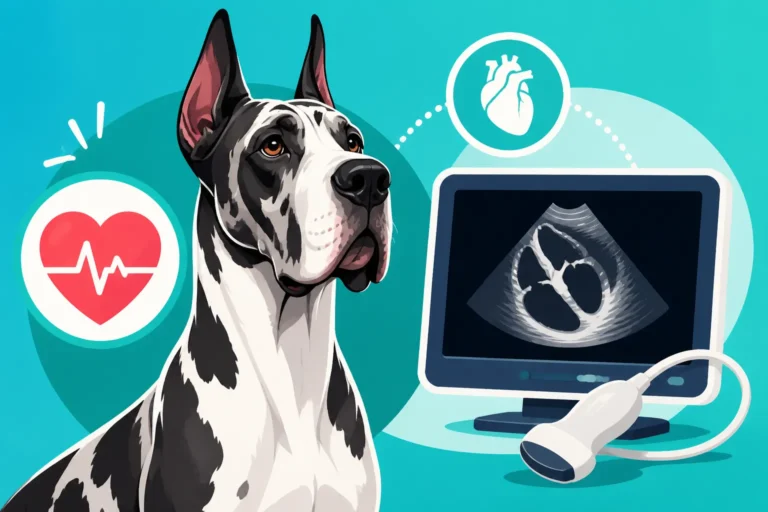
Great Danes, unfortunately, are genetically predisposed to certain heart conditions, most notably Dilated Cardiomyopathy (DCM), a disease that causes the heart muscle to thin and weaken, impairing its ability to pump blood effectively. This predisposition means that proactive cardiac screening isn't just a recommendation; it's a critical part of responsible Great Dane ownership, as explained in The Heart Muscle Disease Great Danes Are Prone To.
Regular screening often begins early, usually around 2-3 years of age, and continues annually or bi-annually throughout their lives. The primary screening tool is an echocardiogram (an ultrasound of the heart), often combined with a Holter monitor (a wearable ECG device that records heart activity over 24 hours). These tests allow veterinary cardiologists to detect early signs of DCM or other issues before clinical symptoms appear, giving you a chance to intervene with medication to slow disease progression. A full cardiac workup, including an echocardiogram and potentially a Holter, can cost anywhere from $500 to $1,500 each time it's performed. This is a significant ongoing expense, but it's vital for monitoring and managing a condition that can otherwise lead to sudden collapse or heart failure. Learning about What a Great Dane Cardiac Workup Costs can help you budget for this essential care.
Orthopedic Evaluations: Guarding Growing Joints
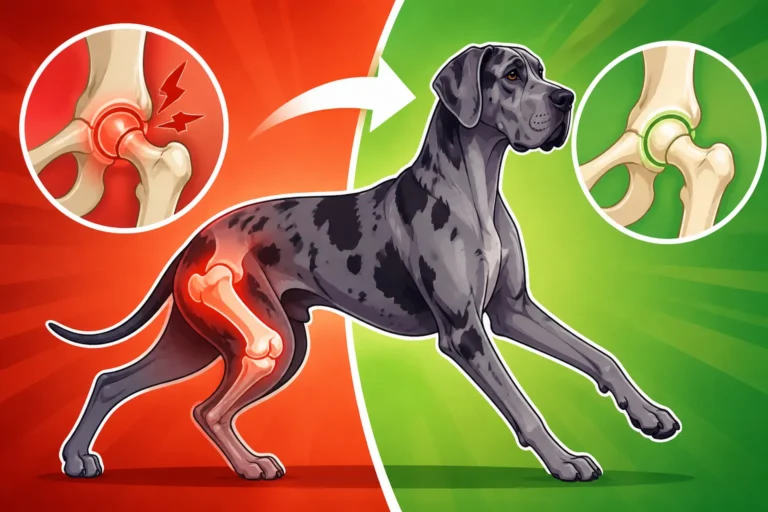
With their enormous size and rapid growth rate, Great Danes are susceptible to a variety of orthopedic issues, from developmental conditions in puppyhood to arthritis in their later years. Conditions like hip and elbow dysplasia, osteochondritis dissecans (OCD), and even panosteitis (growing pains) are unfortunately common. Proactive orthopedic evaluations and screenings are crucial for managing these risks and intervening early if problems arise. This is especially true given their predisposition to issues detailed in Great Dane Hips, Elbows and Growing Joints.
Reputable breeders will have already performed initial screenings on the parents, something you should verify through health certificates as mentioned in The Health Testing a Great Dane Breeder Owes You. However, your own vet will monitor your puppy's growth plates and joint health during their regular check-ups. As they mature, especially around two years of age, your vet might recommend specific X-rays to screen for hip and elbow dysplasia. These specialized X-rays often require sedation to get clear, diagnostic images, adding to the cost. Expect to pay $300-$700 for these screening X-rays. If issues are detected, further diagnostics like CT scans or MRIs, which can easily run $1,500-$4,000, might be needed to determine the best course of action, whether it's physical therapy, medication, or surgery.
Managing Chronic Conditions and Age-Related Ailments
As much as we wish our Great Danes could stay young forever, they age rapidly, and with age often comes a host of chronic conditions that require ongoing veterinary management. These can be some of the most emotionally and financially taxing aspects of Great Dane ownership.
Arthritis and Mobility Issues
It's a sad reality that most large and giant breed dogs will develop some form of arthritis as they age. The sheer weight and strain on their joints throughout their lives inevitably take a toll. You might notice your once-spry Great Dane struggling to get up, slowing down on walks, or hesitating before jumping into the car. Managing arthritis is an ongoing process aimed at reducing pain, improving mobility, and maintaining quality of life.
Treatment plans often involve a multi-modal approach. This can include daily anti-inflammatory medications (NSAIDs) like Rimadyl or Galliprant, which for a Great Dane's weight, can cost $50-$150 per month. Joint supplements containing glucosamine, chondroitin, and MSM are also frequently recommended, adding another $30-$80 monthly to your budget, and you can often find good quality options on Chewy or specialty pet stores. Additionally, many Danes benefit from therapeutic laser treatments ($50-$100 per session), hydrotherapy, or even acupuncture ($70-$150 per session), which require multiple visits. In severe cases, pain management specialists might prescribe more advanced medications, and a comfortable orthopedic bed becomes an absolute necessity. These ongoing costs for arthritis management can easily add up to $100-$300+ per month, year after year.
Cancer Care: A Common and Costly Battle
Sadly, cancer is a leading cause of death in Great Danes, with breeds like this having a higher incidence of certain types, such as osteosarcoma (bone cancer), as discussed in Bone Cancer in a Great Dane. The diagnosis alone can be emotionally crushing, and the subsequent treatment decisions can be financially daunting.
If your Great Dane is diagnosed with cancer, the costs can skyrocket. Diagnosis typically involves X-rays, biopsies ($300-$800), and often more advanced imaging like CT scans or MRIs ($1,500-$4,000) to stage the cancer and determine if it has spread. Treatment options vary widely depending on the type and stage of cancer but can include surgery (e.g., amputation for osteosarcoma, costing $2,000-$5,000), chemotherapy ($3,000-$10,000 for a course), and radiation therapy ($5,000-$15,000). Palliative care, focused on managing pain and improving quality of life, also incurs costs for medications, which for a large dog, come in significant doses. The decision of whether to treat, and how aggressively, is deeply personal and heavily influenced by financial realities. Articles like Amputation and Chemotherapy for a Great Dane delve into these difficult choices and the associated expenses.
Thyroid and Other Endocrine Disorders
While less dramatic than bloat or cancer, endocrine disorders, particularly hypothyroidism, are not uncommon in Great Danes and require lifelong management. Hypothyroidism occurs when the thyroid gland doesn't produce enough hormones, leading to symptoms like weight gain, lethargy, poor coat quality, and skin issues. Diagnosis involves specific blood tests to measure thyroid hormone levels, often costing $100-$200.
Once diagnosed, hypothyroidism is typically managed with daily oral thyroid hormone replacement medication, such as levothyroxine. The cost of this medication for a Great Dane's large body weight can range from $20-$60 per month. Regular blood tests, usually every 6-12 months, are necessary to monitor hormone levels and adjust the medication dosage as needed, adding another $100-$200 per test. While not as immediately life-threatening as some other conditions, the cumulative cost of managing a chronic condition like hypothyroidism over several years can be substantial, underscoring the importance of budgeting for ongoing medical expenses for your Great Dane.
Emergency Situations: When Every Minute (and Dollar) Counts
These are the moments every Great Dane owner dreads – sudden, severe illnesses or accidents that require immediate, often expensive, veterinary intervention. These emergencies are where a lack of financial preparedness can force heartbreaking decisions.
Bloat Emergencies: The Most Feared Crisis
We've talked about preventative gastropexy, but what if your Great Dane develops bloat without having had the preventative surgery? The signs of bloat – distended abdomen, unproductive retching, pacing, drooling – are terrifying and require immediate veterinary attention. This is not a "wait and see" situation; a Great Dane with bloat might only have minutes or a few hours before the condition becomes fatal. You'll be rushing to an emergency veterinary clinic, praying for the best.
Emergency treatment for bloat typically involves stabilizing the dog, attempting to decompress the stomach, and then, if the stomach has twisted, performing emergency surgery to untwist it and often tack it in place (emergency gastropexy). The costs for emergency bloat surgery are incredibly high due to the specialized nature of the surgery, the need for overnight critical care, intravenous fluids, pain medication, and extensive monitoring. It's not uncommon for these bills to range from $3,000 to $10,000 or even more, especially if complications arise. The Overnight Bill When a Great Dane Bloats offers a stark look at the financial impact of such an emergency. This is precisely why many owners consider pet insurance or dedicate a significant emergency fund.
Accidents, Injuries, and Sudden Illnesses
Beyond bloat, Great Danes are still dogs, and dogs get into trouble or develop sudden illnesses. A torn cruciate ligament from an exuberant play session, an unexpected allergic reaction, an ingestion of something toxic, or a sudden onset of pancreatitis can all land you in the emergency vet's office. Their size often means that everything, from medication dosage to surgical supplies and even diagnostic imaging, is more expensive.
For instance, repairing a torn cruciate ligament in a Great Dane can easily cost $3,000-$7,000, as specialized surgical techniques are required for their weight. Treating a severe allergic reaction with an overnight stay, IV fluids, and medication might run $500-$1,500. Even something as "simple" as ingesting a foreign object that requires endoscopic removal or surgery can cost several thousand dollars. The larger the dog, the more medication they need, the more time and resources are often required for recovery, and the higher the general costs are. These unexpected events, while hopefully rare, are almost guaranteed to happen at some point in your Great Dane's life, and they highlight the need for a robust financial safety net.
The Role of Pet Insurance and Financial Planning
Given the significant and often unpredictable veterinary costs associated with Great Danes, many owners find themselves pondering how to best prepare. Pet insurance isn't a silver bullet, but it can be a valuable tool in managing these expenses.
Understanding Pet Insurance for Giant Breeds
Pet insurance for a Great Dane is almost a necessity for many owners, as explored in Whether Pet Insurance Is Essential for a Great Dane. The potential for high-cost emergencies and chronic conditions makes it a consideration you truly shouldn't ignore. However, insuring a giant breed comes with its own set of nuances. Premiums for Great Danes are typically higher than for smaller dogs because of their predisposition to expensive conditions like bloat, DCM, and orthopedic issues. Insurers are well aware of the breed-specific risks.
When evaluating pet insurance plans, pay close attention to the deductible (how much you pay before coverage kicks in), the reimbursement percentage (what percentage of the vet bill the insurer pays), and the annual limit. Crucially, check for any breed-specific exclusions or limitations, although most reputable insurers like Healthy Paws offer comprehensive coverage for accidents and illnesses. Also, be aware of waiting periods for certain conditions (e.g., orthopedic issues might have a longer waiting period) and the handling of pre-existing conditions, which are generally not covered. It's wise to enroll your Great Dane as early as possible, ideally as a puppy, to ensure conditions don't become "pre-existing" before coverage begins. Reading various Premiums Quoted on a Great Dane can give you a realistic idea of monthly costs.
Self-Funding vs. Insurance: Weighing the Options
For some, the idea of paying monthly premiums for pet insurance can feel like an unnecessary expense, especially if their dog is currently healthy. This often leads to the question: is it better to self-fund by saving money in an emergency fund, or to rely on pet insurance?
Self-funding requires significant discipline and the ability to set aside several thousand dollars specifically for your Great Dane's potential medical needs. Ideally, this fund should eventually grow to at least $5,000-$10,000, especially by the time your Dane reaches middle age when health issues are more likely to arise. The benefit of self-funding is that the money is always yours, and you don't have to deal with deductibles, reimbursement percentages, or denied claims. However, the risk is that a major emergency could strike before you've had a chance to save enough, leaving you in a difficult position. If your Dane bloats, for example, The Overnight Bill When a Great Dane Bloats can easily wipe out a fledgling savings account.
Pet insurance, on the other hand, offers financial protection against those catastrophic, unforeseen costs. You pay a predictable monthly premium ($50-$150+ for a Great Dane, depending on age and plan), and in return, you get significant coverage for eligible vet bills. While you still pay a deductible and a percentage of the bill, the major chunk of a $5,000+ emergency can be covered. For many Great Dane owners, the peace of mind that comes with knowing they won't have to choose between their dog's life and their life savings makes pet insurance a worthwhile investment. It's a personal decision, but one that warrants careful consideration of your financial situation and risk tolerance.
Specialized Veterinary Services and Ongoing Support
Sometimes, your Great Dane's health needs extend beyond what a general practitioner can provide, or they require ongoing support to maintain their quality of life. These specialized services contribute significantly to the overall vet spending for a Great Dane.
Specialist Consultations: When Your Dane Needs an Expert
Just like in human medicine, there are veterinary specialists for almost every area of care. If your Great Dane develops a complex health issue – perhaps a difficult-to-diagnose lameness, an advanced cardiac condition, or a complicated internal medicine problem – your general veterinarian may refer you to a board-certified specialist. This could be a veterinary cardiologist, an internal medicine specialist, an orthopedic surgeon, a neurologist, or an oncologist.
These specialists have advanced training and equipment, and their expertise can be invaluable in getting an accurate diagnosis and developing the most effective treatment plan. However, specialist consultations come with higher fees. An initial consultation with a specialist can range from $150 to $400, not including any diagnostics performed during that visit. Follow-up appointments and subsequent procedures will add to this. For example, a neurology consult for a Great Dane struggling with a condition like Wobbler Syndrome could lead to an MRI costing thousands, followed by potential surgery. While expensive, these specialist services are often crucial for resolving complex health issues and providing the best possible care for your beloved giant.
Rehabilitation and Alternative Therapies
For Great Danes recovering from surgery, managing chronic pain, or dealing with age-related mobility issues, veterinary rehabilitation can make a world of difference. This field encompasses a variety of therapies aimed at restoring function, reducing pain, and improving overall quality of life, often working in conjunction with traditional veterinary medicine.
Rehabilitation services can include hydrotherapy (underwater treadmill), therapeutic exercises, massage, laser therapy, acupuncture, and chiropractic adjustments. Each session typically ranges from $50 to $150, and a course of treatment often requires multiple sessions per week or month over an extended period. For instance, a Great Dane recovering from orthopedic surgery might need 2-3 hydrotherapy sessions a week for several months, easily accumulating costs of $2,000-$5,000 or more. While these therapies can significantly improve a Great Dane's comfort and mobility, they represent an additional, often substantial, ongoing expense that isn't always covered by standard pet insurance plans (though some wellness plans or comprehensive policies may offer some reimbursement).
Comparative Overview of Great Dane Veterinary Costs
To help you visualize the potential financial landscape, here's a table summarizing common veterinary expenses for a Great Dane. Remember, these are estimates and can vary significantly based on your location, your vet's fees, and the specific needs of your dog.
| Service Type | Specific Service / Condition | Estimated Cost Range (USD) | Frequency / Notes |
|---|---|---|---|
| Routine & Preventative | Puppy Vaccinations (full course) | $500 – $1,000 | First 4-5 months of life |
| Annual Wellness Exam + Boosters + Heartworm Test | $200 – $500 | Annually | |
| Heartworm/Flea/Tick Prevention | $300 – $600/year | Monthly/quarterly medication | |
| Professional Dental Cleaning (with anesthesia) | $500 – $1,500+ | As needed, typically every 1-3 years | |
| Preventative Gastropexy (laparoscopic) | $800 – $3,000 | One-time, often with spay/neuter | |
| Cardiac Echo/Holter Monitor Screening | $500 – $1,500 | Annually/bi-annually after age 2-3 | |
| Hip/Elbow Dysplasia X-rays (with sedation) | $300 – $700 | As recommended, often around 2 years of age | |
| Emergency & Illness | Emergency Bloat Surgery (GDV) | $3,000 – $10,000+ | One-time, life-threatening |
| Cruciate Ligament Repair (TPLO/TTA) | $3,000 – $7,000 | One-time per joint | |
| Foreign Body Removal (surgical) | $2,000 – $6,000 | One-time | |
| Acute Illness (e.g., severe infection, pancreatitis) | $500 – $2,500+ | As needed, highly variable | |
| Chronic Disease Mgmt. | Arthritis Medication (monthly) | $50 – $150/month | Ongoing for chronic pain |
| Joint Supplements (monthly) | $30 – $80/month | Ongoing for joint support | |
| Cancer Diagnostics (biopsy, imaging) | $800 – $4,000 | One-time diagnostic, but can vary by cancer type | |
| Cancer Treatment (chemo course) | $3,000 – $10,000+ | Course of treatment | |
| Hypothyroidism Medication (monthly) + monitoring tests | $20 – $60/month + $100-$200/test | Ongoing medication, tests 1-2 times/year | |
| Specialized & Rehab | Specialist Consultation (initial) | $150 – $400 | One-time per specialty, additional for follow-ups |
| Advanced Imaging (MRI/CT) | $1,500 – $4,000 | One-time diagnostic | |
| Rehabilitation Therapy (e.g., hydrotherapy, acupuncture) | $50 – $150/session | Multiple sessions, ongoing as needed (e.g., 2-3x/week) |
Disclaimer
The information provided in this article is for general informational purposes only and does not constitute veterinary advice. Always consult with a qualified veterinarian for any health concerns or before making any decisions about your Great Dane's medical care. Costs are estimates and can vary significantly based on location, individual veterinary clinic pricing, and the specific needs of your pet.