What a Great Dane Cardiac Workup Costs
It’s a tough reality that bringing a magnificent Great Dane into your life means bracing for some potentially significant health challenges, and one of the most heartbreaking and financially demanding is heart disease. Watching your gentle giant struggle with something as fundamental as breathing or staying active can be incredibly distressing, and the path to diagnosis and management often feels like navigating a confusing, expensive maze. This guide aims to shed light on what a Great Dane cardiac workup entails and, more importantly, what you can expect in terms of costs, helping you prepare for the financial commitment of keeping your beloved companion as healthy as possible.
Understanding the Urgent Need for Great Dane Cardiac Screening
Anyone who has loved a Great Dane knows they steal your heart, but tragically, their own hearts are often their Achilles' heel. These majestic dogs are predisposed to certain conditions that demand vigilant monitoring, sometimes long before any outward symptoms become apparent. The proactive approach isn't just about catching problems early; it's about potentially extending their precious, all-too-short lives.
Why Great Danes Are Prone to Heart Conditions
Great Danes, like many other large and giant breeds, have a higher genetic predisposition to certain heart ailments, with Dilated Cardiomyopathy (DCM) being the most prevalent and devastating. DCM is a progressive disease where the heart muscle becomes thin and weak, losing its ability to pump blood effectively. Imagine trying to power a massive engine with a tired, inefficient pump – that's essentially what happens with a Dane's heart struggling with DCM. It's not a condition that develops overnight; it’s a gradual decline that often goes unnoticed until it's quite advanced. Their sheer size and rapid growth further exacerbate the strain on their cardiovascular system, making them particularly vulnerable. It's a cruel irony that such powerful, athletic dogs can be so fragile internally. To learn more about this specific challenge, you can dive deeper into The Heart Muscle Disease Great Danes Are Prone To in our detailed guide.
Recognizing Early Signs of Cardiac Issues
The heartbreaking truth is that Great Danes are incredibly stoic, often hiding their discomfort until a condition is quite severe. This means that by the time you notice overt signs, the disease may have progressed significantly. Early symptoms can be subtle, easily mistaken for normal aging or simply a "lazy" day. You might observe a slight decrease in their usual enthusiasm for walks, a tendency to tire more quickly than before, or perhaps a soft, dry cough, especially at night. Some owners report their Dane just seems "off" or less vibrant. In more advanced stages, you might notice labored breathing, a distended belly due to fluid retention, or even fainting episodes after exertion. Don't dismiss these subtle cues; they could be critical warnings. We delve deeper into these subtle indicators in our article on Early Heart Signs in a Great Dane.
The Initial Vet Visit and Diagnostic Steps
When you first suspect a heart issue, or if your vet recommends a baseline screening due to your Great Dane's breed, the journey begins with a thorough examination. This initial step is foundational, guiding subsequent, more specialized diagnostics. It's where your primary veterinarian lays the groundwork before potentially referring you to a cardiology specialist.
The Comprehensive Physical Examination
Your regular veterinarian is your first line of defense. During a comprehensive physical exam, they won't just look for general health; they'll be specifically tuning into cardiac indicators. They'll listen intently to your Dane's heart for any murmurs, which are abnormal whooshing sounds caused by turbulent blood flow, or arrhythmias, which are irregular heartbeats. They’ll also check their lungs for any crackling sounds, indicating fluid buildup – a common sign of congestive heart failure. Your vet will palpate your dog's pulse, check their mucous membranes for proper color, and assess their overall body condition. They might even check the pulses in their hind legs to ensure blood flow is strong and even. While this initial check might seem standard, for a Great Dane, it carries immense weight, setting the stage for more advanced diagnostics. A typical vet visit for such an examination could range from $60 to $150, depending on your clinic's location and specific charges.
Bloodwork and Baseline Diagnostics
Beyond the physical exam, blood tests offer a window into your Great Dane’s internal health, often revealing issues that aren’t visible externally. A complete blood count (CBC) and a chemistry panel provide a general overview of organ function and can rule out other underlying health problems that might mimic heart disease symptoms. For Great Danes specifically, vets often recommend a thyroid panel, as hypothyroidism can sometimes contribute to or complicate cardiac conditions. For more information on assessing thyroid health, check out our guide on Reading a Great Dane's Thyroid Panel.
One crucial blood test gaining traction in cardiac screening is the proBNP test. This test measures the level of N-terminal pro-B-type natriuretic peptide, a hormone released by the heart in response to stretching and stress. Elevated levels can indicate heart disease, even before clinical signs appear, making it a valuable tool for early detection in at-risk breeds like Great Danes. It’s not definitive on its own, but it serves as an excellent screening tool to decide if further, more expensive cardiac imaging is warranted. The cost for these blood tests can vary widely, but typically you might expect to pay anywhere from $150 to $400 for a comprehensive panel including a proBNP test.
Core Cardiac Diagnostic Procedures and Their Costs
Once your primary vet has identified potential concerns, or if you’re opting for proactive screening, you’ll likely move on to more specialized cardiac diagnostics. These procedures provide detailed images and data about your Great Dane’s heart, crucial for an accurate diagnosis and treatment plan.
The Echocardiogram (Echo)
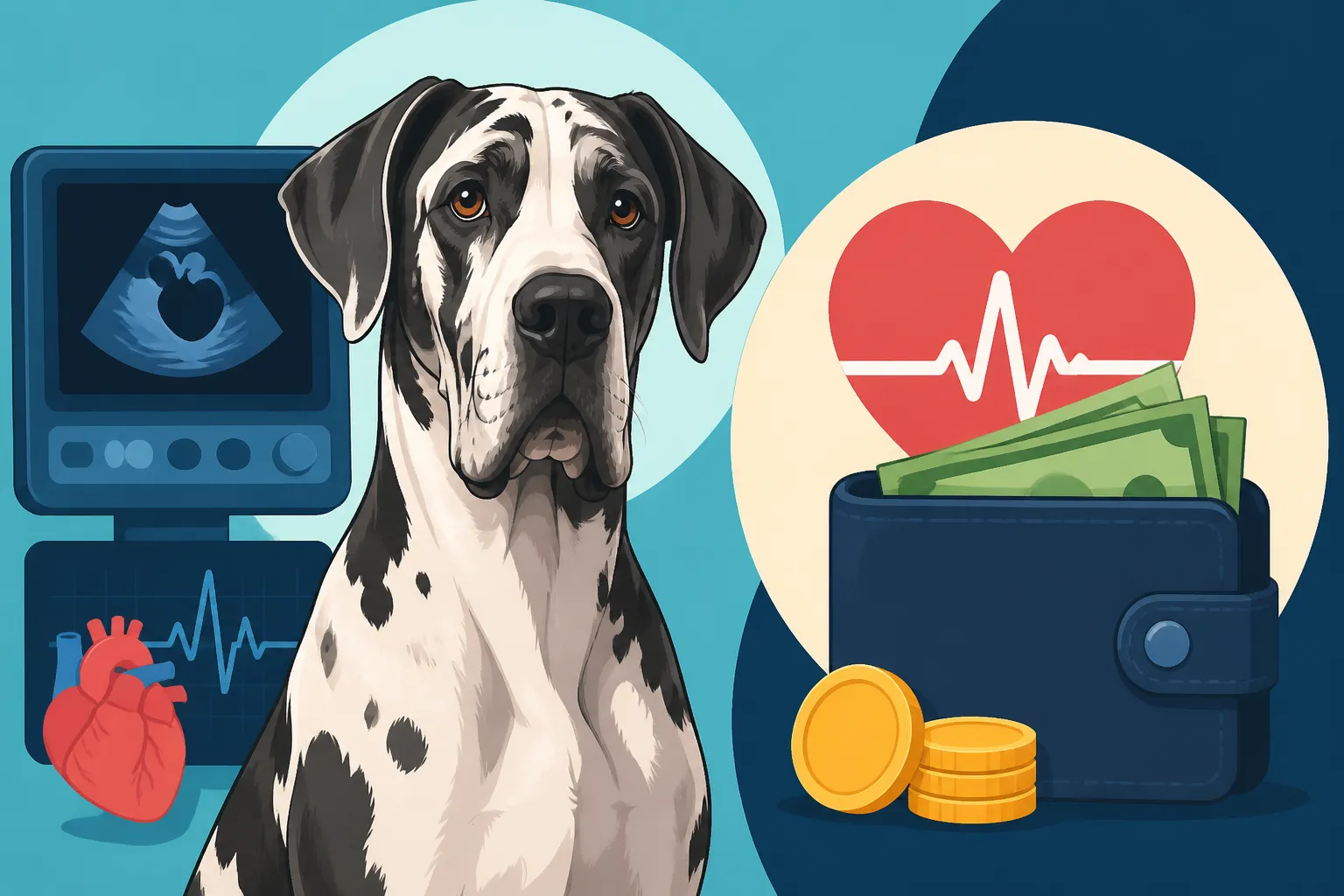
The echocardiogram, often simply called an "echo," is the gold standard for diagnosing most heart conditions in dogs, especially DCM in Great Danes. It’s essentially an ultrasound of the heart, allowing a veterinary cardiologist to visualize the heart's structures in real-time. They can see the size of the heart chambers, the thickness of the muscle walls, how well the valves are functioning, and the efficiency of blood flow. This non-invasive procedure requires your Great Dane to lie calmly on their side while a technician uses an ultrasound probe on their chest. Sedation might be necessary for very anxious dogs, adding to the overall cost.
The true value of an echo lies in the expertise of the person performing and interpreting it. Ideally, this should be a board-certified veterinary cardiologist, someone who has undergone extensive specialized training. They can meticulously measure various parameters, identifying subtle changes indicative of DCM, sometimes even before the dog shows outward symptoms. Understanding What a Cardiologist Measures in a Great Dane Heart can help you appreciate the depth of this diagnostic tool.
The cost of an echocardiogram for a Great Dane can be substantial, reflecting the specialized equipment and expert interpretation involved. You can generally expect to pay between $500 and $1,200. This fee usually includes the cardiologist's time, the use of the ultrasound equipment, and the detailed report provided to your primary veterinarian. While it's a significant expense, it's often the most critical step in getting an accurate diagnosis. Many pet owners find that having pet insurance, such as a plan from Healthy Paws, can be a lifesaver for these kinds of specialized procedures, helping to offset the high costs involved.
Electrocardiogram (ECG/EKG)
An electrocardiogram, or ECG (also sometimes referred to as an EKG), measures the electrical activity of your Great Dane's heart. While an echo shows the heart's physical structure and function, an ECG focuses on its rhythm and electrical conduction. It can detect arrhythmias, which are irregular heartbeats, and other electrical abnormalities that might not be visible on an echo alone. For a Great Dane, especially with DCM, arrhythmias are a common and serious complication, sometimes even leading to sudden death.
During an ECG, small electrodes are attached to your dog's skin, usually on their elbows and knees, to record the electrical signals. It's a quick, painless, and non-invasive procedure, usually performed in conjunction with an echocardiogram or if an arrhythmia is suspected during a physical exam. The cost for an ECG is generally much lower than an echo, typically ranging from $100 to $300, often bundled with a cardiology consultation. It provides vital information about the heart's electrical stability, which is essential for guiding medication choices.
Holter Monitoring for Arrhythmias
Sometimes, a Great Dane might have intermittent arrhythmias that aren't present during a brief ECG at the vet's office. This is where Holter monitoring comes in. A Holter monitor is a small, portable device that your dog wears for 24 to 48 hours, continuously recording their heart's electrical activity. This extended monitoring period allows the cardiologist to capture any transient arrhythmias, especially those that might occur during sleep, excitement, or specific activities. If your Dane has experienced unexplained weakness, dizziness, or fainting spells (syncopal episodes), a Holter monitor is often recommended.
The device is usually fitted by a veterinary technician, often involves shaving a small area of fur for good electrode contact, and then is secured with bandages or a vest. Your Great Dane can go about their normal daily activities while wearing it, and you'll usually be asked to keep a diary of their activities and any symptoms. After the monitoring period, the device is returned to the clinic, and the data is downloaded and analyzed by a cardiologist. This analysis is complex, looking for patterns, types, and frequencies of arrhythmias. For a deep dive into this diagnostic tool, read our article on Holter Monitoring for a Great Dane Heart. The cost for Holter monitoring, including the device rental, fitting, and expert interpretation, typically ranges from $350 to $700.
Additional Imaging and Specialist Consultations
While the echocardiogram and ECG are primary diagnostic tools for Great Dane cardiac workups, other imaging and the invaluable input of specialists further refine the diagnosis and treatment strategy. These steps ensure a comprehensive understanding of your dog's condition.
Chest X-rays
Chest X-rays, also known as radiographs, are a common and useful diagnostic tool in veterinary medicine, and they play a role in a Great Dane cardiac workup, though usually not as the primary diagnostic for heart muscle disease itself. What X-rays excel at is showing the overall size and shape of the heart, as well as the condition of the lungs and surrounding structures. If your Great Dane's heart is significantly enlarged, or if there's fluid accumulation in the lungs (pulmonary edema) or around the heart (pleural effusion) – both signs of congestive heart failure – X-rays will often reveal this.
However, it's important to understand their limitations. X-rays provide a two-dimensional image and cannot visualize the internal structures of the heart, such as valve function or muscle thickness, with the detail an echocardiogram offers. They can suggest heart enlargement, but an echo confirms it and identifies the underlying cause. Therefore, X-rays are typically used as a complementary diagnostic, especially if breathing difficulties are a primary symptom, to assess lung involvement. The cost for a set of chest X-rays for a Great Dane typically falls between $150 and $300, depending on the clinic and the number of views required.
Specialist Consultation Fees
Once initial diagnostics are complete, or even before, a consultation with a board-certified veterinary cardiologist is often the next crucial step. While your general practice veterinarian is excellent for routine care, a cardiologist has specialized training, equipment, and experience in diagnosing and managing complex heart conditions in dogs. For a breed like the Great Dane, with its specific predisposition to DCM, a cardiologist's expertise is invaluable.
During a consultation, the cardiologist will review all previous test results, perform their own physical exam, and discuss your Great Dane's symptoms and history in detail. They will then recommend the most appropriate diagnostic tests (like the echo or Holter monitor if not already done) and, crucially, interpret the findings, providing a precise diagnosis and a tailored treatment plan. This expert interpretation is paramount, as the nuances of Great Dane heart disease can be subtle and require a seasoned eye.
The fees for a specialist consultation can vary. An initial consultation, which is often more extensive, might cost anywhere from $150 to $300. Follow-up consultations, necessary for monitoring disease progression and adjusting medication, typically range from $100 to $200. These fees are for the cardiologist's time and expertise, separate from the cost of any diagnostic tests they perform or medications they prescribe. It's an investment in the highest level of care for your Great Dane's heart.
Managing and Monitoring Cardiac Disease
Receiving a cardiac diagnosis for your Great Dane is undoubtedly a tough moment, but it’s not the end. It marks the beginning of a dedicated management and monitoring phase aimed at improving their quality of life and slowing the progression of the disease. This phase also comes with its own set of ongoing financial considerations.
Medication Costs and Long-Term Management
Once a Great Dane is diagnosed with a heart condition like DCM, medication often becomes a lifelong necessity. The specific drugs prescribed depend on the type and severity of the heart disease, but common medications include Pimobendan (a positive inotrope that helps the heart pump more efficiently), diuretics (to reduce fluid buildup), and ACE inhibitors (to manage blood pressure and reduce strain on the heart). For more detailed information on specific medications, you can read our article on Pimobendan for a Great Dane.
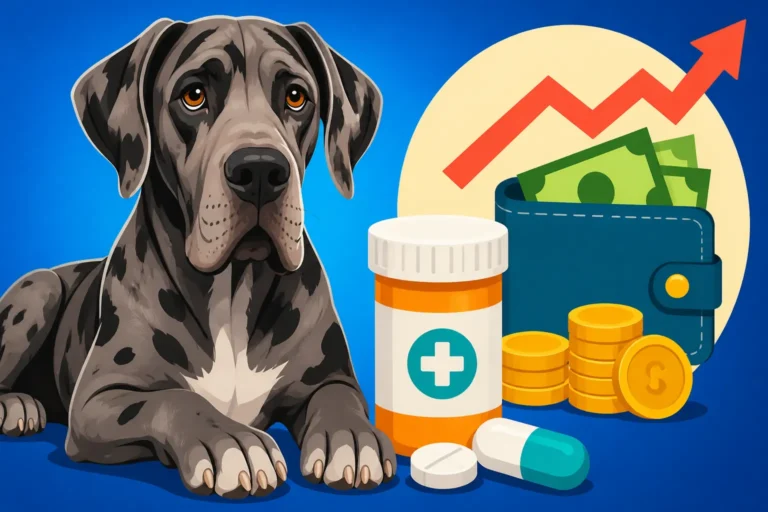
Administering these medications to a large breed like a Great Dane means higher dosages, and consequently, higher costs. A single medication like Pimobendan can cost anywhere from $50 to $200 per month, depending on the dose and the size of your dog. If multiple medications are needed, these monthly expenses quickly add up, easily reaching several hundred dollars. It's not uncommon for owners to spend $200-$500 or more monthly on cardiac medications alone. Many owners find that purchasing these medications from reputable online pharmacies like Chewy can offer some cost savings compared to buying directly from the veterinary clinic, though always ensure your vet approves and provides the prescription.
Follow-Up Visits and Repeat Diagnostics
Managing heart disease in a Great Dane isn't a "set it and forget it" situation; it requires ongoing vigilance and regular re-evaluation. Your cardiologist will schedule follow-up visits to monitor your dog's response to medication, assess disease progression, and make any necessary adjustments to the treatment plan. These visits typically occur every 3 to 6 months, or more frequently if your Great Dane's condition is unstable.
During these follow-ups, the cardiologist will perform a physical exam, possibly repeat blood tests (like the proBNP or kidney values, as some cardiac medications can affect kidney function), and often recommend repeat echocardiograms. A repeat echo is crucial to visualize how the heart is responding to therapy and if there's any further enlargement or weakening. The cost of these follow-up echos is similar to the initial one, ranging from $500 to $1,200 each time. Bloodwork will again be in the $150-$400 range. The cumulative cost of these regular check-ups and repeat diagnostics over your Great Dane's remaining years can be substantial, underscoring the long-term financial commitment. For more on regular screenings, check out Screening a Great Dane's Heart Each Year.
Nutritional Support and Specialized Diets
While medication forms the cornerstone of cardiac disease management, nutritional support also plays an important role. For Great Danes with heart conditions, dietary modifications can help manage symptoms, reduce the workload on the heart, and support overall health. This often involves feeding a diet lower in sodium to help prevent fluid retention and higher in specific nutrients like taurine and L-carnitine, which are vital for heart muscle function. Some commercial prescription diets are formulated specifically for cardiac health, and your vet or cardiologist might recommend one.
These specialized diets can be more expensive than regular kibble, adding to the monthly budget. For a Great Dane, who eats a significant volume, the cost can quickly add up to $100-$200 per month for food alone. If you prefer fresh or home-cooked options, services like Ollie might offer vet-approved, balanced meals tailored to your dog’s needs, but again, the sheer volume required for a Great Dane will significantly impact the cost. Discussing dietary changes with your vet or cardiologist is crucial to ensure your Great Dane receives the appropriate nutrition without compromising their health.
Estimated Costs for a Great Dane Cardiac Workup
To give you a clearer picture, here's a general breakdown of the estimated costs for a typical Great Dane cardiac workup and ongoing management. Please remember these are ranges and can vary significantly based on your geographic location, the veterinary clinic or specialist, and the specific needs of your dog.
| Procedure/Service | Estimated Cost Range (USD) | Frequency |
|---|---|---|
| Initial Vet Consultation | $60 – $150 | One-time (for initial concern) |
| Comprehensive Bloodwork (incl. proBNP) | $150 – $400 | One-time, then as needed |
| Chest X-rays | $150 – $300 | One-time, then as needed |
| Echocardiogram (Cardiac Ultrasound) | $500 – $1,200 | One-time, then every 6-12 months |
| Electrocardiogram (ECG/EKG) | $100 – $300 | As needed (often with echo) |
| Holter Monitor (24-48 hr) | $350 – $700 | As needed (for intermittent issues) |
| Specialist Cardiology Consultation | $150 – $300 (initial) | One-time, then follow-ups ($100-200) |
| Monthly Cardiac Medications | $200 – $500+ | Ongoing, monthly |
| Specialized Cardiac Diet | $100 – $200+ | Ongoing, monthly (if recommended) |
It's clear that the financial commitment for a Great Dane with heart disease is substantial, easily running into thousands of dollars for diagnostics in the first year alone, followed by hundreds of dollars monthly for medications and ongoing monitoring. This is why many Great Dane owners consider pet insurance a necessity rather than a luxury, to help mitigate these significant, often unexpected, veterinary expenses.
Disclaimer
The information provided in this article is intended for general informational purposes only and does not constitute veterinary medical advice. Always consult with a qualified veterinarian or veterinary cardiologist for any health concerns or before making any decisions related to your Great Dane's medical care, diagnosis, or treatment plan. Costs mentioned are estimates and can vary widely.