Taking On a Great Dane Someone Gave Up
Bringing a Great Dane into your home is a monumental decision, filled with visions of a majestic, gentle giant gracing your sofa. But for many, the reality hits hard when they realize the immense commitment these dogs require, often leading to the heartbreaking decision to rehome them. If you’ve been considering opening your heart and home to a Great Dane someone else had to give up, you're embarking on a journey that is both incredibly rewarding and undeniably challenging. This comprehensive guide will walk you through every aspect of welcoming a rehomed Great Dane, from understanding why they end up in rescues to settling them into their forever home.
Understanding Why Great Danes Are Rehomed
It’s easy to judge when you see a Great Dane available for adoption, imagining a neglectful owner. But the truth is, rehoming a giant breed like a Great Dane is often a wrenching decision made out of desperation, not malice. Many loving owners simply find themselves overwhelmed by the sheer scale of the commitment, or unexpected life circumstances make it impossible to provide the care their Dane needs. Understanding these common pitfalls can help you prepare and empathize with your new companion's past.
Financial Strain and Unexpected Costs
Let's be brutally honest: Great Danes are expensive, and many people underestimate just how much. When you first consider bringing home a puppy, you might budget for the initial purchase price, perhaps a few hundred or a thousand dollars, but that's just the tip of the iceberg. The daily cost of feeding a Great Dane that eats ten cups a day can quickly add up, especially if you're committed to high-quality nutrition. We're talking about massive bags of kibble disappearing at an alarming rate, or substantial bills if you opt for fresh-delivered food services like Ollie.
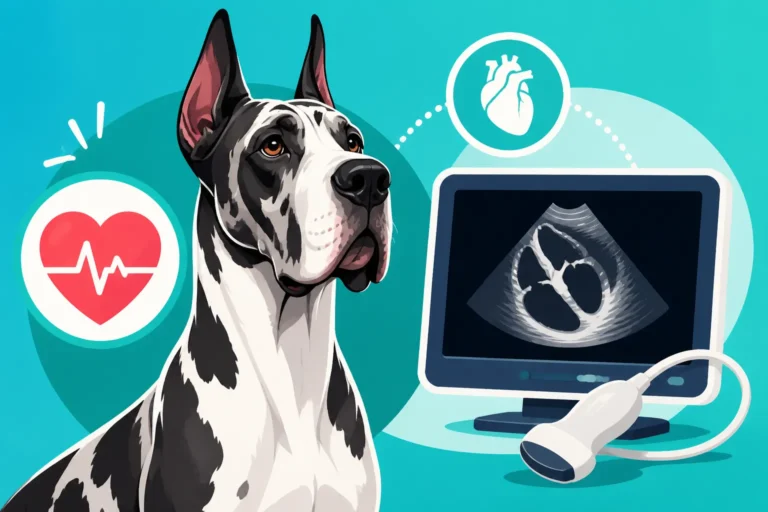
Beyond food, there are vet bills. Even a healthy Great Dane will have routine expenses like vaccinations, preventative medications for heartworm and fleas, and annual check-ups. But then come the unexpected emergencies, which, for Great Danes, can be devastatingly common and costly. Bloat in a Great Dane and the one in three odds of it happening are a constant, terrifying reality, and the emergency surgery can easily run into thousands of dollars. Similarly, the breed is prone to serious conditions like The Heart Muscle Disease Great Danes Are Prone To, which requires ongoing medication and specialist veterinary care. Many owners simply aren't prepared for these colossal expenses, especially if they haven't adequately budgeted or secured pet insurance from providers like Healthy Paws that can significantly offset these costs. The sheer scale of everything from monthly medications dosed at Great Dane weight to the higher cost of anesthesia for such a large animal means that every vet visit is just… bigger.
Training Challenges and Behavioral Issues
Great Danes might be renowned as "gentle giants," but that gentleness isn't inherent; it's a product of consistent, early training and socialization. A Great Dane puppy quickly becomes an eighty-pound adolescent, and if those Manners a Great Dane Needs Before It Grows aren't instilled early, you're suddenly dealing with a very large, very strong, and potentially unruly dog. Picture a 150-pound dog jumping up on guests or dragging you down the street on a leash. Without proper training, these behaviors aren't just annoying; they're dangerous. Many owners get overwhelmed when their sweet puppy transforms into a powerful, unmanageable adult.
Furthermore, Great Danes are incredibly sensitive souls. They thrive on companionship and can develop significant separation anxiety if left alone for extended periods. A Great Dane that cannot be left in the house might become destructive, barking incessantly, or having accidents, which can lead to stress for both the dog and the owner. Some Danes might also develop fear-based aggression or reactivity if not properly socialized as puppies. These issues often stem from a lack of understanding of the breed's needs or an inability to dedicate the time and resources to proper training, leading to surrender when the problem becomes too big to handle.
Health Problems and Medical Bills
As heartbreaking as it is, health issues are a primary reason many Great Danes are rehomed. The very attributes that make them magnificent—their immense size and rapid growth—also predispose them to a host of debilitating conditions. We’ve already touched on bloat and heart disease, but there are other significant concerns like Bone Cancer in a Great Dane, which is sadly common in the breed and comes with immense treatment costs and difficult decisions.
Orthopedic problems, such as Great Dane Hips, Elbows and Growing Joints, are also prevalent, often requiring expensive surgeries and lifelong pain management. Owners might not have realized the importance of proper nutrition during puppyhood or the need to limit strenuous exercise to prevent these issues. When a diagnosis comes with a price tag of several thousand dollars and a bleak prognosis, some owners simply don’t have the financial or emotional capacity to cope. These are deeply personal decisions, and while we might wish every dog could receive every possible treatment, the reality of the cost of Osteosarcoma treatment for a Great Dane, or a major surgery for a torn cruciate ligament, can push families to their limits.
Finding a Great Dane in Need of a New Home
Once you’ve truly understood the challenges and commitment involved, and you're ready to embrace them, the next step is finding your new companion. Rescuing a Great Dane is a profoundly different experience than buying a puppy from a breeder, often involving a more thorough screening process to ensure the best possible match.
Reputable Great Dane Rescues
When looking to adopt a Great Dane, the absolute best place to start is with a dedicated Great Dane rescue organization. These groups specialize in the breed, understanding their unique needs, temperaments, and common health concerns. They are typically run by passionate volunteers who have extensive experience with Danes and can offer invaluable support and guidance throughout the adoption process and beyond.
Organizations like Great Dane Rescue, Inc., or local branches of nationwide networks, often have dogs in foster homes rather than kennels. This means the dogs live with families, allowing the rescue to gain a much clearer picture of their temperament, quirks, and specific needs in a home environment. The rescue will invest in the dog's health, often providing necessary veterinary care, vaccinations, and sometimes even addressing pre-existing conditions like a preventive gastropexy to reduce bloat risk if the dog is old enough. This investment helps to ensure that you’re not bringing home a dog with immediate, undisclosed health crises, though ongoing health vigilance is always necessary. They'll also often conduct temperament assessments, ensuring the dog is suitable for a family with children, other pets, or specific lifestyle requirements.
Networking and Online Communities
While dedicated rescues are the primary route, networking can also uncover a Great Dane in need. Social media groups for Great Dane owners in your area can sometimes share posts about Danes needing new homes directly from owners who are rehoming privately. However, you need to exercise extreme caution with private rehoming. While it can sometimes be a direct way to help a dog avoid a shelter, there's less vetting and support compared to a formal rescue.
Always insist on meeting the dog in its current home, asking for vet records, and discussing the reasons for rehoming in detail. Be wary of anyone rushing the process or asking for a significant rehoming fee without clear justification. Ideally, a private rehoming situation should still involve clear communication, transparency about the dog's history, and a mutual understanding of the dog’s needs. Sometimes, even your local all-breed animal shelter might have a Great Dane, though they may not have the same breed-specific expertise as a dedicated rescue. Regardless of the source, thorough due diligence on your part is non-negotiable.
The Application and Vetting Process
Adopting from a reputable Great Dane rescue is a rigorous process, and for good reason. They want to ensure their Danes go to truly forever homes. Typically, it starts with an in-depth application form, asking about your living situation, family members, experience with giant breeds, and your ability to meet the financial and time commitments of a Great Dane. Don't be surprised if they ask for vet references, personal references, and conduct a home visit.
The home visit isn't about judging your housekeeping skills, but rather about ensuring your home environment is safe and suitable for a large dog. They’ll look for things like secure fencing, appropriate space, and potential hazards. They might also want to meet all family members, including existing pets, to assess compatibility. This thorough vetting might feel intrusive, but it's a testament to their commitment to the dogs. Think of it as them helping you make an informed decision and ensuring the best possible future for a dog that has already faced displacement. It’s also an opportunity for you to ask all your questions, learn about the dog's background, and understand what comes included in a Great Dane adoption.
Preparing Your Home for a Rescued Great Dane
Bringing any new dog home requires preparation, but a rescued Great Dane comes with its own unique set of considerations. They often arrive with unknown histories, potential anxieties, and an immediate need for space, comfort, and security.
Essential Supplies and Space Considerations
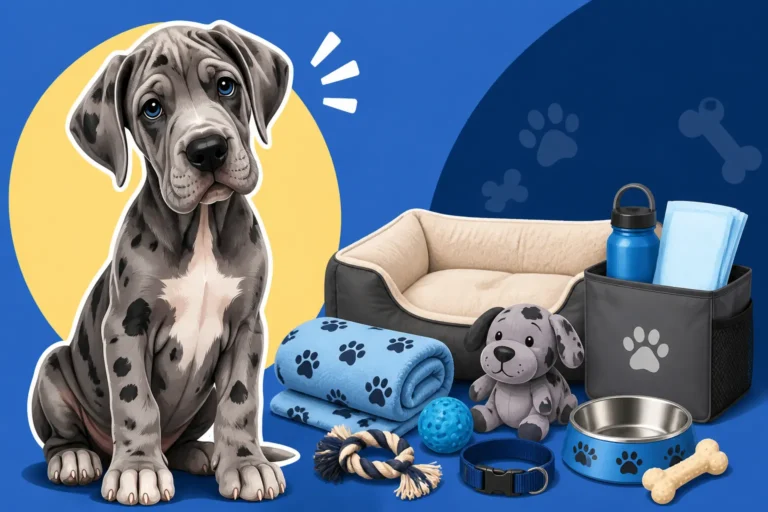
Before your new Great Dane even steps paw over your threshold, you need to have the essentials ready. This isn't just about a leash and a bowl; it's about items built to withstand a giant breed. You'll need extra-large food and water bowls, preferably on a sturdy, raised stand to help with digestion and posture, though the debate about Whether Raised Bowls Help or Hurt a Great Dane for bloat prevention still exists. Consider investing in high-quality, large-breed kibble; Chewy offers a wide selection that you can have delivered directly to your door, which is a lifesaver when you're buying 30-pound bags every couple of weeks.
Perhaps the most critical item is a comfortable, orthopedic dog bed. Great Danes are prone to elbow calluses and joint issues, so a thick, supportive bed is crucial for their long-term health. Forget those flimsy beds from discount stores; a Great Dane will flatten them in a week. Look for memory foam or orthopedic mattresses designed for giant breeds. You'll also need durable, safe toys – nothing small enough to be swallowed, and tough enough to withstand powerful jaws. Consider a crate if you plan to crate train, but remember, you'll need one of the largest crates that hold a full-grown Great Dane, and even then, many Danes prefer open space once settled. Think about the monthly food spending on a Great Dane and prepare your budget accordingly.
Safety-Proofing for a Giant Breed
Safety-proofing for a Great Dane goes beyond what you might do for a smaller dog. Their sheer size and reach mean they can access things smaller dogs can't. That kitchen counter where you usually leave your keys? Totally within reach for a curious Dane who decides to go counter surfing. Secure all valuable or dangerous items, and consider baby gates a Great Dane cannot step over to restrict access to certain areas, especially during the initial adjustment period.
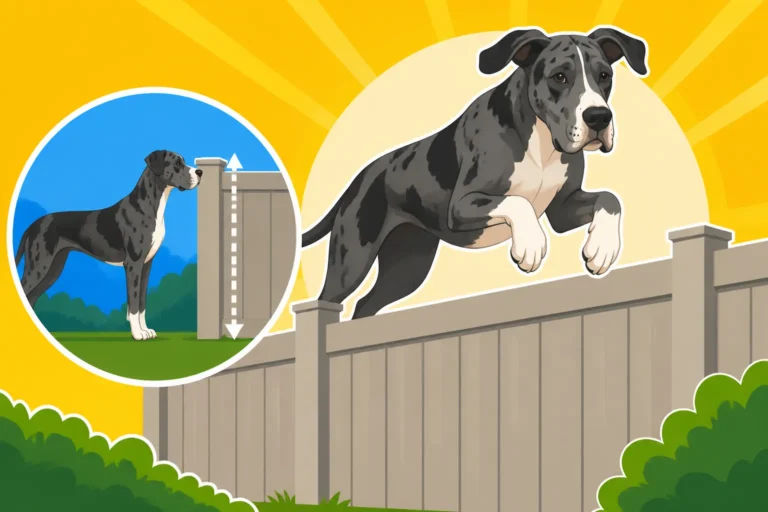
Beyond reach, consider potential hazards related to their size and clumsy nature. Great Danes can easily knock over lamps, end tables, and even small children with an enthusiastic tail wag. Clear pathways and remove anything fragile that can be easily swept off surfaces. Ensure your trash cans are heavy and secure, or stored in a pantry a Great Dane cannot open. For outdoor safety, check your fencing. A Great Dane can be surprisingly agile, and a standard four-foot fence might not be enough to contain a determined or anxious dog. Ensure gates are securely latched and that there are no weak spots they can push through.
Creating a Calming and Secure Environment
A rescued Great Dane has likely experienced stress, confusion, and possibly neglect or trauma. Their first priority in your home is to feel safe and secure. Designate a quiet, comfortable space that is exclusively theirs, like a large crate (door open, if they prefer) with their orthopedic bed, or a corner of a room that feels like a den. This "safe space" allows them to retreat and decompress when feeling overwhelmed.
Introduce them to your home calmly and slowly. Avoid overwhelming them with too many new people or experiences on the first day. Keep the initial greetings low-key. Scent is incredibly important to dogs, so having their bed and toys ready, perhaps with a soft blanket that smells like you, can provide comfort. Soft music or a white noise machine can help create a peaceful atmosphere. Remember, the goal is to show them that this new place is their sanctuary, a place where they are loved, safe, and will never be abandoned again.
Initial Integration and Settling In
The first few weeks with a rescued Great Dane are critical. This period is often referred to as the "two-week shut down," and understanding its principles can make all the difference in helping your new family member adjust.
The "Two-Week Shut Down" and Decompression
The "two-week shut down" isn't about ignoring your dog; it's about providing a low-stress, predictable environment where they can decompress and start to feel safe. Imagine being abruptly moved to a new country where you don't speak the language—you'd need time to observe, learn, and feel secure before you could fully engage. It's similar for a rescued Great Dane. During this period, the goal is to limit external stimuli and pressure, allowing the dog to process their new surroundings without feeling overwhelmed.
This means avoiding large gatherings, dog parks, or overly enthusiastic strangers. Keep walks short, quiet, and focused on potty breaks. Limit interactions to calm, positive reinforcement. Avoid forcing cuddles or commands. Let the dog initiate contact and explore at their own pace. This quiet period helps them understand that they are safe, their needs will be met, and they don't have to "perform" or worry about what's coming next. It builds a foundation of trust that will be invaluable for future training and bonding. For more insights, you might find articles on what fostering a Great Dane asks of you helpful, as similar principles apply.
Establishing a New Routine and Boundaries
Dogs, especially Great Danes who thrive on predictability, find comfort in routine. Establishing a consistent schedule for feeding, potty breaks, walks, and playtime from day one will significantly reduce anxiety and help your Dane understand what to expect. This means feeding at the same times each day, taking them out for potty breaks regularly, and having designated times for exercise and interaction.
Simultaneously, it’s crucial to set clear, consistent boundaries. Because of their size, what might be a minor annoyance in a smaller dog can be a significant problem in a Great Dane. Decide what behaviors are acceptable (e.g., no jumping on furniture, no counter surfing, no nipping) and enforce them gently but firmly from the start. Use positive reinforcement to reward desired behaviors. Great Danes are intelligent and eager to please, but they need to know the rules. Remember, Great Dane training cannot wait, even for an adult dog, because habits are much harder to break later on.
Introducing to Existing Pets and Family Members
Introducing a giant dog with an unknown history to existing pets and children requires careful planning and supervision. For existing dogs, initial introductions should always be neutral territory, like a park, on leash, with both dogs calm. Observe body language closely. Avoid direct eye contact or confrontational postures. Keep interactions brief and positive, ending on a good note. Once home, ensure each dog has its own space, food bowls, and toys to prevent resource guarding. Supervise all interactions closely for weeks, even months, until you are absolutely certain they are comfortable with each other.
For children, teach them how to interact respectfully with a large, potentially fearful or anxious dog. No sudden movements, loud noises, or running up to the dog. Always supervise interactions, even if the dog seems gentle. Teach children to give the dog space, especially when eating or sleeping. Great Danes and small dogs playing together can be a joy, but it requires careful management. Similarly, Great Danes around toddlers need constant vigilance due to their sheer size, even if unintentional bumps can cause injury. Explain to older children that the new dog needs time and space to adjust. It’s about teaching everyone in the household to be respectful of the new dog's journey and needs.
Addressing Common Behavioral and Health Issues in Rescues
It's a rare rescue Great Dane that comes without any baggage. Often, the very reasons they were given up manifest as behavioral quirks or underlying health concerns that you'll need to proactively address.
Separation Anxiety and Fear-Based Behaviors
Many rehomed Great Danes develop separation anxiety. Having been abandoned, they may fear being left alone again. This can manifest as destructive chewing, inappropriate urination or defecation, excessive barking or howling, or even frantic attempts to escape when you leave. Addressing this requires patience, consistency, and often, professional guidance. You’ll need to work on building up their alone time very gradually, starting with just a few seconds and slowly increasing. Create a positive association with your departure, perhaps by leaving a special long-lasting chew toy or a puzzle feeder filled with something delicious from Chewy.
Fear-based behaviors, such as shyness, reactivity to new people or noises, or even fear-related aggression, are also common. These behaviors stem from a lack of proper socialization, past trauma, or simply an innate sensitivity. Building confidence in a nervous Great Dane involves positive reinforcement, counter-conditioning (pairing scary things with good things), and avoiding situations that overwhelm them. A reputable positive reinforcement trainer experienced with giant breeds can be an invaluable resource here, helping you understand your dog’s triggers and develop strategies to help them feel safer in the world. Learning to read a Great Dane's body language is critical during this period.
Re-establishing Potty Training and Manners
Even adult Great Danes might regress in their potty training when in a new environment. Stress, a change in routine, or simply not knowing where they are supposed to go can lead to accidents indoors. Treat your adult rescue like a puppy when it comes to house training: frequent trips outside, immediate praise and rewards for doing their business outdoors, and cleaning up accidents thoroughly with an enzymatic cleaner to eliminate odors. Don't punish accidents; it can create fear and make the problem worse.
As for manners, your rescue might come with a whole host of habits you'd rather not encourage, like jumping on visitors or pulling on the leash. Great Dane leash manners at a hundred and fifty pounds are non-negotiable. Again, positive reinforcement training is key. Focus on teaching them what you want them to do. For jumping, teach an "off" command or redirect them to a "sit" when greeting. For pulling, invest in a front-clip harness or a head halter, and consistently reward loose-leash walking. Finding a trainer comfortable with a Great Dane will be essential, as techniques for handling such a large dog require specific knowledge.
Navigating Unknown Health Histories
One of the biggest unknowns with a rescued Great Dane is their health history. While rescues often provide whatever information they have and conduct initial vet checks, past conditions, genetic predispositions, or chronic issues might not always be immediately apparent. It's crucial to schedule a comprehensive vet check-up soon after adoption. Discuss the dog's age, breed-specific concerns, and any observations you've made. This initial visit can establish a baseline for their health.
Be proactive about Great Dane specific health issues. For example, discuss screening a Great Dane's heart each year, especially as they get older, due to the prevalence of dilated cardiomyopathy. If your rescue is middle-aged, consider discussing preventive options for bloat, such as a gastropexy, if it hasn't already been done. Investing in pet insurance like Healthy Paws immediately upon adoption is highly recommended. It acts as a safety net against the potentially astronomical veterinary bills that can arise from unexpected conditions. Even a seemingly healthy rescue can develop issues down the line, and the peace of mind knowing you have support for costly treatments can be invaluable.
Long-Term Commitment and Support
Adopting a Great Dane is a commitment for life, meaning their entire lifespan, which for this majestic breed is typically only seven to ten years. Your role extends far beyond the initial weeks; it encompasses ongoing care, training, financial planning, and continuous emotional support.
Ongoing Training and Socialization
The idea that training ends once a dog is an adult is a myth, especially with Great Danes. Ongoing training and socialization are crucial for maintaining good manners, mental stimulation, and a strong bond. Enroll in advanced obedience classes, try out dog sports like nose work, or simply continue practicing basic commands in new environments. This keeps their minds engaged and reinforces their training.
Socialization isn't just for puppies; adult Great Danes benefit from continued positive interactions with other well-behaved dogs and people. This helps prevent regression in behavior and keeps them comfortable and confident in various situations. Regular, supervised playdates with canine friends can be excellent, and brief, positive interactions with strangers who respect their space can help them generalize good manners. Remember, the ultimate goal is for your Great Dane to be a well-adjusted, polite member of society, capable of navigating different environments with grace and confidence.
Financial Planning for Lifetime Care
We’ve talked about the initial costs, but the financial commitment of a Great Dane extends throughout their life. From their peak adult years when they are eating a large volume of food to their senior years where vet bills for age-related conditions become more frequent, you need a robust financial plan. Think about the lifetime bloat risk in a Great Dane and how a one-time gastropexy, while costly upfront, can save you tens of thousands in emergency care down the road.
Regular vet check-ups, ongoing preventative medications, quality food, and the occasional luxury of a new extra-large orthopedic bed are all part of the package. Consider setting up a dedicated "Dane fund" for emergencies or unexpected health issues. Even with pet insurance, there will be deductibles and co-pays. Caring for a Great Dane past six often involves increased veterinary care, specialized diets, and potentially mobility aids. Knowing what a Great Dane costs across eight years or more, factoring in both routine and emergency expenses, is essential for truly providing for your beloved giant.
Building a Bond and Trust
The most beautiful part of taking on a Great Dane someone gave up is the profound bond you can build. These dogs have often experienced instability, and your consistent love, patience, and predictability will be the foundation of their recovery and trust in humans. Spend quality time together—whether it's quiet cuddles on the sofa, long walks in nature, or engaging in training sessions. Learn their preferences, their quirks, and what makes them feel loved.
Great Danes are renowned for their loyalty and affectionate nature. Once they truly open up and trust you, the bond is unbreakable. They often lean on people as a sign of affection, a tangible reminder of their desire for closeness. Be present, be patient, and be their rock. Your dedication will be rewarded with an unparalleled depth of companionship and gratitude from a dog who truly knows what it means to be given a second chance.
The Rewards of Rescuing a Great Dane
While the challenges of owning a Great Dane, particularly a rescue, are significant, the rewards are immeasurable. Opening your home to a dog who needs it most is one of the most fulfilling experiences a dog owner can have.
The Unconditional Love and Gratitude
There’s something uniquely special about the love you receive from a rescued dog. It’s often described as a deep, profound gratitude. A Great Dane who has known instability and uncertainty will blossom under consistent love and care, returning that love tenfold. Their loyalty is fierce, their affection boundless. These are dogs who crave connection, and once they find it with you, they will shower you with gentle nudges, soulful gazes, and happy sighs.
Watching a fearful or anxious Great Dane transform into a confident, joyful companion is an incredibly rewarding experience. Each small victory—a tail wag that wasn't there before, a relaxed sigh in their sleep, an excited greeting at the door—feels like a huge triumph. This deep emotional connection makes every challenge worthwhile, reminding you why you chose to embark on this journey in the first place.
Making a Difference in a Dane's Life
When you choose to adopt a Great Dane from a rescue, you are literally saving a life. Many of these dogs face an uncertain future, especially given their size and the resources required to care for them. You are providing a safe haven, a warm bed, nutritious food, and most importantly, a loving family. You are giving a dog a second chance at happiness and a future they might not otherwise have had.
Furthermore, by adopting, you free up space and resources at the rescue, allowing them to save another Great Dane in need. It's a ripple effect of compassion that extends beyond your own home. You become part of a community dedicated to the welfare of these magnificent dogs, and your story can inspire others to consider adoption, too.
Advocating for Responsible Ownership
Taking on a Great Dane someone gave up also makes you an advocate for responsible pet ownership. You become a living example of the commitment and love these dogs deserve. You can share your story, educate others about the breed's needs, and highlight the importance of thorough research before bringing any dog home, especially a giant breed.
By demonstrating the dedication required, you help combat the misconception that Great Danes are "easy" or "low maintenance" because of their calm indoor demeanor. You underscore the financial, time, and emotional investment, thereby helping to reduce the number of Great Danes who end up in shelters in the first place. You are not just caring for your dog; you are contributing to a larger movement of responsible pet stewardship, ensuring that more Great Danes find their true forever homes.
Disclaimer
Please remember that the information provided in this guide is for general informational purposes only and does not constitute professional veterinary or behavioral advice. Always consult with a qualified veterinarian for any health concerns or before making any decisions about your Great Dane's medical care. For behavioral issues, seek guidance from a certified professional dog trainer or behaviorist.